Summer Arts Guide: Spirit bears to the story of Bard on the Beach, new B.C. books arrive in time for vacation
The Road to Bard, Spirit of the Great Bear, plus Haida manga, Doug and the Slugs, and more
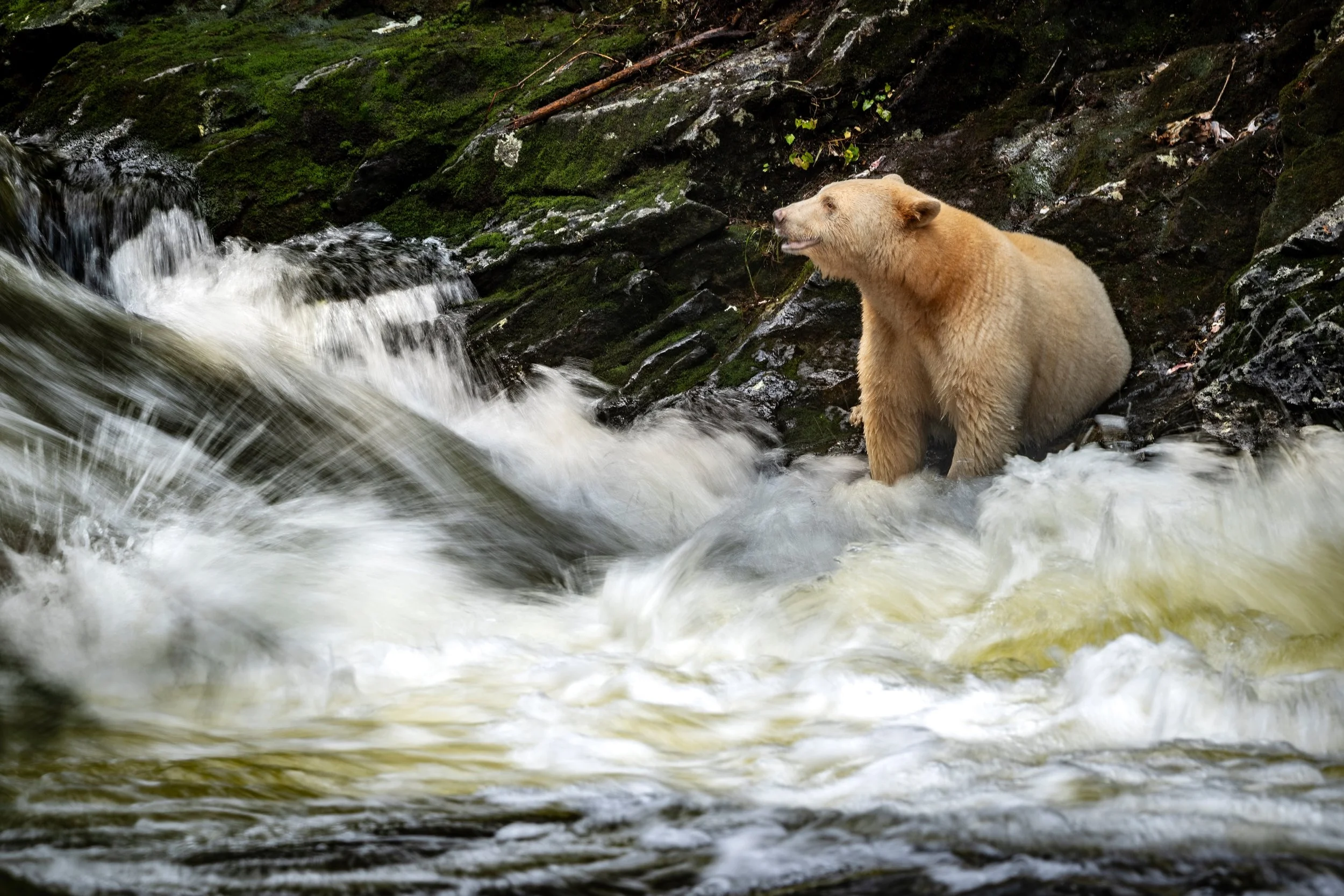
Photograph from Spirit of the Great Bear © 2026 Jack Plant. Reprinted with permission from Figure 1 Publishing

THERE’S AN UNUSUAL array of local arts-related books being released in time for prime vacation-reading season. Ranging from a detailed history of Western Canada’s biggest Shakespeare festival to an immersive photographic look into one of B.C.’s most remote rainforests, these publications offer equal parts adventure, creativity, and emotion.
Below, a deep dive into two of the new non-fiction reads, followed by some short takes on other local books that have just hit shelves—including a tribute to Doug and the Slugs and moving stories of Nikkei resilience. Pull up a lounger, grab an icy lemonade, and jump in.
The Road to Bard: A Legacy of Shakespeare on Canada’s West Coast
Christopher Gaze, Harbour Publishing
“A young actor, modestly hungover, drags a beaten-up trunk full of his belongings across London.” So begins the prologue of Christopher Gaze’s The Road to Bard: A Legacy of Shakespeare on Canada’s West Coast—a scene depicting his early-20s self, headed to the Tilbury Docks, where he boards a transatlantic liner to Canada with stage dreams and no real idea of what awaits him.
The opener perfectly captures the tone of the ensuing book, a must-read for anyone interested in the local arts scene: it’s charmingly self-deprecating, refreshingly candid, and driven by a sense of adventure and optimism—attributes that characterize the memoir as a whole.
Several times over The Road to Bard, Gaze—with the least amount of hubris possible—acknowledges he’s always felt like a man with a mission. And indeed, mounting a giant outdoor Shakespearean festival on the Vancouver waterfront from literally nothing is a feat that would have scared off most mortal beings.
Though it’s only briefly recounted here, one segment prompted this reporter to recall a moment from the very earliest Bard days, when Gaze once convinced Vancouver’s park board—at a time when its commissioners took zealous pride in prohibiting every drop of alcohol in city green spaces—to let Bard on the Beach sell wine and beer at its shows. His masterfully crafted argument spoke poetically about how integral mead was to Elizabethan times, and to the shock of the press table, he somehow won the elected teetotallers over. This is all to say Gaze is no slouch at crafting a sentence—as The Road to Bard ably indicates.
Gaze credits late theatre legend Douglas Campbell (whose name now adorns one of Bard’s performance tents) with instilling much of his sense of purpose. After Gaze performed for Campbell in 1973, the icon encouraged him to make his Shakespearean mark in Canada, convincing him to travel by ship to the land of artistic opportunity. As Gaze puts it: “I had seen how potent the alfresco experience of a tented Shakespeare festival was through my own professional theatrical opportunities. I wanted to create it in Vancouver and was determined to make it sustainable.”
The Road to Bard rewinds to Gaze’s upbringing with his theatre-loving parents. From there, his remembrances of that uniquely cruel English tradition of boys’ boarding school are deeply moving, all the more for his determination not to let its traumas get the better of him. “A sense of abandonment surged through me. I swallowed hard, turned and got on with my new world,” he says, describing being dropped off as a child. Sadly, it will get worse. But theatre, as you might guess, saves him, taking him to England’s National Youth Theatre, the Bristol Old Vic Theatre School, and, later, to travelling the U.K. in caravans and tiny hotel rooms to perform Shakespeare.
His early adventures in Canada are like a who’s who of this country’s theatre world—and who wouldn’t want to knock back whisky with Bruno Gerussi anyway? For local arts history, there are Gaze’s days on the burgeoning late-1970s and early-1980s scene in Vancouver, with Bill Millerd at the Arts Club and Walter Learning, artistic director of the Vancouver Playhouse. Travelling the boards in Canada, Gaze absorbs hard lessons about what works and what doesn’t, watching Edmonton’s Northern Lights outdoor theatre fail from lack of revenue, and seeing the short-lived Vancouver Shakespeare Festival sputter out. “Why had they foundered on the rocks? Overly ambitious programming? Yes, I thought. Prohibitive costs? Yes. Had a consistent audience really been reached and embraced in large numbers? No.” You can see him calculating the formula that would make Bard on the Beach survive.
When it opens in 1990, the fest attracts 6,000 theatregoers to a tent borrowed for a meagre 50 bucks from the Vancouver International Children’s Festival. Not that there weren’t challenges from there, including several financial crises (hello, COVID) and technical obstacles (the acoustics of giant tents and the lineups for porta-potties). But some of the book’s most affecting, and painfully honest, accounts surround the mid-1990s, when the clearly overstretched Gaze’s marriage fell apart. Happily, as the latter half of his book reveals, he has long since solidified loving family bonds.
Oh, and yes, for die-hard Bard fans there are behind-the-scenes accounts and personal insights on every production and artist that has ever graced the festival. For those who have followed the successes (2018’s Beatles-infused As You Like It was “the biggest hit we have ever had”) and his few admitted disappointments, it’s a trip down summer-Shakespeare memory lane.
It’s easy to sit back in your seat under Bard’s Mainstage tent, watching the sunset through its open-air back, and take in the spectacle without ever pausing to think about who took the initiative to build such an audacious, uniquely Vancouver thing—and, as the author takes pains to point out, to actually keep it running for decades. (Today, the fest has a budget of $10 million and welcomes more than 100,000 visitors annually.) Gaze really digs into himself to answer the question of what drove him to do this. And for any audience member who reads The Road to Bard, it will probably be impossible not to think about it all the next time they sit down under the giant white tent.
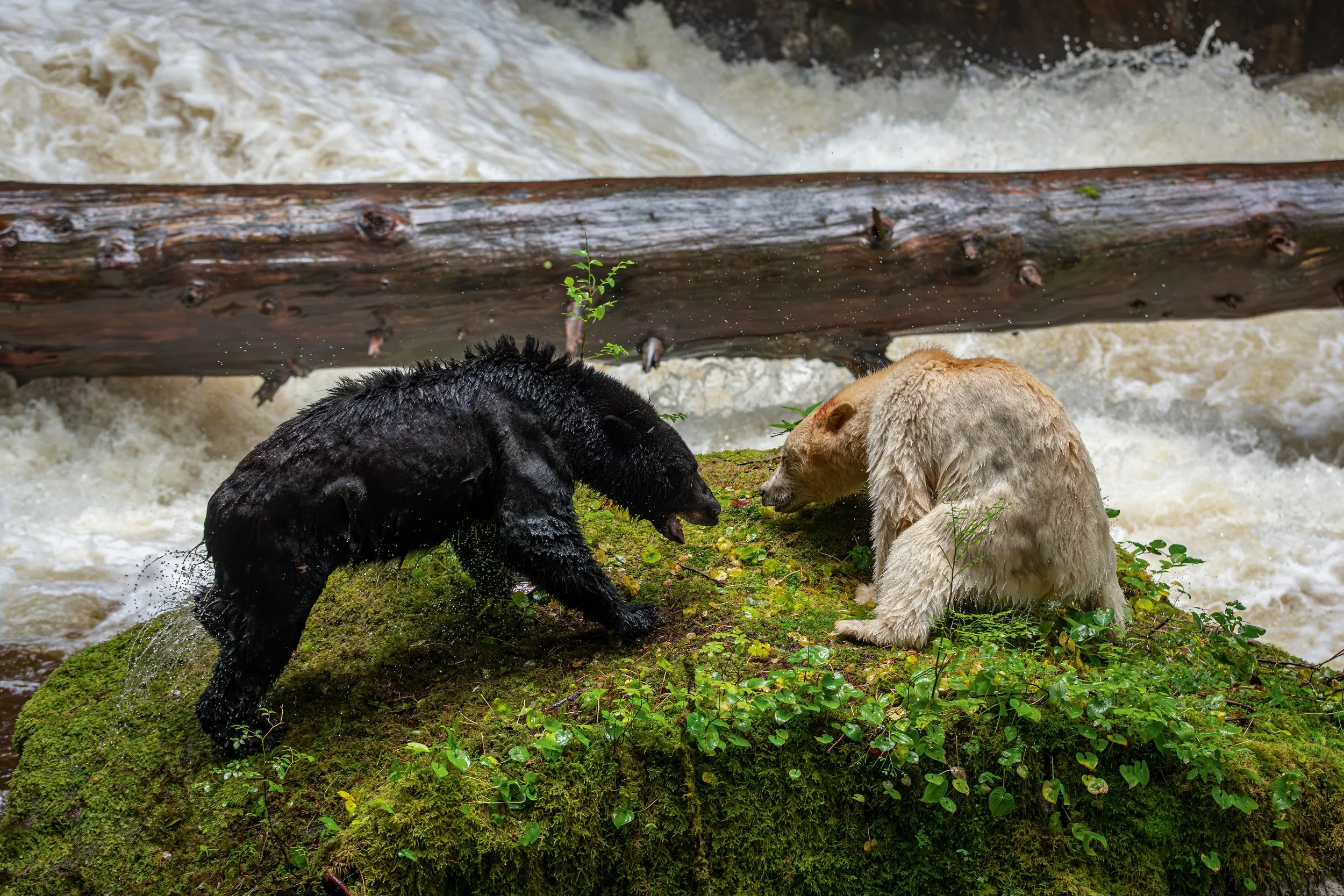
Photograph from Spirit of the Great Bear © 2026 Jack Plant. Reprinted with permission from Figure 1 Publishing
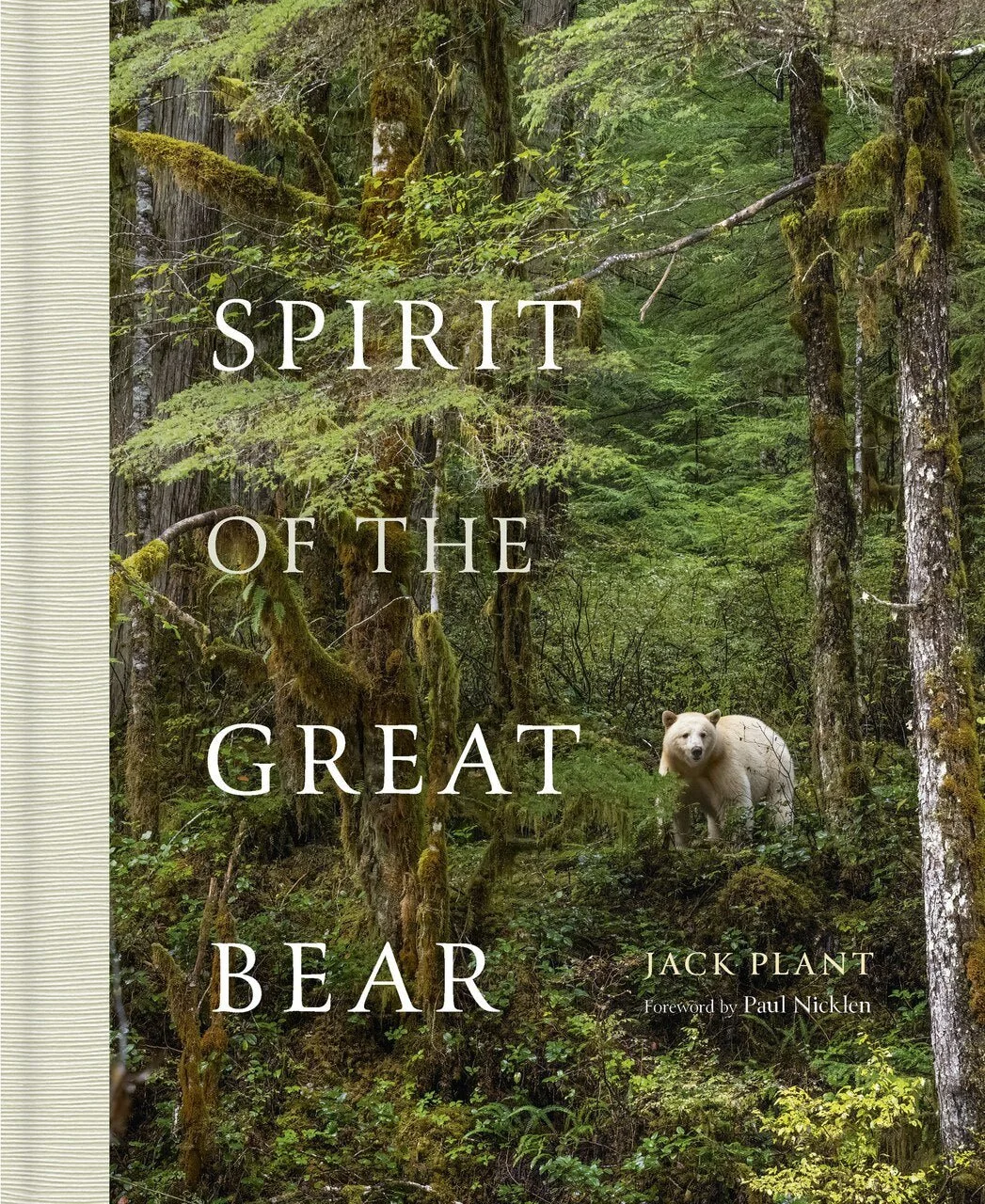
Spirit of the Great Bear
Jack Plant, Figure 1 Publishing
There are fewer than 100 Kermode bears—the elusive white-furred black bears that exist only in the Great Bear Rainforest on B.C.’s northwest coast. The vast network of fjords, rocky islands, and ancient trees remains one of the most remote places on Earth—a fragile environment that U.K.-born, Squamish-based photographer Jack Plant transports readers to in his stunning new book of 90 colour photographs.
Aside from creating sharply defined shots of the pale bears—often making striking eye contact—he captures grizzlies, black bears, wolves, orcas, and humpback whales, as well as the Kitasoo/Xai’xais First Nation that has helped give him access to the area. As Paul Nicklen puts it in the book’s foreword, “It honours the way everything here is woven together, from the mist in the air to the mycelium in the soil. The ravens, the tides, the cedars, the people: it’s all one living system.”
Accompanying the shots are Plant’s storytelling and messages of conservation. One of the most memorable sections documents his first experience of encountering a spirit bear on land, alone, far down the rainforest’s remote river system. “The sight of a white bear amongst the green forest still gives me goosebumps,” he recounts. And after the older male disappears into the forest again: “I’m not going to tell you magic is real, but that is the closest I’ve ever come to believing.”
In the ensuing shots, he depicts the energy of these kinds of rare sightings. In one, the ghostlike animal scales barnacles down a sheer rock face to get at the water, its white reflection shimmering in the dark surface below; in another, the river splashes as the creature seizes a writhing salmon.
Among the rarest experiences that Plant captures on film is a violent fight after a spirit bear tries to steal a coho from a black bear—a circumstance caused by the lingering droughts of 2018.
Elsewhere, orca fins cut through the water, and a wolf swims across a bay. Sun rays cut atmospherically into longhouses. Each image has exquisite detail, the layered textures of damp moss, lichens, ferns, and rocks so defined you can almost smell and feel them.
The untouched rainforest feels like another world—and for most readers, this is as close to it as we will ever be able to go. More than anything, Plant captures the magic, mystery, and majesty of the setting and its inhabitants; small wonder the spirit bears have featured forever in First Nations oral traditions. Through pictures and words, Plant conveys the breathtaking awe of this last bastion of wilderness. As he puts it in the book: “Some experiences defy language. I suppose that’s why we turn to art.”
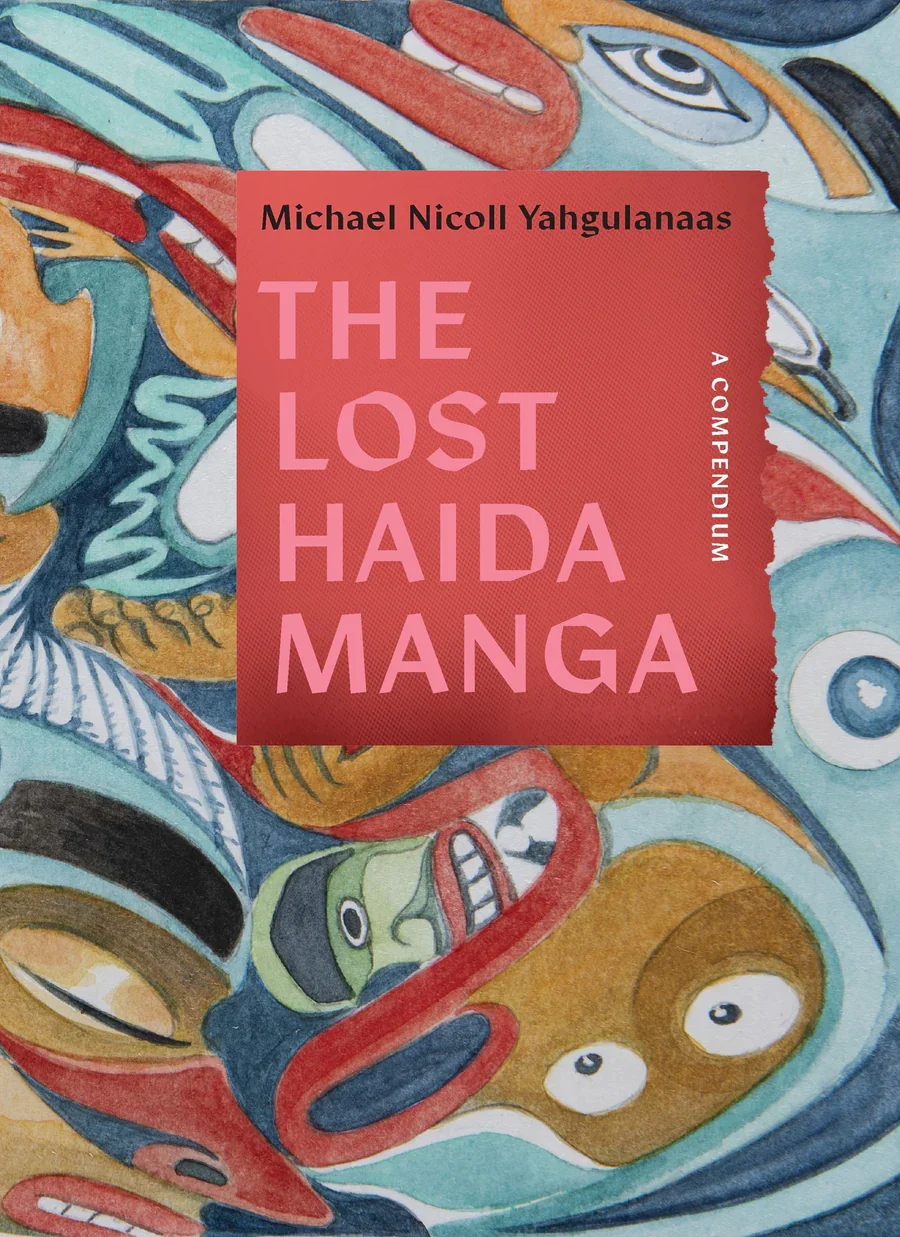
The Lost Haida Manga: A Compendium
Michael Nicoll Yahgulanaas, Douglas & McIntyre
Here’s a vibrant, one-stop lesson in the 40-year evolution of Haida manga—that bold visual genre that blends North Pacific Indigenous iconography with graphic storytelling and Japanese comic styling. It collects versatile, Haida Gwaii–raised visual artist Michael Nicoll Yahgulanaas’s shorter manga and illustrated text pieces from 1981 and 2025, covering everything from the ancient story “A Tale of Two Shamans” to the recurring Rocking Raven figure. Author Wade Davis contextualizes it all, including the emergence of the term Haida manga, in the foreword.
Stories of Nikkei Canadians: Resilience in Struggle
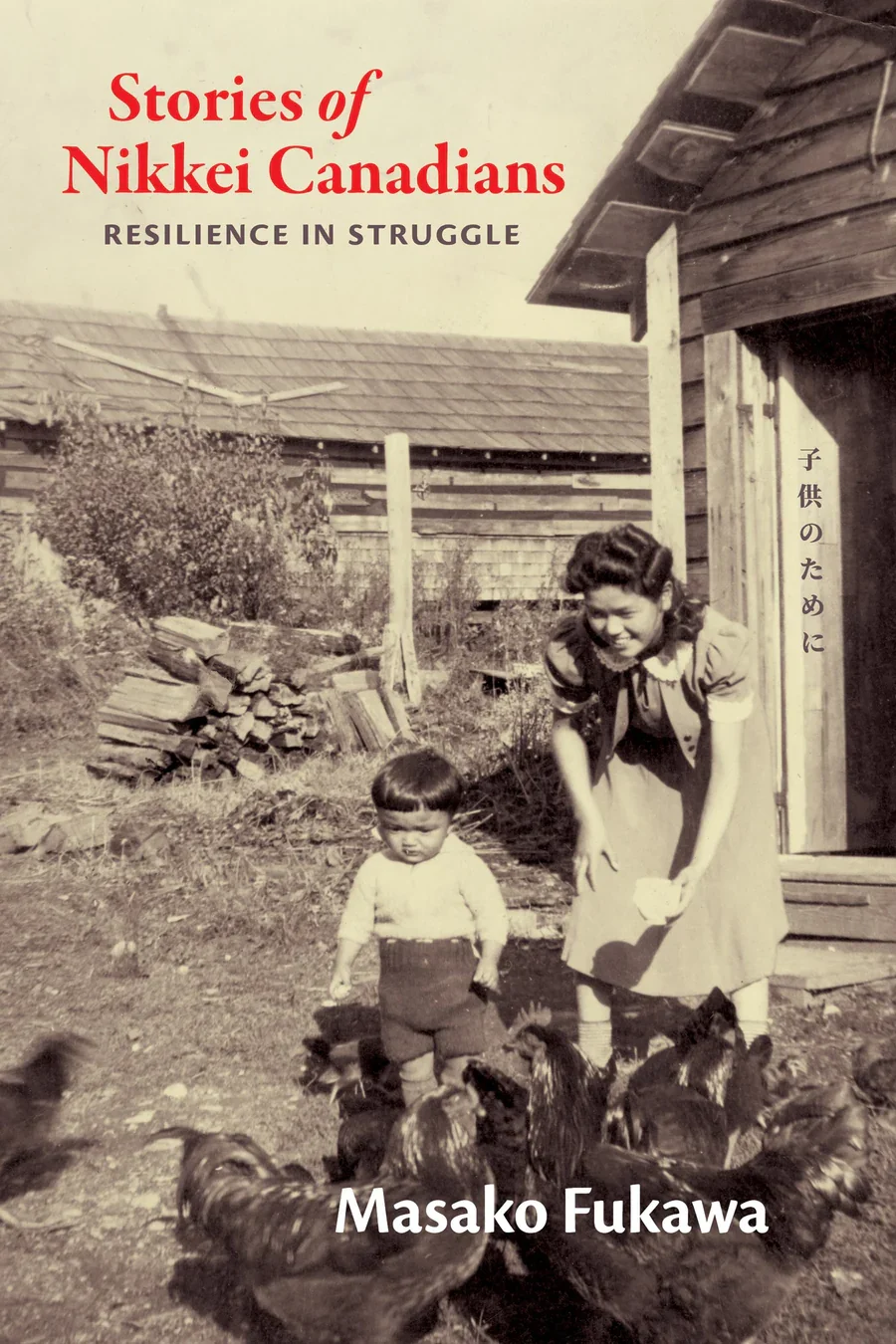
Masako Fukawa, Harbour Publishing
A moving, deeply researched ode to Nikkei perseverance, this collection of photos and stories details the human costs of the Canadian government’s internment of 22,000 Japanese Canadians—digging into not only the seizure of property but the enduring traumas of families fracturing and attempting to rebuild after World War II. Fukawa traces her own clan’s roots as well as the broader experience, with special attention to a thriving, prewar Steveston.
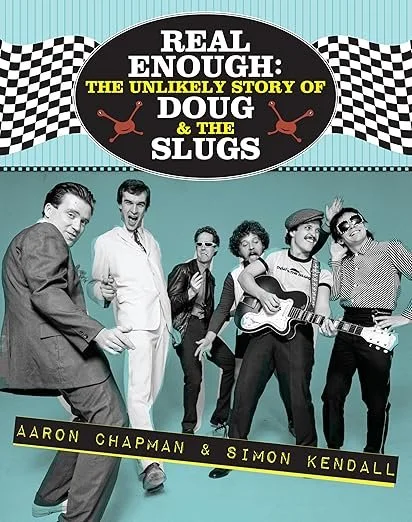
Real Enough: The Unlikely Story of Doug and the Slugs
Simon Kendall and Aaron Chapman, Anvil Press
How does a self-effacing, upstart indie bar band find itself in possession of gold-record status? That’s the fun Canadian rock story captured with ample humour here, as authors Simon Kendall (Slugs keyboardist and cofounder) and Aaron Chapman (Live at the Commodore and Vancouver After Dark) trace the rise of Doug and the Slugs, the band behind 1980s hits like “Too Bad”, “Day by Day”, and “Making It Work”. The book is illustrated with a wealth of photos, diary entries, posters, ticket stubs, and other ephemera collected after the group’s casual beginnings in 1977. 

Related Articles