Amid comedic chaos, East Van Panto: Hercules wrestles with definitions of manhood and strength
Back directing the holiday show, Chelsea Haberlin isn’t just navigating a logistical frenzy, but also interweaving meaningful themes in a story about a boy entering adulthood—and fighting a villain from the manosphere
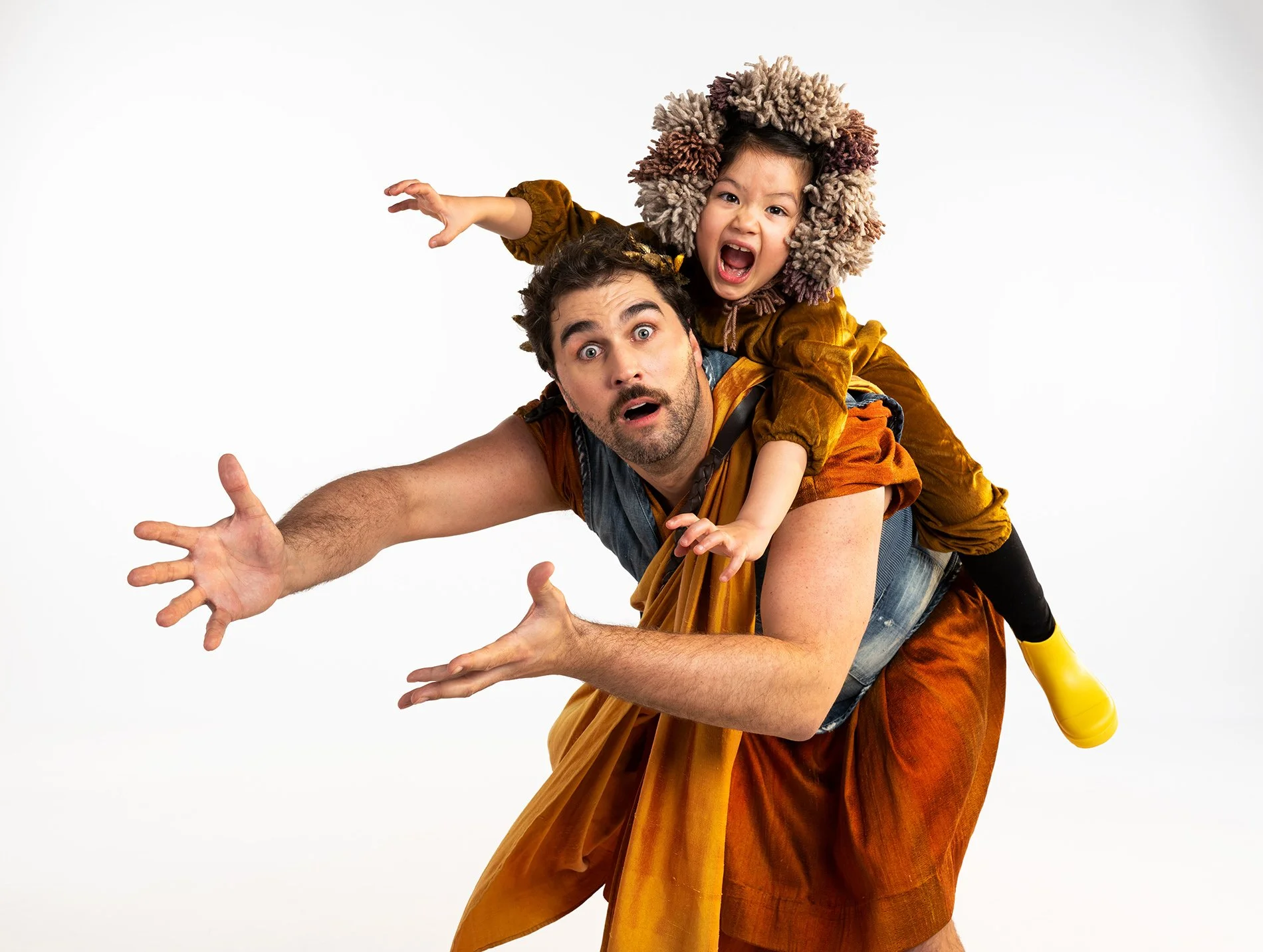
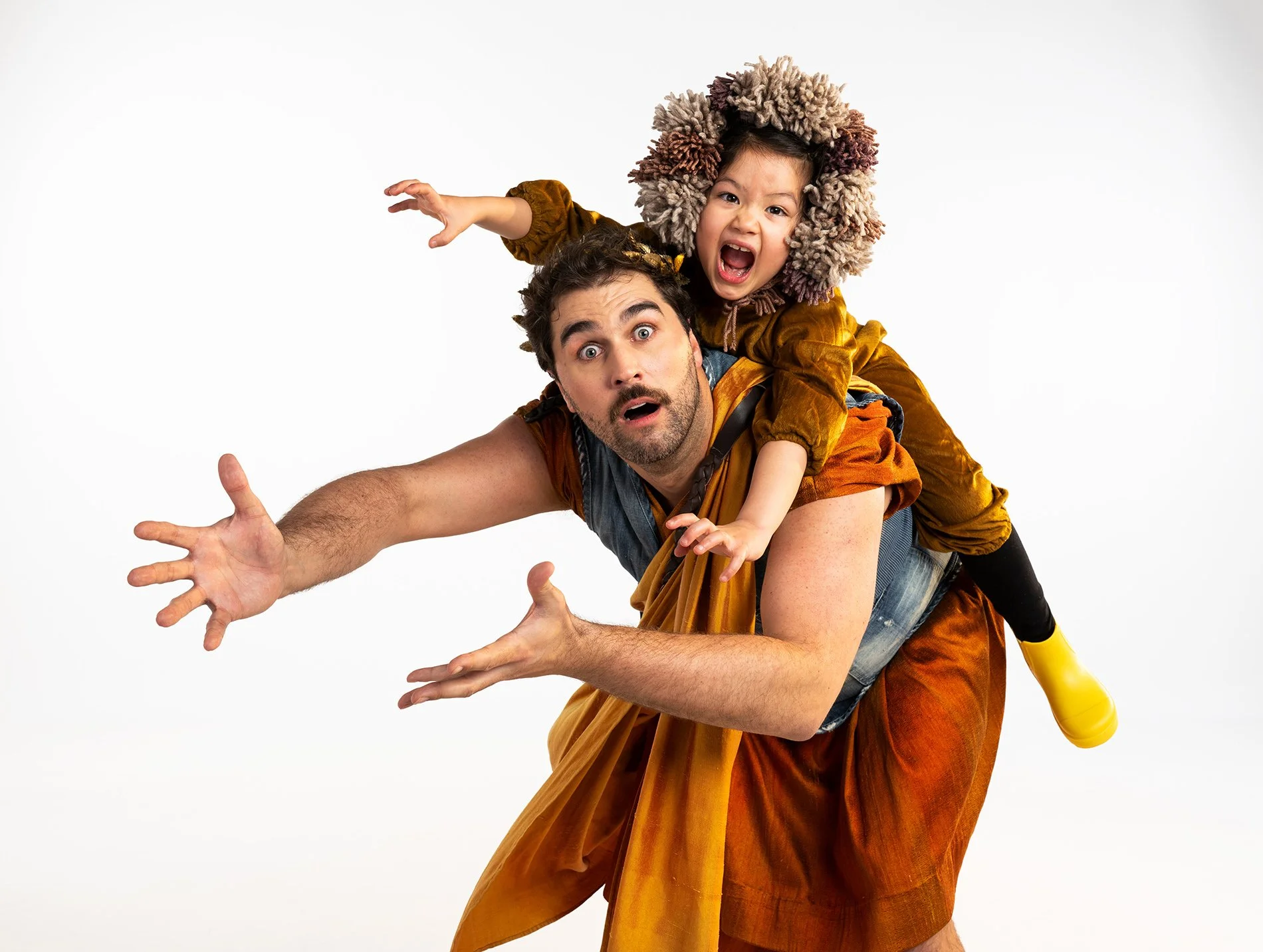
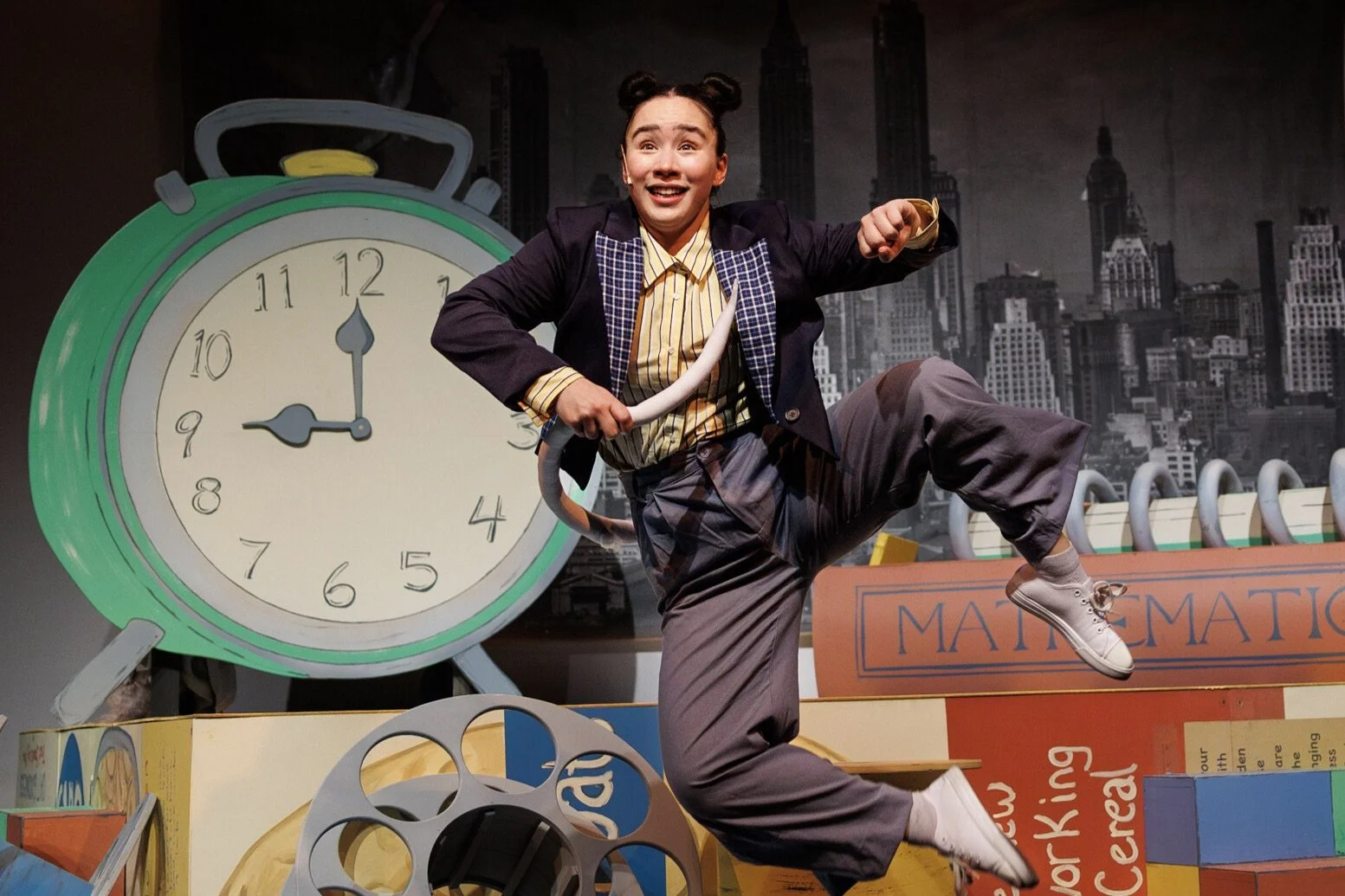
Jacob Woike stars in East Van Panto: Hercules. Photo by Emily Cooper
Theatre Replacement and The Cultch present East Van Panto; Hercules at the York Theatre
BY NOW, THE VANCOUVER audiences who pack the house for the East Van Panto appreciate what a near-impossible logistical feat it is each year.
It’s something stage director Chelsea Haberlin has come to appreciate first-hand. As Neworld Theatre’s artistic director and ITSAZOO Productions’ associate artist, she is used to taking several years to develop new Canadian plays. Theatre Replacement’s Panto, by comparison, is a two-act musical that has to go from concept to the York stage in 10 short months, complete with song-and-dance numbers, a full script that parodies a well-known story, and a complex array of rules from British panto tradition—all filtered through 14 years of East Van twists.
Entering her second year at helming the organized chaos—this time with a hyperlocal, hilarity-filled spin on the Hercules myth—the director has come up with a clear metaphor for what it’s like to pull together so much on that timeline.
“It’s like a train is speeding by and you just have to grab it and go with it,” she tells Stir on a break from rehearsals at the Russian Hall. “And once you grab the speeding train, it's really fun and everything, but stepping onto it is always a bit of ‘Here we go, here we go, here we gooooo!’
“Last year, my first year, I kept grabbing the train and then letting go,” she adds. “I was grabbing the train and it was hard to kind of fully stay on, and I couldn't, obviously, see everything.”
Fortunately, she has a seasoned creative team—in-house “Panto expert” music director Veda Hille among them—who can help keep her from derailing. That may mean advising her on how to “button” the end of musical numbers, whether with a pose or a punchline, or how to get the audience yelling “Boo!” or “Look behind you!” throughout the performance. Or, in rehearsal, it may just be Hille adding a spontaneous tune on the keyboard that brings new life to a scene.
This year, Haberlin also happens to be working with material that feels important and close to her heart as the mother of a young son.
Haberlin and playwrights Pedro Chamale and Marcus Youssef are taking the symbol of Hercules (played by Jacob Woike) and not only making jokes about his superhuman strength, but placing him in a world that requires him to dial back his musclebound, “manly” character and be sensitive. Navigating his entry into adulthood, our slightly dorky, reluctant 12-year-old hero is wrestling with whether strength is less about overpowering others and more about vulnerability and empathy.
“What we’re asking with the Panto this year is ‘How do we support boys becoming men?’” Haberlin explains. “And statistically, we’re seeing that boys and men are having a really hard time and it’s been a hard thing to talk about. It’s been kind of a controversial thing to talk about.
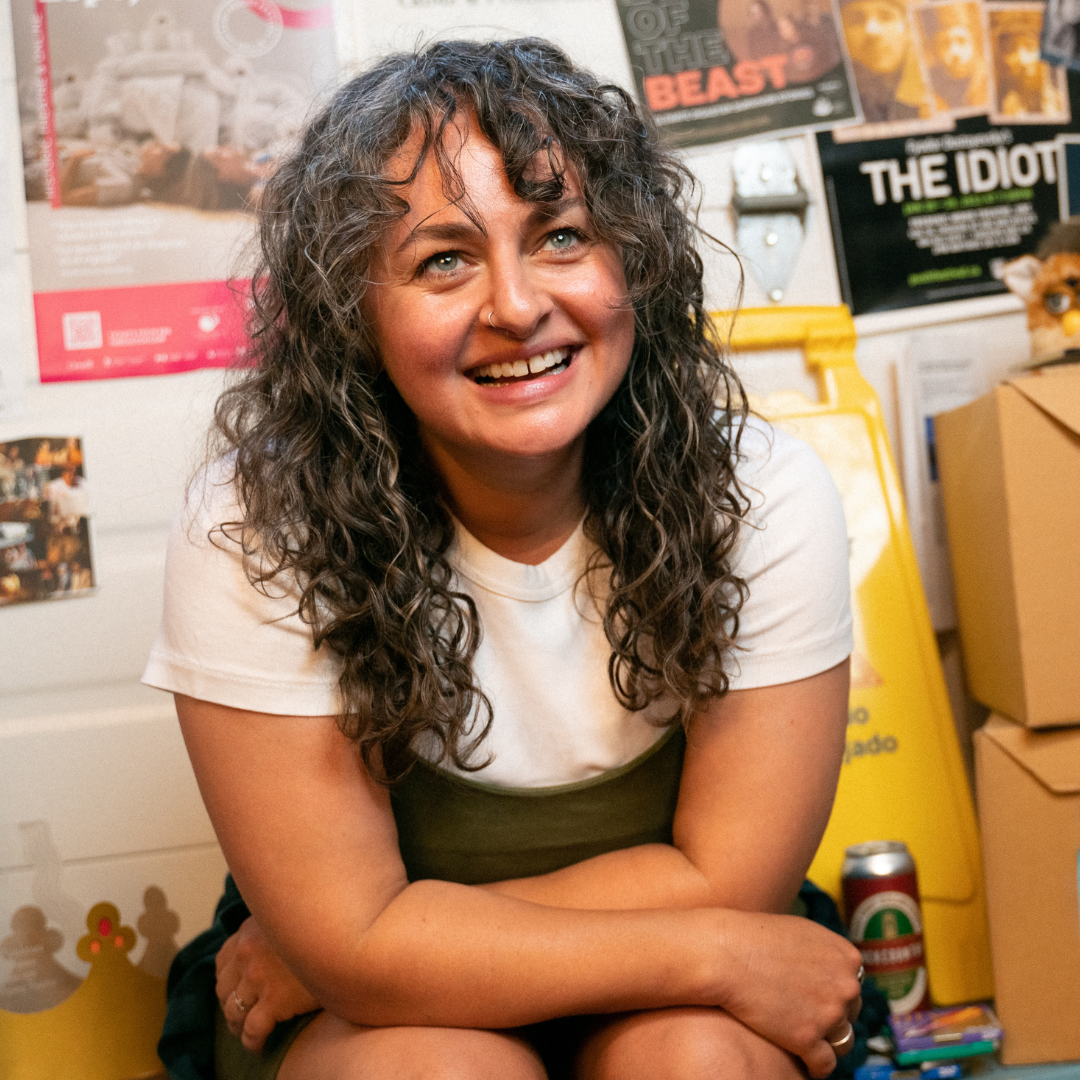
Chelsea Haberlin
“Hercules is being told on the one hand that he needs to be sensitive and take big belly breaths and be gentle and calm, and on the other hand that he should be strong and aggressive,” she continues. “And at 12, he’s trying to decide ‘Who do I want to be? What does it mean to be a demigod serving those around me? And how do I do that in a way that honours the drive inside me to use my strength, and also allows for empathy and friendship and love?’”
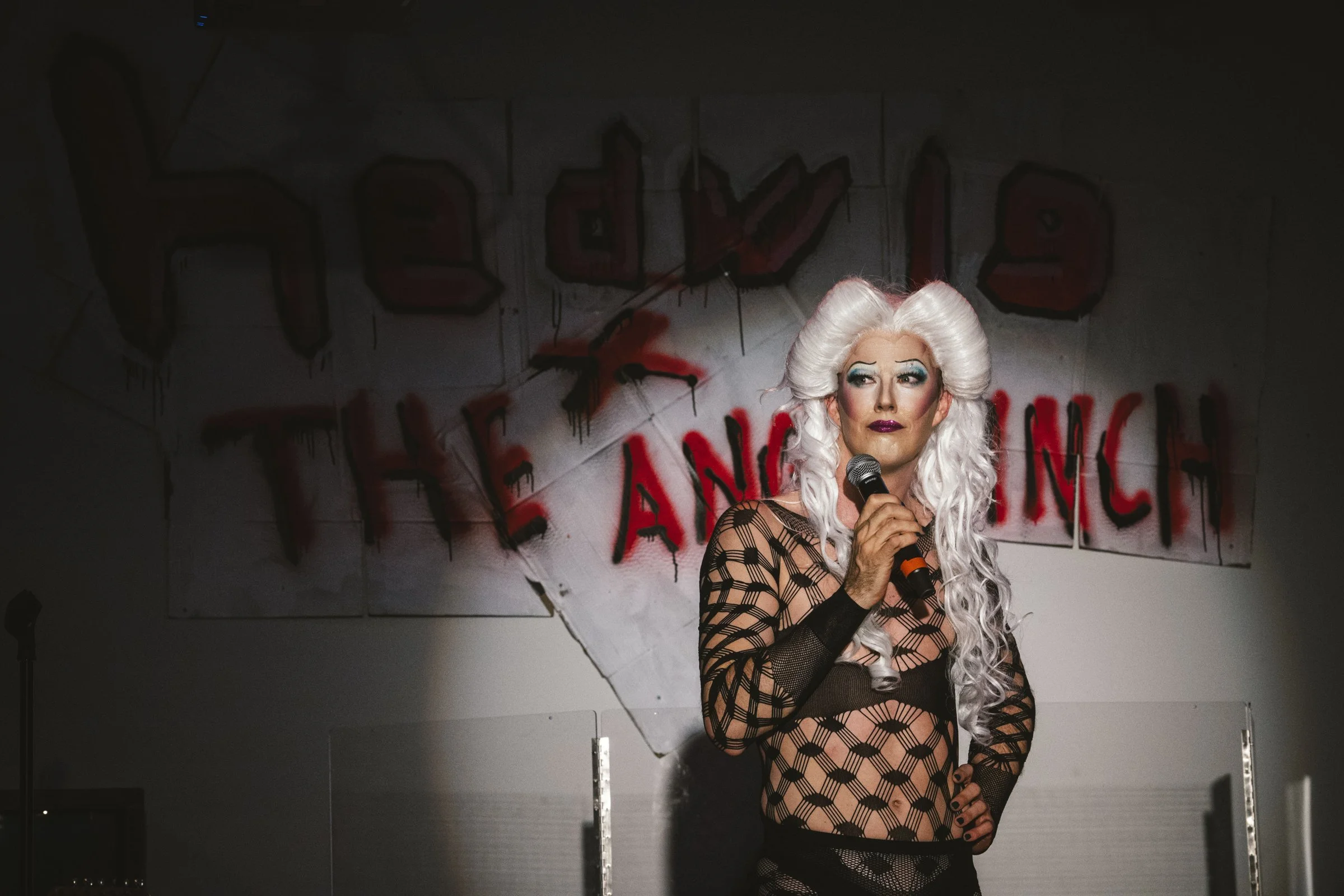
The villain in East Van Panto: Hercules is Hades (Jason Sakaki), a character yanked straight out of the manosphere, who is scheming to seize Science World and turn it into a shrine to old-school masculinity.
”He represents what you’re seeing a lot now online, with these very negative male influences where it’s all about looksmaxxing and a real return to male chauvinism,” Haberlin hints, “and that young boys are turning to because they’re looking for models. So Hercules is stuck between Hades, who represents this kind of manosphere, who’s his uncle, and his mom, Hera, who’s the goddess of hearth and home and family, and wants him to be kind and gentle and helpful and nurturing. So he’s caught between these two models and trying to figure things out.”
That means that, amid all the challenges of staging a show with outrageous sight gags, wildly choreographed musical numbers, and strategic audience interaction, Haberlin is weaving something meaningful into all the unabashedly goofy fun. That, and the show’s multigenerational appeal, may be among the most important East Van Panto traditions of all.
“I am really thinking of this as a Panto for millennial parents in so many ways,” she adds of one of those generations. “Pedro is a millennial, I am a millennial, and we both have young kids, and so there are lots of things in here that people raised in the ’80s will remember from their childhood. The second act takes place in the labyrinth, and there’s lots of David Bowie. There’s lots of nods to The NeverEnding Story. There’s really, really heavily referencing the Disney Hercules film.”
And as she hangs on for dear life to the speeding train that’s bringing East Van Panto: Hercules into the station, Haberlin has come to intimately understand why the holiday show strikes such a chord with theatregoers.
“Without audience engagement, there wouldn’t be a Panto,” she reflects. “So the audience is essential, and I think the audience can feel that.
“I also think the thing that I always loved about it before I was involved, and that I see more when I’m in it, is that it’s not just that it’s hugely entertaining; it’s that it gathers a community around really core shared values and serves them up on this plate of incredible humour and music and joy. So you’re laughing and singing along, and at the same time you’re crying because something that means the most to you in the world is being named onstage. And there’s something about that explosion of emotion at you from the stage that you can then verbally, and should verbally, respond to that is just electric and alive. Like, it’s just freeing in a way. I don’t know that we have a lot of opportunities in life to see something live that gives us that kind of shared values and release.” 
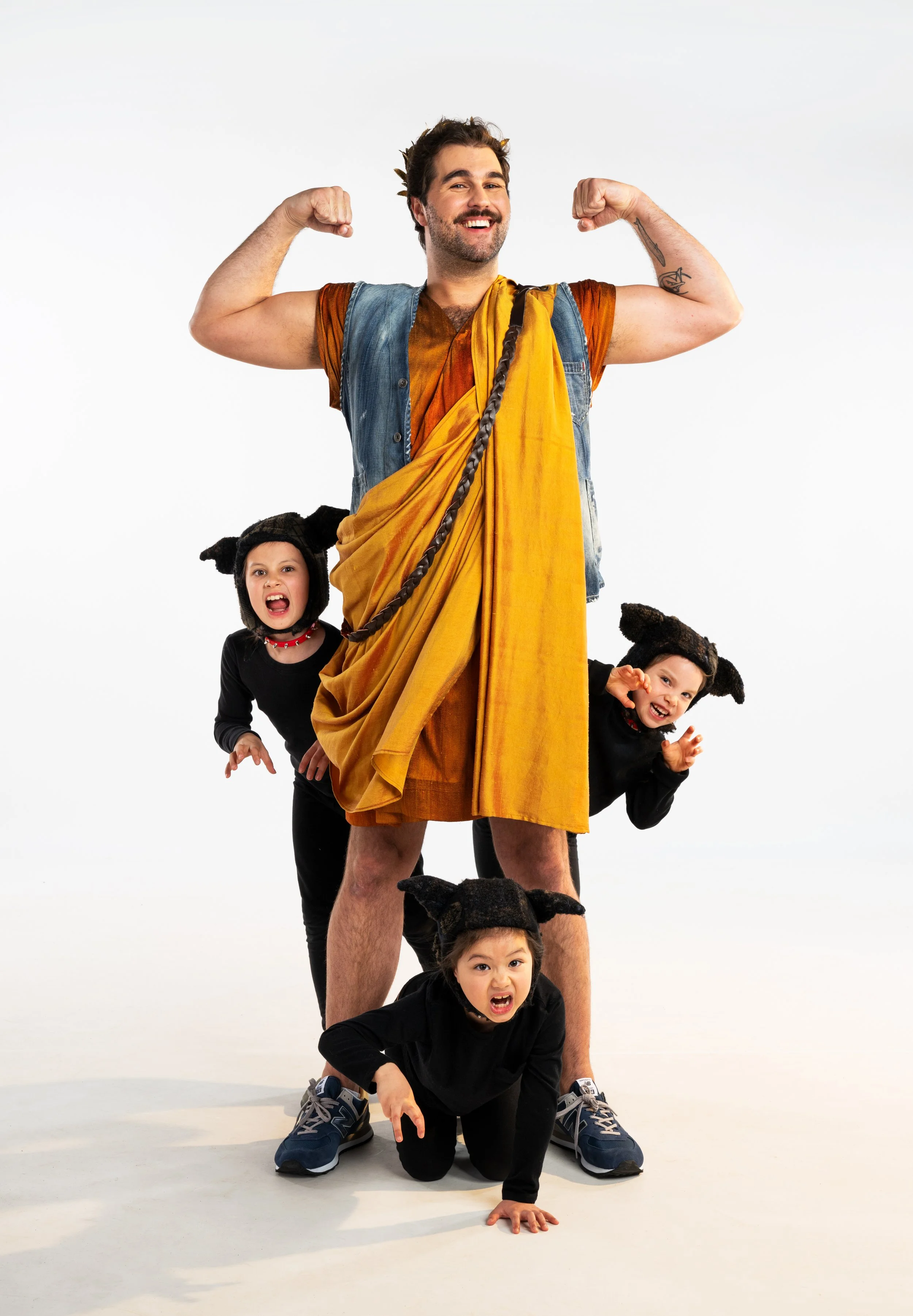
East Van Panto: Hercules. Photo by Emily Cooper

Related Articles