Jen Sookfong Lee's The Hunger We Pass Down confronts intergenerational trauma and the insatiable desire for survival
Ahead of her appearance at Vancouver Writers Fest, author talks horror, motherhood, and the power of female rage
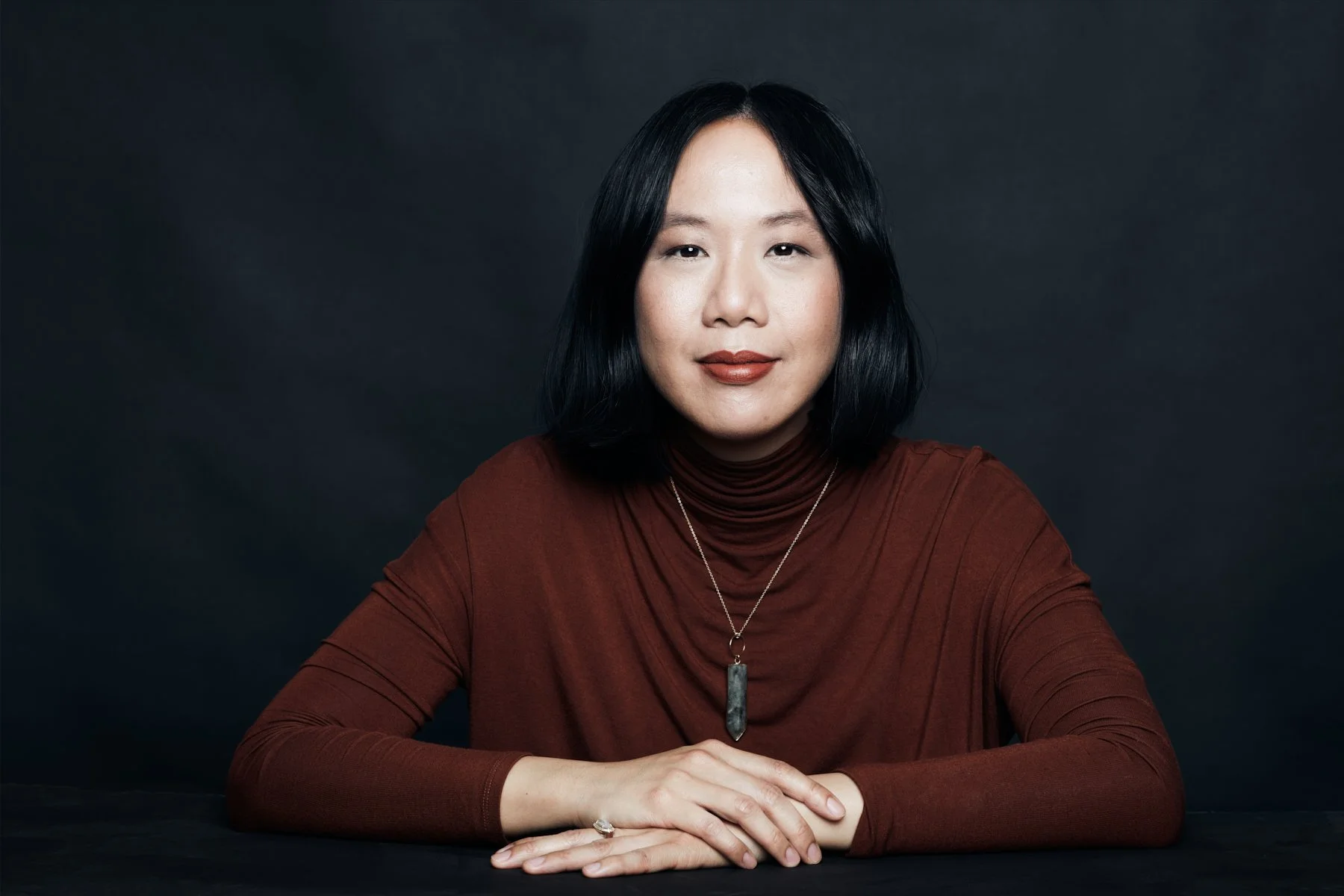
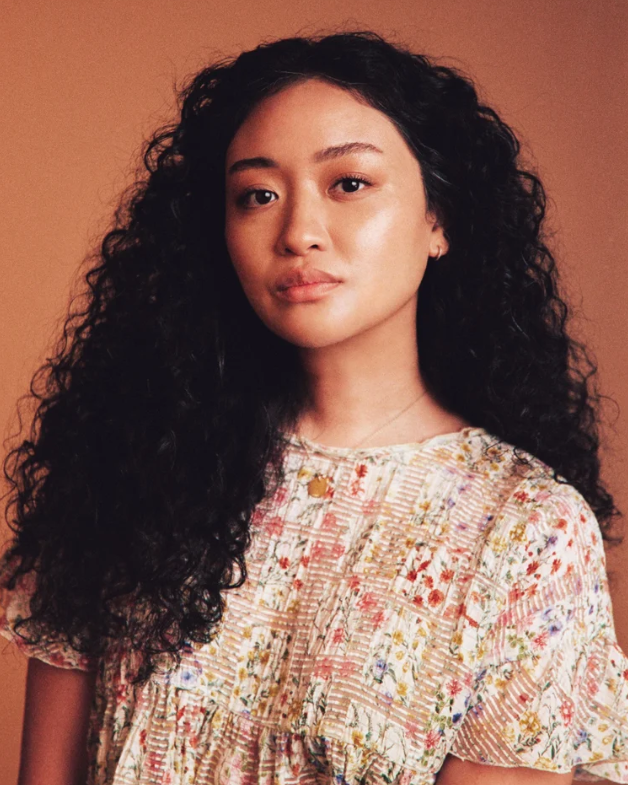
Jen Sookfong Lee. Photo by Kyrani Kanavaros
The Vancouver Writers Fest presents Jen Sookfong Lee at Elbows Up! at the Granville Island Stage on October 24 at 1 p.m., and at The Feminine Grotesque on October 24 at 7 p.m. at the same location.
IMAGINE WAKING UP one morning to a spotless house—an unforgiving list of chores miraculously completed overnight. Would you feel relieved?
When Jen Sookfong Lee got the idea for her first horror novel, it wasn’t ghosts or monsters that crossed her mind, but the simple fantasy of a single mother relieved of her endless responsibilities. From a seemingly lighthearted conversation between two friends sharing struggles of single motherhood over glasses of rosé came the premise for Lee’s latest work, The Hunger We Pass Down.
“I said to my friend, ‘Wouldn’t it be great if you just woke up one morning and all your chores were done?’ And she said, ‘Yeah, that could be great, but who’s doing it? Don’t they want to be paid?’” Lee tells Stir over the phone. “I thought, ‘Wait a second, so who is doing it? What would they want from me? And why does that sound so scary?’”
When single mother and small business owner Alice Chow is met with this exact scenario, she decides she has no time to worry about who (or what) is completing her chores. After all, she has more pressing matters in her life, like a resentful teenage daughter, a screen-addicted son, and a secret lover pressuring her for more serious commitment. Alice does her best to ignore the ominous presence in her home and embrace the extra time she has for herself and her children, but she cannot escape the relentless grasp of her family’s dark past: a generational curse that began with her great grandmother Gigi, a comfort woman in Hong Kong during World War II.
“The Hunger We Pass Down is really about intergenerational trauma and what happens when we are not honest with our family members,” Lee says. “When we don’t talk about things, all of that suppressed history and rage can manifest into something demonic.”
For Lee, the genre of horror is more than just a scary story. Pointing to Jordan Peele’s iconic comedy-horror film Get Out, she says that the best works of horror often create something terrifyingly tangible.
“[Horror] does that so well—sort of gives shape to all of our fears and traumas and makes it something bigger than life…something really creepy and horrible,” Lee observes. “In that way, I think it makes it much easier to talk about…the things that scare us and the things that hurt us.”
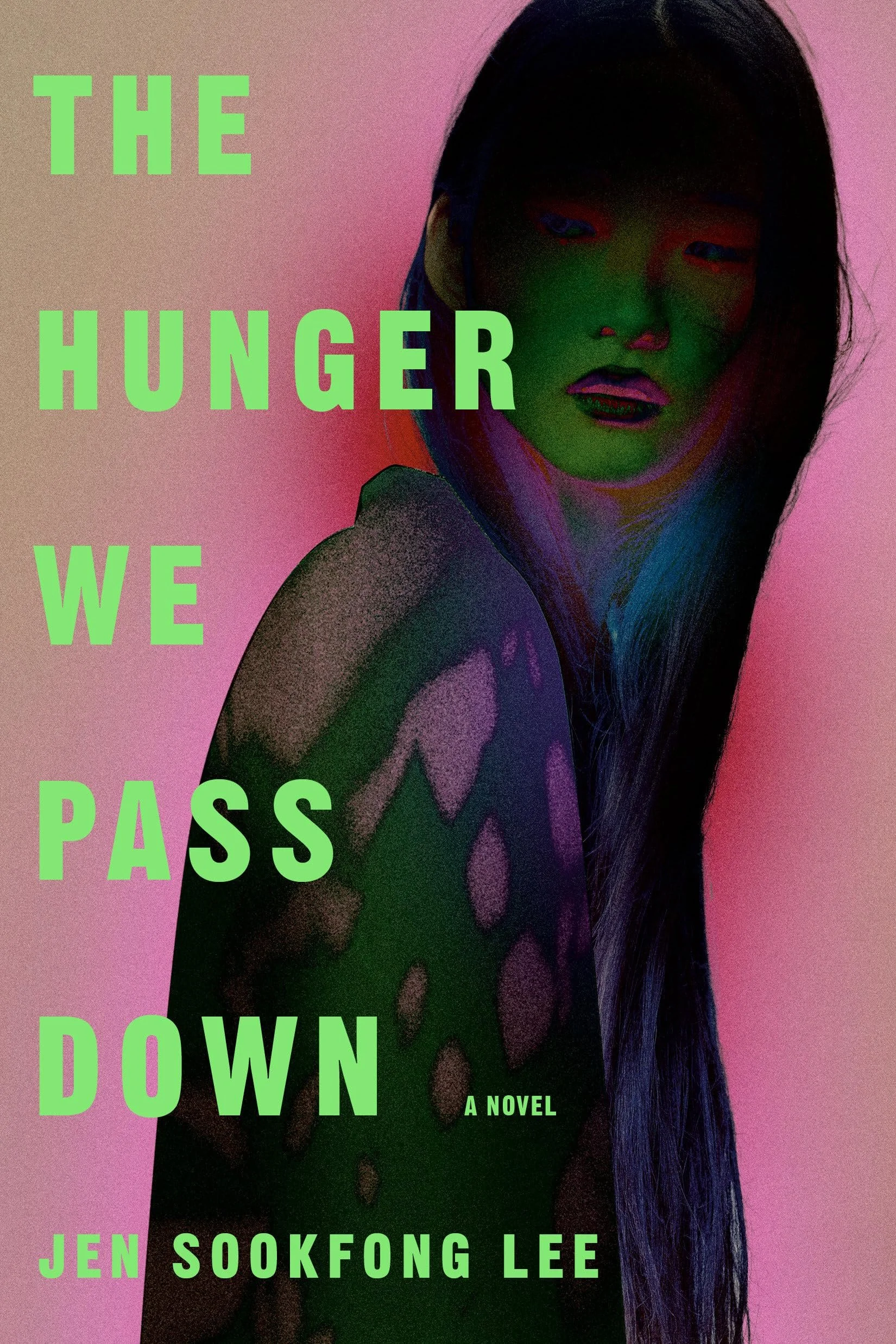
In The Hunger We Pass Down, the intergenerational trauma of one Chinese Canadian family turns into a demonic ghost that haunts each generation of women. Her great grandmother Gigi, her grandmother Bette, her mother Judy, her daughter Luna, and even Alice herself—none are exempt from the raging vengeance of their ineffable pain and repressed female wrath. From mother to daughter, rage is passed down and transformed, as is the insatiable desire for survival.
Lee says that she feels angry all the time, but because she is an Asian woman, it has always been unacceptable for her to express it. Channelling all that rage into her book, Lee feels liberated. “I do believe personally that anger is a really motivating factor…and if women were allowed to express their anger and act on their anger, then the world would probably be better,” she says. “I don’t think rage is negative…I really would love all women to let themselves be angry sometimes.”
With each mother and daughter, Lee thought about all the different types of mothers she has known in her life and how they got to where they were. “There are about a million different ways to be a mother and a million different ways of being a daughter, and for me, I do immerse myself into each of those characters as much as I can,” she says. “There’s a whole lifetime of experiences that make them discipline a child that way, that make them nurture a child that way.”
When Alice learns the tragic story of Gigi from Judy, for the first time she sees her mother beyond the tough, fierce exterior. She reflects on the “wounds” and “hunger for survival” that are forever passed down and repeated. She wonders whether she has already given it to her daughter without realizing it, unaware of all the hidden trauma she carried in her body.
This hunger for survival is not unnatural or necessarily bad, Lee stresses. “I think that it’s very human to be hungry for many things: survival, power, home, relationships, and all those things,” she explains. “I think [the hunger] can never be satiated. However, I do believe that being self-aware and honest with yourself and everybody else does a lot to take the acute sharpness of hunger away.”
Lee, alongside novelists Mona Awad and Silvia Moreno-Garcia, will discuss The Hunger We Pass Down on October 24 at the Granville Island Stage as part of this year’s Vancouver Writers Fest. In conversation with Mattea Roach, host of CBC’s Bookends, the authors will delve into how race, class, privilege, womanhood, and inherited pain surface in their latest works—and how the genre of horror allows them to freely explore and confront those themes.
“There’s also absolutely no doubt that we’ll be talking about female rage. How could we not?” Lee adds. “As well as talking about stories that are so much larger than life, yet say so much about the everyday lives that women are living, and that there is so much horror in just being a woman.” 

Related Articles