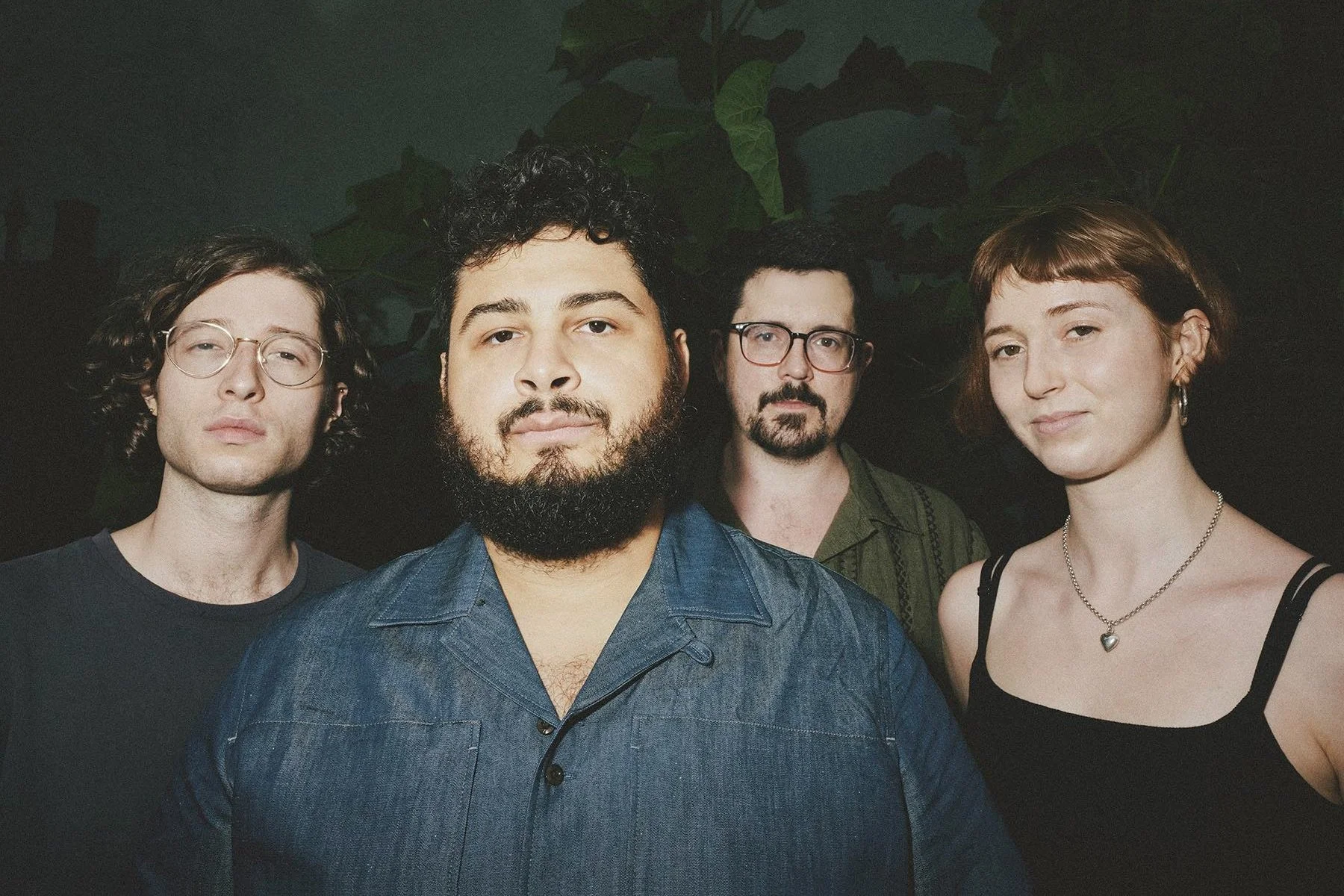
Concrete Vehicles’ noise-rockers specialize in music as unique as their band’s name
Intellectual-property disputes behind it, the project formerly known as Computer plays the Burrard Stage at this year’s Khatsahlano Street Party
Concrete Vehicles
Concrete Vehicles performs at the Khatsahlano Street Party’s Burrard Stage on July 11 at 5:30 pm
THERE ARE DISTINCT advantages that come from giving your musical project a unique name. One is that it makes it easier for potential fans to find you online; when you Google “King Gizzard and the Lizard Wizard”, the search engine knows exactly what you’re looking for.
Another compelling reason to choose your band name wisely is to avoid any intellectual-property disputes down the road. The Vancouver-based act formerly known as Computer found this out the hard way in March of this year when it received a cease-and-desist letter from someone else who had a copyright claim on that very name for their own project. The missive gave Vancouver’s Computer 14 days to pick another name or face legal consequences.
The timing was unfortunate, as the local band had already signed to a prominent label and had released its debut album, Station on the Hill, several months earlier. Faced with the necessity of a sudden name change, frontman Ben Lock and his bandmates ended up opting for “Concrete Vehicles”, but it wasn’t an easy choice. They had so many other potential picks, in fact, that they used a bracket system to narrow down the options.
“We put in probably 200 names,” Lock tells Stir by telephone. “We hung out and we drank some beers and we just went through all of them. I don’t even think Concrete Vehicles made it into the top 10 winners’ bracket of that. I can’t even remember which one landed there. We were playing around, trying to see if we could keep the name somewhat Computer-related, but legally we just couldn’t. We felt like Concrete Vehicles was the coolest-looking, on a T-shirt or whatever—and it also had a meaning to it, so it had those two things going for it.”
It was practically a ready-made name, too, since it’s also the title of one of the tracks on Station on the Hill. In the great rock ’n’ roll tradition of Led Zeppelin and Iron Butterfly, Concrete Vehicles is a paradoxical name that plays on the tension between desiring to move forward but feeling cemented in place. It’s a reflection, Lock says, of how he was feeling about his life when he wrote the lyrics to the song in question.
Sonically, there’s plenty of push and pull to “Concrete Vehicles”, which kicks off with a snaking saxophone line over thundering drums and careens through a jarring stop-start riff before unleashing its pent-up pressure in a chorus that splits the difference between no-wave dissonance and Dischord Records post-hardcore.
If the song has retroactively become Concrete Vehicles’ mission statement, it’s a fitting one. In any case, Lock admits that he and Hudson Schelesny hadn’t exactly agonized over the matter of picking a band name when they began the project as a bedroom-recording exercise in the summer of 2023.
“When we started the band, we were like, ‘It’s not going to matter. No one’s going to listen to our 10-minute songs anyway. This is just fun,’” Lock says. “And then people listen to it and you’re kind of screwed, because there’s another band called Computer. There’s just stuff like that you learn. But now, going forward, I’d say to anyone, definitely try to pick a name that doesn’t exist.”
Lock says he and Schelesny have been making music together since they were both 15 years old: “He learned how to play drums and I learned to play guitar kind of at the same time.”
The project that would eventually become Concrete Vehicles was an attempt to fuse the pair’s formative influences—hardcore and post-hardcore outfits like Refused and Drive Like Jehu—with more recently unearthed inspirations, from the monumental prog of King Crimson to the idiosyncratic art rock of Talking Heads.
“It felt like the music we had wanted to make for a while but weren’t doing in the bands we were in at the time,” Lock says. “So it became a fun side project where we were experimenting with writing songs that were too hard to play, for us, at the time. That was kind of the concept of the band at the beginning, I guess. Just trying to push ourselves in the recording, and sometimes even manipulating the recordings to make the structures different and do weird time stuff. Then once the band started, we had to learn that stuff. It was a bit harder than we thought, but we got there. It made us play better.”
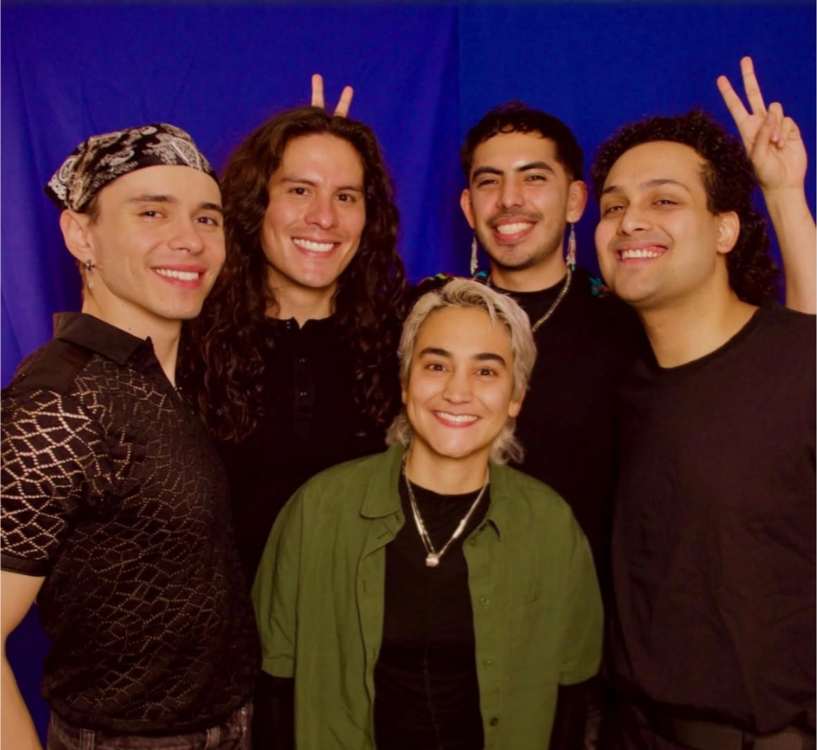
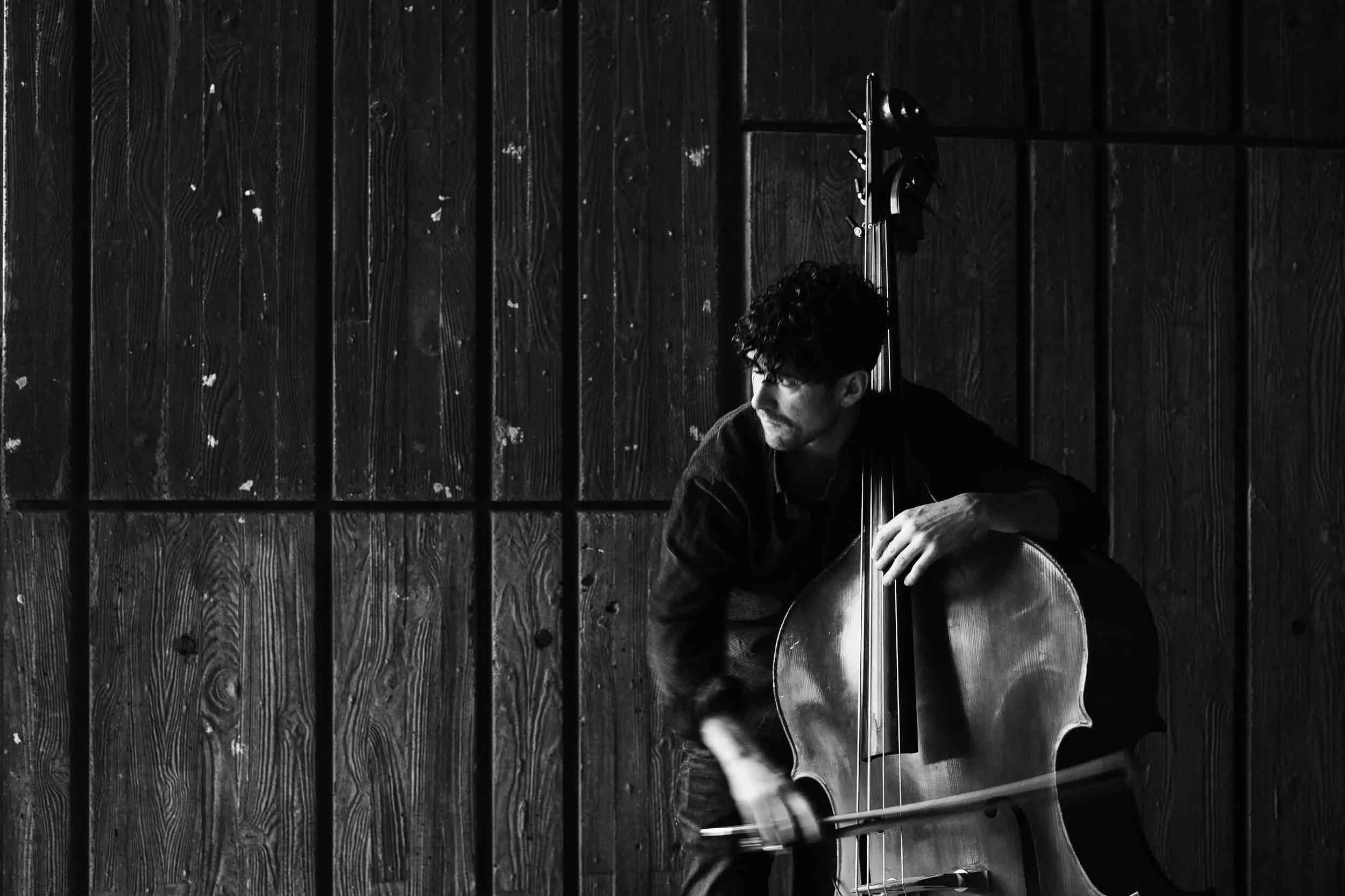
Concrete Vehicles’ on-stage configuration fluctuates between five and seven members. Schelesny was initially on drums, but has stepped back from the live-performance aspect to focus on production. His spot on the drum throne has been assumed by Ricky Sanderson, who is joined by saxophonist Jackson Bell, keyboardist Kenan Gray, and bassist Jacob Pepin. For some shows, Avery Johnson joins in on guitar.
According to Lock, it took a lot of sweat and toil to transform the original bedroom recordings into something that this prodigiously talented crew could pull off live. It helped that, in his words, “no one cared” about the band for at least its first few months, which meant that it could use its early gigs to work out its sound while flying relatively under the radar.
“We could just try whatever we wanted on-stage,” Lock says. “A lot of the songs, I’d have a rough idea for, lyrically. But I’d kind of just stare at the back of the room and improvise lyrics. That informed a lot of the lyrics on the record, honestly, those early days of the band just improvising live. It was a good time for us to do that. We had a lot of time to play with the songs before we recorded them as a live band, then it took us a long time to finish them.”
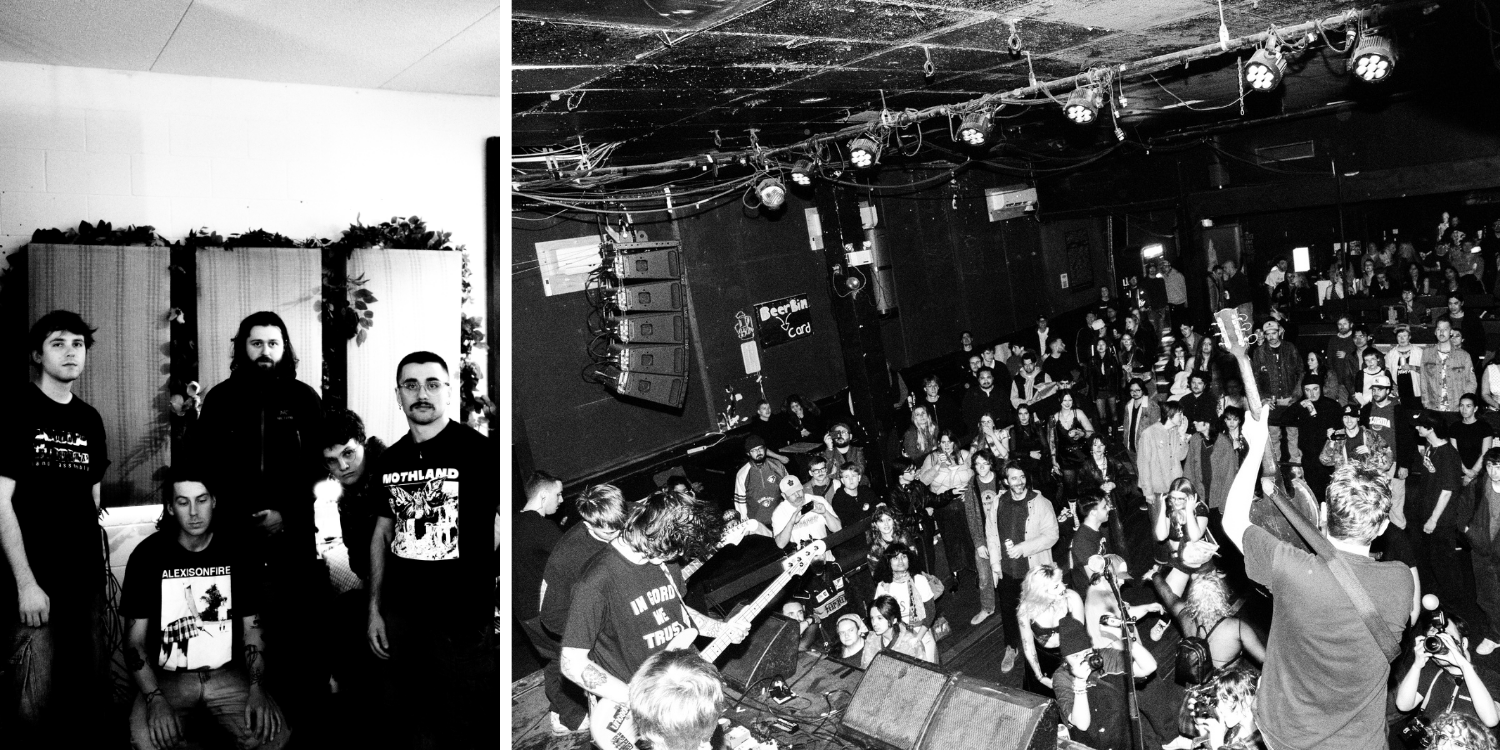
It was, without a doubt, worth the effort. It got the band signed to the established Canadian label Dine Alone Records, after all, which released Station on the Hill last October. Dine Alone’s status as an influential indie, Lock says, has allowed Concrete Vehicles to book some seriously high-profile gigs this summer, including two hot August nights supporting Alexisonfire at Toronto’s 16,000-seat RBC Amphitheatre.
Not bad at all for a West Coast noise-rock band with a penchant for odd time signatures and 10-minute compositions, but Lock notes that we’re living in a good era for outside-the-box music.
“I think seeing weirder stuff get more popular is cool,” he says, citing the recent mainstream success of everything from rock experimentalists YHWH Nailgun to lo-fi singer-songwriter Mk.gee to left-field R&B maverick Dijon. “It’s really cool to see. It kind of gives me hope that if you just make art that’s interesting to you, people are going to find it.” 

Related Articles