Modern Biology is a conduit for the music of the forest, at Indian Summer Festival on July 13
For Tarun Nayar’s performance at VanDusen Botanical Garden, the festival invites attendees to settle in picnic-style and get into a meditative headspace
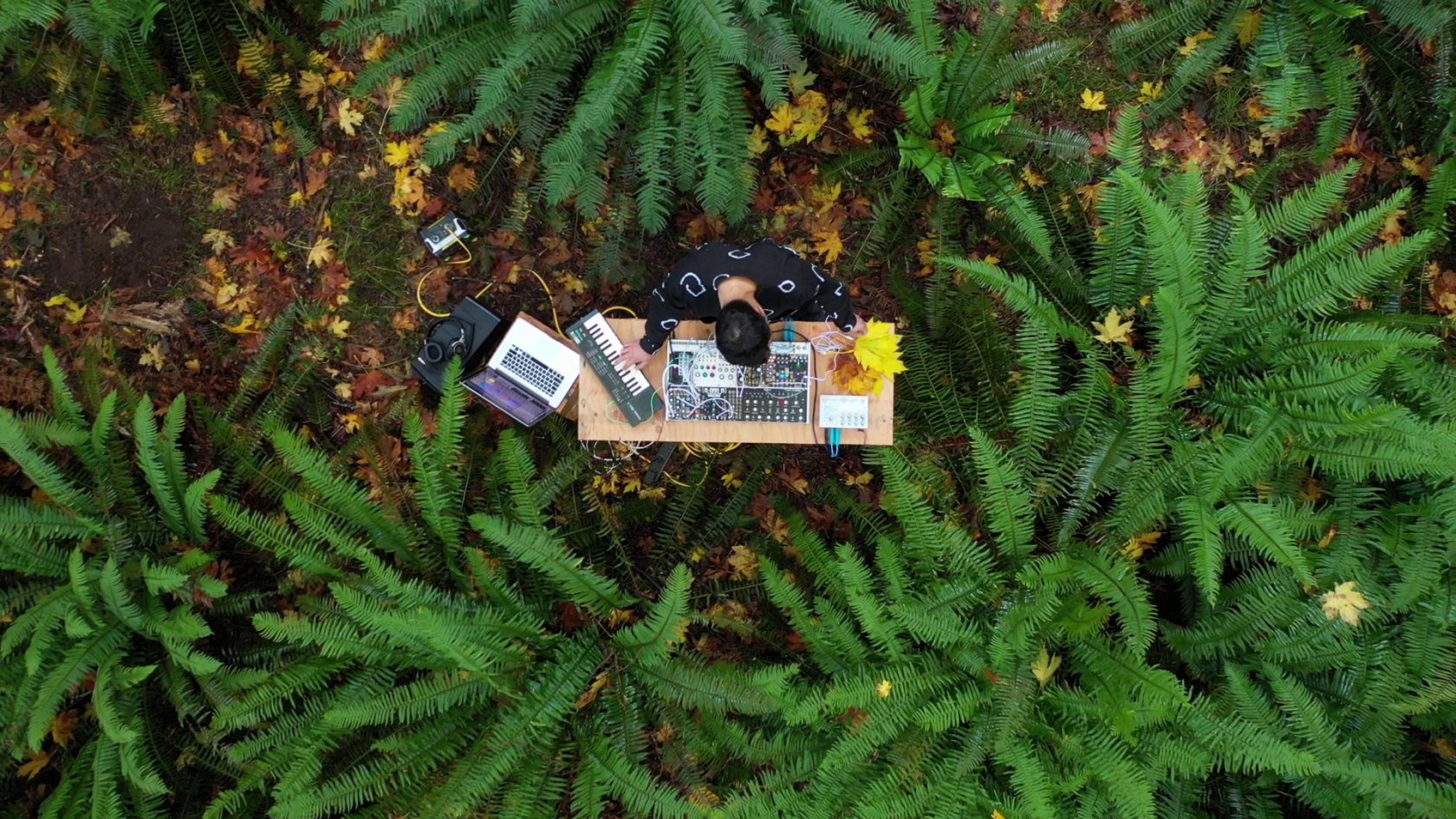
Modern Biology
As part of Indian Summer Festival, Modern Biology performs at VanDusen Botanical Garden on July 13 at 7 pm
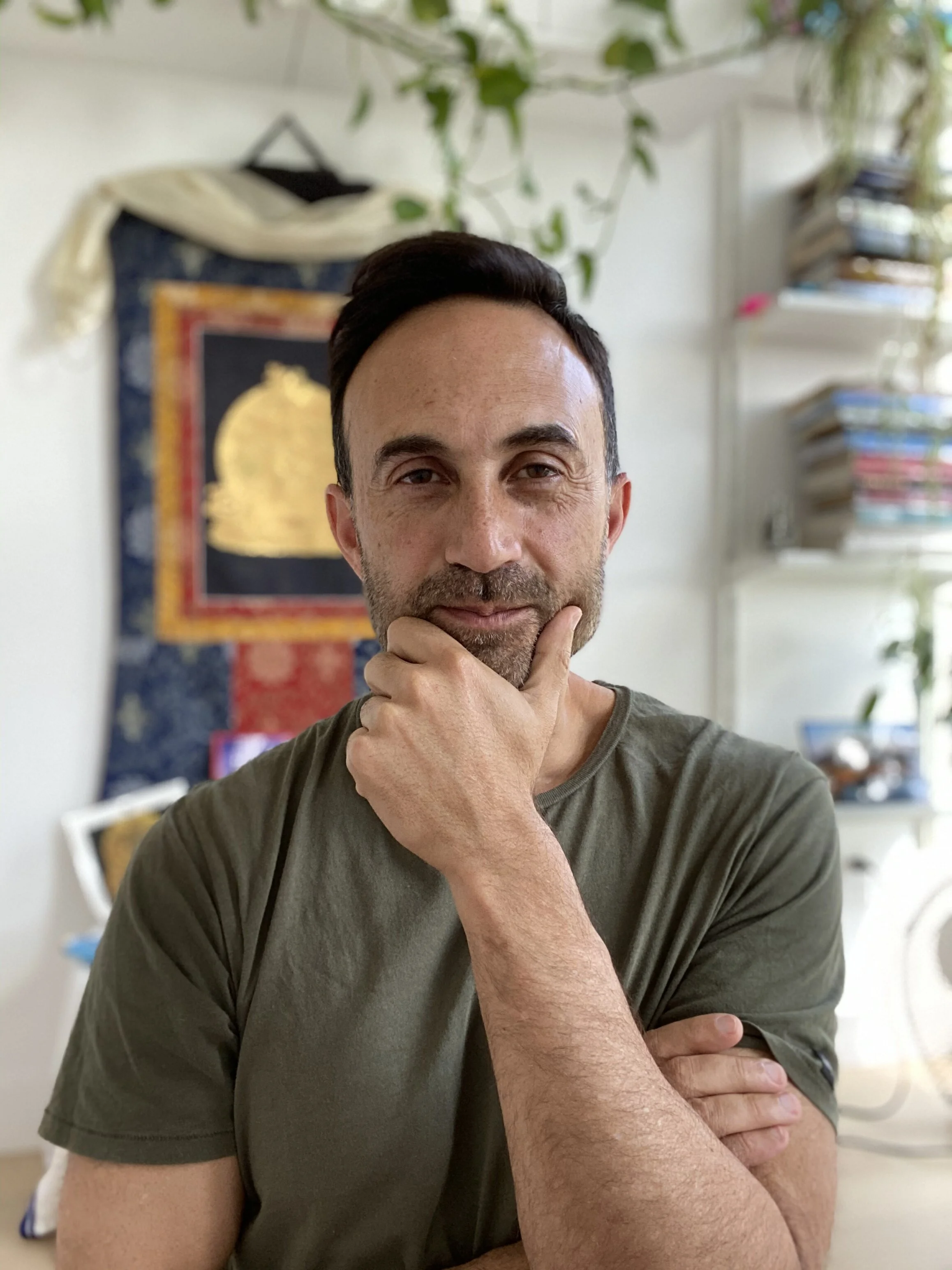
Tarun Nayar
THERE IS MUSIC everywhere, but our limited human senses can’t always perceive it without a bit of help. With the right technology, however, we can hear the music of the forest. For his Modern Biology project, Vancouver’s Tarun Nayar taps into the bioelectricity of plants and fungi, transforming it into audible music by means of modular synthesizers.
A classically trained tabla player and founder of the world-fusion band Delhi 2 Dublin, Nayar also holds a degree in oceanography from the University of British Columbia.
As part of this year’s Indian Summer Festival, Modern Biology will perform at VanDusen Botanical Garden’s Great Lawn. For this picnic-style event, attendees are invited to bring their own blankets, cushions, and festival chairs and immerse themselves in a meditative headspace.
Nayar makes no claims that, say, a mushroom is capable of creating art or making aesthetic choices. On the other hand, he doesn’t take all the credit for Modern Biology’s music. As he told Stir in 2022, the non-human organism is providing the signal, and his main function is to be a conduit for it.
“That’s what has really made me fall in love with this particular form of expression and creation,” he said at the time. “It’s that I’m not making the melodies, and I’m not making the rhythms. I’m definitely making subjective decisions around the timbre of whatever sound or synthesizers I’m plugging these things into. And then, especially when I’m playing live, I’m usually supplementing them with textures and other things to sort of flesh out the sound. But it’s so refreshing and non-self-referential to not be responsible for most of the stuff that’s coming out of it. Like, there’s no chorus, there’s no hook: there’s very little human-ness, as it were, in these compositions. And that also influences the way that I can go back and listen to them over and over again, because it’s not really me that’s being represented. It just feels like something completely different.” 

Related Articles