Mother/Land composer and librettist found contemporary relevance in ancient tale
For their new opera-oratorio, Vancouver composer Jeffrey Ryan and wordsmith Michael Lewis MacLennan turned to the Book of Ruth for inspiration
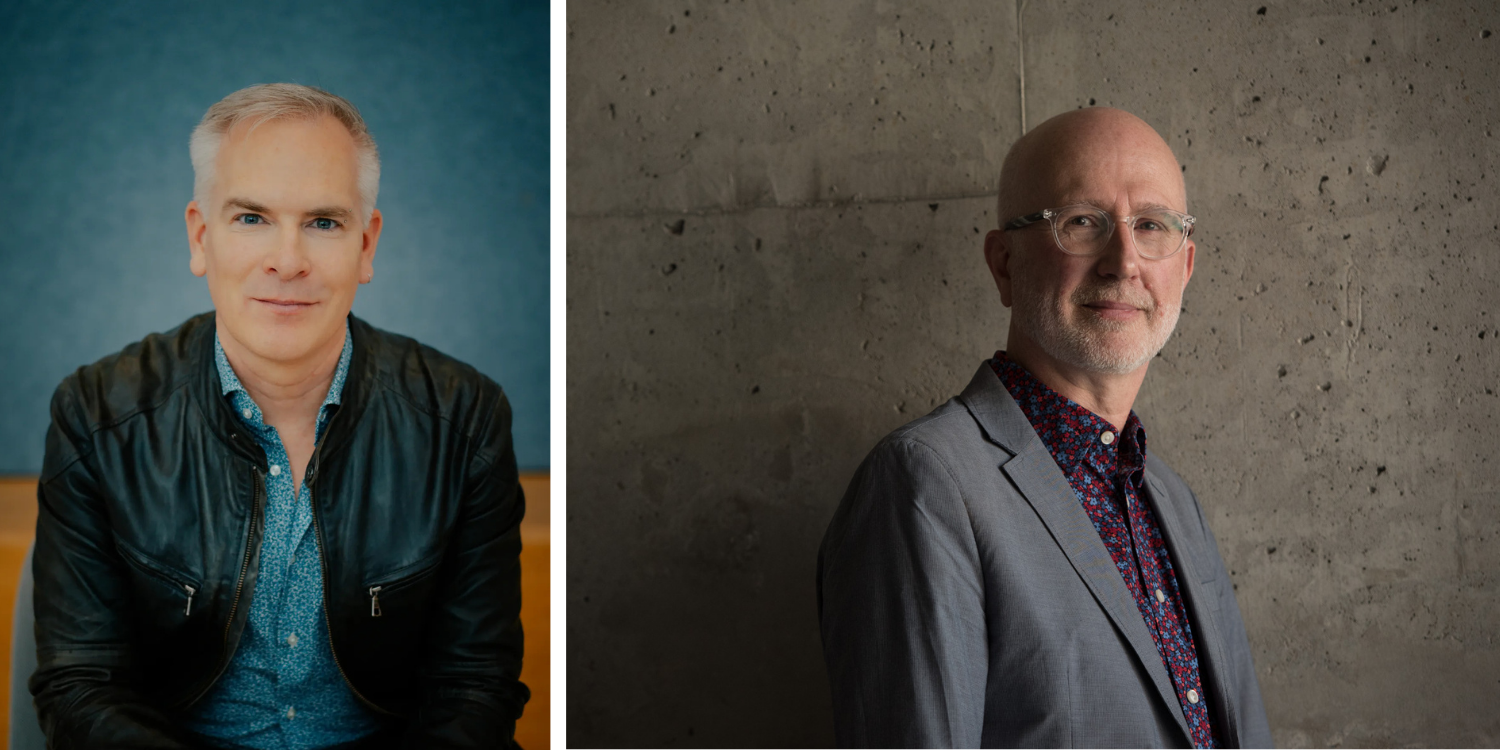
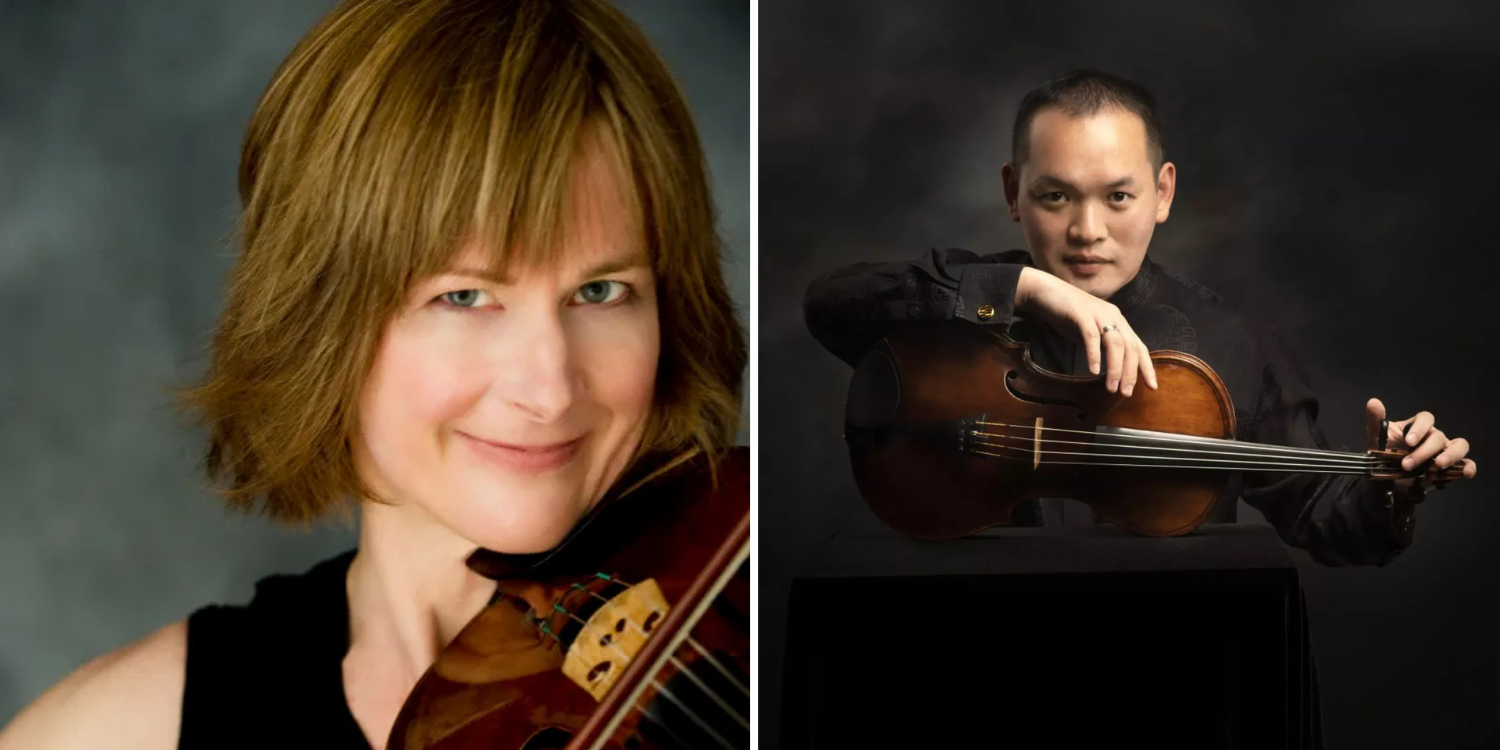
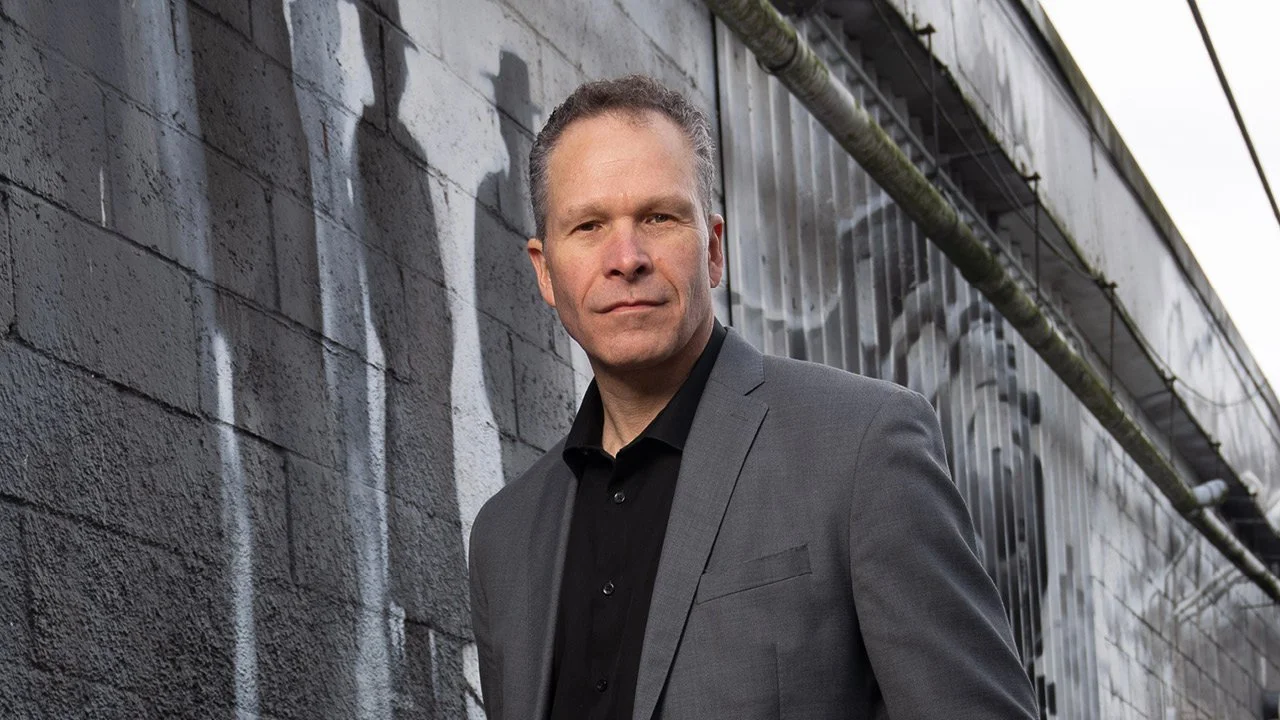
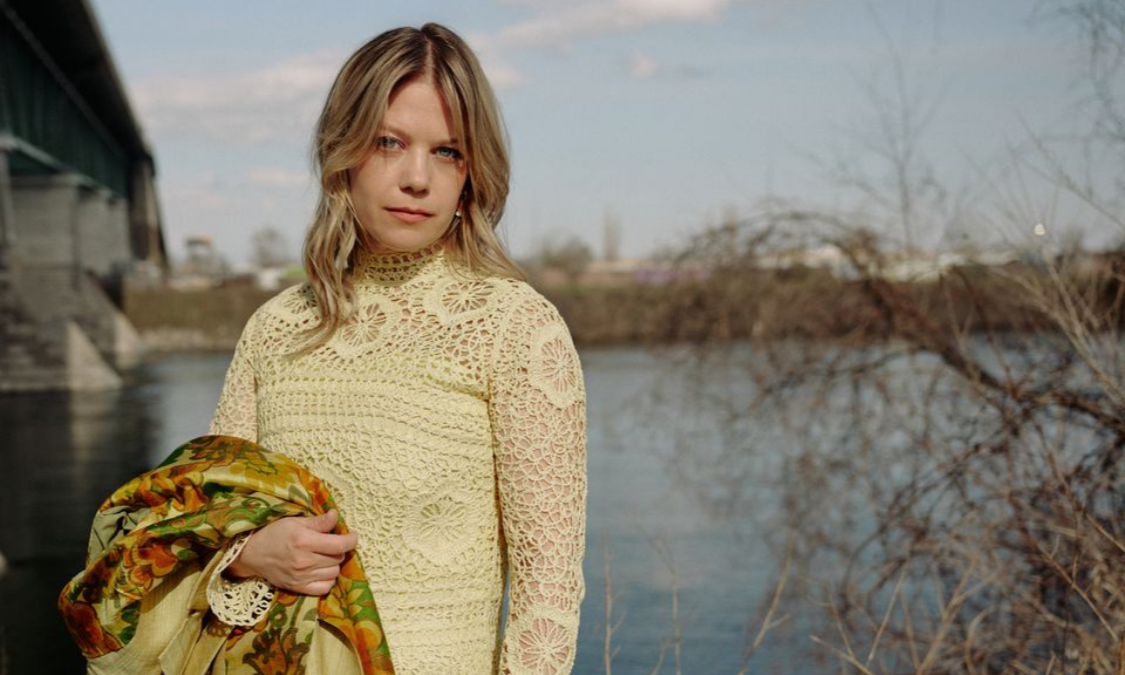
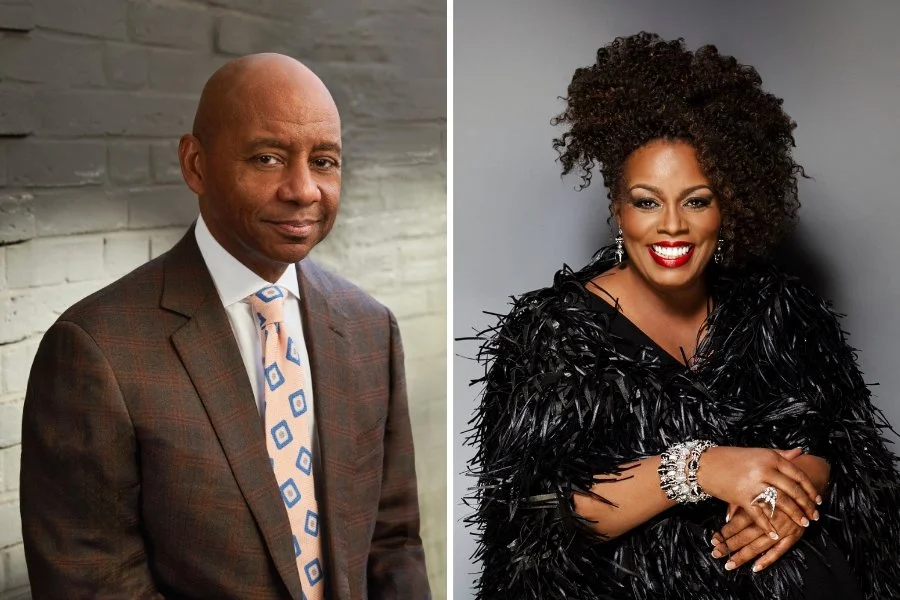
Left to right, Michael Lewis MacLennan, Jeffrey Ryan (photo by Wendy D)
The Vancouver Bach Family of Choirs presents the world premiere of Mother/Land at the Vancouver Playhouse on May 16 at 7:30 pm
SOMETIMES, THE OLDEST stories carry the greatest weight. They have the power to remind us that, in spite of our modernity, we’re really not so different from our forebears.
The Book of Ruth, for example, was written by an unknown author during the time of the Persian Empire (550 to 330 BCE). In the story, which is included as a historical text in both the Hebrew and Christian bibles, a Moabite woman named Ruth and her Israelite mother-in-law, Naomi, return to Bethlehem after they are both widowed. While supporting the two of them by gathering leftover grain, Ruth meets Boaz. A relative of Naomi’s late husband, Boaz marries Ruth despite her outsider status amid ongoing tensions between Israel and Moab.
If that strikes you as a story with operatic potential, you’re not alone. A number of composers have based pieces on the Book of Ruth. Its powerful contemporary relevance continues to inspire new works, and it’s what drew Vancouver composer Jeffrey Ryan and librettist Michael Lewis MacLennan to the story. The pair have, in fact, been working on adapting the Book of Ruth for several years, but it was thanks to a commission from the Vancouver Bach Family of Choirs that they were able to complete their opera-oratorio Mother/Land, which premieres at the Vancouver Playhouse on May 16.
Ryan and MacLennan previously worked together on The Laurels, a psychological thriller in the form of a one-act opera based on Greek mythology. When Stir gets both composer and librettist on a Zoom call, MacLennan reflects on the pair’s ongoing creative partnership.
“I think one of the reasons why it’s so successful is that we really do have an understanding of each other’s craft and a respect for it,” says MacLennan, who is also a writer and producer of television series including Bomb Girls and Queer as Folk. “And I see my job as really to inspire Jeff musically. Primarily, opera is a musical form. And so it’s about exciting Jeff's imagination as a composer and working within whatever musical realm he wants to explore through the piece.”

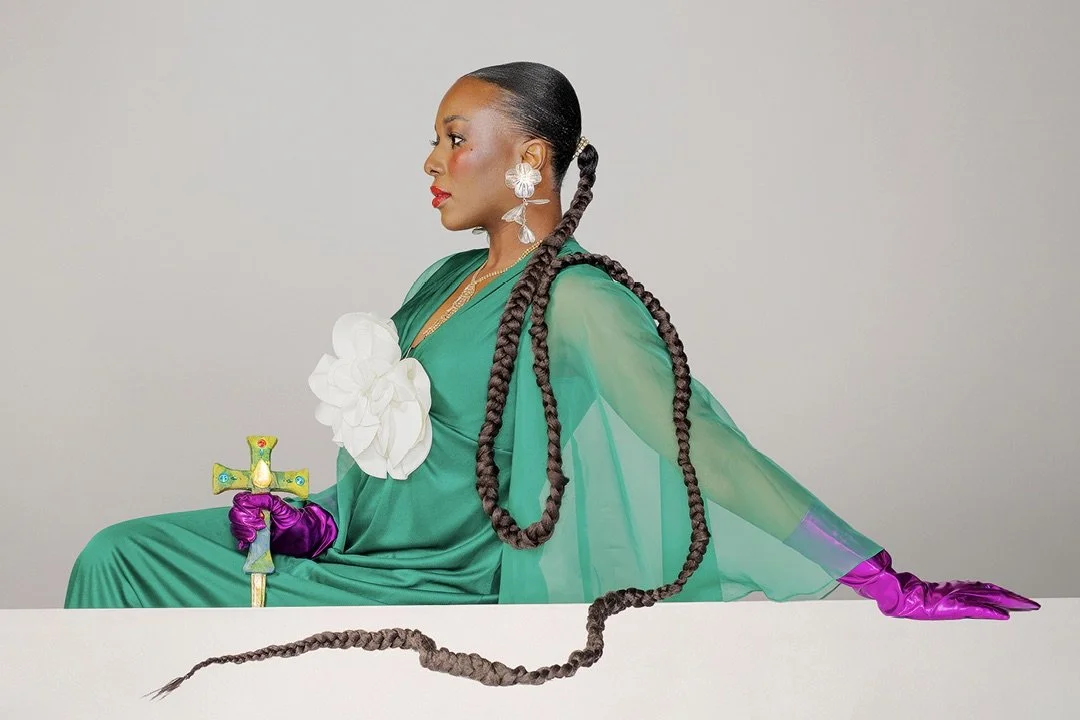
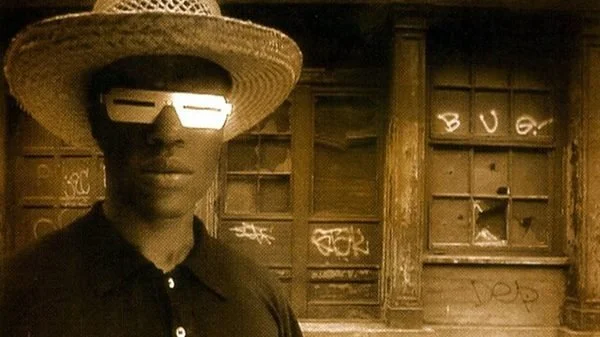
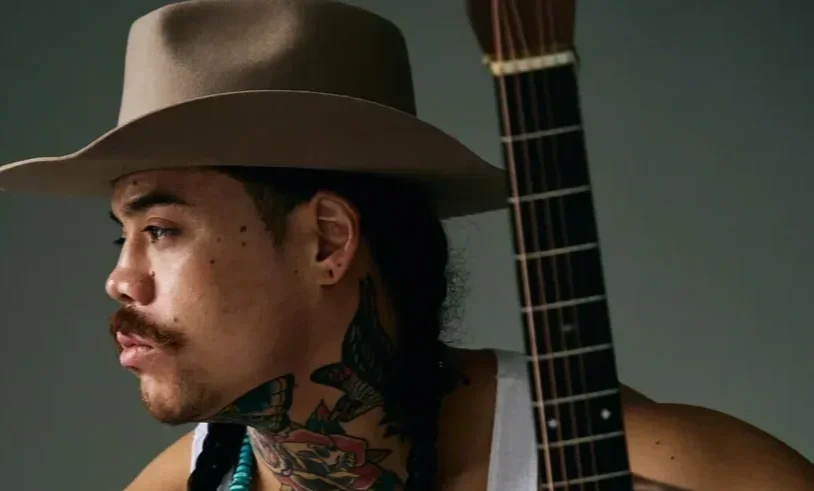
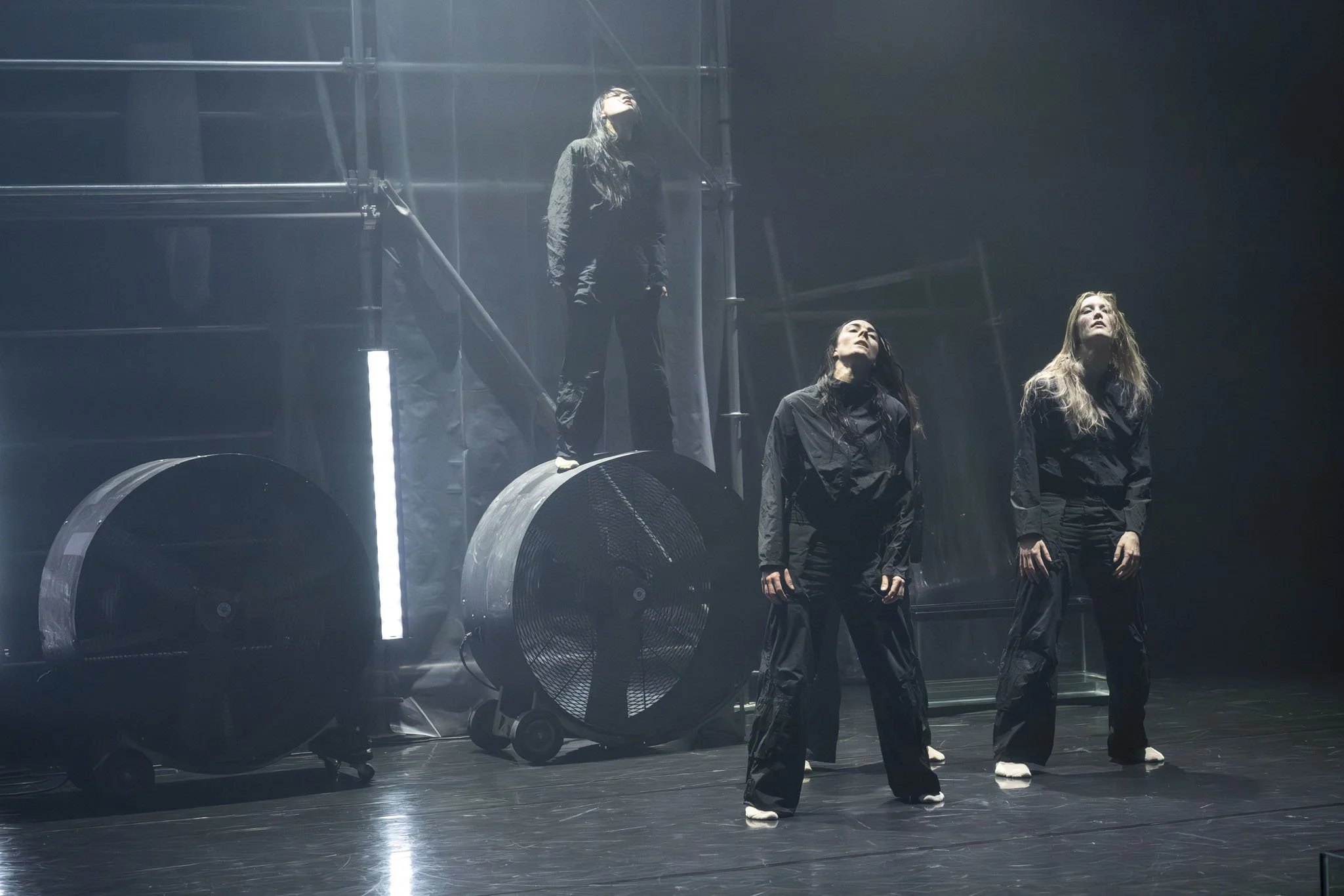
From left, soloists Krisztina Szabó, Simran Claire, Heidi Duncan, and Luka Kawabata
Ryan notes that, although the libretto technically comes first, writing with MacLennan is a fully collaborative process. In other words, it’s not as if the writer leaves the words on the composer’s doorstep in a manila envelope with a note attached reading “Call me when the score’s finished.”
“Even at the very beginning, I'm already starting to think about what kinds of sounds those words might make, what the overall musical arc might be, where there are spaces, maybe, for some instrumental sections to convey subtext and things like that,” Ryan says. “So I've got a sense of what Michael is thinking about each emotional beat, about the purpose of each scene. And then, by the time the libretto's done, I'm actually setting it to the music. I've already got the sounds in my head, and to a great extent, that means it just goes really, really quickly for me.”
Mother/Land calls for a wind quintet, a string quintet, a percussionist, an organist, and a choir. It also requires four soloists; for the premiere, these roles will be filled by soprano Heidi Duncan (Ruth), mezzo-sopranos Krisztina Szabó (Naomi) and Simran Claire (Orpah), and baritone Luka Kawabata (Boaz).
One of the key messages of the Book of Ruth is the importance of embracing cultural differences. Ryan’s score for Mother/Land reinforces this theme by having the characters’ identities signalled through the notes they sing.
“Because Naomi is Jewish and Ruth is Moabite, they get different kinds of music,” he explains. “When I was doing my doctorate in Cleveland, I was working as a professional synagogue choir conductor and arranger. So the sound of traditional Jewish music was very much in my ear, and that's the kind of music that Naomi gets. It's very much like cantillation. It's got a lot of flowing lines to it, which I find to be a very emotional kind of musical setting.”
Moabite Ruth’s music, Ryan says, is more rhythmic, and marked by changing metres. The characters’ accompaniment is also varied.
“Naomi's music often includes an organ sound, and Ruth's music, the Moabite music, features the woodwinds and the strings,” the composer says. “So there's a contrast there. And in the course of the opera, we see how those two worlds come together. And by the end, Ruth creates her own voice that is a little bit of the music that she came from, that's still part of her identity, but also the music that is part of her new home.”
For its premiere, Mother/Land will be presented in a concert format, although Ryan says it has the potential to become a fully staged opera with sets and costumes.
“This is a piece that absolutely could be staged, and we'd love to see it staged,” he says. “But as a concert piece, it also has more opportunity to reach different audiences. And we hope that they'll leave this performance thinking about how that story relates to what's happening today.”
MacLennan picks up that thread, and provides key historical context for the Book of Ruth: “It's set in what was known as the time of the judges, which was chaotic. The leadership was corrupt. The people were afraid for their future. It was hard to believe that things would ever get better. It was hard to plan. It was hard to feel safe. Those things seem fairly familiar right now. And as a result, it was a time where people behaved in ways that we would now say were xenophobic. It’s easy for those in power to hold on to power by blaming somebody else. It's a playbook that goes back as far as the Old Testament.”
A fourth-generation Vancouverite, MacLennan brings a local perspective to the story, acknowledging that while the profound cultural and demographic shifts he has witnessed in his lifetime are “an exciting thing” for him, they can be scary for others.
“It's hard for people to reckon with difference, to reckon with how the city looks different, how the citizens of the city look different,” he says. “As is the case with virtually every port town known in history, it welcomes the stranger. It’s a place where people come who are new to that world.
“This is essentially the message, if you will, of the story, or at least what we take from the source material,” MacLennan offers, “that it's not only good for us to welcome the other and to incorporate and to learn from them, but that, indeed, it's our only hope.” 

Related Articles