Stir Q&A: Les Arts Florissants’ Paul Agnew on why Monteverdi still matters
In a concert presented by Early Music Vancouver, the Paris-based Baroque ensemble will perform the composer’s Il combattimento di Tancredi e Clorinda
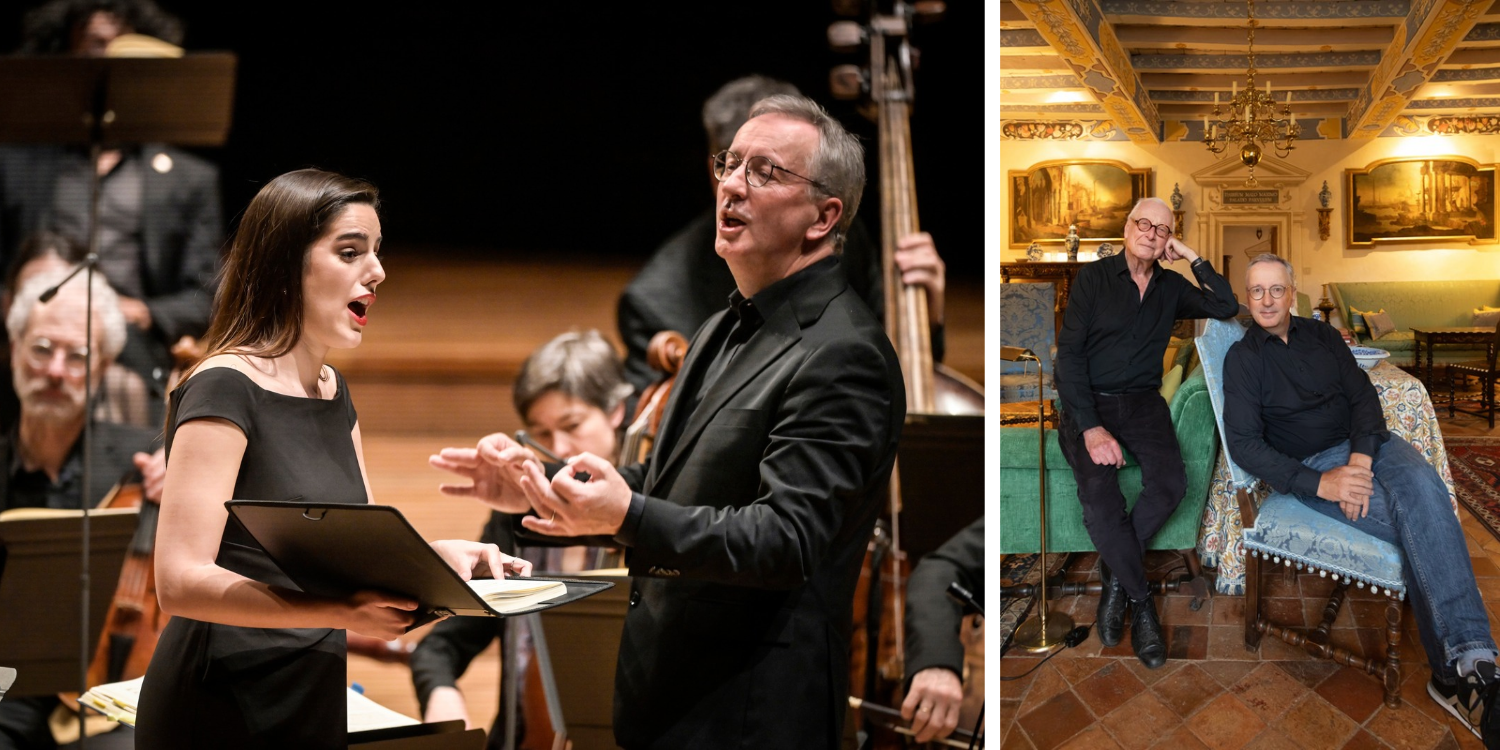
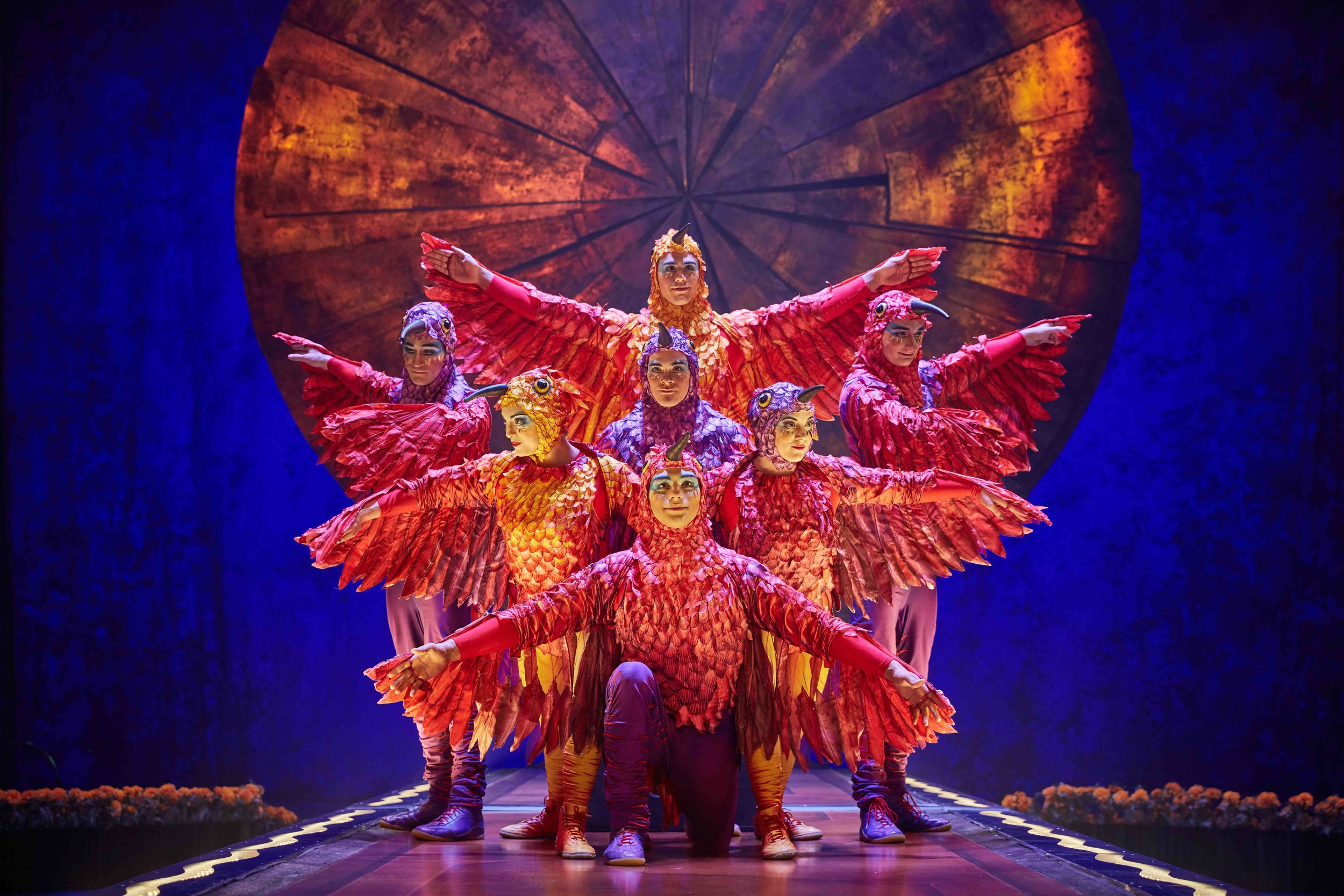
From left: Les Arts Florissants in performance (photo by Vincent Pontet); William Christie and Paul Agnew (photo by Oscar Ortega).
Early Music Vancouver presents The Magic of Monteverdi with Les Arts Florissants at the Chan Centre for the Performing Arts on November 17 at 7:30 pm
CLAUDIO MONTEVERDI IS widely regarded as perhaps the most important composer of the late Renaissance and early Baroque period in Italy, so it’s strange to think that he was all but forgotten for the better part of two centuries. The fearlessly innovative Italian was a pioneer in a number of ways, arousing controversy by breaking the era’s strict rules of polyphony to lend more emotional weight to a text. Monteverdi’s Orfeo of 1607 is the earliest opera that is still regularly performed today.
After Monteverdi’s death in Venice in 1643, his name and work faded into obscurity until he was rediscovered in the early 20th century. A full reappraisal would finally take place with the revival of interest in early music, period instrumentation, and historically informed performance in the 1970s.
Founded in 1979, the Paris-based Baroque ensemble Les Arts Florissants was a key part of that revival’s second wave. The ensemble’s founder, American-born conductor and harpsichordist William Christie, remains the organization’s artistic director, alongside British tenor Paul Agnew, who became co–musical director in 2020.
Les Arts Florissants is currently touring throughout North America and Europe with a program of Monteverdi’s works that includes a selection of madrigals and the operatic scena Il combattimento di Tancredi e Clorinda.
We asked Agnew what makes that piece so significant, and why Monteverdi still matters.
As part of this year’s Summer Festival, Early Music Vancouver produced a fully staged production of Monteverdi’s opera Orfeo and is now presenting The Magic of Monteverdi. Why does Monteverdi remain so relevant to contemporary audiences?
That’s a lovely coincidence! I sang the title role of Orfeo in the festival in 2000 with Suzie LeBlanc as Euridice. It’s a very happy memory of a wonderful time in Vancouver, and I still have the T-shirt!
Monteverdi remains essential because of the power and beauty of his music. He is the first truly great composer of the modern era, born into a generation that will liberate the solo voice, and Monteverdi himself will create the first great music dramas, starting with Orfeo in 1607. It is a rare moment in music history when poetry and music are in perfect balance.
The principle that Monteverdi adopts of the music serving at all times the emotional and dramatic needs of the text is one that will influence all future generations. But essentially it is the wonderful beauty of his compositions that I hope will seduce the audience.
Il combattimento di Tancredi e Clorinda was a very innovative work in its time. What are some of the musical devices or techniques that the composer introduced in it?
Combattimento is a work of fascinating originality. Its text comes from [Torquato] Tasso’s Gerusalemme Liberata. Tasso and Monteverdi would most likely have known each other, since Tasso was very often to be found in the northern Italian courts of Mantua and Ferrara.
It uses a number of techniques in the string accompaniment that are innovative for the time, including the first mention of pizzicato, the use of tremolo, and the sound painting of the horses’ gallop and the clashing of swords.
Monteverdi plunges us into vivid and highly expressive images in his musical interpretation and at all times applies his essential principle that the music serves, in every moment, the needs of the text.
The original score is for three voices, divided strings, and continuo. Is this how you perform it?
We will perform it in exactly the way in which it was performed in 1624 in the Palazzo Mocenigo in Venice in so far as we can know. There is a fascinating forward or avviso written by Monteverdi in the published score which explains how it should be performed, and we have tried to follow his advice as strictly as possible.
Les Arts Florissants has performed and recorded a number of Monteverdi’s madrigals and other works over the years. Has the way you approach them changed over time? How important do you feel it is to present this music in a historically informed way, and is it possible to really know how it would have sounded in the composer’s own time?
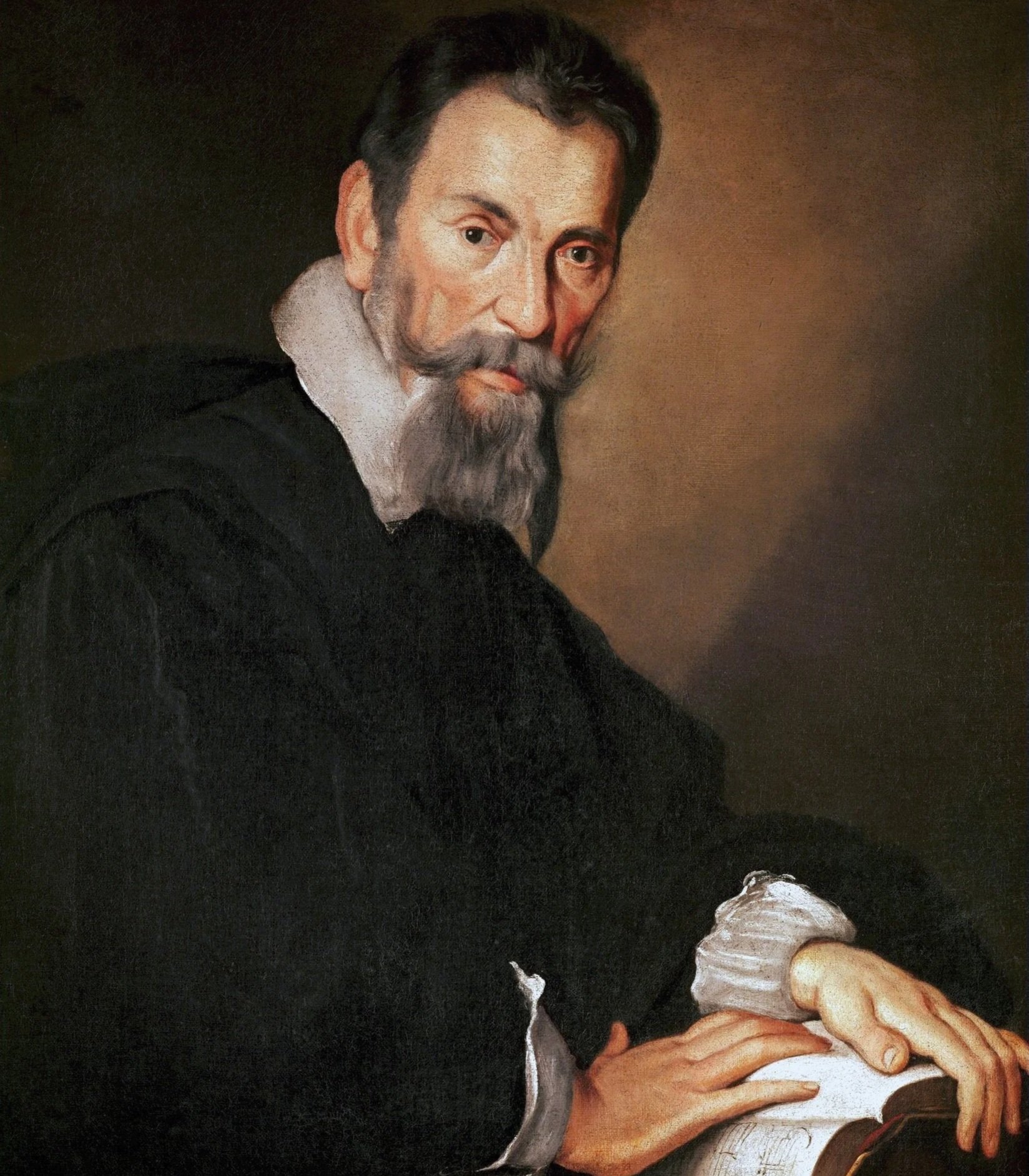
Claudio Monteverdi
In Les Arts Florissants, we adopt an important maxim, that there is only one genius in the room and it is not we the performers; it is of course the composer. In recognizing this, we must understand that when the composer—in this case Monteverdi—puts his pen to the paper, he has a particular colour and effect in mind, and if, by social and musicological research, we can get closer to that colour, we will get closer to that genius.
In many ways we can be sure that we are creating the correct sound. Our first violinist, for example, will play an instrument that was made just after Monteverdi’s death. Since the violin has not been modernized, and is strung with strings that we know resemble those used at the time, we can be pretty sure that the instrument sounds as it would have sounded at the first performance.
Equally for the harpsichord, we have examples from the epoch which can be studied and copied.
The problem might come with the singers. Sadly for us all, mortality dictates that no singers exist from Monteverdi’s time, but we do have a great deal of reportage about his singers, their techniques, and what Monteverdi expected of them.
All that we can do is to make a sincere effort to follow those guidelines when we create our performances in the hope of approaching a sound palette that Monteverdi might have recognized. It’s not an exact science, but it is a highly informed practice.
Much of Monteverdi’s music was unpublished and is now lost. Of the works that survived, how do you go about selecting pieces that show the full scope of his catalogue?
In putting the program together, I wanted to show off the astonishing variety and beauty of Monteverdi’s secular music throughout his life. The concert has within it early works from the first books of madrigals that he published as a very young man, beginning with the first book of 1587 (already his fifth published collection) at the age of 20 until the eighth book of 1638, when Monteverdi is 70 years old.
It is a period when music transforms itself in ambition and dramatic power, and Monteverdi is the undisputed master of his generation.
But in the main I was driven by the beauty of his music. It would be easily possible to make this program five times over and still regret not including certain works, but I hope that our performance inspires our audience to seek out more of Monteverdi and his contemporaries in this exciting and immensely rich moment in the history of music. 

Related Articles