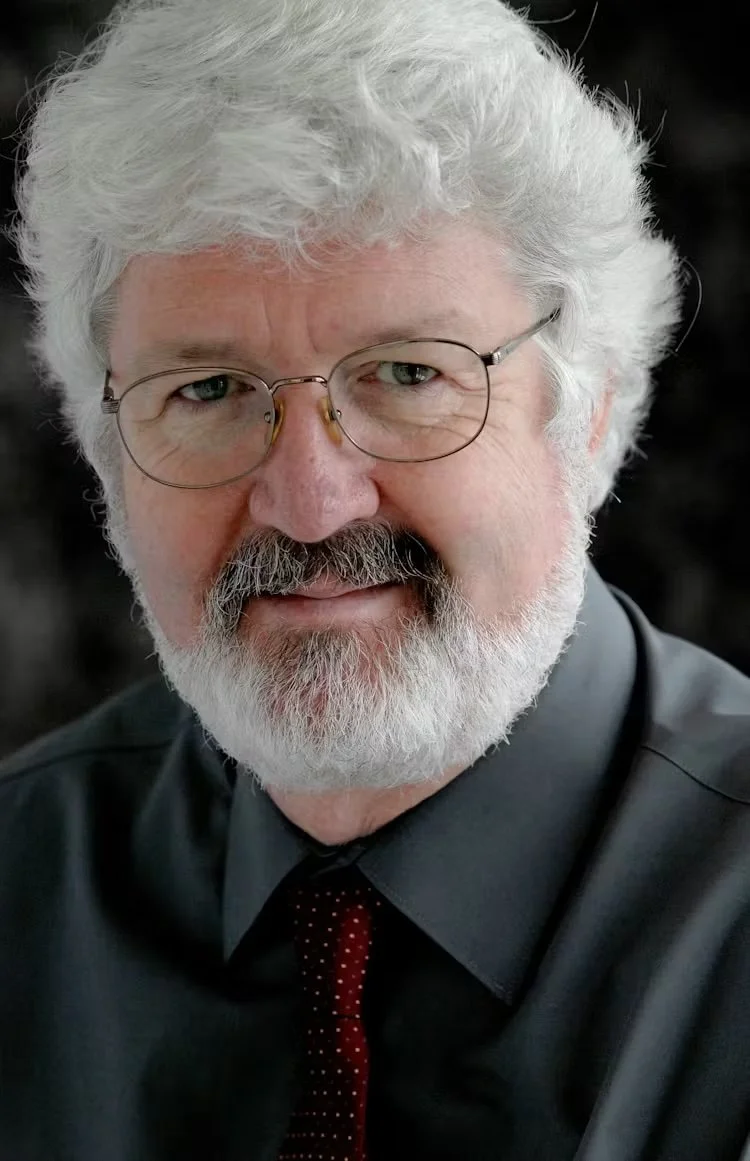
Early Music Vancouver artist in residence Marc Mauillon loves the challenge of 17th-century opera
Tackling the title role in Monteverdi’s Orfeo as part of EMV’s Summer Festival requires a different approach, the French singer says—and a willingness to push beyond beautiful singing
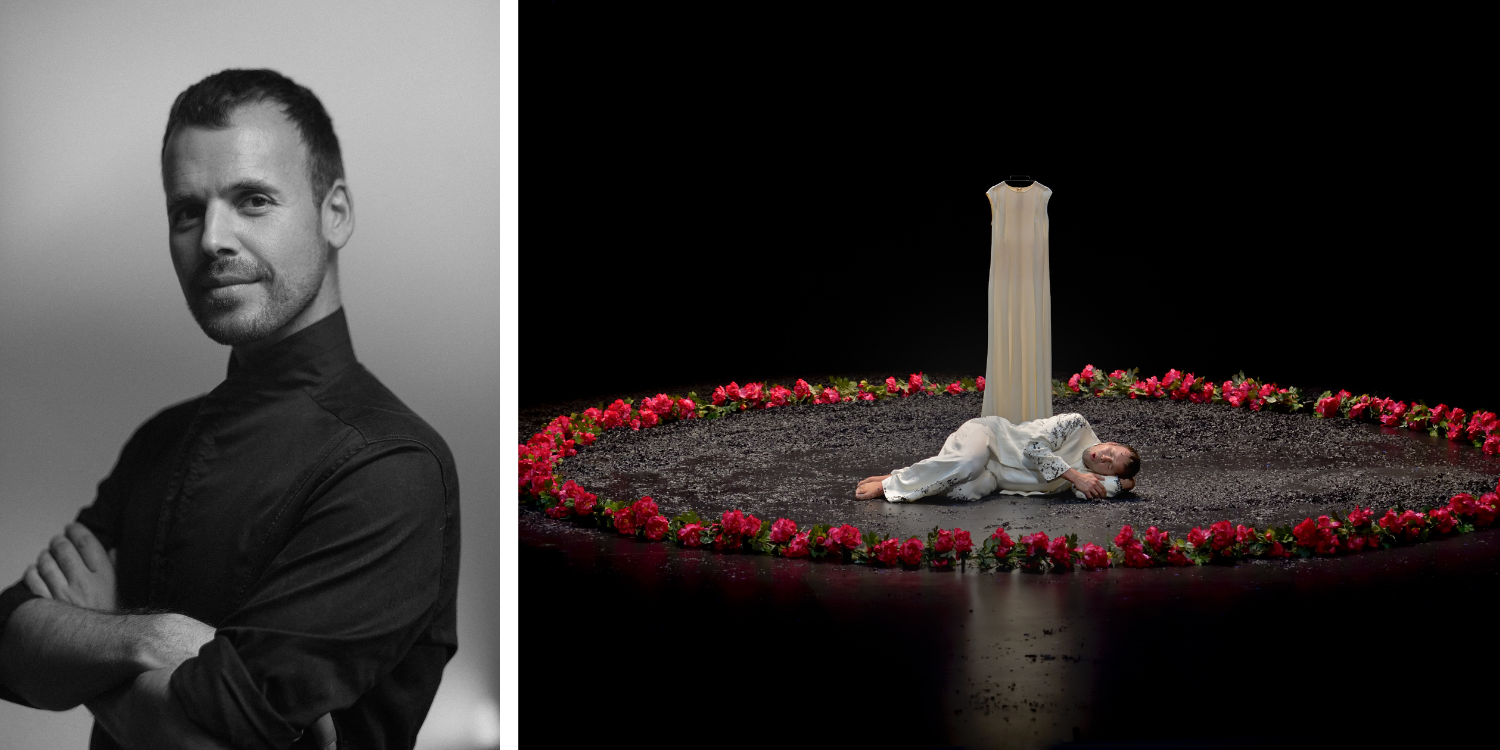
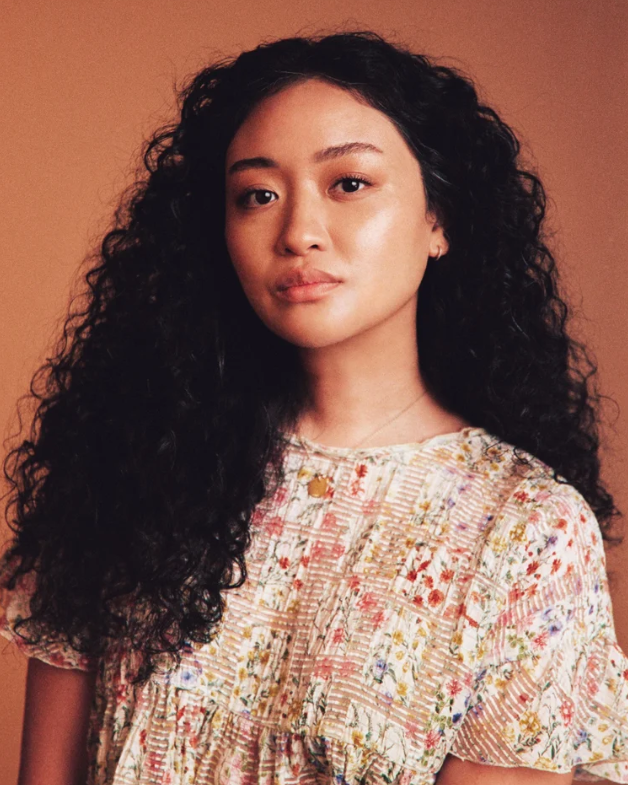
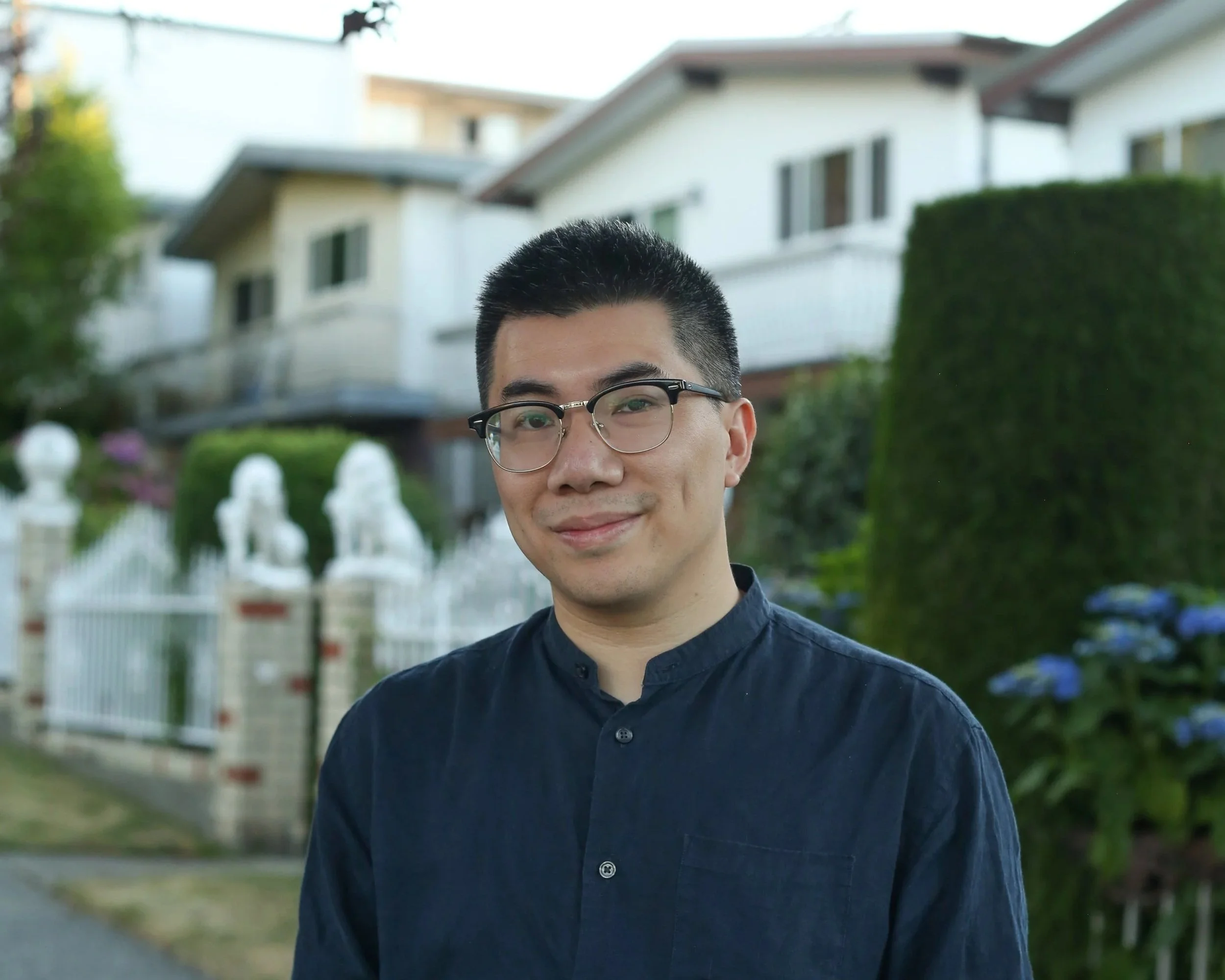
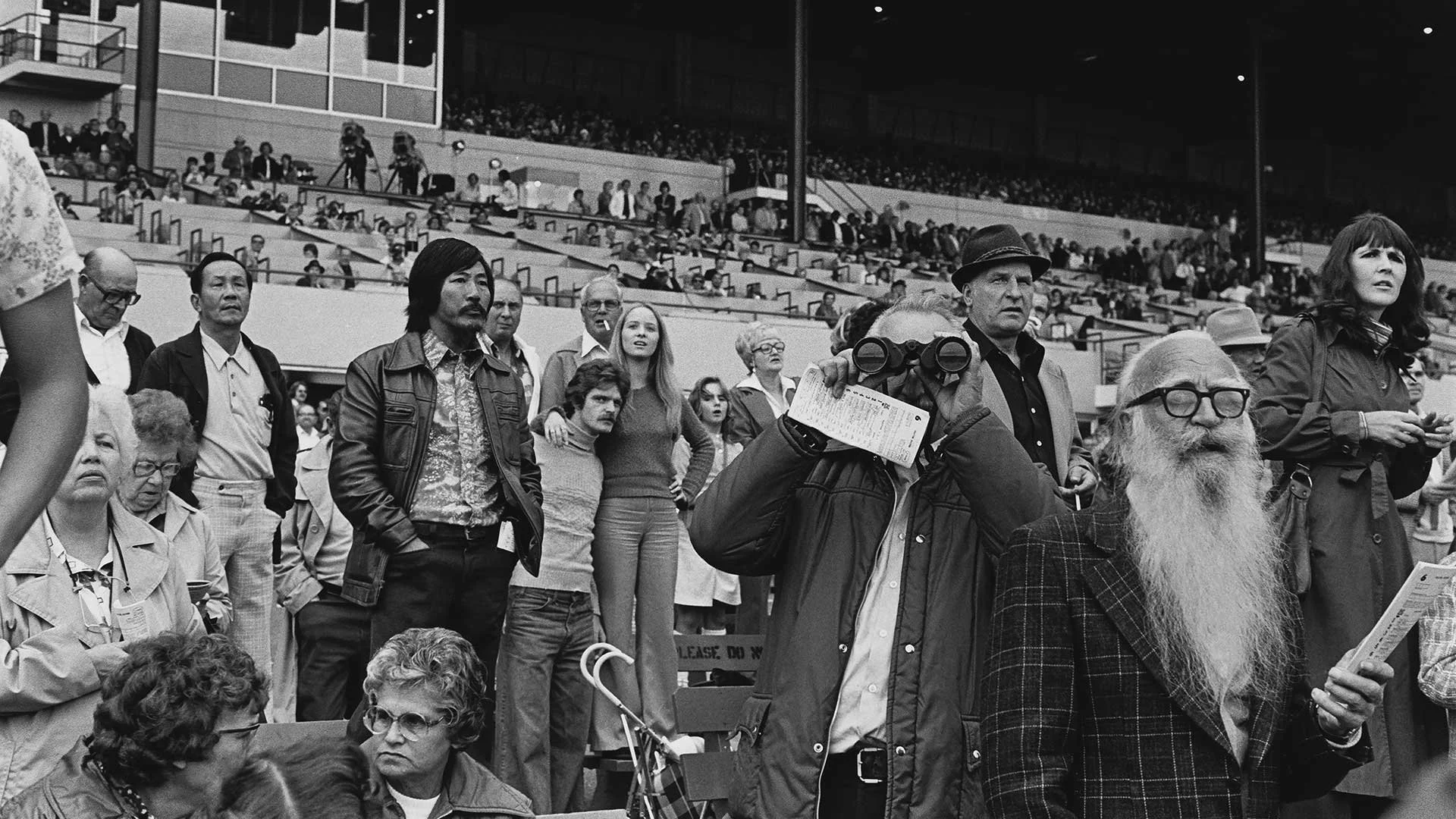
(Left to right) Marc Mauillon; the singer in a 2021 production of L’Orfeo.
As part of the Early Music Vancouver Summer Festival, Marc Mauillon stars in Monteverdi’s Orfeo at the Chan Centre for the Performing Arts on July 31 at 7:30 pm and August 2 at 2:30 pm
ANCIENT GREECE IS having a moment in the summer of 2026, with Christopher Nolan’s mega-budget adaptation of Homer’s epic poem The Odyssey in theatres worldwide. Locally, Bard on the Beach is staging two radically different takes on Sophocles’s Theban tragedies Oedipus and Antigone.
Not to be outdone, Early Music Vancouver is ambitiously producing a fully staged version of Italian composer Claudio Monteverdi’s opera Orfeo (sometimes styled as L’Orfeo), with a libretto by Alessandro Striggio based on the mythological tale of the Thracian bard Orpheus, who descended into the underworld in search of his late bride, Eurydice.
First performed in 1607, Orfeo is one of the oldest surviving operas, and the earliest one still performed today. It’s fair to say that Marc Mauillon knows it as well as anyone possibly could; the French singer has been performing the title role since the beginning of his career, often under the baton of Spanish conductor Jordi Savall. A magnificent example, performed at the Royal Opera of Versailles in 2021, was recorded for posterity; a review by BBC’s Classical Music website praised Mauillon as “absolutely superb in the title role”.
That role, incidentally, was originally scored for a tenor but is generally performed by a lyric baritone now. That in-between range, it turns out, suits Mauillon’s voice just fine.
“Well, it’s the story of my life,” he tells Stir. “I’ve never decided whether I'm a tenor or a baritone, but these days I consider myself more as a ‘baritenor’. So it’s not a way to solve the problem; it’s a way to avoid it! But I’m very happy to consider myself like this. I’m singing sometimes tenor parts, sometimes baritone parts, and it’s perfectly fine like that. But, considering Orfeo, it’s indeed one of these roles which are really in between, because the score says tenor, but it’s quite low for a regular tenor. You don’t have high notes, and it’s very central in the range. So, actually, most of the time, it’s a high baritone who is singing it or a low tenor. But, fortunately, I’m one of these. So, very early in my career, I found out that this role was really good for my voice range. So I started to sing it when I was 20, and I’m 46 now.”
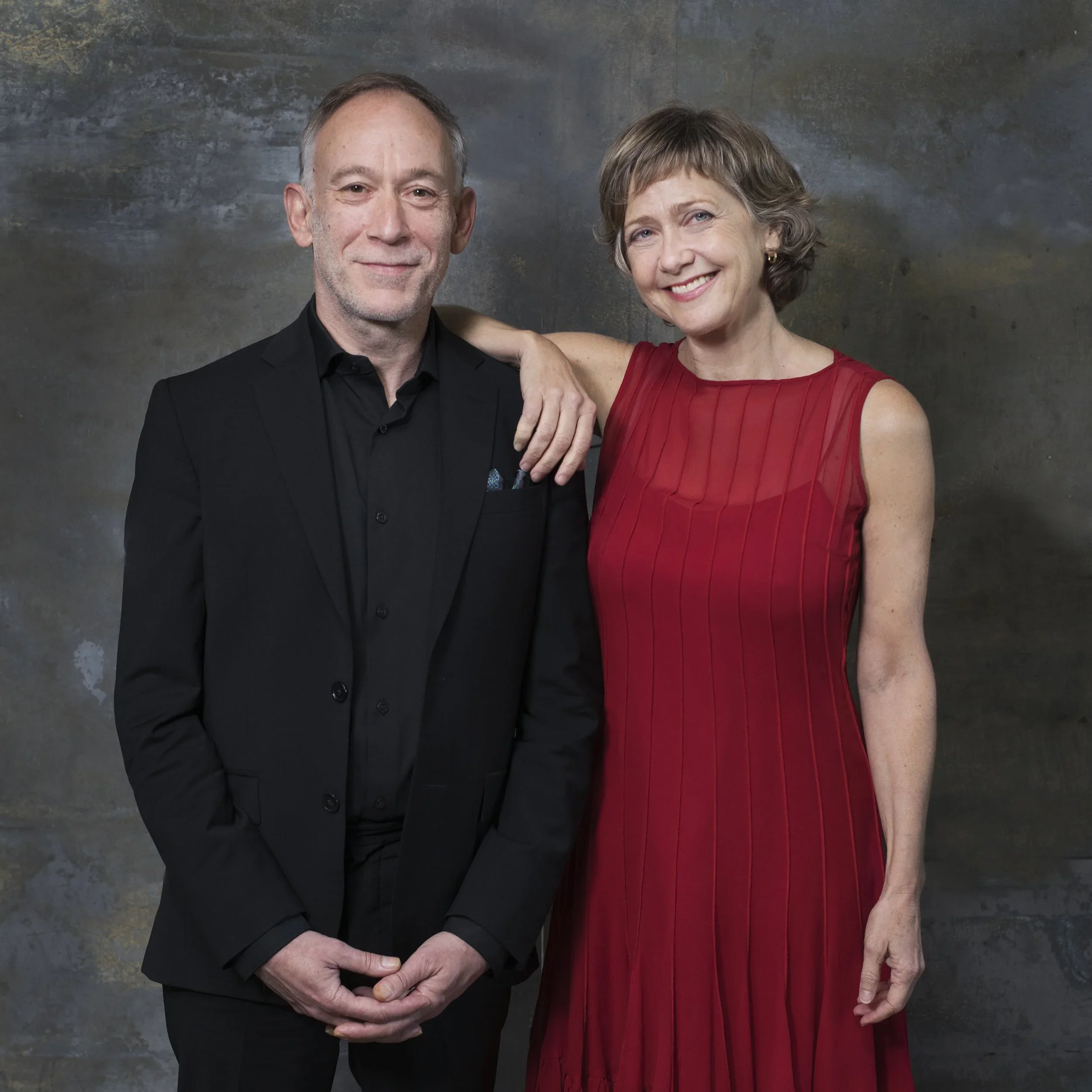
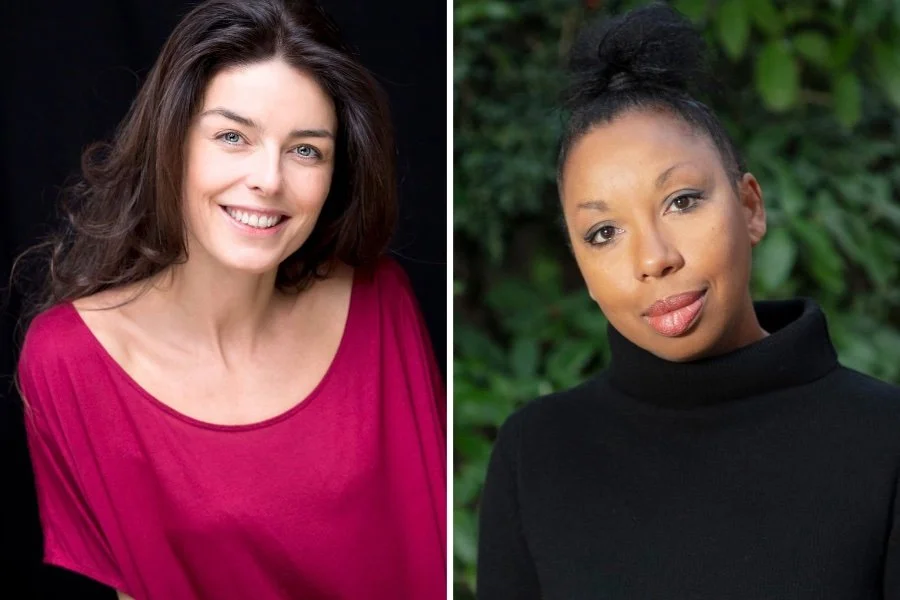
Alexander Weimann and Suzie LeBlanc
Orfeo kicks off Early Music Vancouver’s 2026 Summer Festival in a new production directed by baroque performance expert Guillaume Bernardi and conducted by Pacific Baroque Orchestra director Alexander Weimann. Singing alongside Mauillon are Bahareh Poureslami as Euridice, Suzie LeBlanc as La Musica, Myriam Leblanc as Messagiera, Len Torrie as Proserpina and Ninfa, Jillian Tam as Speranza, Tyler Duncan as Plutone, William Kraushaar as Caronte, and Jacob Perry as Apollo. Haitham Haidar and Gregório Taniguchi appear as shepherds and spirits.
All will have the challenge of tackling a work that was composed before the stylistic markers of opera as we think of it today were codified. Early 17th-century composers such as Monteverdi and Jacopo Peri (who took on the same mythology with his earlier Euridice) were key figures in moving away from using polyphony to convey a narrative.
“They decided that it would be more interesting to have one character saying a poem to express him- or herself directly instead of needing, like, four or five voices to express it,” Mauillon says. “So finally, it’s the century of monody—suddenly people are singing alone. And also they invented a new way of singing called recitar cantando, which is recited and sung at the same time.”
This was the precursor of the recitativo style employed by later opera creators, including Wolfgang Amadeus Mozart, Gioachino Rossini, and Johann Sebastian Bach. And while knowledge of all of these Italian terms is hardly a prerequisite for fully enjoying Orfeo, it is nonetheless interesting to note that what the earlier composers were striving for was a vocal style that emphasized an emotional connection with the libretto just as much as it required fidelity to the score.
“It’s the very beginning of opera, and it requires other qualities,” Mauillon explains. “We still have to sing in tune, and rhythmically okay, but we need to extend our emotional and vocal range. One of the big singers of the time, Giulio Caccini, left us a singing treatise for students where he talks about the buon canto, which is not the same as the bel canto. Bel canto means ‘beautiful singing’, and buon canto means ‘good singing’.”
Caccini—who was a composer and educator as well as a vocalist—made the case that good singing isn’t necessarily always beautiful singing. In the introduction to Le nuove musiche, a collection of songs published in 1602, Caccini wrote the following:
Having thus seen, as I say, that such music and musicians offered no pleasure beyond that which pleasant sounds could give—solely to the sense of hearing, since they could not move the mind without the words being understood—it occurred to me to introduce a kind of music in which one could almost speak in tones, employing in it (as I have said elsewhere) a certain noble negligence of song, sometimes passing through several dissonances while still maintaining the bass note.
“So it means that when you’re sad, when you’re completely desperate, you’re allowed not to sing beautifully because your emotion at this moment is not pretty,” Mauillon says. “So you can be able to express ugly feelings with sort of an aesthetic, ugly voice, if you know what I mean. And so your emotional and vocal range is a bit extended, compared to what we have later with bel canto, where the rule is, you have to sing beautifully; even if you’re dying, you will sing with a perfect, beautiful voice the whole time you’re dying.
“It’s an opportunity to use your voice a bit differently than for the later repertoire, and that’s what I like a lot,” Mauillon continues. “And also the ornamentation is a bit different from what we will have later. So it’s an entirely new journey. If you’re not used to this style, it requires a bit of extra work to do these 17th-century Italian pieces.”
Mauillon has proven himself time and again to be a singer unafraid of using his voice in new and challenging ways. As the EMV Summer Festival’s artist in residence, he will also give a couple of other performances while he’s in town, and they couldn’t be more different from one another.
On August 4, he’ll team up with his sister, harpist Angélique Mauillon, to play music of Renaissance Florence and Paris at Christ Church Cathedral.
Then, on August 6, he’ll lead 35 lucky attendees on a hike through the Malcolm Knapp Research Forest, near Maple Ridge, where he will sing material from Songline, his 2016 album of unaccompanied vocal pieces. Mauillon says he loves singing a cappella because it frees his voice from having to lock in with the tempo set by a conductor or accompanist. As for why he wants to sing in the woods, well, that’s easy.
“It will be beautiful, because you have fantastic forests here, and I feel like it’s a privilege to sing in the middle of these trees,” he says. “I’m very excited about it.” 

Related Articles