Film reviews: At European Union Film Festival, difficult decisions, jet-black comedy, and hard truths
A look at Belgium-set Julie Keeps Quiet; Our Girls’ Dutch tragicomedy in the Tyrolean Alps; devastating Ukrainian documentary Traces; and Sleeping With a Tiger’s unconventional portrait of an even more unconventional Austrian artist
Julie Keeps Quiet
The Cinematheque presents the European Union Film Festival from November 12 to 26
EVERY YEAR, FOR THE European Union Film Festival, each national member selects a film to represent its country—and often, the fest, hosted at The Cinematheque, is one of your only chances to see those picks.
With war rattling against the borders of the EU, and a certain president rattling from across the ocean, the choices this year grapple with complex questions, in a mix that ranges from dark comedy to restrained reflection and reverential gravity.
In fact, the EUFF asserts its solidarity with Ukraine, and its embattled EU candidacy, by organizing a screening of the documentary Traces (reviewed below) with the Embassy of Ukraine to Canada; proceeds go toward the humanitarian efforts of the Canada–Ukraine Foundation.
And a note that Ireland, which now holds the presidency of the Council of the European Union, will lead off this year’s EUFF with a non-fiction portrait of Edna O’Brien, the literary iconoclast who passed away in 2024.
Below, a few of the illuminating standouts, from a compellingly low-key look at sexual abuse in sport to a portrait of a fiercely unconventional Austrian painter.
JULIE KEEPS QUIET
Belgium/Sweden
November 13 at 6:30 pm
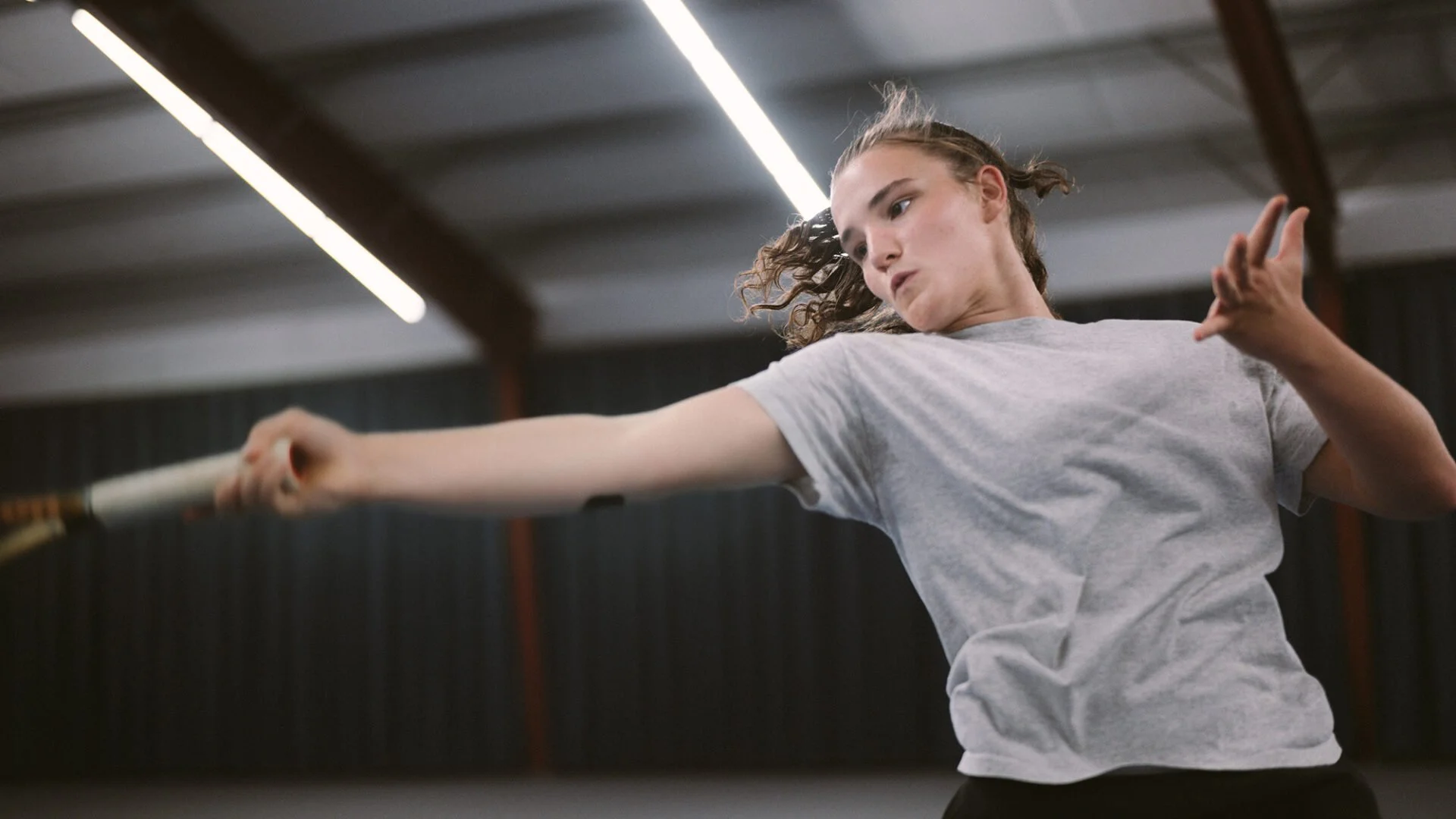
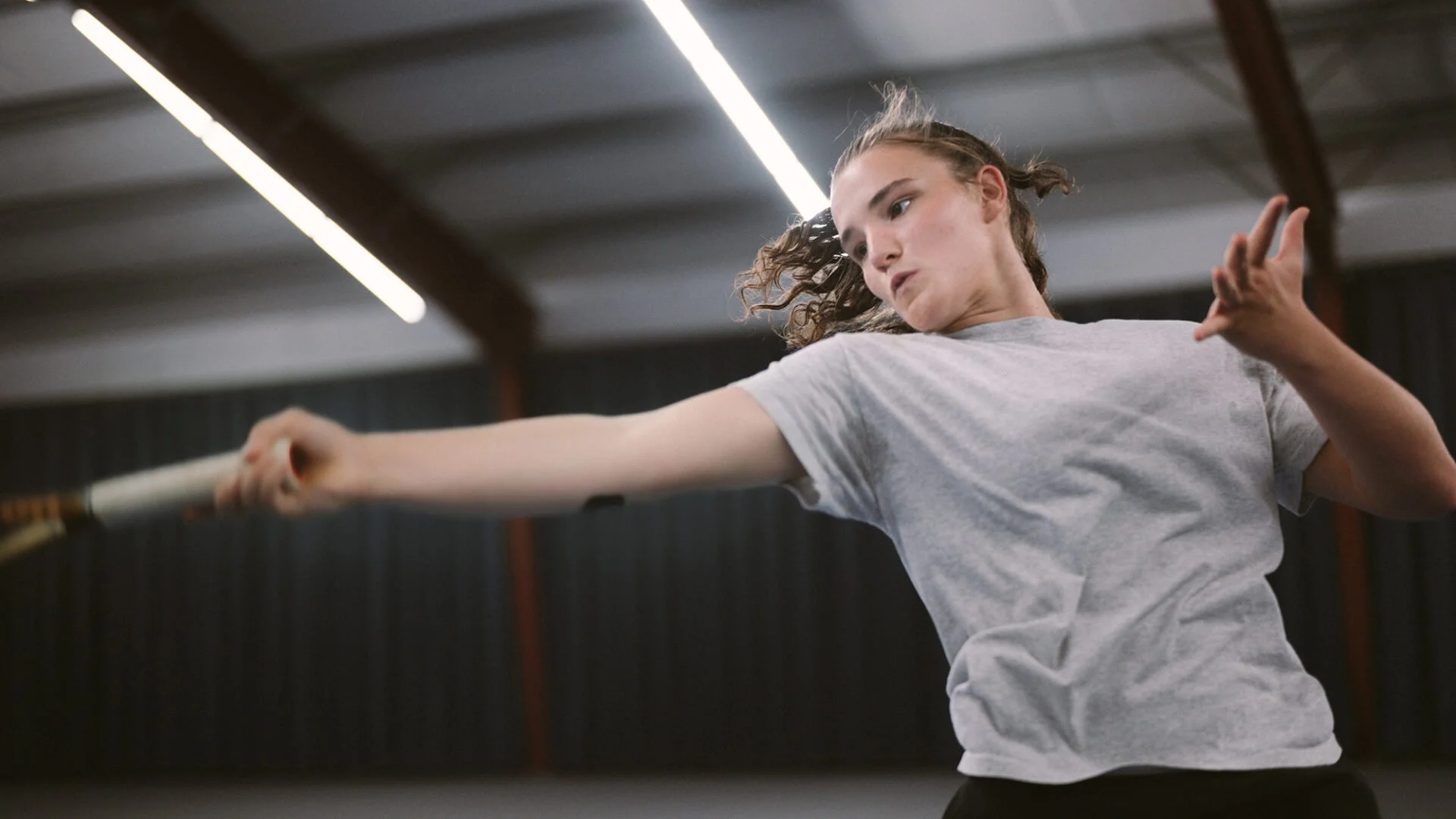
This taut, arresting discovery comes to the EUFF at a time when conversations are raging around power dynamics in sport and issues of consent, cancel culture, and disclosure. What’s most refreshing about it is the authenticity and restraint it brings to these explosive topics. It allows us to watch rising young tennis player Julie (the utterly unaffected Tessa Van den Broeck) grapple with a situation—often by wordlessly smashing balls on the court. Everything feels real about the way she responds to loaded circumstances. At her elite tennis academy, a slightly older athlete has taken her own life, and more and more attention is being turned on an older coach, Jeremy, as the cause. Jeremy, as it turns out, has also been Julie’s coach, in a relationship that has demanded they spend extended time together on and off the court. Our first sign that he’s willing to cross boundaries with her is that he’s texting her, still trying to control aspects of her training, while the investigation and rumours are circulating. Officials keep encouraging Julie to speak out, but she refuses. As she puts it to one caring adult, she has people she can turn to about the matter—among them, her loving parents—but she finds herself unable to speak about it. Adding to the complexity are some of the social divides at the academy: Julie is there on a scholarship, and has been a slight outsider among the rich kids whose parents fork out thousands for the training. What unfolds is an absorbing, quiet observation of a woman coming to a recognition, coming into her own, and coming into a decision about what she is willing to do or not to do. Director Leonardo van Dijl refuses to offer exposition or catharis, often shooting the characters in shadow, as if keeping us from searching their faces for easy explanation. In this film executive-produced by tennis star Naomi Osaka, silence, rather than weakness or cowardice, can be a survival mechanism, and can ultimately be a place to collect strength. JS
Our Girls
OUR GIRLS
Netherlands/Austria/Belgium
November 13 at 8:40 pm
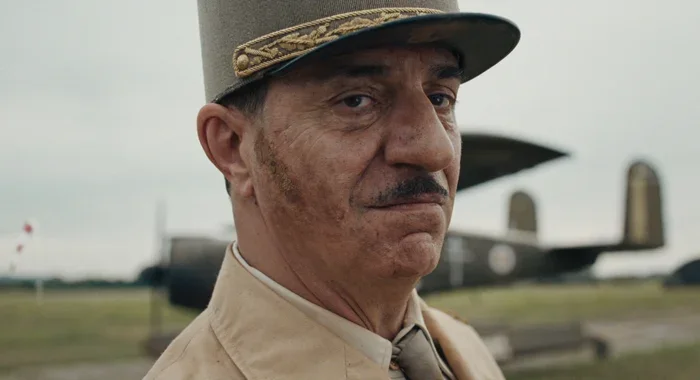
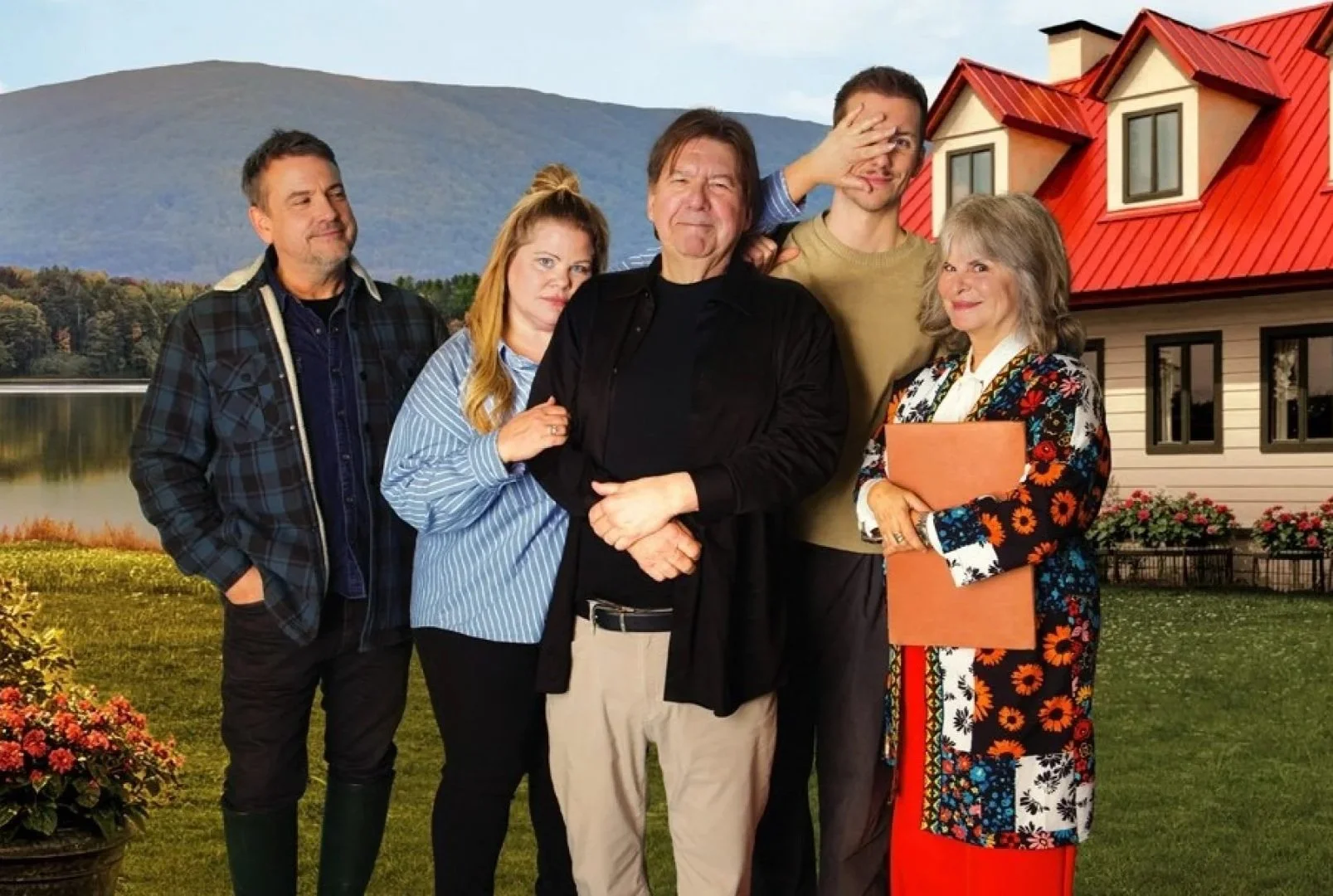
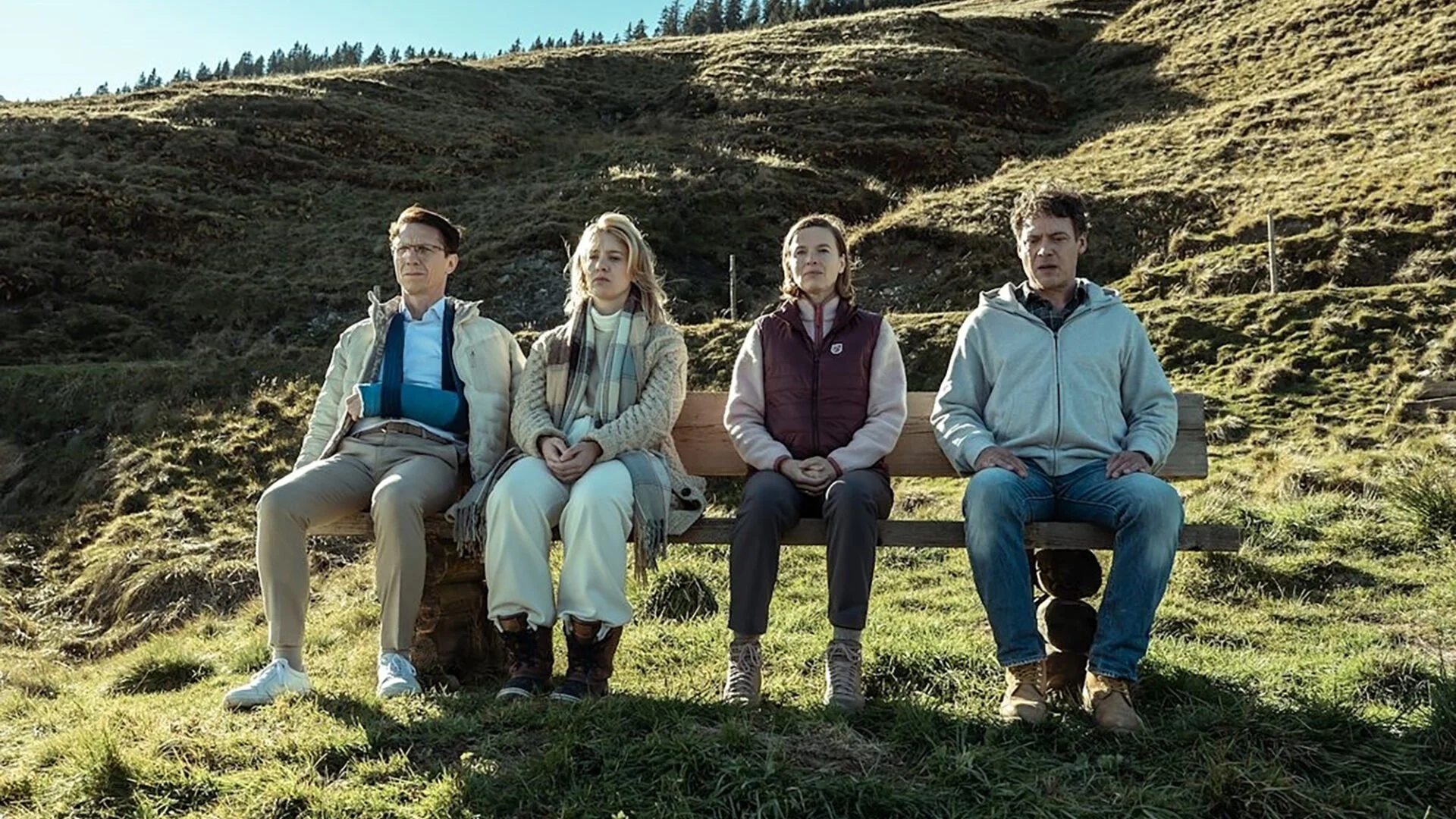
Our Girls announces its offbeat tone in its opening moments: while playing beside a postcard-pretty Alps lake, preschooler Elise whacks her friend Madelon in the face with a metal sand shovel. We can’t promise you’ll be able to reconcile the biting, jet-black comedy and heartwrenchingly tragic scenario of Mike van Diem’s latest film. But the Oscar-winning Dutch director has managed to craft something unique here—a kind of comedy of manners that takes an incredibly dark turn, forcing its characters to face arduous truths. In a story based on the novel We Doen Wat We Kunnen (We Do What We Can), two contrasting couples share a scenic chalet in the Tyrolean mountains, where they vacation a few times a year with their now-teenage daughters. But after the girls suffer an accident, the families’ carefully navigated, well-appointed coexistence is thrown into upheaval, and the guilt, blame, and difficult decisions start to fly. Van Diem slowly turns the Austrian retreat, with its sunny deck overlooking the Alps, into an isolated, fog-cloaked purgatory. Cold, white hospital corridors and cafeterias become a second living space while the crisis plays out. The parents (Dutch screen veterans Thekla Reuten, Noortje Herlaar, Fedja van Huêt, and Valentijn Dhaenens) alternate between quiet grief and acting out—smoking incessantly, kicking over kayaks, and, in a late, heartbreaking release, screaming and running in a hospital hallway. The plot builds to a harrowing, near-impossible ethical dilemma that strips away the parents’ polite façades and middle-class priorities, straining friendships and marriages along the way. It’s tense, complex stuff—making the laughter all the more uncomfortable. JS
Traces
TRACES
Ukraine/Poland
November 26 at 8:40 pm
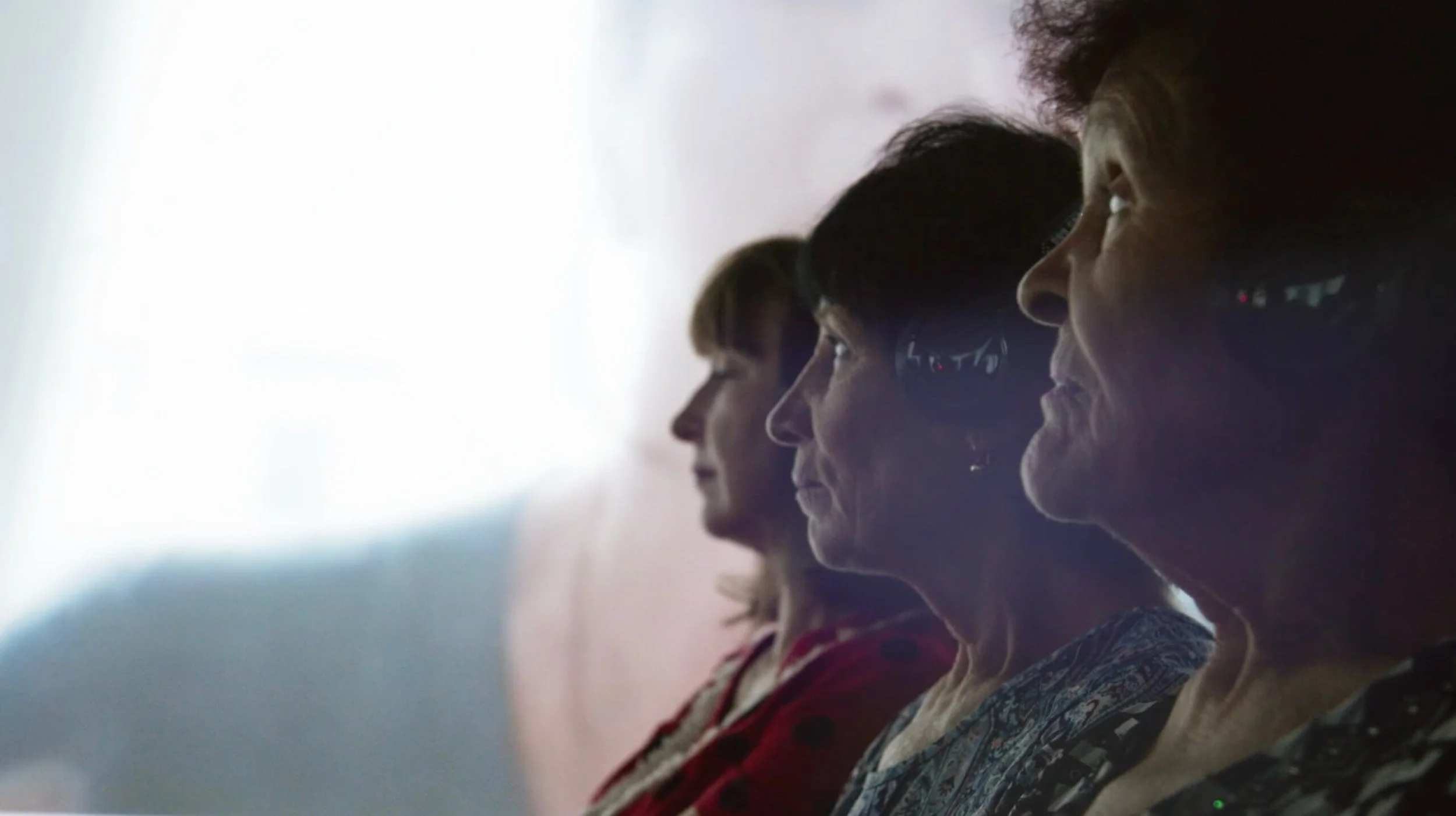
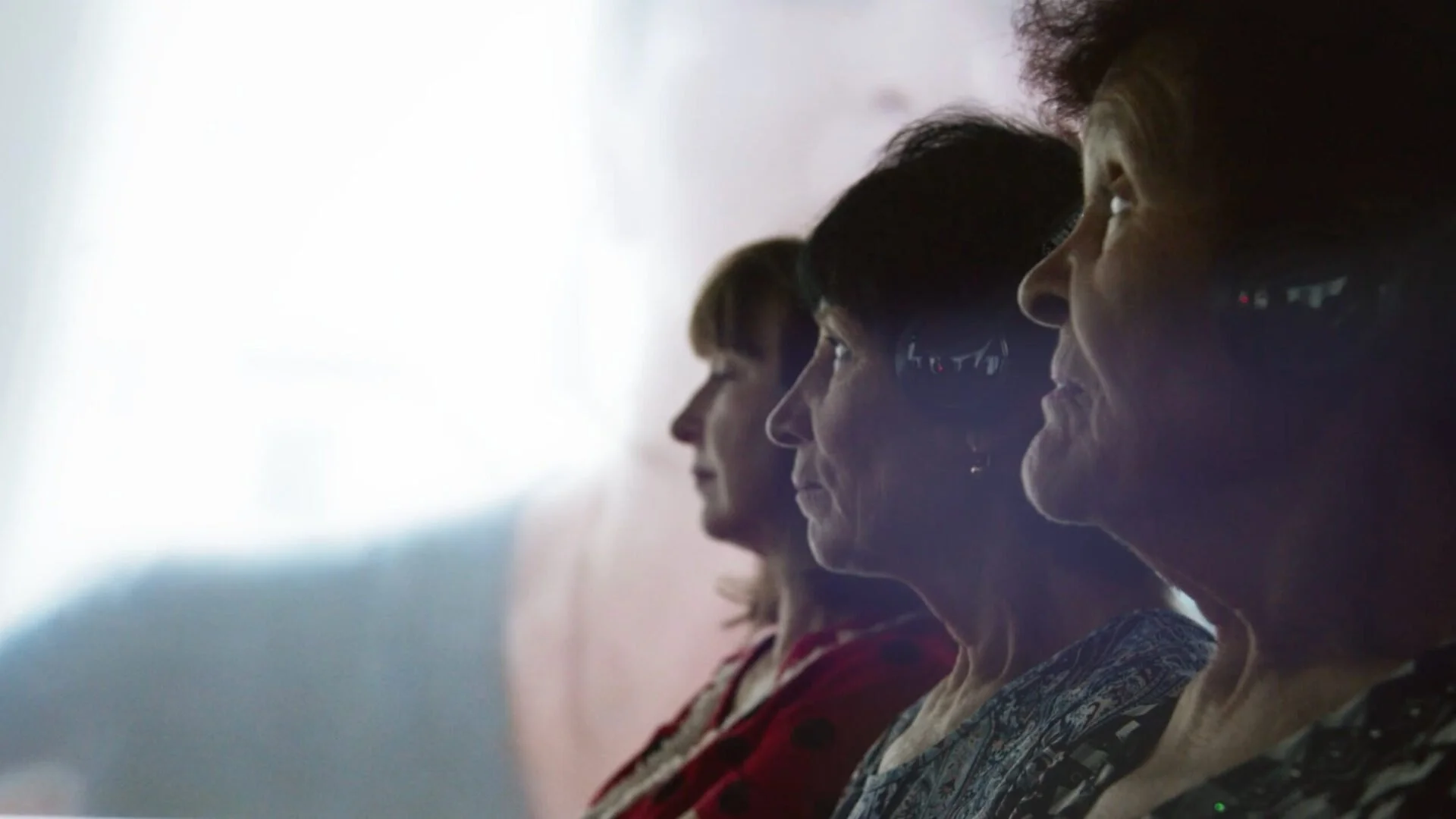
It’s never going to be easy to watch a documentary about the appalling conflict-related sexual violence (now known as CRSV) perpetrated by Russian forces against Ukrainian women. But filmmakers Alisa Kovalenko and Marysia Nikitiuk treat their subjects with such sensitivity and dignity that the film grows into a surprisingly poetic ode to sisterhood and collective resistance. Take central figure Iryna Dovhan: as the former captive recounts her trauma, the camera focuses on her working in her garden and pans over the wind rustling her trees and plants. So even as she speaks of horrors, we see her healing herself in nature. The film goes on to share more first-person accounts of survivors—many of them aging mothers and grandmothers—with the same respectful approach, interwoven with moving shots of the decimated landscapes of Donbas, Kherson, and other regions where the violence happened. Along the way, we see the work of the Ukrainian branch of SEMA (the Global Network of Victims and Survivors to End Wartime Sexual Violence) that Dovhan now runs. In other words, the film tries to present traces of hope even as it uncovers traces of unthinkable inhumanity. JS
Sleeping With a Tiger
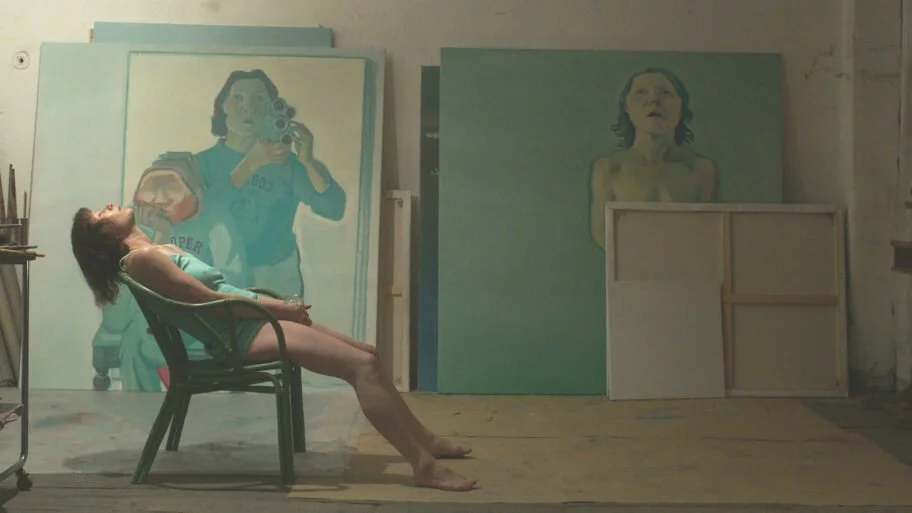
How does a biopic tackle a creature such as Maria Lassnig, the Austrian artist whose most famous work attempts to map feeling, or what she called “body consciousness”, with abbreviated, distorted, and often grotesque self-portraits? In this case, you front-load with a talent like Birgit Minichmayr. She portrays Lassnig from childhood to death as a near-autistic figure, frequently slouched or dragging her feet when not otherwise contorting her body as if she’s trying to enter the very canvas, usually in her underwear, muttering gnomic lines like “This is how I feel, green with rage.” And it all works, due in equal part to a thoughtful production that skips between the real and the fantastic. We’re swept away by note- and period-accurate recreations of Lessnig’s studios in Paris and New York; we’re no less seduced by outré touches like the reappearance of Lassnig’s mother, still haranguing her poor daughter after death. Naturally, Lassnig faced obstacles as a mid-century female artist, and if writer-director Anja Salomonowitz leans a little too much into such blunt and obvious territory, she also provides a pretty hilarious sequence, set in 1980, in which Lassnig can’t contain her contempt for the provocations of Valie Export, who arrives at a shared gallery exhibition wearing crotchless pants and accompanied by an entourage of gay technical assistants. It’s an admission that the visionary Lassnig was hobbled by more than just sexual politics. In a later sequence, the cranky artist seems bent on not selling her work to an eager collector with an open chequebook. “My paintings are my children,” she protests, whereupon Sleeping With a Tiger makes a bid for the quality of interiority deserved by its subject. (But I wonder how Lassnig, who died in 2014, would feel about all this?) AM 


Related Articles