With Epigone, playwright Kevin Kerr turns to ancient Greece to process contemporary loss
In new Electric Company Theatre play, premiering at the Downtown Eastside Heart of the City Festival, real grief over his sister mixes with fictional elements and age-old myth
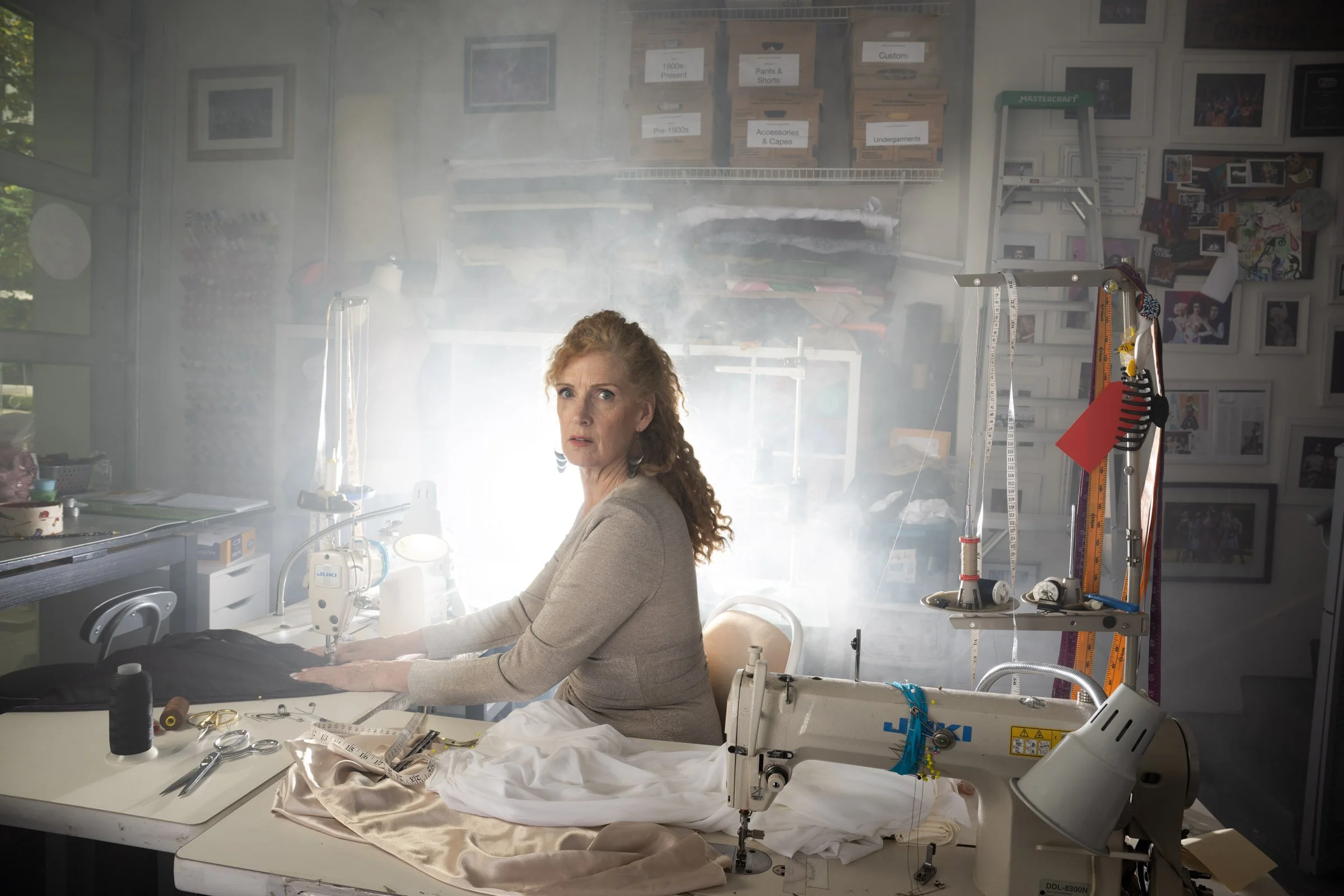
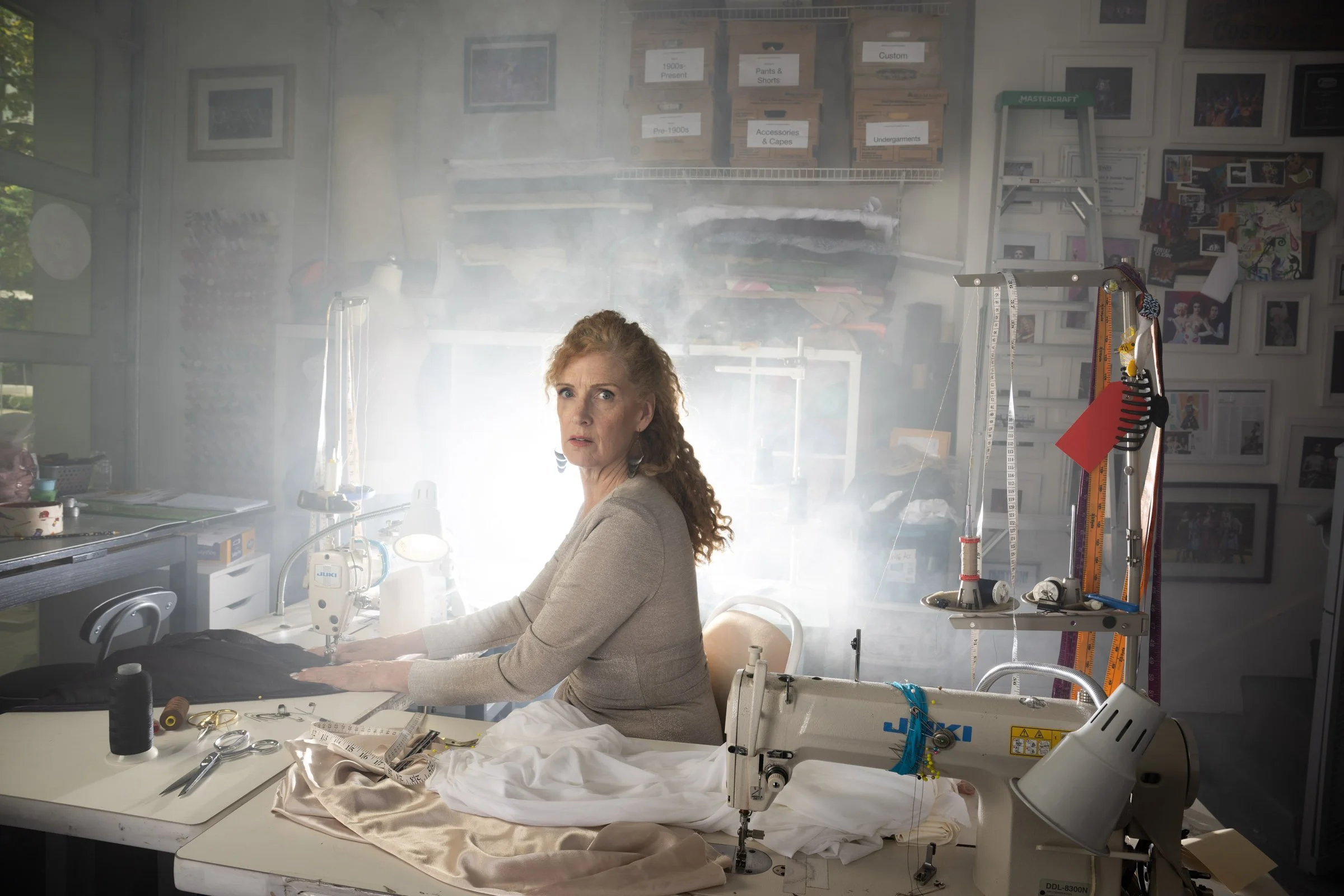
Colleen Wheeler in Epigone.
In partnership with Vancouver Moving Theatre, the Downtown Eastside Heart of the City Festival presents Electric Company Theatre’s Epigone at the Russian Hall from November 3 to 15
AT THE HEIGHT of the pandemic, acclaimed B.C. playwright Kevin Kerr faced a devastating family loss that involved one of the most urgent issues of our times: his sister Tricia, who had struggled with addiction, succumbed to the toxic drug supply. But to work his way through that complicated grief, he ended up looking back thousands of years to the ancient Greeks—ultimately creating the new Electric Company Theatre play Epigone.
“One of the things this piece is about is the question: Is there still room for myth in our contemporary lives?” he says, speaking to Stir amid rehearsals with the innovative company he helped found 30 years ago. “Can we at moments access this sort of collective archetypal imagery that transcends time and thousands of years—the kind that bridges material worlds and spiritual worlds?”
Wrestling with the sense of shame and secrecy that surrounds a death tied to addiciton and the opioid crisis, he became focused on Sophocles' Theban Plays—especially its myth of Antigone. In the story, Antigone goes against the king’s order that her dead brother be left unburied on the battlefield as a traitor; she believes that divine and family law demand a proper funeral rite and burial for her brother, regardless of which political side he was on.
Ancient myth, real life, and fictional elements now interweave in Epigone, in which a brother visits his late, estranged sister’s remote trailer—a setting inspired by Kerr’s sibling’s final isolated outpost in northern B.C.
“At the beginning of the play, a brother, in the aftermath of the sister's death, is kind of evading and running from those responsibilities, trying to manage and cover the circumstances around her death,” explains Kerr.
The central struggle in the new play, complicated by the arrival of a young cousin, is to move beyond societal stigma, he says. “And to figure out: Is there a way to still help the dead on their journey to the next realm, and for the community to to be able to support or be together on that?” Kerr says. “Antigone was so clear that her brother couldn't be left—not just for him and his journey to the underworld, but for what it meant for the community as a whole. And that’s, I think, the beautiful thing in that play: the awakening of the community to realize, ‘Yes we owe this.’”
Kerr finds added resonance in the fact the work is premiering at the Downtown Eastside’s Heart of the City Festival, amid its odes to the Day of the Dead. “It’s that recognition of how important the larger ceremonial aspect is for everybody, no matter where you are or what community you inhabit,” he says. “And so it really felt like there was an alignment between what was going on in this exploration we were engaged in and what this festival has been doing now for many many years in the Downtown Eastside and its role in allowing that space—to be honouring the lives and the relationships and the members of the community, and those that have departed, in that absence that’s left in their wake.”
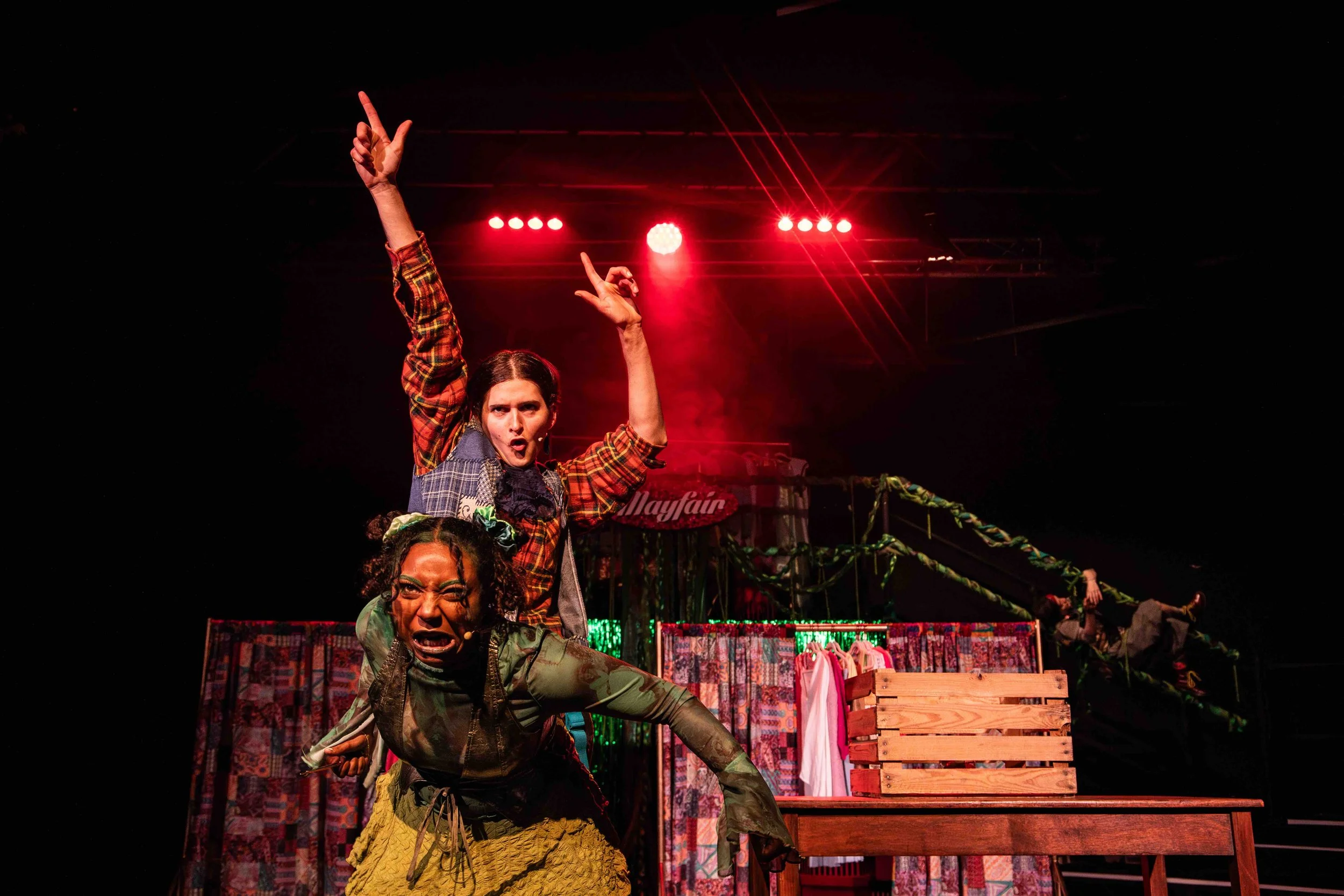
Transformation—between life and death, between paralyzing grief and acceptance—has become an overriding theme in the work, with the object-packed trailer as a liminal, near-mystical space between life and death, and between the present day and the mythological forces of 440 BC. The production conjures a striking visual and sonic world, care of lighting designer Eric Chad, composer Scott Morgan, and sound designer Kate De Lorme. The top-flight cast consists of Colleen Wheeler, Lili Beaudoin, Tom McBeath, and Kevin MacDonald.

Kevin Kerr
Kerr says it’s been a joy to return to collaboration with Jonathon Young, best known as cocreator of Kidd Pivot’s Betroffenheit and Revisor, who’s directing the play. Over 30 years, the long-time friends have worked together on such form-pushing performances as 2010’s Tear the Curtain!.
But there’s another palpable creative force in the room. Years ago, before the death of his sister, who was a talented fashion designer, Kerr had thought about doing a project with her. She passed away before that could happen, but he feels like she’s with him as he’s been making Epigone.
What would she think of it? “I do wonder if she would be rolling her eyes at me,” he says with a laugh. “One of the early things I said to Jon was ‘I would love to make something that I feel like my sister would like to watch.’ She didn’t really like theatre, so I wasn’t quite sure how to do that. So it’s been kind of a goal that we feel will be sort of forever not met. But there are moments where I think, ‘She would definitely dig that.’”
Kerr has wrestled before with the theme of mortality in his work—most notably in his Governor General’s Award–winning Unity (1918), about the Spanish flu hitting an isolated community. But with its personal touchstones, Epigone has, obviously, been a more painful journey. Still, Kerr has felt supported in the theatre company that he’s called home for three decades.
“It’s been a ride at times, and it’s been kind of tough trying to find a way to partition the memories and emotional realities with the work of making a show,” the playwright says. “I’m not always super successful at finding that partition, which is why I’m so thankful to be working with Jon—because he’s incredibly in tune with that, helping me navigate that. So yeah, it’s been intense at times, but also really just quite beautiful too, to be able to feel that presence of my sister again, and be constantly in a state of connection with her and her story.” 
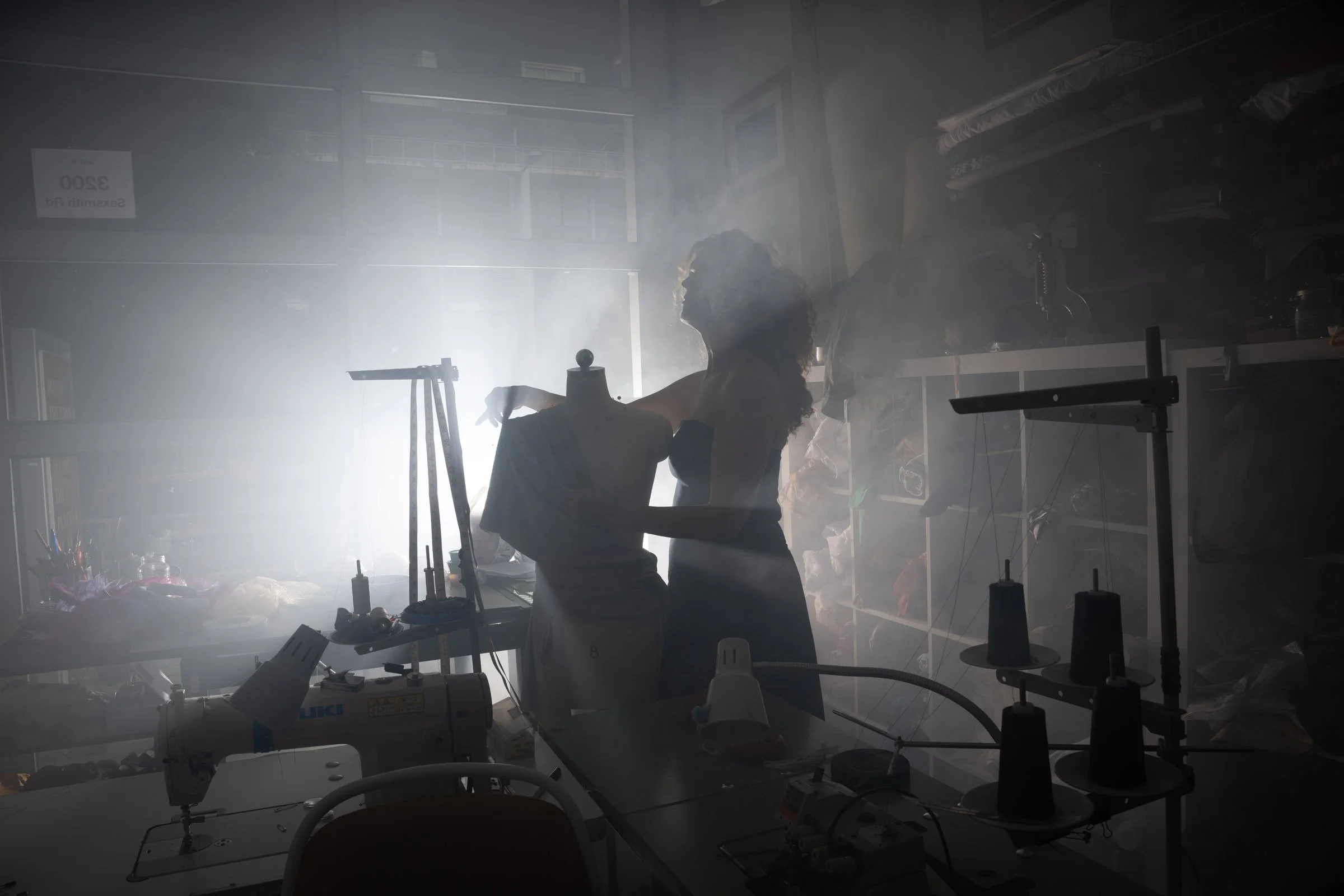
Colleen Wheeler in Epigone.

Related Articles