Stir Q&A: Joëlle Rabu talks about the roots of her musical match with Buwa
Voices soar as Canadian chanteuse and Nigerian-born singer connect over classic songs in Just the 2 of Us at Anvil Theatre
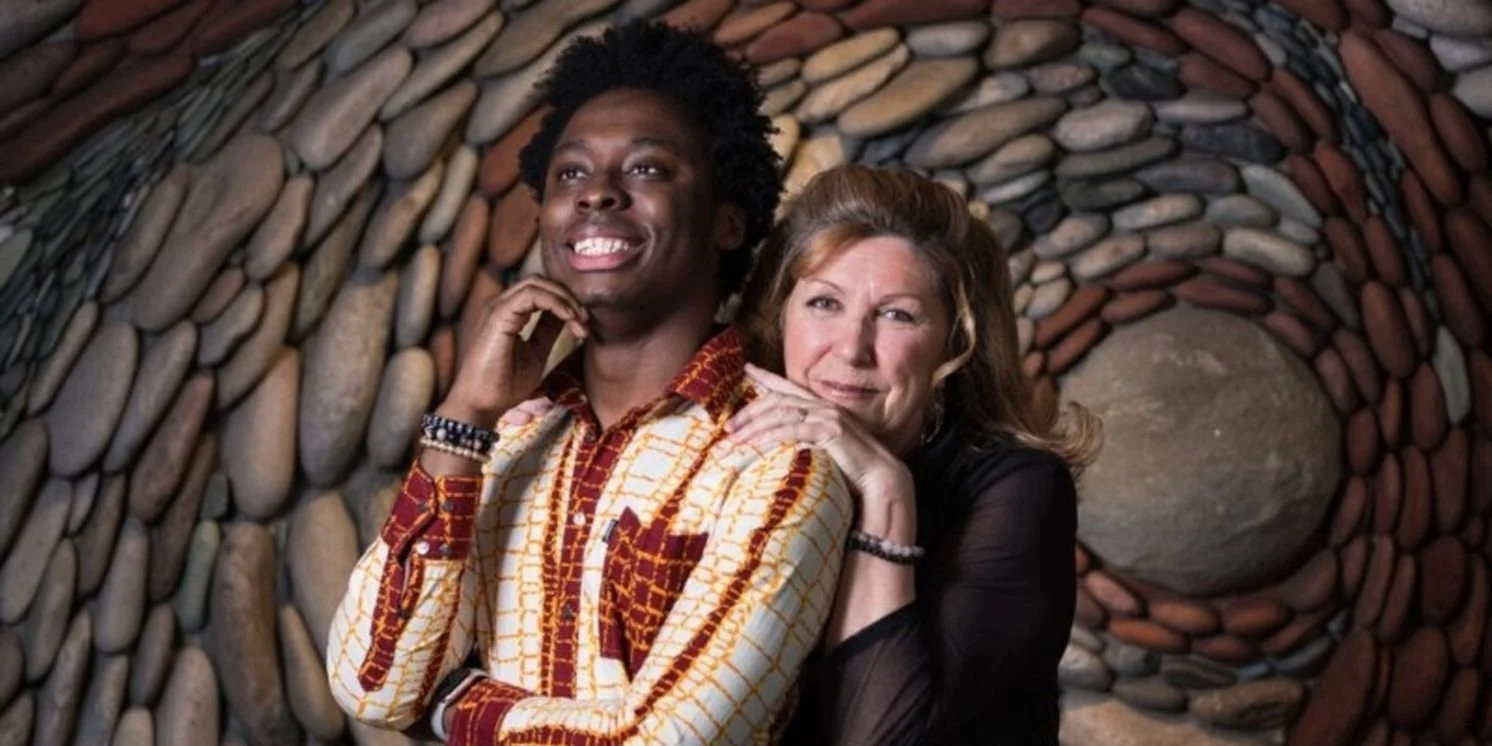
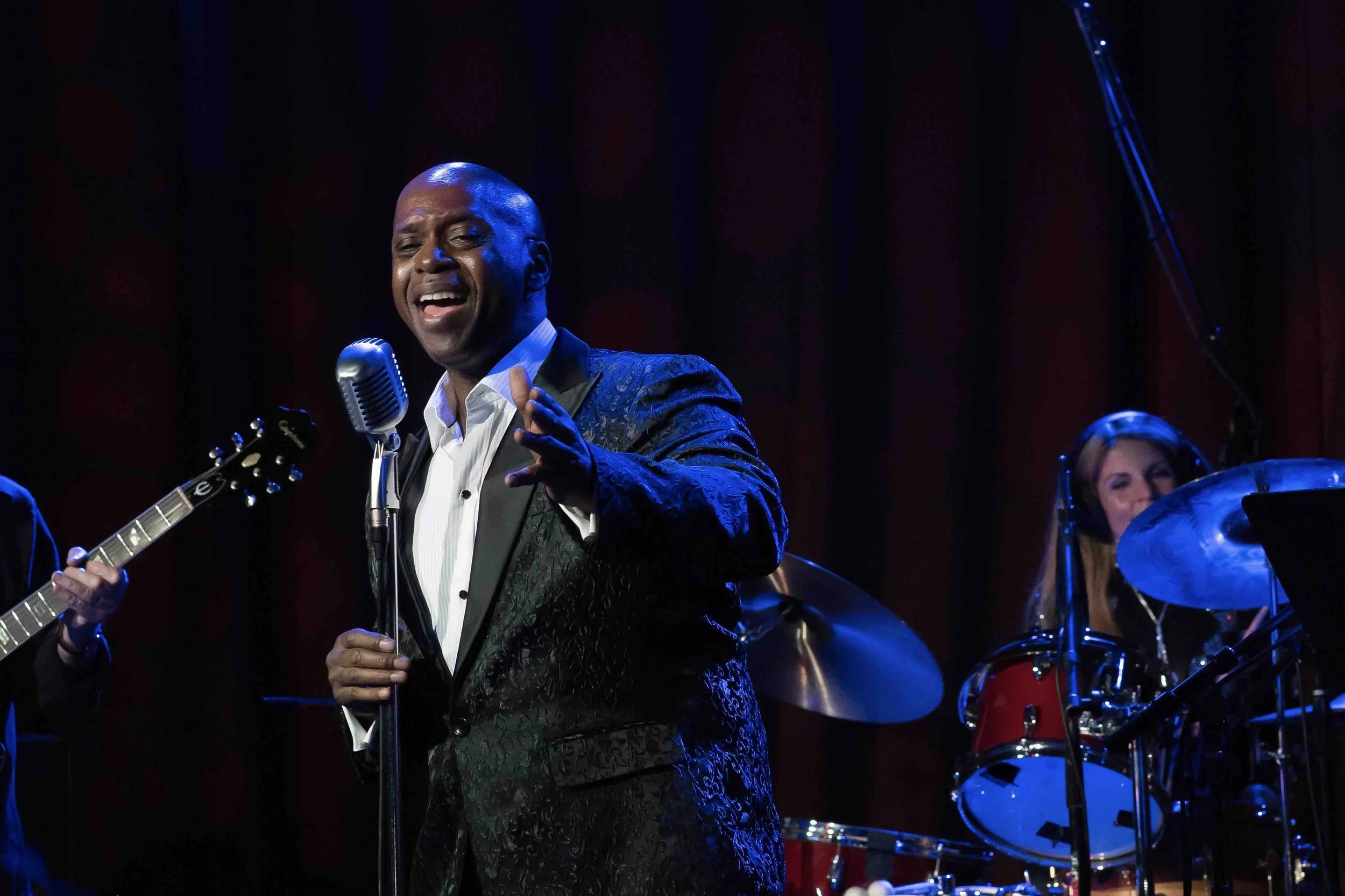
Buwa and Joëlle Rabu
Anvil Theatre presents Just the 2 of Us on April 11
WHEN IT COMES TO their backgrounds, they’re worlds apart. But Joëlle Rabu, a Canadian singer known for her theatrical portrayals of Edith Piaf, and powerhouse Nigerian-born talent Buwa have formed an unlikely musical connection—and fun stage rapport—that erases age and geographical distance.
Together, they’ll appear in Just the Two of Us at Anvil Theatre—a show that spans six decades and multiple genres, including Broadway hits and classics by the likes of Shirley Bassey, Aretha Franklin, Elton John, and Whitney Houston.
Stir caught up with Rabu to ask her about the origins of the versatile stage duo, their Mexican rescue dogs, and her relationship with nostalgia.
How did you meet Buwa and forge a musical partnership?
Buwa and I met during a COVID-era project created by Nico Rhodes. Chapters was a streamed concert series showcasing some of Vancouver Island’s most remarkable yet lesser-known talents. Buwa was one of those rising stars, and he absolutely lifted the roof off the theatre. Nico, who is not only my son but also my music director on other projects, immediately sensed something special. He felt Buwa’s voice could beautifully complement mine, and so he playfully challenged us to consider writing a show based on us as “duelling divas”. From that moment, the musical connection felt effortless and undeniable.
What is it about your styles and voices that makes them different but makes them “click” together?
Buwa is far more than a singer, he’s a storyteller. He performs with heart, clarity, passion, and honesty. While there is a 30-year age difference between us, we share a deep enthusiasm for songs that tell meaningful stories and stretch a vocalist’s range.
Where we differ, in cultural background, life experience, and musical influences, becomes our strength. My French heritage brings a certain phrasing, nuance, and emotional texture, while Buwa’s Nigerian roots bring rhythm, warmth, social advocacy, and a powerful sense of immediacy. Yet we meet in the same artistic space: a love of connection, authenticity, and emotional truth. That’s what makes it click. Plus, we each have the most adorable Mexican rescue dogs that clicked when they met too!
We both enjoy stepping outside our comfort zones, exploring songs from different eras and traditions. That shared curiosity allows us to travel across six decades of music while still sounding unified.
The program spans more than 60 years of song. What was the linking force between the pieces for you and Buwa?
We began with a long list, nearly 50 songs, and gradually refined it based on our individual preferences, duet possibilities, and cultural exchange. That cultural element became especially meaningful: Buwa embraced songs in French, while I stepped into his world by learning some Pidgin.
What surprised us was how naturally aligned we were. There was very little debate, our instincts led us in the same direction almost every time. By the end of the process, we realized we had curated a program that spans six decades of music yet feels cohesive because every song resonates with both of us on a personal and emotional level.
A lot of the songs here, from Shirley Bassey to ABBA, inspire instant retro vibes. Do you consider yourself nostalgic?
There is certainly something timeless about music from those eras. I wouldn’t say I’m purely nostalgic. I’m drawn to music from all periods because every era carries its own kind of magic and reflects the spirit of its time.
For me, nostalgia isn’t just about looking back, it’s about how a song makes you feel, what it says, and how it connects to moments in your life. A melody that is instantly recognizable, something you can hum without thinking, holds a special kind of power. Those songs stay with you, becoming part of your personal story.
You’ve made a name performing Edith Piaf—and I see her work is on the program. What does her work mean to you, and do you still find yourself stepping into “character” when you perform her work?
I always, respectfully, step into her world when I sing her songs. French is my first language; I was very much raised à la française by my Breton parents when they landed in Winnipeg in 1958. Having French parents meant I was surrounded with Piaf’s music as a youth, and now it’s in my bones. However, singing her songs and playing the role of Piaf for decades on tour is not about becoming her, but more about becoming the subject of each of her songs. I do this with most music I perform. That’s what draws me to interpreting the work of others: the opportunity to research, observe, interpret, and communicate the emotional life of a character.
Singing, for me, is a way of examining different perspectives, I get to “live” diverse stories out loud. It allows me to step outside my own reality and explore themes like love (lost and found), joy, grief, memories, and human connection. I use my own experiences as a bridge, but my purpose is not to tell my story: it’s to invite the audience into someone else’s.
If they can recognize themselves in that story, or perhaps gain a deeper understanding of another human experience, then the performance has done its work. 

Related Articles