All-female Solidaridad Tango showcases the many sides of Argentina’s national art form
At the Shadbolt Centre for the Arts the Canadian ensemble’s Tango Fantasia intends to show that tango is music for both the body and the mind
Solidaridad Tango
The Shadbolt Centre for the Arts presents Solidaridad Tango’s Tango Fantasia on April 18 at 7:30 pm
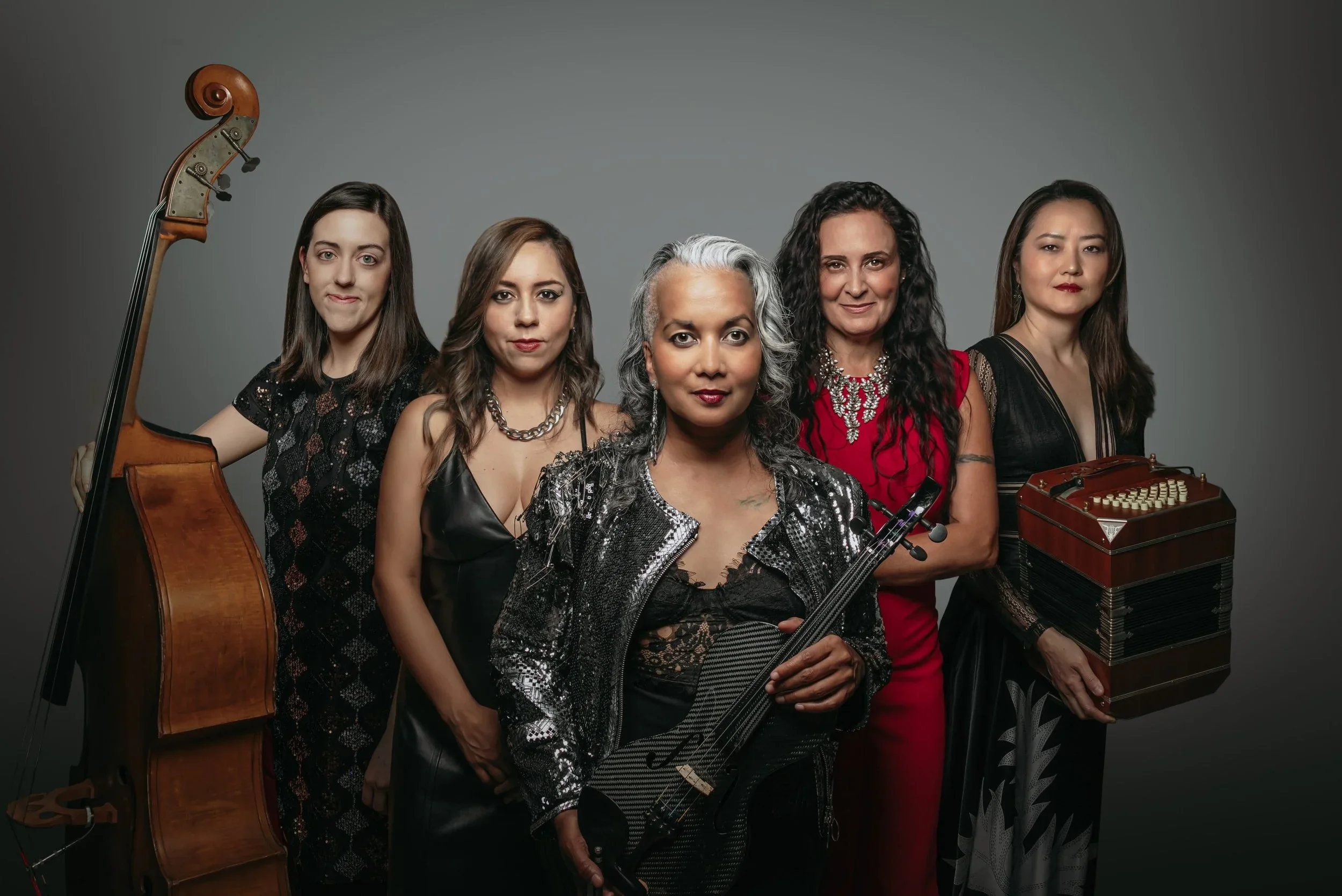
IT’S CERTAINLY A striking sight, and an even more impressive sound: five musicians onstage, playing tango with the rigour of a chamber ensemble and the fluidity of the old Argentine masters. The striking part is that every member of Solidaridad Tango is a woman.
All-female combos aren’t uncommon across various spheres of music—think of the unapologetic badasses in L7, for example, or Vancouver’s own Allegra Chamber Orchestra—but in tango it is very much a rarity. In fact, Solidaridad Tango is the only one in North America.
The group’s founder, Aparna Halpé, tells Stir that a COVID-imposed break in 2021 got her thinking of the behind-the-scenes misogyny that is unfortunately still prevalent in the music industry, where a woman may shine in the spotlight but face disrespect from male peers backstage.
“In the pandemic, when we lost all our gigs and everything shut down, women started talking to each other and we started sharing our stories,” Halpé says over the phone from her home base of Toronto. “It’s the kind of stuff that sets your hair on fire. Someone said, ‘You know, Aparna, you’re really good at putting people together and organizing things, so why don’t you start a band?’ So I did.”
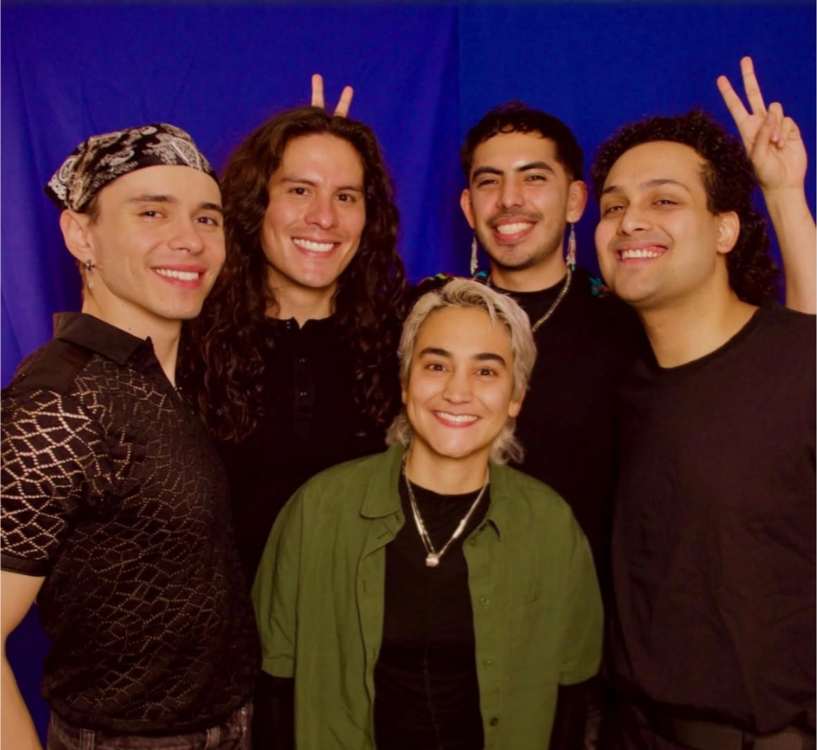
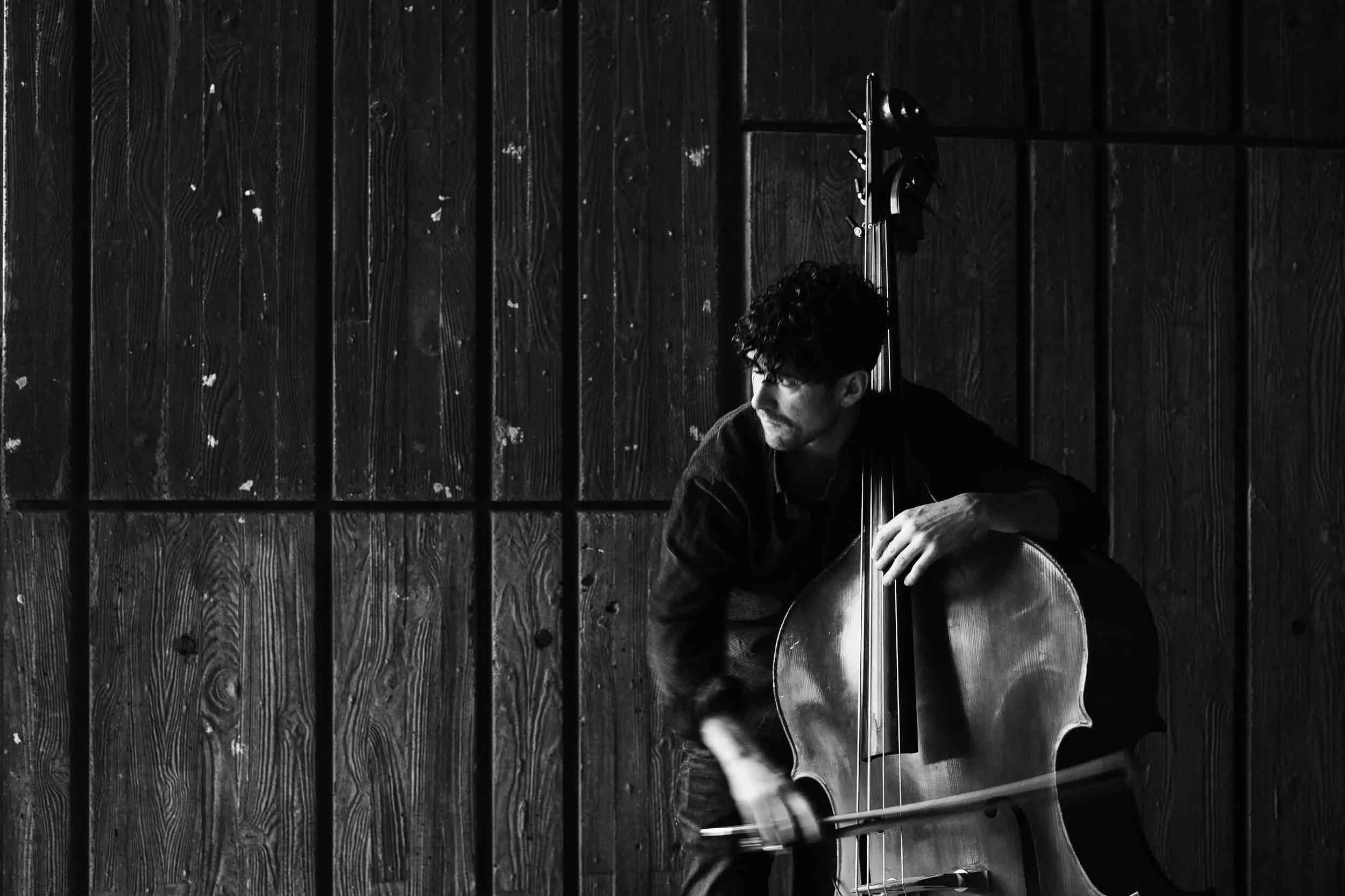
Today, that band includes Halpé on violin, vocalist Valeria Matzner, bandoneón player Shinjoo Cho, pianist Yolanda Tapia, and bassist Sarah Lahasky. (An all-strings sextet and a more intimately scaled trio also operate under the Solidaridad umbrella.)
Halpé acknowledges that, historically, the world of tango is a “deeply patriarchal” one, a reality that even in 2026 can lead to friction as old attitudes brush up against changing cultural norms.
“Just two weeks ago in Buenos Aires, for example, at a social dance event, two women got up to dance together toward the end of the evening, and the organizer of the event came up to them, verbally abused them, forcibly separated them, and actually physically attacked one of the women,” Halpé says. “He pushed her. Of course, it’s denounced by the whole international tango community, but these things are still going on.”
On the other hand, Halpé happily notes that her being a woman—a Sri Lankan-born Canadian one, at that, with a background in classical repertoire—has never prevented her from finding acceptance and mentorship within the world of Argentine tango. It’s only closer to home that questions about her supposed outsider status come up.
“Here in Canada, and in the U.S.,” she notes, “I’ve heard people say to me ‘Women can’t write tango. Women can’t play tango. Women can’t sing tango. Tango can’t be in English.’ I’ve heard all of those things over here. I never hear that in Argentina.”
Released in late 2023, Solidaridad Tango’s debut album, DISTANCIA, is strong enough to hush any naysayers. The lithe ensemble proves itself a force to be reckoned with. DISTANCIA is made up mostly of Halpé’s own compositions, but Solidaridad also reaches back to 1936 for the classic “El Adiós”, and even takes on Rush’s 1981 prog-rock instrumental “YYZ”.
That latter number was famously inspired by Rush’s many travels through Toronto Pearson International Airport, and it’s fair to say that Halpé and her cohorts have also spent their fair share of time there, departing for cross-Canada tours, and even to the heart of tango itself, Buenos Aires.
“We were the first Canadian ensemble invited to participate in the World Tango Festival last year,” Halpé says. “And we were invited specifically because we were women, and because the new project that we just recorded there has tango written in English about our Canadian multicultural context. They loved that, and they invited us to be a part of it because we’re doing our own thing with tango.”
As a child in Kandy, Sri Lanka, Halpé had no inkling that she would grow up to become one of Canada’s leading proponents of Argentina’s national art form. That was definitely not the career path that certain members of her family had mapped out for her.
“It took a while for my mom to forgive me,” she says. “My mom was my first teacher, and she was a concert pianist. The plan all along was for me to go to conservatoire and all that.” In Sri Lanka, Halpé successfully balanced academic work with a career as a professional musician in an orchestra—at 17, she joined the Lanka Philharmonic as assistant concertmaster.
Upon moving to this country, the aspiring young violinist found making inroads into the Canadian classical world more difficult than she had anticipated. She abandoned her musical ambitions and devoted herself to teaching English at a community college.
Then she discovered tango, but not as a musician. Not at first.
“I started dancing, and the music was so compelling,” she remembers. “Without realizing that this is what every tango composer does, I started out by transcribing music and then pulling out my violin to play pieces that I would transcribe and arrange for solo violin. Just for myself, for the fun of it. And then it became this thing that became more compelling. I got obsessed with it, basically, and then started finding out how to get myself trained and was lucky enough to meet the right people.”
Fast forward to 2026, and Halpé and Solidaridad are getting ready to bring their show Tango Fantasia to B.C. in a tour that includes stops in Vernon, Oliver, Burnaby, Coquitlam, Pender Island, Sidney, and Tofino.
The first half of Tango Fantasia, Halpé says, showcases tango as chamber music, as worthy of serious consideration as any classical compositions. The second half focuses on tango as music to move to, featuring performances by dancers Tarek Marroushi and Estie Spivakov.
Halpé’s intention is to convey to audiences that there’s far more to tango than the snapshots that tourists might bring home from Buenos Aires.
“I hope they take away a love of tango as a living art form,” she says. “I’m really trying to push against this idea that it is something of the past, and that there was a Golden Age of tango and that was it. I disagree. I think that tango is very much a living art form, and that’s really what we’re trying to do with Solidaridad.” 

Related Articles