Local lens-based artists share their influences in The Cinematheque x Capture Film Series, to April 25
As part of Capture Photography Festival, Dana Claxton, Althea Thauberger, and Stephen Waddell screen the films that shaped them
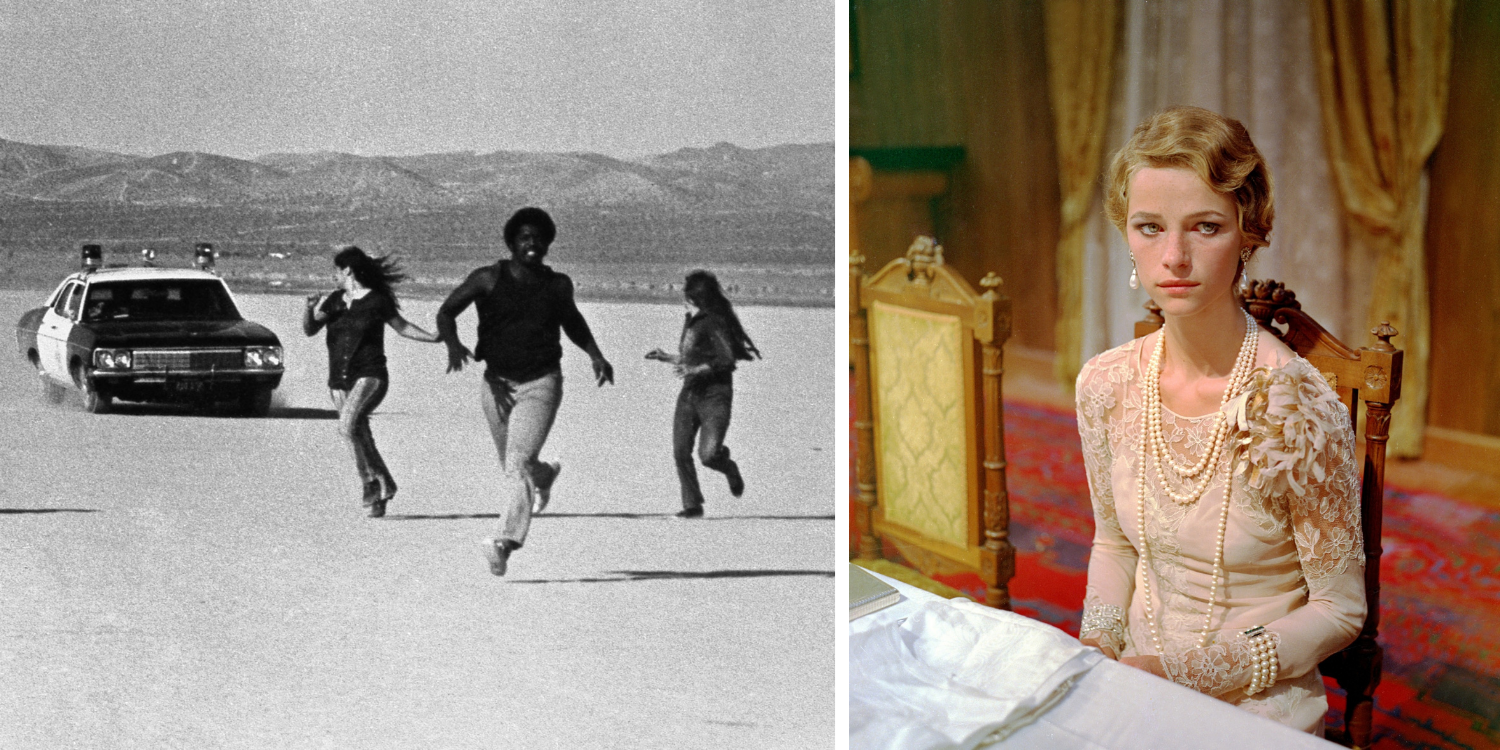
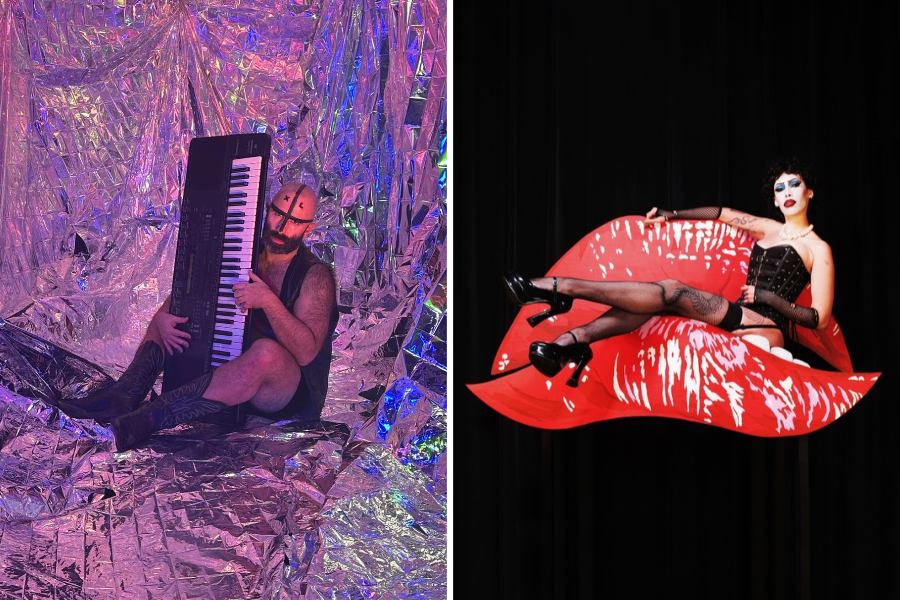
Left: Punishment Park. Right: The Damned
Capture Photography Festival presents The Cinematheque x Capture Film Series at The Cinematheque on April 11, 17, and 25 at 6 pm
IT’S ALWAYS FASCINATING and often revelatory to take a peek behind the curtain and learn what it is that inspires creative people to do what they do. In that spirit, Capture Photography Festival invited three lens-based artists—Dana Claxton, Althea Thauberger, and Stephen Waddell—to present films that have had an influence on their thinking and practice.
For the series at The Cinematheque, Claxton selected War Pony, Riley Keough and Gina Gammel’s drama based on Lakota cowriters Franklin Sioux Bob and Bill Reddy’s experiences growing up on the Pine Ridge Indian Reservation in South Dakota (April 11).
Of the film—which won the Camera d’Or for first feature at the 2022 Cannes Film Festival—Claxton writes, “There are profound, intimate Lakota cultural gestures that will take your breath away—as a young fella finds his way, or a small child briefly sings an ancient song.”
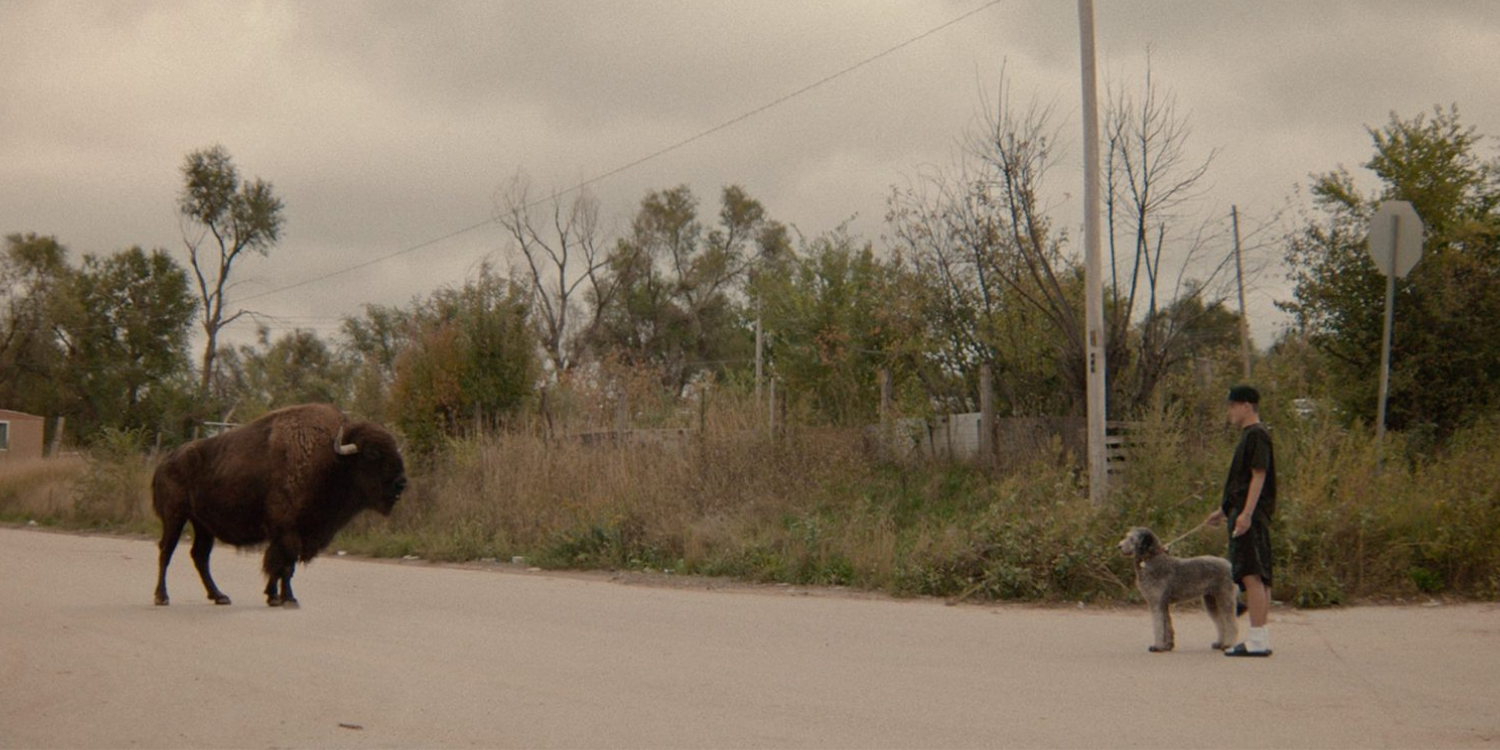
War Pony
For her pick, Thauberger chose British filmmaker Peter Watkins’s 1971 dystopian drama Punishment Park (April 17). In the pseudo-documentary, U.S. president Richard Nixon has declared a state of emergency as an excuse to round up anti-war protestors, civil rights activists, feminists, and other assorted pinko hippies. Those convicted of posing a risk to national security are given the option of earning their freedom by crossing 53 miles of scorching California desert without food or water and with National Guardsmen pursuing them at every turn.
Says Thauberg: “Working with non-actors who are ideologically aligned with the characters they depict, the film walks a tightrope between fiction and reality, and is exemplary of Watkins’s situational filmmaking.”
Waddell writes of his selection, “Luchino Visconti’s The Damned operates as a cinematic archaeology of decadence, excavating a civilization already functionally dead—its institutions moving with the eerie persistence of a corpse animated by habit, violence, and self-preserving rot.”
The 1969 drama takes an unflinching look at the ascendance of Nazism in 1930s Germany, through the lens of a wealthy industrialist family that stands to profit from the rising tide of fascist brutality (screening April 25).
Each artist will be at The Cinematheque to introduce their selected film. 

Related Articles