Stir Q&A: Chicago’s Dumb John brings fearless comic energy to Improv Centre showcase The Heat
Troupe members Mike Geraghty and Linda Orr talk early days in punk-rock basements and the power of trust onstage ahead of the five-day international comedy festival

The Improv Centre presents The Heat—An International Improv Comedy Festival from January 27 to 31
DUMB JOHN IS COMING to Vancouver with a warning: they’re unhinged, weird, and aggressive.
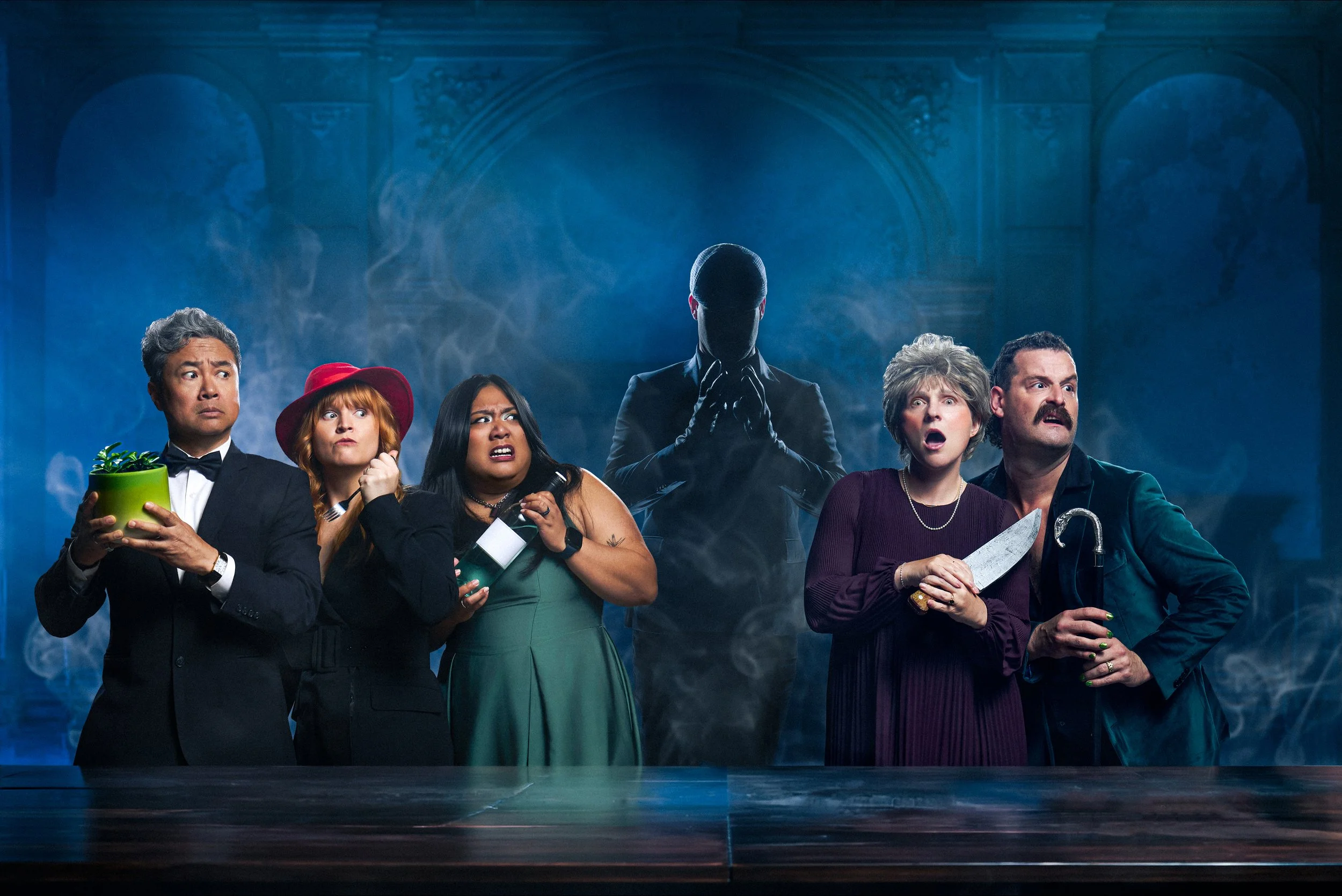
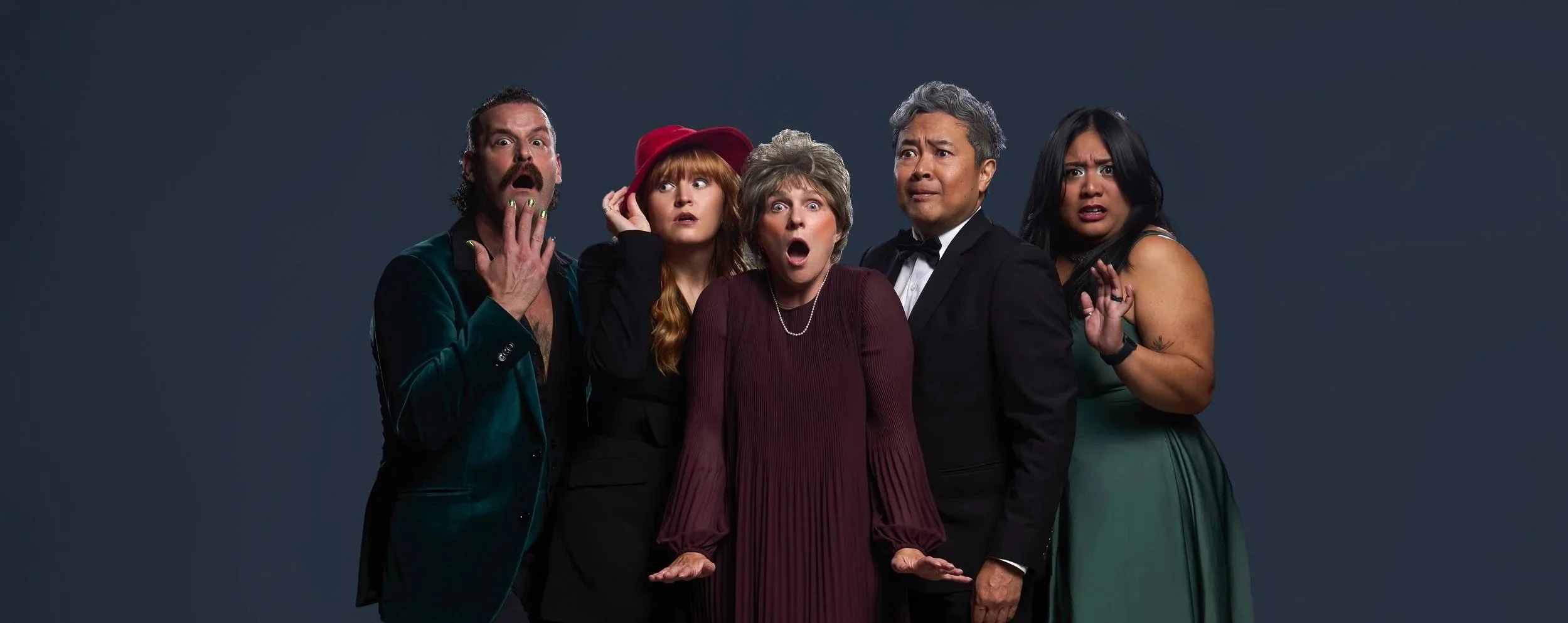
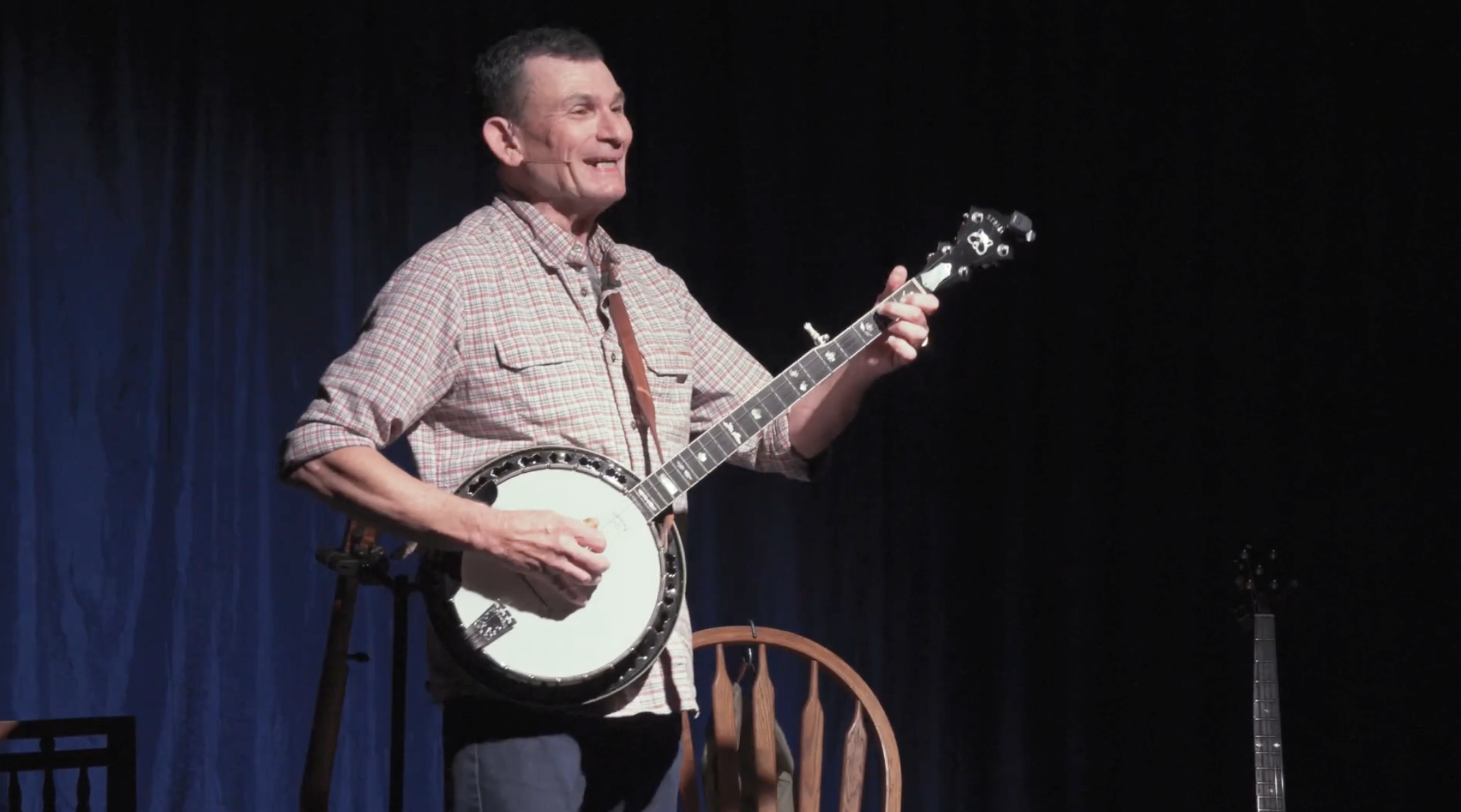
This indie improv troupe hailing from Chicago is bringing its physically fearless and boldly hilarious brand of comedy to the third annual edition of The Improv Centre’s international improv-comedy festival The Heat. The team consists of seasoned performers Mike Geraghty, Linda Orr, Steve Plock, and Traycie McBee (who unfortunately will not be present at the festival).
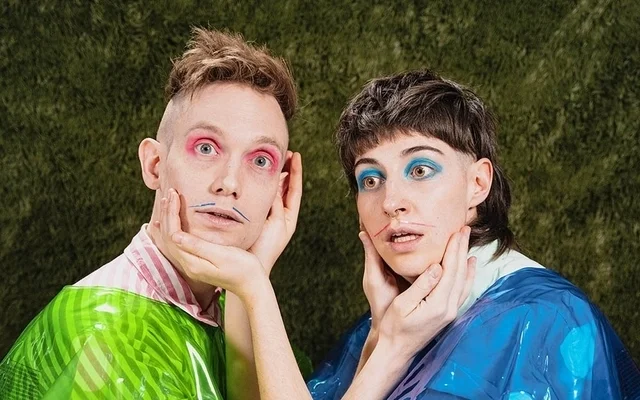
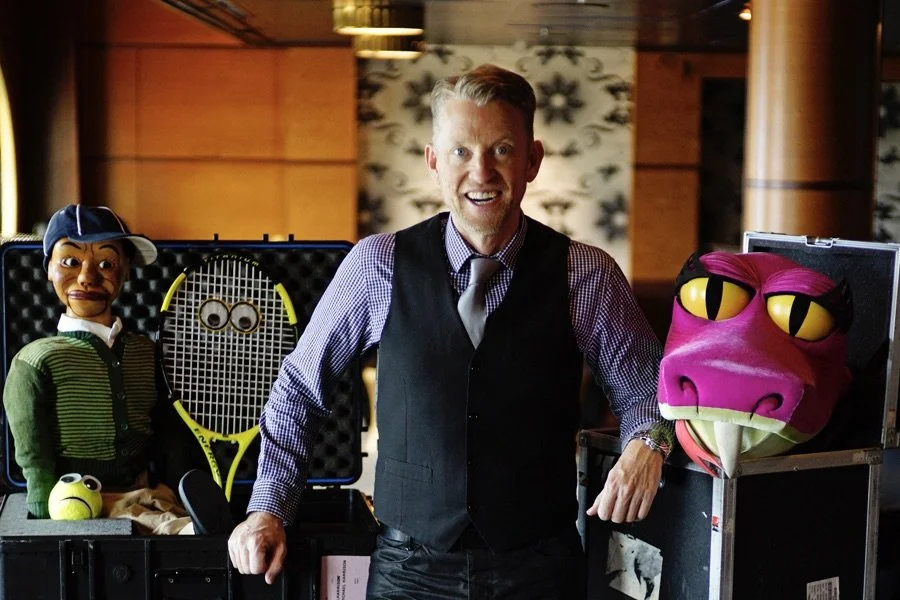
Alongside Dumb John, this year’s lineup includes Michelle Impro and Teresa & Folusho from London, UK; Second Breakfast from Aotearoa New Zealand; and Vancouver’s own group The Improv Centre.
After kicking off with an all-teams opening night on January 27, featuring a talkback session, the troupes will pair off for the rest of the week, merging unique improv styles and comedic backgrounds into unpredictable performances each night. Throughout the week, each international team will also have a chance to lead a showcase in their signature style.
In anticipation of Dumb John’s appearance at the festival, Stir connected with Orr and Geraghty to learn more about this unbridled crew.
How did you first discover improv comedy and what about it drew you to the art form?
Orr: I’m from a small town in Wisconsin called Kewaunee, and I went to school in Madison, where I majored in theatre. After college, I moved to Chicago, and it was here that I saw my first improv show. I knew somebody who was in a show, they invited me to go, and that was that. I remember it was Georgia Pacific at the iO Theater, which was known as Improv Olympic back then. I’d never heard of long-form improv before, but I was hooked immediately.
In college, theatre felt so classical and academic. We never did anything fun because it had to have a message. I was now experiencing a form of theatre that was unhinged. This was unbridled and rock ’n’ roll—the kind of theatre I always wanted to do.
Geraghty: I was doing stand-up comedy in Reno, Nevada, before coming to Chicago for that. I didn’t know what long-form improv was either, but similarly to Linda, I saw a show at iO Theater. They had free shows on Wednesdays, so I went to see Virgin Daiquiri, and it blew my mind. I couldn’t figure out how they were doing it.
Going into the space that iO used to be at was kind of like what Linda said, a cool punk-rock basement, so the vibe was really special. When I first saw stand-up and short-form improv like Whose Line Is It Anyway?, I was like, “Oh, I can do that. I want to do that.” But when I saw long-form improv, I didn’t understand how they were doing it. I thought to myself, “Now that’s something I think I can do, but I know I can’t do it right now.” It became a hyper-fixation for me. Now Dumb John is the team that hosts the free show at iO, so it’s come full circle.
Chicago is known for its rich history and bustling scene in comedy and improvisational theatre. What is the city’s improv scene like now and how does it stand out among other places in the country?
Orr: There’s something about Chicago’s improv scene that’s refreshing and youthful and forgiving. It gives you a space to grow in whatever direction you want to grow in. People love improv here, and I think the expectation is that we’re going to give you a space to invent something in front of us, as opposed to demanding perfection.
Another thing I love that’s very specific to Chicago is that Aretha Sills, the granddaughter of Viola Spolin—who is credited with making improv an art—lives in Wisconsin now, but is still very active in the community. You can still take classes in Chicago taught by people who have studied Spolin, and I don’t think you could do that anywhere else in the world.
Geraghty: I don’t know how many other cities in the States have an audience that understands improv or at least knows about it. We have people at our shows who are not improvisers, who just come to watch improv, which I don’t think happens quite as often in other places.
Another thing I like about Chicago improv is that it’s still very much an art here. People do improv for the sake of art. I know we’re not the only place that does that, but what I’ve heard from Chicago improvisers who’ve moved to L.A. or New York is always the same thing: no one there is really doing the work the way we do it here. Everyone’s just trying to get laughs or be noticed and become famous. Chicago seems like a place where you can do improv and watch improv as art, which I appreciate.
How has Dumb John evolved over the years, and what is the story behind the name?
Geraghty: Dumb John has gone through a couple different reinventions. Steve Plock and I are original Dumb John members, and we started around 10 or 12 years ago as a group of friends. It was one of those things where we said we were on a team, but we never rehearsed. We did maybe one or two shows a year. That’s just kind of the way it was for several years until the iO Theater moved buildings and became much bigger. With more stage time available, we decided to actually try to do some shows, and they went well, so we kept doing them.
Over the years, some people left, and during the pandemic, right when the theatre started reopening after Covid, Steve moved to Wyoming. Linda and our friend Katie came up with a different team called Lady Stetson, and Katie was also a Dumb John member at the time. When Steve moved back to Chicago, we were doing shows as Dumb John where Linda would sit in, and Lady Stetson where Steve would join. We thought, ‘Why not put the two together?’ And that’s how Linda joined the team. Then we had Traycie, who played with us whenever one of us couldn’t make a show. She fit in so perfectly that eventually we asked if she wanted to be on the team. The four of us—me, Linda, Steve, and Traycie—became the final iteration around 2022.
As for the name, years ago, around the time that the group was first formed, we had more than one friend named John. So, as a nickname to differentiate the two, we referred to them as John and Dumb John. When we were sitting around thinking of names for the team, I remember saying, “Honestly, I always thought Dumb John would be a cool name for a band or a team,” and everyone agreed. So it’s named after a friend, but he was never actually part of the troupe.

Dumb John
The Heat brings together diverse teams from across the globe. What are you most excited to experience at the showcase and how are you preparing to perform for a Vancouver audience?
Orr: I’m going to be honest; I don’t know that I’ve ever seen Canadian improvisers. Though I will say, the limited amount of international improv I’ve seen at festivals in Chicago is always really amazing to watch. As for preparing, I’m not doing anything to prepare. I’m going to go, listen, see, and jump onboard—or jump off the cliff. One of the two, right? One of the things that improv prepares you for in any situation is to just go, and that’s what I’m going to do. If I fail in just jumping in, that will be fun too.
Geraghty: I’ve never been to Canada, and I don’t think I’ve ever seen a Canadian improv team, but I’ll give you a prediction about Vancouver improv. Some of America’s best comedians and comedic actors we’ve ever had are actually from Canada. So I think that Canadians are very, very funny. And I know Vancouver has a wonderful and booming TV and film industry, so I think there are going to be a lot of talented actors and performers there.
I will say, though, I think it’s going to be a little different, because in one of our emails with the festival, they said that we’ll be doing short-form, long-form, and mid-form improv—the latter being a phrase none of us had ever heard before. I mean, I’m sure we know what that is, we just don’t have a name for it. But I think it’s going to be very cool and different and good.
I’m not really preparing either. I’m ready to go. The thing I’m most excited for is probably to see how the Canadian and international audience will react to Dumb John, because we are very unhinged and weird and aggressive. So I’m excited to see how that plays. I’m also really excited to meet and get to know some of these improvisers from other countries. It’s going to be a good opportunity to make some friends.
You say that Dumb John is unhinged, weird, and aggressive. How does that play out onstage and what can audience members expect from your performance?
Orr: Everybody on our team is a seasoned vet and we’re all funny—although everybody’s funny on all teams. But we’re all game for anything. We’re all just up for anything.
Geraghty: I think we are probably a lot more physical than any other teams I’ve seen. We have our own form that we play with that is not completely different from some other things, but it is our own, it is different.
When Linda says we’re game for anything, I think she means that we have such trust with each other that we don’t really have to ask onstage or offstage, at any point, “Is it okay if I do this? Is it okay if I say this thing even though it might be offensive? Is it okay if I pick you up or touch you here or there?” We all know what’s okay and what’s not, and we can stretch that, and we’re all cool with it. 

Related Articles