Nechako: It Will Be a Big River Again brings struggle over B.C.’s Kenney Dam to VIFF Centre, June 6 to 21
Lyana Patrick’s NFB documentary, recounting the Stellat’en and Saik’uz Nations’ ongoing fight for justice, returns for local screenings
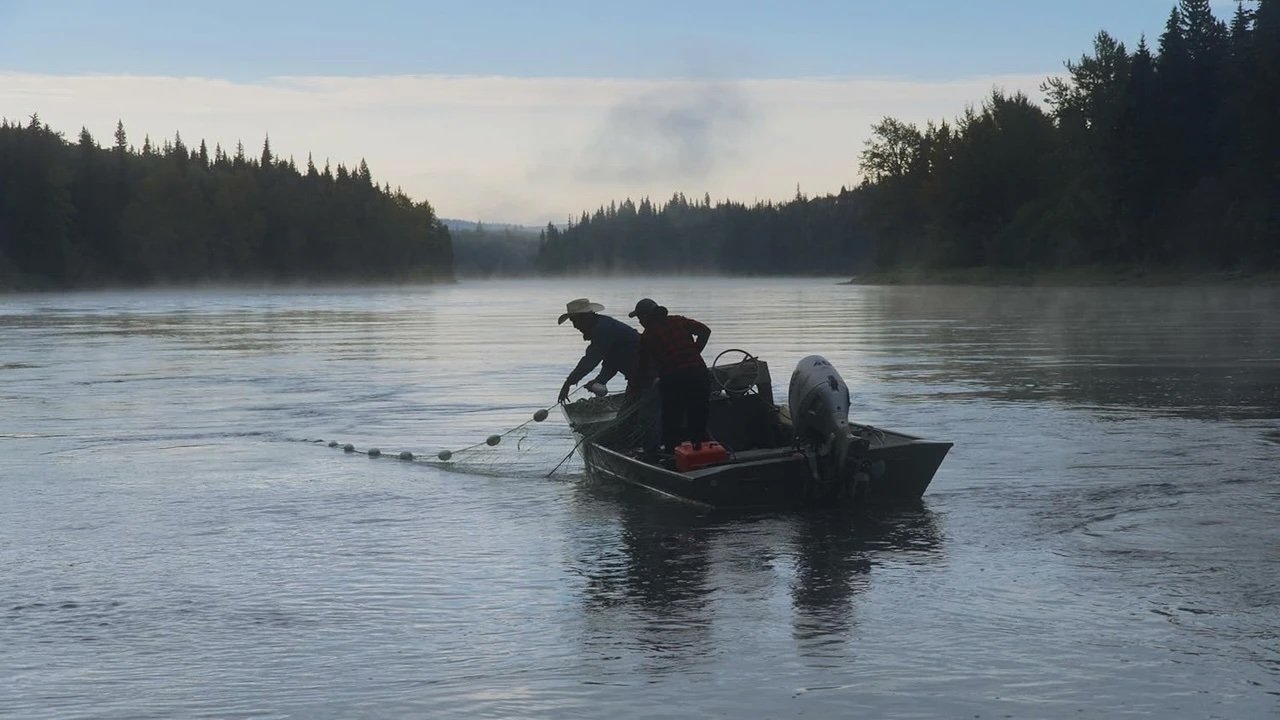
Nechako: It Will Be a Big River Again.
Nechako: It Will Be a Big River Again screens at the VIFF Centre from June 6 to 21
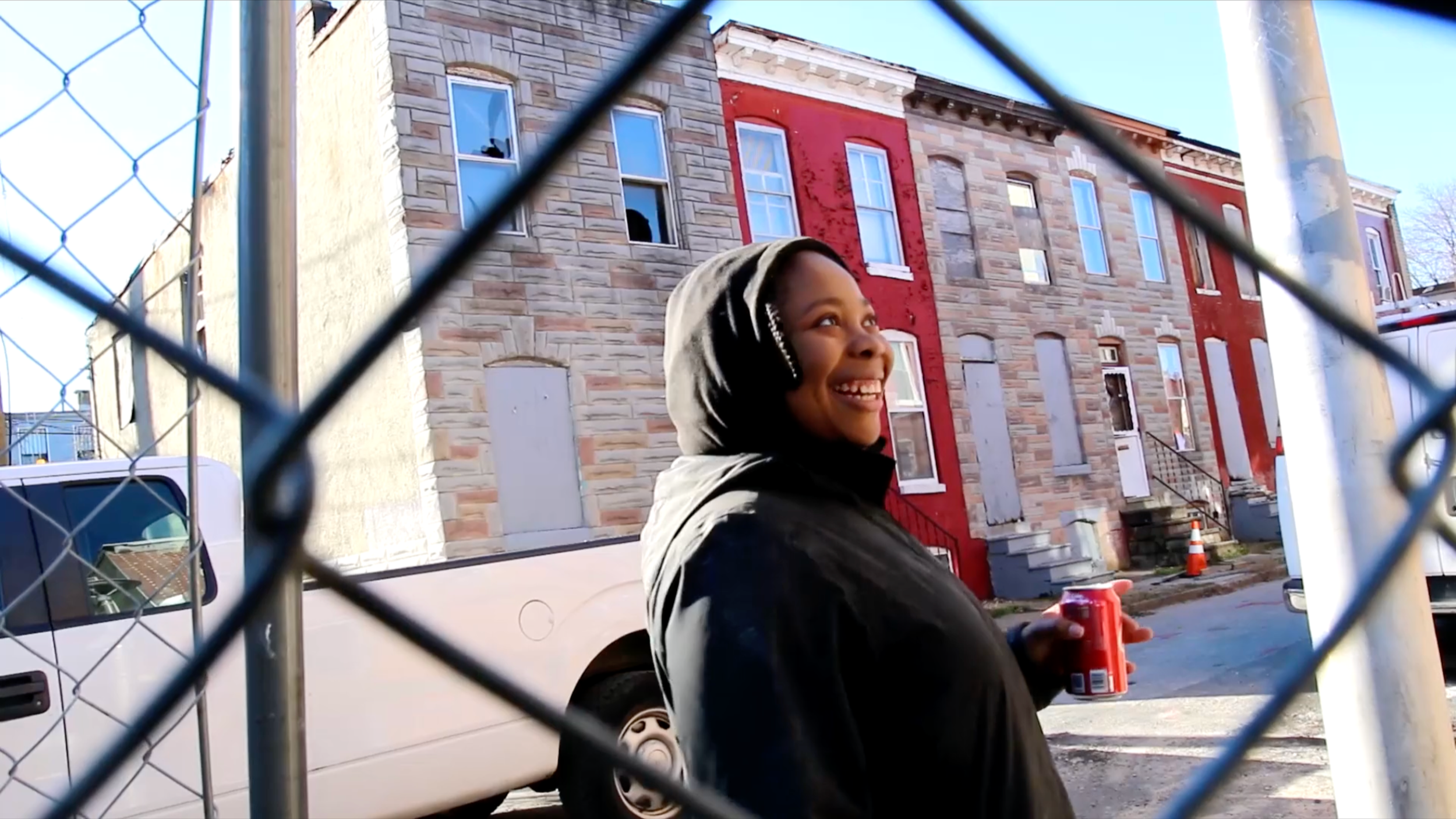
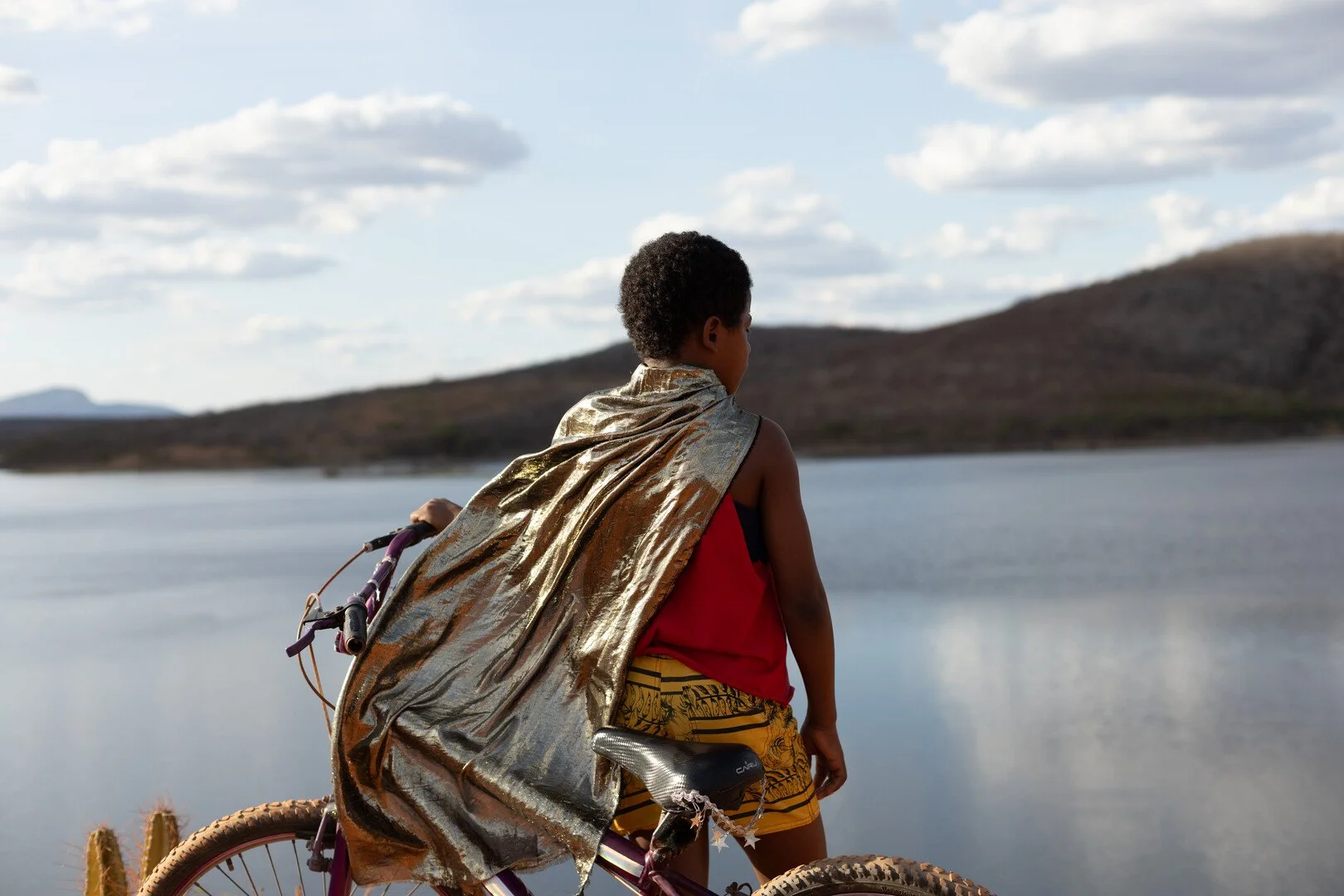
A 70-YEAR-LONG STORY of resistance, restoration, and hope, Stellat’en filmmaker Lyana Patrick’s documentary Nechako: It Will Be a Big River Again is returning to the VIFF Centre this month.
Having made its debut at this year’s DOXA Documentary Film Festival—where Patrick received an honourable mention for the Colin Low Award for best Canadian director—Nechako follows the Stellat’en and Saik’uz Nations’ efforts to restore the Nechako River in northwestern B.C., and thus their way of life.
Diverting the river into an artificial reservoir, the construction of the Kenney Dam in 1952 had devastating effects on local Indigenous communities and the environment alike. From floods and the destruction of surrounding ecosystems to the loss of the Nations’ main food source, the salmon, the list of relentless harm continues. The 91-minute film documents the enduring legal battle against mining company Rio Tinto Alcan and the Canadian federal and provincial governments, while highlighting the intimate and personal stories of community members whose lives and well-being are inextricably tied to the river.
Nechako is more than a story of the past—its compelling narrative allows the audience to listen, witness, and act.
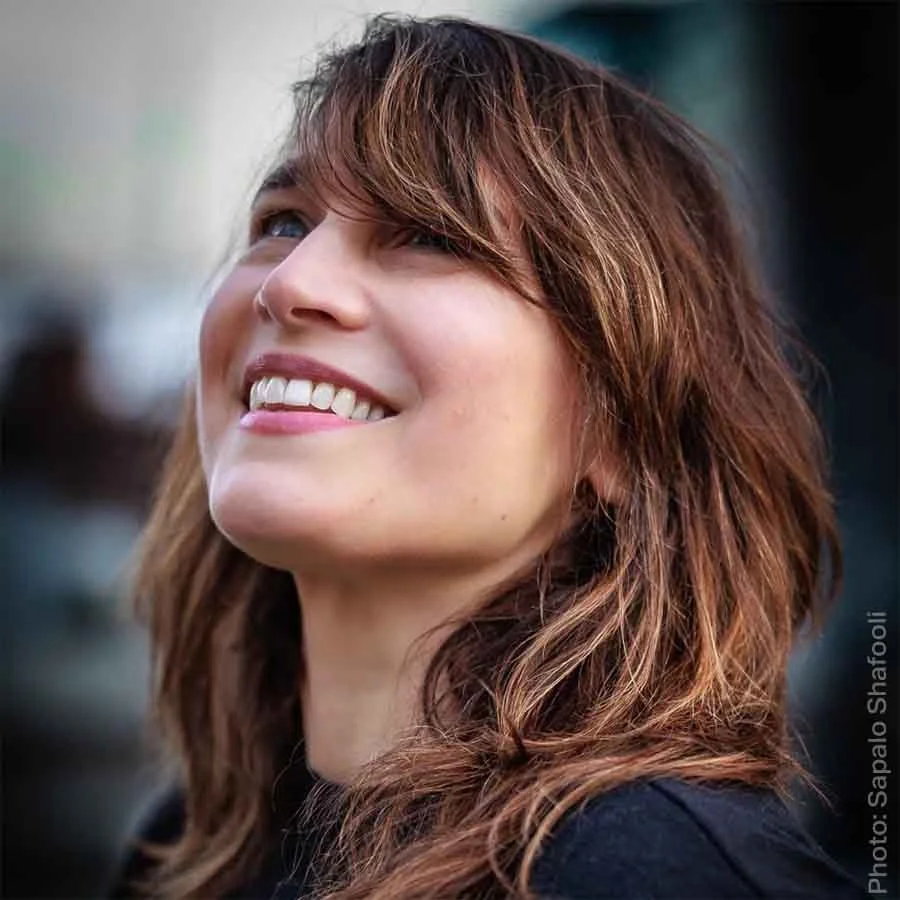
Patrick strives to spotlight Indigenous voices and stories in her works. Her short films “A Place to Belong” and “The Train Station” explore themes of Indigenous identity and connection to the land, and have been presented at festivals such as the Vancouver International Film Festival, Hot Docs, and DOC NYC. As she told Stir about Nechako in an interview before the DOXA debut earlier this year: “This film was asked for by community, to tell a particular story, so I needed to convey certain pieces of information. But I wanted to do so in a way that let the people speak for themselves, and the land and the water speak for themselves. It was a very intentional strategy.” ![]()

Ashley Kim is an American writer based in Vancouver with a degree in English Literature from McGill University, where she also minored in Hispanic Studies and European Literature and Culture. Her work is shaped by a love of food and travel, and fuelled by a passion for storytelling in all its artistic and cultural forms.
Related Articles
This year’s series features al fresco screenings of top-tier sports films, from Shaolin Soccer to A League of Their Own
Amid small miracles, and also tragedies, Deanna Milligan and Ramsey Fendall conjured analogue, ’90s-era strangeness by adopting the spirit of a community art project
The theatre’s organ was installed in 1927—the same year Alfred Hitchcock released his first thriller, about a Jack the Ripper–esque killer
Retrospective unites the late British filmmaker’s feature-length works, including A Quiet Passion and Distant Voices, Still Lives
Short film poetically remembers a Black woman from an old photograph
With influences including Hideaki Anno and Alfred Hitchcock, debut feature by Surrey-raised director builds uncanny atmosphere as a quiet young woman points her camera into neighbours’ windows
Illustrated Legacies: Graveyard of the Pacific wins Nigel Moore Award; And the Fish Fly Above Our Heads و الأسماك تطير فوق رؤوسنا named best feature
Down-and-out buddies follow the randomness of life in evocatively shot Italian film by Francesco Sossai
At the VIFF Centre, debut feature by fast-rising filmmaker splices past and present in a powerful story that is part time-travel fiction, part nostalgic vision of ’90s Vancouver Island
The poignant film focuses on Vancouver singer-songwriter Cassidy Waring as she delves into an unresolved family tragedy
Without Fear, Early Cranes, and The Touch offer perspectives on preserving cultural identity amid hardship
Local duo’s live score to Carl Theodor Dreyer’s 1928 historical drama employed drones and dissonance to evocative effect
Koos van Nieuwkoop plays the historic Wurlitzer organ live to Alfred Hitchcock's 1927 thriller
Recipients were unveiled during a ceremony at Landmark Cinemas Guildford
Idyllic meditations, sharp investigations, and deeply personal questions arise in our quick takes on Green Valley, The Sandbox, There Are No Words, Numakage Public Pool, and Replica
The musical duo of Simon Dobbs and Jon McGovern found scoring Carl Theodor Dreyer’s 1928 film a more daunting prospect than they anticipated
Documentary by Eileen Francis and Evan Adams looks at the Tla’amin Nation’s efforts to change the contentious name of the city of Powell River
Contemplative new work by acclaimed filmmakers Jessica Johnson and Ryan Ermacora explores imperfect balance between an ancient, shifting ecosystem and a Cortes Island community of oyster farmers
In the National Film Board documentary making its local premiere at the DOXA Documentary Film Festival, Canadian director Kim Nguyen traces the repercussions of an execution photo through the decades
“Egg Yolk Custard Bun”, “Ramen Boys”, “It’s Not You”, and the feature Blood Lines contribute to a diverse and often playful program
A reed cutter tries to solve a murder in Academy Award submission for Best Foreign Language Film; plus documentaries and soccer as fest enters second installment