Film reviews: Thrillers to sci-fi, Rendez-Vous French Film Festival explores genre
Gourou, Dalloway, and a flick inspired by Liliane Bettencourt of the L'Oréal dynasty help launch 32nd annual fest

Gourou
La Femme la plus riche du monde
The Rendez-Vous French Film Festival runs from February 25 to March 8 at Alliance Française, SFU Woodward’s. La Fabrique St–George, the Rio Theatre, and elsewhere
THE 32ND RENDEZ-VOUS French Film Festival is themed “Films de genre”, with a strong range of thrillers, comedies, period pieces, sci-fi, animation, and more on the roster.
Here is a first look at just some of the standouts from France and Quebec screening around town over the next few weeks.

Dalloway
GOUROU
February 25, 7 pm, at SFU Woodward’s
DALLOWAY
February 26, 7 pm, at Alliance Française
French director Yann Gozlan has two sleek thrillers that speak compellingly to current events at this year’s Rendez-Vous fest. In his opener, Gourou, Pierre Niney plays a self-help guru-preneur who spouts catchphrases like “What you want is what you are” to adoring crowds at shows that are more rock concert than business gathering. But his true, conniving colours start to show when new government regulations threaten his empire. With shades of NXIVM’s pseudo-humanitarian Keith Raniere mixed with the aggro-power of Tom Cruise’s Frank T.J. Mackey in Magnolia, Niney puts in a suitably charismatic performance. The film is a sly warning not only about motivational messiahs who promise easy fixes to our inner pain, but also about capitalistic societies whose new “spirituality” centres everything on the self. As someone cleverly dubs it here, there’s such a thing as “toxic positivity”.
Gozlan ratchets up the tension even higher in his sly, sci-fi Dalloway. Called The Residence in English, it features the terrific Cécile de France as a writer who’s ensconced in an ultra-modern, AI-assisted artists’ centre in central Paris. Outside its doors, in the near future, the world is wracked by heat waves and virus lockdowns. That adds an anxious edge to a story about a HAL-like companion who helps her dig deep into a tragedy in her past to break through her writer’s block. But what’s really going on, and should she be revealing so much to her AI coach? Gozlan will keep you guessing whether she’s being paranoid, and we won’t reveal more here except to say that beneath this polished exercise in suspense, the filmmaker is grappling with everything from the mental effects of climate change and pandemics to the threats of artificial intelligence and the role of artists in society. It’s dark stuff, but a fun, keep-’em-guessing nailbiter too.
LA FEMME LA PLUS RICHE DU MONDE (THE RICHEST WOMAN IN THE WORLD)
February 28, 8 pm, at Alliance Française
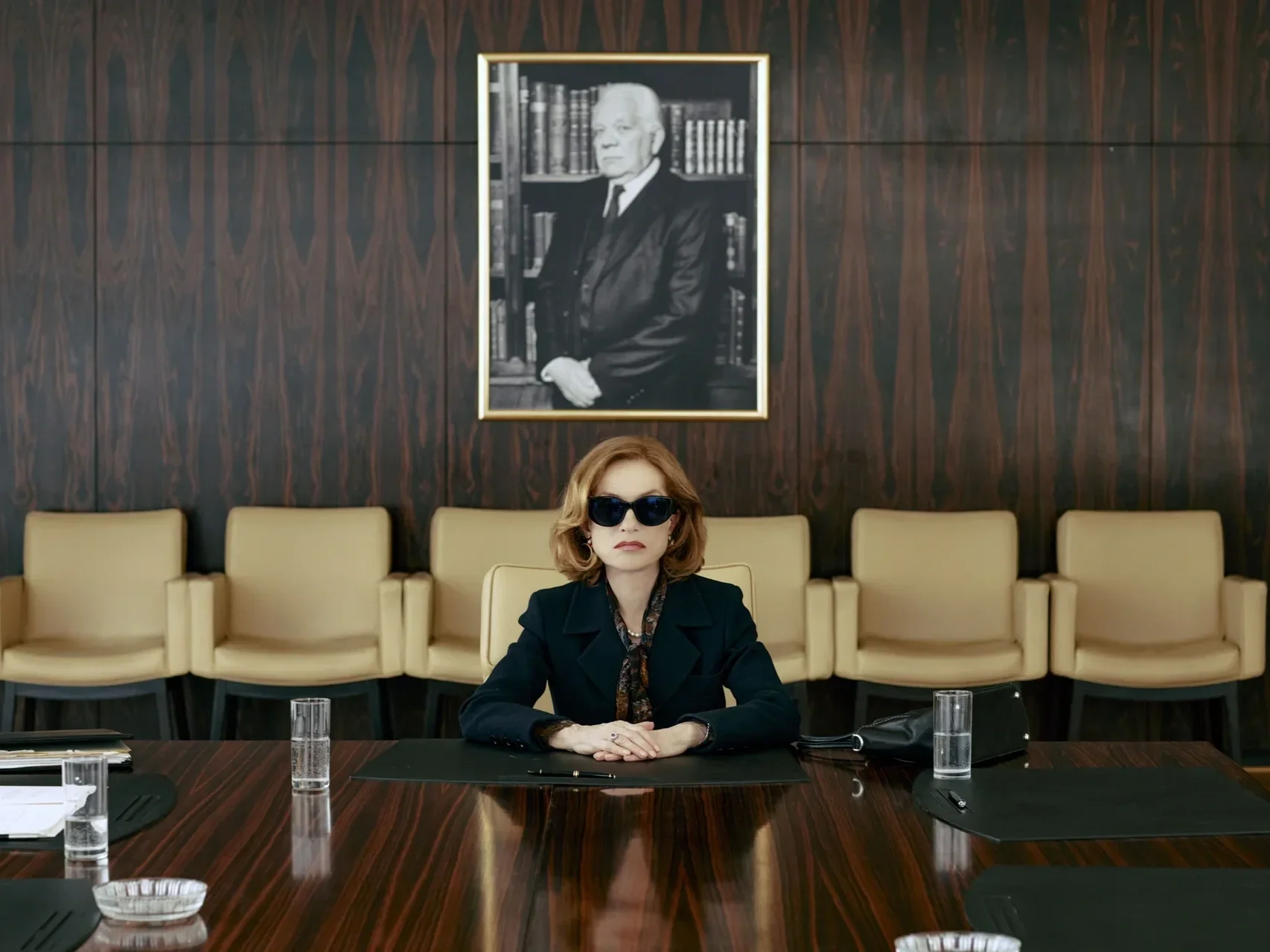
Marina Foïs shows up in this fun and lurid product disguised as something classy, playing against Isabelle Huppert as the titular billionaire in an effort based loosely on Liliane Bettencourt of the L'Oréal dynasty and a scandal that rocked France in the early part of the century. When we first meet Huppert’s Marianne Farrère in the ’80s, she’s the bored and imperious CEO of her father’s cosmetics empire, trapped in a world of manners and respectable behaviour with her fusty politician husband, Guy. Stepdaughter Frédérique (Foïs) arranges a photo shoot with queer enfant terrible Fantin (Laurent Lafitte, in a character based on French photographer, novelist, playwright, and all-round society bad boy François-Marie Banier), for a glossy magazine called Selfish (ahem), whereupon Marianne is immediately transformed into a nightclubbing fruit fly delighted by social transgression and rich and powerful enough to get away with it. It’s a bit like Passolini's Teorema except that everyone else in Marianne’s life believes Fantin is a scoundrel, especially when he starts receiving lavish favours and scads of money from his new friend. Like that’s not enough, a buried family history of Nazi collaboration emerges thanks to Fantin’s relentless button-pushing, causing nationwide political waves and ruining a life or two. Still, Marianne presses on with her sordid friendship until super handsome butler Jérôme takes matters into his own hands. In real life, Banier soaked Bettencourt for millions until the family stepped in, accusing him of “abuse of weakness”, but the film goes out of its way to ignore the part of the story involving Nicolas Sarkozy and France’s right wing. Oh well. Huppert, Lafitte, and Foïs are all nominated for César Awards. It’s that kind of film: slick and glossy trash designed for a good, if politically suspect and morally empty, night at the movies. 
Related Articles