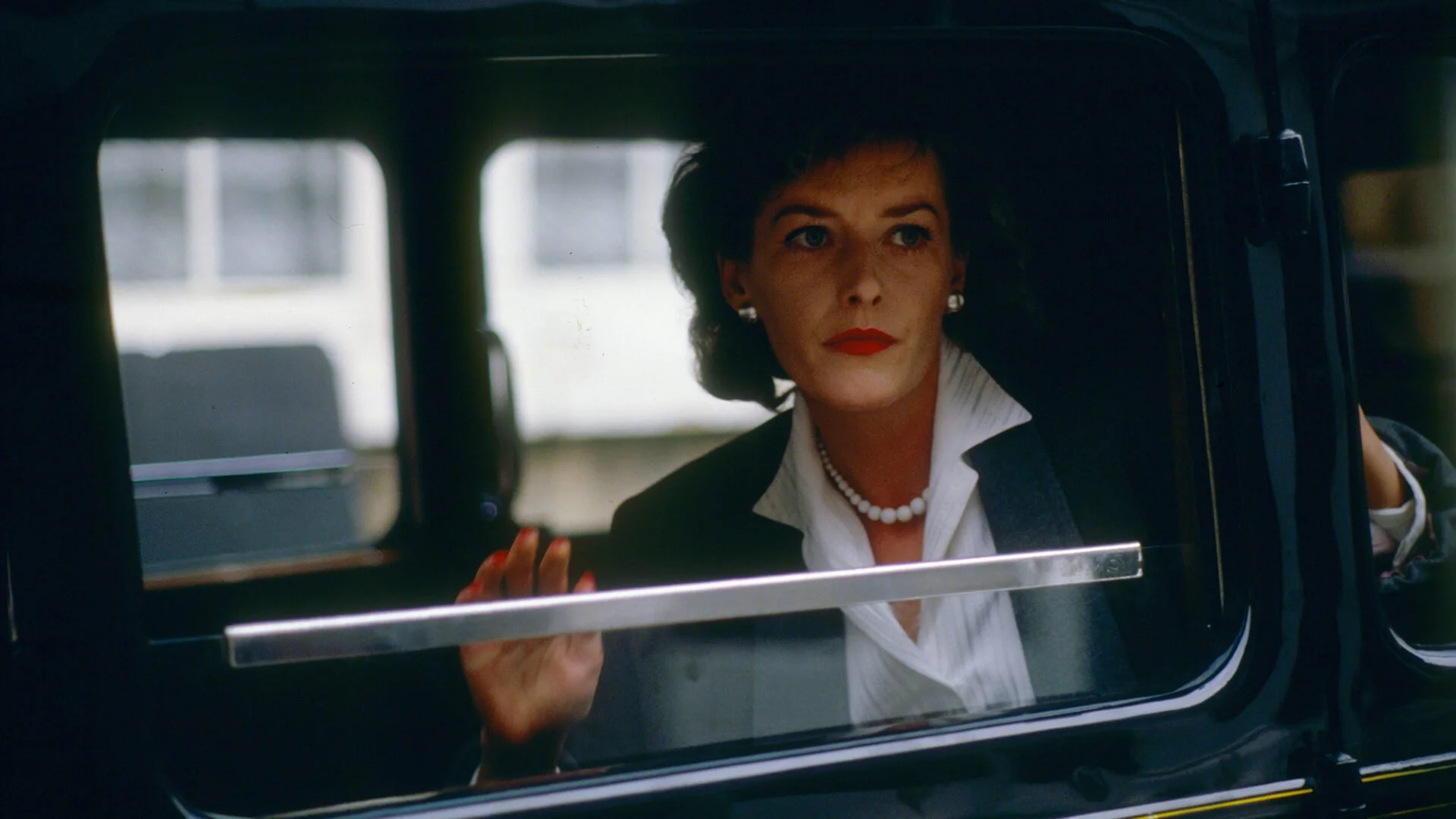
All That's Left of You tracks a Palestinian family's intergenerational pain, at VIFF Centre to February 12
Oscar-shortlisted film takes a sweeping, humanistic look at the toll of decades of violence
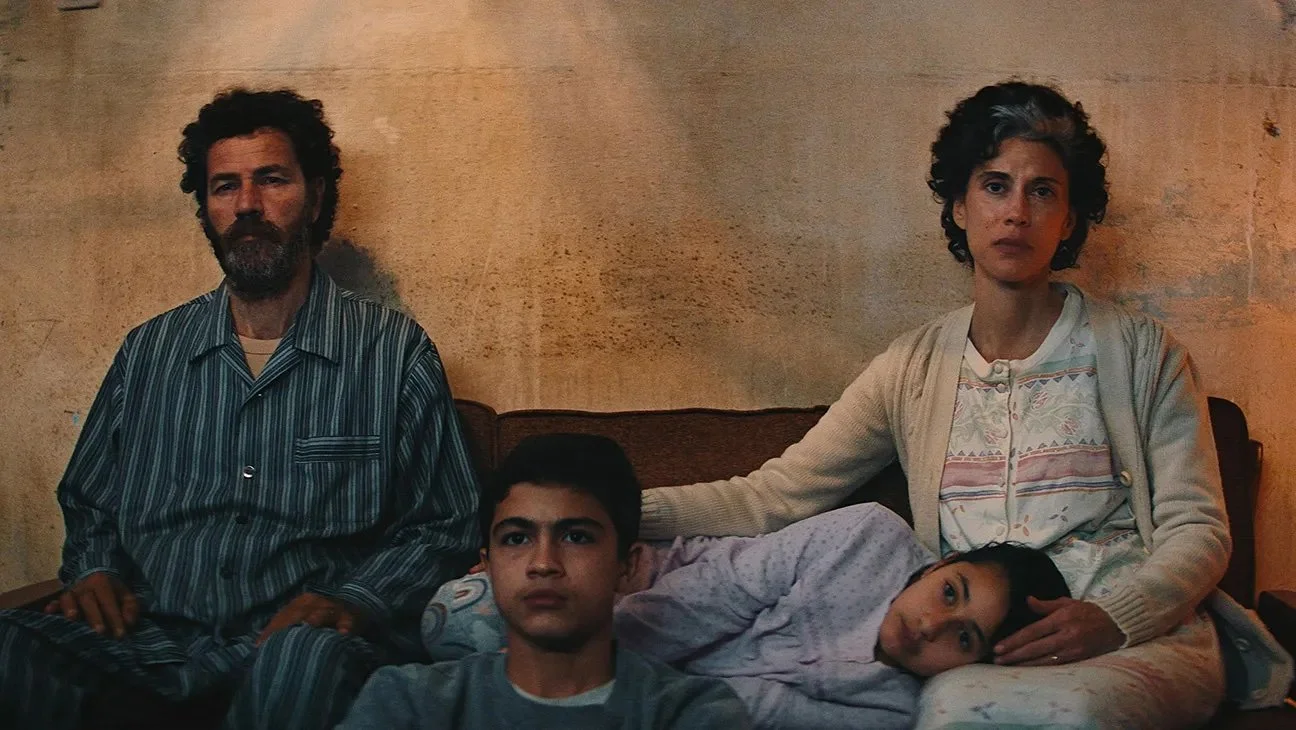
All That’s Left of You
All That’s Left of You screens at VIFF Centre to February 12
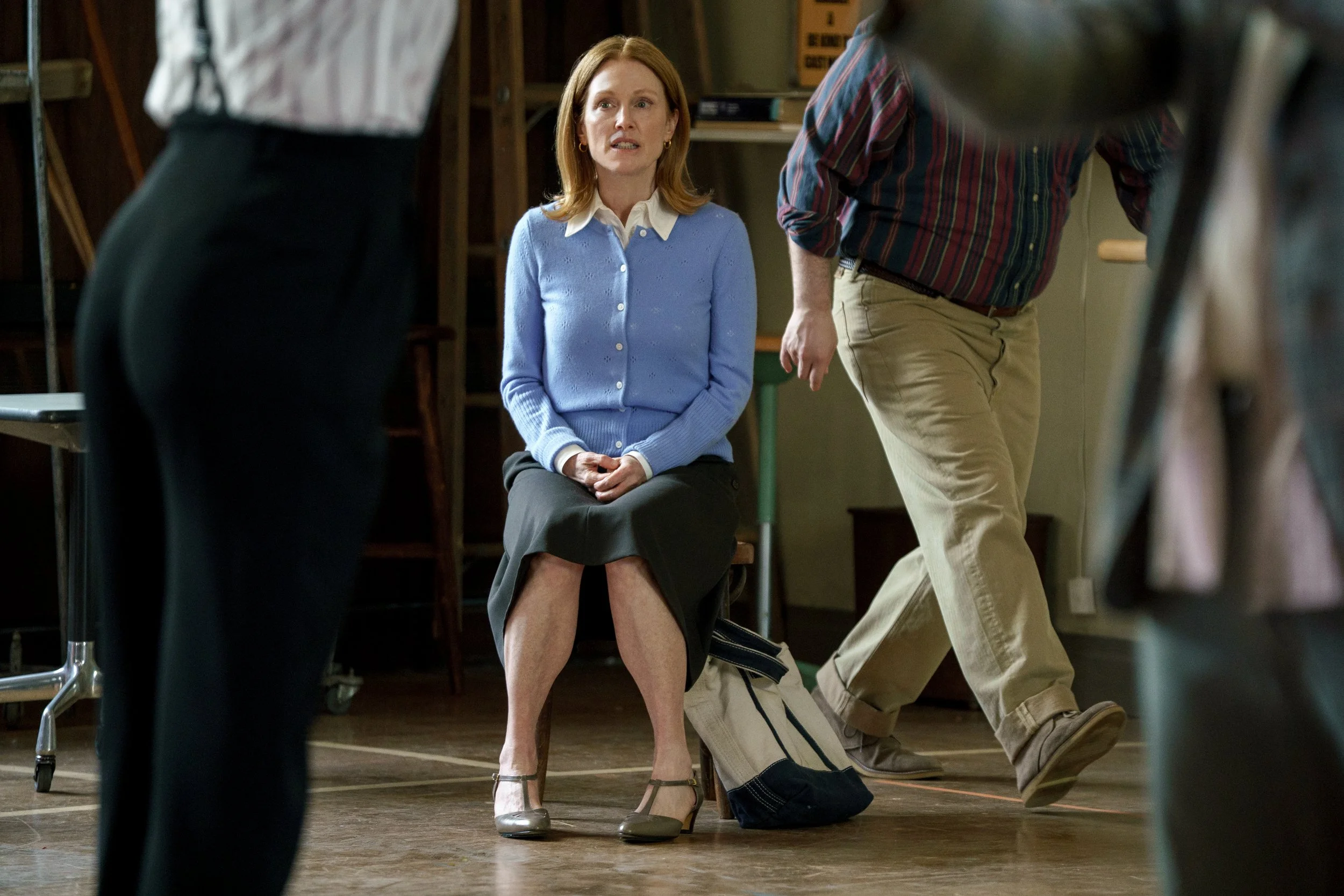
DURING THE FIRST 10 minutes, Cherien Dabis’s Oscar-shortlisted All That’s Left of You announces itself as a film to be reckoned with—one of epic scope and cinematic ambition.
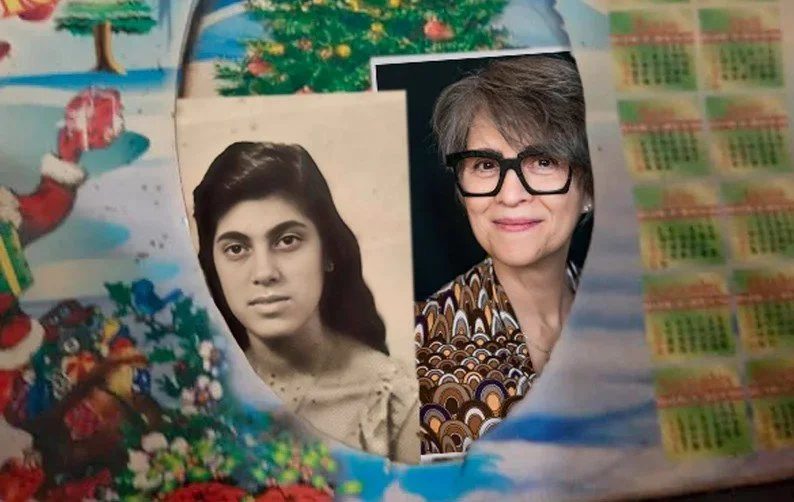
The camera breathlessly follows two teenage boys, chasing each other across rooftops and through the zig-zagging alleyways of the West Bank’s Nablus, past wandering sheep and graffiti’d walls, until they stumble upon an intifada-Zionist conflict in the streets. After an act of violence there, we jump immediately to a teary-eyed elder woman (the filmmaker herself), breaking the fourth wall to tell us that to know her son, we must know the story of his grandfather. Cut to 1948 Jaffa, where a family lives in an idyllic orange orchard that’s marked for the displacement of Palestinians during the 1948 Arab–Israeli war.
From there, All That’s Left of You follows the same family forward in time again, leaping from the exodus and violence of 1948 to 1978 in a West Bank refugee camp, through the 1980s Palestinian uprisings, and finally to a fateful meeting in 2022. Along the way we see the intergenerational trauma of ongoing conflict; the descendants of the loving Palestinian family who once exported oranges around the world and recited poetry at their Jaffa dinner table are now caught in endless displacement, paralyzing bureaucracy, school closures, and daily violence.
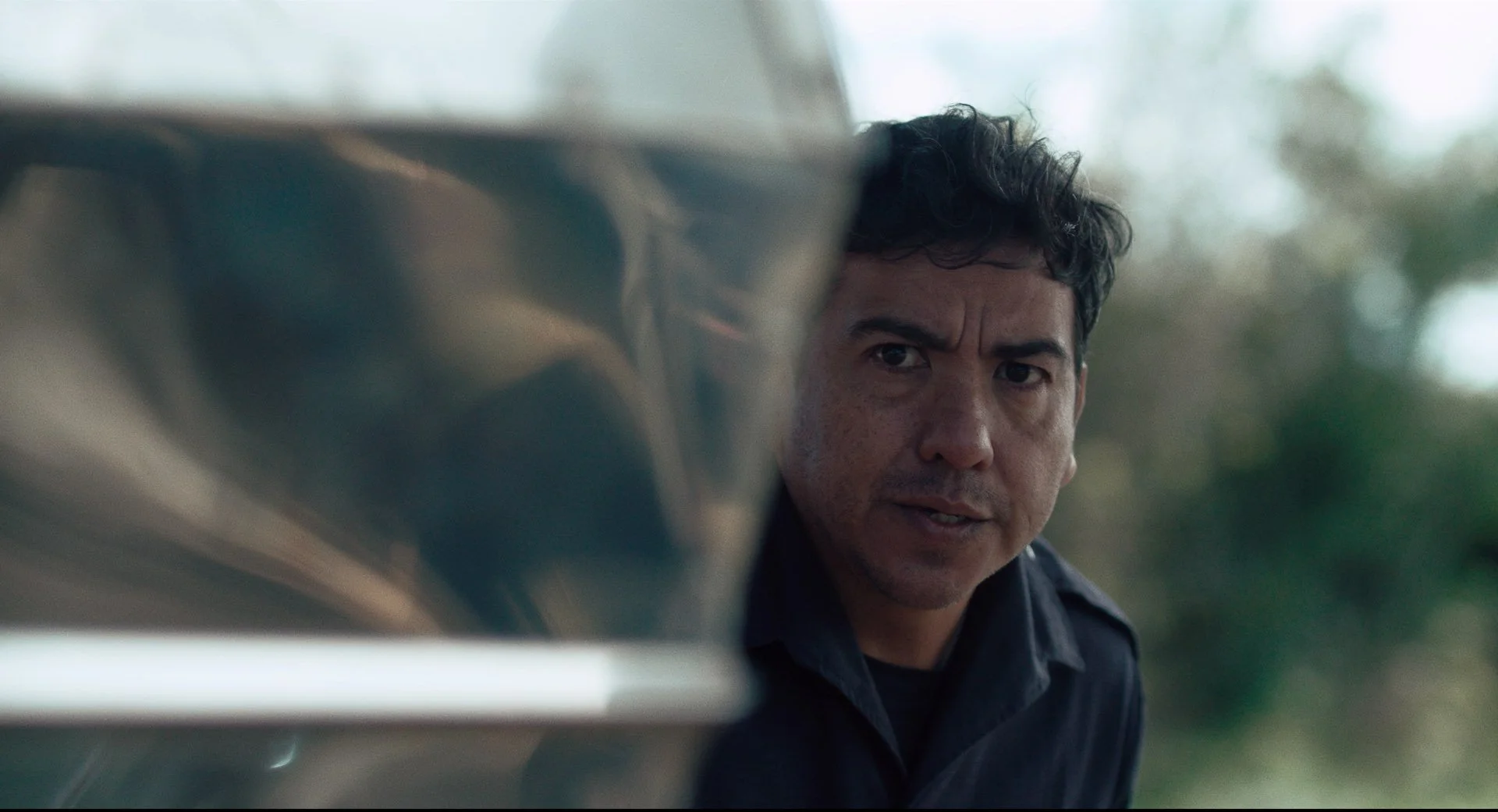
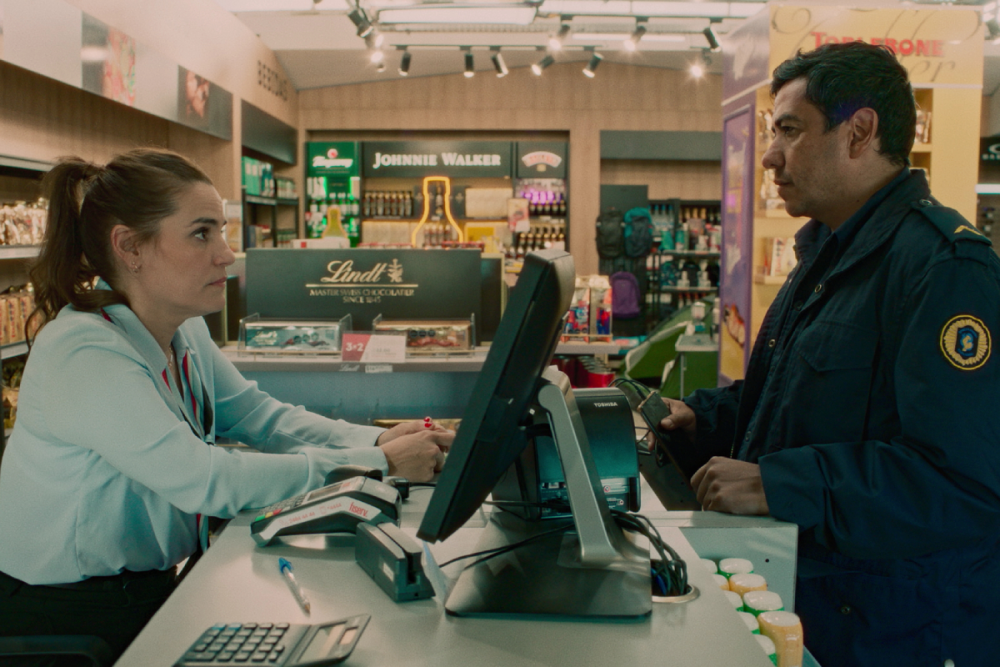
Though All That’s Left of You is told primarily through the eyes of a matriarch, the film is most profoundly moving in its cycling stories of fathers and sons—fathers guilt-ridden about not being able to protect their sons, sons forced to watch the repeated humiliations of their fathers, with the bitterness worsening through the generations, and building to combustible anger. It helps that the actors are so authentic across the board, especially Palestinian star Saleh Bakri as a mild-mannered, world-weary West Bank schoolteacher.
The film covers so much ground that it occasionally oversimplifies the complex and heartbreaking history that fuels the crisis that rages on today. (It’s worth noting that it was already in the works before the October 7 attacks and Israel’s invasion of Gaza—events that immeasurably deepen the cycle of trauma this film is about.)
Still, it’s hard not to be moved by the Palestinian-American director’s expansive look at memory, the loss of home, and the strength of family bonds. At one point, a character advises two parents, “Your humanity is also resistance.” That’s a sentiment that centres a film in which a family tragedy leads to an unimaginable decision—one that takes the idea of compassion beyond politics and religion. 

Related Articles