Vancouver filmmaker Emma Higgins and actor Kate Hallett upend teen horror in Sweetness
Drawing major buzz for the way it plays with genre, the story of a misguided superfan boasts maximalist visual touches, hits of dark humour, and a considerable amount of heart
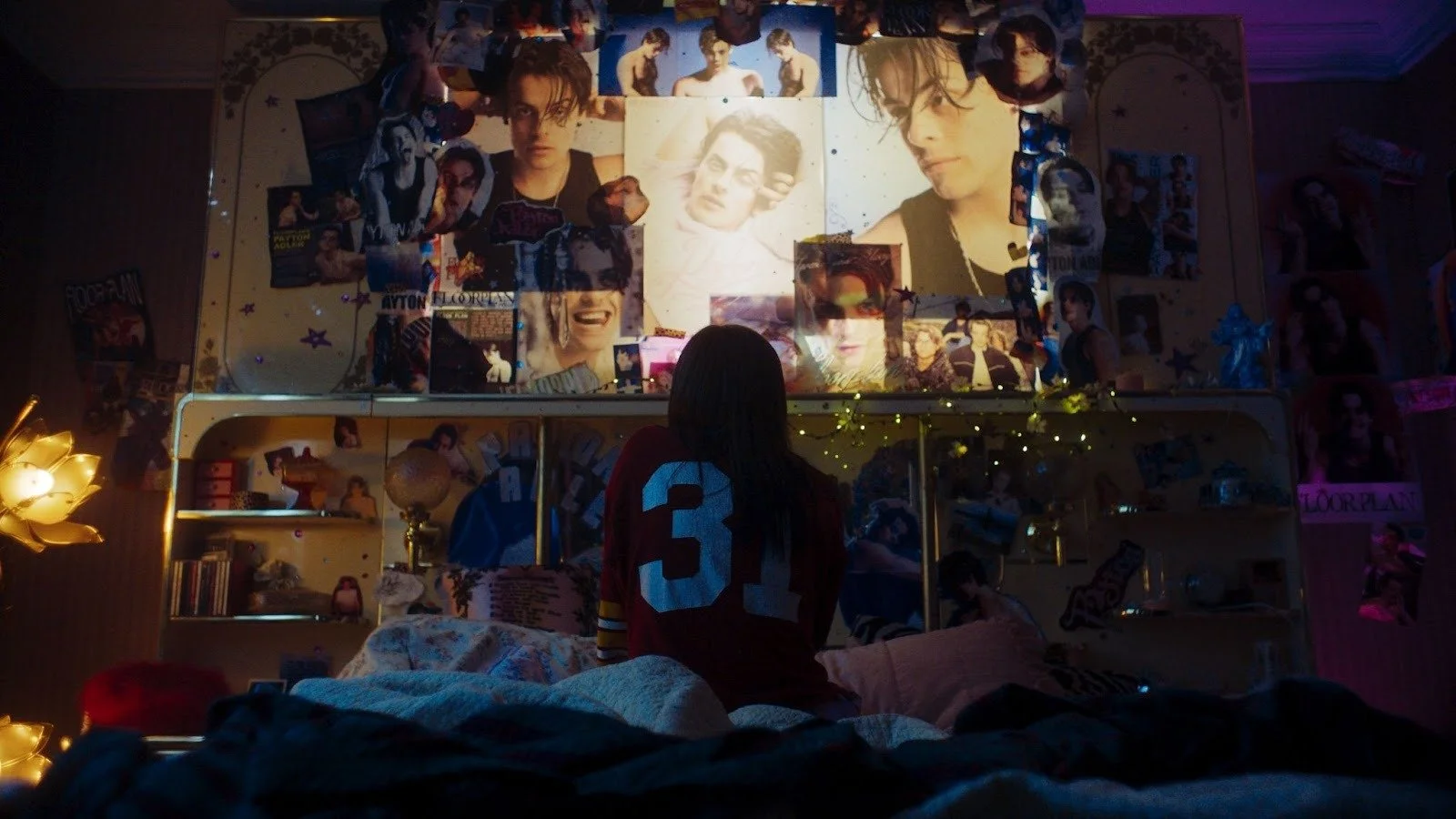
Kate Hallett in Sweetness.
Sweetness opens in theatres on March 6
A GLEEFULLY HEIGHTENED look at celebrity obsession gone epically wrong, the film Sweetness, by Burnaby-raised director Emma Higgins, is drawing huge buzz for its unique take on teen horror-thrillers.
Higgins—who developed her distinctive voice on music videos for the likes of Mother Mother and Tegan & Sara—brings maximalist visual touches, hits of dark humour, and a considerable amount of heart to her debut feature, which was an instant hit when it premiered at South by Southwest last year.
Speaking to Stir over Zoom alongside Sweetness’s young star, Kate Hallett, the writer-director admits she felt naturally drawn to genre filmmaking, and specifically to teen-horror themes.
“I have thought a lot about why women gravitate to [this] genre so much, and I do think it’s because it’s one of the only places where, consistently, there’s the ‘final girl’ trope,” the director enthuses amid a whirlwind of press attention. “Even though half the time women are getting hacked up, we still get to play the lead in the movie. It’s a kind of space that we were welcomed into more easily, or it’s a little more subversive space. And there’s fears to explore.
“But I think that it’s our space, I think women should own genre,” she asserts, “and we always have.”
She adds that her own instinctive penchant for darkness, as well as a bit of anxiety, also feeds well into genre filmmaking. “If you're an anxious person, the anxious mind always goes to kind of worst-case scenarios,” she says with a laugh. “That’s well-utilized in the genre space and horror space, because you just think of, like, ‘Well, what if this happened? Well, that’s disturbing. Let’s go there and follow that.’”
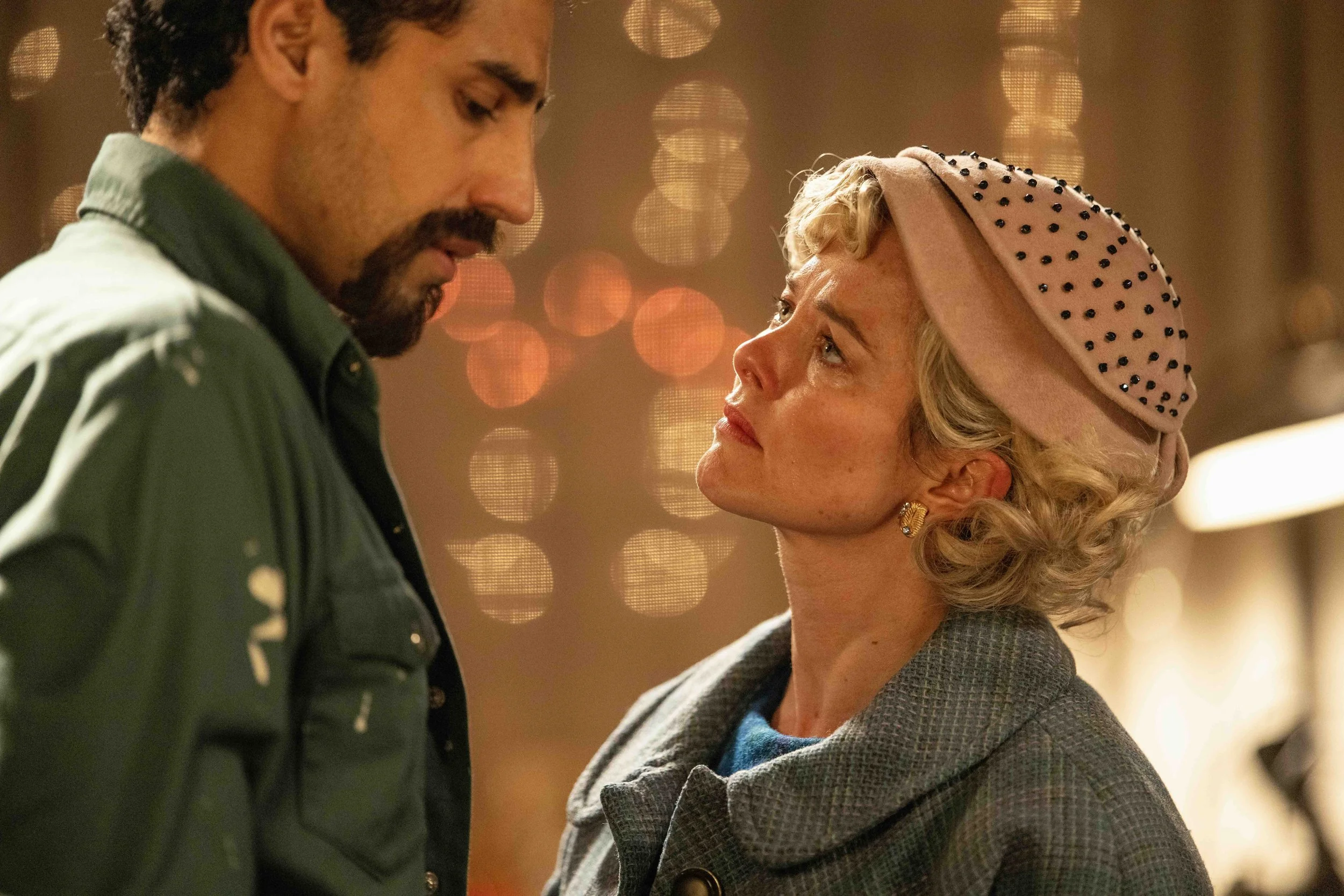
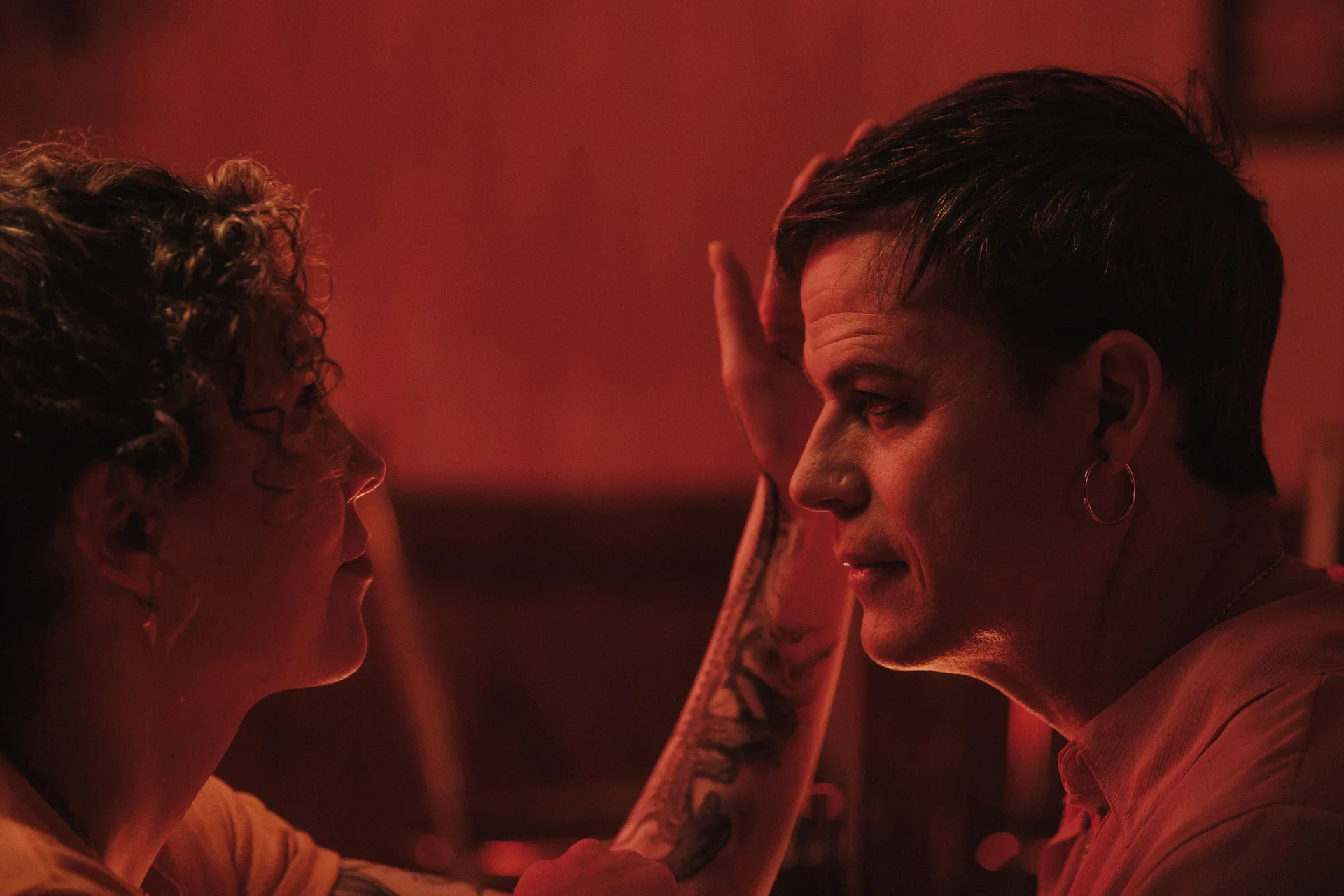
Sweetness finds 16-year-old Rylee (Kate Hallett) as a high-school misfit who has a chance encounter with her pop-star heartthrob, Payton (Herman Tømmeraas). Driven by a sense of fate, Hallett’s superfan ends up, Annie Wilkes–like, kidnapping Payton to “save” him from his drug addiction—handcuffing him to a bed beneath a wall full of posters of him. It can only end badly.
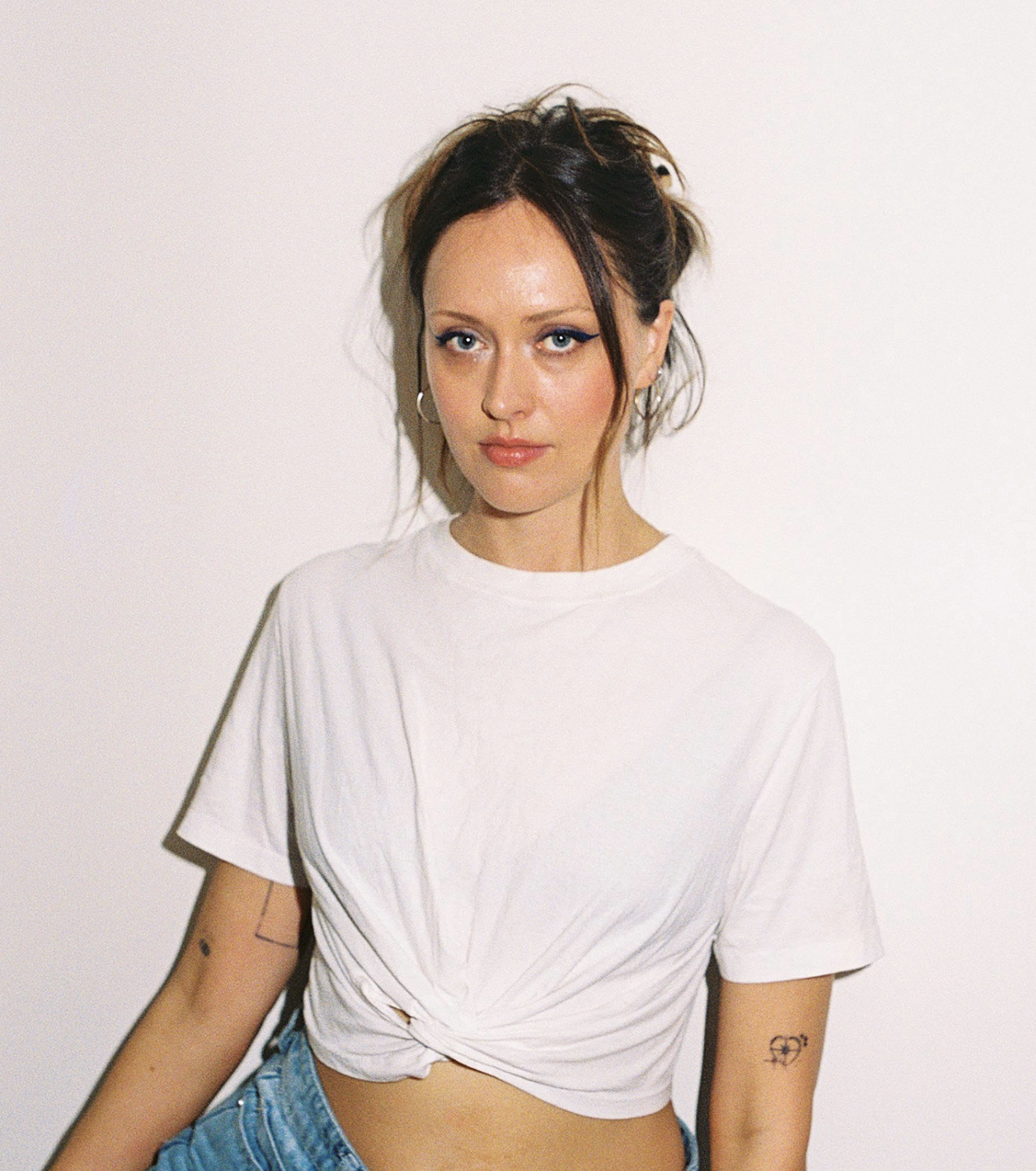
Emma Higgins
Hallett—with her skater jeans, stacked bracelets, and emo-approved raccoon-eye makeup—is unrecognizable from her breakout role in Mennonite plaits and print dresses as young Autje in Women Talking. She grounds Rylee in an emotional depth and barely suppressed trauma that may frequently have you rooting for her as she makes increasingly reckless and delusional decisions.
“Coming at it from a point of empathy was really important—just keeping in mind what she’s been through and her emotional state is really important,” says Hallett on the call. “Finding her purpose was a big part of it, because in the script, you can kind of feel that she just has such a vision and hope for herself now after she’s found this music.
“I was just trying to keep it as grounded as I possibly could,” she continues. “But, yeah, it was definitely very different from what I’d done before. So it was a little outside of my comfort zone!”
“She’s the hero of the story; it doesn’t work if we think that she’s the villain at any point,” Higgins explains, adding again and again that despite clearly condemnable acts, Hallett’s character pulls the audience back over to her side. “She approaches it with this love and earnestness, and sort of this belief in a higher power.”
Shot in North Bay, Ontario, but set in the fictional town of Fernvale (a play on Ferndale, Washington, where Higgins wrote some of the script), Sweetness inhabits a stylized suburbia that Higgins says was partially inspired by growing up in Burnaby. Watch the film and you will also feel an instant nostalgia for ’80s horror flicks. She conjures a coolly postmodern limbo of ’80s suburban split-levels, retro food courts, and bathrooms with powder-blue-shag rugs. And just wait till you see Rylee’s over-the-top bedroom—an explosion of teen-mag cut-outs, twinkle lights, flouncy curtains, and rhinestone stickers.
“I would say that both my production designer and I are sort of maximalists in the way that we did things,” Higgins says. “I really don’t like totally white spaces in film. And I wanted to create a tone that felt also totally outside of time.
“You don’t see a lot of those bathrooms anymore, with carpet—which is probably for the best!” the filmmaker adds with another laugh. “It also creates a world that this character wants to escape from a little bit more, because it feels stuffy or small or oppressive.”
Inhabiting those chaotic, time-warped spaces had an instant effect on the actor at the centre of the story. “It really does make you feel like ‘This is a crazy place to grow up,’” explains Hallett. “Her room was disgusting! They covered every surface in this way that felt so ‘teen girl that has had no supervision’. There was, like, chewed-up gum stuck to surfaces, and they did all the details. It also lets you into this character’s mind with, you know, makeup that’s been left open. It was disgusting and cool. And I loved it!”
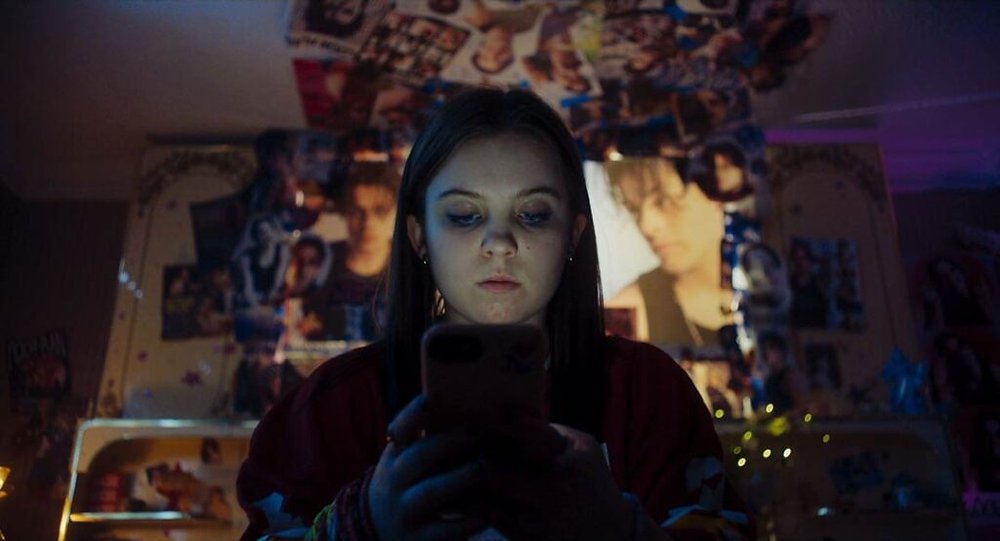
Kate Hallett in Sweetness
Just as she spent a long time on Sweetness’s look, Higgins spent long hours in the editing suite, finessing the tone, whether through background music or suggestions of humour. And it’s that approach that gives such a fresh twist to the female-driven high-school horror movies that have preceded it, from Carrie to Ginger Snaps.
“Yes, this character is lost, she is trying to find her place. That’s such a big, core theme of most teenhood—figuring it out. You’re trying to figure out your identity, and you’re trying on different clothes and looks,” Higgins explains. “It does have a sense of humour, but it’s not laughing at the characters, which I thought was very important. And it’s not like a horror-comedy either; I do like those movies—I love, say, Evil Dead….It’s just got this a little bit of what I would call a tongue-in-cheek sense of fun.
“I would describe it as finding a playfulness, without taking away from the characters and taking away from the heart of it,” she adds.
In other words, Higgins is not only owning genre, she’s making it her own thing. 

Related Articles