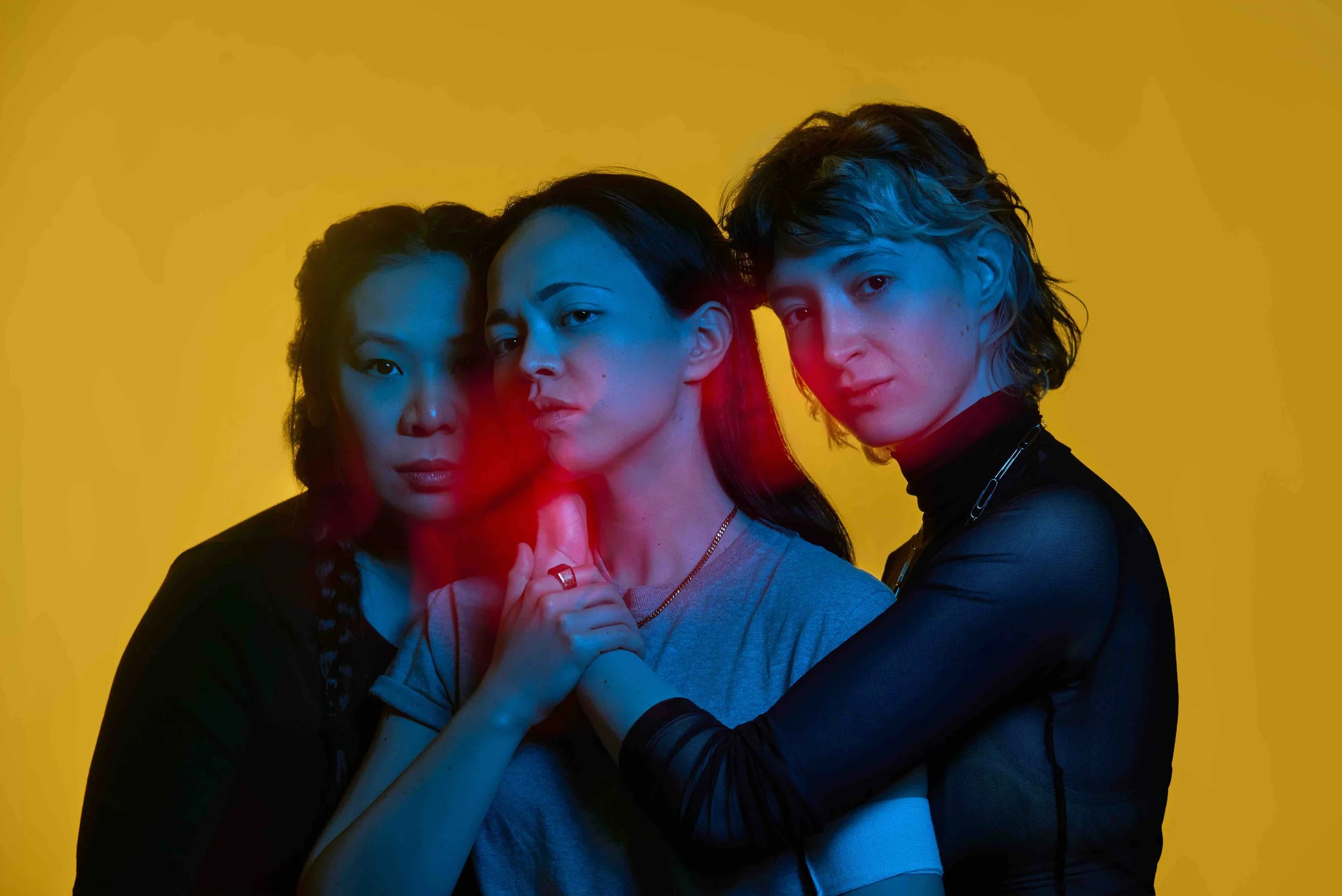
Stir Q&A: The Biting School’s Aryo Khakpour on Offending the Audience
The Vancouver director says there’s something “extraordinarily intimate” about Nobel Prize laureate Peter Handke’s 1966 “anti-play”
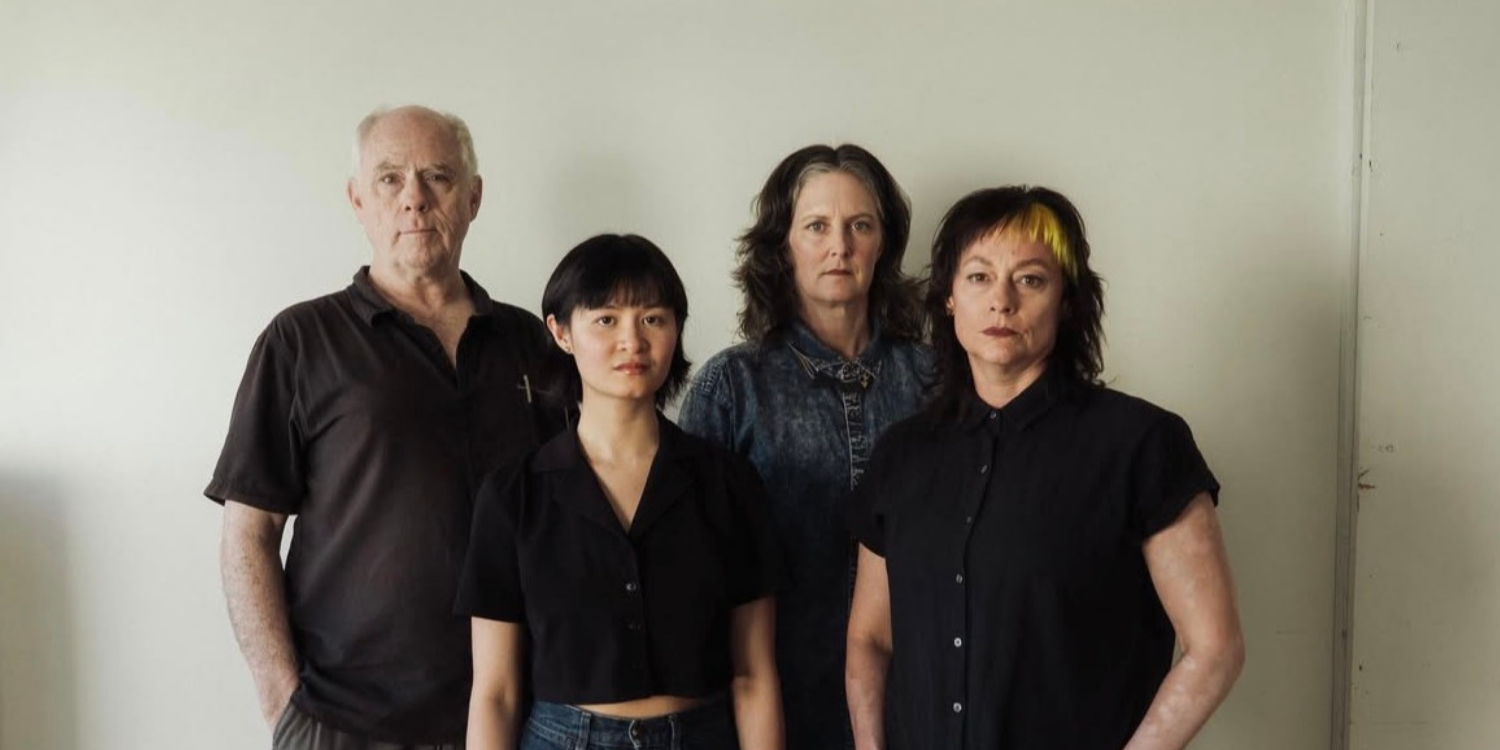
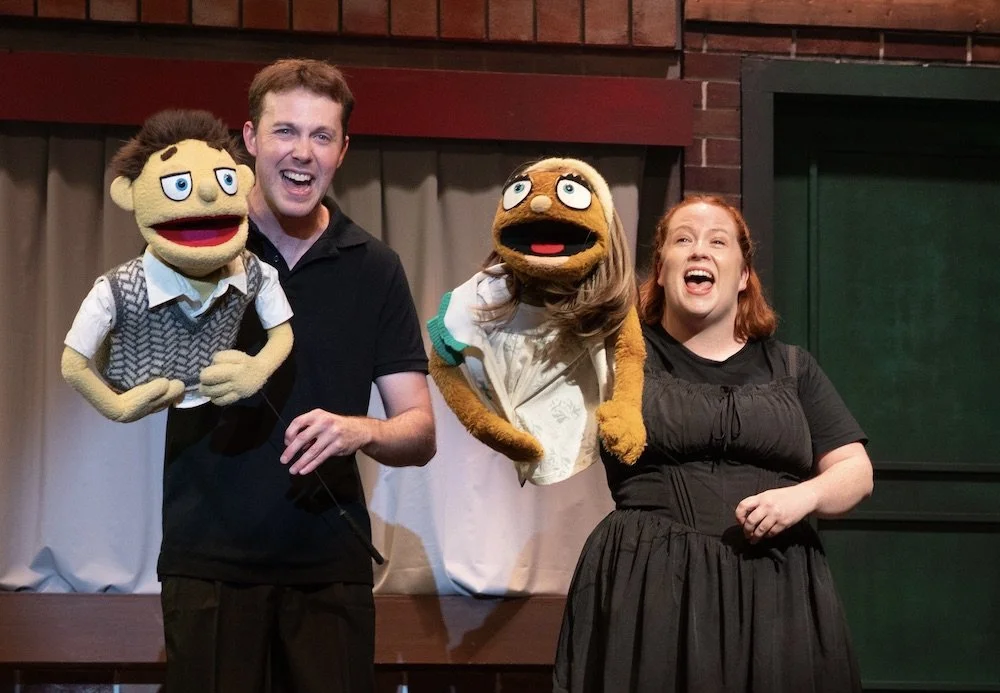
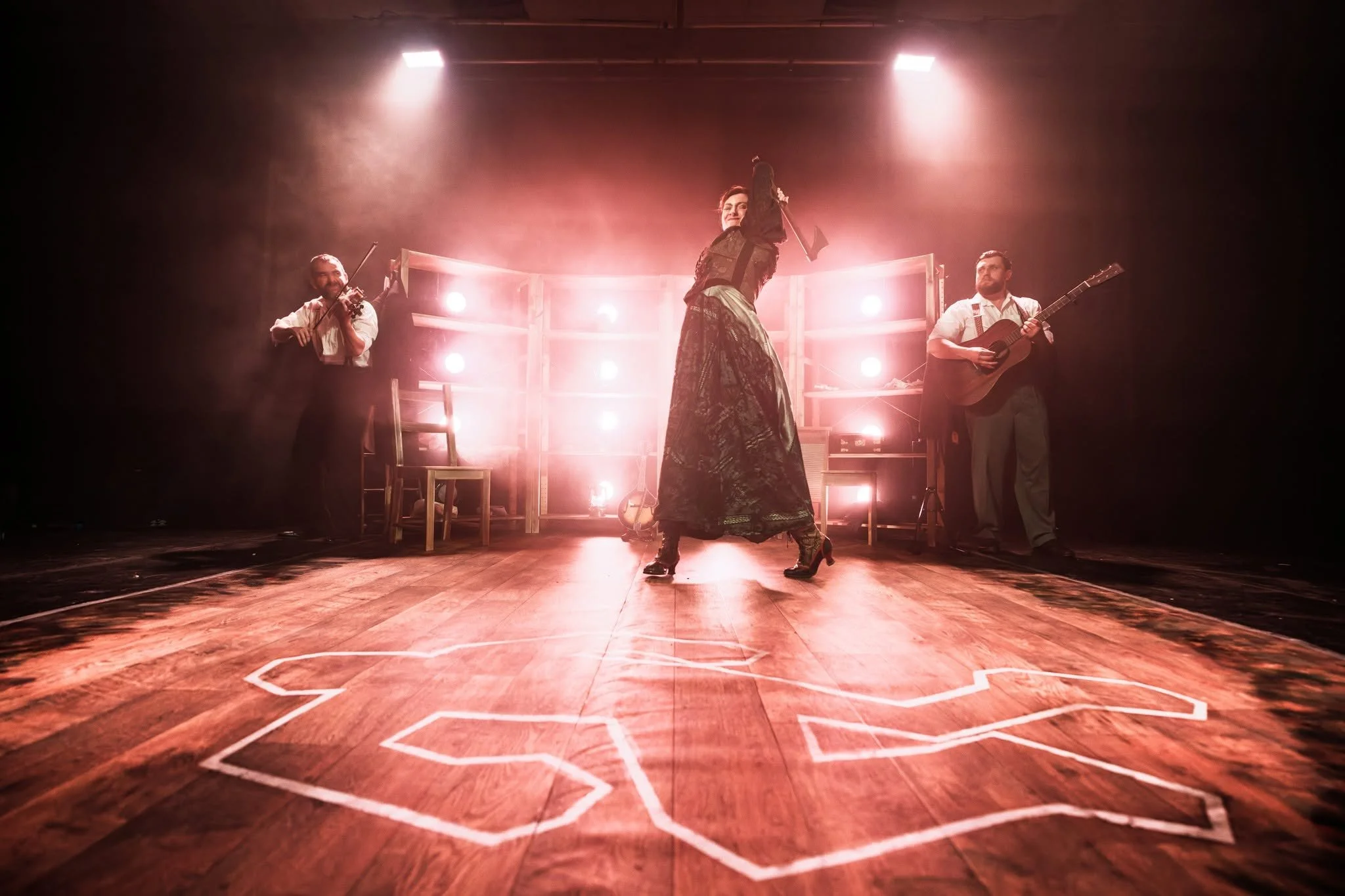
(Left to right) David Bloom, Katie Voravong, Kate Franklin, and Tara Cheyenne Friedenberg in Offending the Audience.
The Biting School presents Offending the Audience at Tyrant Studios from May 20 to 24
TO PROPERLY EXPERIENCE Offending the Audience the way its creator intended, it is arguably best to know as little about the show as possible. At the very least, it might be a good idea to suspend any preconceived notions you might hold about theatre and language.
If you find yourself unable to do that, don’t worry. The show itself might do it for you. Its author, the Austrian Nobel Prize laureate Peter Handke, intended to make the audience “intensely, unbearably conscious of the fundamentally arbitrary connections between words and things, until the linguistic mucilage that holds the world and our minds together crumbles”, according to New York Times critic Richard Locke.
Offending the Audience has no plot and has been described as an “anti-play”, with four “speakers” rather than characters. In the Biting School’s upcoming Vancouver production, the speakers are an intriguing mix of local creative notables: playwright and actor David Bloom, theatre artist Katie Voravong, contemporary dance artist Kate Franklin, and dancer-choreographer Tara Cheyenne Friedenberg.
We asked director Aryo Khakpour what, if anything, Offending the Audience is all about.
How did you discover Peter Handke’s work, and what drew you to Offending the Audience specifically?
I first encountered Peter Handke when I was around 17, still living in Tehran and becoming obsessed with theatre. I read The Goalie’s Anxiety at the Penalty Kick, and I remember being fascinated and frustrated by it in equal measure. The writing was fragmented, abstract, constantly slipping away from narrative certainty, but I couldn’t stop reading. That tension stayed with me.
What draws me to Offending the Audience is that it stretches the imagination of what theatre was/is/can be. There are no characters, no plot, no illusion to hide behind. It’s just people in a room, using language to confront, seduce, provoke, joke, and connect with one another. It feels extraordinarily intimate to me.
Handke said that he intended this to be a commentary on the theatre of the day, in 1966. He even specifically instructed actors to listen to the Rolling Stones and watch the Beatles’ movies. In what ways is Offending the Audience still relevant 60 years later?
We have a very age-diverse and musically aware cast, and many of them listened to the references Handke suggested. But we also brought in our own sonic influences and materials. I compiled a three-hour playlist of music and sounds that we studied and discussed throughout the process.
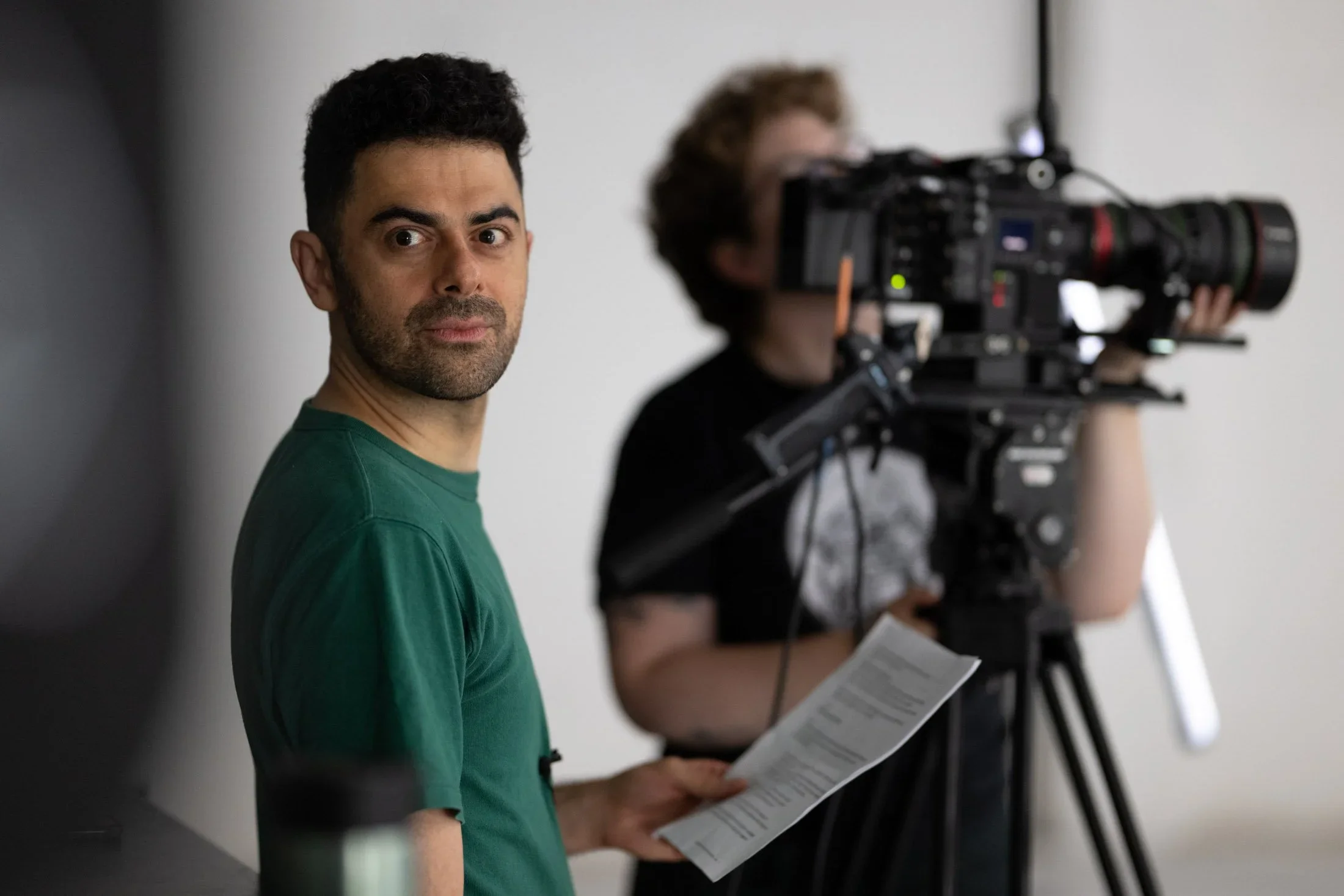
Aryo Khakpour. Photo by David Cooper
I think the piece is even more relevant now. We live in a time where we are constantly communicating, but rarely encountering each other directly. So much of our emotional and political life happens through screens, avatars, performances of ourselves.
Offending the Audience strips theatre down to the basic act of people gathering in a room and speaking to one another. It asks: What actually happens between us when language is no longer hidden inside story or character? How do we react when we feel challenged, exposed, seen, bored, seduced, manipulated, or implicated?
Additionally, I superimposed my own compositional methods and performance scores onto the work. In fact, we’ve created a vocal quartet. Handke himself suggested the piece should feel like a live band improvising, and that idea became central to our process and even to choosing Tyrant, an actual jazz venue, as the performance space.
The play becomes an opportunity to listen—to others, to ourselves, and to the room. Sometimes the performers speak in unison; sometimes one cuts across another’s rhythm; sometimes a silence stretches because the room demands it. We began treating spoken text almost like musical phrasing and live composition.
It’s funny, cheeky, confrontational, and surprisingly tender. More and more, the piece started feeling less like conventional theatre and more like live jazz improvisation.
How do you cast a show like this? Do you need actors who have an improv background?
I needed performers who are deeply comfortable with text, rhythm, timing, and live responsiveness. Improvisation experience helps, but not in the comedy-sports sense. The improvisation here is compositional and relational. The text is fixed, but its delivery shifts in response to the audience, the room, and the energy between performers.
In my work, I always invite artists from different disciplines into the room. That intentional clash of methods, vocabularies, and world views enriches the process. Of course, it also mirrors my own lived experience, since my roots are in theatre, dance, and film. We put out a casting call and received around 120 submissions; and I cast the piece with a mix of actors and dancers through my own method of building an effective ensemble dynamic. I was looking for actors with strong instincts, trained voices, precision, confidence, and a willingness to be exposed without hiding behind character psychology or narrative. That’s actually a very vulnerable thing to do.
I love casting. I love performers/actors/dancers, and imagining what energies and tensions might emerge between them inside a piece.
This is a play (or “anti-play”) that relies heavily on the dynamic between the performers and the audience. Do you have someone standing in for the audience during rehearsals?
“The director is the first audience.” That’s something I always keep in mind. The director, in collaboration with the ensemble, studies the work dramaturgically to anticipate possibilities and shape something that is designed, effective, fluid, and alive. That is literally the task of making theatre.
However, ultimately there’s no substitute for an actual audience, especially with a piece like this. The entire work changes once bodies are present in the room. And we’re looking forward to it. Tyrant is a beautiful space for listening and intimacy. It has been shaped over decades for jazz and aural performance, which makes it ideal for this work.
The performers become highly aware of breath, silence, attention, discomfort, humour, and tension—all the invisible negotiations happening between stage and audience. Even someone shifting in their seat affects the rhythm of the piece. Casting performers with the training, experience, and sensitivity to work with that level of responsiveness is actually part of the work itself.
The original German title of Offending the Audience (Publikumsbeschimpfung) translates to “insulting the audience”. Either way, how challenging is it from the audience’s perspective—and should people who are averse to being offended or insulted avoid it?
The title is more aggressive than the actual experience of the piece. The work isn’t interested in humiliating or attacking the audience. It’s more like wrestling with them a little. Flirting with them. Testing closeness and distance.
The performers address the audience and confront theatrical expectations, social behaviour, or the strange contracts between performer and spectator. But it’s also playful and funny. I personally am not very interested in participatory theatre myself, and this piece is not that. The audience shapes the piece through attention and presence alone. As a dear mentor once told me, this piece is “a love letter to the theatre and its audience.” 

Related Articles