In Corporeal Imago's Drift, an otherworldly landscape prevails over human bodies
At The Dance Centre, world premiere by Gabrielle Martin and Jeremiah Hughes moves away from aerial arts and toward conceptual innovation

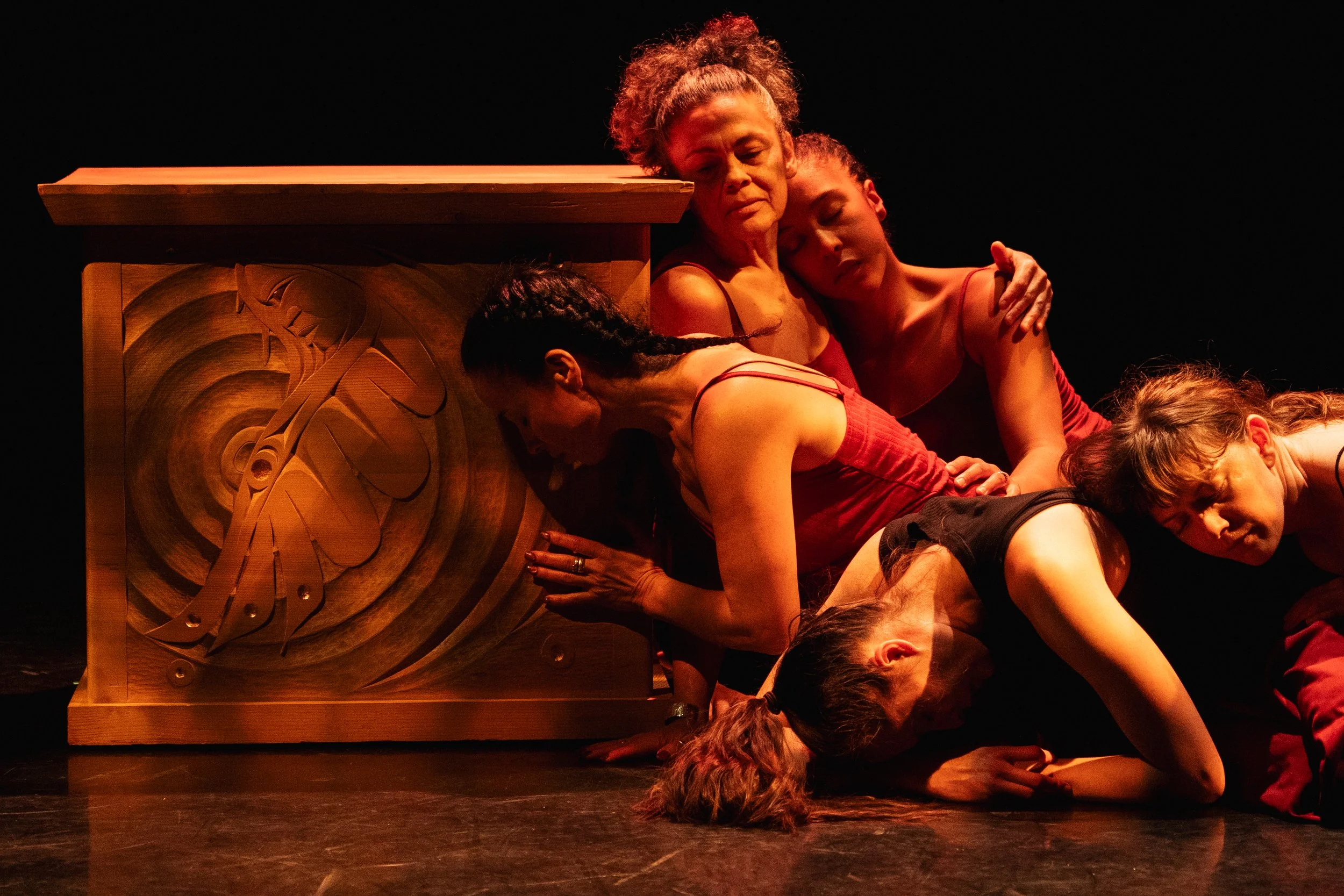
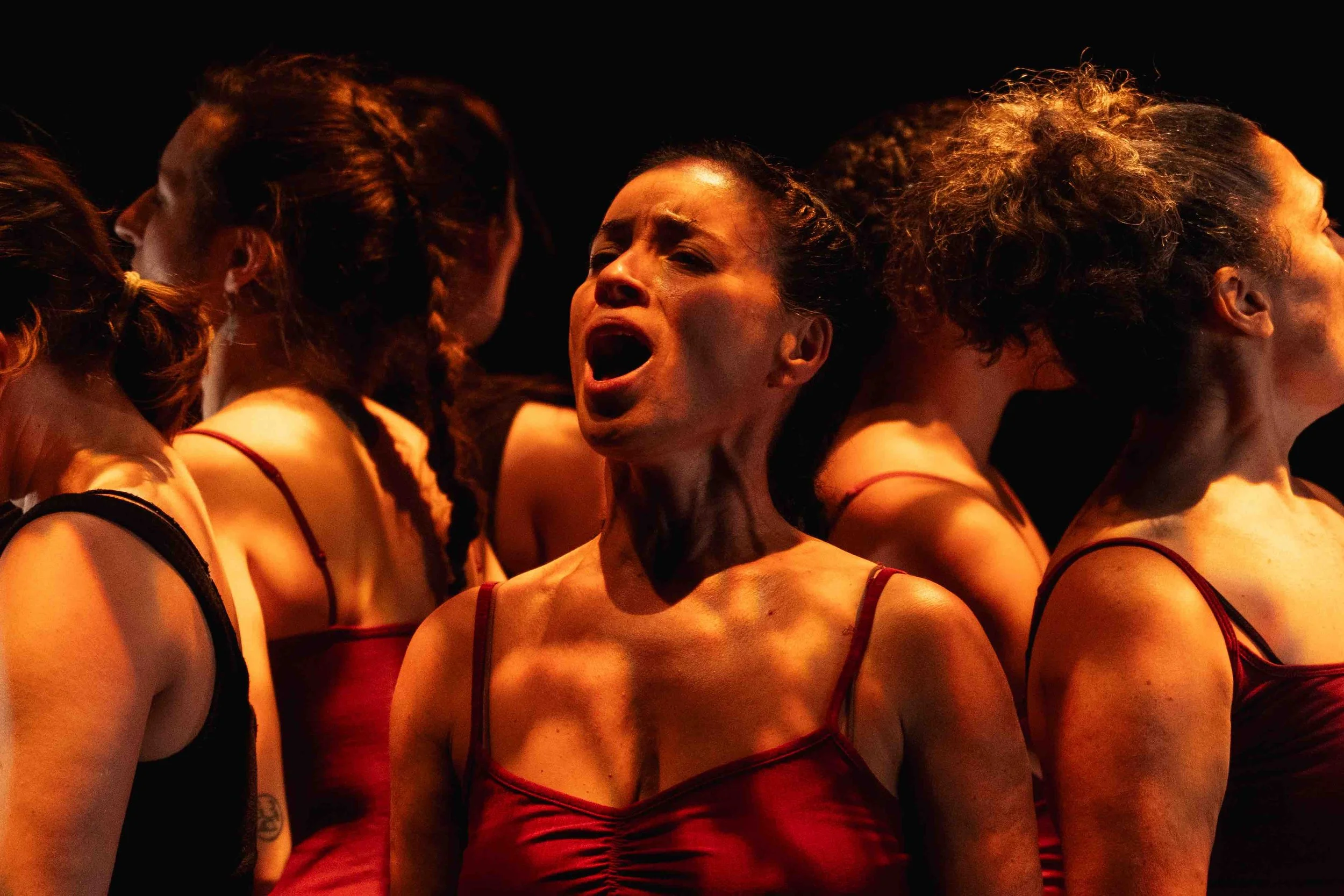
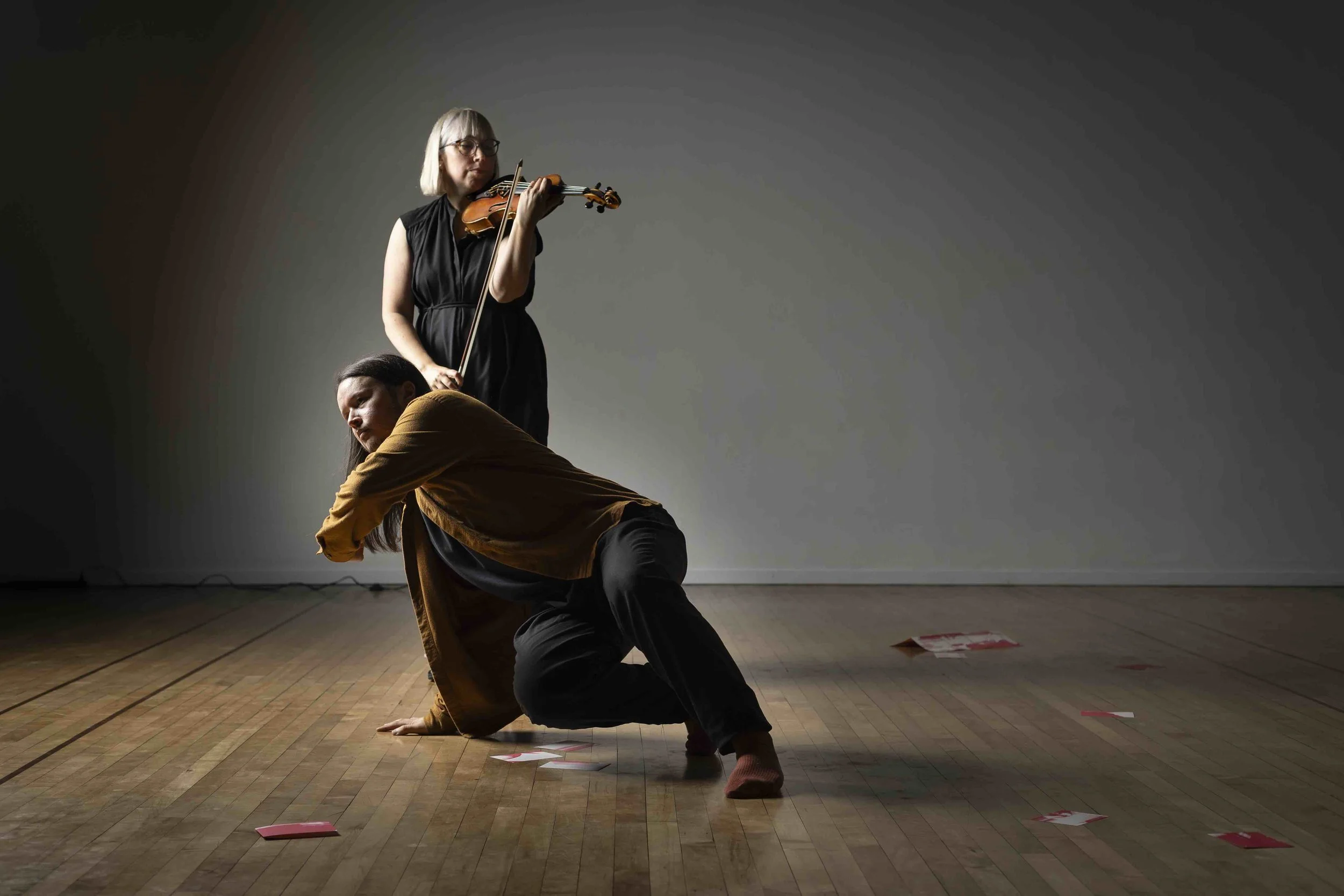
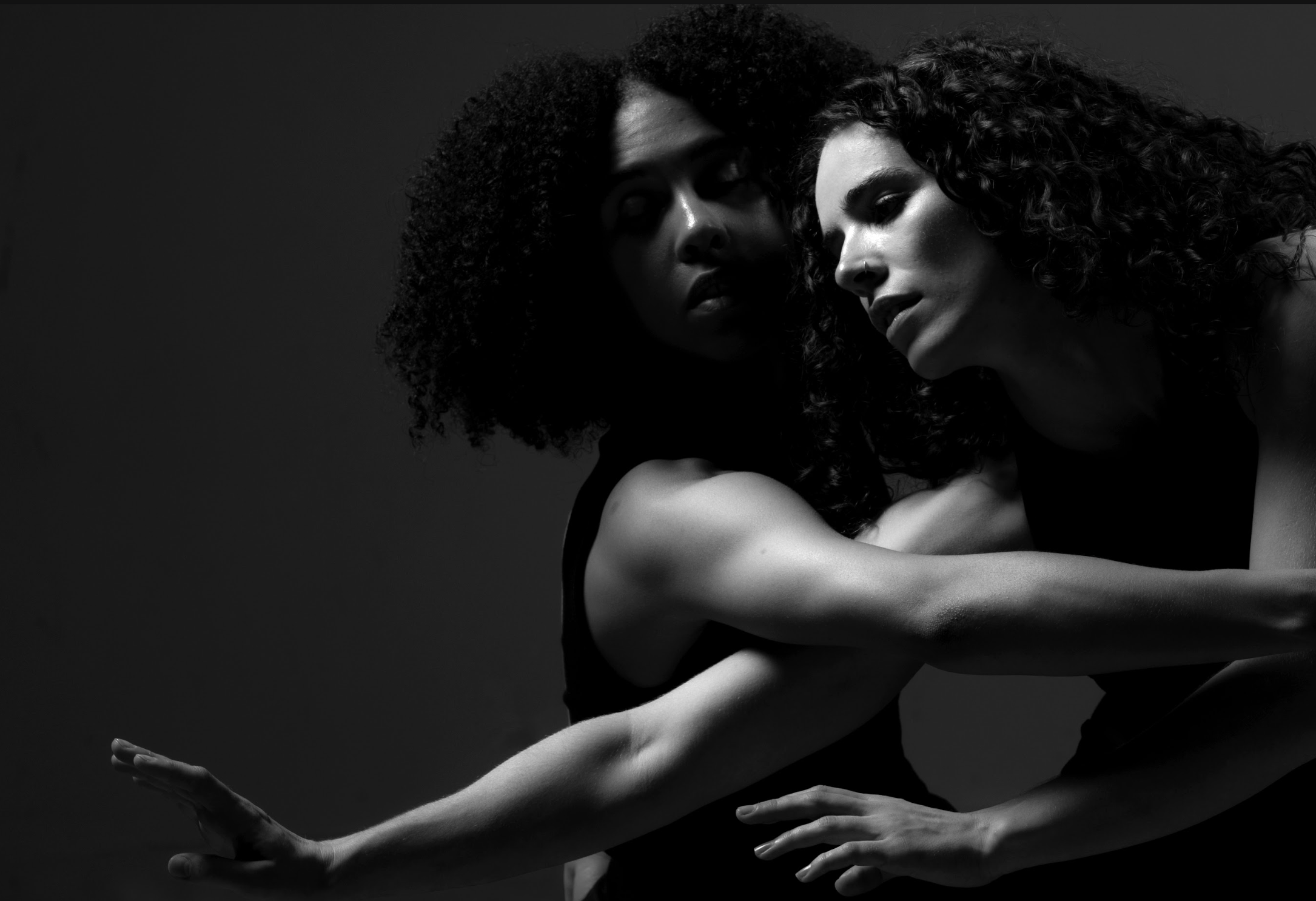
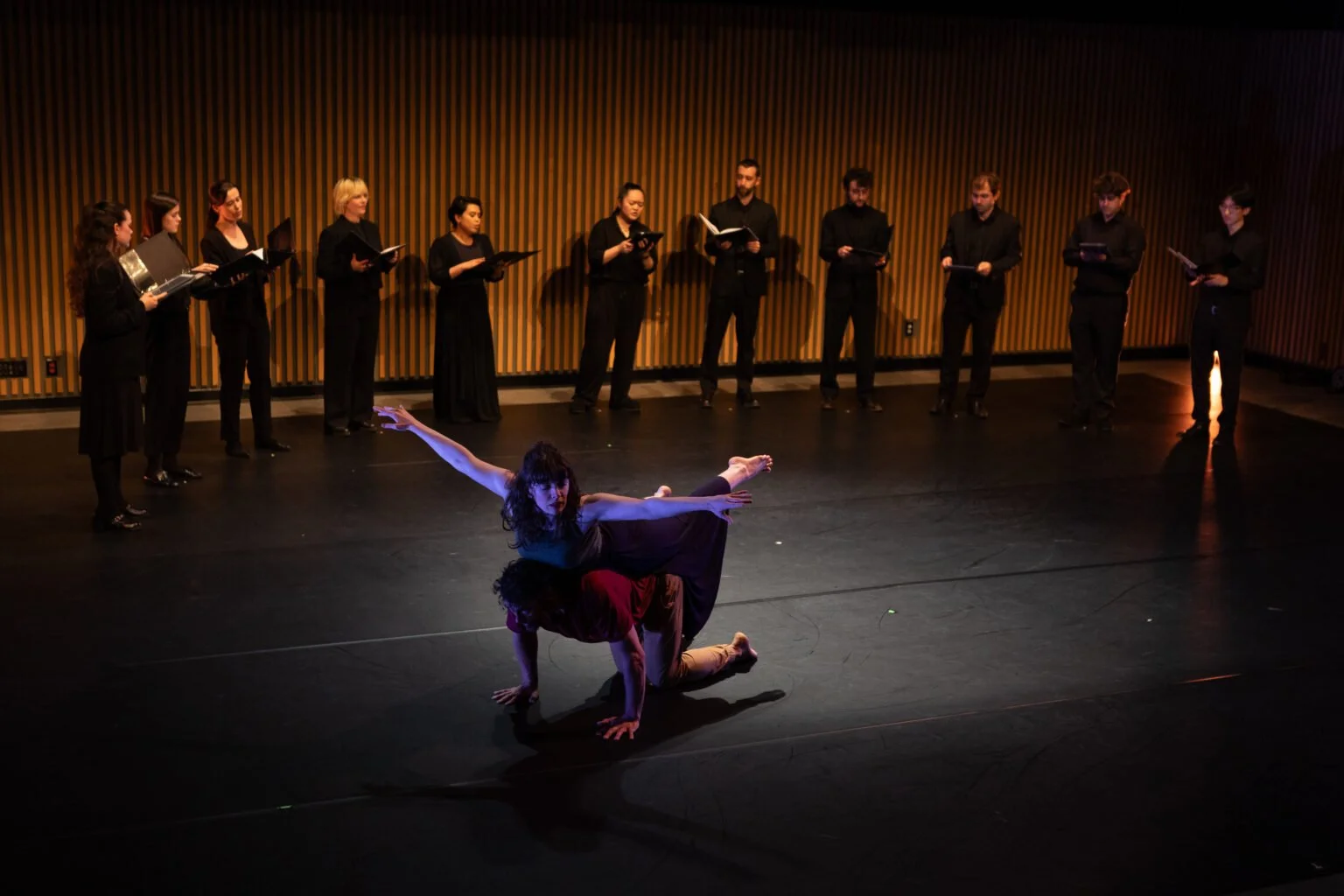
Drift. Photo by Chris Randle
The Dance Centre presents Corporeal Imago’s Drift from May 21 to 23 at 8 pm
PHYSICAL PROWESS HAS ALWAYS been an integral part of Gabrielle Martin and Jeremiah Hughes’s movement practice. The pair met in 2015 while performing the demanding lead roles in Cirque du Soleil’s TORUK—The First Flight, and are now partners in life as well as art. They toured with the company for years, showcasing their dynamic technical skills on a daily basis while executing rigorous acrobatic feats and soaring aerial stunts.
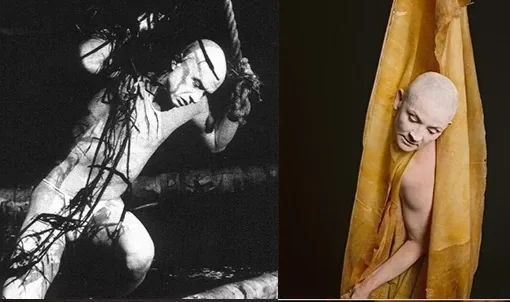
Since becoming artistic directors of their own company, Corporeal Imago, Martin and Hughes have incorporated plenty of circus-inspired movement into their original productions. Dystopian pieces like Throe and Limb(e)s saw performers scaling ropes suspended from the rafters, with bodies twisting, turning, and dangling hypnotically midair. Creating those works required lots of hands-on support from the two choreographers, who trained tirelessly with teams of contemporary dancers, teaching them the skills necessary to safely perform aerial stunts.
But nowadays, Martin no longer performs or practices aerial acrobatics; and while Hughes still performs, it’s often in a less physically demanding capacity. Speaking to Stir by Zoom, the pair share that their lifestyle changes have had an inevitable ripple effect on their choreographic style.
“I can confidently say both of our practices have shifted,” Martin shares. “When you are an artist who is so [rooted] in your own physical practice, especially when we’re talking about aerial and acrobatic arts, it’s a daily practice. There’s a desire to put all of that into whatever you’re doing, because you’re obsessed with that. You’re doing it every day, so it’s like, that is the vocabulary. So it was interesting for us to take a step back.”
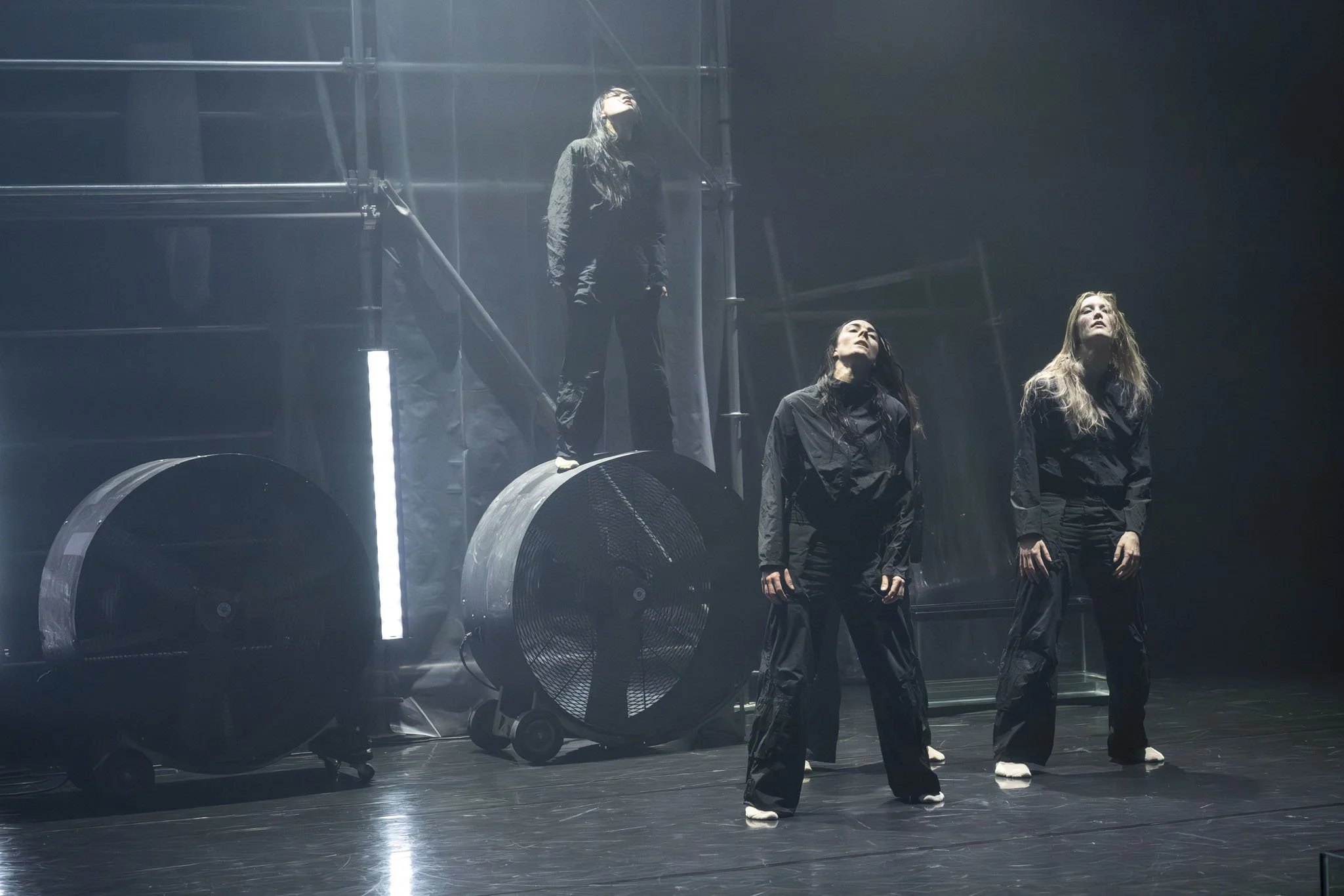
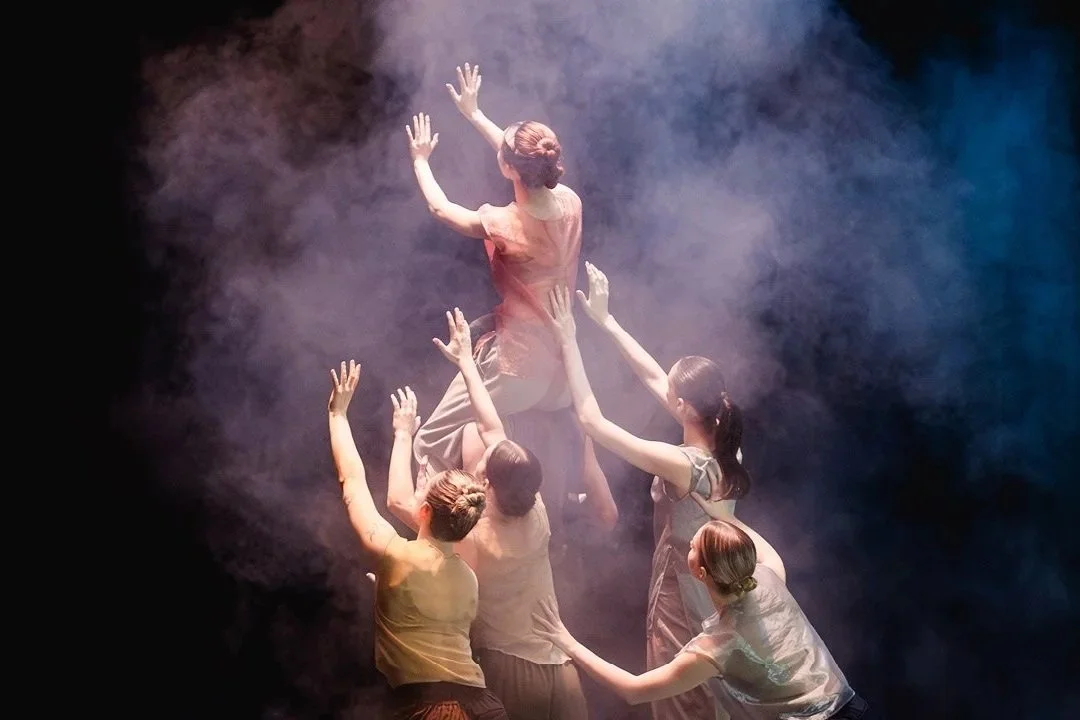
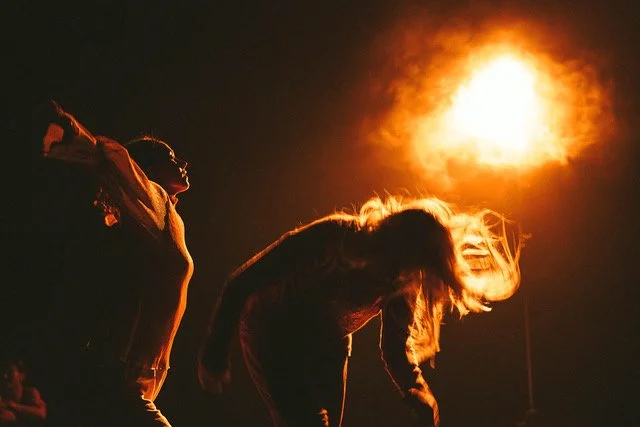
The proverbial “step back” Martin’s referring to is Drift, a new work created in residence at The Dance Centre, where it’ll have its world premiere from May 21 to 23. Set in a shifting post-humanist world, the innovative piece decentres the human form while highlighting the surrounding environment, with fog blurring bodies as they traverse scarred landscapes. And unlike the previous pieces Hughes and Martin have created for Corporeal Imago, Drift won’t feature any aerial arts.
“It was not an initial limitation we had placed on our creative process, but something we discovered that the work didn’t require,” Hughes explains. “What’s very interesting is that some of the things we’re most excited about have such a lower level of physicality than other elements of our work before. The things that we’re like, ‘Wow, that was an incredible scene,’ they don’t need an artist that has trained for a year doing pull-ups and aerial technique, or that has been going to the gym for that one skillset. What they really benefit from is presence, and the many other gifts that our experienced artists have.”

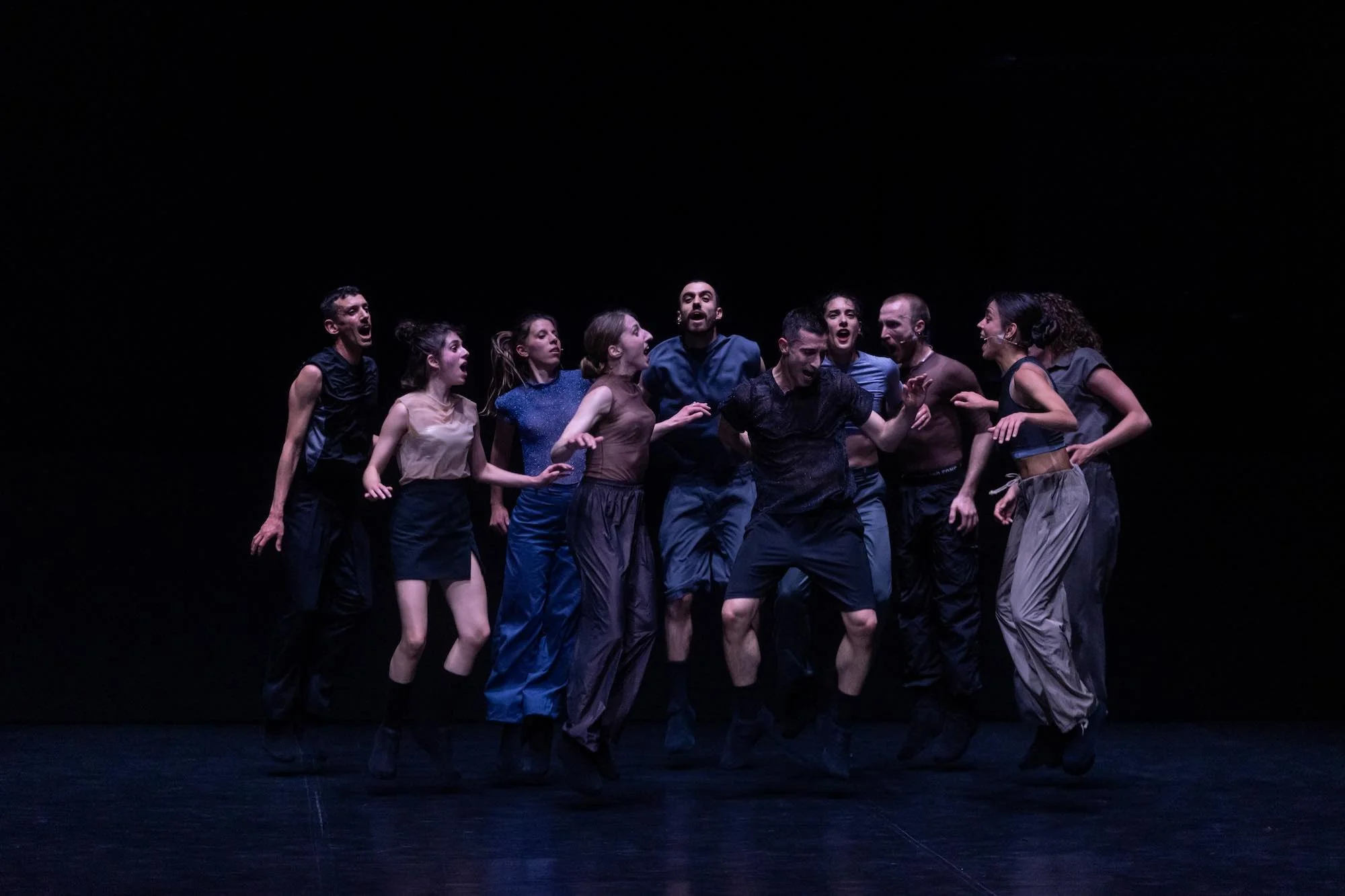
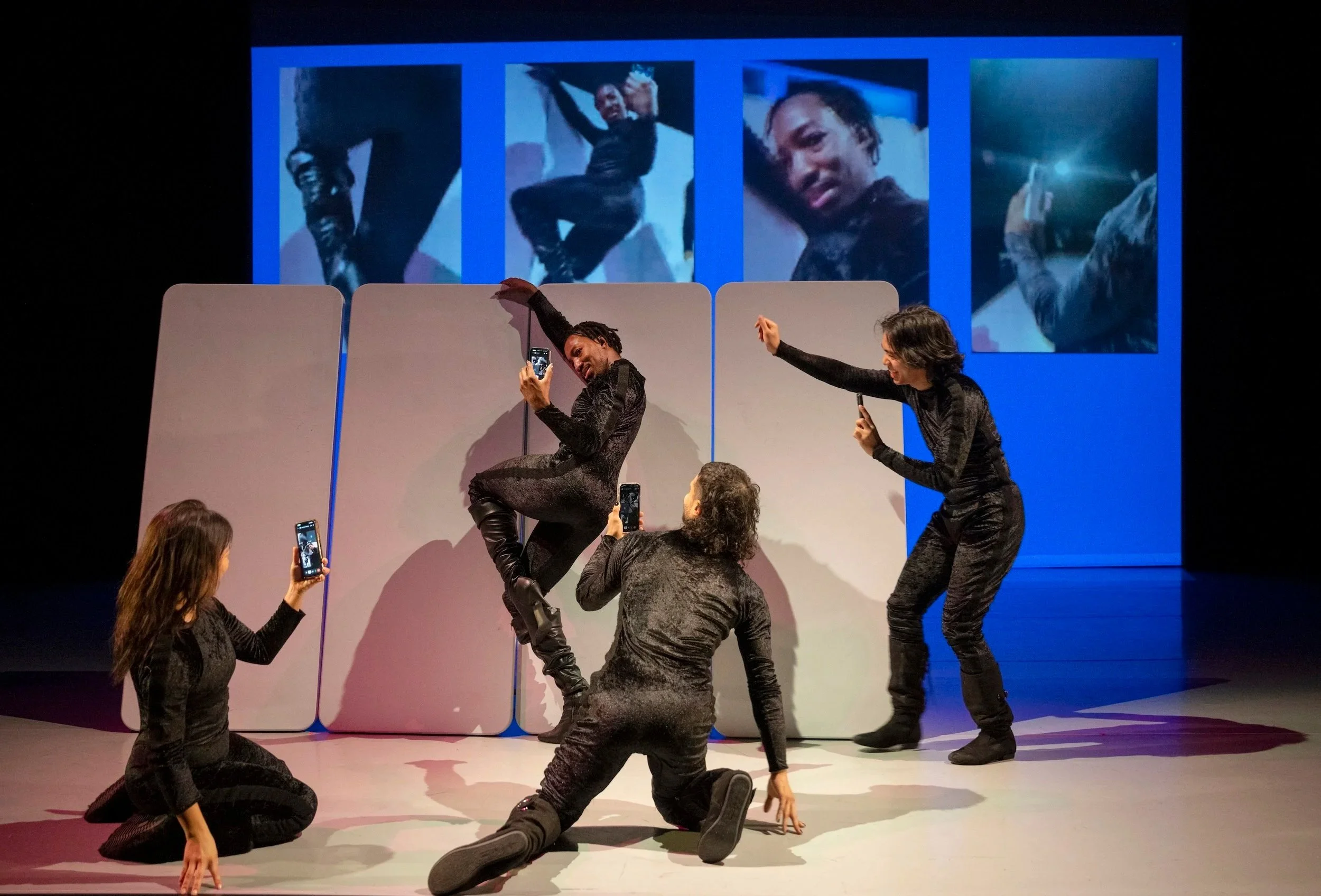
Drift. Photo by Chris Randle
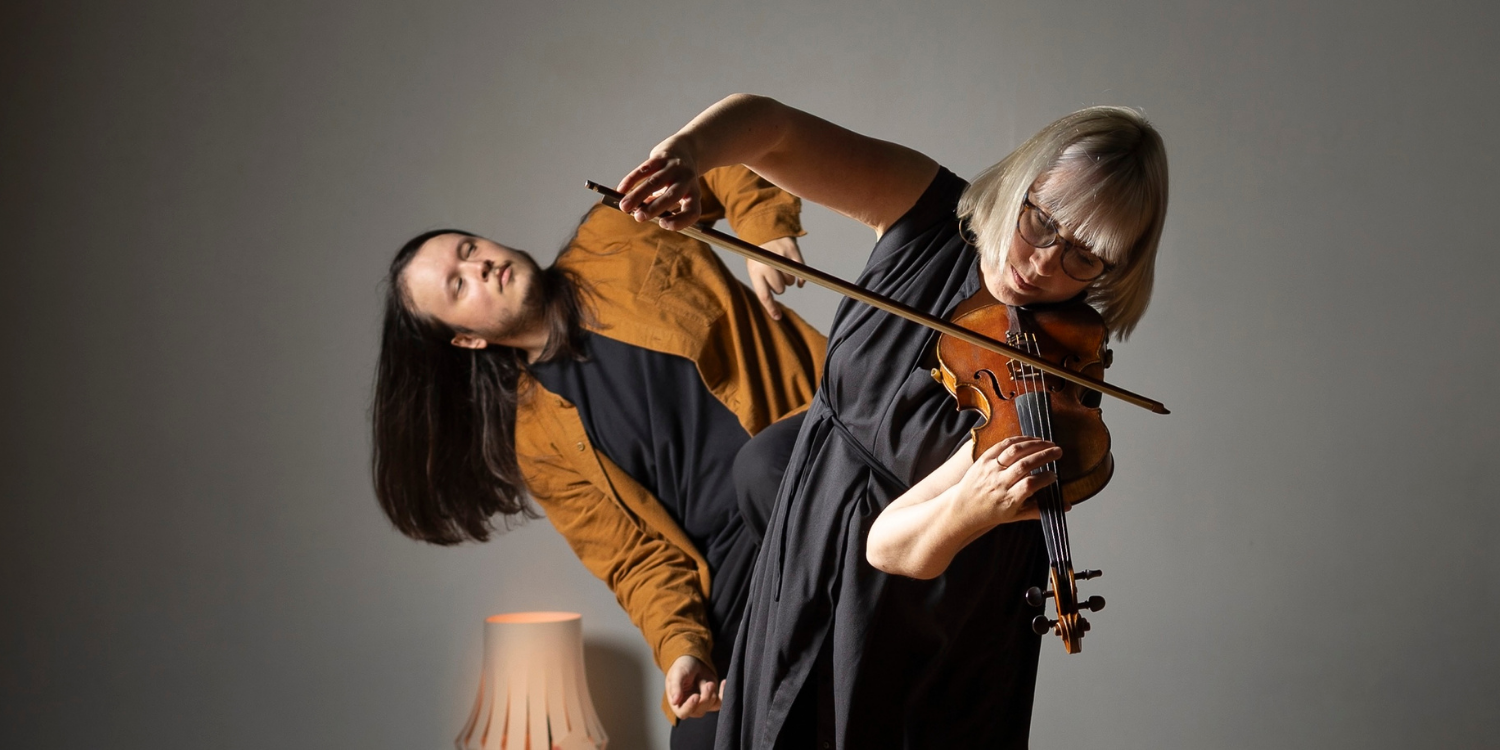
Make no mistake: the lack of aerial feats doesn’t mean Drift will be any less compelling than the duo’s previous works. Their storytelling, dramaturgy, and design abilities have been pushed to the max, and no two scenes look alike. There’s even a bit of circus influence displayed by one of the performers, Montreal’s Andréane Leclerc, who specializes in somatic contortion.
The first half of Drift draws on concepts laid out by historian-philosopher Yuval Noah Harari in his book Homo Deus: A Brief History of Tomorrow, which takes a sweeping look at humanity’s current position in the Anthropocene, examining all of our accomplishments—and how they’ve afforded us dominance over other species—to speculate on where we could be going from here.
“We’ve been on this trajectory for quite a while, where we are trying to become gods and become immortal,” Martin reflects. “And we’re doing it with various tools and solutions and digital augmentations; through augmented intelligence and all of this kind of stuff. So really, we’re just leaning into that character of the hungry God, and getting into the tyranny of that mentality and where that takes us.
“So it’s been fun, actually,” she acknowledges with a laugh. “It probably shouldn’t be, but it has been fun for the artists to explore that character.”

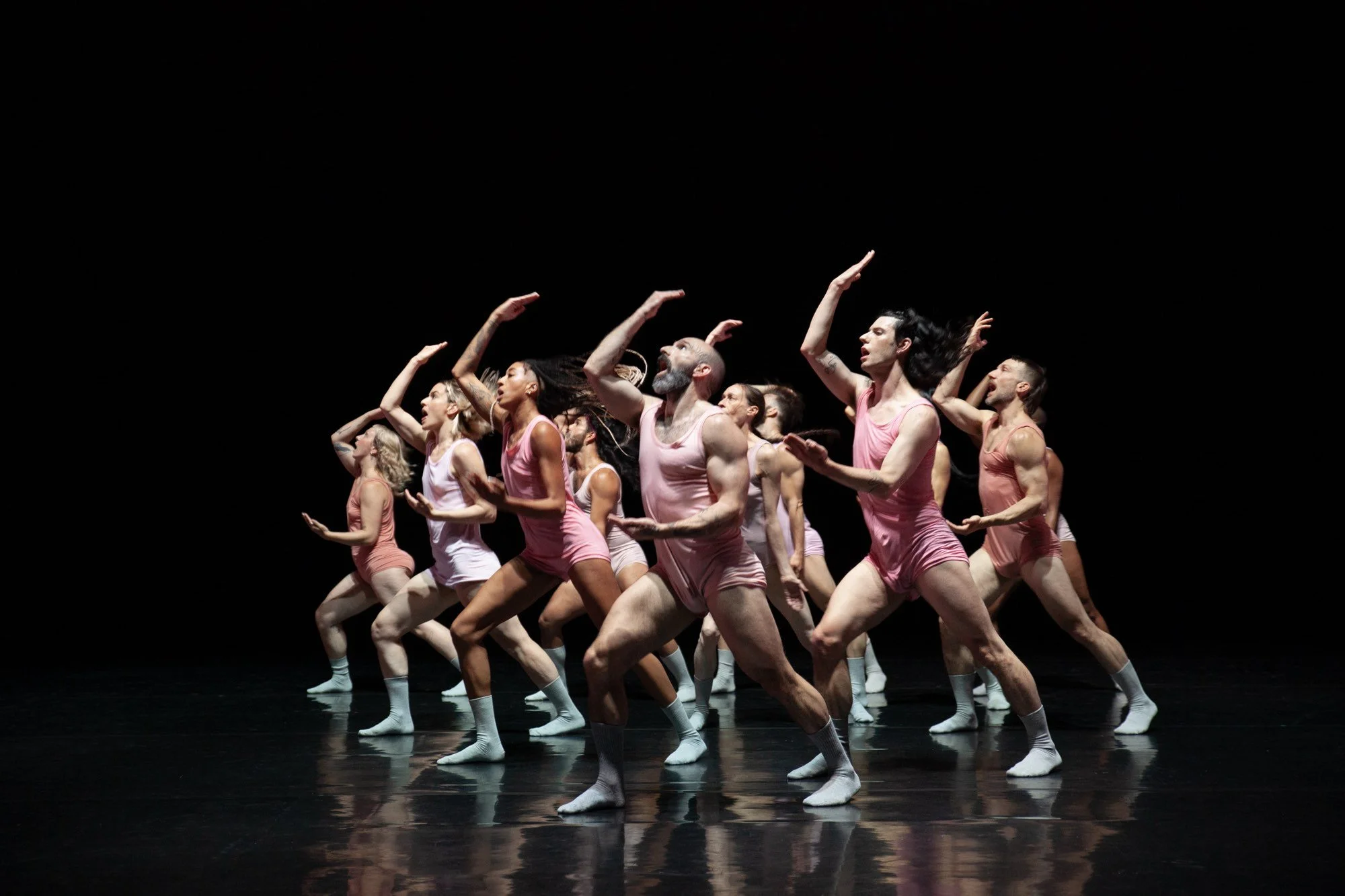
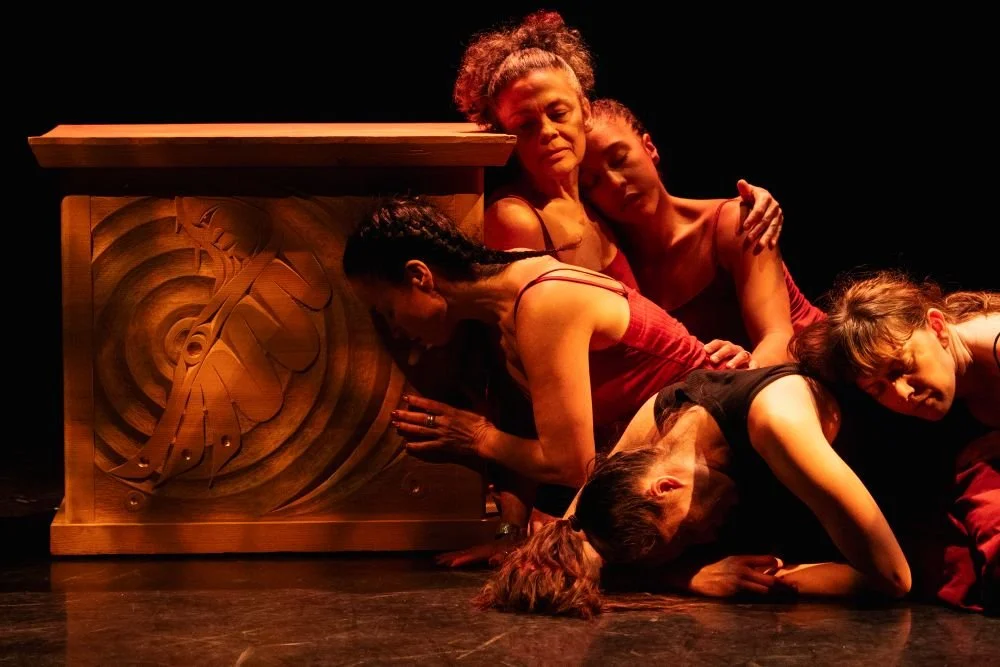
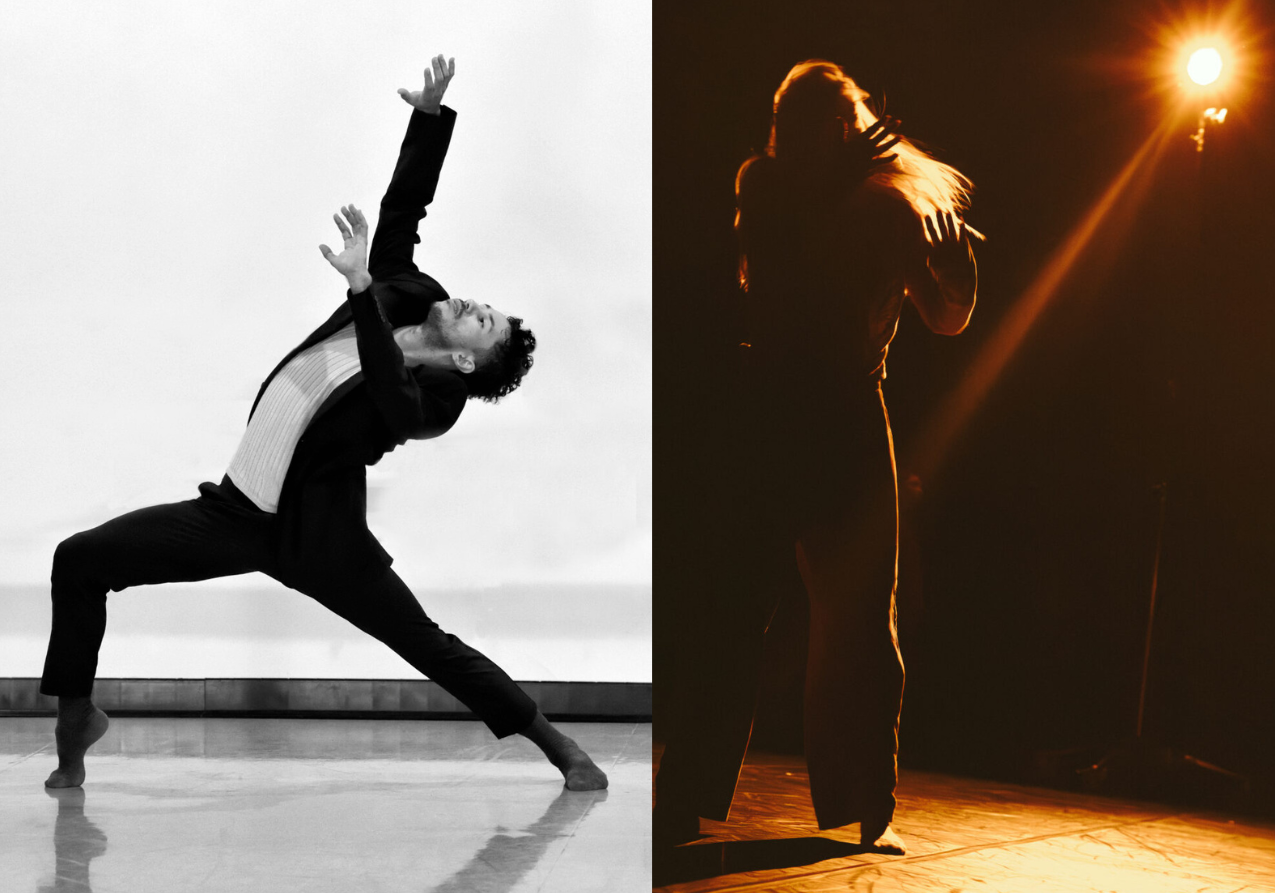
Drift. Photo by Chris Randle
The second half of Drift detaches the artists from their humanity in a sense, transporting them into otherworldly territories. It also explores the concept of cosmic noise, which is the sounds that planets make, interpreted for human ears. As far as inspiration goes, Martin points to a book that’s sitting on the pair’s bookshelf at home: The Order of Time by Italian physicist Carlo Rovelli, which unpacks the theory of quantum gravity and the mysterious ways in which time flows.
“Once we have this rupture and we find ourselves in the post-Anthropocene, it’s quite a meditative journey,” Martin says. “We’re trying to encapsulate this sense of vastness of both space and time, so we’ve really been trying to play with the audience’s perception of those things with lighting effects, with the movement, with animating objects onstage, with visual lucidity. But it’s intended to give us a breath, and a different perspective on the moment we’re living in.”
Hughes collaborated on the lighting design with veteran Vancouver artists Itai Erdal and Chengyan Boon, while the music for the piece is by Jo Hirabayashi, who’s known for his genre-bending experimental sound.
“The stories are beautiful, the worlds are beautiful. But there’s weight at times,” Hughes says. “There can be a feeling of the actual oppression of the environment upon these artists, with moments of reprieve, with some breath and hope ringing through as well. So it’s not that we’ve made a work that says, ‘Things are going to be terrible, but don’t worry, they’ll be good soon.’ But there is something about the human spirit, or at least us as a people, that can find a way to endure, survive, evolve, develop, and come out the other side.”
To sum that all up, Martin and Hughes may be taking a step back from aerial arts—but they’re certainly pushing their artistic innovation into a whole new realm. 

Related Articles