The End makes an unlikely mix of musical and post-apocalyptic family drama, at VIFF Centre to December 21
Everything is heightened in Joshua Oppenheimer’s chilling parody of privilege and willful ignorance
Tilda Swinton in The End.
The End is at VIFF Centre to December 21
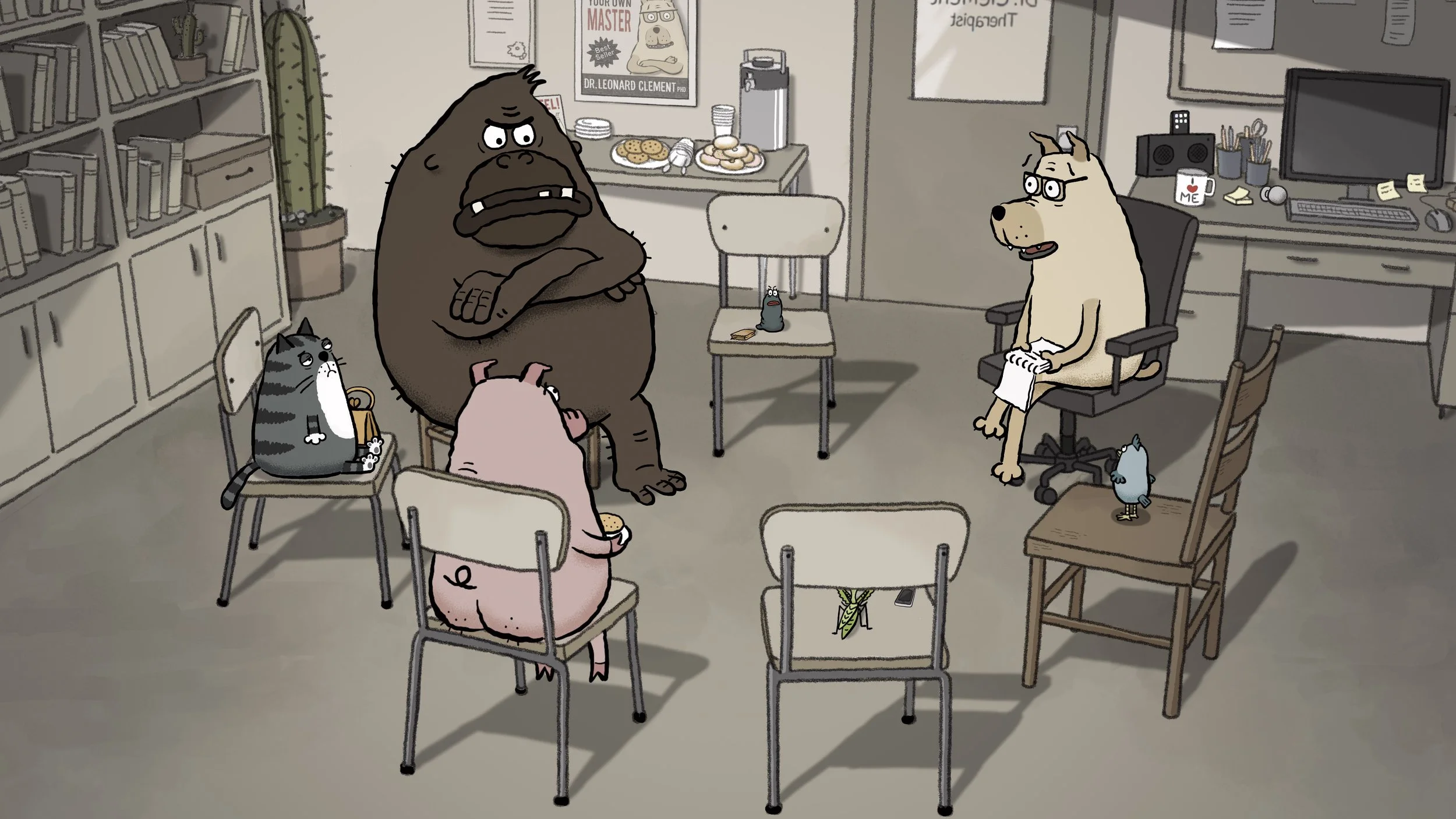
A MOVIE MUSICAL set at the end of the world, miles underground in an abandoned salt mine? With unlikely stars like Michael Shannon and Tilda Swinton in the singing roles, and props that include a massive toy train set and walls full of the world’s most famous oil paintings?
It’s a concept that could only have come from the mind of Joshua Oppenheimer, the man behind the genre-breaking documentary The Act of Killing, in which the director persuaded several of Indonesia’s genocidal killers to reenact their crimes on camera in often-musical cinematic moments.
As far as The End, though it may not make too many lists of best films of 2024, it will certainly top any tally of the year’s weirdest offerings. It works best on a level of chilling absurdity—as a heightened and brutally timely parody of privilege, and the people who focus on their wine and wallpaper as the world burns.
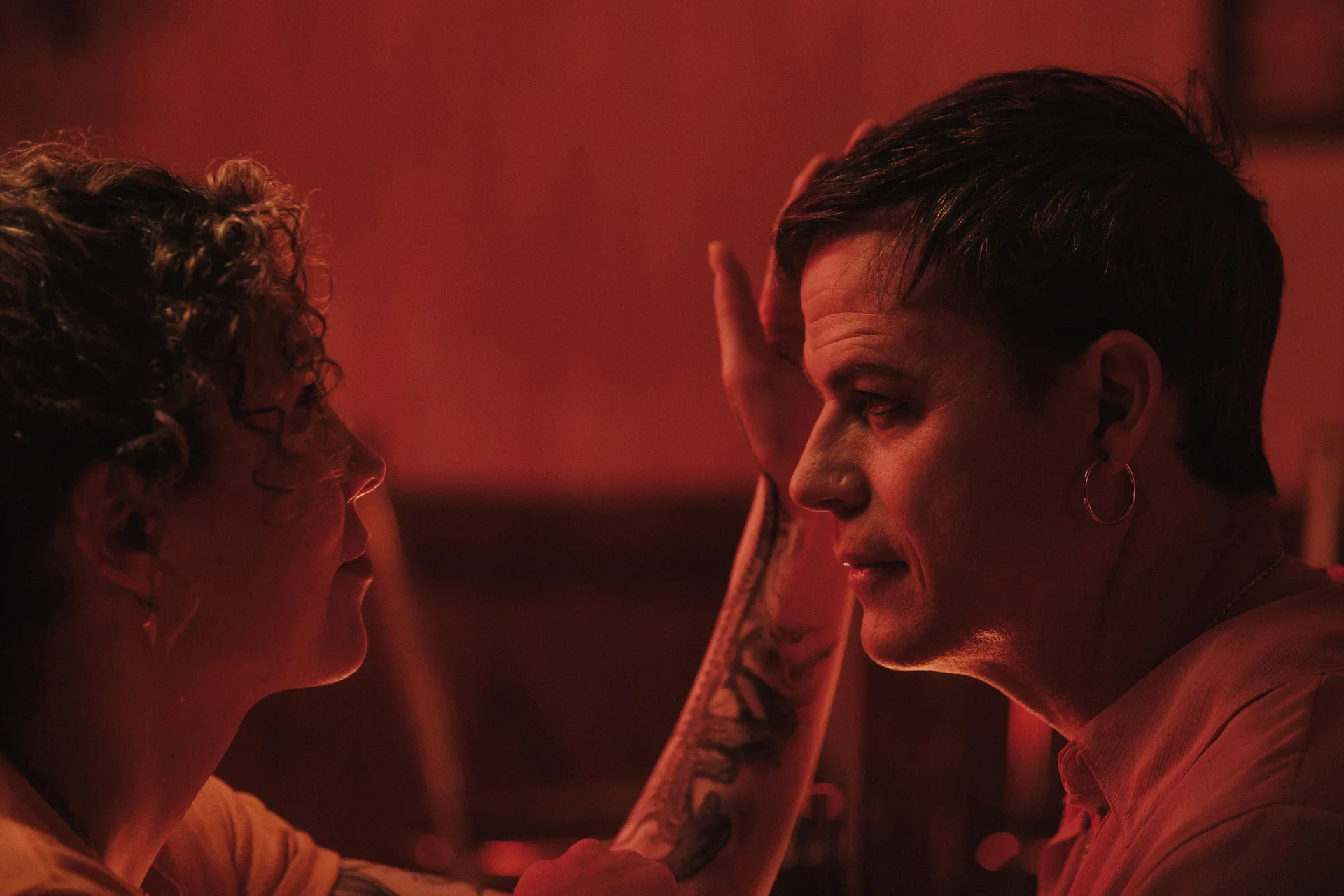
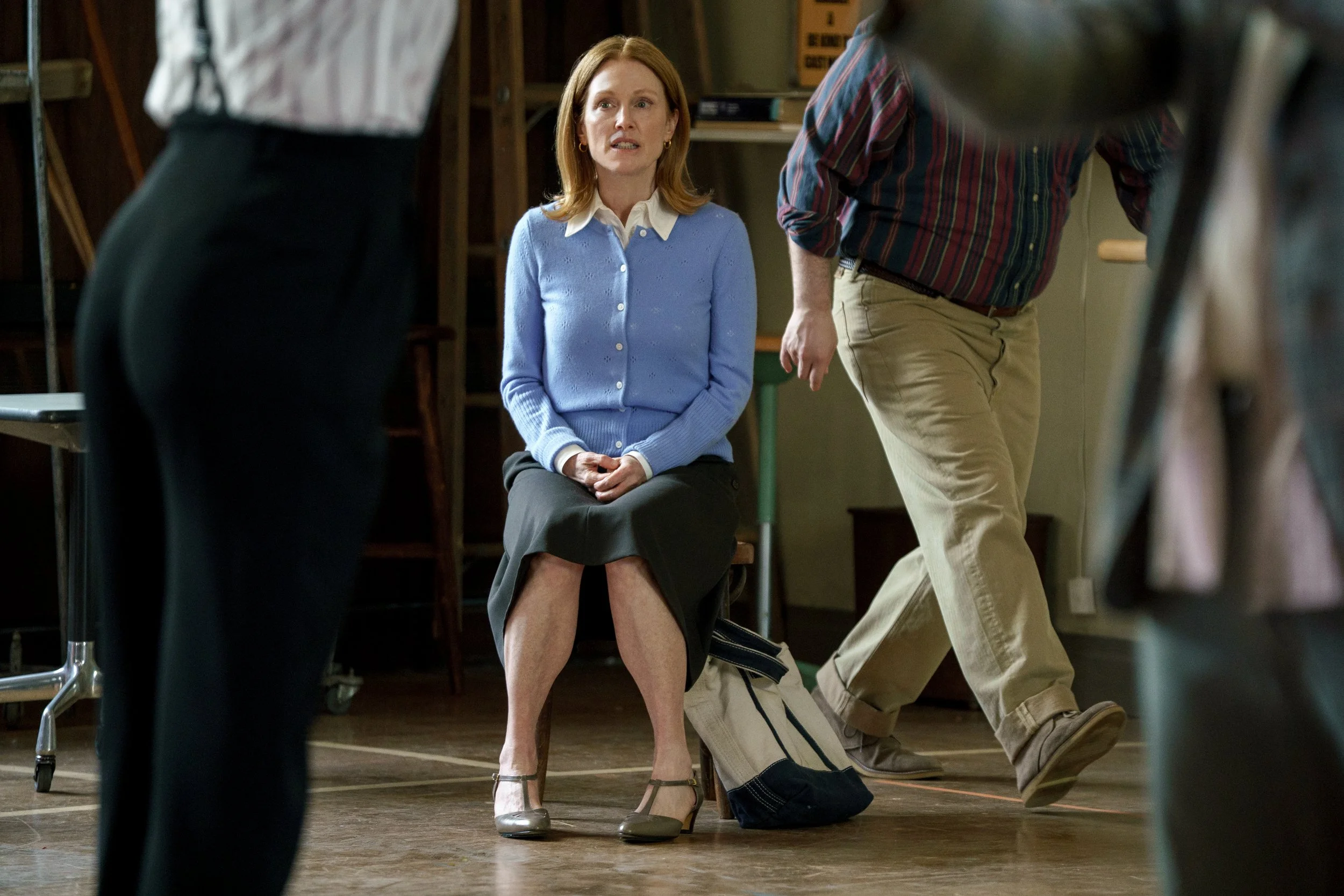
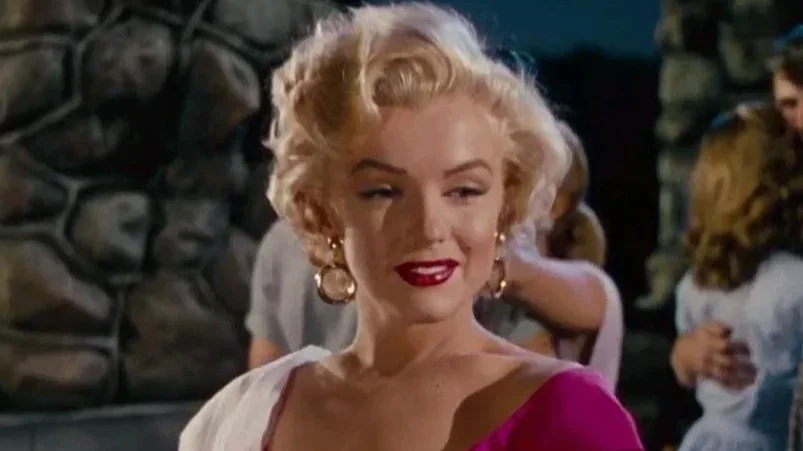
Here, Mother (a perfectly coiffed Swinton) and Father (Shannon) have raised Son (George MacKay) to be blissfully ignorant of the carnage that went down on doomsday—their man-child busy building trainsets that re-create an idealized version of the old world, the matriarch forever re-hanging art and repainting walls. They all live in strange and carefully orchestrated denial (with the help of a butler, a doctor, and family friend) until a woman arrives from the outside (Moses Ingram, hands down the film’s best singer).
Oppenheimer tries to subvert the musical form, the songs and occasional dance not so much moving the plot along as alternately expressing the upbeat lies the characters tell themselves (“we thrive in our happily ever after”) or the emotions they’re trying to repress; wait till you see Shannon enact the world’s most depressing soft shoe routine.
The End looks great, the surrounds of the saltmine a wavy world that resembles sculptural snowdrifts. Tonally, it’s tougher to sort out—by turns deadpan, affected, and melancholic. If you are curious, want to see something utterly audacious and different, and have two-and-a-half hours to spare, it’s a fascinating experience that feels a bit like Samuel Beckett somehow bumped into Andrew Lloyd Webber at an indie screening of Melancholia. ![]()

Janet Smith is founding partner and editorial director of Stir. She is an award-winning arts journalist who has spent more than two decades immersed in Vancouver’s dance, screen, design, theatre, music, opera, and gallery scenes. She sits on the Vancouver Film Critics’ Circle.
Related Articles
This year’s series features al fresco screenings of top-tier sports films, from Shaolin Soccer to A League of Their Own
Amid small miracles, and also tragedies, Deanna Milligan and Ramsey Fendall conjured analogue, ’90s-era strangeness by adopting the spirit of a community art project
The theatre’s organ was installed in 1927—the same year Alfred Hitchcock released his first thriller, about a Jack the Ripper–esque killer
Retrospective unites the late British filmmaker’s feature-length works, including A Quiet Passion and Distant Voices, Still Lives
Short film poetically remembers a Black woman from an old photograph
With influences including Hideaki Anno and Alfred Hitchcock, debut feature by Surrey-raised director builds uncanny atmosphere as a quiet young woman points her camera into neighbours’ windows
Illustrated Legacies: Graveyard of the Pacific wins Nigel Moore Award; And the Fish Fly Above Our Heads و الأسماك تطير فوق رؤوسنا named best feature
Down-and-out buddies follow the randomness of life in evocatively shot Italian film by Francesco Sossai
At the VIFF Centre, debut feature by fast-rising filmmaker splices past and present in a powerful story that is part time-travel fiction, part nostalgic vision of ’90s Vancouver Island
The poignant film focuses on Vancouver singer-songwriter Cassidy Waring as she delves into an unresolved family tragedy
Without Fear, Early Cranes, and The Touch offer perspectives on preserving cultural identity amid hardship
Local duo’s live score to Carl Theodor Dreyer’s 1928 historical drama employed drones and dissonance to evocative effect
Koos van Nieuwkoop plays the historic Wurlitzer organ live to Alfred Hitchcock's 1927 thriller
Recipients were unveiled during a ceremony at Landmark Cinemas Guildford
Idyllic meditations, sharp investigations, and deeply personal questions arise in our quick takes on Green Valley, The Sandbox, There Are No Words, Numakage Public Pool, and Replica
The musical duo of Simon Dobbs and Jon McGovern found scoring Carl Theodor Dreyer’s 1928 film a more daunting prospect than they anticipated
Documentary by Eileen Francis and Evan Adams looks at the Tla’amin Nation’s efforts to change the contentious name of the city of Powell River
Contemplative new work by acclaimed filmmakers Jessica Johnson and Ryan Ermacora explores imperfect balance between an ancient, shifting ecosystem and a Cortes Island community of oyster farmers
In the National Film Board documentary making its local premiere at the DOXA Documentary Film Festival, Canadian director Kim Nguyen traces the repercussions of an execution photo through the decades
“Egg Yolk Custard Bun”, “Ramen Boys”, “It’s Not You”, and the feature Blood Lines contribute to a diverse and often playful program
A reed cutter tries to solve a murder in Academy Award submission for Best Foreign Language Film; plus documentaries and soccer as fest enters second installment