Film reviews: Vancouver Queer Film Festival tells fearless stories full of empathy, humour, and music
Through intensely personal perspectives and sharp detail, audacious new features and short films throw light on culture-spanning issues

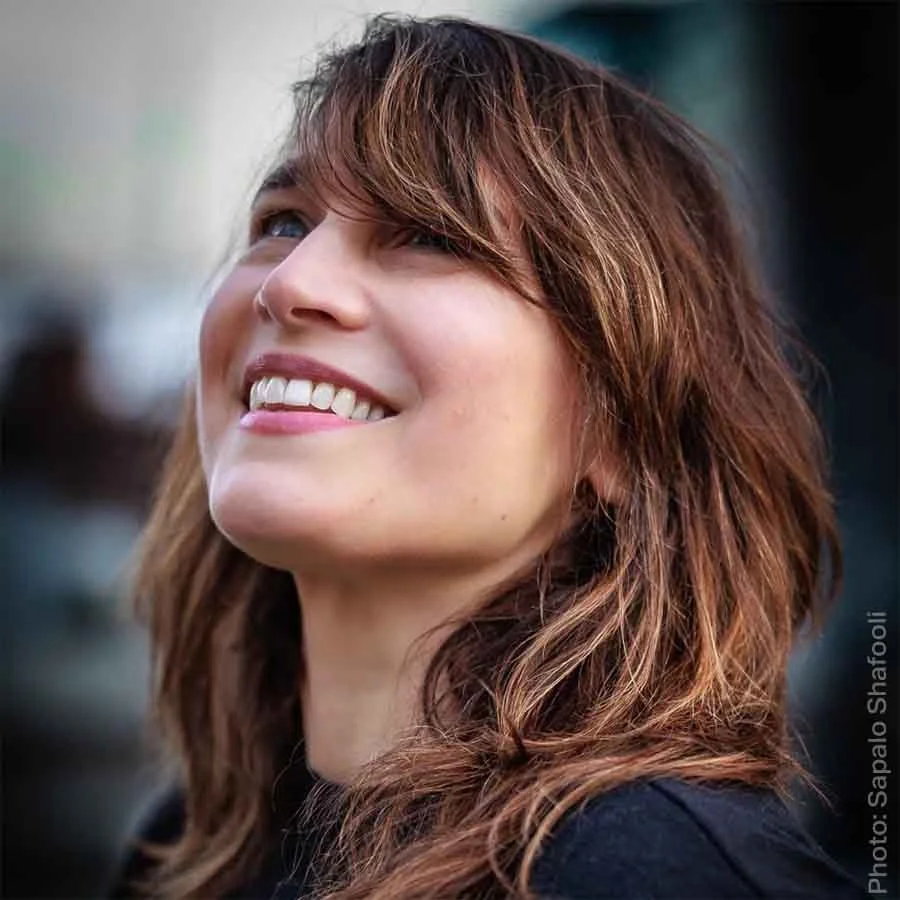
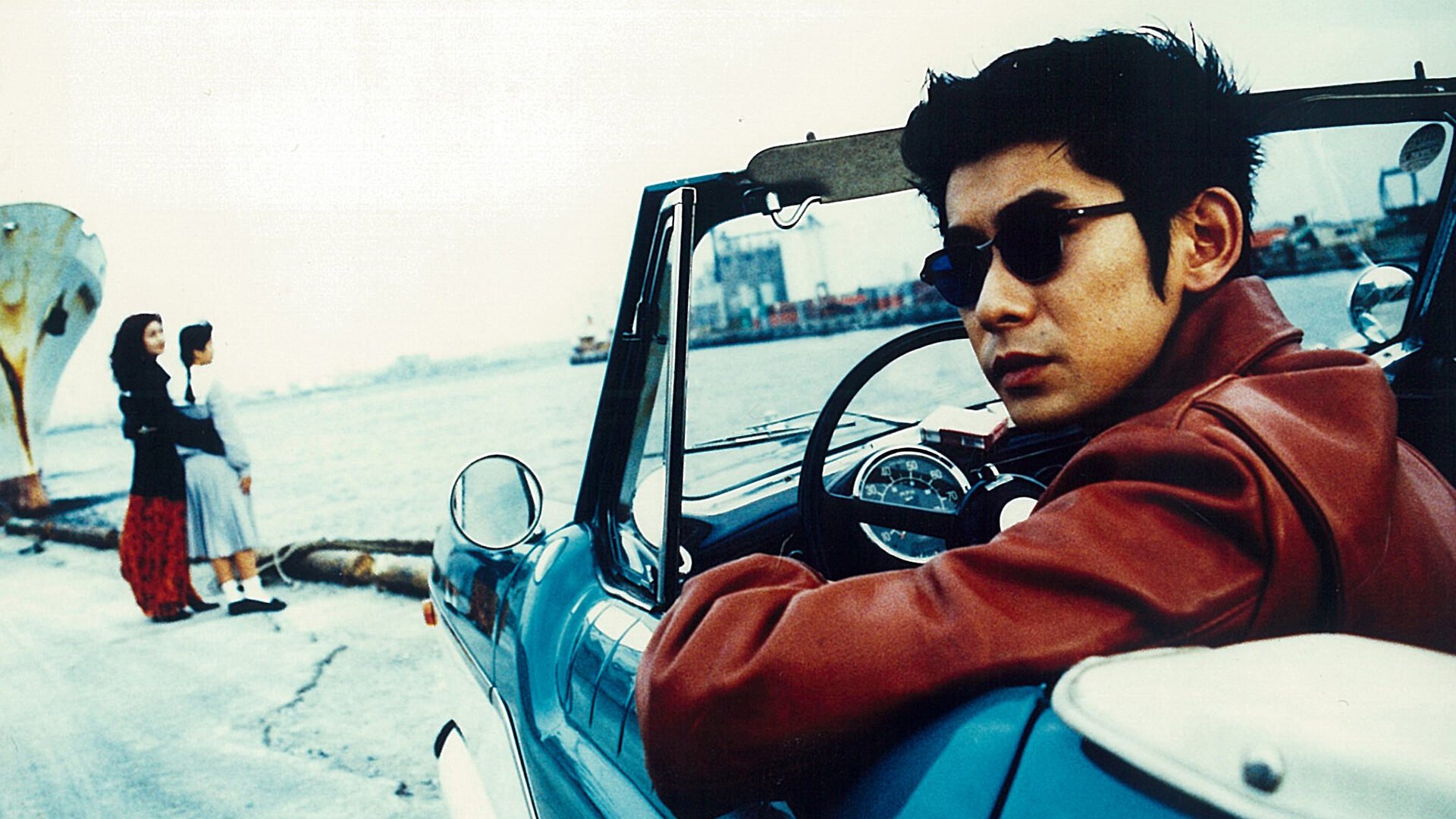
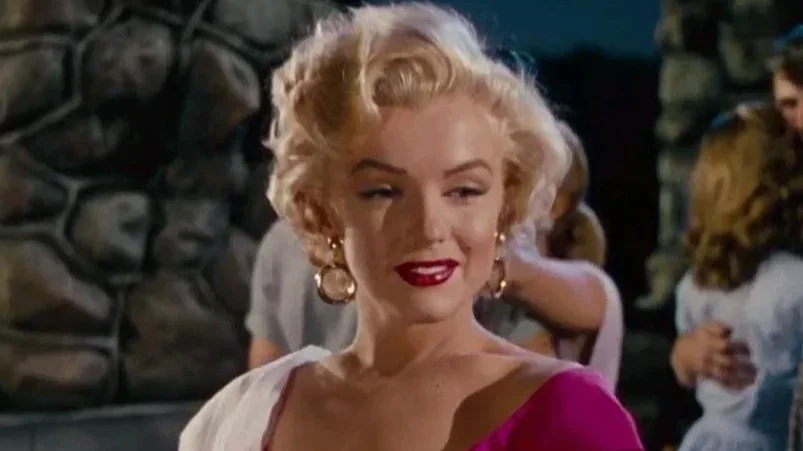
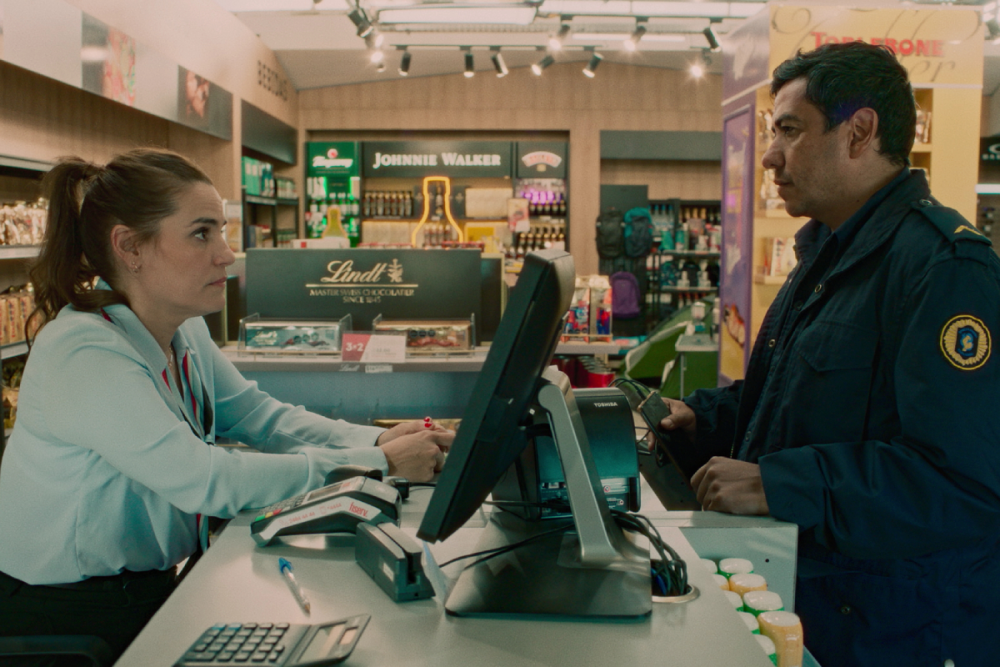
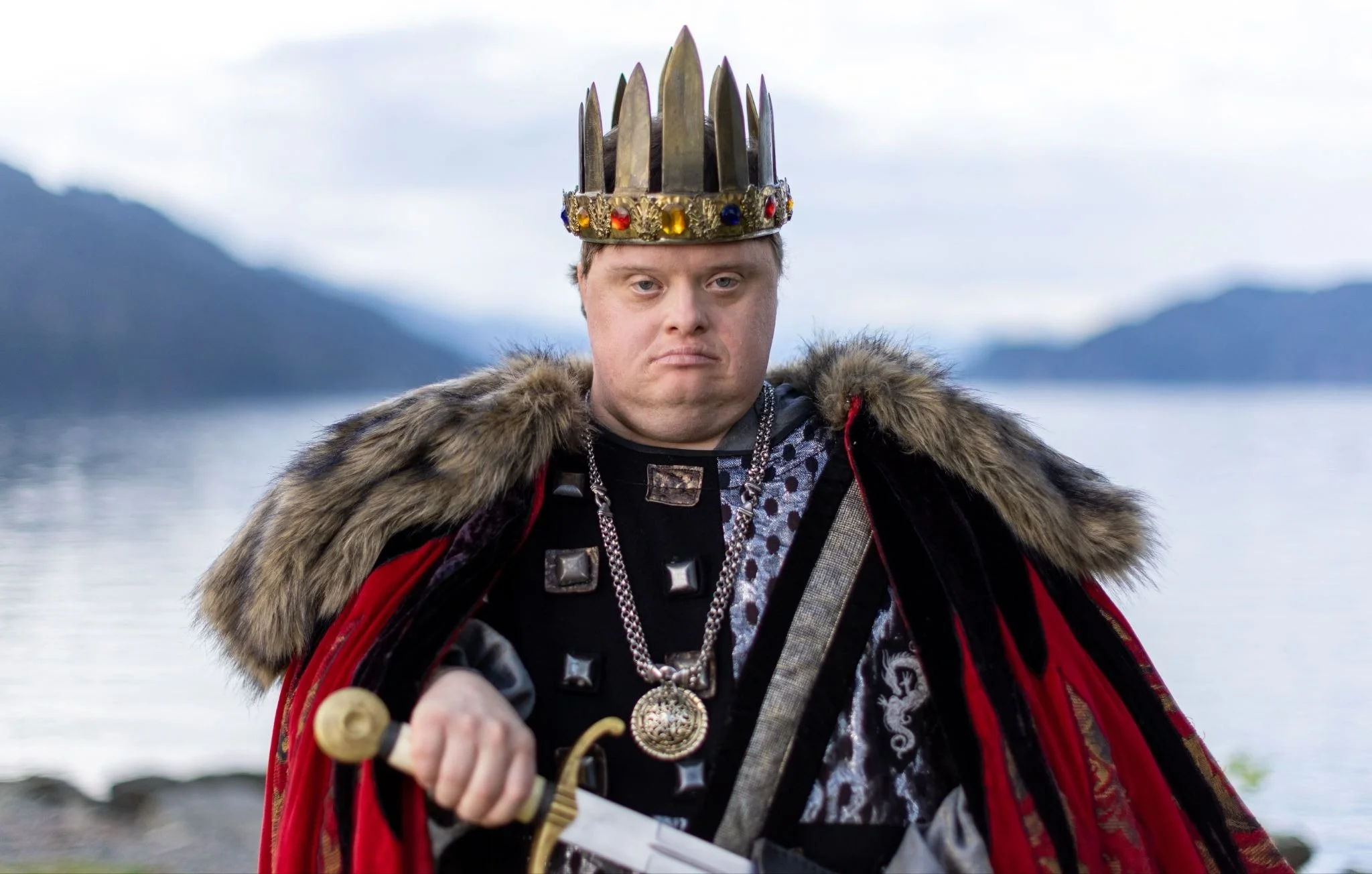
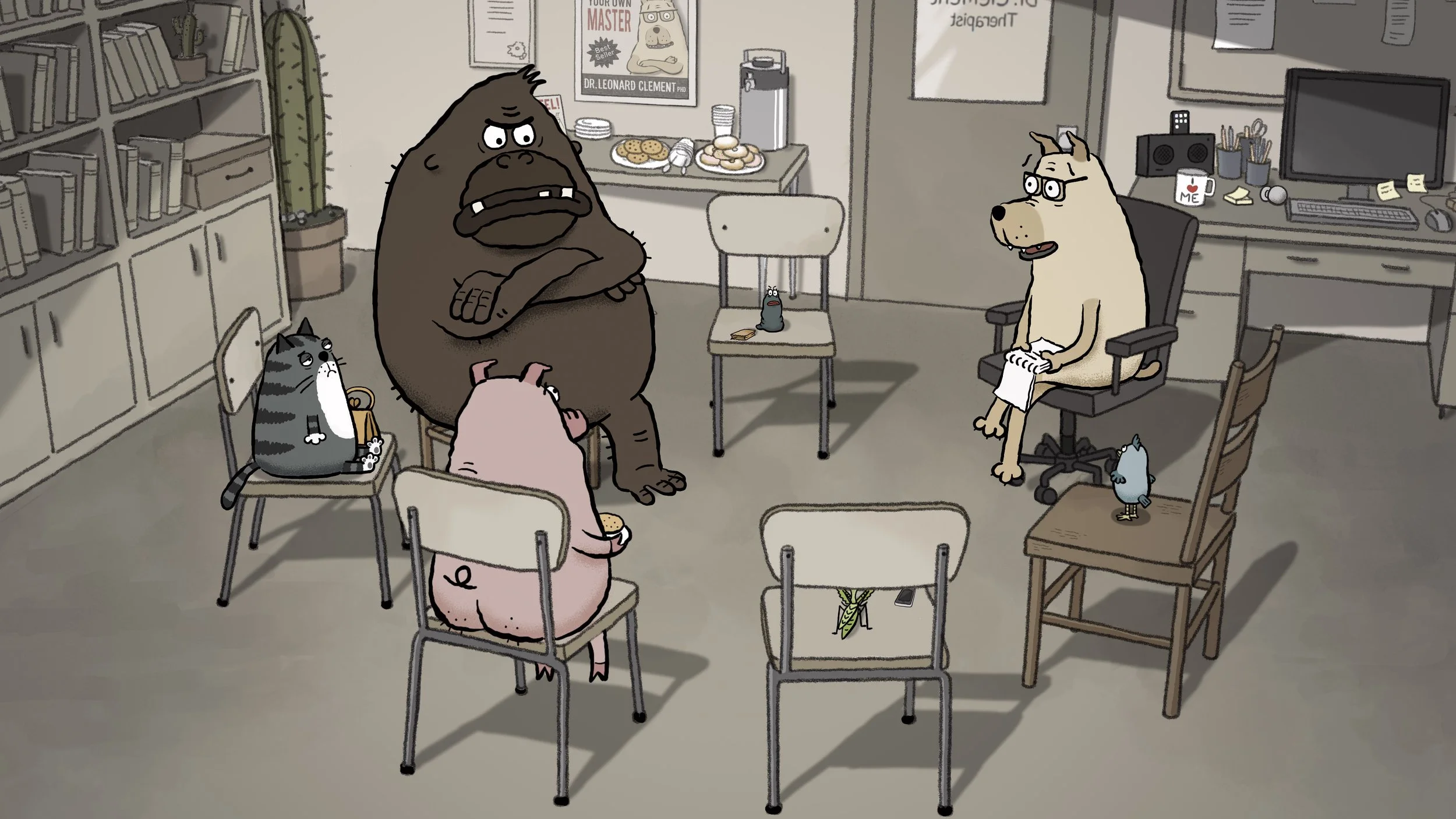
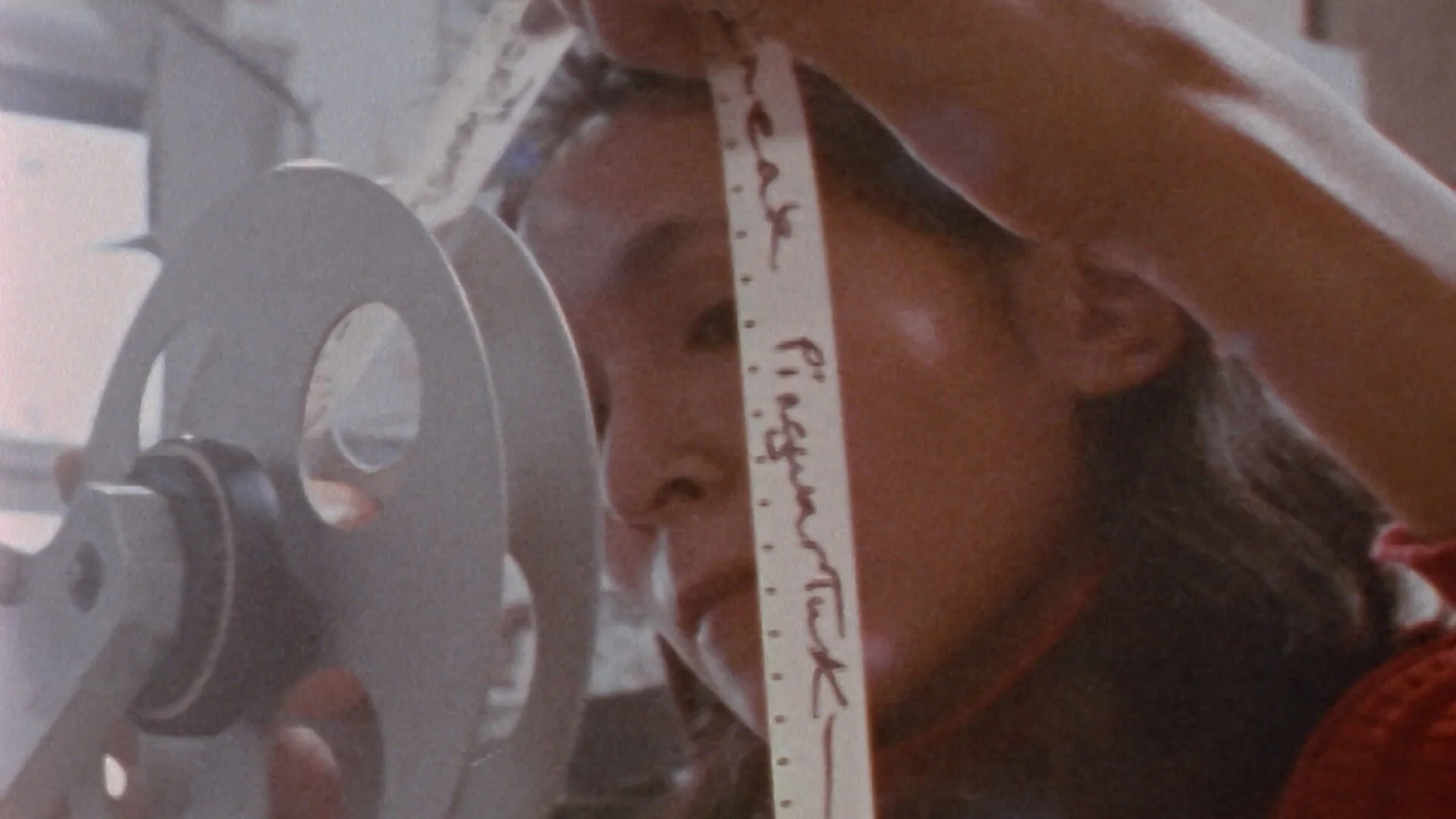
Clockwise from top left: “The Palace”, Starwalker, and Pride & Prayer.
The Vancouver Queer Film Festival runs at various venues from September 11 to 21
AS THE VANCOUVER Queer Film Festival kicks into gear this week, here is a look at some of the new features—plus some standout shorts.
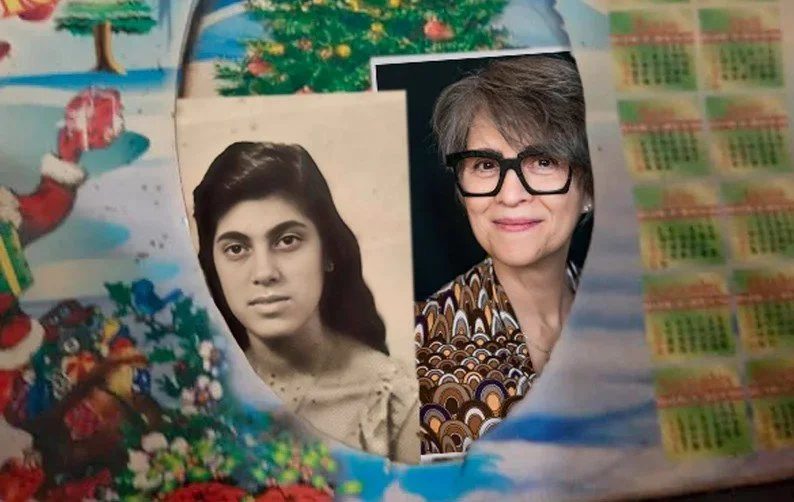
Pride & Prayer
September 21, 3:15 pm at the International Village
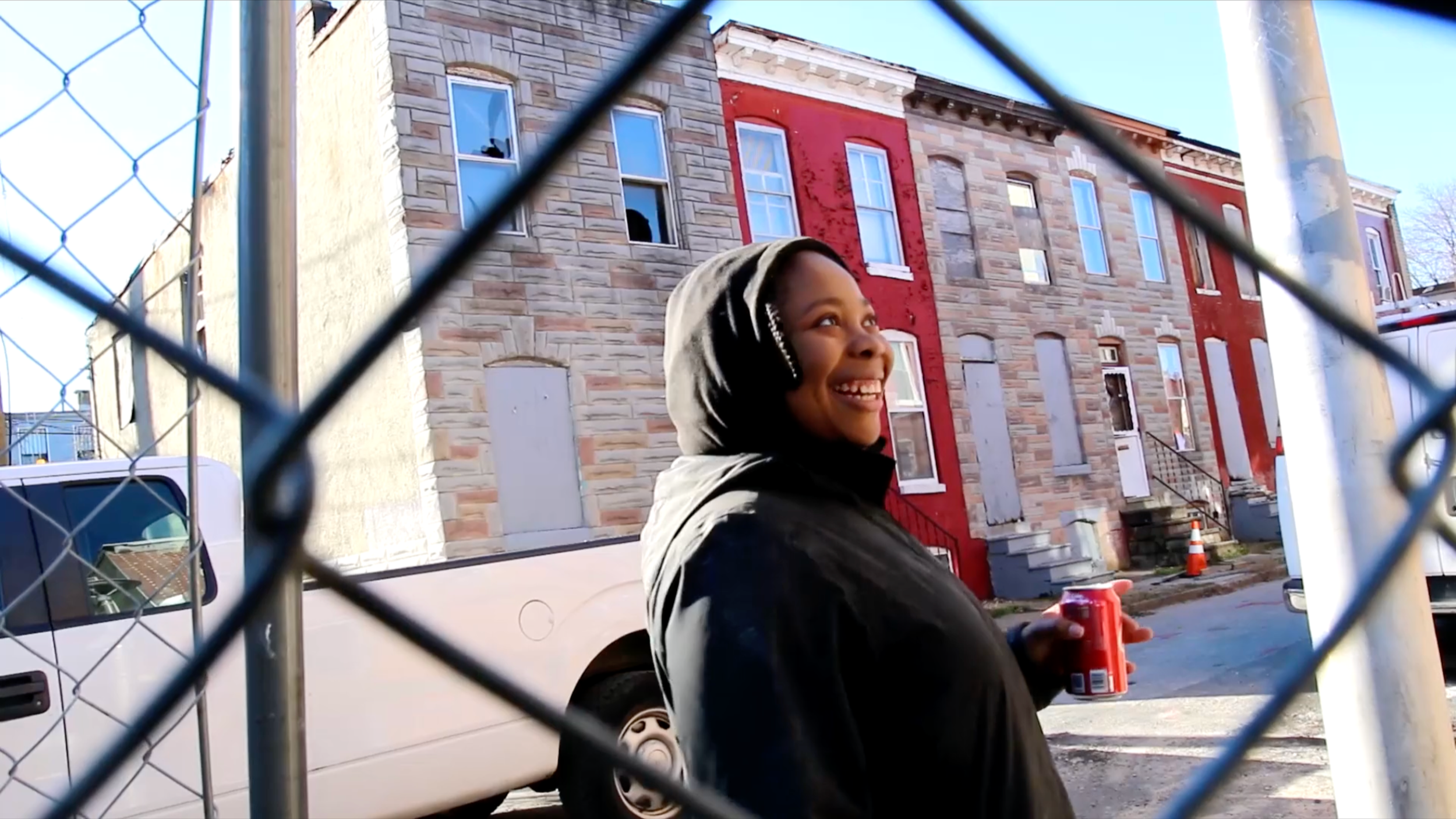
Panta Mosleh’s Pride & Prayer boldly reflects her intersectional identity, functioning simultaneously as a memoir, a portrait of culture and immigrant community, and a declaration of her arrival as a serious filmmaker with something to say. Depending on who’s watching, some issues in the film may feel familiar and introductory, while others will have little to no cultural frame of reference. That’s precisely why it’s poised to generate conversation as it enters the festival circuit.
The documentary serves as the queer Middle Eastern–Canadian filmmaker’s feature directorial debut, and will have its world premiere at this year’s Vancouver Queer Film Festival. It chronicles her familial history in immigrating to Canada, and her subsequent journey in grappling with her Muslim faith after coming out as queer.
Some might assume Pride & Prayer rests on an “us versus them” position against traditional, conservative Muslim values, but Mosleh’s directorial instincts deftly balance her personal history alongside greater political and generational context. The film is constructed around the question “Can a person be queer and Muslim?” But the film does not debate the question. Instead, it documents different responses from the Muslim community, and its impact on community and family ties. Mosleh’s parents, including her offscreen, deeply religious father, become central figures in Pride & Prayer’s tapestry of subjects. While Mosleh does not hold back her point of view in the documentary, she refuses to trivialize and simplify the biographies of those she challenges.
Mosleh’s work as a comedy writer and performer stands in contrast to her serious approach to Pride & Prayer. The documentary shows moments from her stand-up comedy, when moments of grief and trauma presented earlier in the film are recontextualized into something resonant and communal. By presenting different retellings of the same history, the film slowly dismantles our armour and binary thinking, replacing it with a sense of empathy that allows us to acknowledge the shared humanity of everyone onscreen. While the film tackles a surplus of personal and geopolitical issues that cannot be resolved by its credits, its focus and respect for its subjects ultimately sends a hopeful message without needless contrivance.
“Sorry for Your Cost”
September 21, 5:30 pm at the International Village
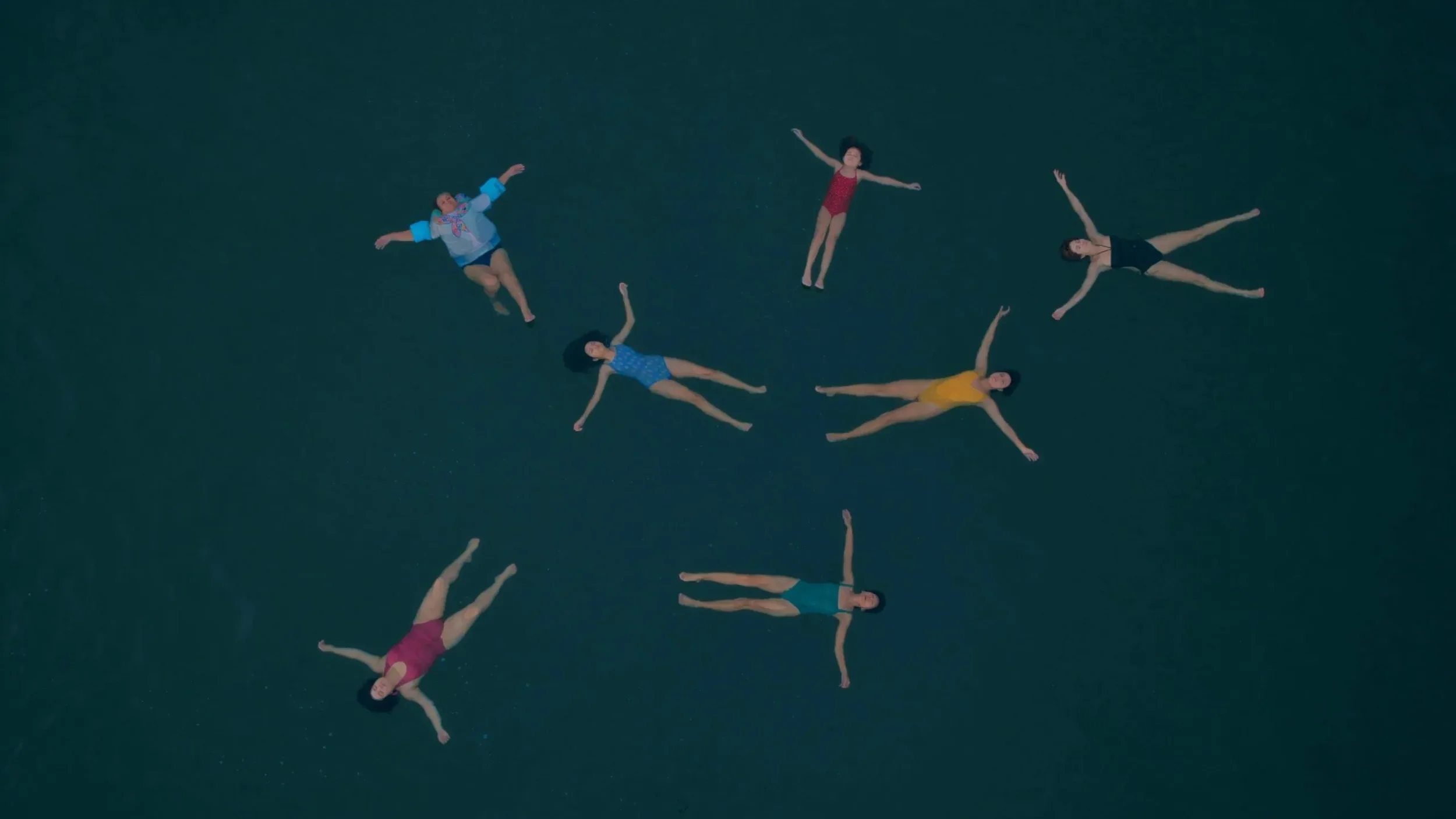
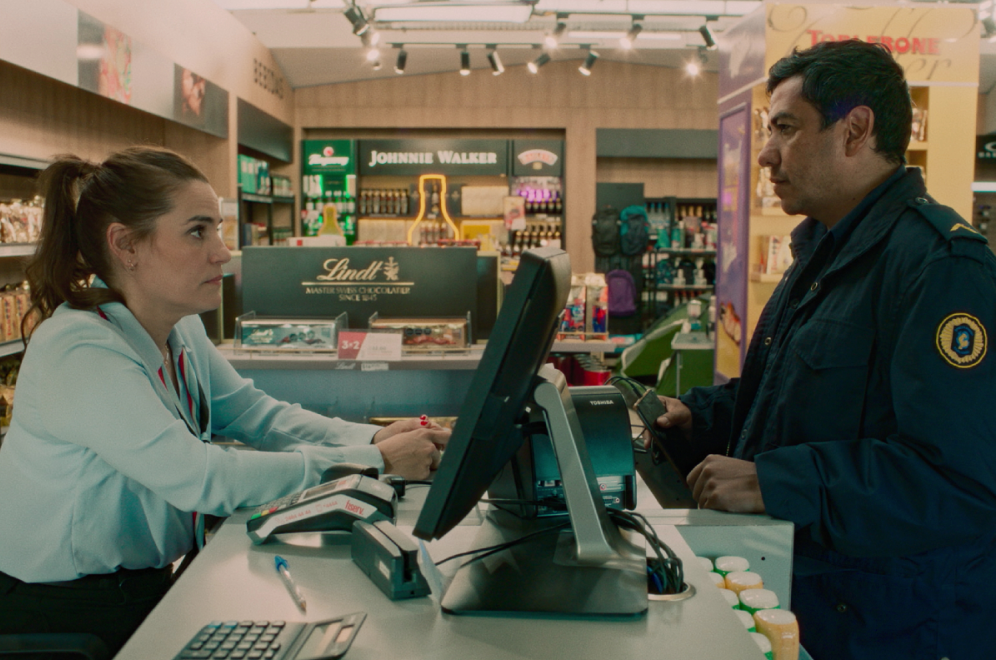
Chinese-Canadian filmmaker Rosie Choo Pidcock’s short film “Sorry for Your Cost” will strike the core of those familiar with grief and loss, and is a fitting addition to the Vancouver Queer Film Festival’s curated short film program For a Good Cry. This dark comedy focuses on the Zhang family as they are forced to confront the funeral industry in the aftermath of a tragic loss.
Pidcock brings an ironic sense of whimsy to the screen at the spa-like funeral company, juxtaposed with warm, reflective flashbacks of Ren’s family. Her directorial confidence is matched by the strong performances of the cast. Thanks to Adeline Lo’s vulnerable performance, Ren’s journey works well to externalize the rumbling truths of a young adult. The price of entry—whether for Ren’s aspirations or for a casket—lends poignant layers to the film’s final moments. “Sorry for Your Cost” is a nuanced, moving nod to the working-class immigrant family experience.
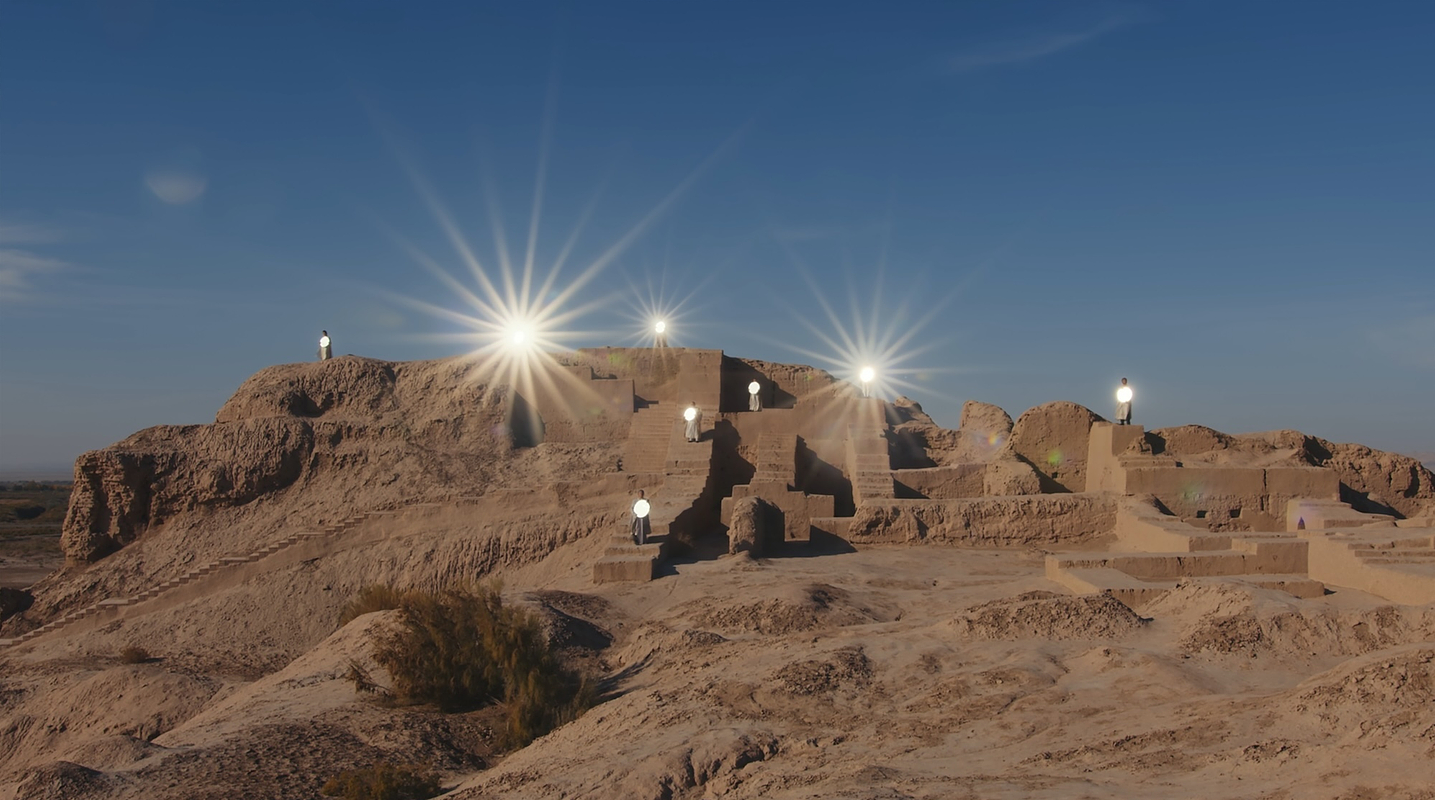
“The Palace”
September 19, 6:30 pm at the International Village
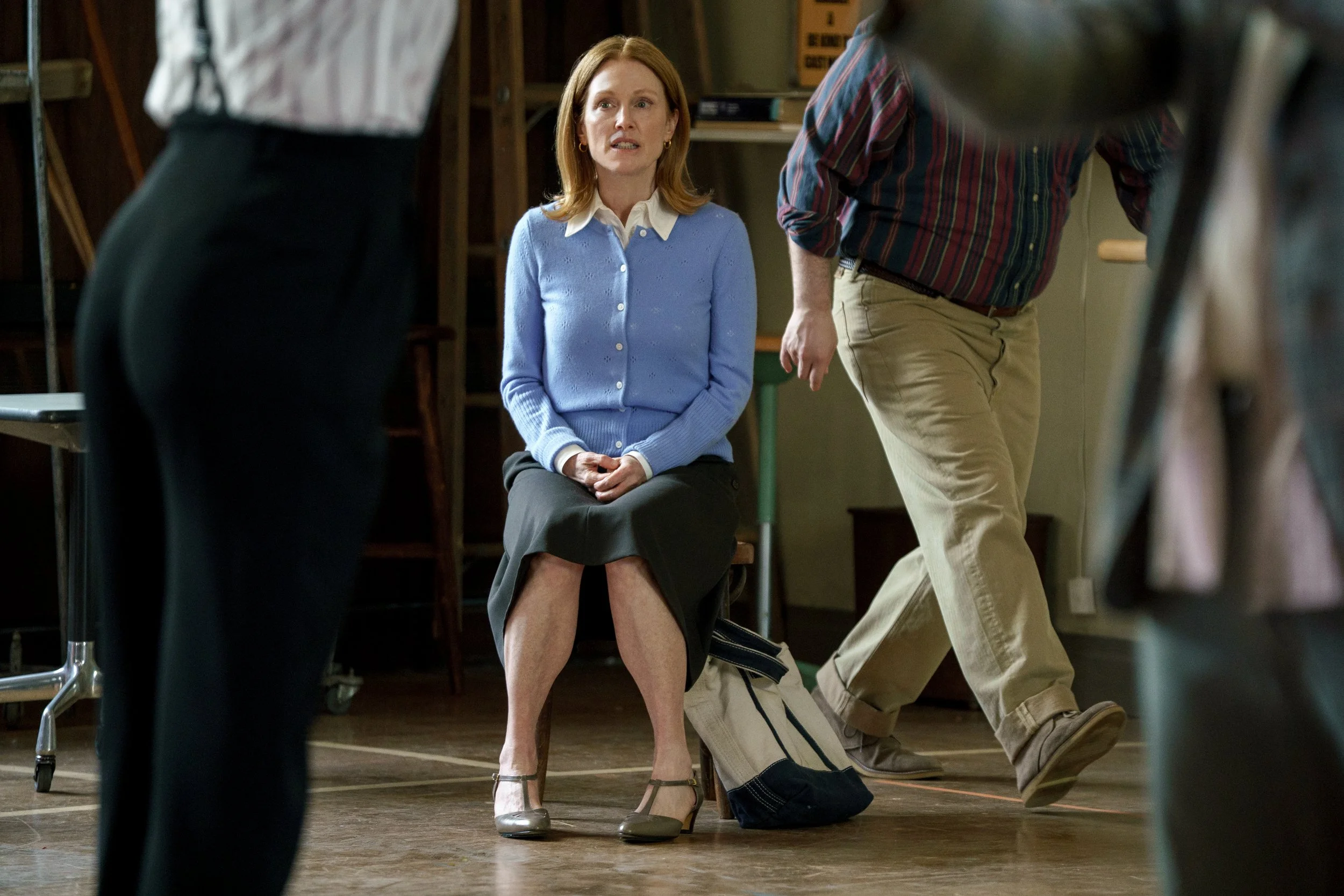
“The Palace” is a tight, expertly crafted meditation on queer awakening, and joins the Vancouver Queer Film Festival’s curated short-film program The Coast Is Queer for its world premiere.
The latest project by Canadian filmmaker Lauren Marsden displays her sharp eye for detail, and brings an evocative edge to a simple story about a teenage girl and her crush.
Despite its economical runtime, there is plenty of subtle world-building that elevates the story. “The Palace” leaves an impression without easy answers, and its surrealist storytelling creates rich metaphors for the repressed shame and existential angst of our first desires. Fans of queer cinema and explorations of abjection will find plenty to admire and much to discuss.
“Jeez Louise”
September 19, 6:30 pm at the International Village
Ecuadorian-Canadian filmmaker Ana AJ Jimenez is set to debut their short film “Jeez Louise” at the Vancouver Queer Film Festival, and its irreverent nod toward queer adolescence is bound to make impressions as a part of the curated short-film lineup The Coast Is Queer. The film follows Mary Louise, a devout Catholic teenager whose steamy confession is overheard by her sex-positive, openly lesbian classmate.
In the confines of a confessional, the two charming leads and Jimenez’s absurdist humour make the most of this comedy-of-errors scenario. There is resilience inside the film’s raunchy humour, even if it refrains from diving too deeply into its implications. For younger and emerging storytellers, “Jeez Louise” is a reminder that a film project, regardless of its scope, can find resonance if it honours its intended audience.
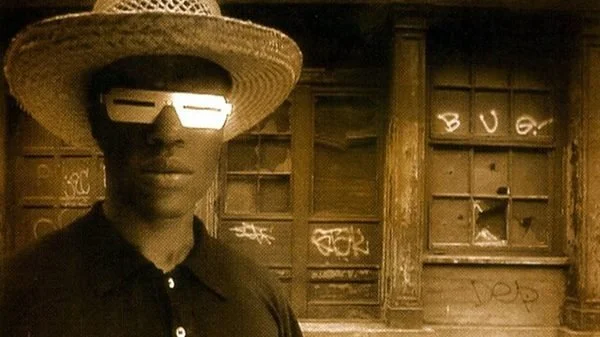
Starwalker
September 13, 5:15 pm at the International Village
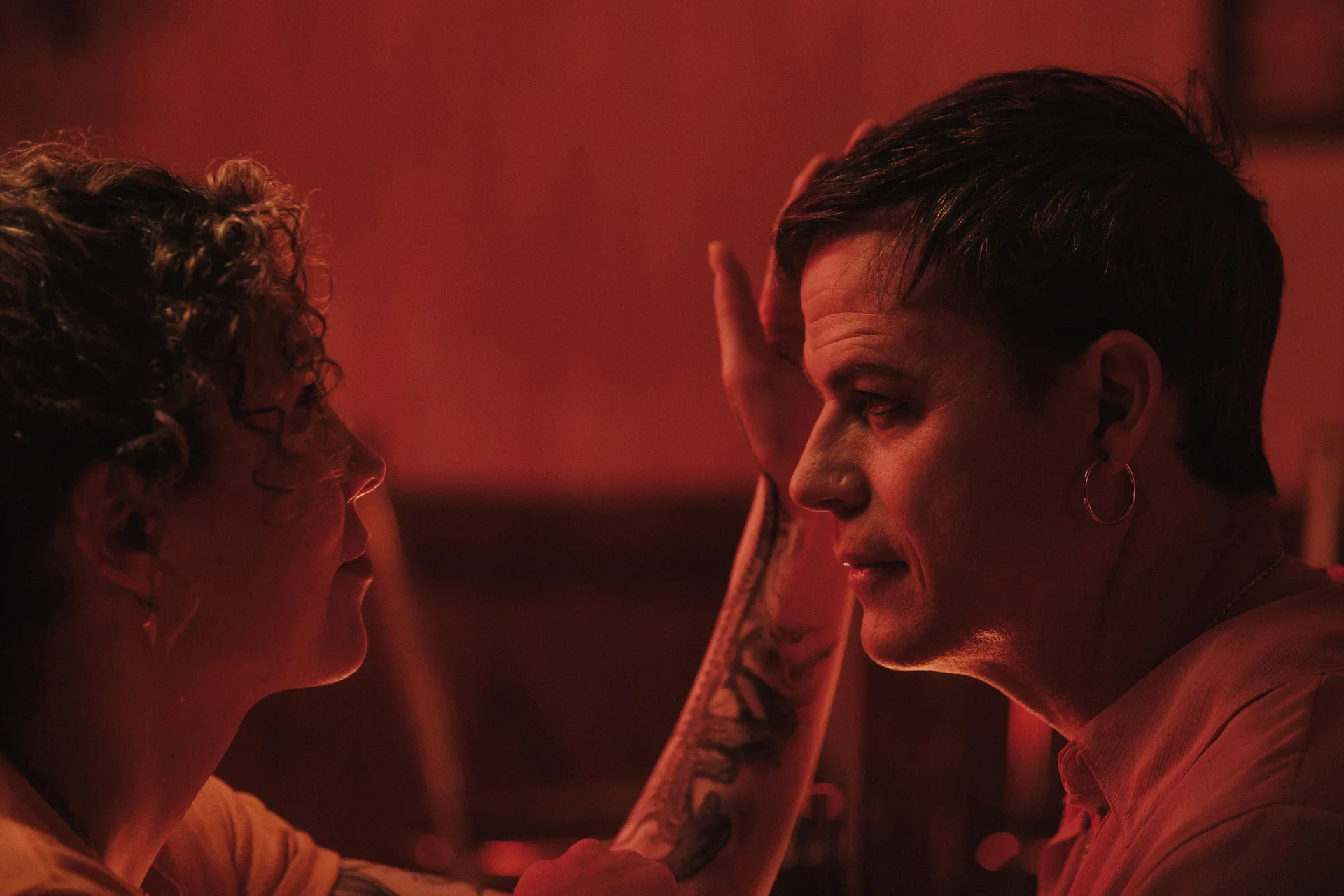
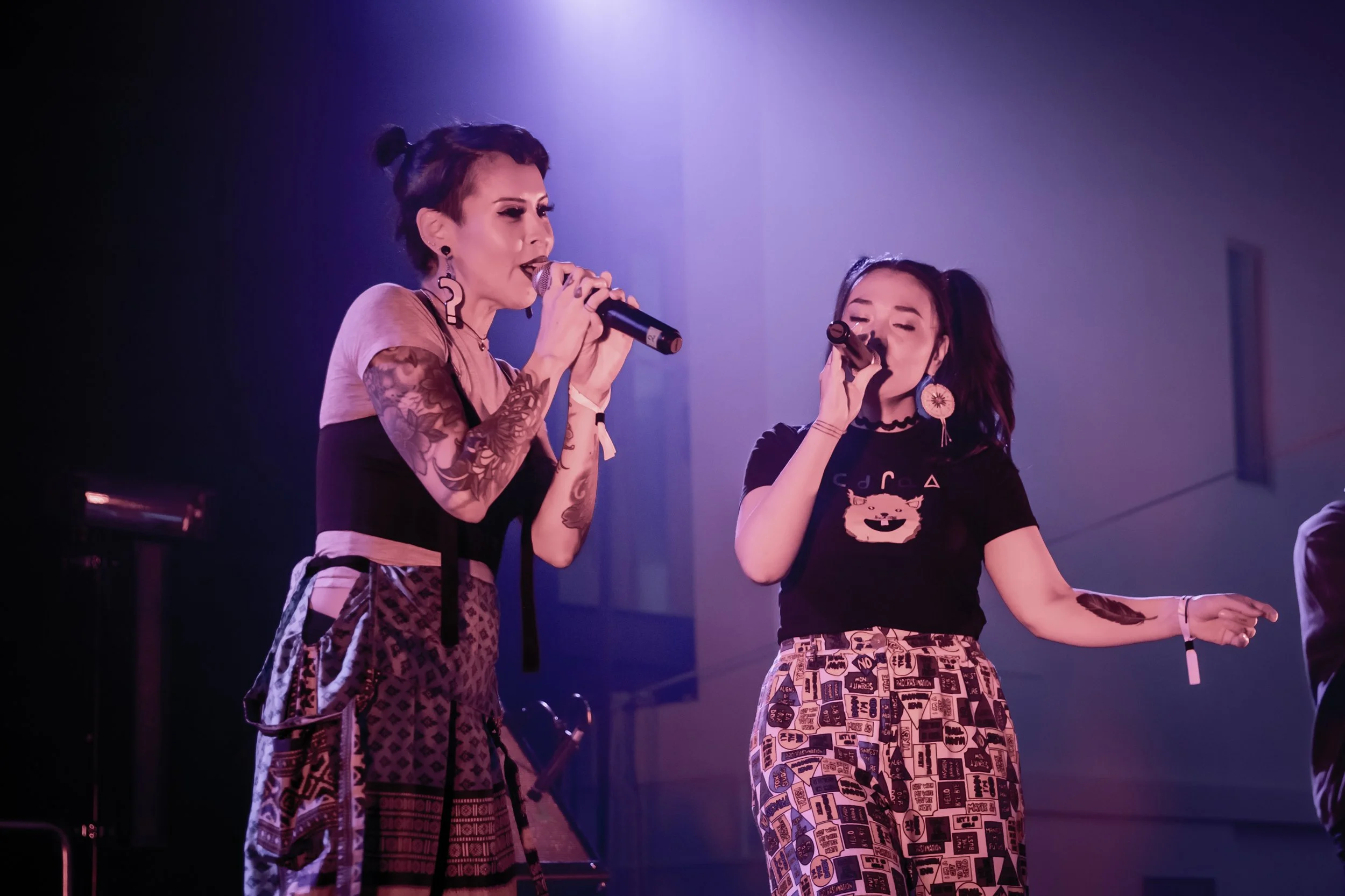
Award-winning interdisciplinary storyteller Corey Payette’s third feature film, Starwalker, comes at a time when queer, drag, and Indigenous communities face heightened challenges through legislative attacks, censorship, and public hostility. The story follows Star (Dillon Chiblow), an Indigiqueer 2-Spirit call boy who is introduced to the world of drag through the House of Borealis. Through neon lights, sequined outfits, and heartfelt performances from its fabulous cast, the film is a timely celebration of marginalized voices, and Payette’s labour of love.
Starwalker’s sound reflects Payette’s mission to centre Indigenous perspectives through musicals, and is the central pillar of the film during its nearly two-hour runtime. There is the expected yet welcome mix of classic musical-theatre numbers, alongside club tracks befitting of RuPaul’s Drag Race. This stands in stark contrast to Payette’s infusion of Indigenous sounds, instrumentation, and ceremonial dance during climactic moments in the film. The result is a sonically and spiritually healing alchemy of the trauma faced by the Indigenous and 2SLGBTQIA+ communities.
As with its predecessors in shoestring-budget musical dramas, such as the 2007 film Once, the viewer’s experience of Starwalker rests on the musical material and the filmmaker’s mission-driven determination. Despite its healthy runtime, there is little breathing room between musical numbers. Subsequently, several plot lines inside the House of Borealis would have benefited from more scenes and dramatic development.
Despite these limitations, Starwalker proves that this story is more than worthy of a larger stage and bigger production. Chiblow’s earnest portrayal of the protagonist belies the burden of responsibility on his shoulders, both as Ojibwe storyteller and as representative voice for drag and queer communities. In its dazzling numbers and celebration of marginalized communities, Starwalker is another timely entry in Payette’s advocacy-driven body of work. 

Related Articles