In Batshit, Aussie artist unpacks grandmother’s psychiatric mistreatment in unexpected ways
Drawing on everything from absurd comedy to cabaret, Leah Shelton ties family tragedy to a system that still pathologizes women as “hysterical”, “high-strung”, or god forbid, “hormonal”
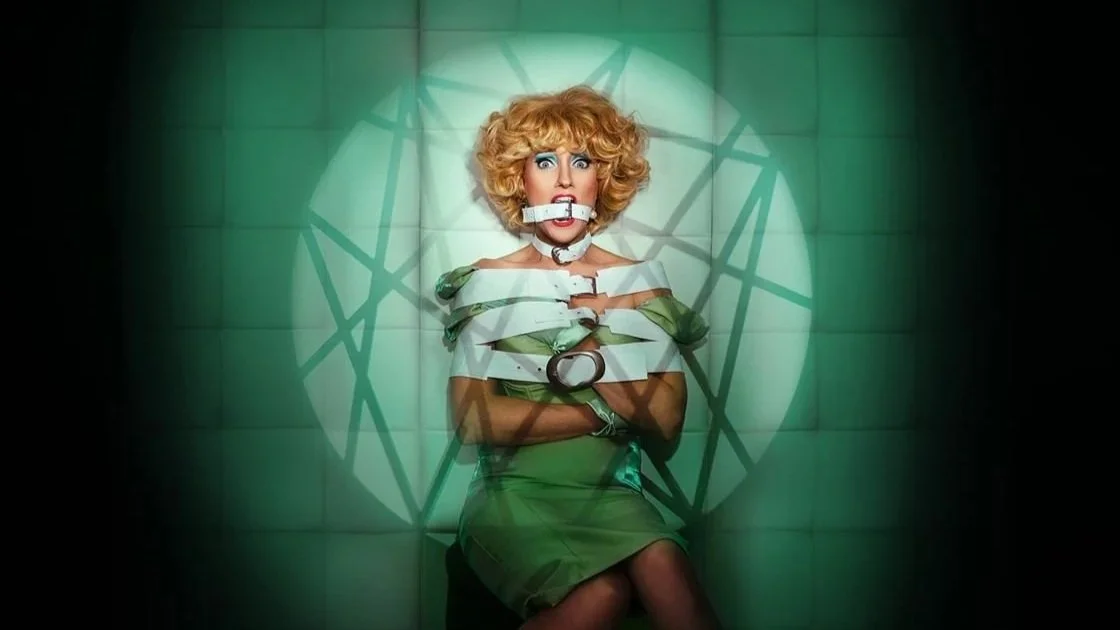
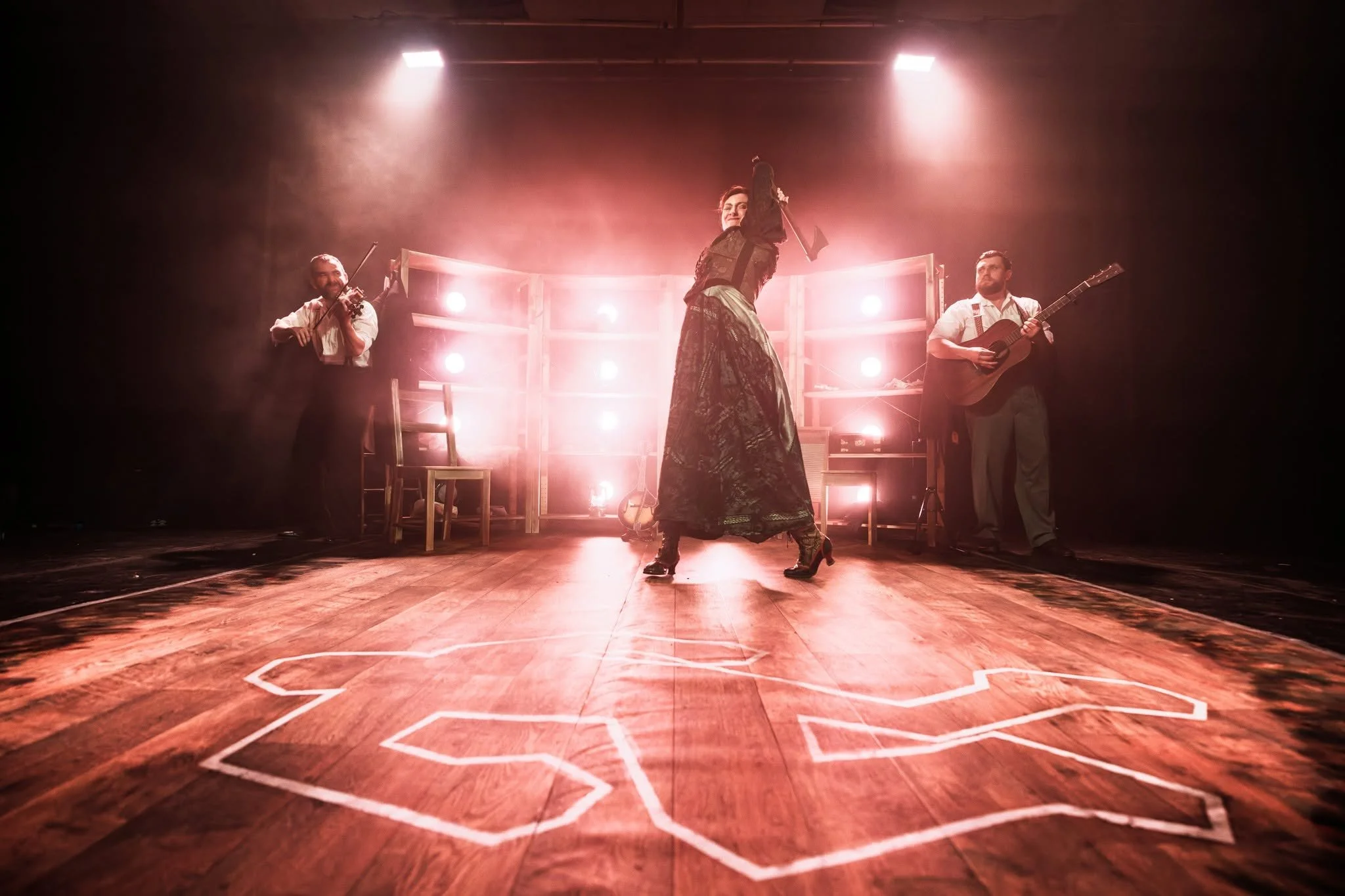
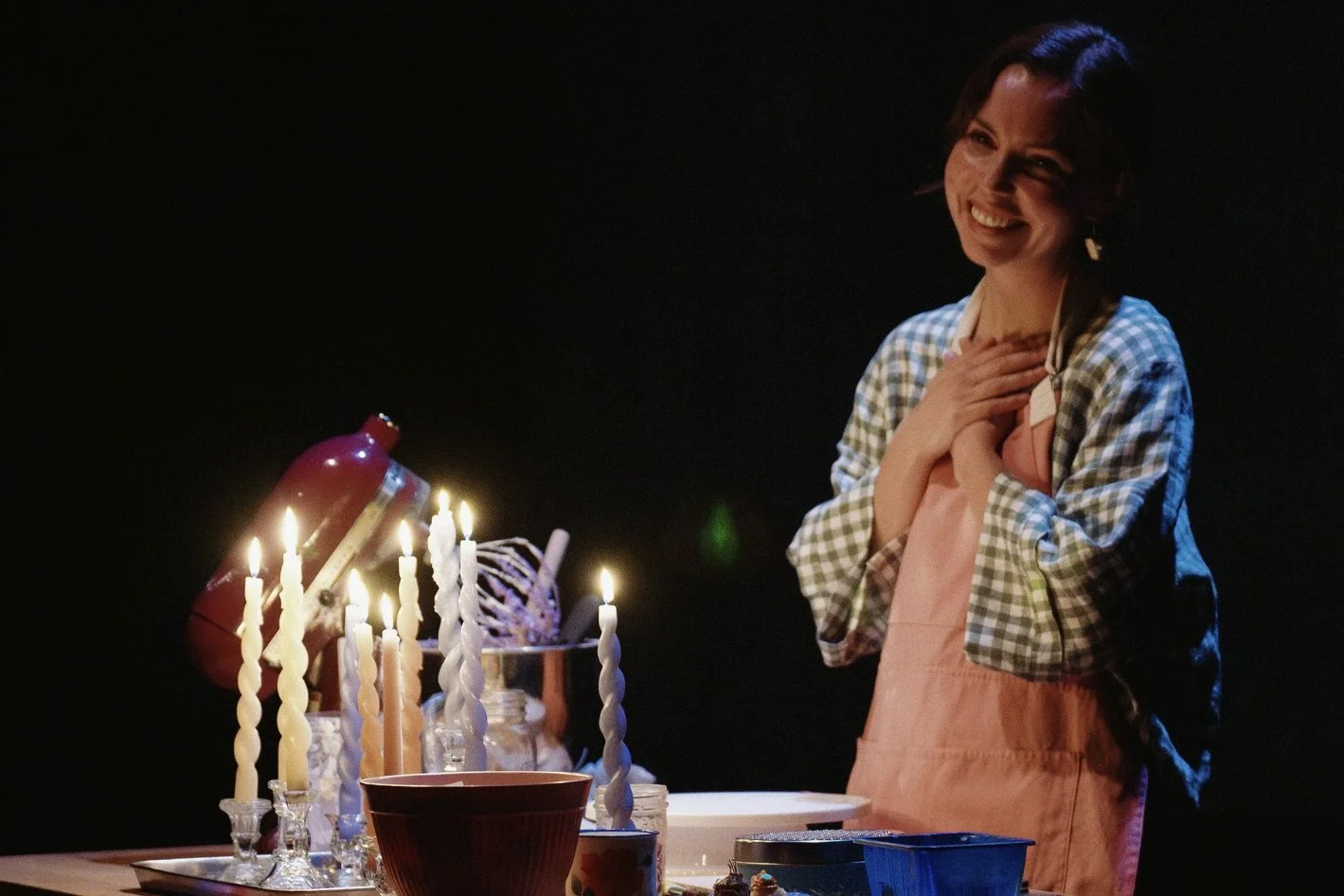
Leah Shelton in Batshit. Photo by Pia Johnson
The Cultch presents Batshit at the Historic Stage from February 11 to 15, as part of the Warrior Festival
AUSSIE THEATRE ARTIST Leah Shelton’s journey to making Batshit centred around the tragedy of her grandmother Gwen, a woman whose desire to leave her husband in the 1960s was met with incarceration in a psychiatric hospital, drug cocktails, and electroshock therapy.
The fact that Gwen’s granddaughter can now take that story and meld it with surreal cabaret touches, Judy Garland songs, pop-culture references, and absurd comedy is a testament to Shelton’s creative courage—and at least a little of the same feistiness that Gwen showed.
When the genre-defying solo work kicks off The Cultch’s Warrior Festival this week, audiences will see a moving, multilayered look not only at the way Shelton’s grandmother was treated for not fulfilling her role as a housewife, but also at women caught in a system that carries on today, pathologizing their behaviour as “hysterical”, “high-strung”, or god forbid, “hormonal”.
“I have always been interested in the stigmatization of the ‘crazy woman’—you know, that trope and the idea of how disempowering it is to be called crazy or to be told to calm down, and how it’s often used as a tool to control us,” the artist tells Stir on a video call from home on a sweltering-hot day in Brisbane.
Here’s what Shelton knew about Gwen, the eccentric grandmother she grew up with: in the 1960s, after suffering a miscarriage, Gwen expressed her desire for a divorce, and was signed in to a psychiatric hospital by her own husband, where electroshock treatments followed. With the encouragement of U.K. director and celebrated provocateur Ursula Martinez, Shelton dug deeper during the creative process for Batshit, eventually filing a Freedom of Information request for Gwen’s old medical files. She was deeply disturbed by what she found in those records.
“It was worse than I could have imagined ,” Shelton relates. “Some of that language was really so condescending, with doctors’ handwritten notes and dated entries, saying, ‘Mrs. Cooper is still dithering about whether to leave her husband, so I think the full course of ECT is warranted.’ Like that’s the kind of verbatim line from the record.
“That was a lot to take in,” she continues, “and so it really shifted the focus of the work to become more—much more. So it’s autobiographical, but it’s also looking more broadly at the historical ramifications, from the origins of the ‘wandering womb’, the origins of the word ‘hysterical’ and ‘hysteria’, to today and the way that women are treated.”
The project became deeply personal for Shelton, who realized her mother—who speaks via voice-over in the work, sharing memories—had to become an integral part of the process.
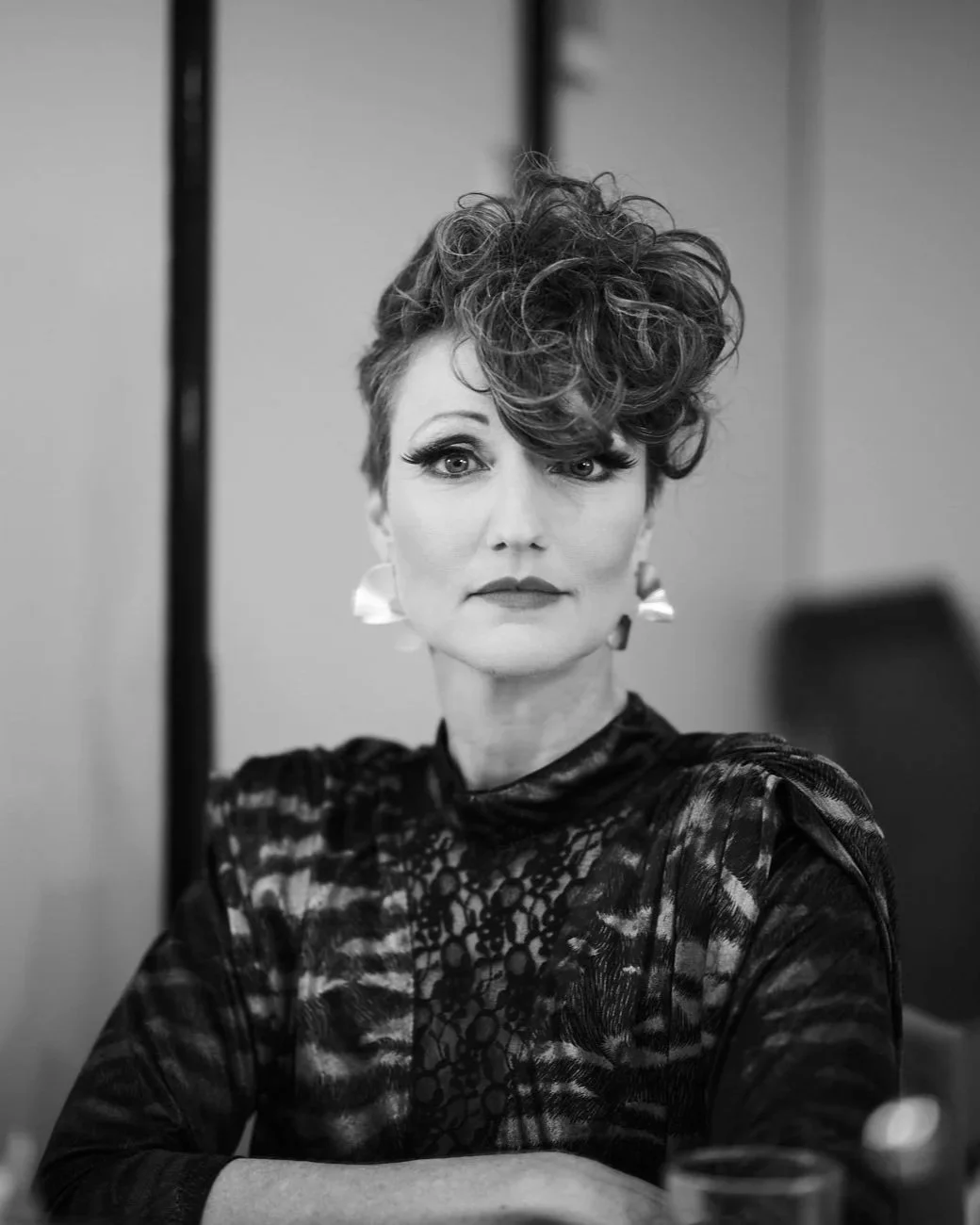
Leah Shelton
As mentioned, the work is surprisingly funny—sometimes uncomfortably so. Batshit is full of the bold touches you might expect from someone whose background spans dance, cabaret, and circus—not to mention close work with Lisa Fa’alafi, the provocative talent behind the hit Hot Brown Honey, which has also played The Cultch in the past. Shelton and Fa’alafi are co-directors of the Australian feminist collective Polytoxic.
In Batshit, the surreal set finds Shelton decked out in the exaggerated glamour of a frothy green ball gown, heels, and gloves—offset by a mouth gag of the very kind once used in psychiatric hospitals. When Shelton is not dancing around, she’s lying on a mid-century chaise longue that sits atop document file boxes, amid institutional white tiles. A retro TV set and live camera feeds play with ideas of surveillance and control.
“I think using humour is often a way we can disarm ourselves and we can actually discuss things that are uncomfortable or awkward or connect to them in a different way,” the artist explains. “For me, the absurd imagery and the sort of schlock horror and the melodrama: it’s a world that I love to play in. You have this ridiculous image of a woman in a frothy prom dress, but wearing a mouth gag and telling terrible stand-up jokes about, you know, ‘crazy women’.
“It can be a way to really interrogate something from different angles,” she adds, “and also, like my dad used to say, ‘Make them laugh.’ If you can entertain them, then you’ve got people on side, and there’s a trust, you’re building trust with each other. That’s a step too, towards modelling the type of world we want, isn’t it?”
Shelton thinks her grandmother might have been proud of the way her granddaughter has revisited her mistreatment—though she imagines Gwen, who was never short of opinions, might have had a few ideas about it. “But I think that she’d have this sense that maybe her story has been heard and the way she was treated has been questioned,” Shelton offers. “I hope that it would mean something to her and give her sort of a sense of agency or a sense of being seen that she maybe didn’t have during her lifetime.”
As for what Shelton wishes she could tell the late grandmother she met as a child? You’ll get to find out in detail in some of the show’s most moving moments.
“I’d tell her the things that I say to her in the letters at the end, which is that I wish I knew her better,” Shelton says. “And I wish she didn't have to suffer such extreme, brutal treatment, where maybe kindness and time would have been better.” 
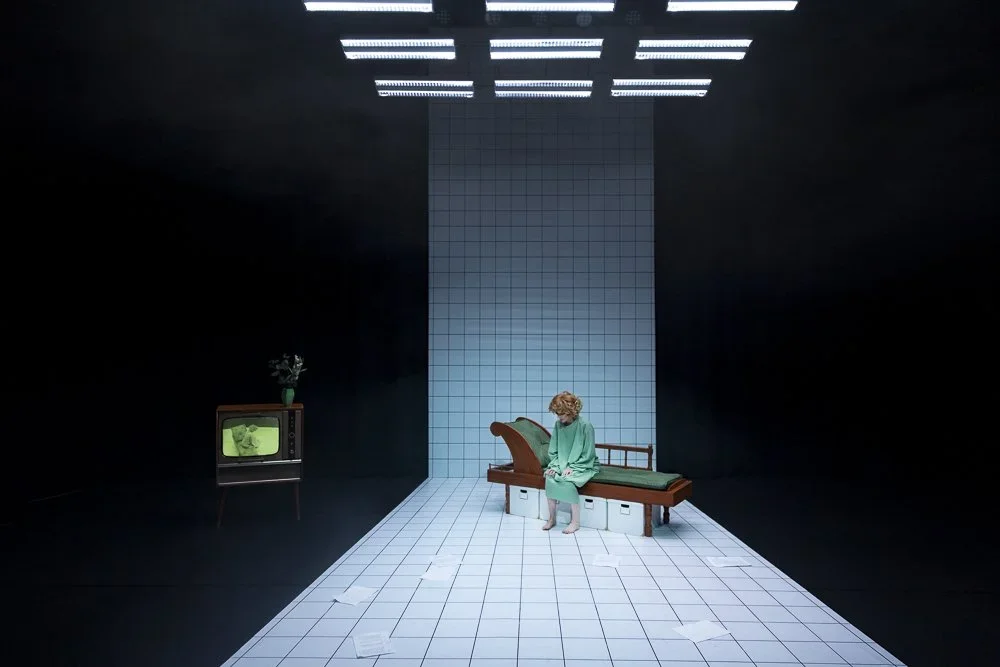
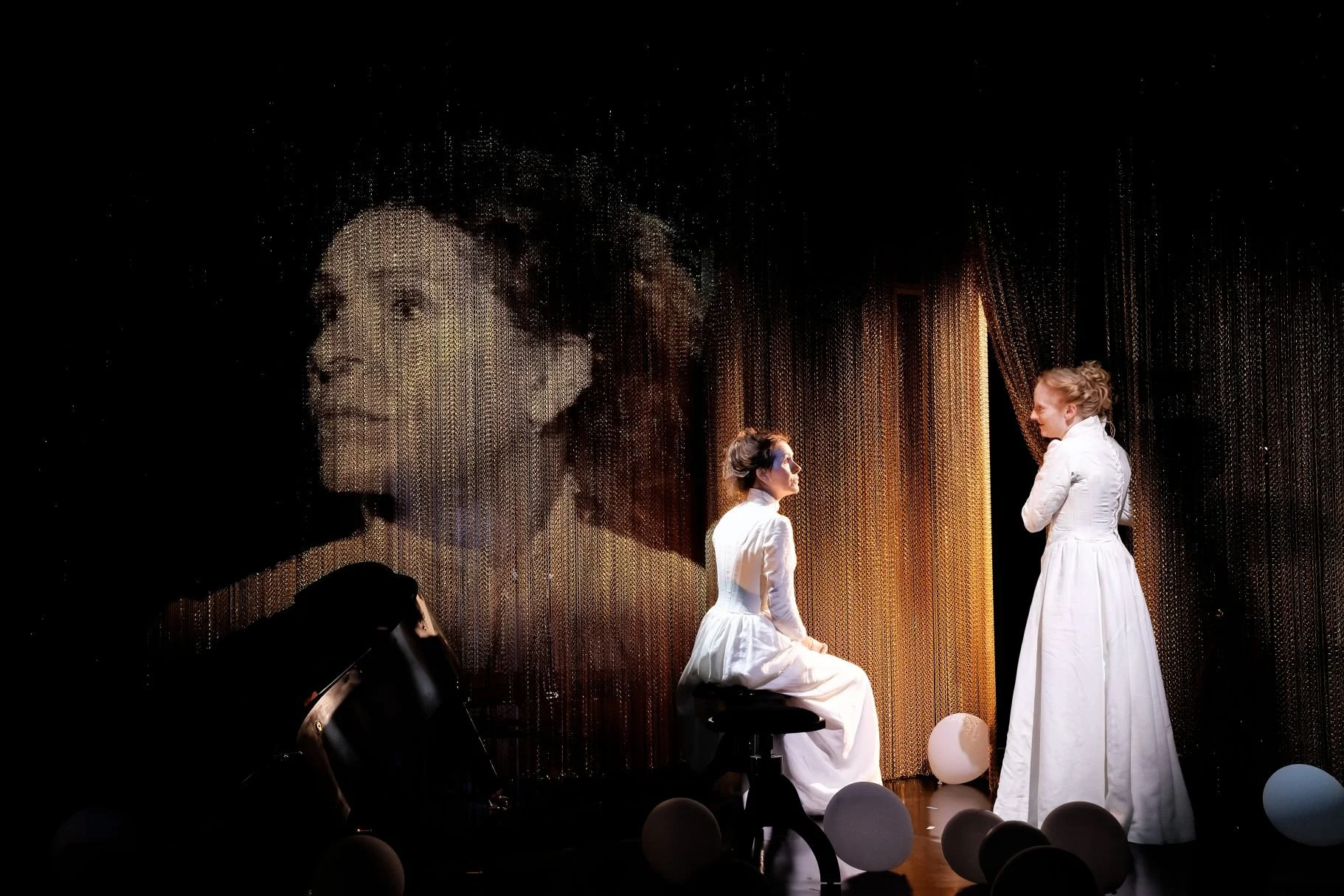
Batshit. Photo by Pia Johnson

Related Articles