At HOLD ON LET GO, Anjela Magpantay unpacks the weight of gifts and absence
In her show titled it is for when you meet me, the creator and performer explores what it means to give and receive through the Filipino tradition of pasalubong and balikbayan boxes
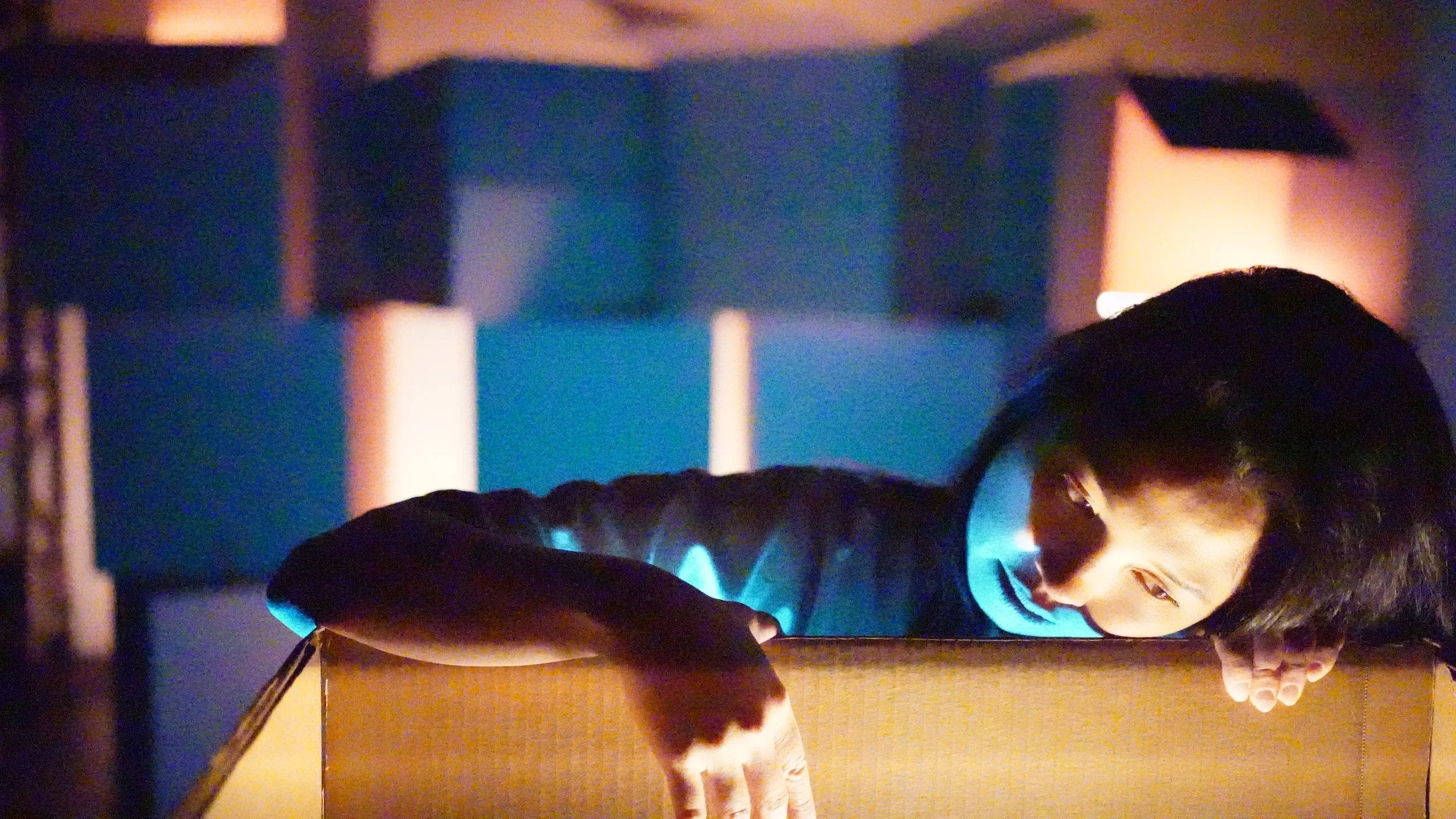
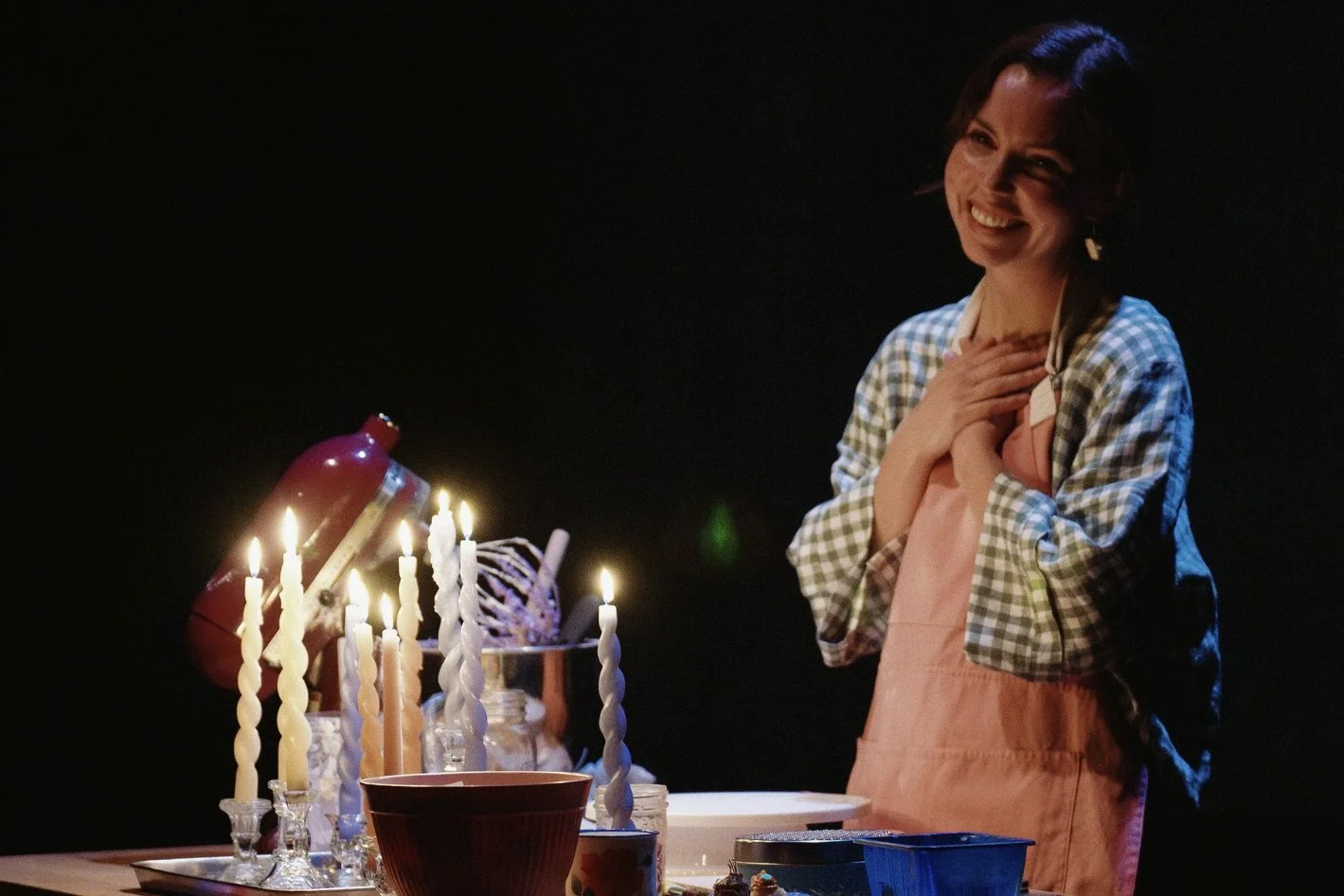
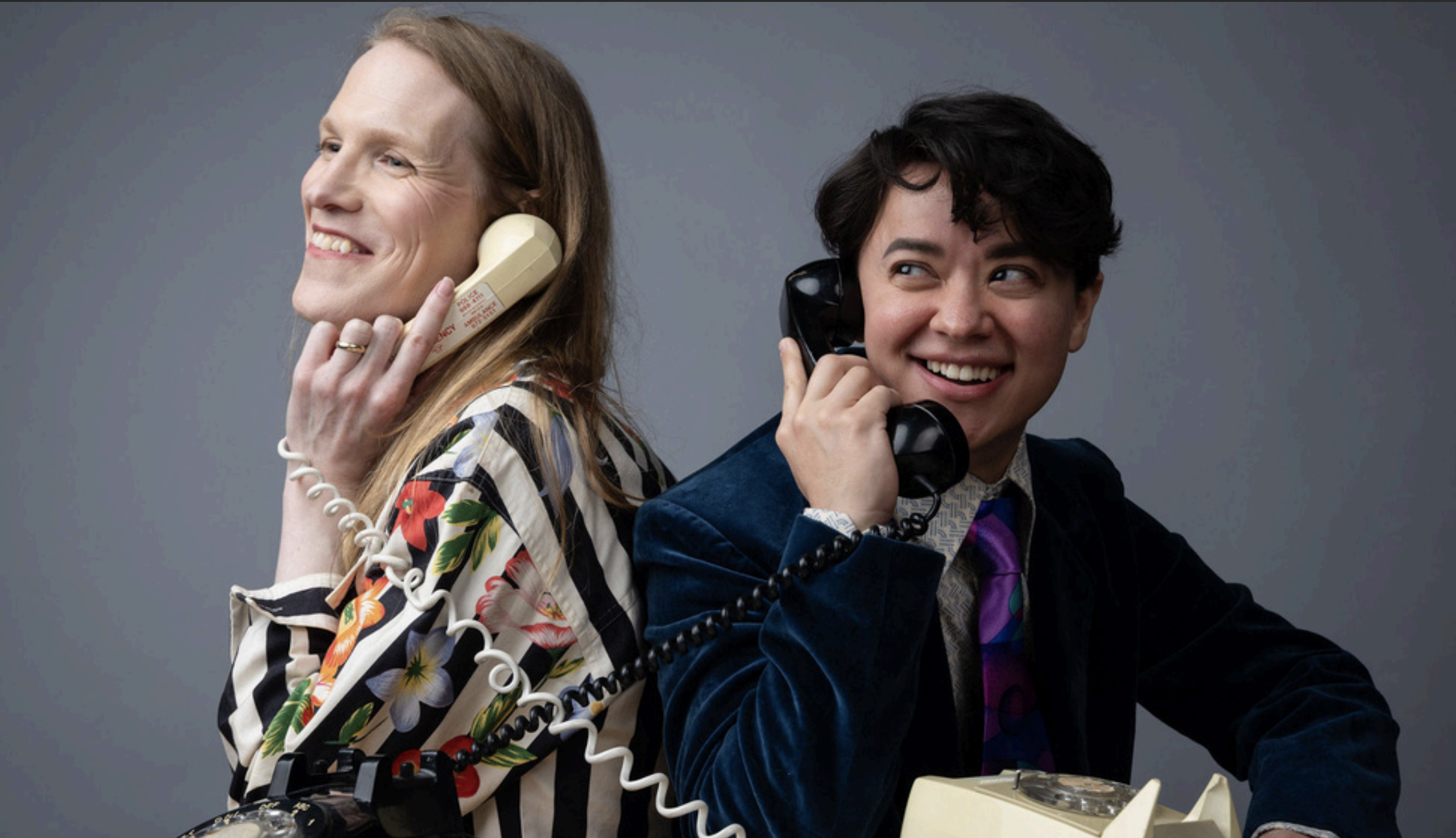
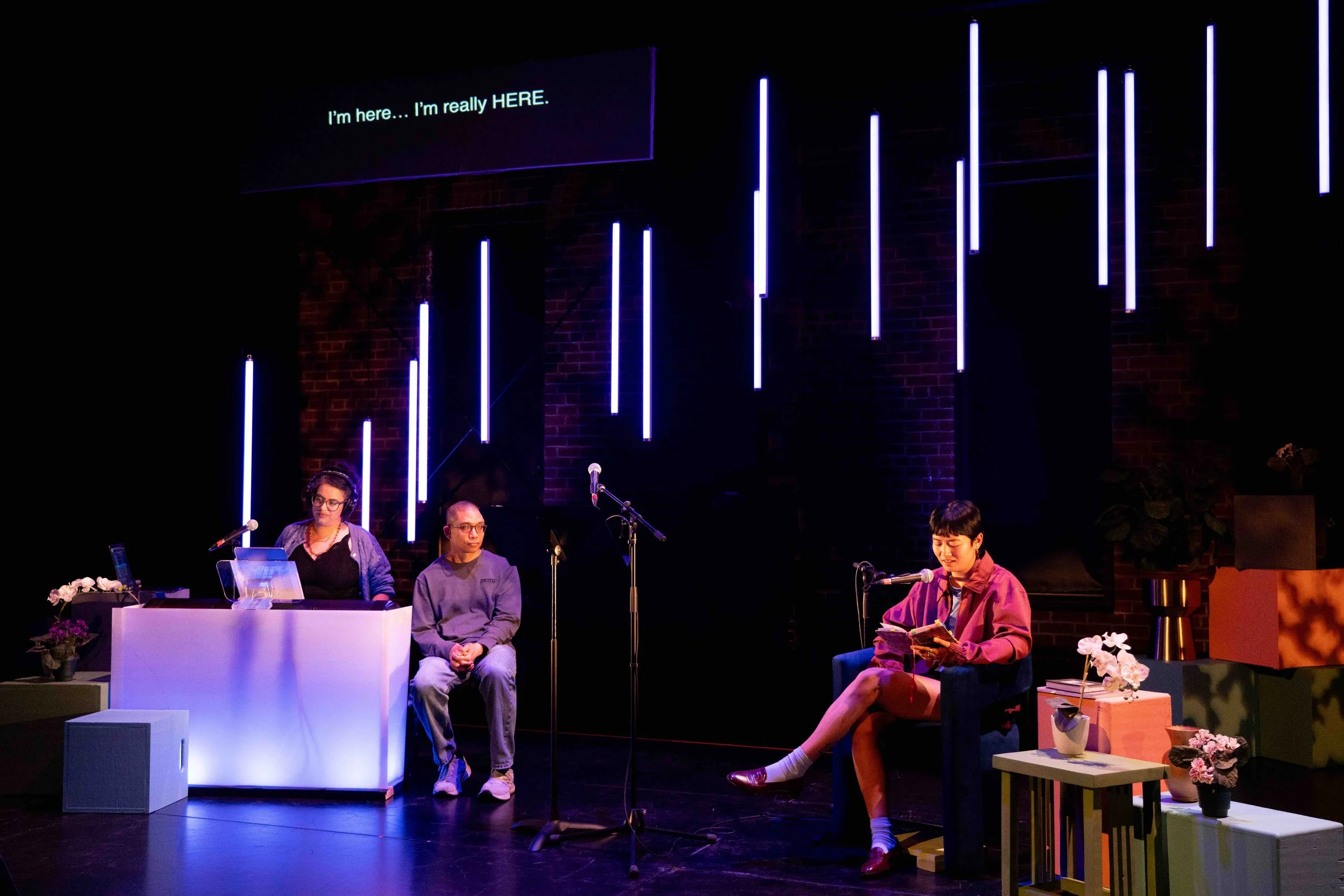
it is for when you meet me. Photo by Avyen von Waldenburg
HOLD ON LET GO presents it is for when you meet me at the Russian Hall on February 4 at 7 pm and February 7 at 2 pm
WHEN ANJELA MAGPANTAY sees balikbayan boxes at the airport, she often wonders whether non-Filipinos understand the heartfelt story behind them.
These large, sturdy cardboard boxes, wrapped elaborately in layers of duct tape and filled with an assortment of items for loved ones back home, are a familiar sight to members of the Filipino community. And for Magpantay, the care and longing placed into these boxes do not go unnoticed.
“As a Filipino, I see the care, but I wonder if other people can,” the Vancouver multidisciplinary artist tells Stir over Zoom. “So I thought this would be a great way to open up a little window for everybody else.”
That window opens at the Russian Hall on February 4 and 7, as part of Theatre Replacement and Company 605’s 16th edition of HOLD ON LET GO, the annual festival of contemporary experimental performance. Magpantay’s one-person show it is for when you meet me, which debuted as a work in development at last year’s fest, explores ideas of generosity, gratitude, and human connection through the Filipino cultural phenomenon of gift-giving. And in a room filled with nearly 50 cardboard boxes, audience members are presented with objects that are typically found in balikbayan boxes (spam, coffee, and much more), unpacking and partaking in the abundance alongside Magpantay.
Pasalubong (a word that directly translates as “a gift for when you welcome me”) is a tradition in which those travelling bring back thoughtful gifts for their friends and family. Filipinos living abroad have adapted this custom for situations where they are unable to return home immediately, filling balikbayan boxes with food, clothes, toiletries, and just about anything that they believe the recipients would like. Each item carries an unspoken, bittersweet message: “I am coming soon.”
“When you receive a pasalubong, it usually means that the person is not there. Your parent or friend or family member is not there, and in place of them, they send a balikbayan box,” Magpantay explains. “The show really touches deeply on the experience of loss that we all feel.”
Centred on this pattern of loving and longing, giving and receiving, Magpantay delves into her fascination with human attachment to everyday objects and the meaning we place upon them. She wonders why, for example, a person can’t let go of something as simple as a plastic fly swatter because it once belonged to their father.

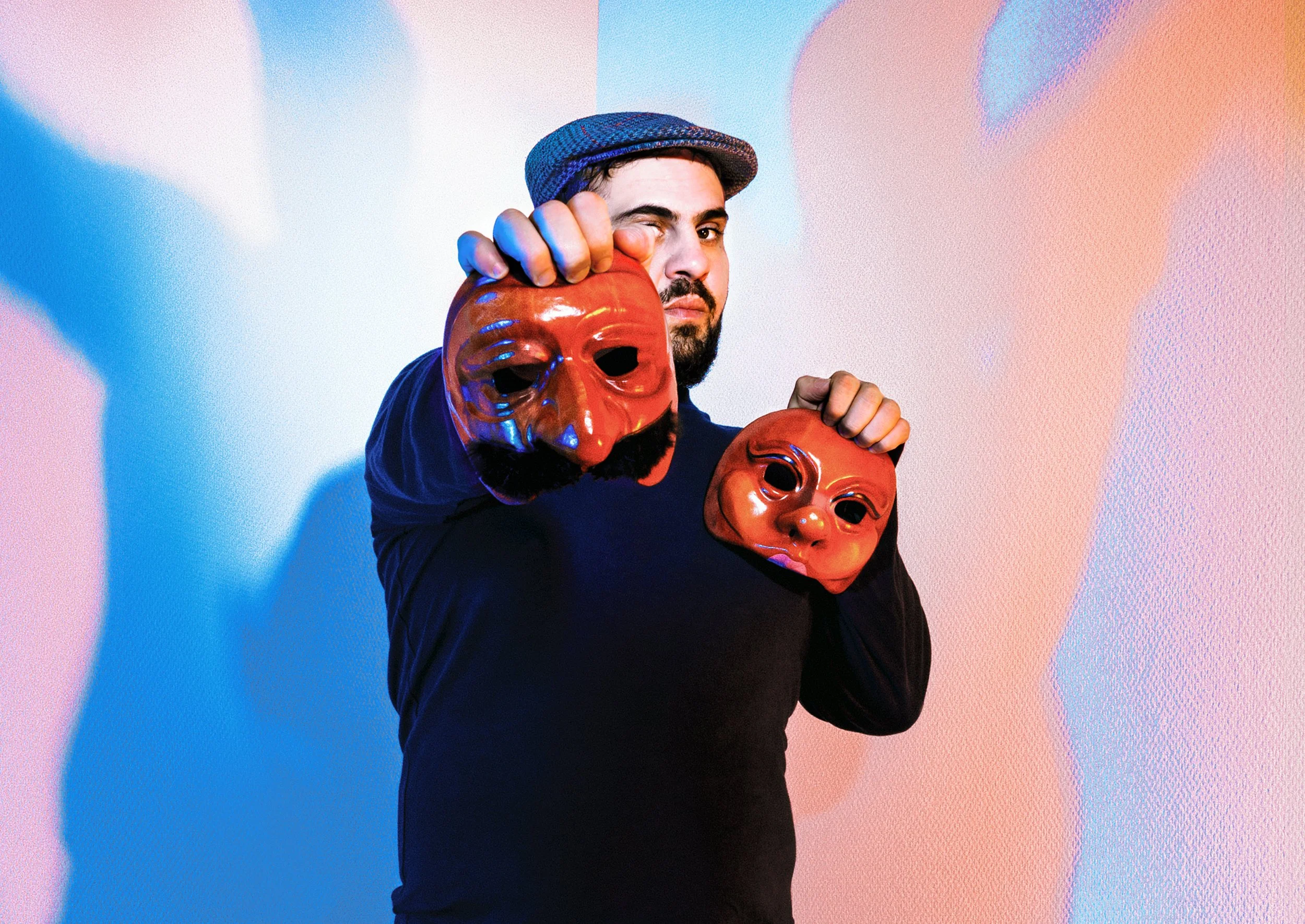
Anjela Magpantay. Photo by Pedro Augusto Meza
In creating what she calls a “collective story”, Magpantay shares how she was, and still is, negotiating the desire to “do right for the community”—a process in which she has grown to accept that she is not the sole representative for all Filipinos. Rather, she hopes that more Filipinos will contribute to the sharing of Filipino-Canadian stories that convey the community’s diverse perspectives and lived experiences.
Developed under the commission of Theatre Replacement’s COLLIDER Artist Residency, it is for when you meet me may be performed by one, but it reflects the story of many. Along with the unpacking of boxes, the 50-minute show features a medley of autobiographical material, verbatim texts, and personal family histories drawn from Magpantay’s interviews with members of the community.
Reflecting on her experience as a woman of colour, Magpantay deliberately takes up space—literally and figuratively—with her performance. The mountain of boxes—48 of them, to be exact—forms a portal she uses to lead the audience through the tradition of pasalubong. “It was so fun to just let the imagination take off, give permission to be ridiculous, and see where your humour goes,” she says of the creative process.
“They’re going to experience me quite literally giving them gifts and receiving pieces of me,” she adds. “We’re unpacking together what it means to gift a present, what it means to receive a balikbayan box, and relating to that as not just a specific cultural practice, but as humans missing somebody and feeling the absence of that person.”
As for how the audience will respond to the objects presented, Magpantay says it’s up to the individual. “I don’t necessarily want to hand-hold an experience for an audience; I make an offering and it’s up to you how you feel,” she says.
It is for when you meet me raises questions that have no clean answers. When people are separated by distance for years, gifts become time capsules that capture a loved one as you remember them: a generic purse chosen for someone whose tastes have long since evolved, or a can of Spam evoking beloved childhood memories.
“Is it the gesture? Is it the thought that counts?” Magpantay asks. “I don’t know. I think that the piece will offer space for the audience to really think about gratitude and loved ones who we can’t physically get to because of various circumstances.” 

Related Articles