Theatre review: You’re Just a Place That I Know is a moving musical reflection on family and memory
Based on Adrian Glynn McMorran’s album of the same name, the show at the Arts Club’s BMO Theatre Centre is more than just a concert
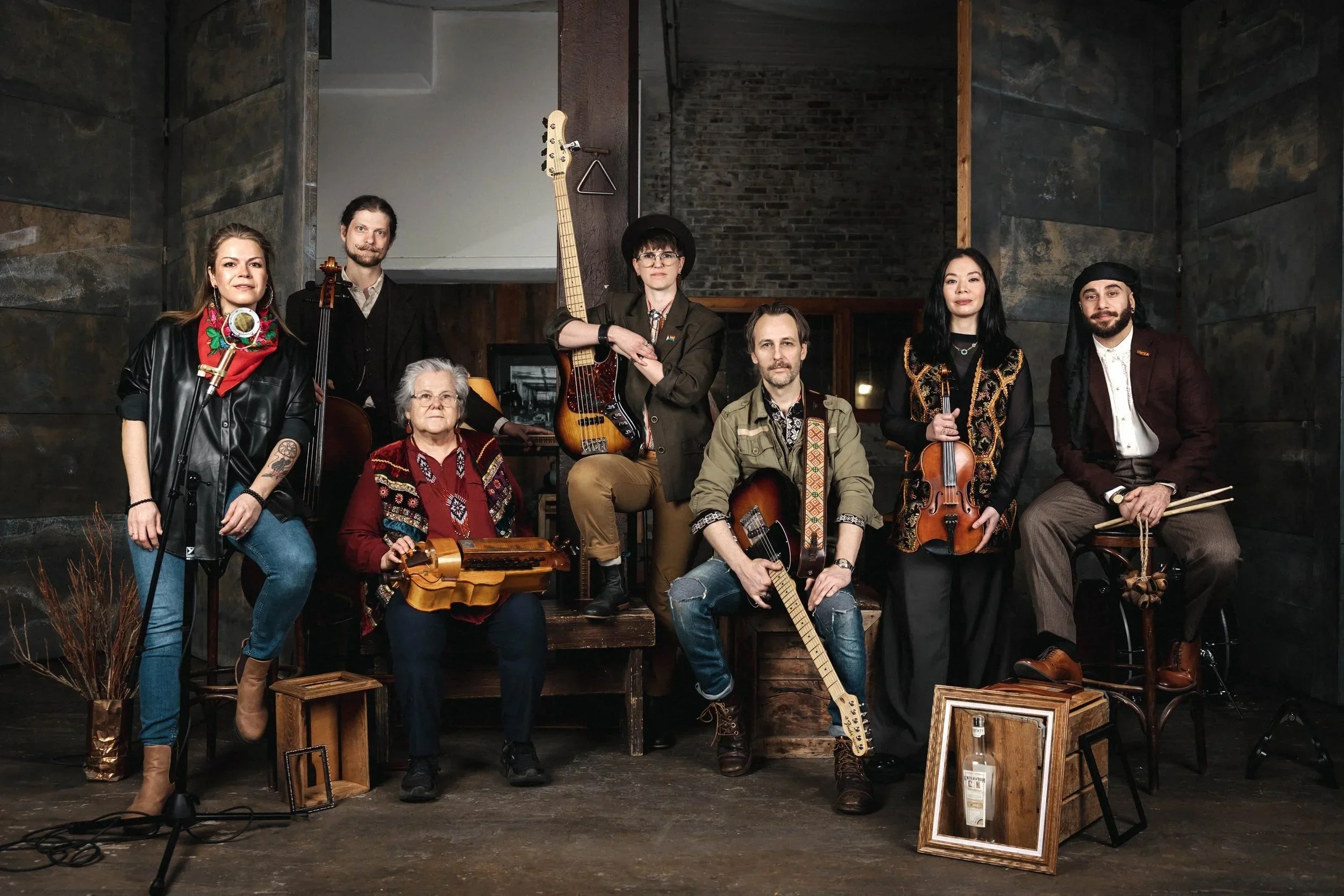
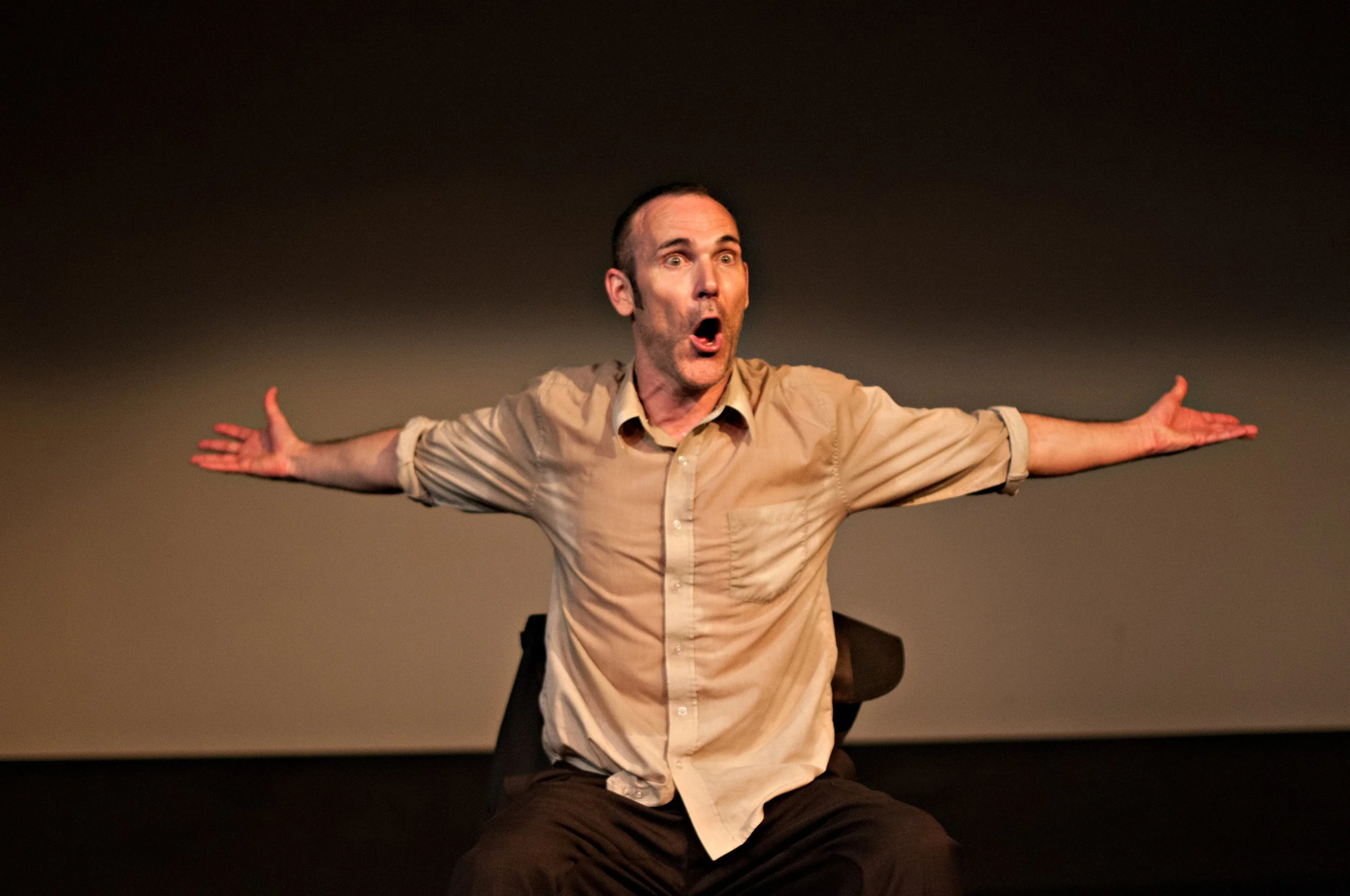
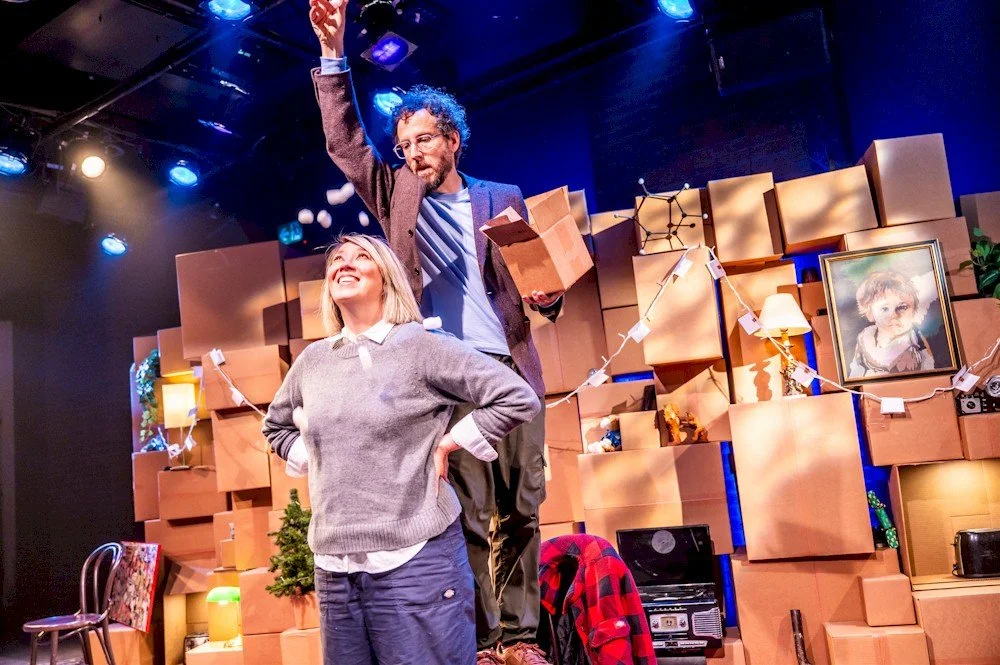
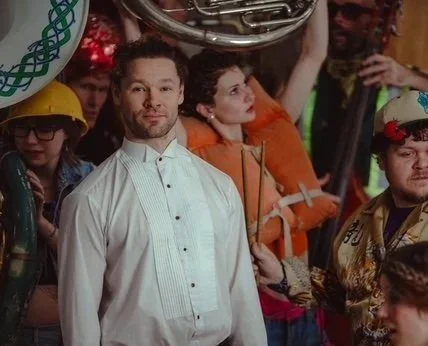
You’re Just a Place That I Know. Photo by Kristine Cofsky
The Arts Club Theatre Company presents You’re Just a Place That I Know at the Olympic Village Stage at the BMO Theatre Centre from January 21 to February 1
ADRIAN GLYNN McMORRAN’S You’re Just a Place That I Know plays out a lot like a concert. The local singer-songwriter and his band, sometimes accompanied by a choir led by Adam Kozak at stage right,, play songs drawn from Glynn McMorran’s 2024 album. (The album bears the same title as the show, and if you’re looking for it at your local record shop or on your streaming service of choice, note that he released it under the more compact moniker “Adrian Glynn”.)
And these are songs that certainly lend themselves well to a live performance. Most of them fall loosely within the catch-all description of “folk-rock”, leaning more into the rock side of the equation when Glynn McMorran cranks up his Fender Telecaster (as he does on “Lionize”), with the rhythm section of bassist Cat Hiltz and drummer Sally Zori providing taut support. With added ornamentation courtesy of violinist Marlene Ginader and cellist Martin Reisle, numbers such as “Just a Place That I Know” take detours into chamber-pop. The multitalented Reisle also plays banjo, guitar, and even a balalaika, which Glynn McMorran reveals his grandmother gave him 20 years ago.
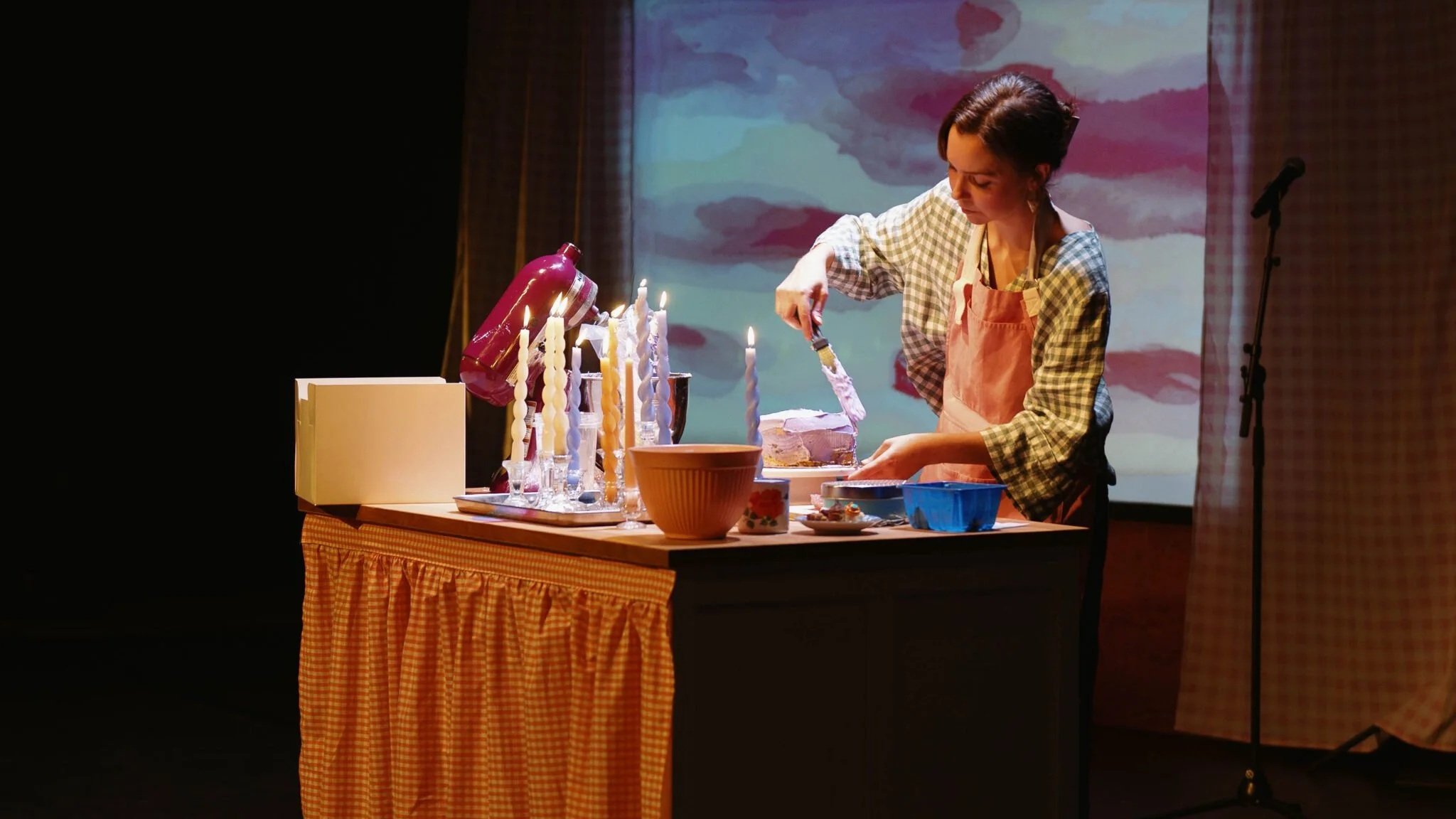
This isn’t just about Glyn McMorran’s baba and dido, though; throughout the performance, various members of the band step up to a microphone to share their own reflections on those who came before them. In the production directed by Marcus Youssef, each speaker switches on a small table lamp before beginning their tale, and switches it off when they’re done.
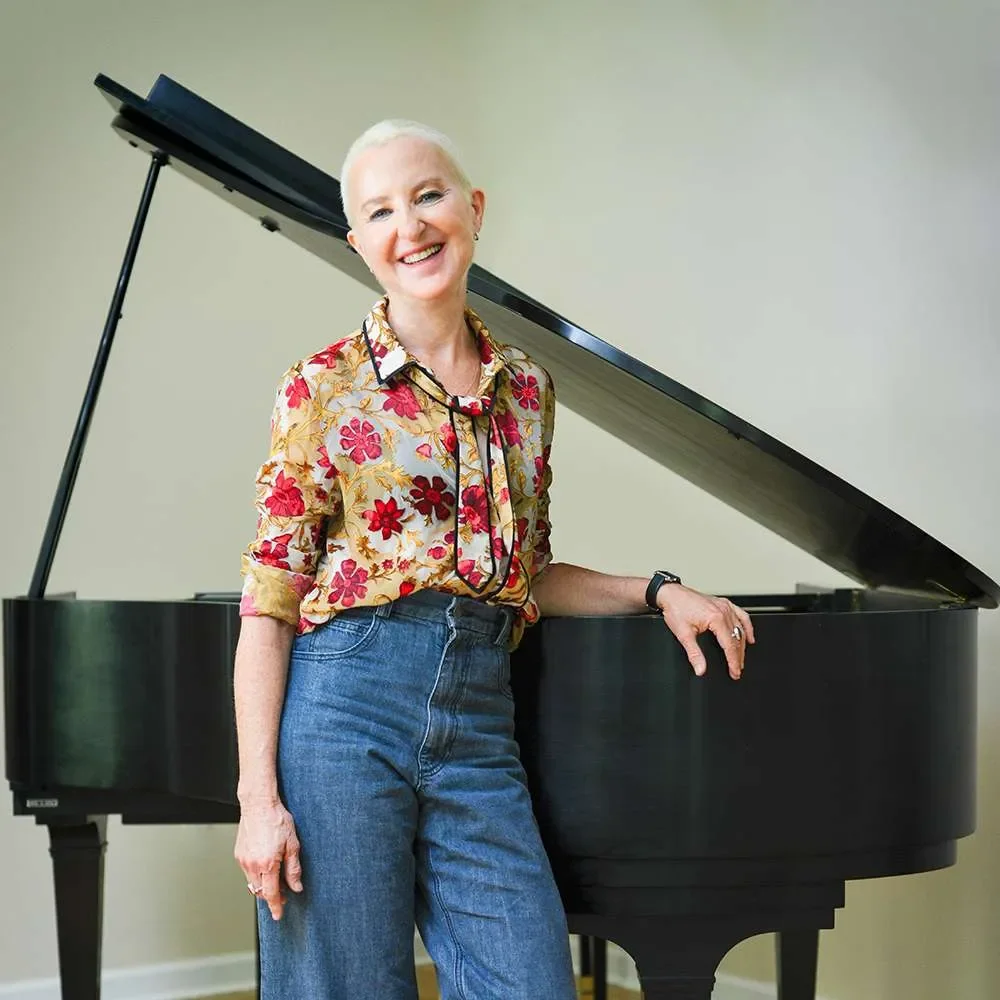
The show starts with Beverly Dobrinsky’s remembrances of growing up in a Ukrainian-Canadian family and learning only the English language thanks to the pressures of assimilation. Dobrinsky (who leads the Slavic-roots ensemble Zeellia), then sings an a cappella rendition of “Горіла сосна, палала” (“The Pine Tree Is Burning”). This canny selection is a link to both a sentimental past and an all-too-vivid present; it’s traditionally sung at Ukrainian weddings, but was repurposed as a patriotic tune in 2022 in the wake of Vladimir Putin’s invasion of Ukraine. In the new version, it wasn’t a pine tree in flames, but a Russian tank.
As the cast members tell their stories, each adds a symbolic object to a dress form. For Glynn McMorran, this is his grandfather’s overcoat. In Zori’s case, it’s a keffiyeh, representing the drummer’s Iraqi heritage. Zori’s access to family history, it turns out, is hindered by a combination of estrangement and wartime destruction of records. To fill the void, Zori—who identifies as trans and nonbinary—has chosen to claim queer forebears like Marsha P. Johnson and Billy Tipton as ancestors.
Chelsea Rose Winsby tells of her distant and strained relationship with a grandmother she never quite understood—until the revelation of her status as a residential-school survivor provided some long-missing pieces of the puzzle. Rose Winsby then sings “Touch the Ground” (which she cowrote with Glynn McMorran), and at the Sunday-matinee performance I attended, she damn near stole the entire show with her tour-de-force vocals.
Basing her lyrics on her grandmother’s early love of horseback riding, Rose Winsby sang, “If she ever slowed down, if she ever touched the ground/She knew the earth would take her whole.” By the time she reached the final chorus, which begins with the lines “Will you come back down so I can tell you that I'm proud of you/You shoulda never had to ride alone,” Rose Winsby was in tears—and so, I suspect, were more than a few audience members.
It’s certainly the most cathartic moment in You’re Just a Place That I Know, but Glynn McMorran’s own songs also pack an emotional wallop. Consider, for example, “Dancing for the Soldiers”, in which he imagines the first sparks of love between his grandparents, set against the grim backdrop of a displaced-persons camp.
The show closes with “Generations”, with the whole cast (including the choir) singing, accompanied only by Zori’s hand and foot percussion. A collection of fragmentary phrases that occasionally coalesce into vivid images, the song—intended to mirror the failing memory of Glynn McMorran’s baba in her final days—is a reminder that the moments that make up a life are fleeting, and that in the end, memories are the real legacy that we leave for those who come after us. 

Related Articles