Music review: Brahms X Radiohead raises goosebumps with its unexpected musical pairing at the VSO
Composer-conductor Steve Hackman successfully melds the dystopian tension of OK Computer with Brahms’s 19th-century anxiety

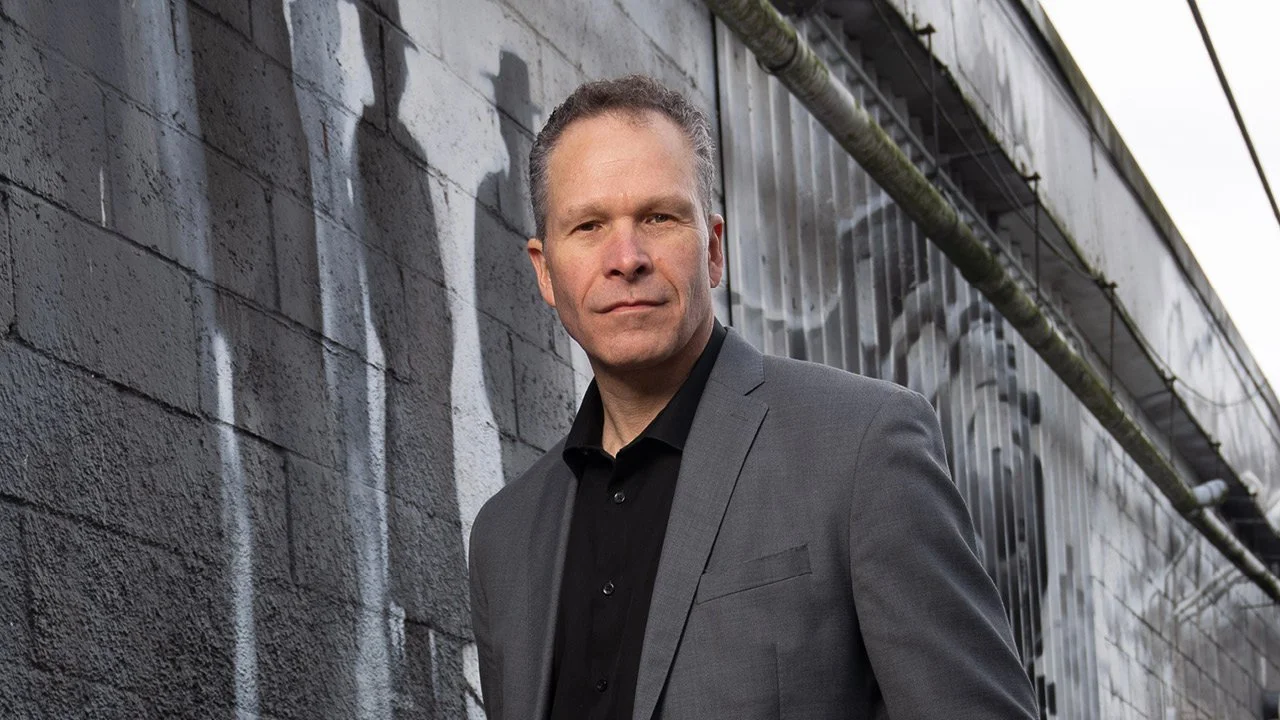
Steve Hackman
The Vancouver Symphony Orchestra presented Brahms X Radiohead at the Orpheum on March 21
RADIOHEAD WORKED SOME sort of rock ’n’ roll alchemy with OK Computer. The Oxfordshire-spawned band tapped into a vein of premillennial angst that spoke directly to the tenor of 1997, but the album that resulted has proven timeless. There are reasons that OK Computer regularly appears on greatest-albums-of-all-time lists compiled by the likes of Rolling Stone, New Musical Express, and Pitchfork.
One of the main ones, arguably, is that the LP strikes a perfect balance, weighing undeniably gorgeous songwriting against an absence of inhibition to get downright ugly. Consider the gnarly, distortion-strafed buzzsaw tone of Jonny Greenwood’s guitar solo on “Paranoid Android”, the chillingly robotic voice that intones the dystopic words to “Fitter Happier”, and the more-cowbell beat of “Electioneering”, which makes it sound as if drummer Philip Selway is trying to hammer a hole in the listener’s skull.
All of those ugly-beautiful elements are necessarily absent from composer-conductor Steve Hackman’s Brahms X Radiohead, which the VSO presented to a packed Orpheum on March 21. The concert, which alternates movements from Johannes Brahms’s Symphony No. 1 in C minor, Op. 68 (which received its premiere in 1876) with songs from OK Computer, featured a full orchestra and three singers, without an electric guitar or rock drum kit in sight.
And that’s kind of the point. If we in the audience wanted to hear the album in its original form, we would have stayed home on this particular Saturday evening and put the CD on—or, more likely in 2026, streamed it from our service of choice.
The pairing of these two pieces, separated by over a century, seems an odd one on paper, but as Hackman explained in his introductory remarks, what they have in common is a sense of anxiety. In Radiohead’s case, this stems from nascent fears about the encroachment of technology into human interactions. Remember that, as OK Computer was being written, the Internet as we know it today was just emerging as a feature of our everyday lives—and we all know how that turned out.
For Brahms, the anxiety was more personal, as he felt the pressure to live up to others’ expectations (and his own) in the long shadow cast by a certain iconic classical composer. After Symphony No. 1 premiered, noted composer Hans von Bülow referred to it as “Beethoven’s Tenth”. This surely was meant as a compliment, as the composer had been touted as a potential successor to Ludwig van Beethoven early in his career (no pressure!), but Brahms might have seen it as a backhanded one. He acknowledged that parts of his symphony were borrowed from Beethoven’s ninth and third symphonies, but he insisted that he was very consciously paying homage to his Viennese predecessor, adding that “any ass can see that.”
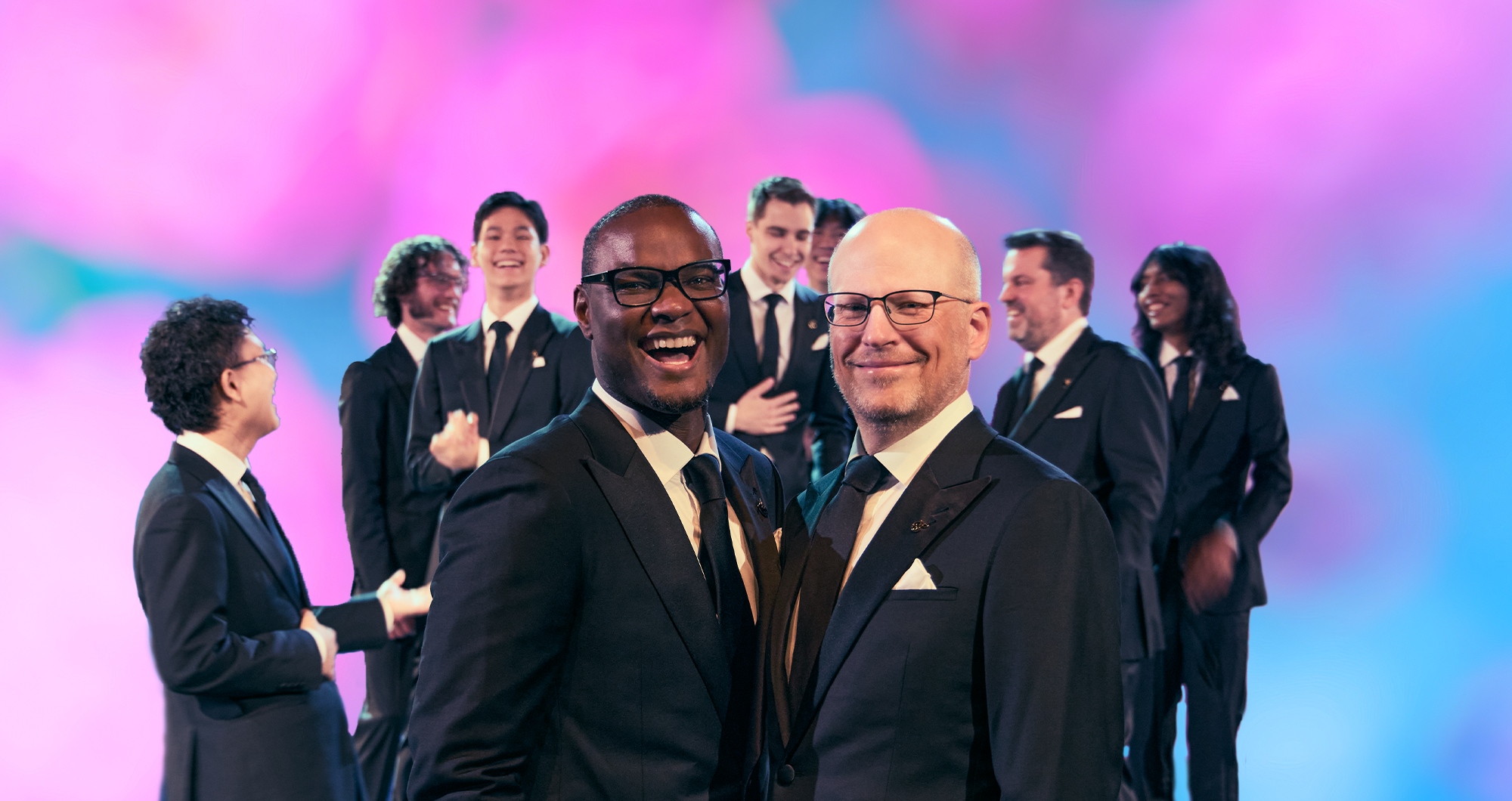
It is to Hackman’s immense credit that Brahms X Radiohead moves seamlessly between its component parts. In fact, sometimes the only sure way to tell that we had entered into Radiohead territory was that the singing had begun. The three vocalists were exemplary, and could not have been more different. Khalil Overton dug deep for an operatic baritone that occasionally crossed over into classic soul; India Carney embellished the material with melismatic runs worthy of a contemporary R&B diva; and Andrew Lipke was the most purely rock ’n’ roll, his impressive range and dynamic control evoking Radiohead frontman Thom Yorke himself. When the three joined forces for the climactic refrains of “Let Down” and “Lucky”, it was goosebumps all around.
If this show swings back through Vancouver, go. If you’re not a fan of either Brahms or Radiohead going in, you might find yourself with a new appreciation for both afterwards. 

Related Articles