A Voynich Manifesto probes the unsolved mysteries of a medieval manuscript
In Terri Hron’s Vancouver New Music show, performers Mind of a Snail, SJ Kirsch, and Viviane Houle improvise on themes including nature and the roots of capitalism
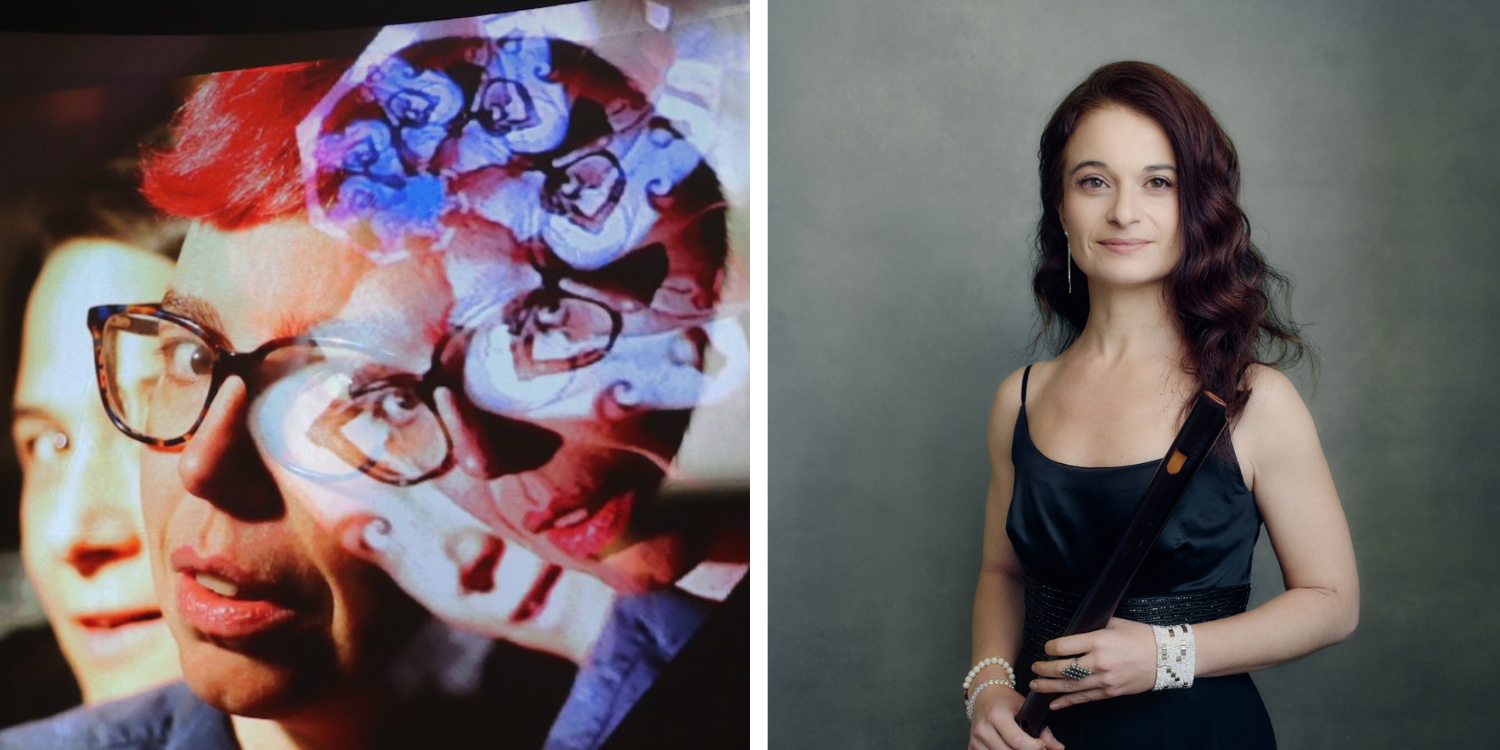
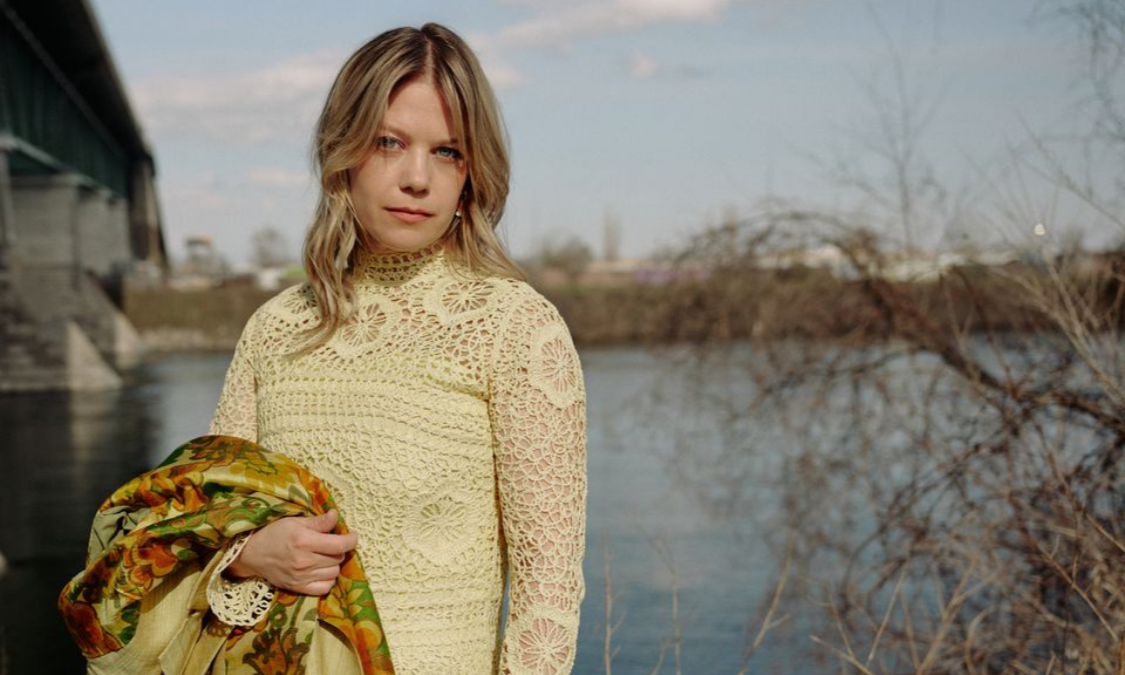
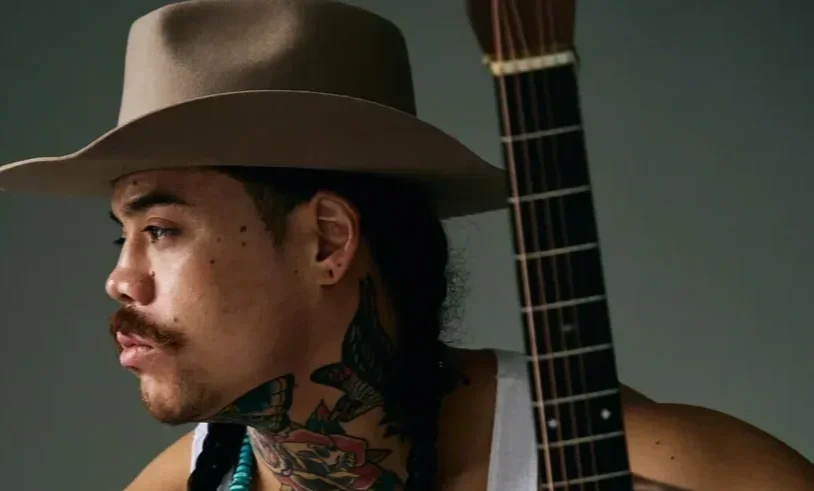
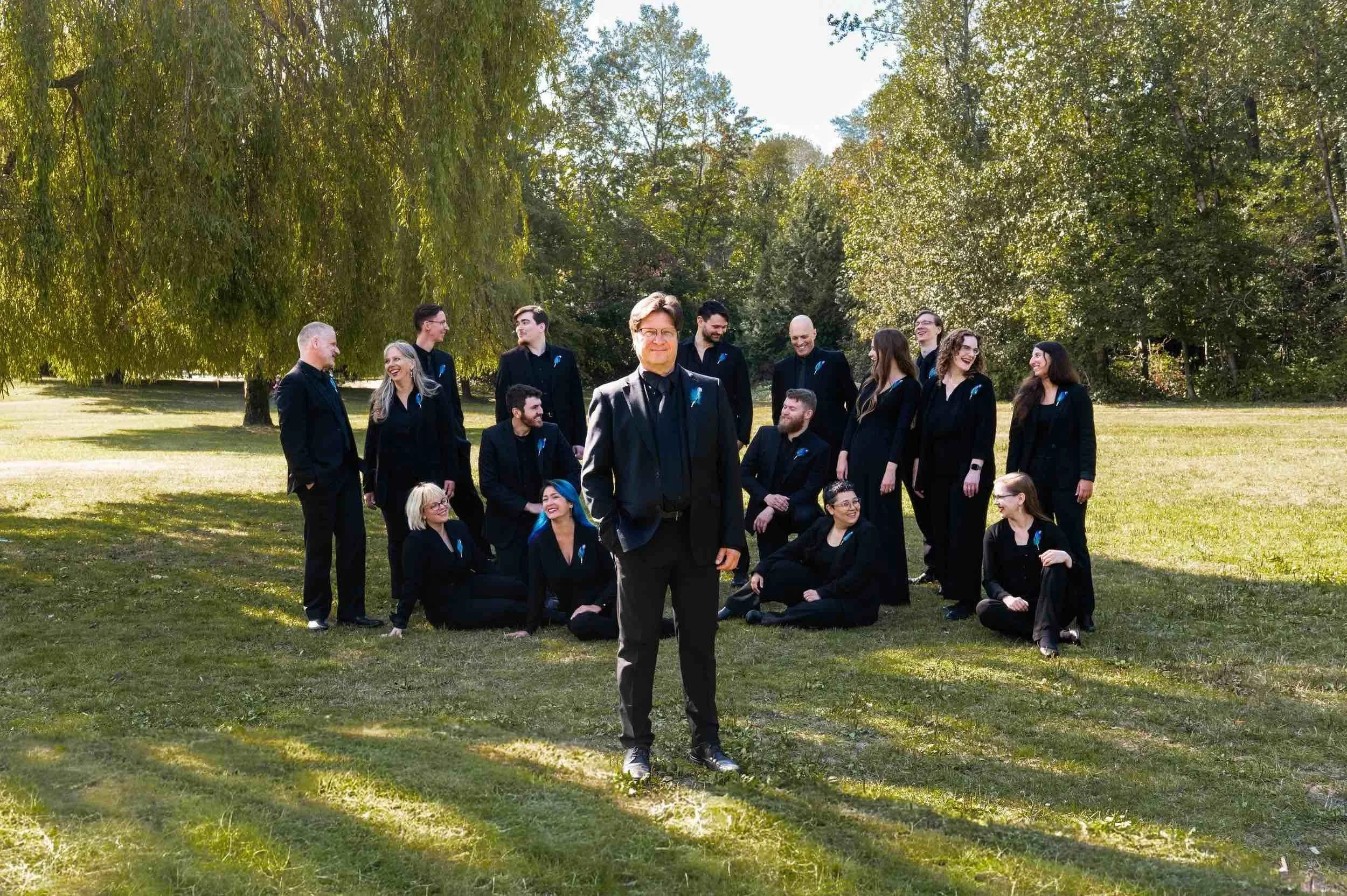
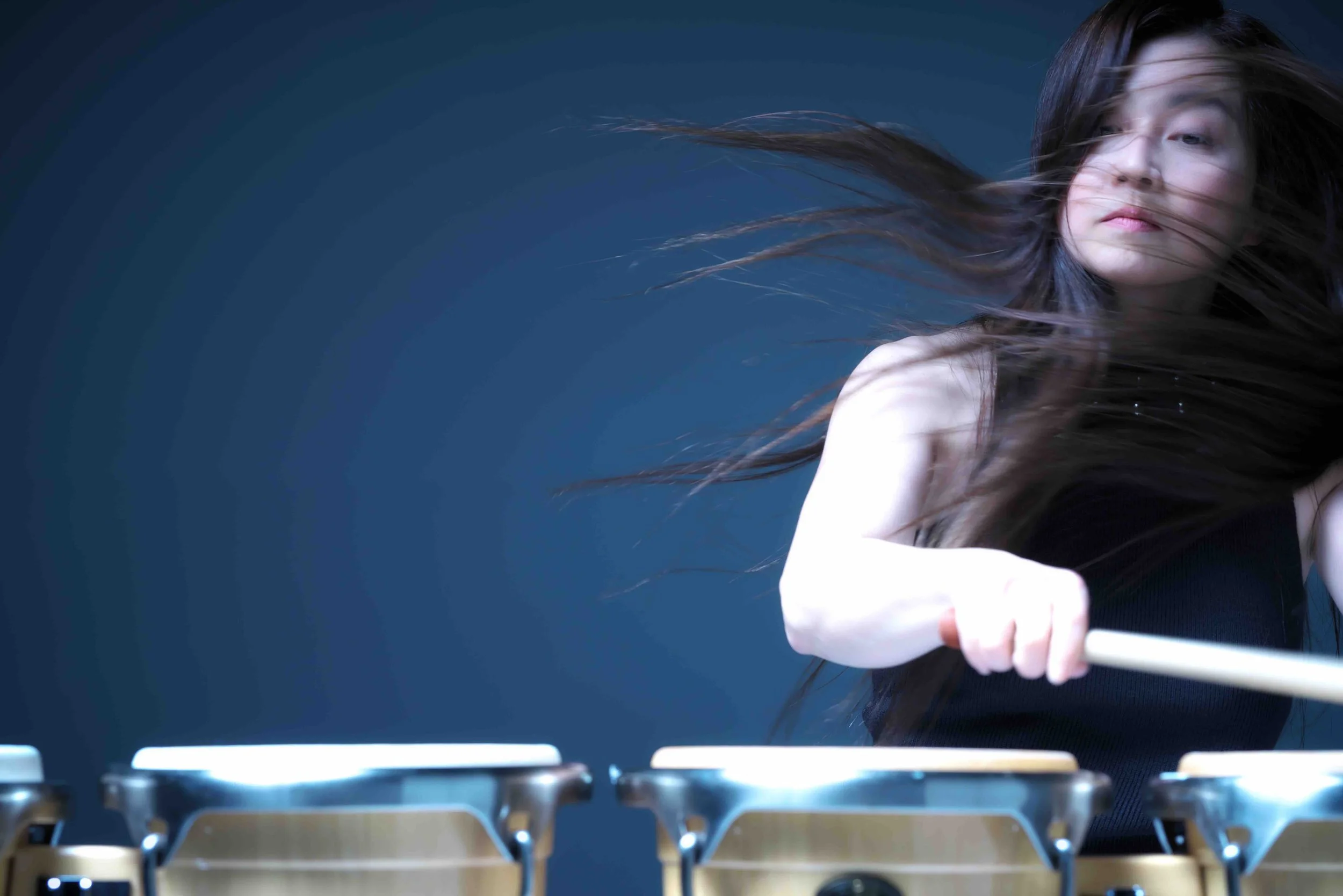
(Left to right) Mind of a Snail, Terri Hron
Vancouver New Music presents A Voynich Manifesto at the Annex on May 9 at 8 pm
AS FAR AS UNSOLVED mysteries go, they don’t get much more enigmatic than the Voynich Manuscript. It’s a book—a medieval codex, to be precise—but it’s written in a language that has defied interpretation by even the world’s most accomplished codebreakers. Its abundantly illustrated pages are made of calfskin vellum that has been carbon-dated to the early 1400s, but the earliest known mention of the manuscript dates from more than 200 years after that.
Modern fascination with the inscrutable codex began when Polish book dealer Wilfrid Voynich purchased it in Italy in 1912 and presented it in public three years later. In spite of the best efforts of cryptographers and medievalists since then, the book’s provenance and its meaning remain unknown.
“This manuscript would most likely fall under the category of herbarium—so, something that describes plants, even though the plants that are described in the manuscript don’t actually exist on this planet,” musician and multimedia artist Terri Hron says when Stir meets up with her for an interview at a Strathcona café. “The most striking thing about the Voynich Manuscript is that it is written in an unknown language and an unknown script. It’s been the subject of a lot of speculation and a lot of interest, naturally, because the production of a medieval manuscript like that would have taken an awful lot of time and resources.”
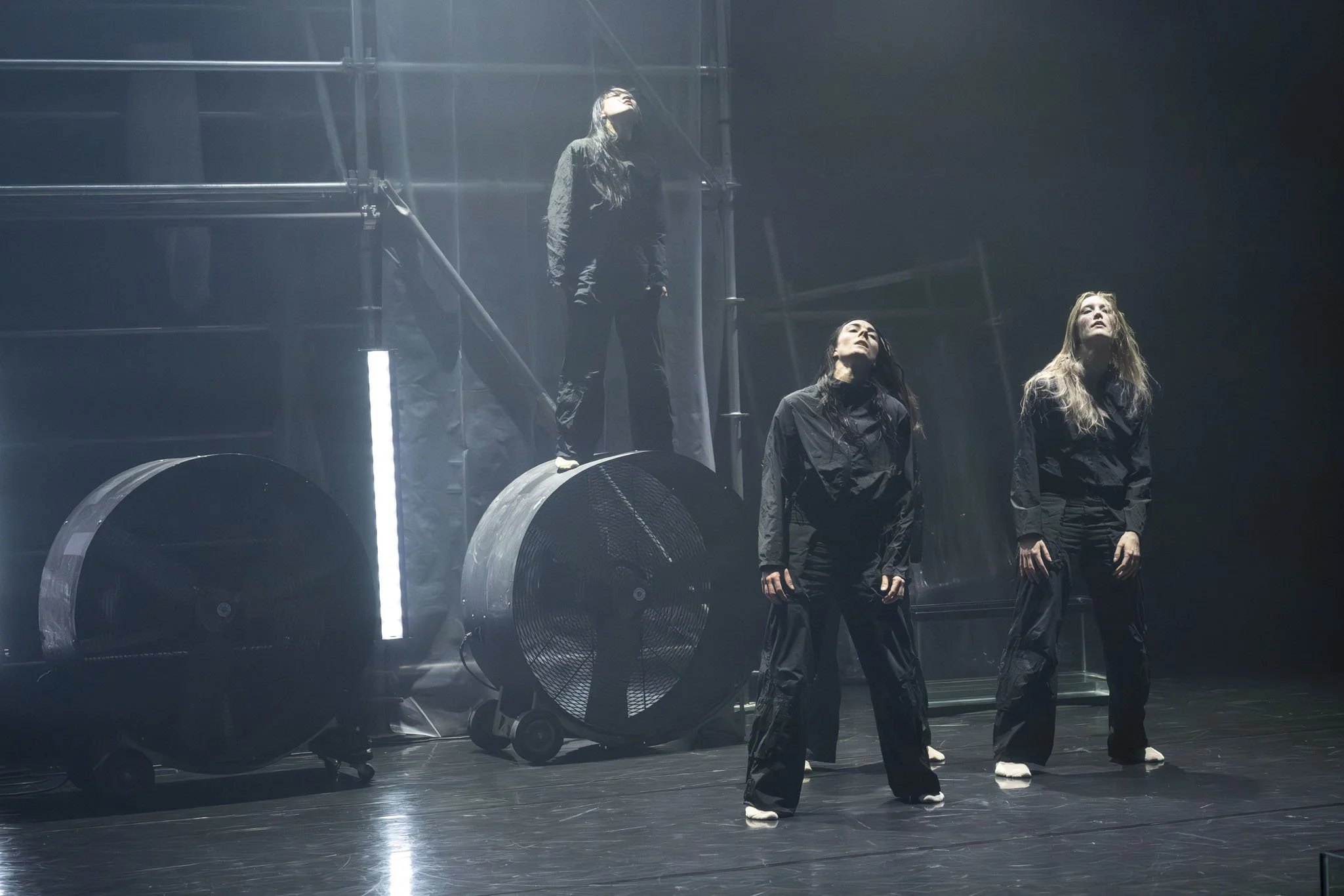
Indeed, at least one scholar has posited that the Voynich Manuscript is not the work of a single person but bears evidence of having been created by five different scribes. If it was indeed a collaborative work, it has that much in common with A Voynich Manifesto, a performance piece that the Montreal-based Hron has created in conjunction with a team of West Coast artists: shadow-theatre duo Mind of a Snail (Chloé Ziner and Jessica Gabriel) and vocalists SJ Kirsch and Viviane Houle.
Hron’s background is in early music, as a recorder player, and her knowledge of medieval Europe extends beyond her fascination with the Voynich Manuscript. She points out that this period, particularly in England, saw a major shift in ideas about land ownership. The policy of “enclosure”, for example, allowed individuals to appropriate common land and enclose it, reserving it solely for their own use or that of their tenants. In doing so, landowners deprived commoners of their former rights to access and use the land.
“As I was thinking of those beginnings of capitalism, I was also reading a lot about the witch hunts and the transformation of knowledge of that time into a lot of the ideas that we consider very normal today, that we don’t question as kind of basic principles,” Hron says. “I think that was all boiling up in the cauldron of my mind when the prompt kind of popped out.”
A Voynich Manifesto, Hron clarifies, is not a set work—it’s not enclosed, if you will—but is “more of an improvisatory space” in which the assembled artists are free to work together in exploring the prompt that Hron has devised.
“The prompt was to see this as a manifesto for ecstatic relations with the non-human world,” she says. “And I guess there’s a few more steps that go from private property to the non-human world!”
A Voynich Manifesto is the third and final instalment of On Curation, Vancouver New Music’s two-year mentorship project. Composer Peter Hatch served as Hron’s mentor.
“Peter was instrumental in making me aware of this residency program on Salt Spring Island, where he lives, that acquaintances of his run,” she says. “They’ve converted a barn into a theatre space.”
The show had a dry run in that very space last October. That embryonic iteration of A Voynich Manifesto might not have borne much resemblance to the version that the audience at the Annex will experience this week.
“We had just had one session of improvising at that point, and we had, I would say, just the very beginnings of ideas,” Hron shares. “Not that our ideas are very much more concrete now, but we wanted to try some things out. Also, the space where we were performing wasn’t the greatest for working with projections, because it wasn’t completely dark. So we were working with a lot of constraints.”
Hron says that there isn’t so much a narrative through-line as there are “signposts” that keep the show on track, more or less, while also giving the performers leeway to make decisions on the fly. Those performers might very well include Hron herself. She says she had no intention of being in the show on Salt Spring, but her fellow artists had other ideas.
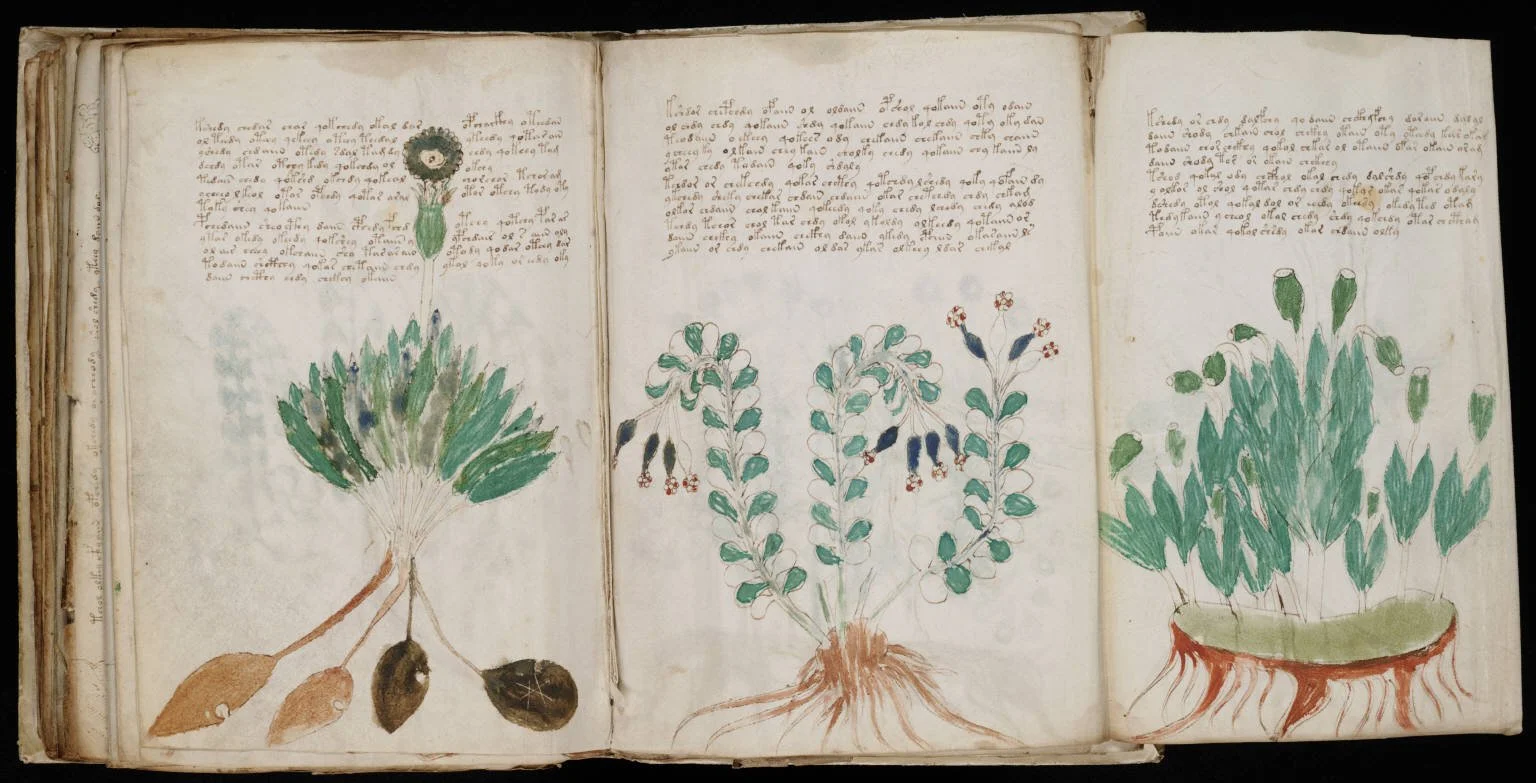
Pages from the Voynich Manuscript
“I was trying to not guide as much as possible, because I thought, ‘Well, my job is to bring them together and to give them this prompt,’ but they roped me into the performance by saying that there were five scribes and there were only four of them, so I had to perform as well,” she recalls with a laugh. “I was okay with that, but then I really wanted to not direct, because that’s very often my role in productions. I really wanted to see what they had to say. Especially in a short production, we have very limited time to create this thing, so a lot of decisions have to be made, and I didn’t want to make those decisions. Luckily, they’re all very ideaful, and also have a lot of experience putting shows together, so there’s no danger there.”
Given that collective expertise, and the fact that interest in its source material shows no sign of abating, could A Voynich Manifesto have a life beyond this one performance, perhaps even a future as a touring production?
“I’ve thought about that question and how to make that happen,” Hron says. “Mostly, it’s a logistical and funding question. It’s a hard moment to effectively move shows around the country. But I’ve also thought about it in terms of bringing more people into the show, maybe bringing other artists to interface with some of these signposts that I was talking about, or maybe to create other ones. The manuscript is so generative because it doesn’t mean anything specific, so it could mean so many things.” 

Related Articles