Christopher Cheung’s Very Vancouver digs beneath the city’s towers to uncover its working-class soul
Vancouver journalist’s latest book trades polished postcard skylines for intimate stories of individuals and families finding home in Canada’s “city of glass”
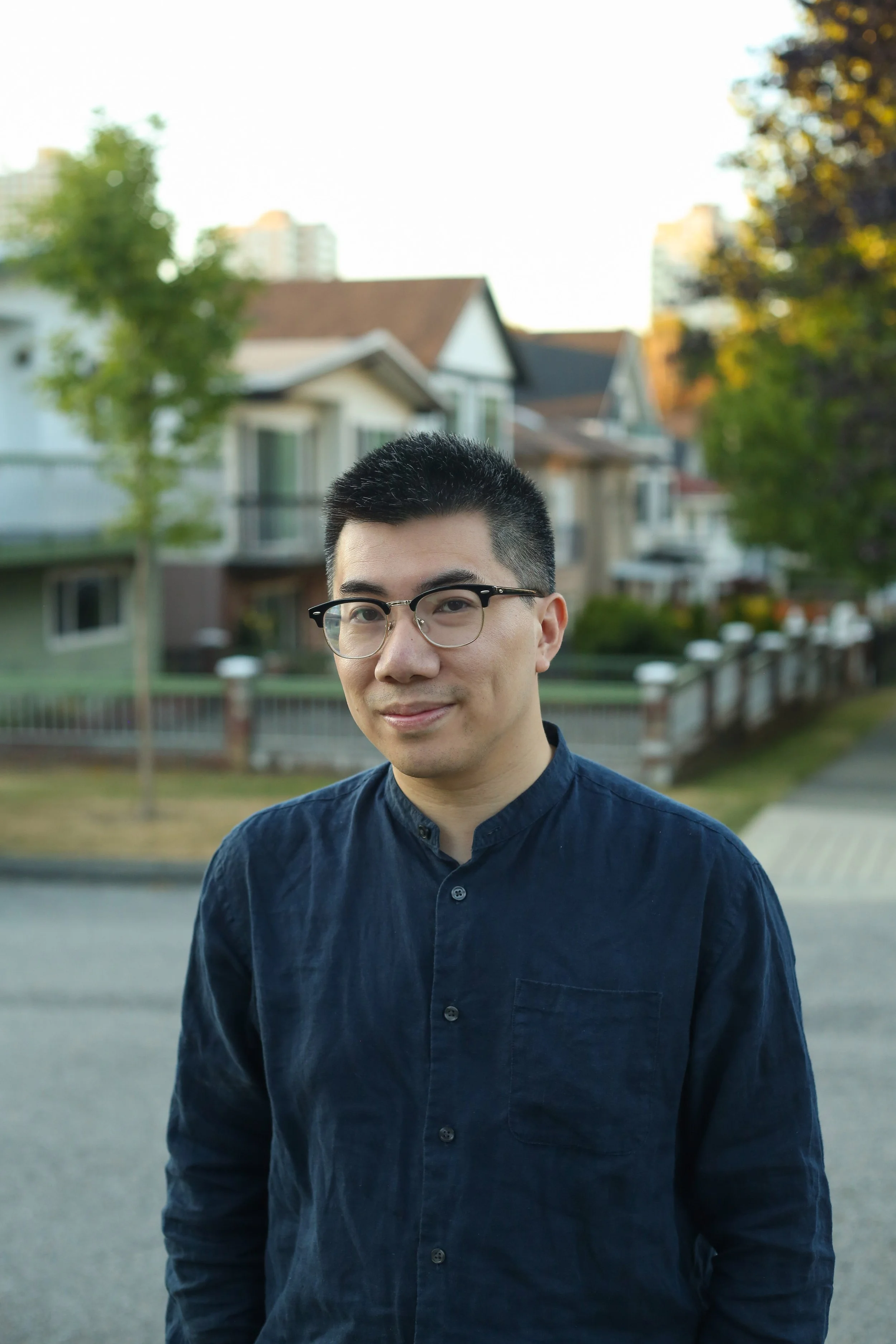
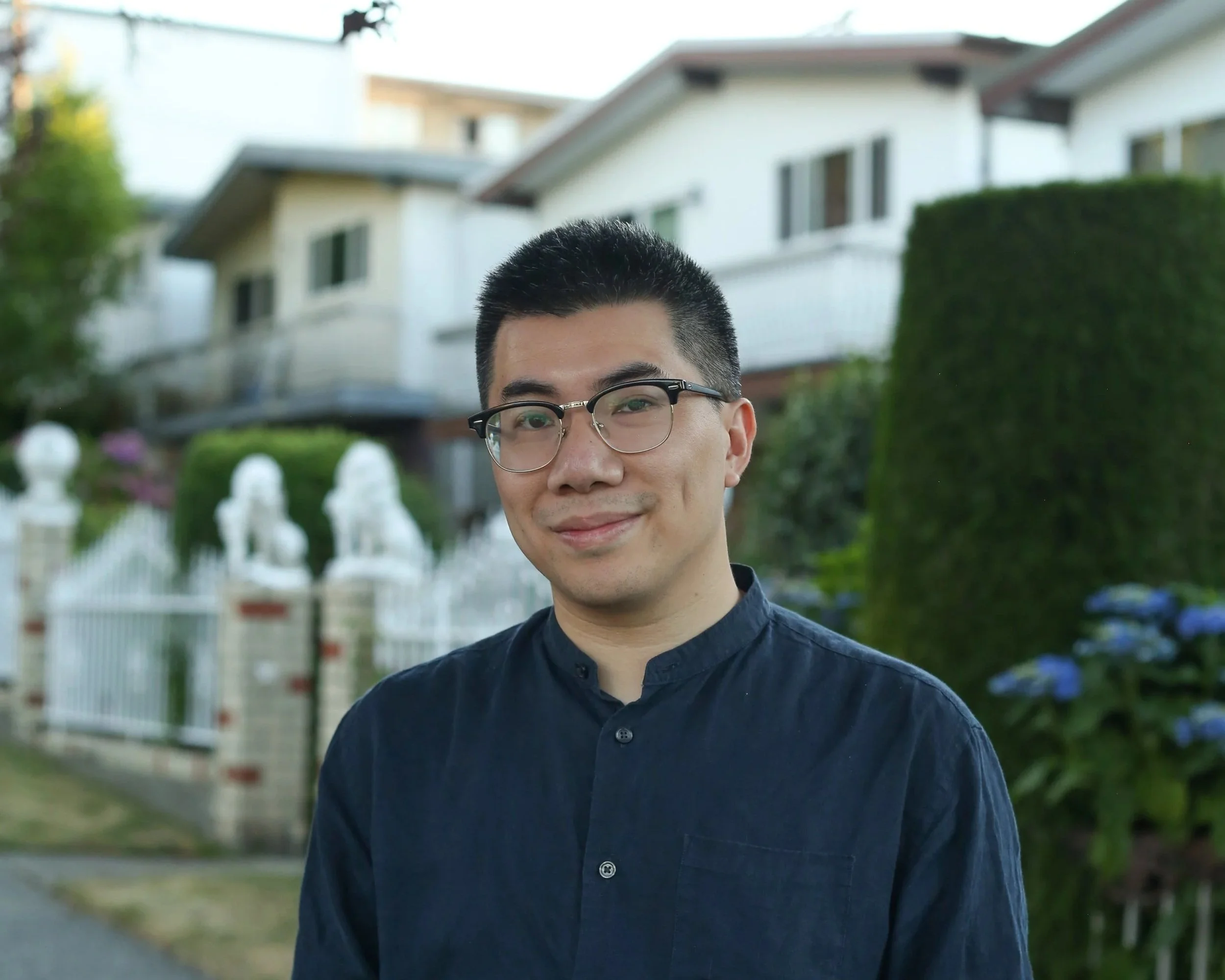
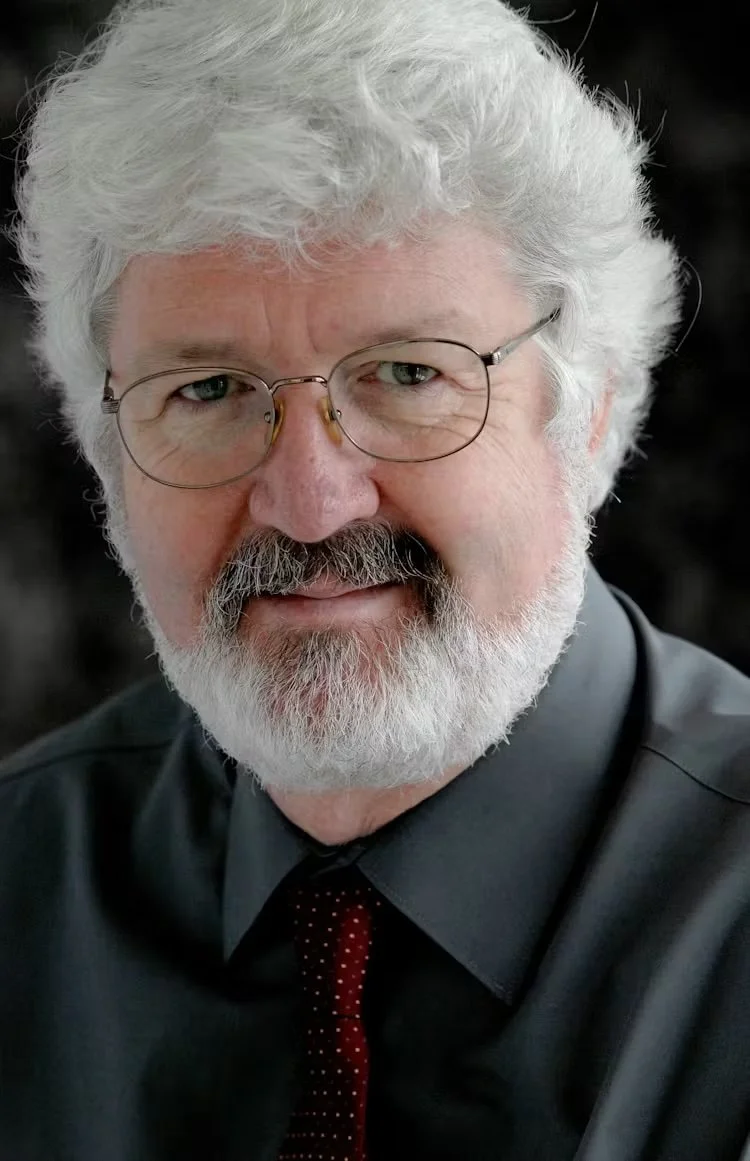
Christopher Cheung
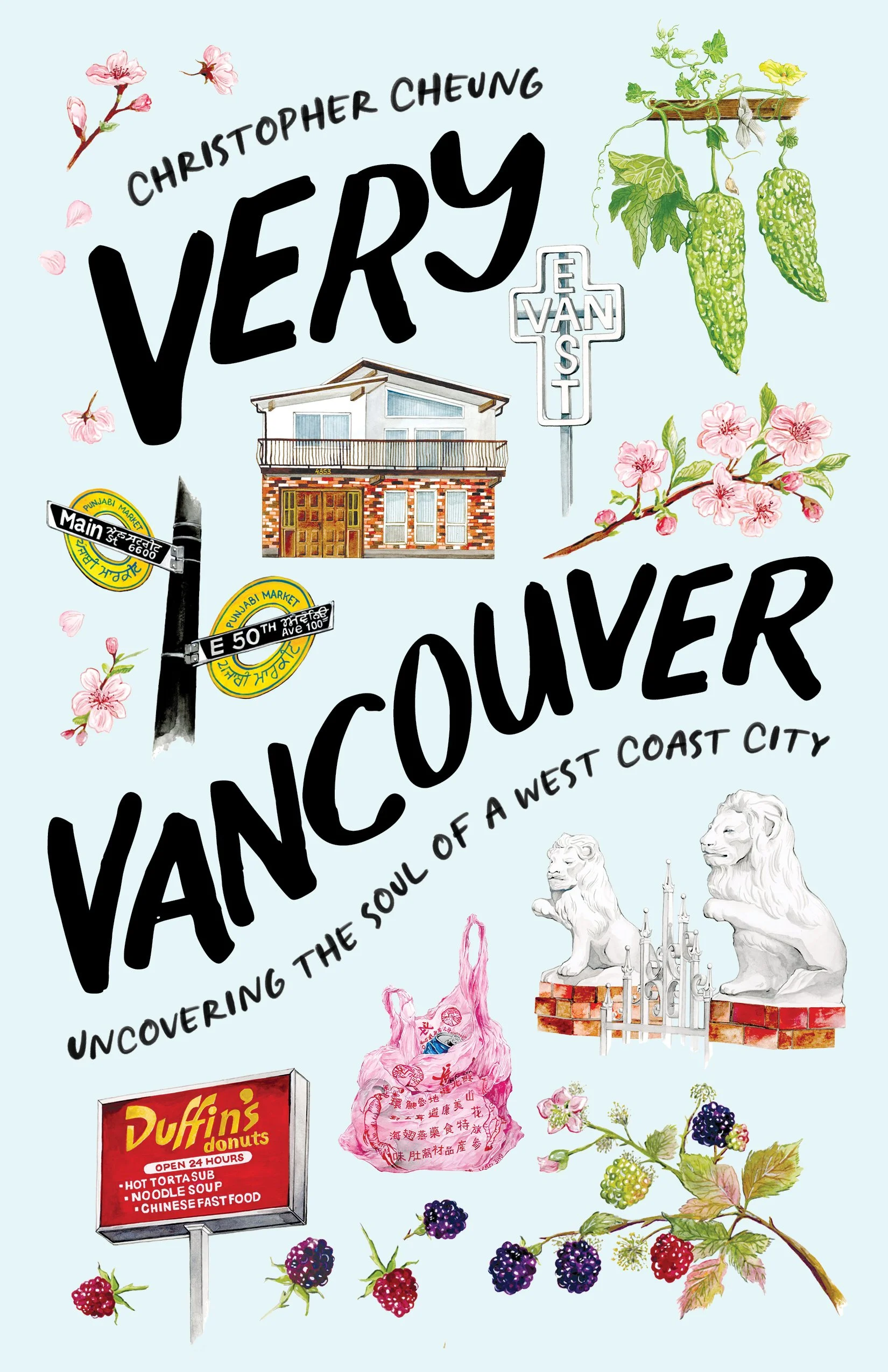
GROWING UP IN Vancouver, Christopher Cheung knew his home as part of the million-dollar line that split the city in two—a blue house on Ontario Street where the West Side’s aspirational glow gave way to the stigma attached to everything east. Today, when nearly every postal code carries a seven-figure price tag, this distinction may seem outdated, but for Cheung, it was formative: on Ontario Street, Vancouver’s competing identities collided, blurred, and occasionally mixed.
The tensions that formed around these divisions became the entry point for the local journalist’s latest book, Very Vancouver: Uncovering the Soul of a West Coast City, just out on ECW Press. Interwoven with autobiographical snippets are 15 stories drawn from Cheung’s years of reporting. There are binners who gather refundable cans and bottles, an exiled Syrian politician selling baklava downtown, and family behind a hundred-year-old Italian corner store in Strathcona. Moving away from the towering condos and striking landscapes that have come to define the city’s picturesque image, Very Vancouver portrays the city built not by developers, but by the residents who have quietly made it their home.
“Once in a while there is a book that comes out about Vancouver, but I will flip through it and it just talks about downtown, Kits, and Chinatown,” the author tells Stir in an interview. “I wanted to write something that’s hyper local, where people could really get a feel of what it’s like to live here and start a life here.”
Among the piles of sightseeing roundups and restaurant reviews, Cheung says Very Vancouver acts more as an “anti-guidebook”. He isn’t interested in providing beach recommendations or pointing readers toward the best coffee shops; he wants to answer questions that readers would never find in a guidebook. “I wanted to give the origin stories for a lot of things that people might wonder about,” he explains. “Why is there somebody in my alley collecting cans? Why is there so much of this specific kind of house? Who are all these people who are growing vegetables in their backyards?”
Curiosity is an indispensable quality for any journalist, and Cheung’s work reflects his persistent inquiries. Take, for example, the chapter on Ms. Liang, an independent Chinese woman in her 70s whom the author accompanied on her binning route. Media coverage of binners often seemed to celebrate the elderly grannies who contributed to the city’s green efforts, not questioning the minimal pay and less-than-ideal working conditions.
Why does this person do this work? Do they have a family? Where do they go home at night? These are the questions Cheung asked in response, as he sought to hear from the binners themselves.
Another chapter opens with a reunion of the Yip family, one of Vancouver’s oldest Chinese Canadian families, spanning seven generations. During a time of rampant racism and political strife, their ancestor Yip Sang established his position as a successful businessman and community leader. Among the 400 Yips gathered at the Chinese Cultural Centre, Cheung was one of two journalists invited to the celebration.
“When you have a smorgasbord like that, where do you begin? Where’s the story?” he asks with a chuckle. “I think when people write about history, it’s just like, ‘Oh, I’m going find the oldest person and talk to them, and that’s it.’ But with such an old family like that, how does the younger generation engage with that kind of legacy as well? I was like, ‘Okay, let’s talk to the oldest person, let’s talk to the youngest person. Who’s the family historian? Who’s the person who gets people together?”
Cheung’s efforts to look beyond the surface apply to his own experiences as well. Sandwiched between each story are memories of him helping at his father’s pharmacy on the East Side, hearing about his mother’s experiences as a piano teacher on the West Side, and navigating his career as a journalist in a rapidly shifting media landscape.
“I remember working at my dad’s pharmacy and seeing all these customers who belonged to a time when immigration really took off in the city, like in the ’60s, ’70s, and ’80s,” he recalls. “I had a sense that these were the people who helped build Vancouver, and I think I always had that curiosity about what it was like for them to put down roots here, make a living, and start a family.”
Cheung admits that he’s always been very precious about his writing, treating it as a kind of art or poetry that may not always fit with news formats. But precious writing has a way of vanishing just as fast as any other kind. “Whether it’s print or online, it’s very easy for an article to disappear,” he says.
Blurring the line between journalism and literature, Very Vancouver embodies its title, delving into the city’s complex history and diverse communities. Revisiting his past articles for the book, Cheung expanded many of the stories well past their original lengths, no longer limited by word counts. The extra length went toward details a news piece rarely has room for: scraps of overheard conversation, the distinct smell of a place, and the kind of texture that makes a story feel lived-in and not simply reported on.
People’s relationship with work is among the strongest themes of the book. Cheung reflects on the efforts of the working class to create a better future for their children. “Vancouver is a place that has provided people with a lot of opportunities, but at what cost?” he asks. “What’s the cost on relationships, on their physical bodies as well?”
Ultimately, there’s no right answer. “Everything is balancing these kinds of costs,” he says. Yet what Cheung hopes readers take away isn’t a tidy conclusion, but a habit of noticing the people and places around them. “I hope it inspires some curiosity about where you live, wherever it is,” he says. “I’ve always eaten here—who’s this person who serves me? I always see this person in my neighbourhood who looks like they’re having a hard time—what happened to them? How did they end up over there?” 

Related Articles