Stir Q&A: In Raven Transforms, author Gary Wyatt traces Haida artist Christian White’s 50-year legacy
Art curator’s new book documents nearly 200 of White’s argillite carvings now in private collections, galleries, and institutions around the world
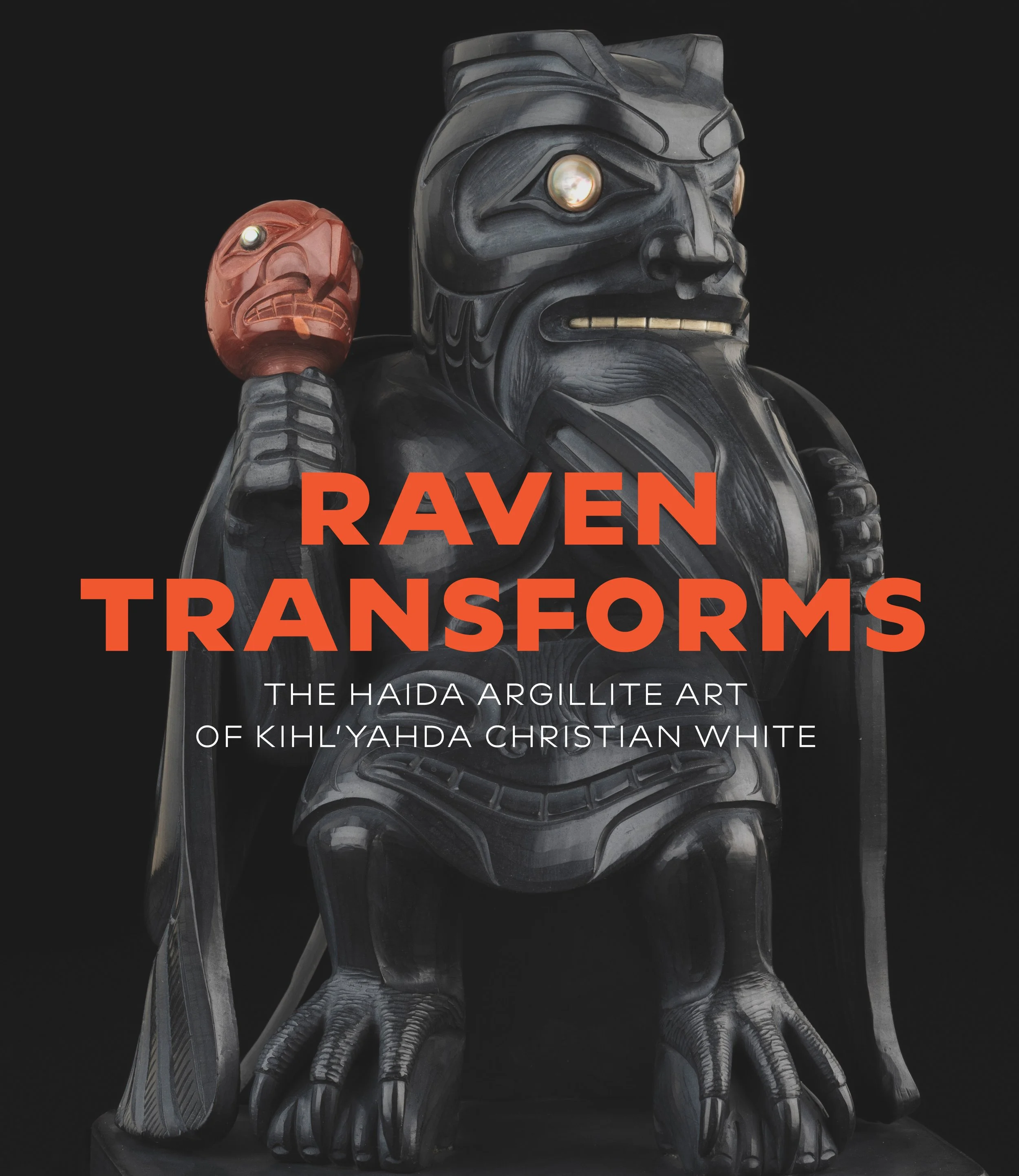
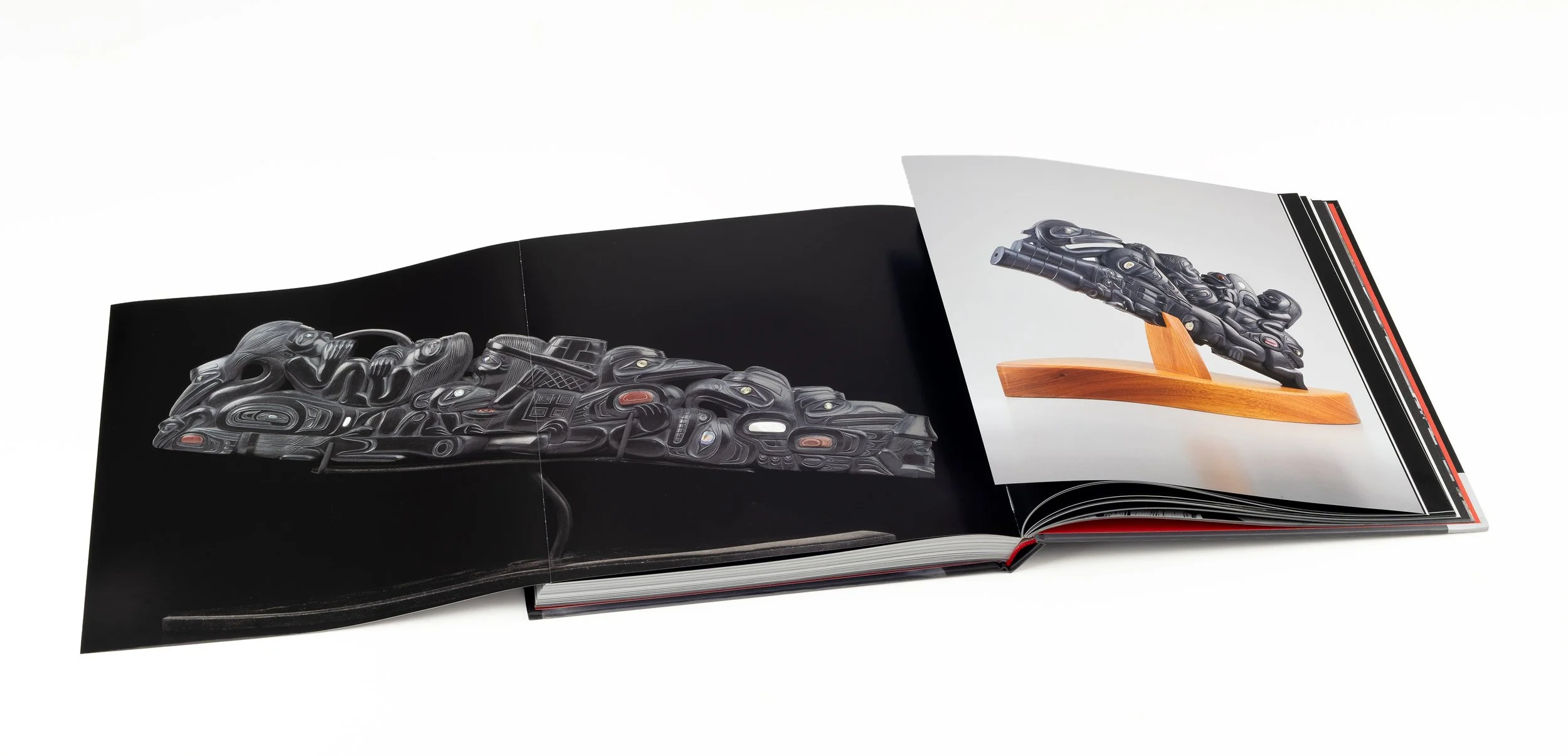
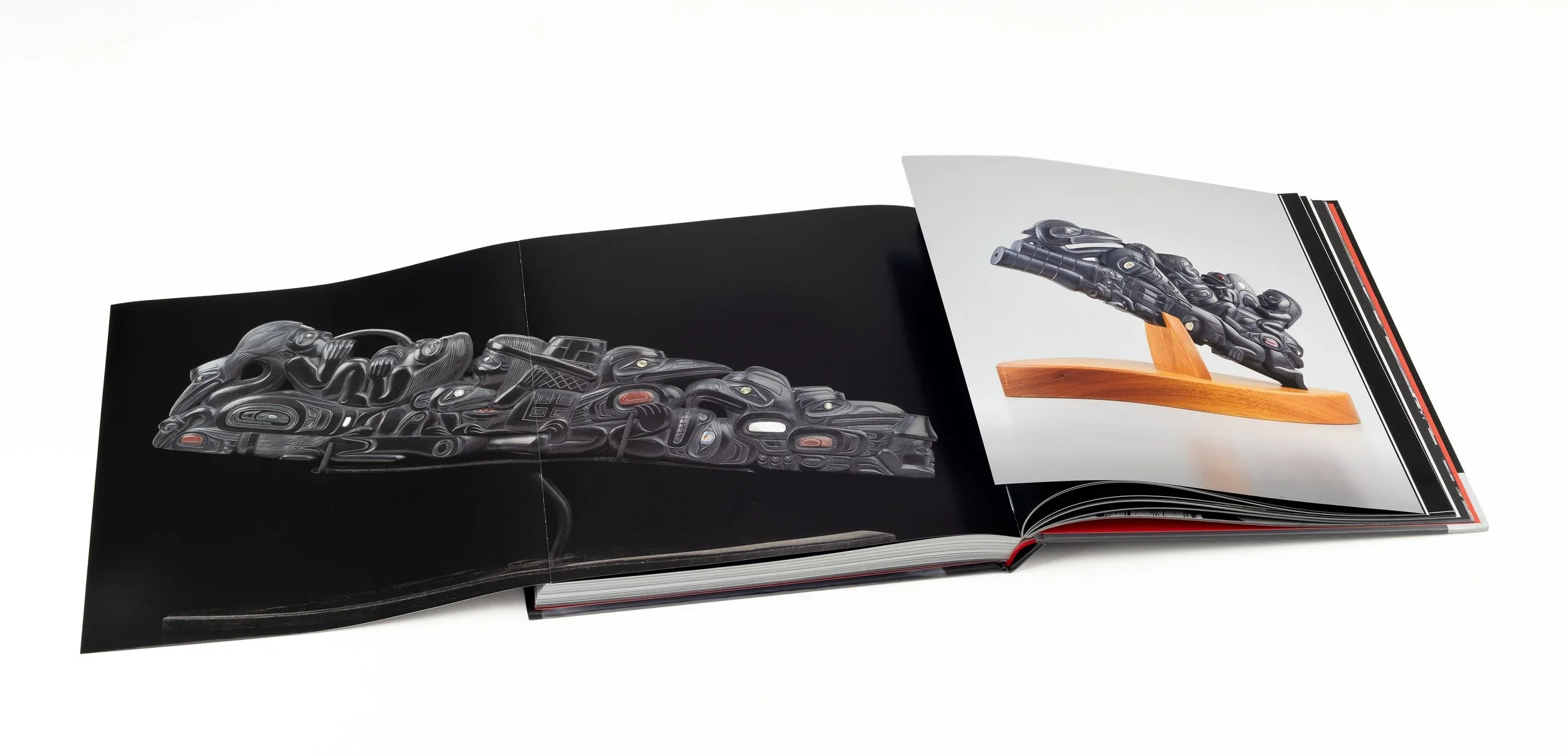
Raven Transforms. Photos by Kenji Nagai
A book launch for Raven Transforms: The Haida Argillite Art of Kihl'yahda Christian White takes place at the Museum of Anthropology on September 20 at 1 pm.
GARY WYATT HAS represented Haida master carver Kihl’yahda Christian White for nearly four decades, long enough to see his artworks sell before they even reach the gallery floor.
In his new book Raven Transforms: The Haida Argillite Art of Kihl’yahda Christian White, the Northwest Coast art curator and gallerist brings together nearly 200 of White’s sculptures, most of which have never before been publicly seen. In the first-ever monograph of a Haida argillite carver, Wyatt documents White’s extensive 50-year career, from his introduction to argillite carving at the age of 12 to his emergence as a renowned artist and cultural advocate.
Raven Transforms is a celebration of both White’s legacy and Haida culture and tradition. The argillite stone is a unique black shale that is found only on Haida Gwaii and has been carved by Haida artists for over two centuries. Alongside photographs of his creations, White shares more than two dozen traditional Haida narratives that have inspired them, including supernatural stories of Travelling Raven, Sea Grizzly, and Volcano Woman.
A book launch takes place on September 20 at the Museum of Anthropology, featuring a Haida cultural performance by the Tluu Xaada Naay Society (Canoe People’s House). Ahead of the event, Stir caught up with Wyatt to learn more about the book, the artist, and the process of tracking down decades of scattered artworks.
How did you discover Christian’s work, and what drew you to his argillite carvings?
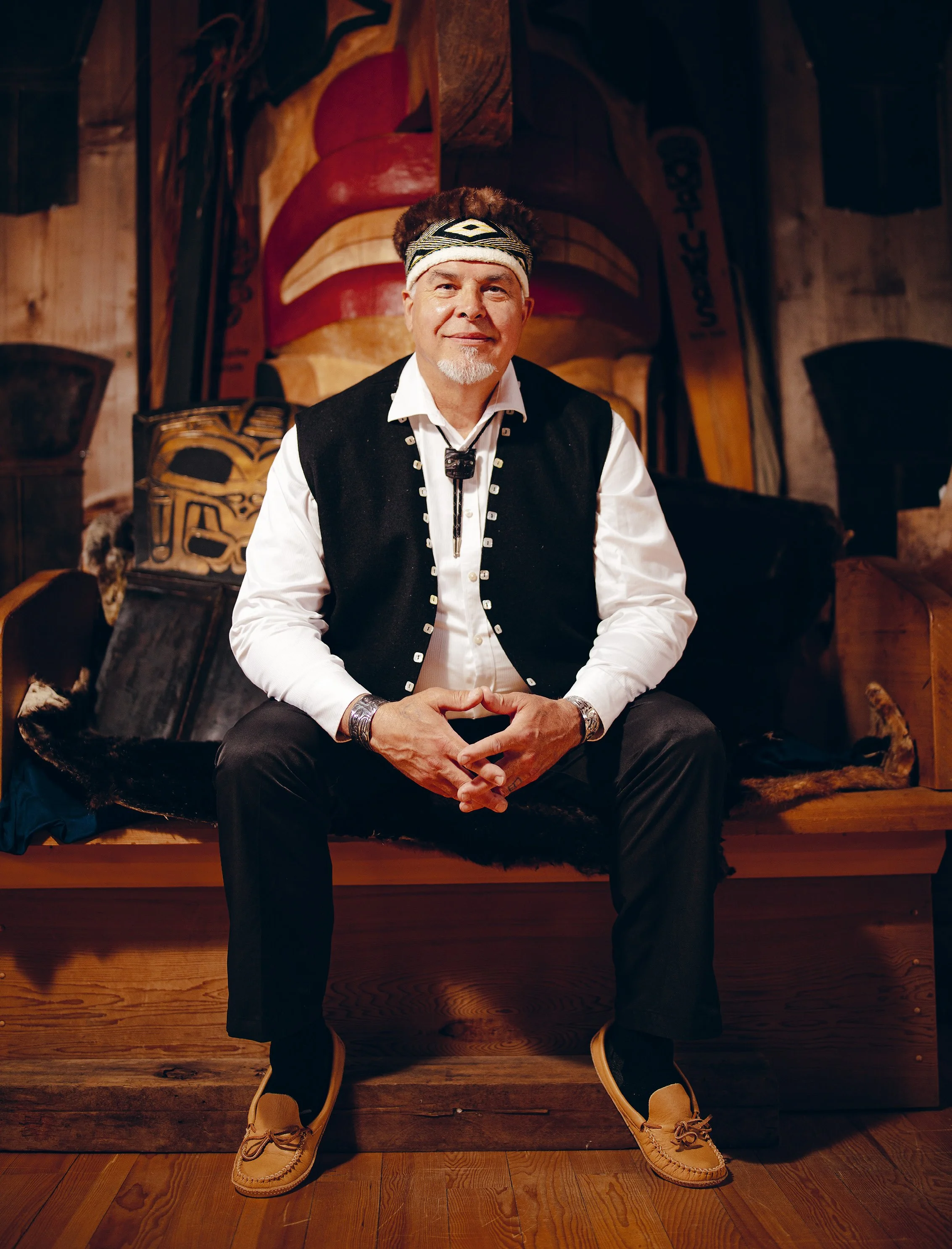
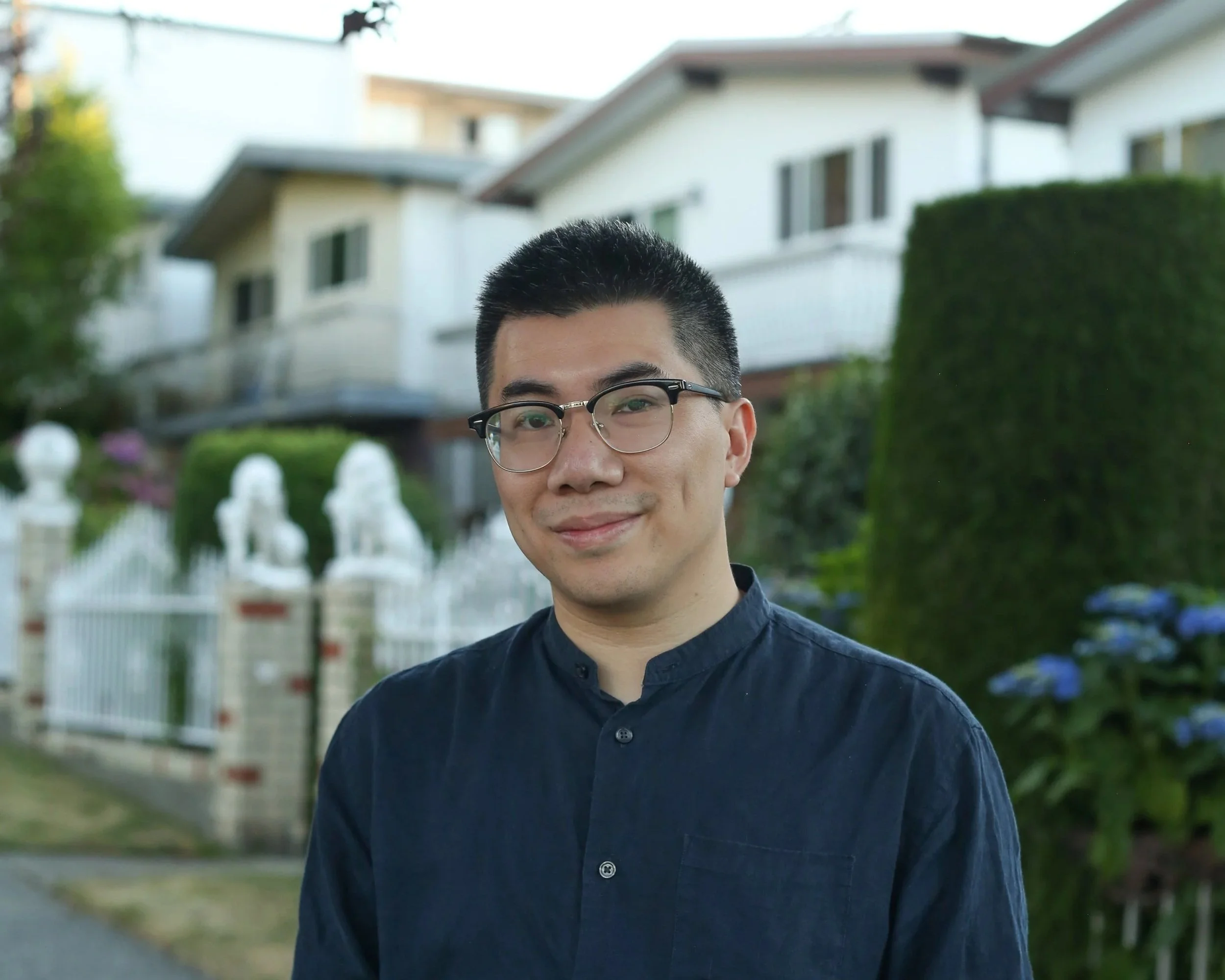
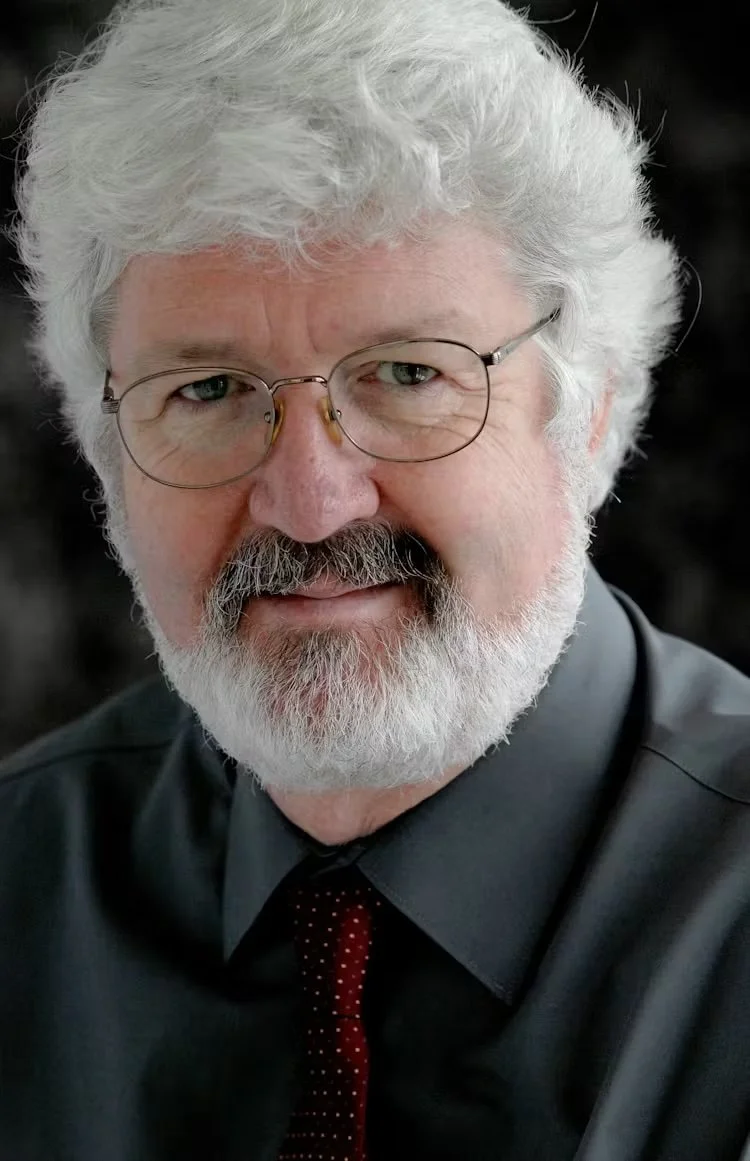
Christian White. Photo by Georgie Lawson
I first met Christian in 1985 when he brought in three pieces for sale to the Museum of Anthropology at UBC, where I was a student in the Museum Studies program—one was acquired for the permanent collection and two were acquired for the shop to sell. Christian was 22 years old, and to have a piece added to the permanent collection among the master artists of argillite was a prestigious honour. This piece was Raven Dancer (The Transformer), chosen for the cover of the book. I worked in the shop on the weekends, and I was asked if I could sell the remaining two pieces; I replied, “Absolutely.” They both sold over the next two days. One was purchased by the family that, 42 years later, would finance this book.
Although it was just a transaction over a counter, we would reconnect a few years later when I joined a commercial gallery, and they became long-term clients and very close friends. We would meet often in Vancouver and Haida Gwaii, and the three of us formed a bond that continues to this day. Many pieces were added to their private collection. Christian was the first artist that I sought to include in the first exhibition that I curated for the 1987 catalogued exhibition Hands of Creation at the Inuit Gallery, and the “Bear Mother” piece was the first to sell. I would represent his work over the next 34 years. This book is a tribute to this relationship.
You’ve represented Christian’s work for many years; throughout the collaboration and writing of this book, was there anything that surprised you or made you see some of the artworks in a different light?
When you represent an artist for 34 years, pieces come and go, and Christian’s pieces sold quickly—often before they went on display. You rarely get to see pieces that span his career, but over the many photo sessions for this book, I had the opportunity to hold and study pieces done decades apart, or similar subjects such as the panel pipes, which are complex carvings. It was interesting to see how an artist weaves together figures, tells stories, and captures particular moments in the story. No one, including Christian, has had the chance to hold and study so many of his pieces at one time. This was a privilege, but also a challenge, to locate and document as many pieces as possible.
Raven Transforms features nearly 200 of Christian’s artworks found in private collections and institutions all around the world, many of which have never been seen publicly before. What did that process look like, and what does it mean to share these pieces with the world for the first time?
Most books documenting an artist’s career are retrospective catalogues for exhibitions that are restricted to the exhibited pieces. The gathering, photography, design, and printing are all on a short schedule, timed for the opening of the show. This book had lots of time to breathe. First, I had the photo file from the Spirit Wrestler Gallery, which was extensive, but I also had the amazing support of other galleries and auction houses that have represented his work, and all these files were offered for this publication. Beyond this, we arranged for several major photo sessions in private homes, museums, and collectors bringing pieces to the studio for photography. It is impossible to include everything, but this is a really good overview of his work.
Argillite carving is a distinct Haida art form and tradition that is inseparable from the culture. How does the book, and Christian’s work, speak to that legacy?
Argillite is considered cultural property, and the trip to harvest stone requires a full day of boat travel and a hike up a mountain site—the isolation with no roads is critical to the protection of the stone. Artists who carve argillite have several levels of education: the trip to harvest stone, the proper storage of the material to allow it to dry evenly, the lifelong study of the stories that are passed from generation to generation, and the skills needed to render them in stone. There are also the multi-generational master Haida artists who set the bar high, and artists understand they are expected to maintain the tradition at the highest level.
Out of all the pieces from the book, is there one that speaks to you the most?
I have several favourite pieces in the book, beginning with Raven Dancer (The Transformer), which was my first introduction to his work and a piece that I have visited often over the last four decades. When I had a summer internship with the conservation department in 1985 and 1986, I would measure the humidity levels in each room of the museum every day, meaning that I had this incredible museum to myself for an hour every day. Raven Dancer (The Transformer) was always on my path. I also feel that his book captures his work in series, certain subjects, the panel pipes, and his ability to capture details through inlays, and in the very small figures woven into the sculptures. His sculptures are amazing to view, hold, and see in the round. Christian is also ambidextrous, allowing him to work both sides of the sculpture at the same time, a rare feat and equally valuable when he is carving large monuments. He began experimenting with inlays early in his career and it has become a signature of his work—carefully inlayed stone, shell, and bone in various patterns that enhance details and never overpower the sculpture. 

Related Articles