Local theatre artists’ project King Arthur’s Night culminates in a buoyant new film that blurs documentary and fantasy
Now streaming on Knowledge.ca, John Bolton–helmed movie stars Niall McNeil, Marcus Youssef, Veda Hille, Nathan Kay, and more, in a mix of artists with and without Down syndrome
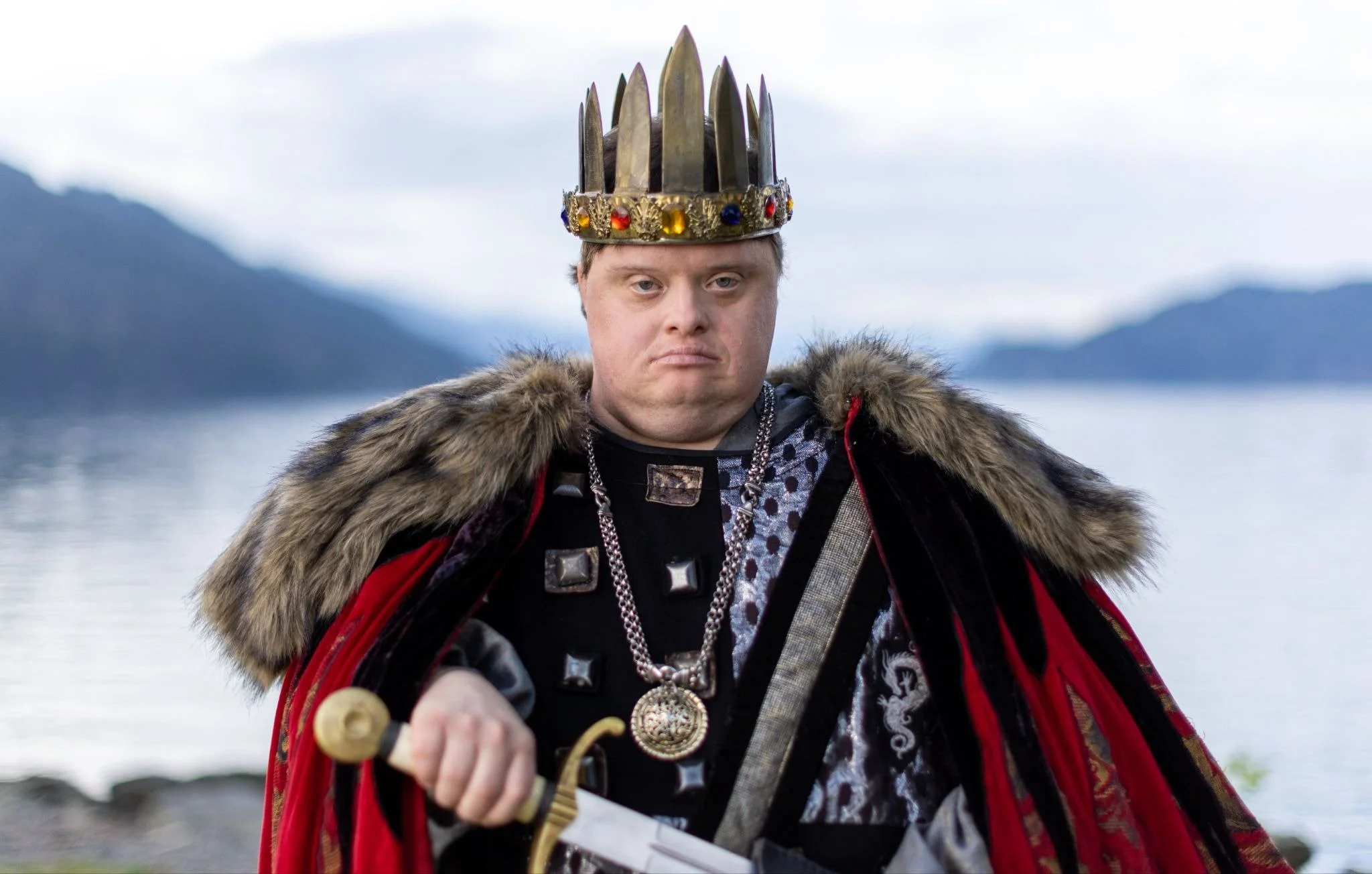
Niall McNeil in King Arthur’s Night.
Now streaming on Knowledge.ca
WITH THE CATEGORY-DEFYING film King Arthur’s Night, director John Bolton has managed to take an inspired Vancouver theatre project and turn it into something even richer and more joy-sparking than it already was.
The original play, staged almost 10 years ago by Neworld Theatre as part of the PuSh International Performing Arts Festival, was an epically imagined, radical act of inclusion. It reframed the Arthurian legend through the uniquely creative lens of well-known Vancouver theatre artist and Down syndrome trailblazer Niall McNeil, working with his close friend, playwright Marcus Youssef. Bolton honours their inventively adapted rendition of King Arthur, while the medium of film allows its flights of fantasy to soar. At the same time, he’s able to cut back and forth to behind-the-scenes looks at the artists who made it.
In short, magic happens on both sides of the camera, as Bolton shows the power of unfettered imagination to bring people together—in the least sentimental way possible.
At the play’s inception, the clear inspiration for Camelot for McNeil—whose many creative projects have included last year’s play Beauty and the Beast: My Life, and the recent films Lay Down Your Heart and The Originals—was Harrison Hot Springs, a spot he visited annually. It was one of countless touches that sprang directly from his personal experience and vivid imagination.
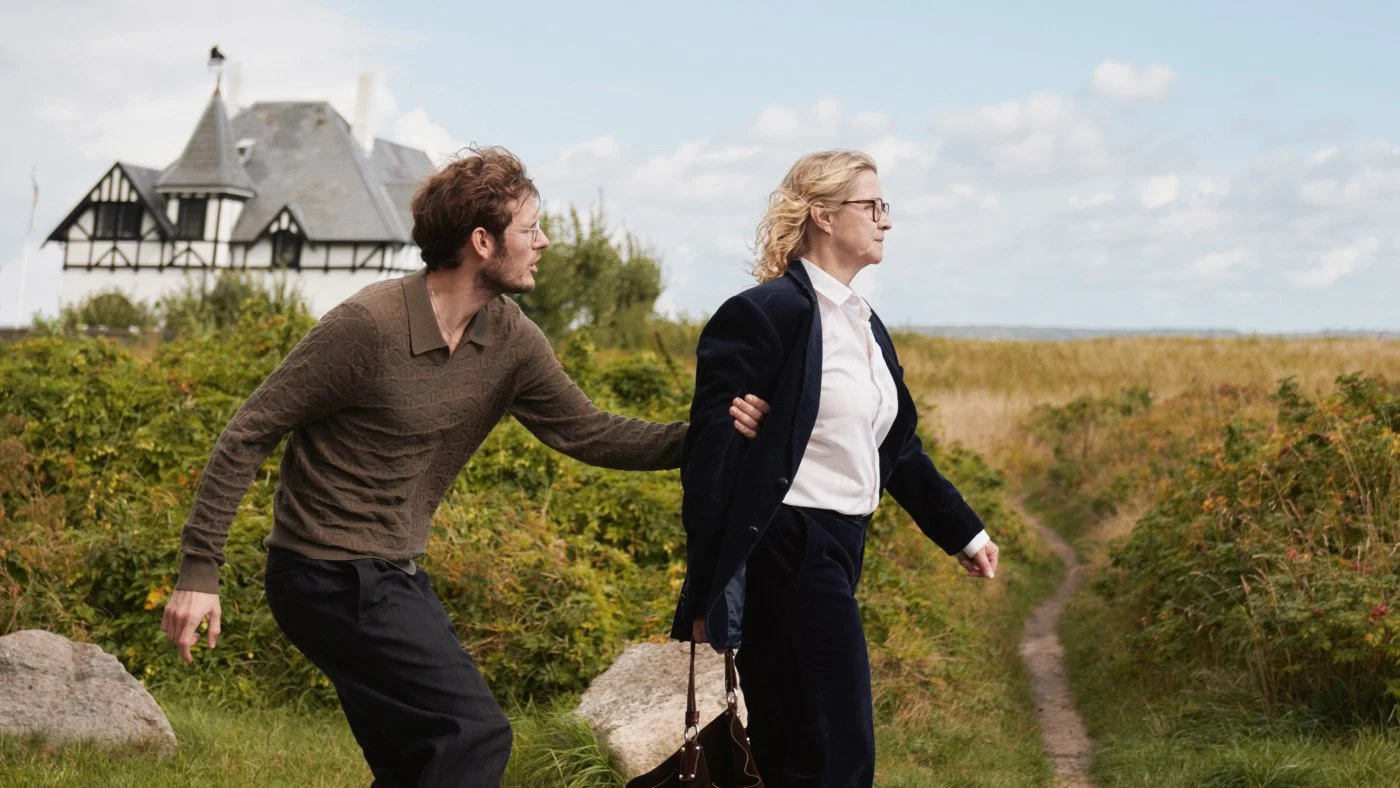
The film is able to transport us directly to that slightly kitschy resort town, with the first scene finding a tormented king (McNeil, resplendent in a jewelled crown) walking down Harrison’s mystical, mountain-shrouded pier, toward a throne where the wizard Merlin (Youssef) stands. From there, a winking creative team makes no attempt to make Harrison look like anything but the “magical resort municipality” that the narrator tells us it is. In a clever touch, the hotel ballroom’s gaudy light-up dance floor becomes the setting not only for the knights’ Round Table, but also for circle discussions by the cast during the shoot. Cinematographer Vince Arvidson lenses it all in a way that adds to the heightened-myth feel.
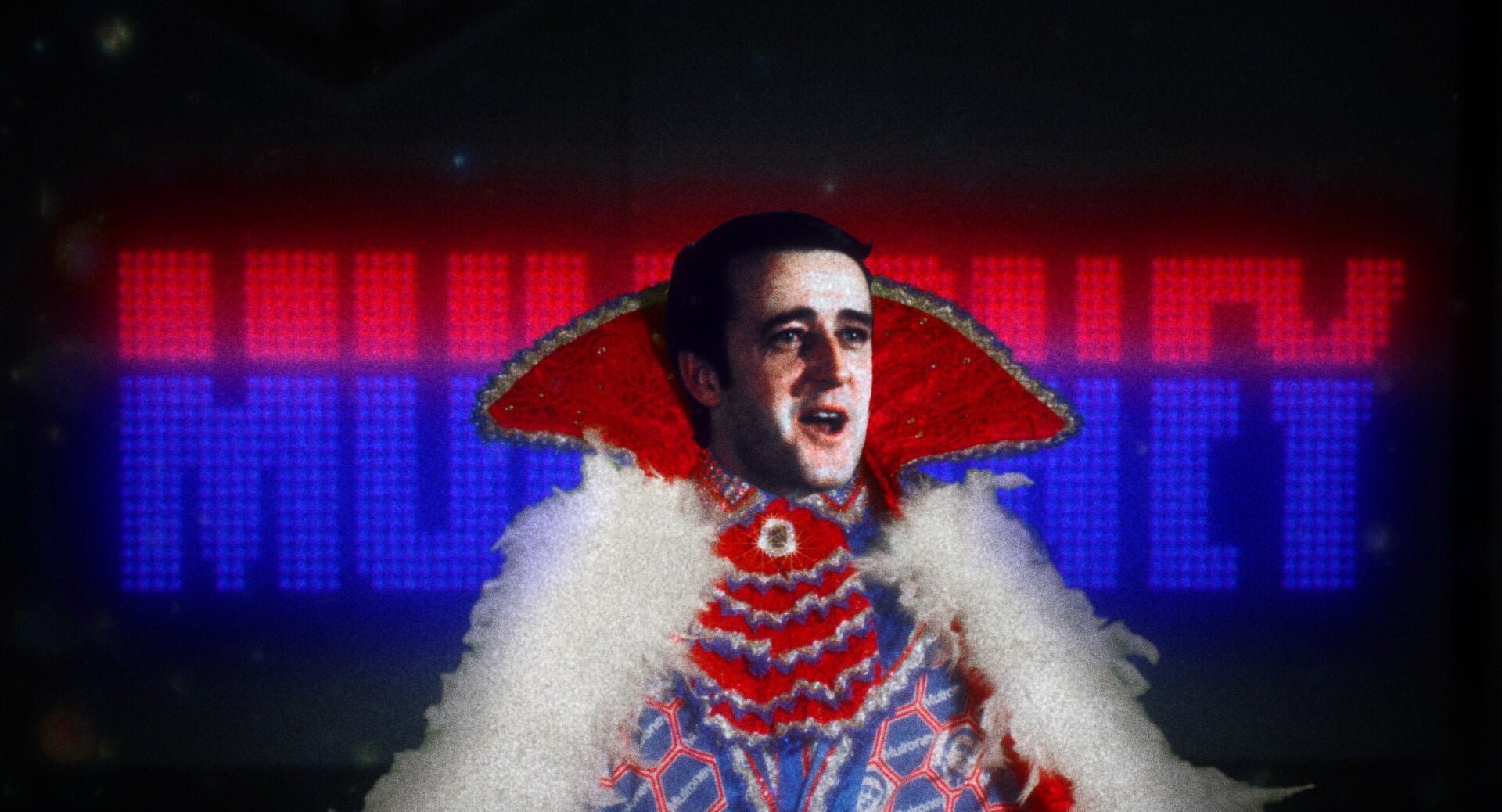
Among McNeil’s inspired touches is a goat uprising (McNeil has a long-standing fear of the creepy-eyed creatures, as it turns out), while Nathan Kay’s brilliantly treacherous knight Mordred sprouts horns, and Hille leads a trio of “glam rock minstrels”.
Youssef helped create the musical by recording McNeil’s ideas and songs and then drawing from them to form the structure and script. But early in the film, it’s made clear that the actors can ad lib, and it’s this injection of randomness that provides King Arthur’s Night with so much spontaneous reward. “I didn’t call you,” McNeil informs Merlin when Youssef’s character interrupts an extended bedroom scene where King Arthur regales a detectably bored Guinevere (Tiffany King) with stories.
Behind the scenes, we see Youssef and McNeil’s easy, teasing bond, the pair connecting over the deaths of their fathers—and the deeper way that may affect the story on film. We hear from grateful parents of some of the actors, and equally from some of the brightest lights in this city’s stage scene, about what they’ve learned about the creative process from the artists with Down syndrome.
Amid it all there are a lot of big laughs—goat-horned babies, sly nods to the surreal resort setting, and smoke breaks near the “castle” of Morgana (Kerry Sandomirsky). At one point McNeil reaffirms Youssef’s disability: being a “chatterbox”.
But what’s so authentically inspiring about this buoyant documentary-myth mashup is how it empowers its cast with Down syndrome—whether through soft-spoken Magwitch (Matthew Tom-Wing) gently ordering his goat army to sit and roll over, or Guinevere taking the lead when dashing Lancelot (Billy Marchenski) woos her. Through laughter and unfiltered play, it pulls off that most revolutionary of things: it makes us see the world in a new way. 

Related Articles