B.C. filmmakers create grassroots vision of liberation and risk with phantasmagoric feature Lucid
Deanna Milligan and Ramsey Fendall conjured analogue, ’90s-era strangeness by allowing their process to take on the spirit of a community art project—making for an incredible journey of small miracles, and also tragedies
Lucid
Lucid screens at the VIFF Cinema from May 29 to June 4, with a special event screening on May 29 with the cast and crew on hand for a Q&A, and other merch and surprises
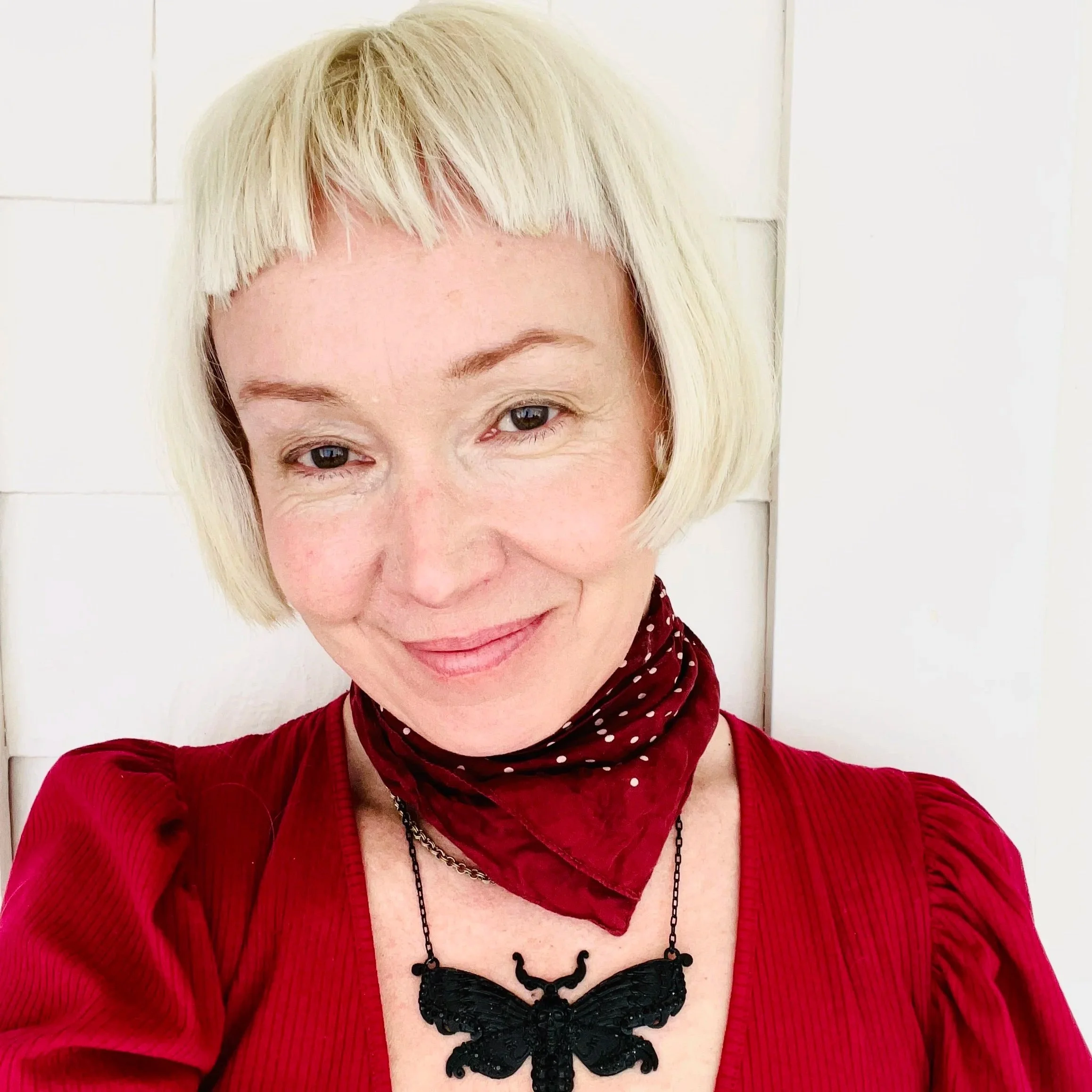
MERCH COLLECTORS AND music lovers, take note: a mixtape will be available when Lucid receives its Vancouver premiere at the VIFF Cinema on May 29. “This is the coolest thing,” beams Deanna Milligan, brandishing the neon-violet audio cassette during a FaceTime call with Stir. “We worked so hard on this.”
Like the rest of their years-long project, these tapes were personally manufactured by Milligan and filmmaking partner Ramsey Fendall using whatever resources came their way, in this case an ancient Hitachi tape deck borrowed from a neighbour. Including a couple of vintage numbers donated by Vancouver’s Dishrags, it features some 17 minutes of soundtrack music to a debut feature that has accumulated as much lore as it has critical praise.
Shot largely in Victoria, with the couple’s own Oak Bay home converted to a studio for most of it, Milligan and Fendall found themselves helming a community art project that attracted a dazzling if scruffy team of psychic mediums, drag queens, models, artists, dancers, musicians, and other brilliant misfits and fringies working on both sides of the camera. It sounds glorious.
“We had this one kid, one of the camera assistants, I’m pretty sure he was skipping school all through Grade 12,” Milligan laughs. “People would just turn up at the house like, ‘I brought my cousin, I brought my friend,’ and I’m like, ‘Okay, give him the clapper, let’s go!’”
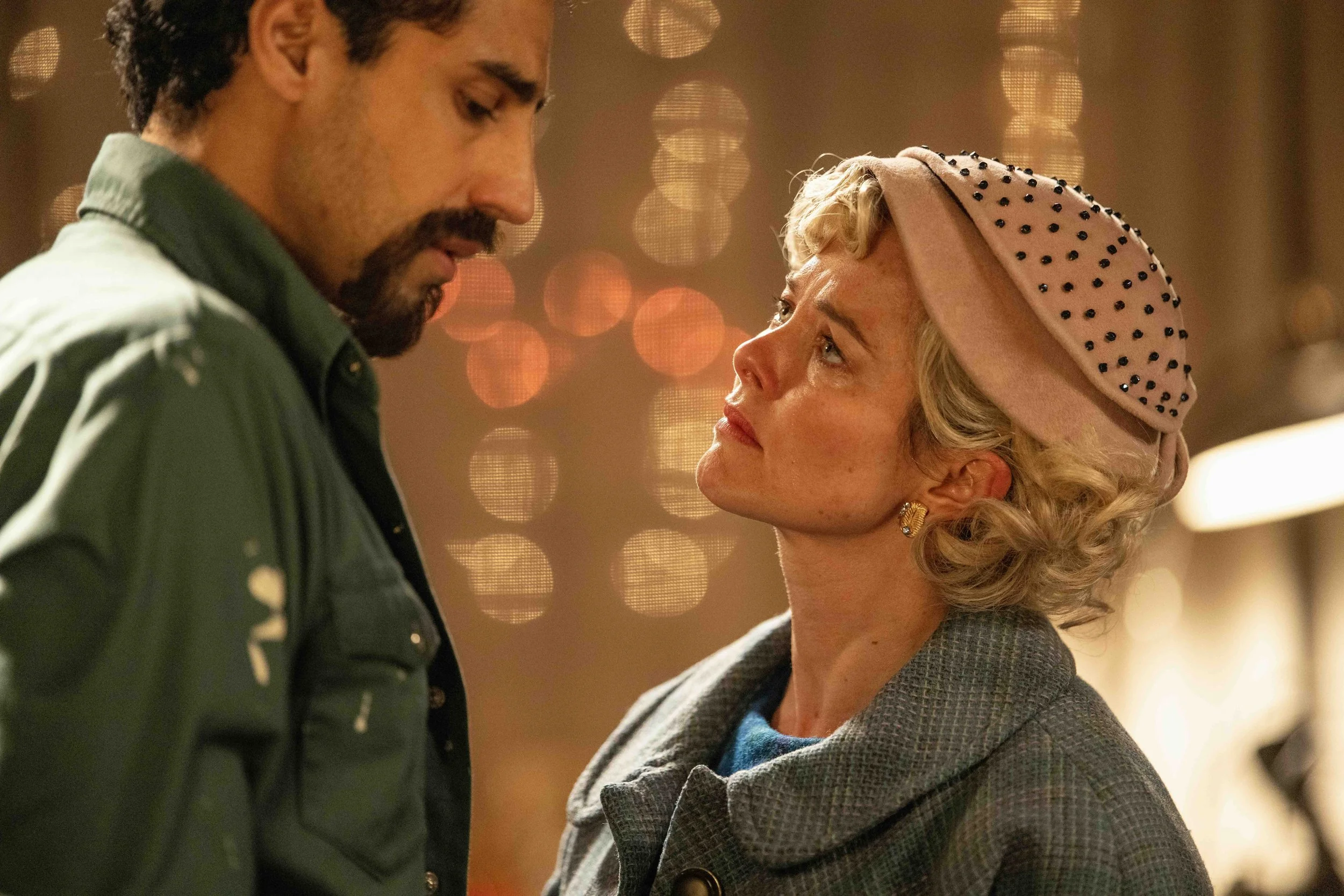
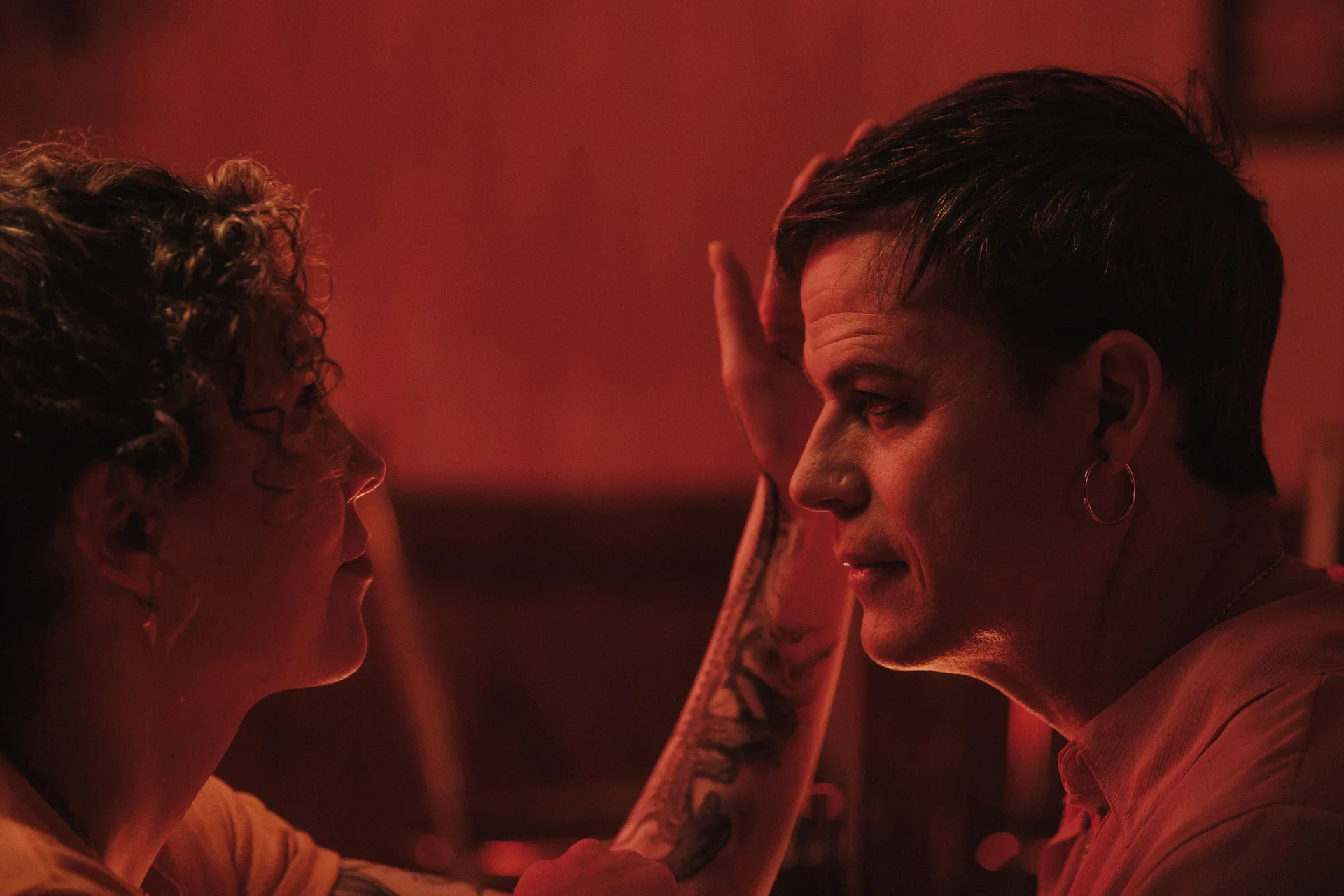
Set in the ’90s, the film itself, appropriately enough, is about the messy act of creation, in this case focused on Mia Sunshine Jones (Caitlin Acken Taylor, amazing), an art student who’s about to be shitcanned from school if she can’t overcome her stubborn internal blocks and the withering skepticism of her instructor. Goaded by a trio of catty musicians (including insurgent indie musician Ayla Tesler-Mabé), Mia turns for help to a cross-dressing witch (played by drag queen Vivian Vanderpuss) who prescribes a candy-coloured pill, “Lucid”.
Deanna Milligan

Ramsey Fendall
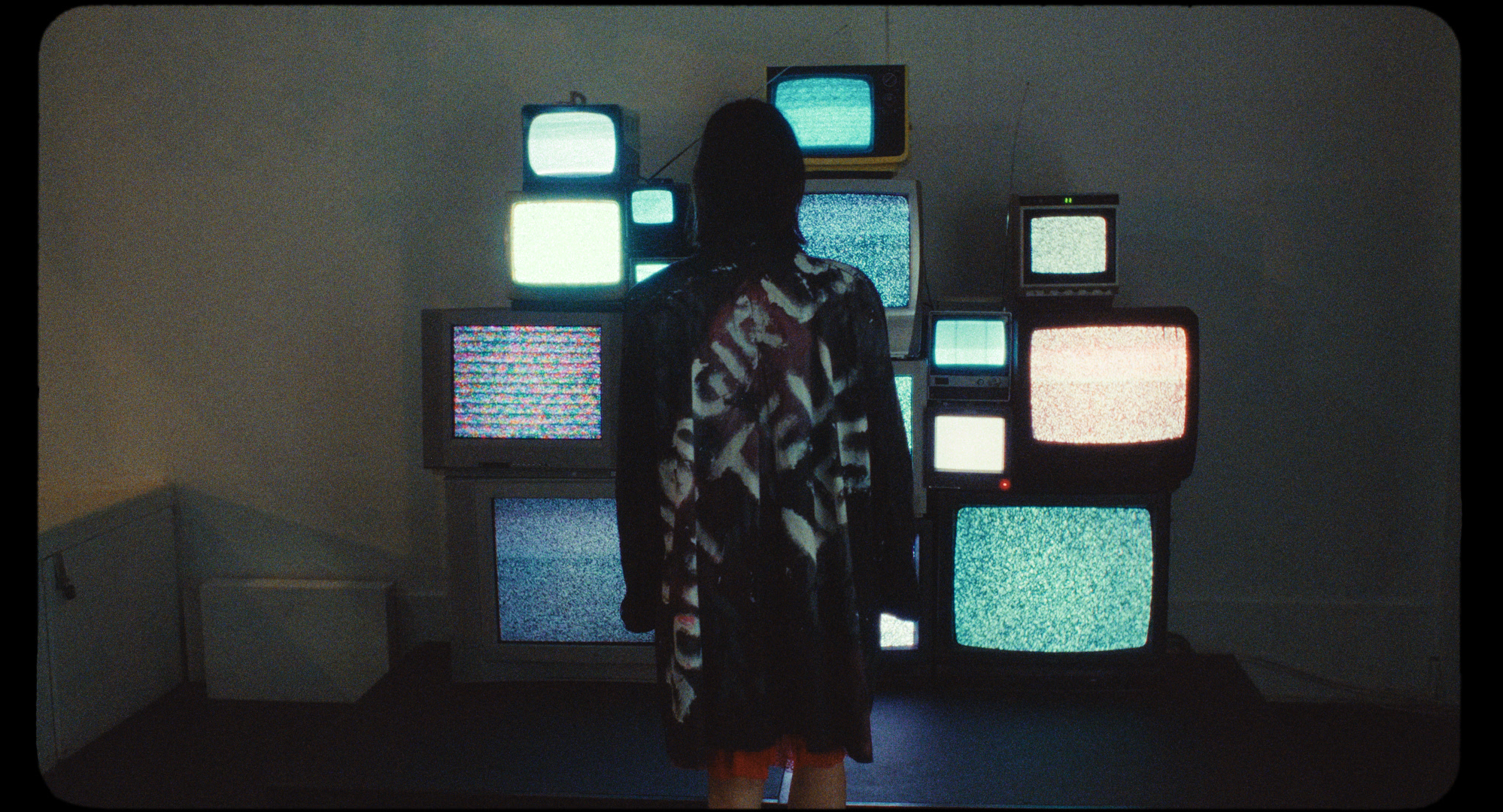
Now the film shifts into a phantasmagoric (and often very funny) purging of Mia’s family trauma and the mysterious fate of her musician parents. Past and present bleed into each other, reality becomes porous, and the monsters of Mia’s psyche emerge into her world—depicted with a thrilling sense of daring by the filmmakers through prosthetics, puppetry, and animation. Shot on multiple film stocks and saturated with colour and Old World optical effects, this kinetic and indulgent debut generates the kind of reckless, handmade feel that’s been eliminated from film with extreme prejudice in recent years.
The appeal to genre fans and analogue heads is obvious, not to mention anyone nostalgic for the pre-digital artistic ferment of the period it depicts. Capping a half-decade of small miracles—and also tragedies—the film has been picked up for distribution in the US after a knockout festival run that included, critically, its screening in a converted slaughterhouse at Spain’s Sitges festival last October.
This was only days after the passing of composer and soundtrack supervisor Marta Jaciubek-McKeever, whose importance to the film is incalculable. Milligan actually chose to ditch her trip to Sitges at the time, no matter how vital it was to Lucid, preferring instead to stay by the side of her dying friend. Jaciubek-McKeever was having none of it. “You’re going to Spain,” she said.
“In the middle of the night,” recalls Milligan, her voice cracking. “She told me, ‘You’re going to miss my funeral and go to Spain. It’s my deathbed, so you have to do what I want.’ How can I refuse that? I’ve always done what Marta wanted, even when I didn’t want to.”
The story of Jaciubek-McKeever’s last week should be turned into a movie. She was still working on the score from her hospital bed when she busted out of the cancer ward with e.s.l. bandmate Diona Davies. Milligan laughs softly. “They came over to our house to grab a camera, they wanted to make a music video, and then they were going to go to the mall—that’s right—because Marta wanted to buy some UGG boots.”
Only hours after that caper, Milligan found herself dispensing morphine and Ativan at Jaciubek-McKeever’s Salt Spring home while her music supervisor complained about missing her own celebration of life, an event, in case there’s any question about the magnitude of the loss, that brought over 500 people to Salt Spring’s Bullock Lake Farm. “She really is everywhere,” says Milligan.
She’s definitely everywhere on the Lucid soundtrack. A vinyl release is planned, and rightly so. Among her collaborators were Tears for Fears drummer Jamie Wollam and Björk’s musical director, Matt Robertson, who helped Jaciubek-McKeever fashion a deluxe soundscape made from wild synth excursions, psychedelic folk, musique concrète, and blasts of indie rock and dream pop. Like the rest of the film, it teems with life, passion, texture. (Get a sense of the soundtrack on the trailer at bottom.)
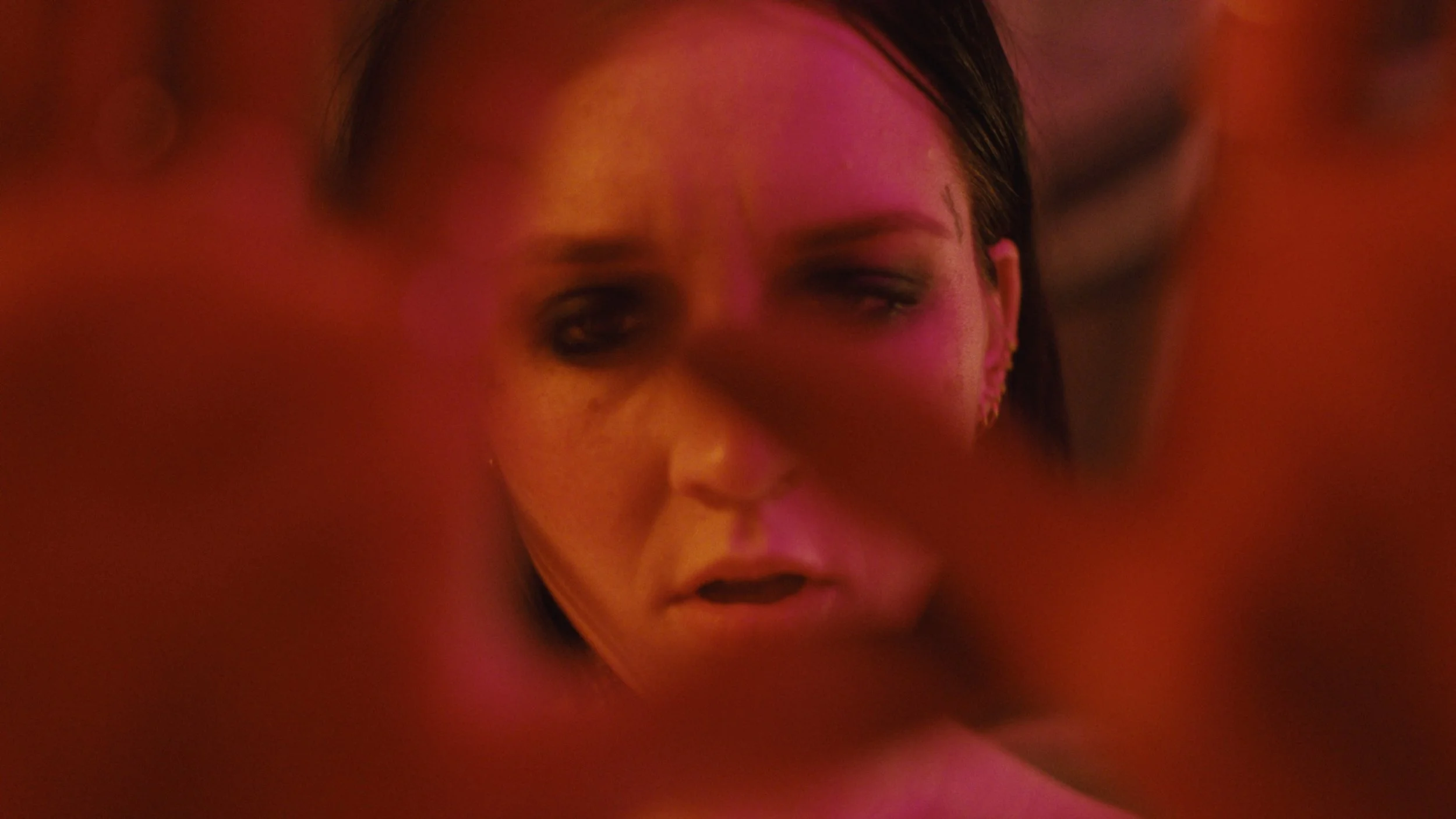
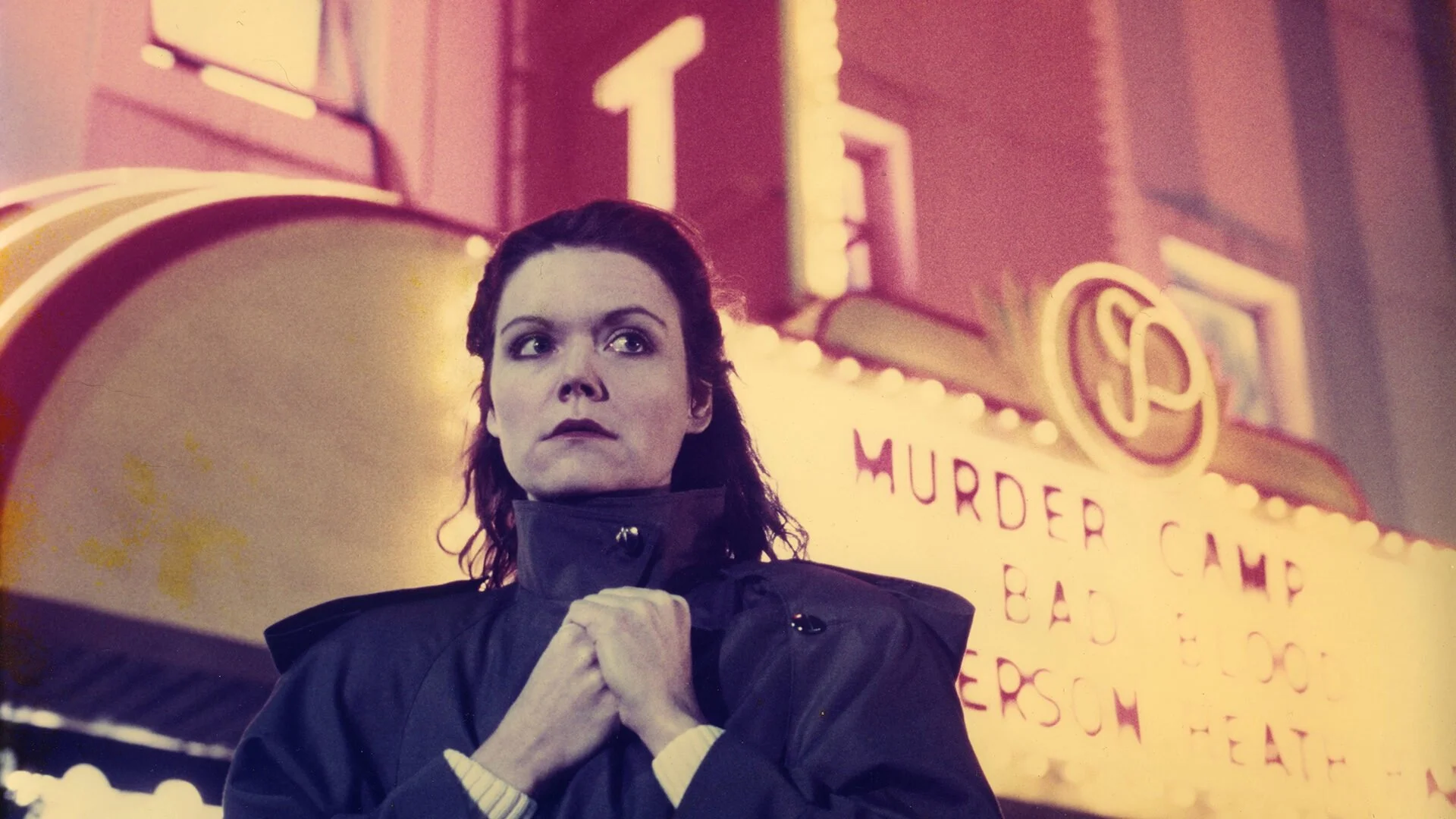
Caitlin Acken Taylor in Lucid.
Meanwhile, in front of the camera, it was also Jaciubek-McKeever who introduced Milligan and Fendall to their star. Another (sometime) Salt Spring resident, Caitlin Acken Taylor is a major discovery whose charisma and effortless embodiment of Mia grounds the film when it launches into prolonged episodes of delirium and the fantastique. Like everyone else involved, Taylor’s commitment to the project was off the scale.
“It was an insane journey,” says Fendall. “We moved Caitlin into the house for five months, we built the set in our carport, and Caitlin massively contributed to all of the art pieces. She’s an incredible visual artist in her own right.” Taylor also demonstrates stunning instincts as a performer and a rare fearlessness that edges unsettlingly close to Isabelle Adjani/Possession territory, most obviously in a punishing “bone doll” dance sequence.
“The physicality of this character,” continues Fendall, who also worked as the film’s DP. “That really is Caitlin's superpower. Even in the most unhinged of circumstances, like in that dance, Caitlin still knows how to orient herself towards the camera. It’s like she has an inbuilt technical sense.”
“It’s insane,” says Milligan. “It is so wild that we did that in one take because she couldn’t do it again. At the end, we were all sobbing in a heap together on the ground because we couldn’t believe we got there. She had been planning and choreographing that for weeks. That was all Caitlin’s choreography.
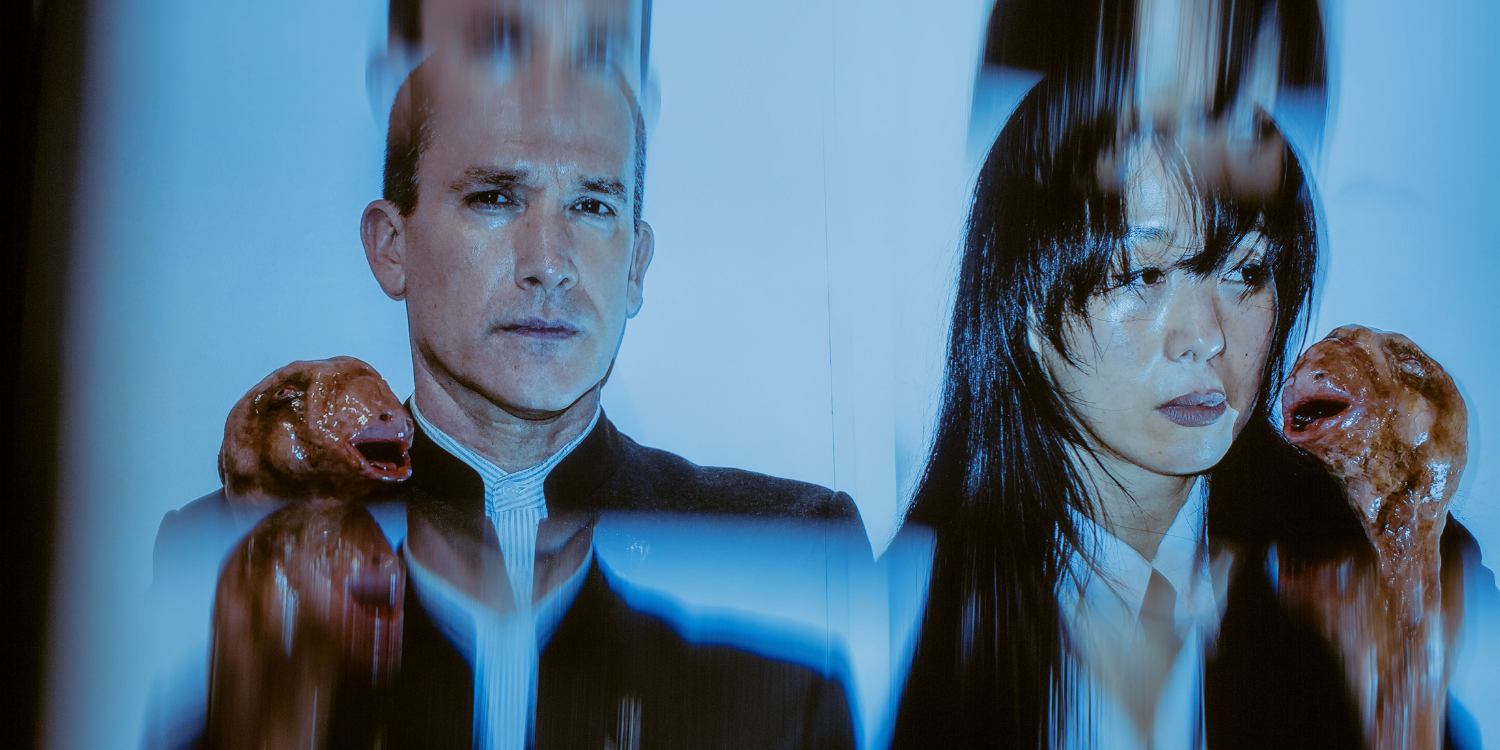
“Besides Marta, I’ve never met anyone as brave as Caitlin,” continues Milligan, adding that everyone involved in Lucid was forced, at some point, to overcome their own creative hang-ups. It’s where text and subtext overlap in a movie entirely devoted to the pain of self-expression. Among its many other delights are the beasts who menace Mia. The Fried Chicken Monster has the trashy comic mood of Troma, while the Hair Monster could have been borrowed from J-horror. Both hit a precise and unsettling note of absurdity and grotesque body revulsion while advancing the film’s aura of liberation, risk, and zero-budget invention.
If Milligan and Fendall had the internal resources to coax such quality work on both sides of the camera, who could they turn to for counselling? This is a project that really began almost a decade ago with some ideas scribbled into a notebook. That became an acclaimed short in 2021, followed by the inevitable churn of workshops, pitches, and rejections. But Milligan and Fendall had an early champion in the shape of Guy Maddin, the first person who said, as frustration began to mount: “Just shoot it in your house.” Milligan calls him “a toxic enabler.”
“We said, ‘Do you want to be our mentor?’” chuckles Fendall. “And he’s like, ‘Absolutely not, I’m absolutely not helping you in any way, I’m not going to be your mentor.’ And then he started sending us these multi-paragraph emails where so clearly he was mentoring us. It was just amazing.”
The filmmaking duo will bring the Hair Monster and other costumes to the May 29 screening and Q&A at the VIFF Cinema, accompanied by Caitlin Acken Taylor, Ayla Tesler-Mabé, and producer Emanuel Foucault. In the meantime, true to its animating ’90s spirit, Milligan’s daughter is hitting Commercial Drive and other key locations with a DIY flyer campaign, “just like we used to, you know?”
Says Milligan: “Lucid is grassroots. It just is. That’s where it is and that’s the sweet spot.”
Sounds like our money quote.
Fendall has a correction: “Our non-money quote.” 

Related Articles