Kunsang Kyirong’s 100 Sunset peers into hidden daily lives of Tibetan-Canadian community
With influences including Hideaki Anno and Alfred Hitchcock, debut feature by Surrey-raised director builds uncanny atmosphere as a quiet young woman points her camera into neighbours’ windows
100 Sunset
The Cinematheque presents 100 Sunset on May 15, 17, and 28
EVERY WINDOW AND every balcony of a crowded suburban tower block invites a peep. People will lie about it, but the temptation to look is close to irresistible. “Absolutely,” laughs Kunsang Kyirong. “It’s kind of the point of the film. Especially if the blinds are open.”
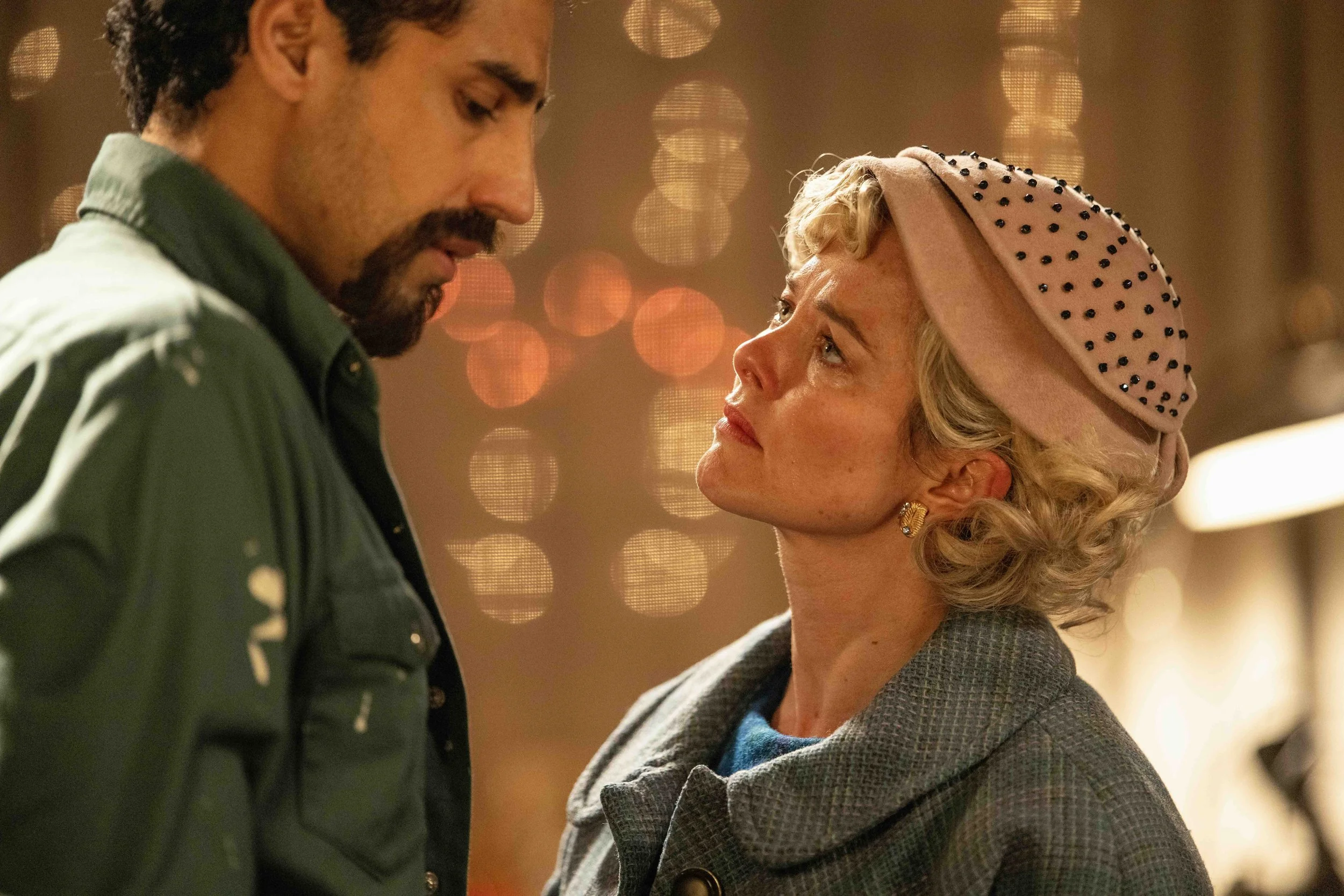
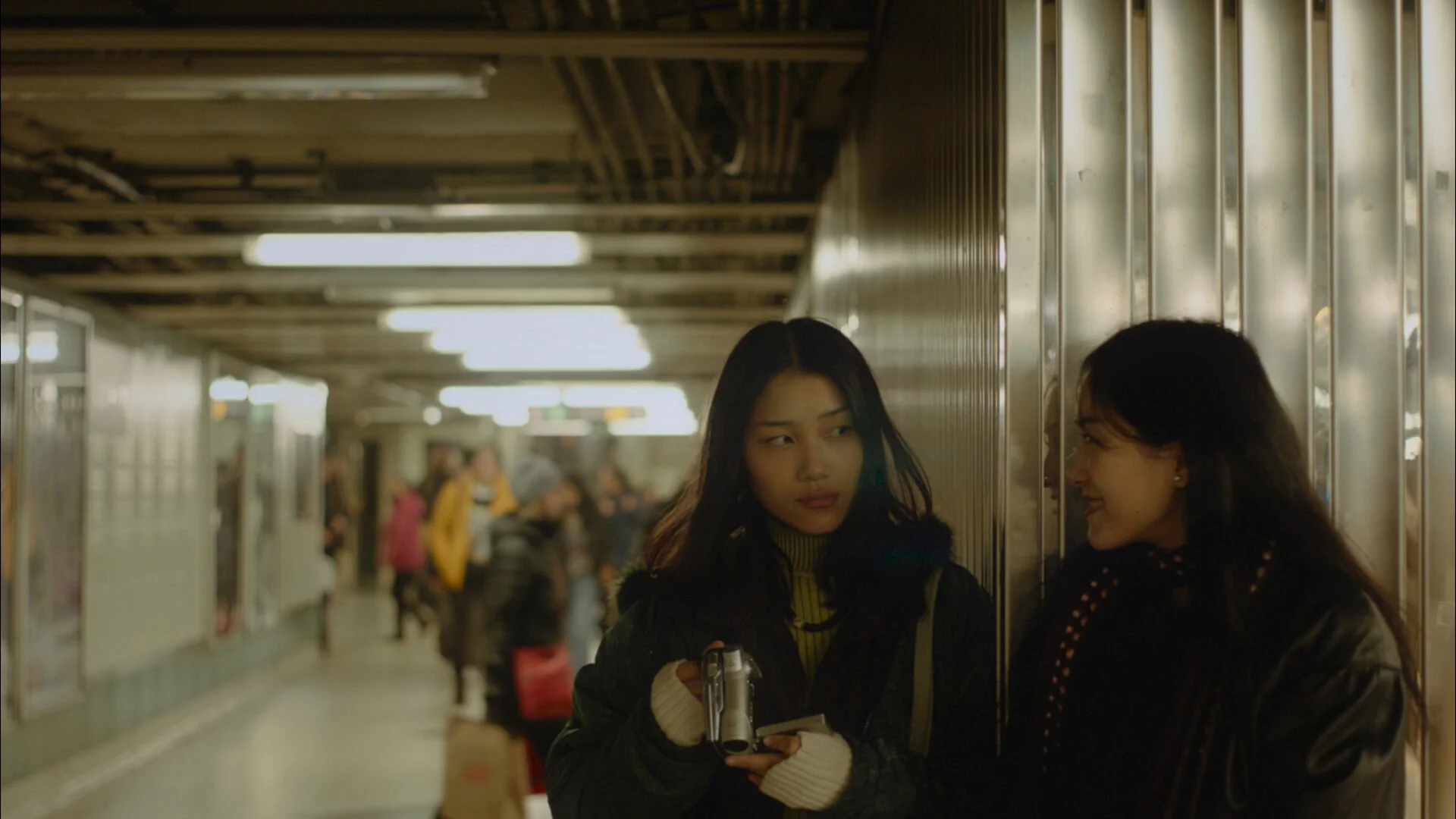
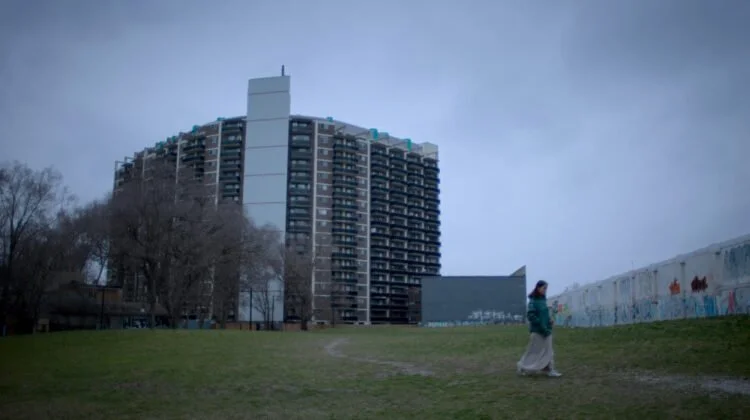
In Kyirong’s remarkably assured debut feature 100 Sunset, sullen 18-year-old immigrant Kunsel goes a lot further than just looking, pointing the lens of a Handycam into the windows of her unsuspecting neighbours in their cluster of high-rise buildings (actually Toronto’s Parkdale neighbourhood). Kunsel is otherwise prone to rifling through their bags, stealing things—including the camera—and generally acting as a silent drone to the unaware Tibetan community crowded into the complex.
Of course, this same community is otherwise spying on itself in the time-honoured manner, living in tight proximity and sharing gossip, innuendo, and low-key opprobrium about one another. The arrival of a middle-aged man and his much younger bride, Passang, raises some eyebrows, but also presents Kunsel with an opportunity for friendship, or maybe something more pathological. The film’s depiction of Toronto’s Tibetan diaspora is fragrant and rich in detail, but 100 Sunset operates in a slightly cryptic groove. Incredibly, its enigmatic tone is carried almost entirely by a stunning group of non-actors.
“When I started doing a bit of the casting work, a lot of individuals that I was meeting started to characterize some of the people in the script,” says Kyirong, calling Stir from her adopted city of Montreal. She found her Passang working as a server in a Toronto restaurant called Shambhala.
“When I met [Sonam] Choekyi, the complexion of her skin, the moles on her face, her very open personality, it really kind of fit whether it was perfectly described in the script or not. The funny thing was that she had already known that there was a small casting call going around in the Tibetan community, and the kitchen staff had told her, ‘You should apply.’”
As for Kunsel, who carries so much of the film with barely a word spoken, Kyirong lucked out again. “In the script she was always quiet, almost mute,” says the filmmaker, “but then, upon meeting Tenzin [Kunsel], I emphasized those characteristics even further because she was really quiet in real life. Even when I started spending time with them together, before production, it took a really long time for her to feel, I don’t want to put words in her mouth, but somewhat comfortable around Sonam.”
That tension naturally works its way into the film, gradually evolving into an unwholesome kind of collaboration between the two women. For almost a year prior to shooting, “before even thinking about the script or the film in any capacity,” Kyirong and her two young leads spent weekends together dining, exploring the city, and getting comfortable with each other.
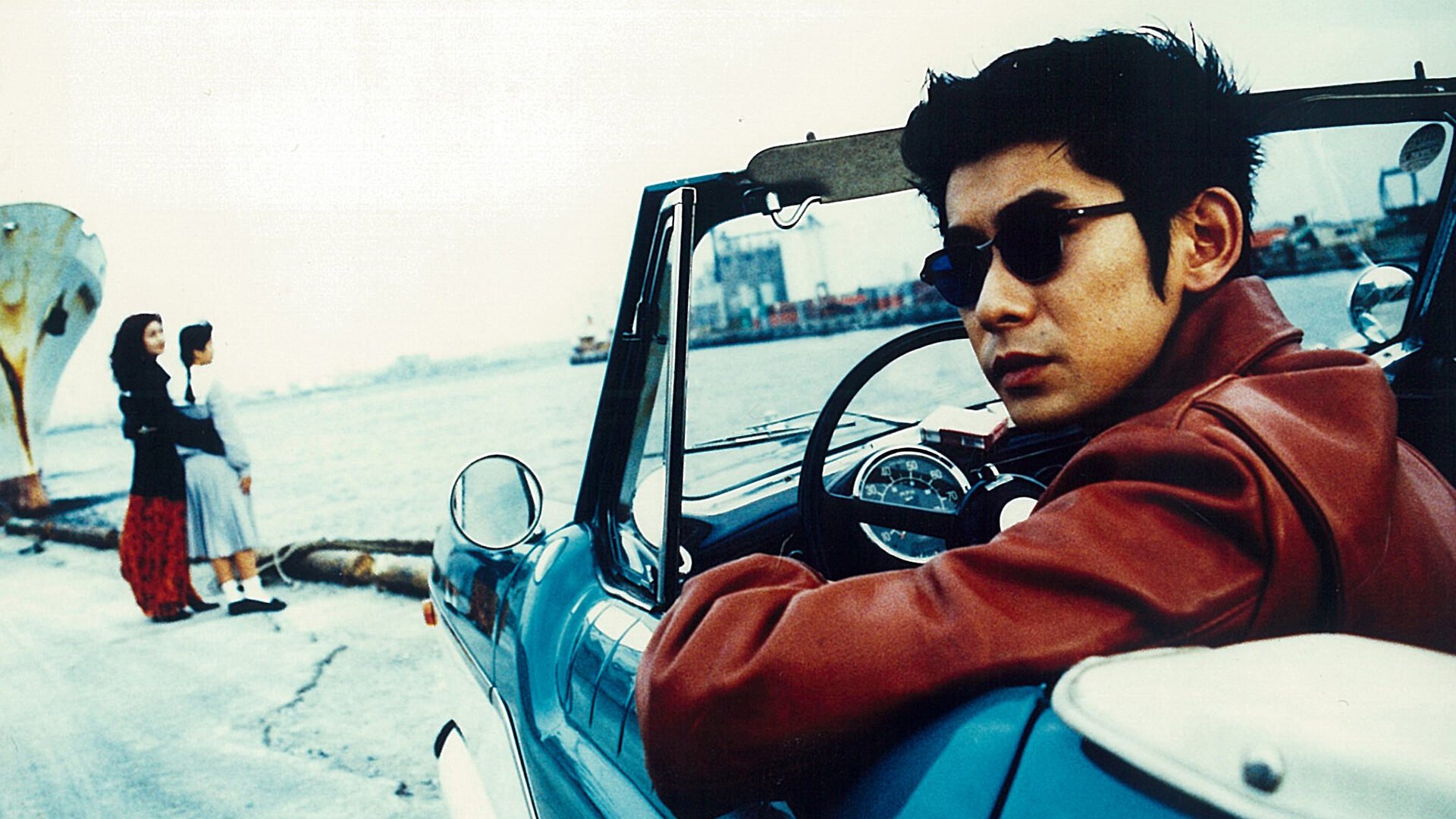
“There’s an aspect of the relationship where I did feel like an older sister in some ways, where there’s a sense of closeness,” she says. Kyirong also screened films that felt relevant to the project, including some works by Tibetan filmmaker Pema Tseden and Hideaki Anno’s experimental feature Love & Pop.
“Rear Window was a reference,” she adds. “Body Double was a reference too, for these kinds of acts of voyeurism, and then some European films like Antonioni’s L’Avventura, in terms of blocking and the kind of visual landscape that he portrays in that film, so there was really kind of a wide network of films that influenced the visual language of 100 Sunset.”
Speaking of, the film is further benefited by the cinematography of Nikolay Michaylov, a veteran of Toronto-based indie production and distribution giants MDFF, whose previous credits include Anne at 13,000 Ft. and Matt and Mara. Anyone who’s lived in Toronto will feel its snowy stretches of suburban wasteland, bright lakeside chill, and the unique green-brown fluorescence of its night skies.
100 Sunset
Kyirong was raised in Surrey and studied animation at Emily Carr before pursuing her master’s in film production at York University, but her evocation of Toronto’s Little Tibet has been rightly praised for “conjuring something familiar”, if not uncannily authentic.
Equally, as a Tibetan Canadian, she brings a deep cultural knowledge to 100 Sunset and critical details like the dhukuti system—a sort of credit-based lottery overseen by Kunsel’s uncle, Gesar—which drives the narrative and brings us closer to characters like Passang’s somewhat tortured spouse, who recites Milarepa’s poem “The Song of the 12 Deceptions” in one of the film’s most devastating scenes.
Played by yet another non-actor, Lobsang Tenzin—“He’s amazing,” remarks Kyirong, and it’s not hyperbole—this key figure is known in the film only as “the Man With the Golden Tooth.” A bit abritrary, perhaps? Or maybe another element in the film’s strategy of evasion and ellipsis?
“No,” explains the filmmaker. “In Tibetan society, there are a lot of individuals with golden teeth, and there’s a nickname for it, Sermodso. So the literal translation would be ‘a person with a golden tooth’. So it felt fitting to keep with the nickname ’cause they’re constantly used in Tibetan communities, often because so many individuals have the same name.
“There’s just not a huge rotation of names,” she says with a laugh. 

Related Articles