Sarah Quartel’s arrangement of classic Huron Carol sounds new note of reconciliation
Elektra’s upcoming Chez Nous holiday concert will feature this long-standing Canadian favourite, energized by fresh words from Wendat artist Andrée Levesque Sioui
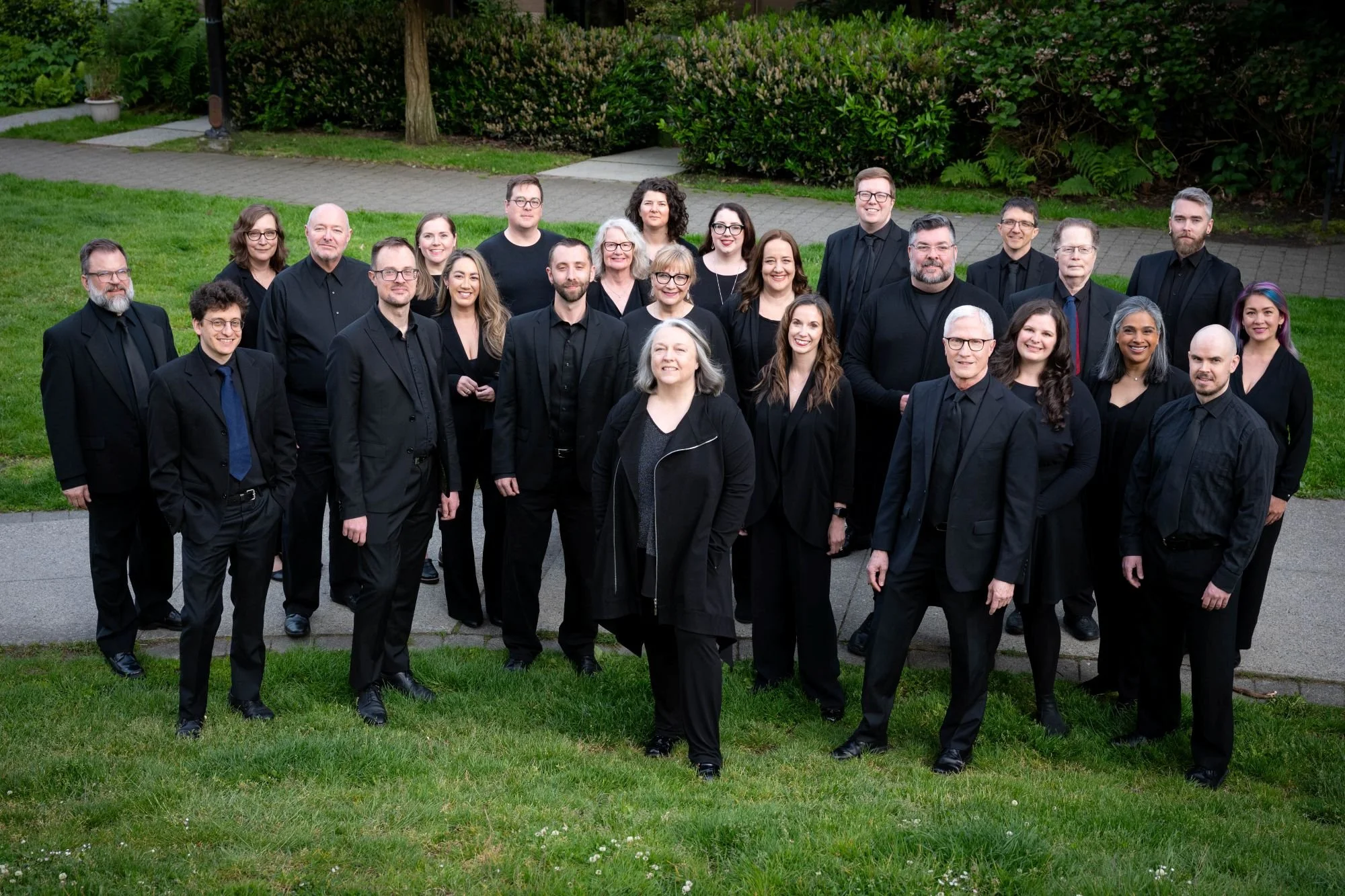
Elektra

Sarah Quartel
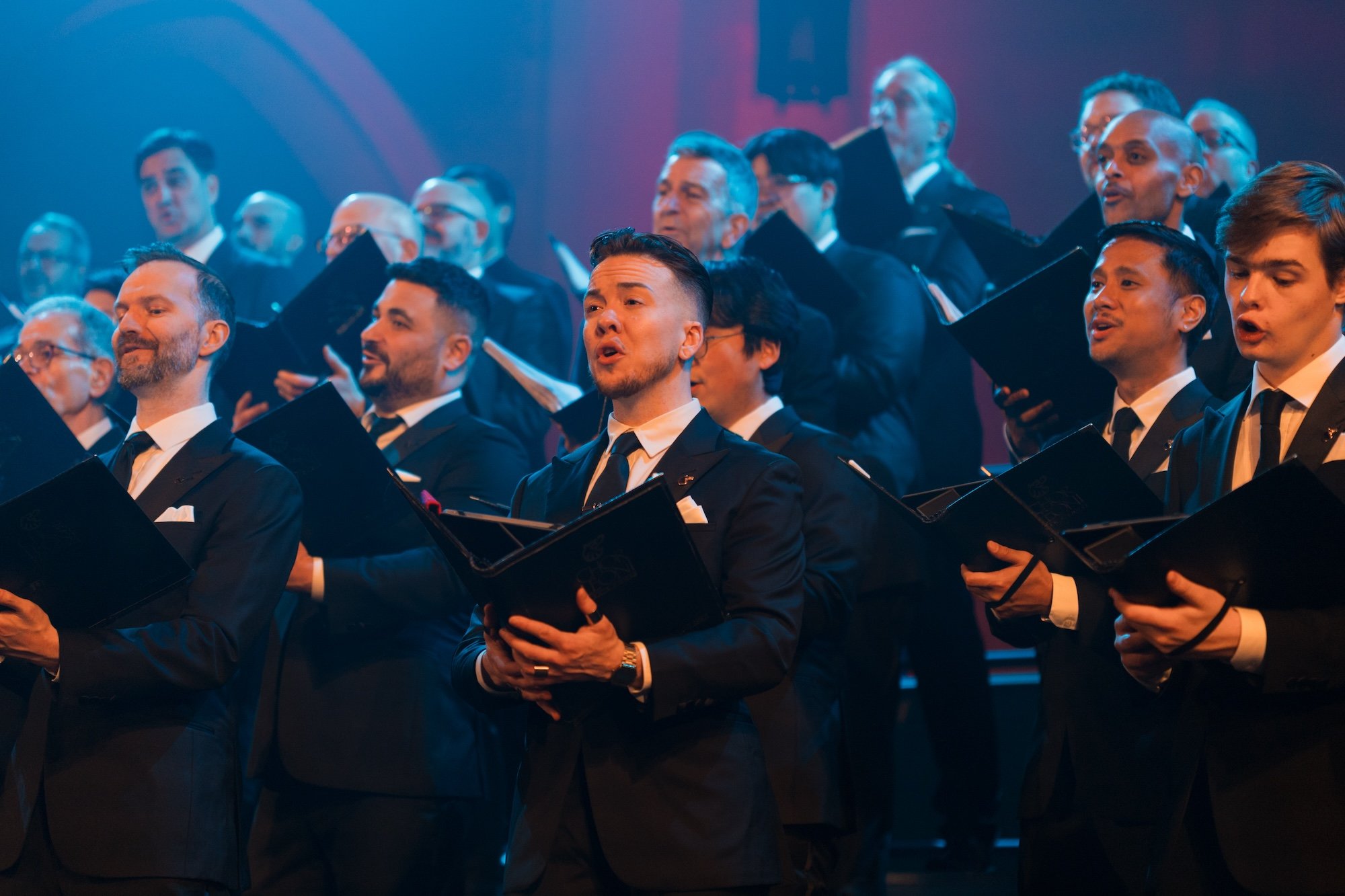
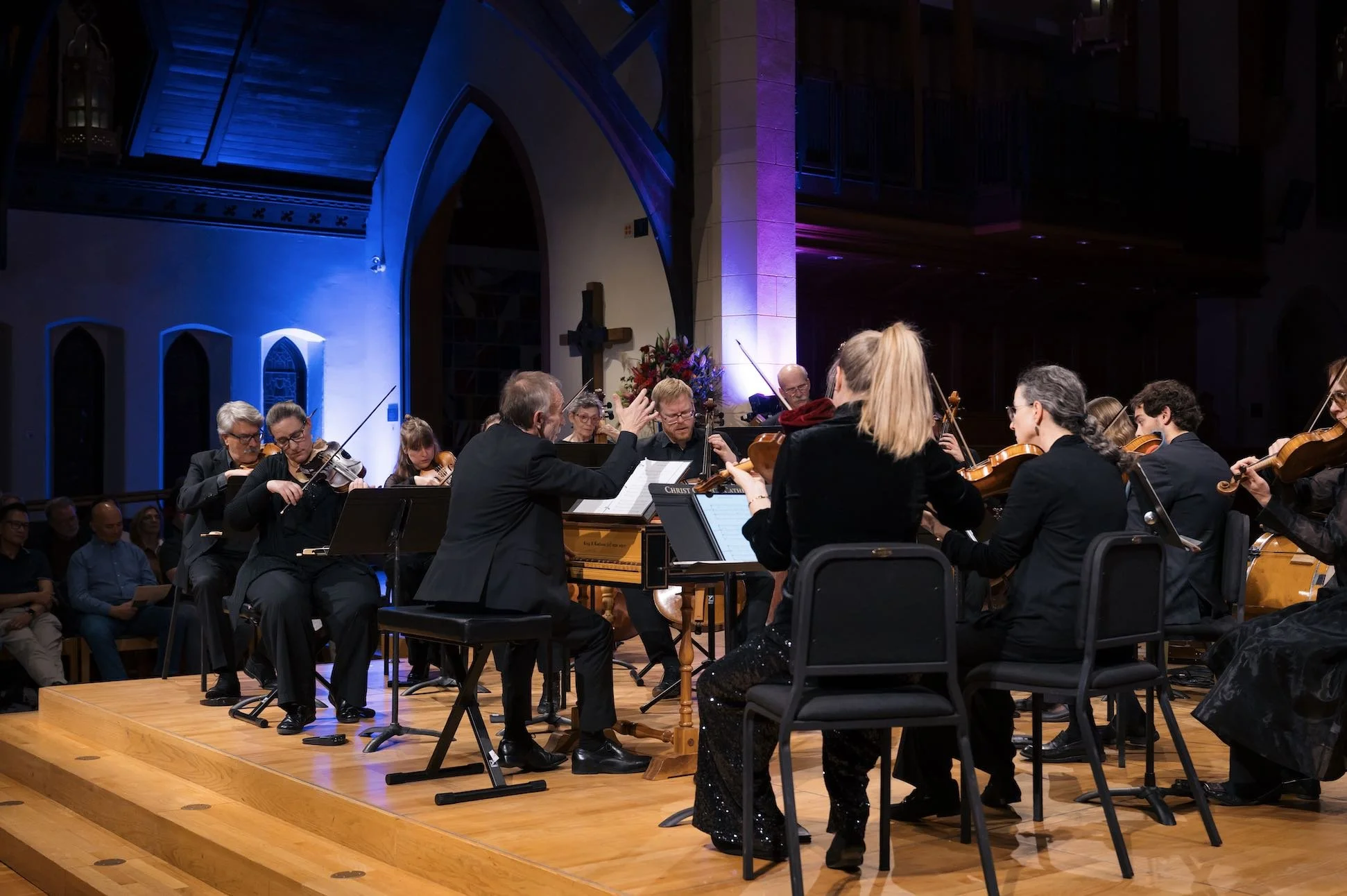
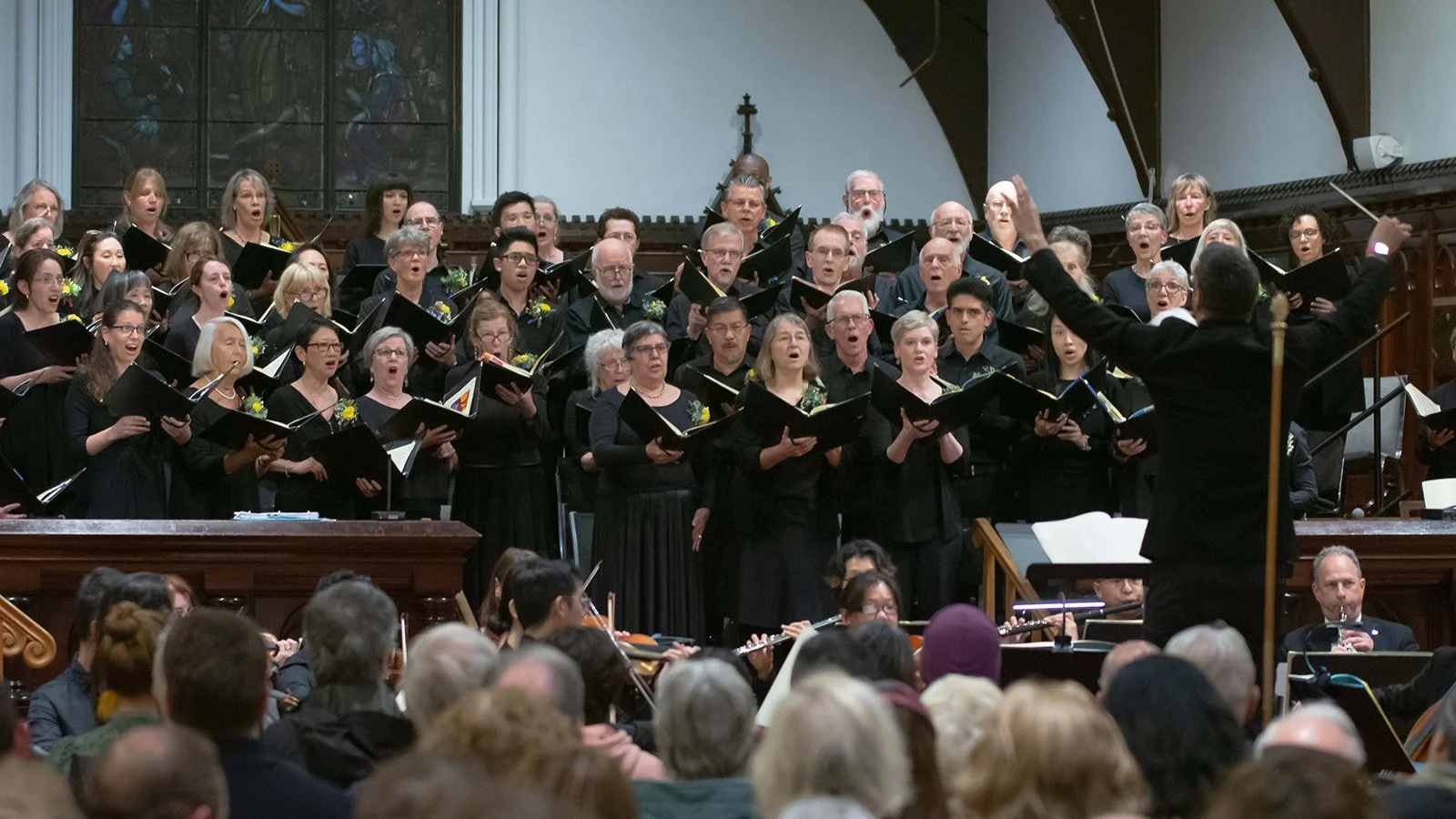
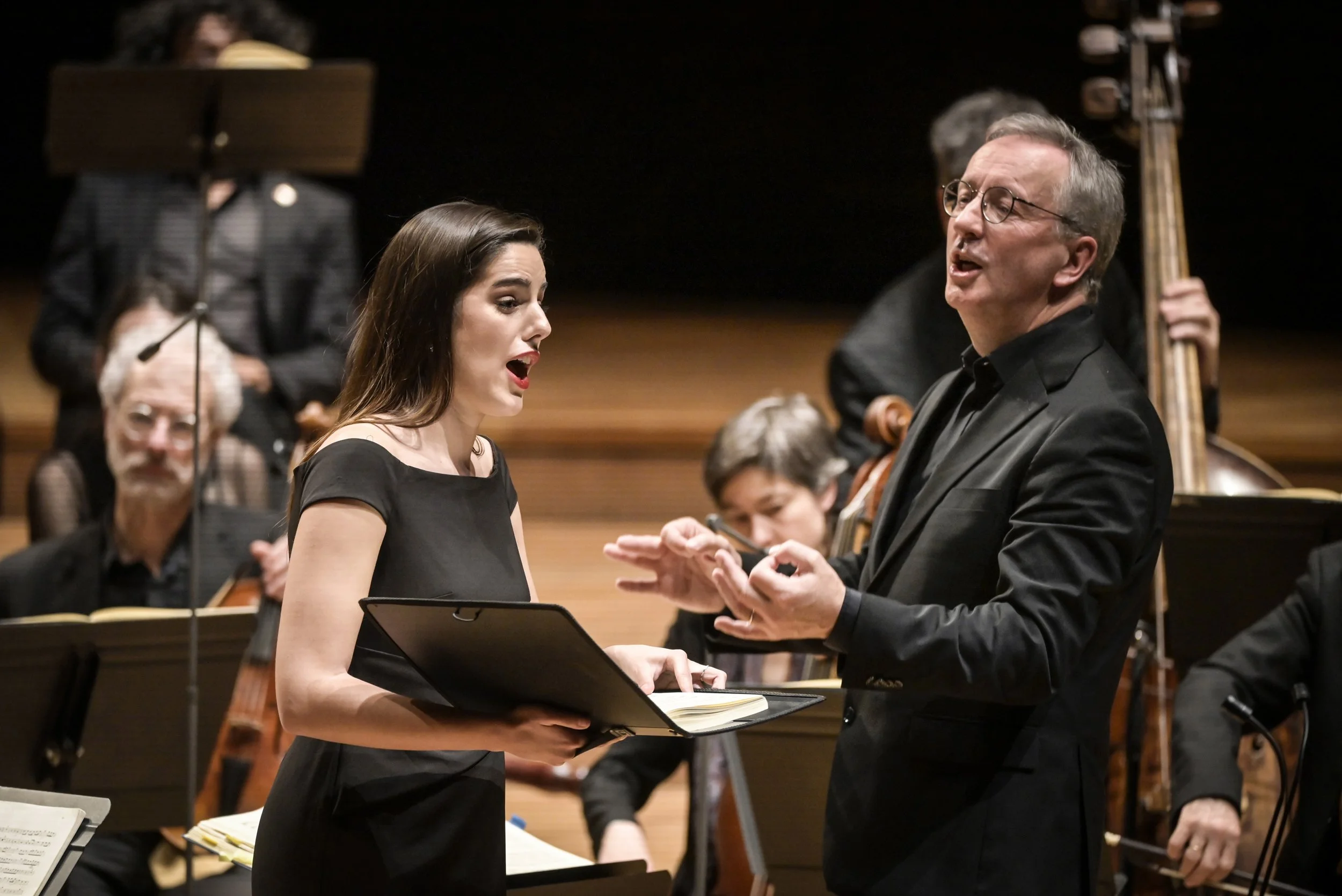
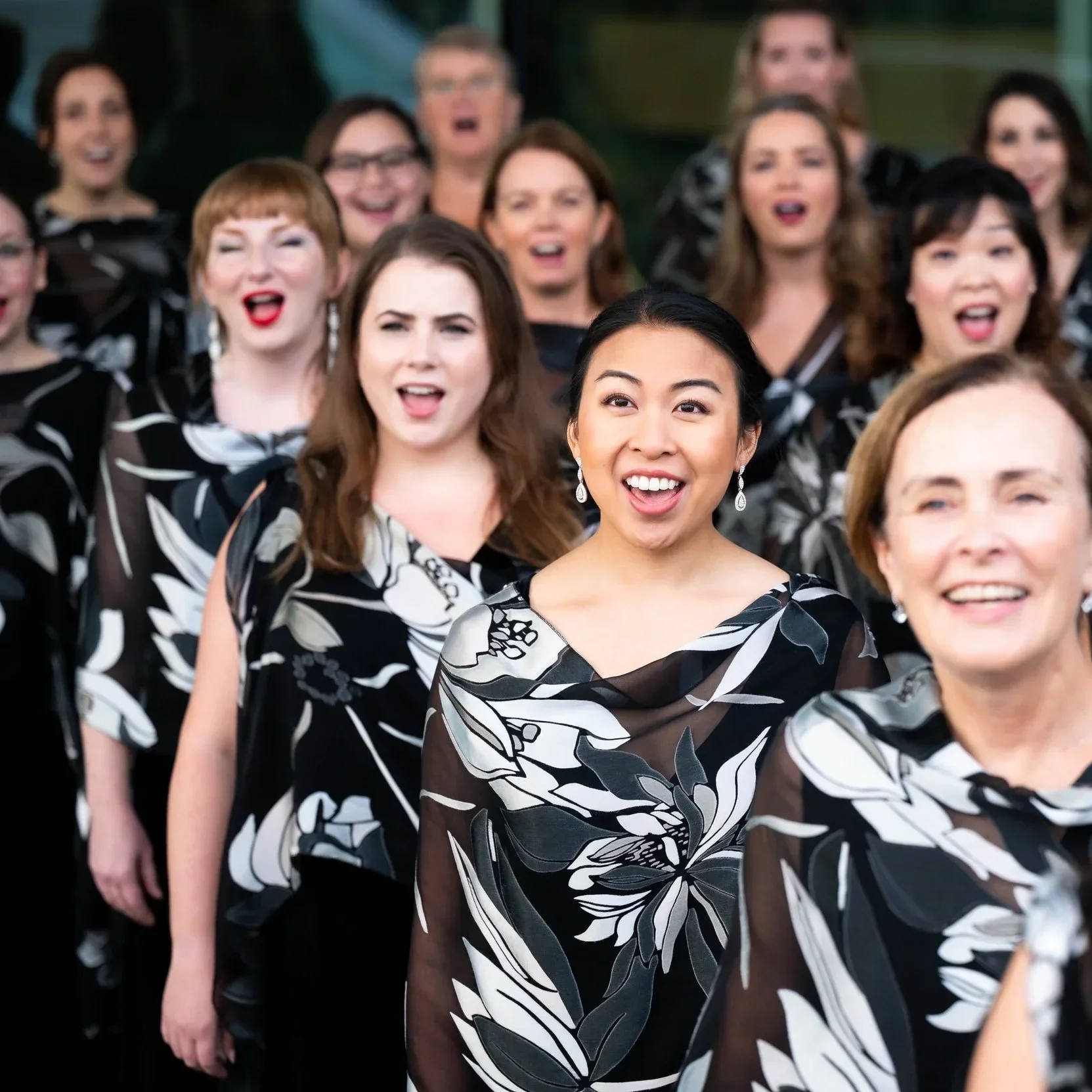
Elektra presents Chez Nous: Christmas With Elektra at Pacific Spirit United Church on November 28 and 29
IT’S AS CANADIAN AS hockey, poutine, and rye whisky, and arguably predates all three of those national treasures. (In fact, it predates Canada.) To give it a more appropriate context, it’s as Canadian as Gordon Lightfoot’s “The Wreck of the Edmund Fitzgerald”, Ian Tyson’s “Four Strong Winds”, and Gilles Vigneault’s “Mon Pays”, and predates those too.
We’re talking, of course, about “The Huron Carol”, often cited as Canada’s first Christmas song, and certainly one of its most durable. A staple—in English Canada, at least—of community choral concerts since 1927, when the familiar Jesse Edgar Middleton lyrics were first published, it actually has a far longer history, although it can be hard to disentangle fact from myth.
It is believed that “Canada’s first Christmas carol” was written in the 1640s by the Jesuit missionary Jean de Brébeuf, who had been sent to bring the Indigenous population of New France into the Catholic and colonial fold. It’s certainly set to a French folk melody that would have been familiar to Brébeuf and his contemporaries, and the Jesuit’s original Wendat text has been translated into French many times, with varying degrees of fidelity.
But, like so many other national icons, “The Huron Carol” is now being reappraised in light of the cruelties, land grabs, and misunderstandings inherent in Canada’s creation. Can we sing it as a celebration of Christ if we know about the Jesuits’ role in suppressing the Indigenous cultures of the Great Lakes and the St. Lawrence River Valley? Can we accept that it represents the Huron Nation if we know that “Huron” is actually a French pejorative, meaning “boor” or “ruffian”?
And just how Canadian is it, anyway?
All of those questions have been swirling around in the mind of the London, Ontario–born choral composer Sarah Quartel, whose recently revised take on “The Huron Carol”, Iesous ahatonnia’, will be featured in Elektra’s Chez Nous: Christmas With Elektra concerts at Pacific Spirit United Church on November 28 and 29. Asked how she came to collaborate with the late singer and ethnomusicologist Jeanette Gallant and the Indigenous poet Andrée Levesque Sioui in this new version of a very old song. Quartel launches into an unbroken, five-minute-long analysis that deserves to be reproduced with minimal editorial interference.
“I’ll start from the very beginning, if that helps,” she begins. “Most people are familiar with ‘The Huron Carol’, and the Jesse Middleton lyrics: ‘’Twas in the moon of winter-time/when all the birds had fled.’ I grew up singing that song, and knew it off by heart: I’d sung it in school choirs, at university, and I’d heard it in churches. It was just everywhere. It really was one of the core pieces in my Canadian choral upbringing. So when I was asked by my publisher, Oxford University Press, to create my own choral arrangement, I didn’t really think twice. I felt attached to it because it had been a part of that upbringing. All the messaging I’d received about it as a young chorister was that you could feel a sense of connection to this piece and ownership over it, because it is Canadian and you are Canadian.
“So I set the piece to music using those Jesse Middleton lyrics and didn’t think much about it. Well, fast-forward a few years and I was living in Hawaii—my husband was a member of the Canadian Armed Forces, and he was posted there for an exchange—and I was missing Canada so desperately. When you’re out of Canada, you’re like, ‘I need my CanCon!’ So I was listening to CBC and there was so much about the Truth and Reconciliation Commission on the radio at that point, and something happened one day. I was looking at my catalogue, knowing what was happening in Canada, and I just went, ‘You know what? I have no idea of the origins of the ‘Huron Carol’. I hadn’t done my research; I didn’t know where it was from or what the origin story is. So I realized I needed to do do more. I needed to have done more due diligence as a composer to look into the material I was working with.
“The message to me had forever been ‘This is yours, as a Canadian. Go forth and sing it, enjoy it, use it… It can represent you,’” Quartel reiterates. “But as we as a nation were looking more into what we should be doing in considering truth and reconciliation, the choral community was doing the same. We were asking, ‘What’s in our folders? What have we been singing? What should we stop singing? And what questions do we need to be asking?’ So I got back to Canada, and I reached out to Dr. Jeanette Gallant. She had done a talk with Elektra years ago about ‘The Huron Carol’ and her research, which was sort of her primary focus.
“So I told her, ‘Hey, I’ve done this arrangement of “The Huron Carol” with the Jesse Middleton lyrics, and I’m not sure if I should have. I’d like to learn more.’ And she took me under her wing. We had multiple conversations over Zoom, and then the pandemic happened and we kept talking and chatting and meeting, and she said, ‘You know what? What if there was a new arrangement to be done?’ What if there was not a full putting-to-bed of what I had done, but a reworking of my musical content involving an Indigenous author—and particularly a Wendat author, because, of course, this piece comes from the original interactions with Wendat people way back when Jesuit missionaries were in that area?”
Adds Quartel: “Eventually, we came to Andrée and shared what I’d been through with the piece, and asked her how she would feel about writing new lyrics for the existing music. What we were looking for was someone who, with their own personal experience, would write new words for an old melody, because that old melody is the one that Canadians know. They love it, and it’s a beautiful melody—but so many people have said, ‘We can’t sing this any more, because the lyrics did not come from an Indigenous source, because of the history of conversion associated with the piece. We just don’t know what to do with this piece.’ So that was the beginning of the relationship between the three of us. Andrée started to refer to us as the Three Sisters after a time, and that was huge for me.”
Quartel points out that Gallant’s contribution included writing a short but comprehensive history of “The Huron Carol” to serve as the published score’s foreword, “like an academic essay in the context of a piece of sheet music”. In performance, however, Iesous ahatonnia’ is far from an academic exercise. Quartel has retained the original carol’s hummable warmth but expanded it with modern harmonies, while Levesque Sioui’s words mix Wendat and English in much the same way that they juxtapose Wendat creation legends with Christian mythology. And as the Wendat were here first, it’s only natural that they’re entrusted with both the first and last words.
“This was Andrée’s design,” the composer explains. “With the idea of Indigenizing the piece, let’s start with the Wendat story. Let’s have the two creation stories, and then verse three brings in the historical context of contact, and what was happening with these communities at that time. And then Andrée wanted to end on a positive note, with this idea of moving forward together, so that it is not a story that ends with heaviness, but that looks forward to a more positive future of collaboration.”
In fact, the work’s last line, “Chantons ahskennon'nia, ahskennon'nia, kwaten'ndiyonhrahchondiah”, asks singers and listeners alike to “prepare our minds” for true reconciliation, through mutual respect.
“A lot of the music I sang growing up had religious, Christian links, just because of the history of Western choral music,” Quartel says. “But listening to the experiences of other people has reshaped my own understanding about some of the things I thought were core. Particularly this piece and the place that it held for me for so many years, and the place it held for so many Canadians for so many years. This isn’t just the beautiful, lovely image we’d like to celebrate it as. There’s so much more to it—and so much truth to be found in getting to know it better.” 

Related Articles