Conductor Cathrie Yuen hears hope for humanity and the natural world in Christopher Tin’s The Lost Birds
The Vancouver Bach Family of Choirs presents the ode to extinct and endangered species alongside works by Canadian composers Iman Habibi, Andrew Balfour, and Sarah Quartel
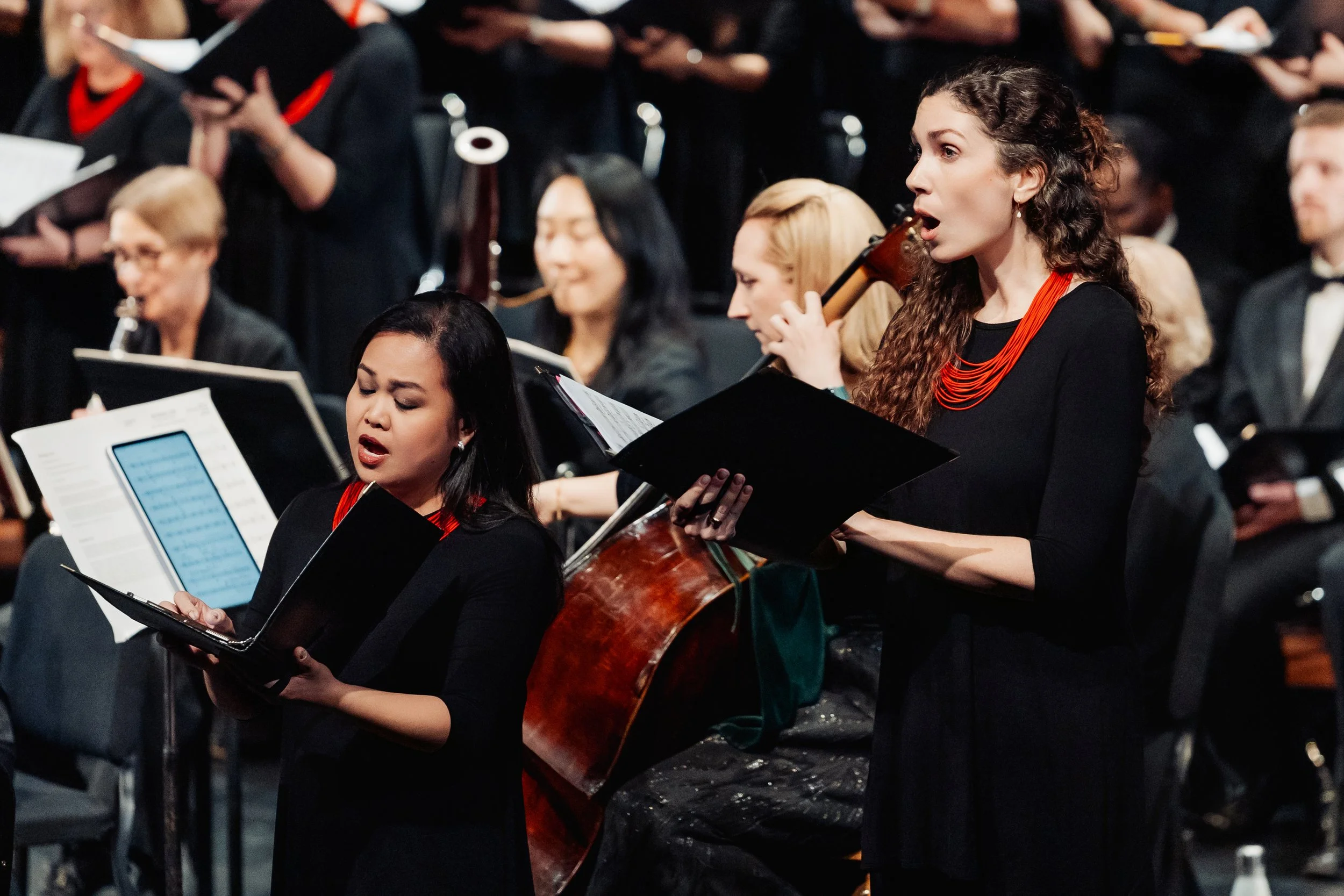
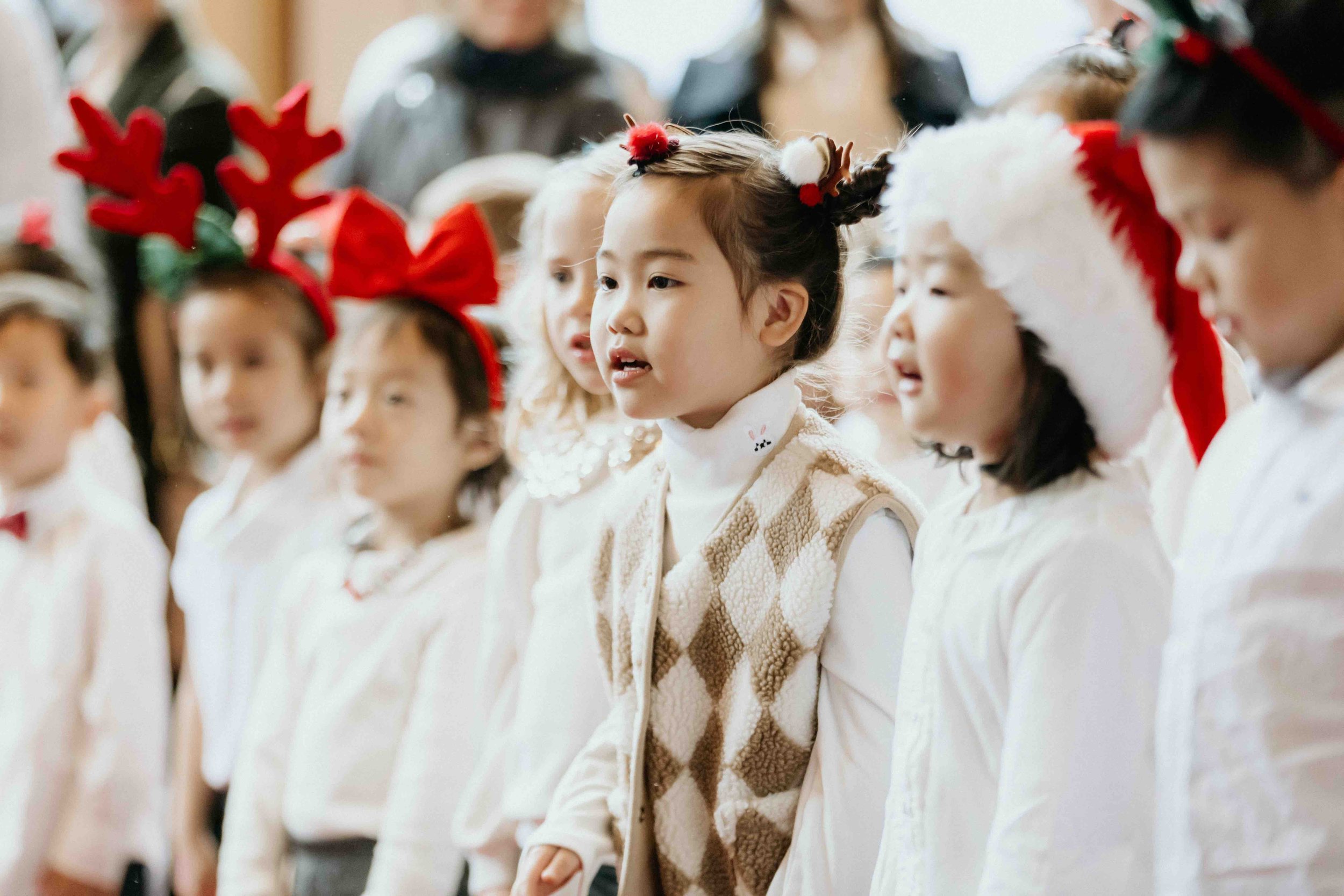
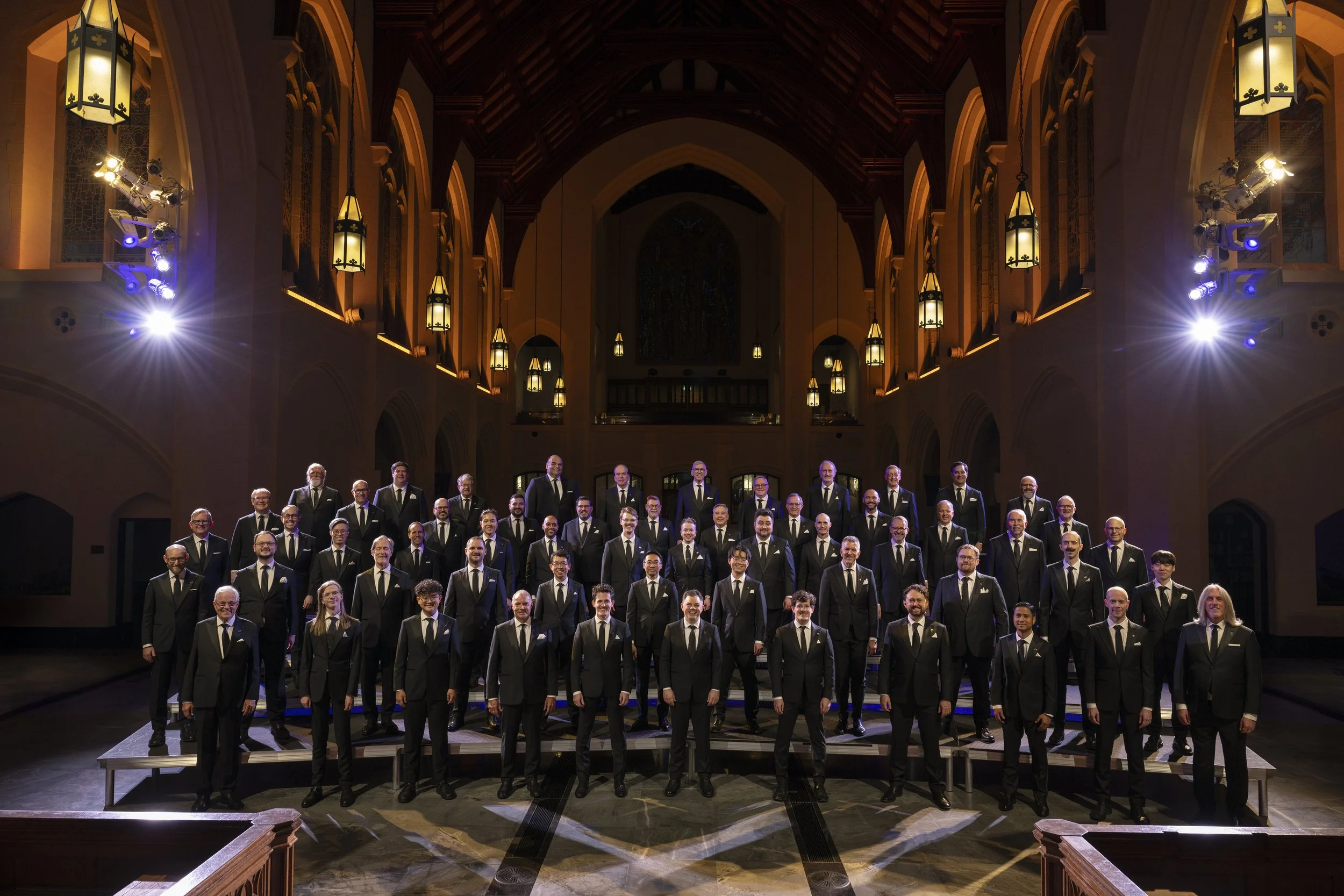
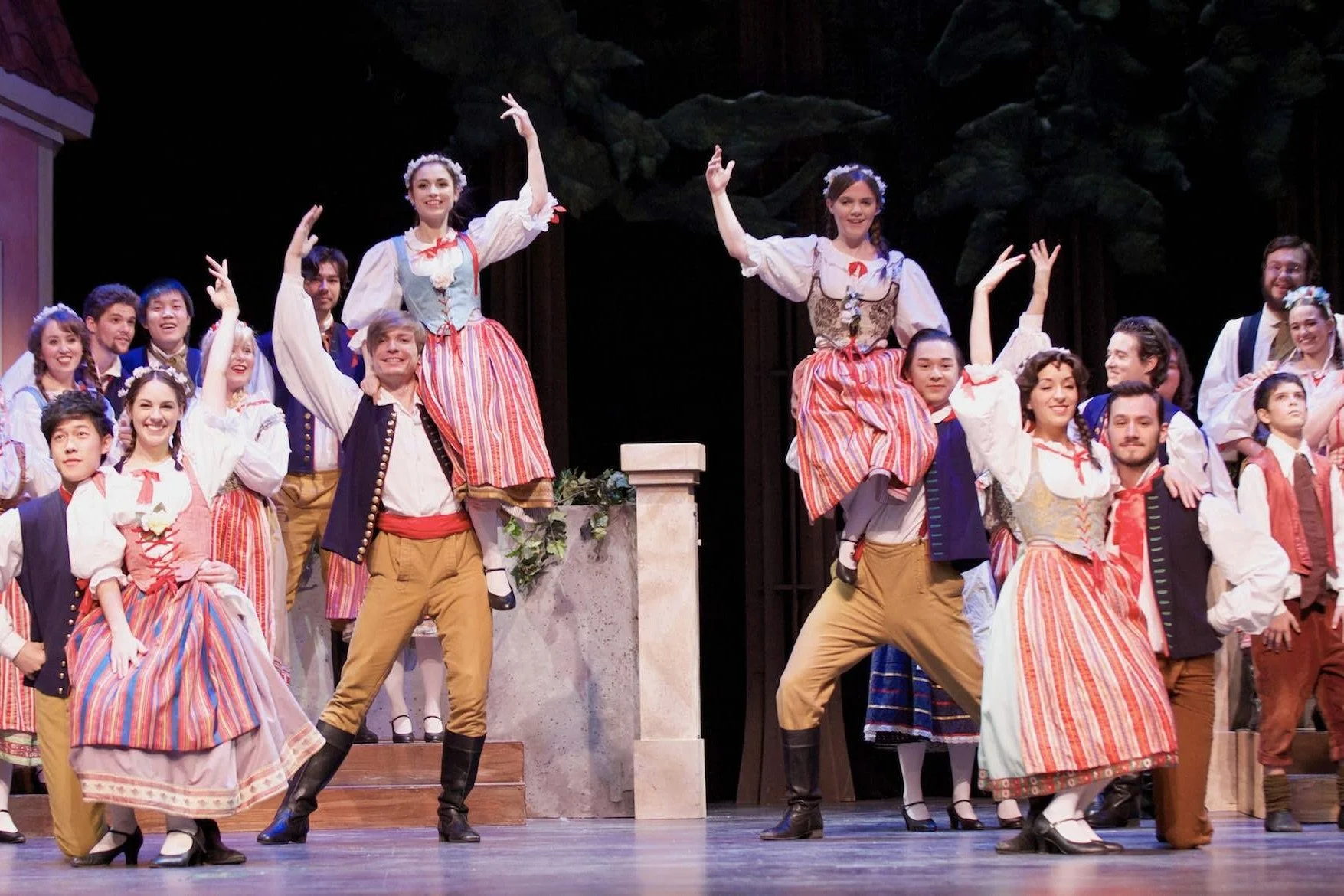
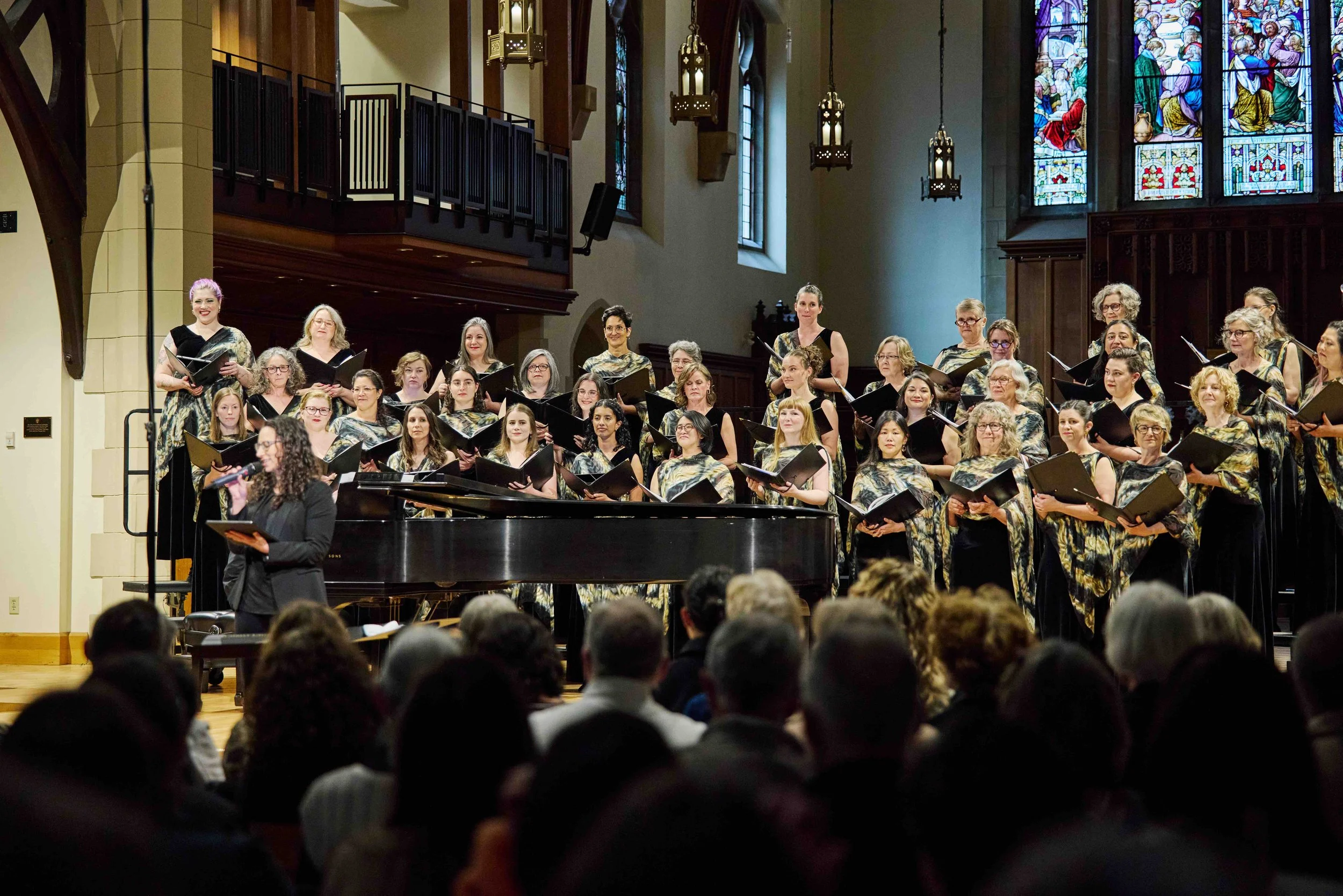
Vancouver Bach Choir. Photo by Diamond’s Edge Photography
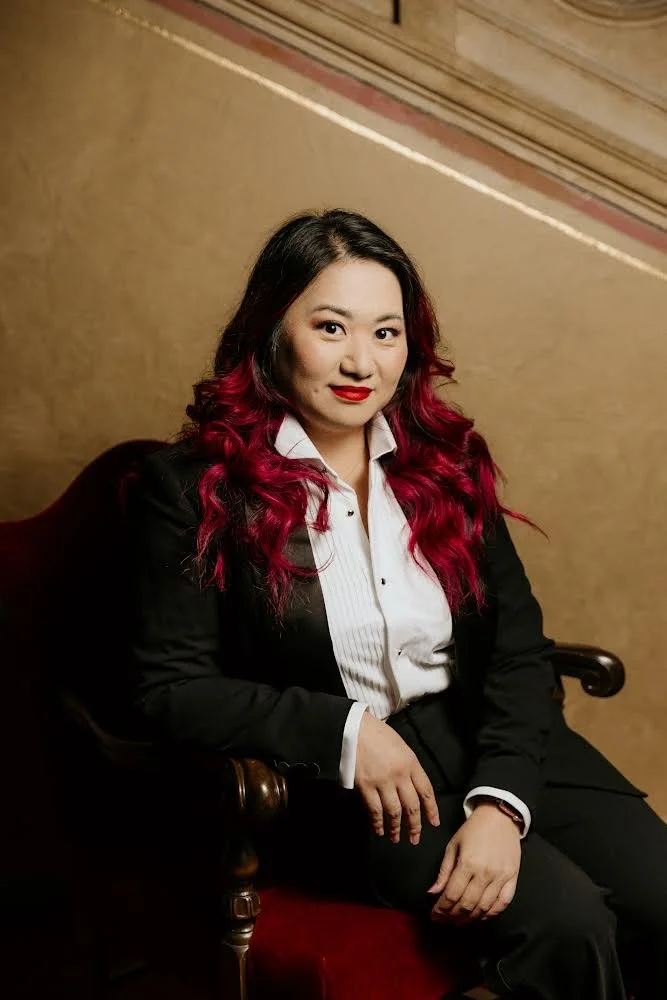
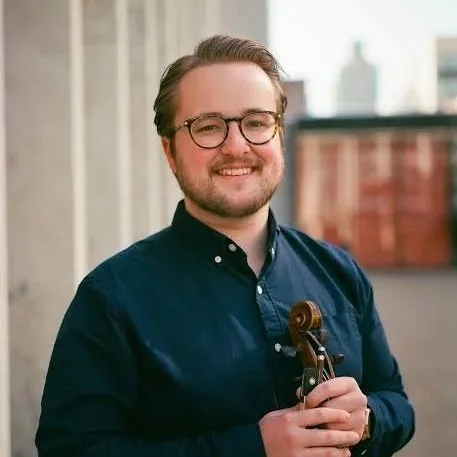
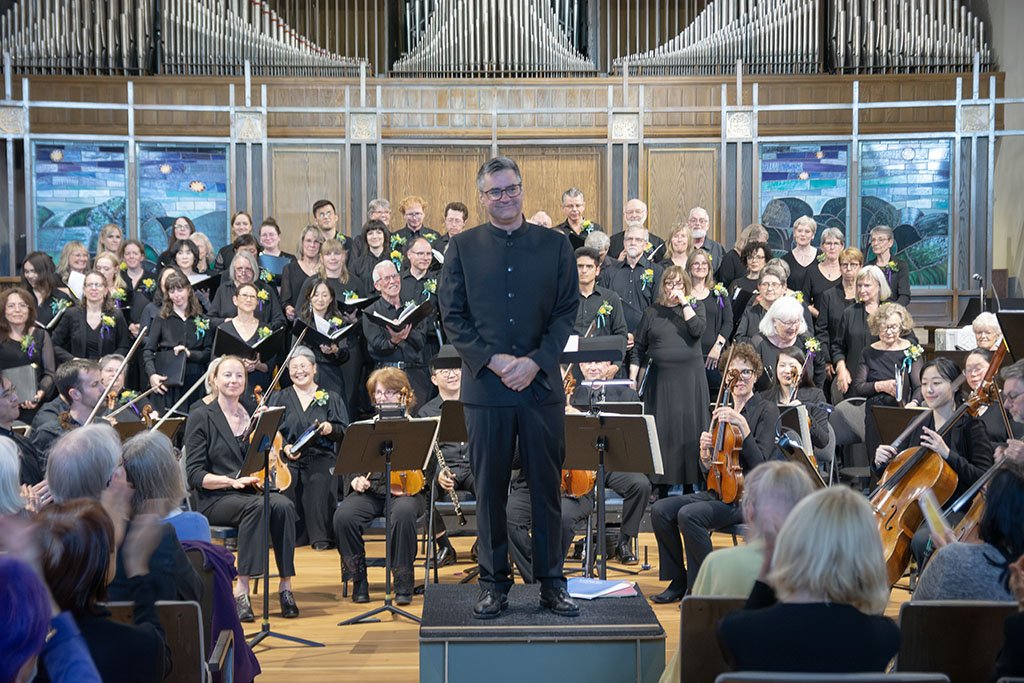
Conductor Cathrie Yuen. Photo by Diamond’s Edge Photography
The Vancouver Bach Family of Choirs presents Christopher Tin’s The Lost Birds at St. Andrew’s–Wesley United Church on November 14 at 7:30 pm
THE FIFTH MOVEMENT of Christopher Tin’s The Lost Birds opens with a hauntingly beautiful cry.
“The altos, tenors, and basses sing the word ‘cry’, repeating it many, many times,” Vancouver-based choral conductor Cathrie Yuen tells Stir over Zoom. “It’s an imitation of the sound of a swan—a cry from nature, a cry from the endangered—and at the same time, the word ‘cry’ we would understand as humans. In a way, it reflects the challenges that this bird species is facing.”
The song draws its title and lyrics from Edna St. Vincent Millay’s 1921 poem “Wild Swans”, in which a speaker confronts a repressed yearning for freedom while watching a flock of swans fly overhead. It’s one of Yuen’s favourite pieces in Tin’s composition, filled with tensions between the graceful birds’ majestic flight and their impending demise.
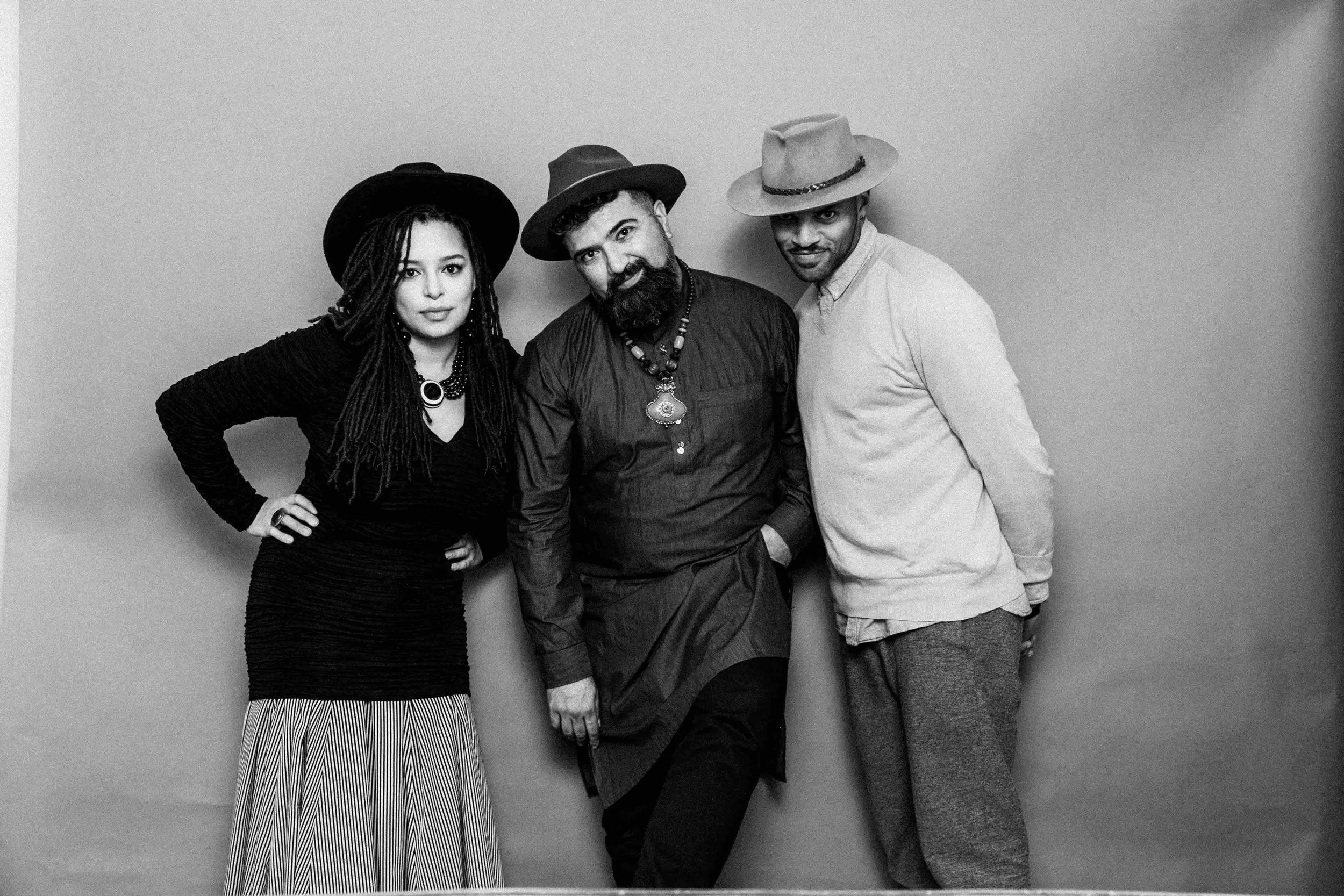
On November 14, Yuen, the associate conductor of the Vancouver Bach Family of Choirs, is set to lead the VBFC Symphonic choir through Tin’s The Lost Birds. Featuring pieces by Canadian composers Andrew Balfour, Iman Habibi, and Sarah Quartel, the concert will take place at St. Andrew’s-Wesley United Church. Sharing the stage will be the Microcosmos Quartet and harpist Janelle Nadeau. Tin’s Grammy Award–nominated choral work is an homage to nature, simultaneously celebrating and mourning extinct and endangered bird species whose fragile existence parallels that of humankind. All of the songs’ lyrics are taken directly from poems of celebrated writers, including Emily Dickinson and Christina Rossetti.
“Most of Tin’s movements are mellow, very legato, very melodic,” Yuen says. “When you’re listening to it, you can see a picture, which is very iconic to his music.”
Fittingly, Balfour’s “MAH (listen)” (mah is the Cree word for “listen”) opens the show with a powerful, dissonant soundscape beckoning the audience to listen to the cries of nature. Habibi’s “Marble of the West” follows, commemorating the marbled murrelet, an endangered seabird native to the Pacific coast whose homes are rapidly dwindling due to deforestation. The Iranian-Canadian composer’s exploration of displacement extends to the human experience of loss and dislocation. Quartel’s “‘Hope’ is the thing with feathers” shares a title with Tin’s final movement, both pieces drawing from Dickinson’s poem of the same name. The uplifting melodic lines and fluttering string accompaniment conclude the first section of the concert with a sense of newfound optimism.
“That’s how we tie the theme of this concert together: through the struggles of humans and birds, but in the end, we are the hope for nature and the bigger picture,” Yuen notes.
Tin’s 12-movement composition continues the conversation introduced in the three Canadian pieces, tracing tensions between life and death, as well as suggesting the possibility of renewal. Moving from a joyful morning lark to a solitary nightingale, each song focuses on a different type of bird.
“We sing about sunrise, the beginning of life, and then the struggles in the environment,” Yuen elaborates. “Especially in the fifth movement where we’re staying in that transition of darkness, and then towards the end of the whole set, it returns to hope, ending with the last movement, ‘Hope Is the Thing with Feathers.’”
For the conductor, performing The Lost Birds in Vancouver adds another layer of connection between the performers and the audience members. “Living in B.C., we’re very close to nature, and for me, preparing for this concert has given me a different respect for nature,” she says. “It’s not just a bird on the side of the road. This bird and I belong to the same ecosystem; we are all part of this together.”
What Yuen hopes listeners will take away from the concert is more than an appreciation for the beauty of the music. She highlights the Vancouver Bach Family of Choirs’ continued efforts to raise awareness of various social and environmental causes—from the 2022 Reflections for Our Times concert, examining modern issues relating to nature and the COVID-19 pandemic, to the more recent chamber arrangement of Dame Ethel Smyth’s Mass in D Major, celebrating works by female composers. The upcoming performance will also include a visual component, with large prints of bird images taken by 16-year-old photographer and bird enthusiast Markus Duhme displayed in the lobby.
“The message is that we as humans are the hope to nature; we are responsible for this,” Yuen reflects. “And it’s not just a connection between the audience and the choir, but with the person sitting next to you. Maybe they’re a stranger that you’ve never met, but we’re all a part of this ecosystem.” 

Related Articles