In bold new show Glitch, Some Assembly Theatre taps into anxieties of youth consumed by online life
Long-time company writer and director Valerie Methot talks about her rich creative collaboration with young people who are struggling with the fallout of addiction to phones
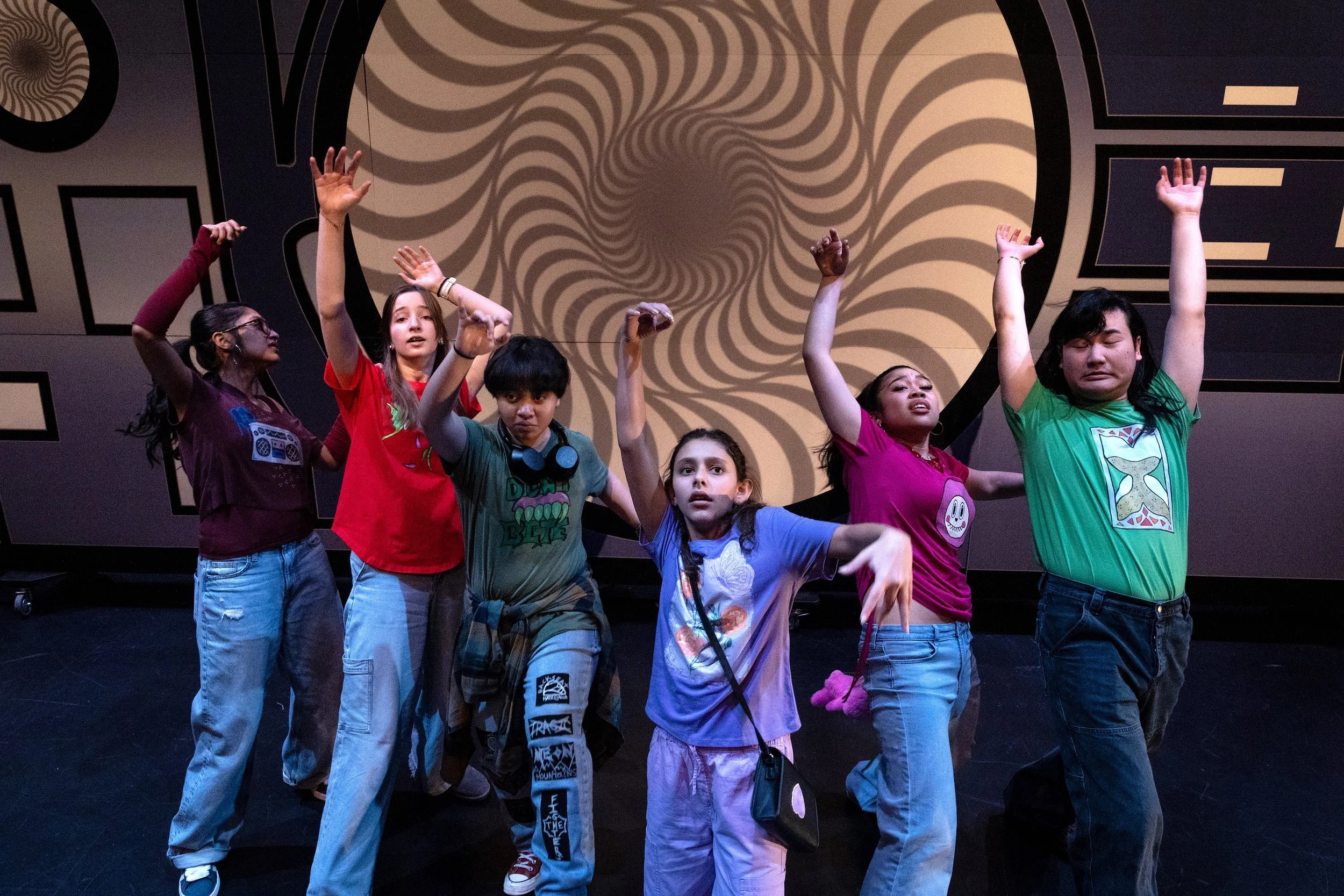
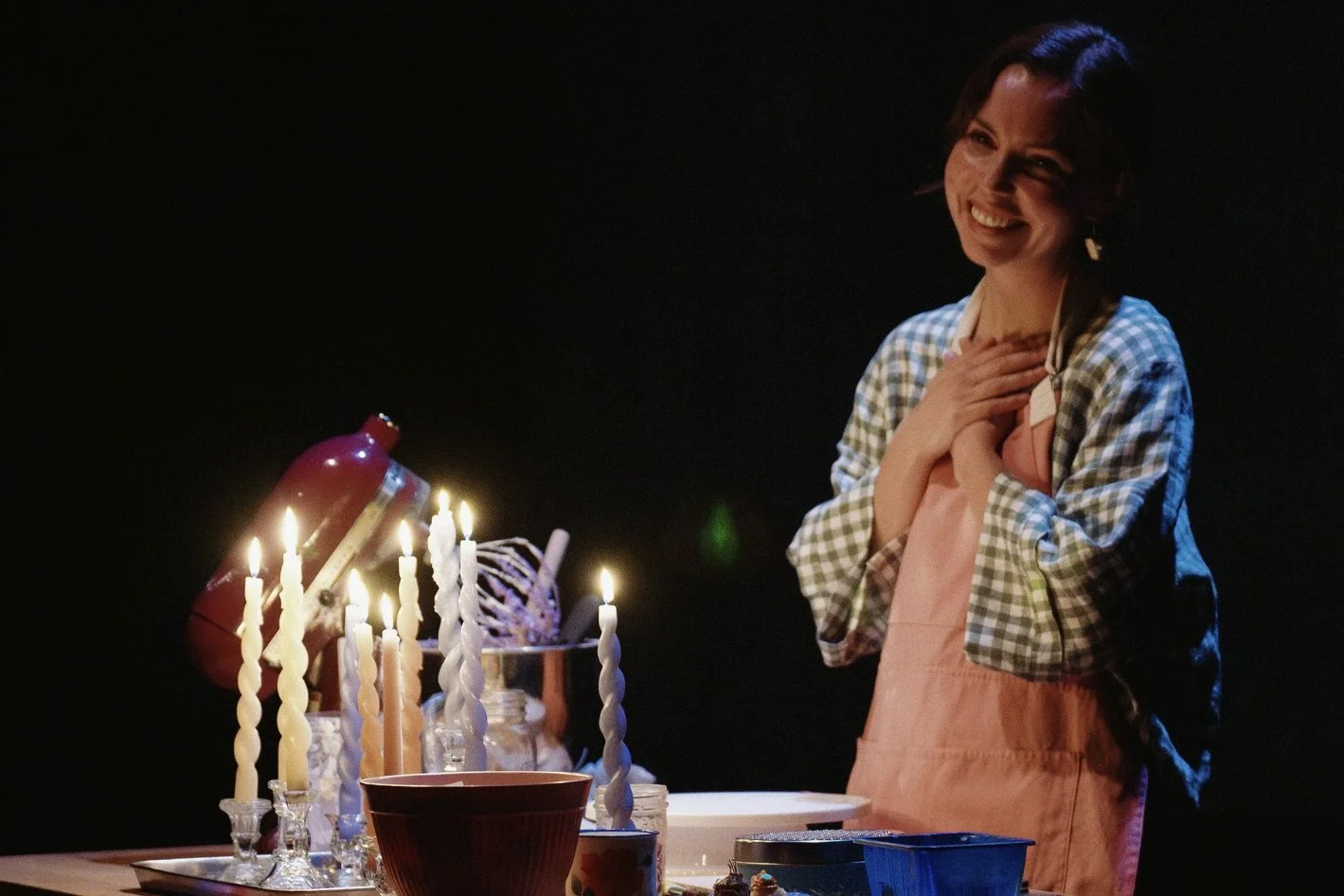
Glitch. Photo by Matt Reznek
Some Assembly Theatre Company presents Glitch at the Roundhouse Community Arts and Recreation Centre from May 6 to 9
AS DIRECTOR OF THE Some Assembly Arts Society, Valerie Methot hears what’s bothering young people every day.
Each year, she and her executive team work with a large crew of youths to produce and stage an original play about timely concerns for young people. In 2013’s Sticks and Stones, it was bullying; in 2022’s The Wait List Experiment, it was the social fallout of COVID lockdowns. In 2026’s Glitch, which opens for free at the Roundhouse Community Arts and Recreation Centre’s performance hall on May 6, it’s something even more pervasive.
“Glitch stems from youth concern about societal expectations, anxiety they experience in their lives, and phone addiction,” Methot tells Stir in a Zoom interview. The play follows a group of teens who find themselves sucked into a phone. It’s a familiar story to anyone who’s lost an afternoon to scrolling, but for the protagonists of Glitch, it’s a little more literal. They soon find themselves struggling to escape a digital landscape expressly designed to trap their attention.
Methot decided on the theme in February 2025, following conversations about phone addiction with Some Assembly’s teenage crew. The topic speaks to her personally, she says—she worries about young people turning to the internet instead of physical life.
“The phone has so much overwhelming information that no human being needs, and it’s really harming to one’s mental health,” she says. That’s not just speculation—Methot and the team run research workshops with dozens of young people before producing each show. This October, they spoke with around 140 youths over the course of multiple sessions.
“Many of the young people were saying they were addicted to their phones,” Methot notes. “Once they’re on their phone, scrolling, tapping, hours go by and their anxiety increases. Any expectations they may have had in their lives to do with school or parents…they tend to go on their phone to avoid those expectations.”
The kids who said they felt trapped by the algorithm ranged from fourth-graders playing games on their iPad to high school seniors addicted to Instagram. The workshops confirmed Methot’s hunch about the theme’s wide relevance, and she sat down to write the script.

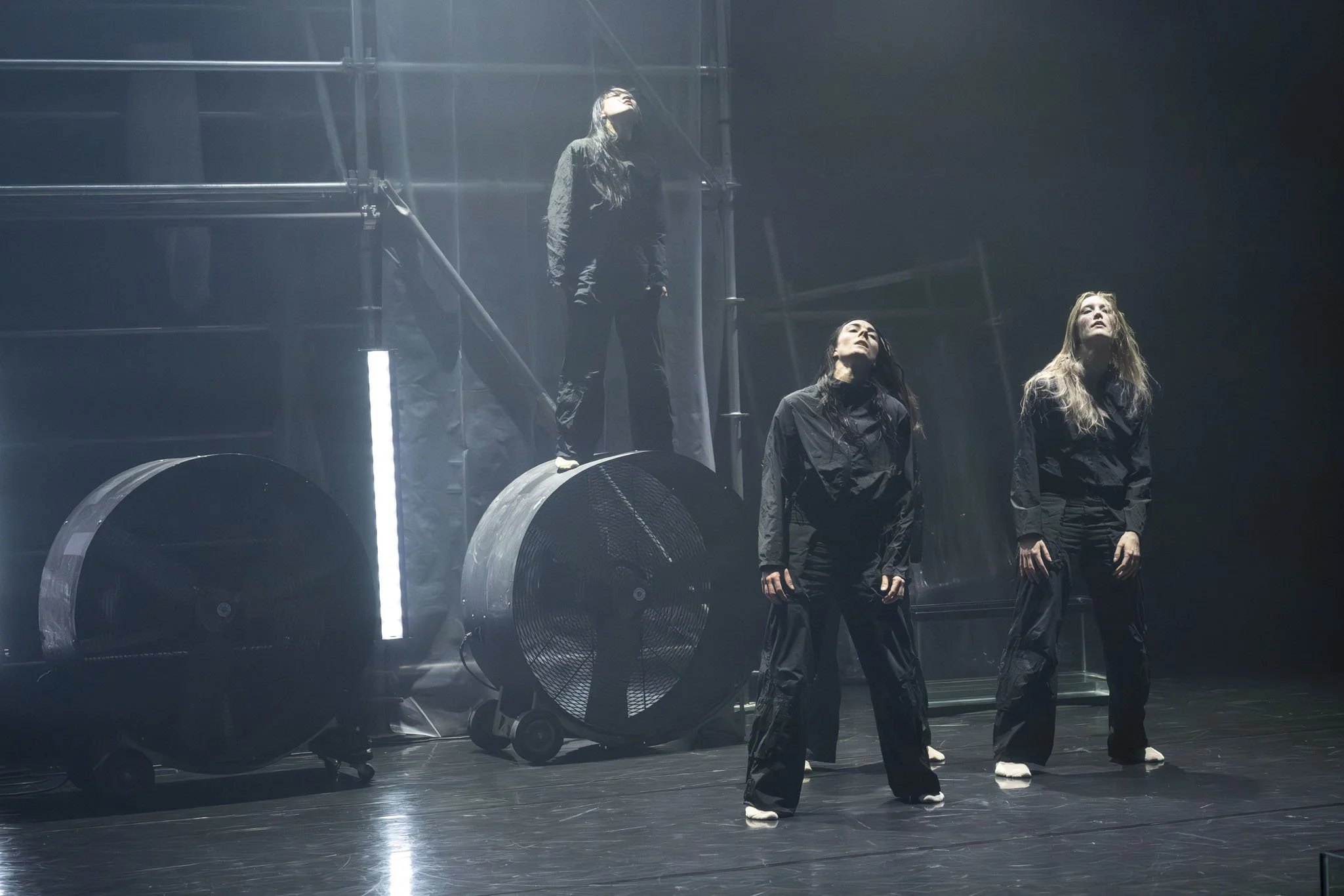
Glitch. Photo by Matt Reznek
Methot is the primary writer and director of Some Assembly’s plays, but the youth team is with her every step of the way through the year-long process of developing the production. At every show, the crew hands out forms to the audience, and young people interested in getting involved can fill them out with their preferred roles. Methot then contacts them for interviews or auditions, and once the year’s group is onboard, Methot works on the script with a youth writing team.
“It’s a collaborative process, which I love because, as a writer, I find it much more fascinating working with other people,” she says. After about six rounds of drafts are workshopped with Some Assembly’s script advisors—both young volunteers and adult professionals—they host a reading with the full crew and move to production.
Working with young people on large projects like Glitch can be difficult. Some require extra support from Some Assembly’s counsellor, Heather McCrae, but Methot says it’s not always the youngest members of the crew who need assistance. One star player of this year’s production, for instance, is only 11 years old. Despite usually working with teens between 13 and 18, Methot decided to give her a chance because of an impressive original audition piece.
“She came to a callback, and there was no doubt,” says Methot. “We all wanted to work with her, and she’s doing an amazing job. She does not need extra help at all.”
Needing extra help isn’t a problem, of course. Many members of Some Assembly’s cast and crew don’t have experience in the theatre, but the company’s structure and timeframes are built to accommodate learning on the job. “We have a big enough team to provide the mentorship skills [and] transference as needed,” Methot says.
This year has been a challenge, she says. Glitch is the most complex play she’s ever produced with Some Assembly, but she’s happy with the way it’s coming together. The show’s set design—a massive construction representing the cellphone that traps the protagonists—is a particular point of pride, as are the musical elements, overseen by Some Assembly’s music mentor, Sophie Labrie. Labrie joined Some Assembly in 2011, when she was 14, and Methot has been hiring her since—a perfect example of the kind of community Methot envisioned when she founded the company in 2002.
“I love working with young people,” she says. “I wanted to start this project [Some Assembly Theatre] to give young people an opportunity to voice their thoughts and ideas in the forum of theatre.…It’s really exciting when we all come together as a team and work on a show. There’s nothing like it.” 

Related Articles