Jordan brings everyday superpowers and wide-eyed wonder to The Cultch
Playwright Yvette Nolan reimagines the life of Jordan River Anderson, the boy behind a monumental Canadian government initiative to secure equal health care for First Nations youth
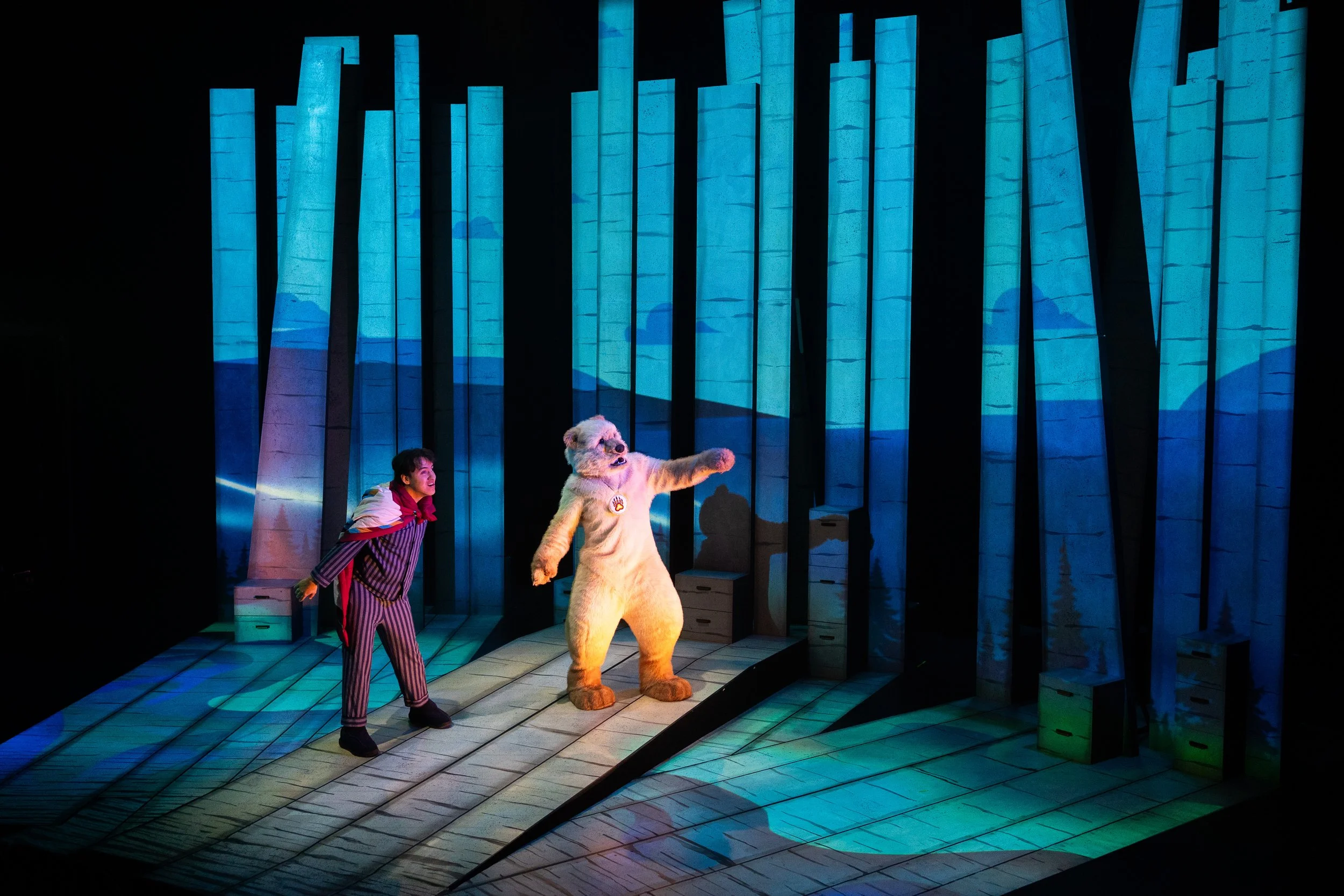
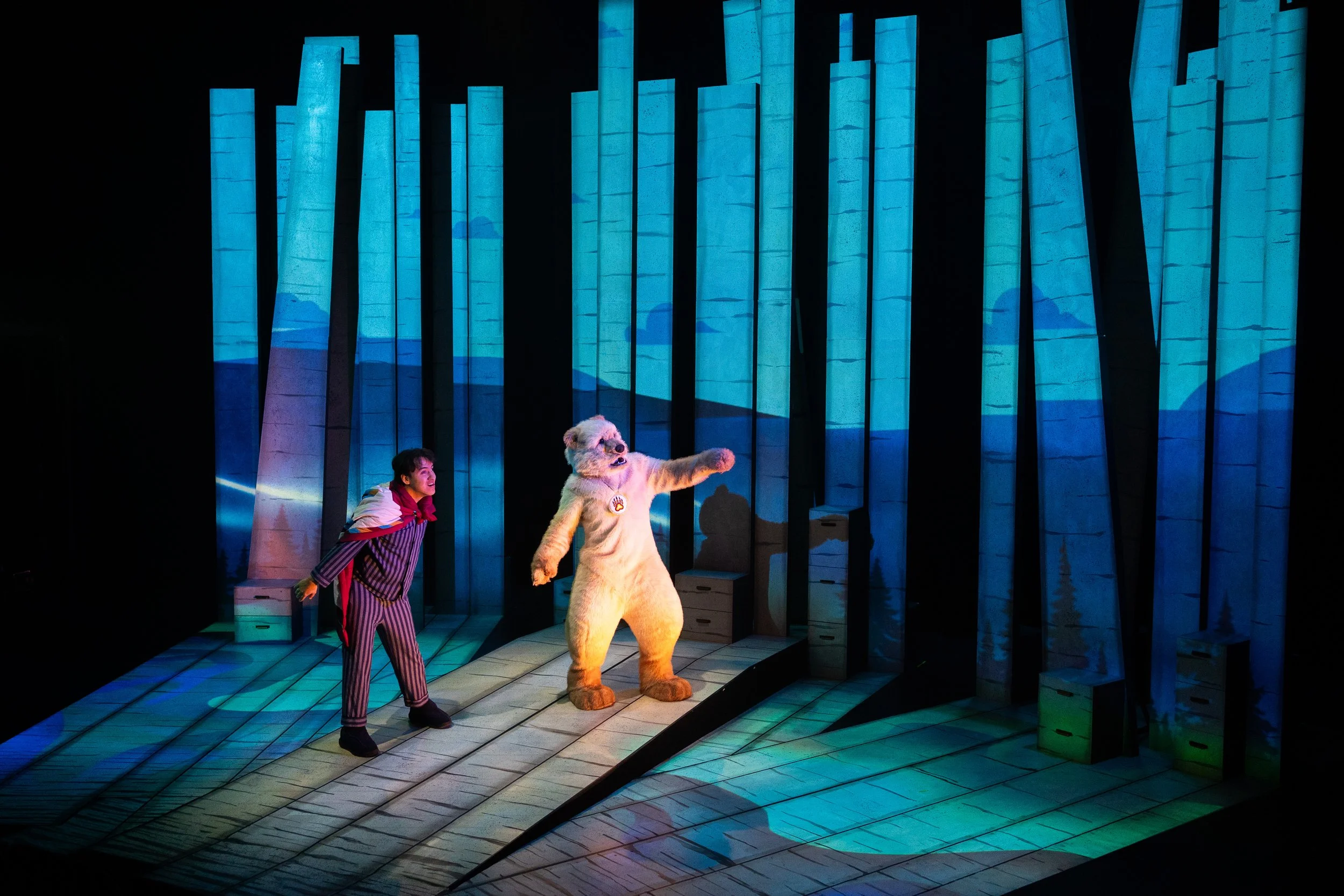
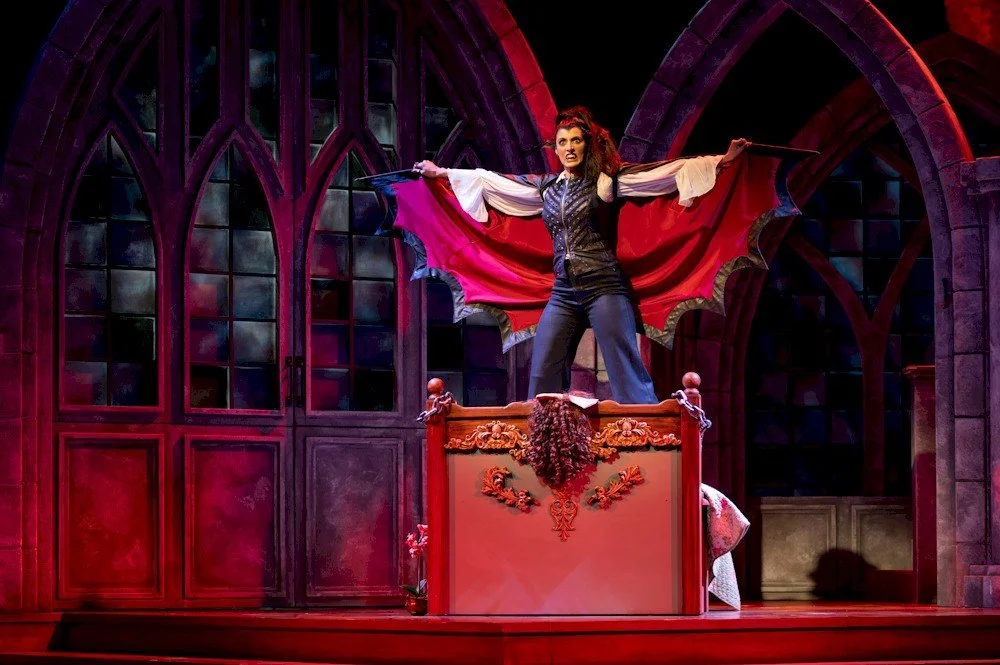
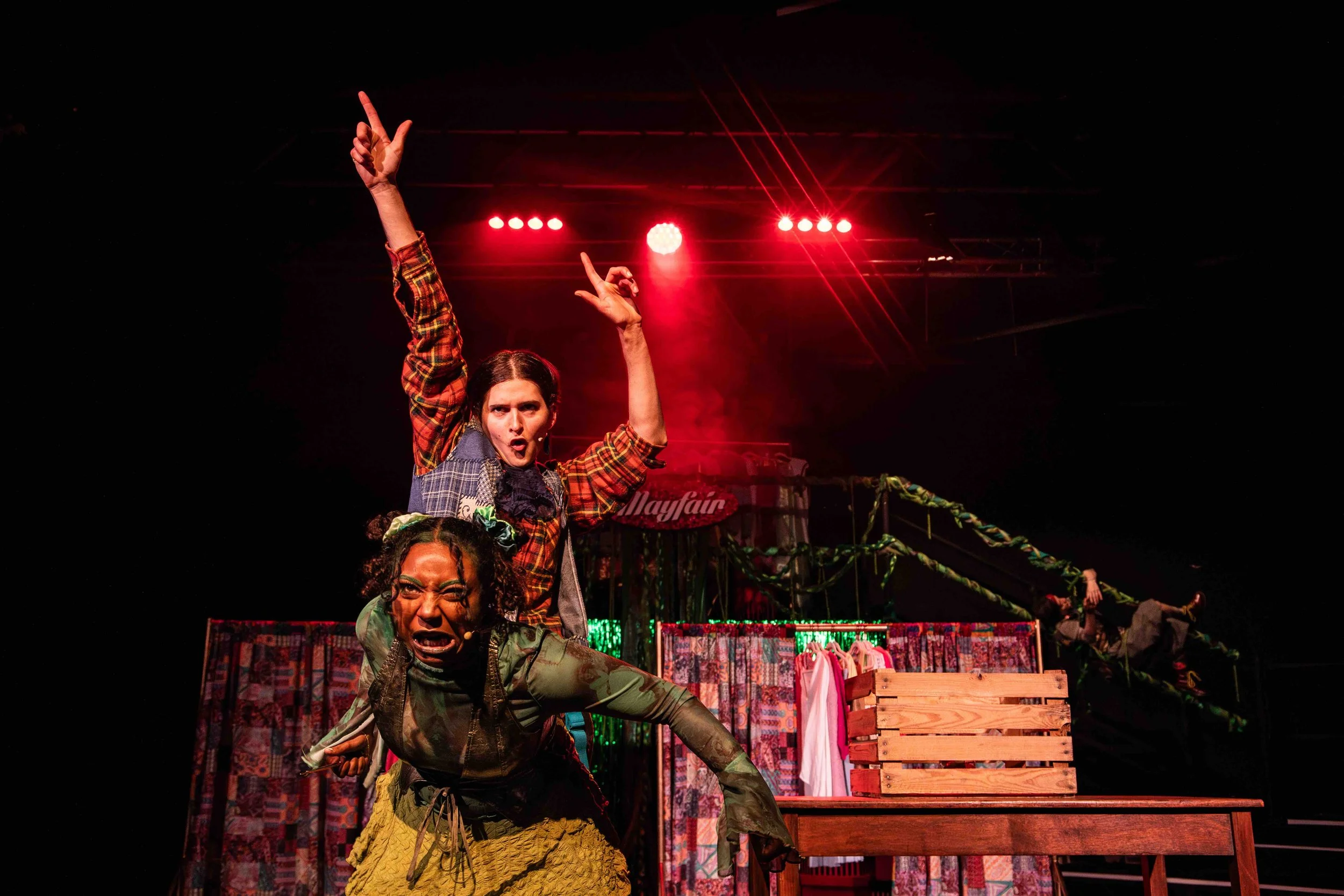
Jordan. Photo by Emelia Hellman
The Cultch, in partnership with Carousel Theatre for Young People, presents Jordan from November 12 to 15 at the Historic Theatre
A LITTLE BOY FROM Norway House Cree Nation in Manitoba spent his whole life in a Winnipeg hospital. Although doctors recommended specialized, home-based care when he turned two years old, a funding dispute between the provincial and federal governments delayed his transition to a nearby medical foster residence. Five-year-old Jordan River Anderson passed away in 2005, more than 800 kilometres away from his home and community.
In Yvette Nolan’s Jordan, a play depicting Anderson as a superhero, the hospital is only the beginning of Jordan’s journey. Waking up to discover that he can now speak and move (not to mention fly and time-travel), Jordan and his spirit bear Maskwa set off on a grand adventure across time and space, learning about the ongoing health-care challenges faced by Indigenous children and the impact Jordan’s life has had on Indigenous communities.
The Algonquin playwright admits she was nervous when Jimmy Blais, the artistic director of Montreal’s Geordie Theatre, first contacted her with the idea of a play about Anderson. “I was like, ‘How do you write about a child whose life was so short for a children’s show?’” Nolan tells Stir over Zoom. “But Jimmy told me, ‘I think Jordan is a superhero,’ and I thought that was a great idea. Jordan is a superhero because the things that happened in his life changed things for so many Indigenous children who came after.”
Jordan was made with the blessing of Anderson’s family and premiered at Montreal’s Centaur Theatre last year. Now the family-friendly show is making its way to Vancouver from November 12 to 15, presented by The Cultch and Carousel Theatre for Young People. The play is produced by Geordie Theatre and directed by Blais, an off-reserve member of the Muskeg Lake Cree Nation.
Although Anderson never had the opportunity to grow up in a more nurturing home environment, his story sparked a national human-rights movement championed by Gitxsan activist Cindy Blackstock. In 2007, the House of Commons passed a unanimous motion in support of Jordan’s Principle, a legal rule ensuring First Nations youth receive immediate access to necessary government services.
“Every other Canadian gets health care based on need, not based on their ethnicity,” Nolan stresses. “There were two levels of government pointing at each other and saying, ‘No, it’s your responsibility.’ In the meantime, they had a home for Jordan to go to outside of the hospital… Cindy fought so that no Indigenous child would be abandoned in a hospital because of cost.”
Throughout the 50-minute show, Jordan explores the world outside the hospital walls, meeting Indigenous children and parents who are also impacted by discriminatory barriers and unequal funding. Our superhero even travels into the future, landing inside the office where Jordan’s Principle was solidified. And it is there that Jordan realizes he can read. “Everything in the play seems like a superpower,” Nolan says. “When he speaks, that’s a superpower; when he moves, that’s a superpower; when he reads, he’s never read anything before, so that’s a superpower. And the file he reads in that scene is about Jordan’s Principle.”
The role of Maskwa (the Cree word for “bear”) in Jordan is more than just a fun companion. Inspired by a white teddy bear that was gifted to Blackstock by the Carrier Sekani Tribal Council in 2007, Spirit Bear attended all the Canadian Human Rights Tribunal hearings for Jordan’s Principle. Over the years, he has grown to represent First Nations youth in their ongoing fight for justice.
“Bears are important in a bunch of [Indigenous] cultures, but in my culture—I’m bear clan—bears are connected to community and healing,” Nolan explains. “And of course, as children, we all have teddy bears; it’s one of our first cuddly toys. So I was thinking of how Jordan wakes up at the beginning of the story and who he’s talking to, and as children, we talk to our teddy bears, so I thought, ‘Oh, it’s Maskwa.’”
More than simply a tale of grief and loss, Jordan is filled with strength, kindness, and bright-eyed curiosity. “When I saw the play on opening day, by the end, I was weeping, and other adults around me were crying,” Nolan recalls. “I thought, ‘Oh my god, I’ve traumatized the children,’ but they weren’t traumatized. They were like, ‘Yay!’ So it works on those two levels where children receive the superhero-ness and joy of it, and they don’t get the base note of grief that adults may get.”
For Nolan, it’s a story of hope and resilience—a message she intends for both children and adults in the audience. “It’s the thought that our lives matter and have impact on the world,” she says. “For little kids, it’s good for them to know, and for grown-ups, it’s a good reminder that everything you are and everything you do matters. The world is changed by your passing through it.” 

Related Articles