Dracula: A Comedy of Terrors takes a bite out of the gothic-horror classic’s sexual politics
Actor Steffanie Davis plays three roles in the Arts Club production, including the gleefully unhinged, bug-munching Renfield

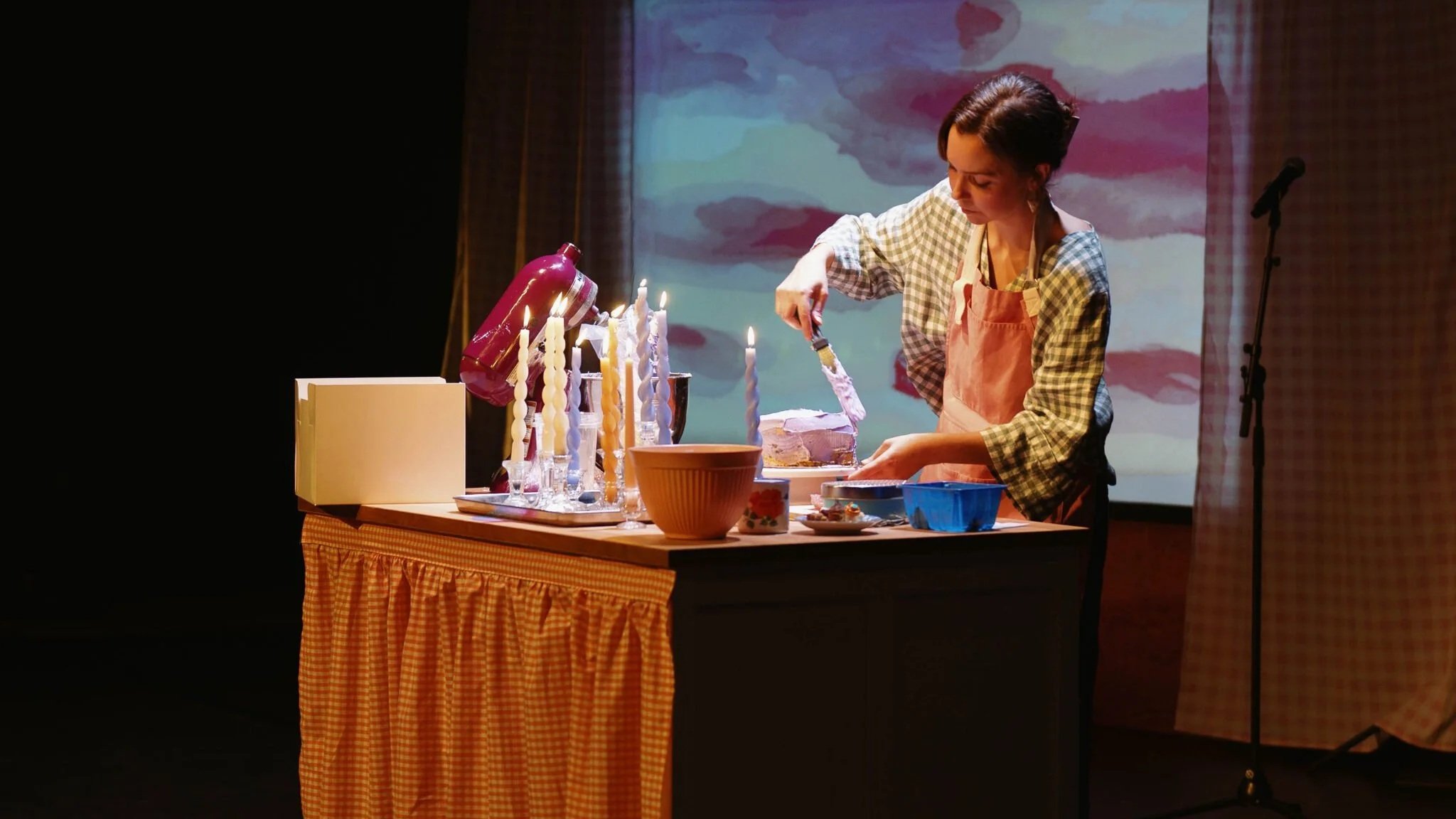
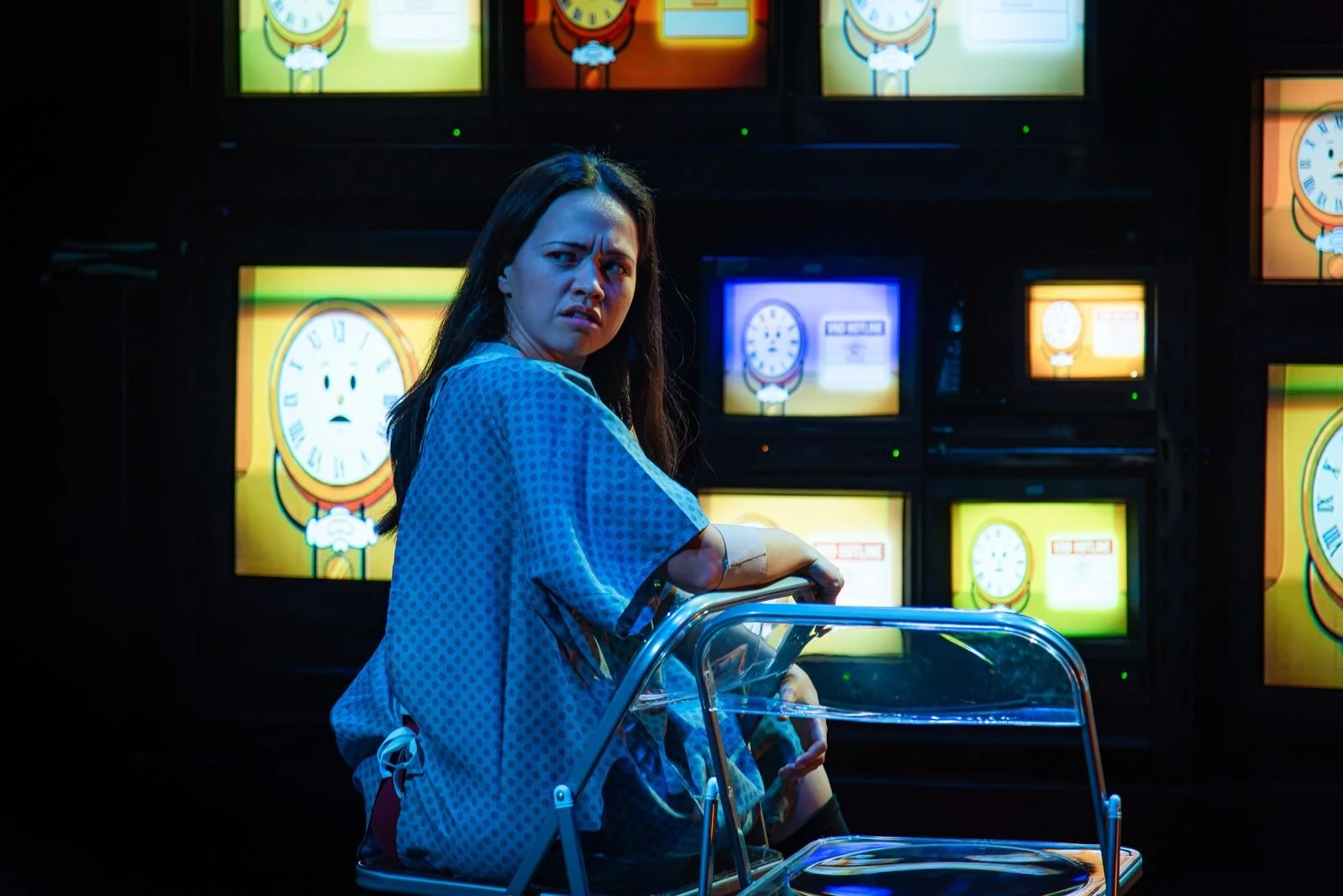
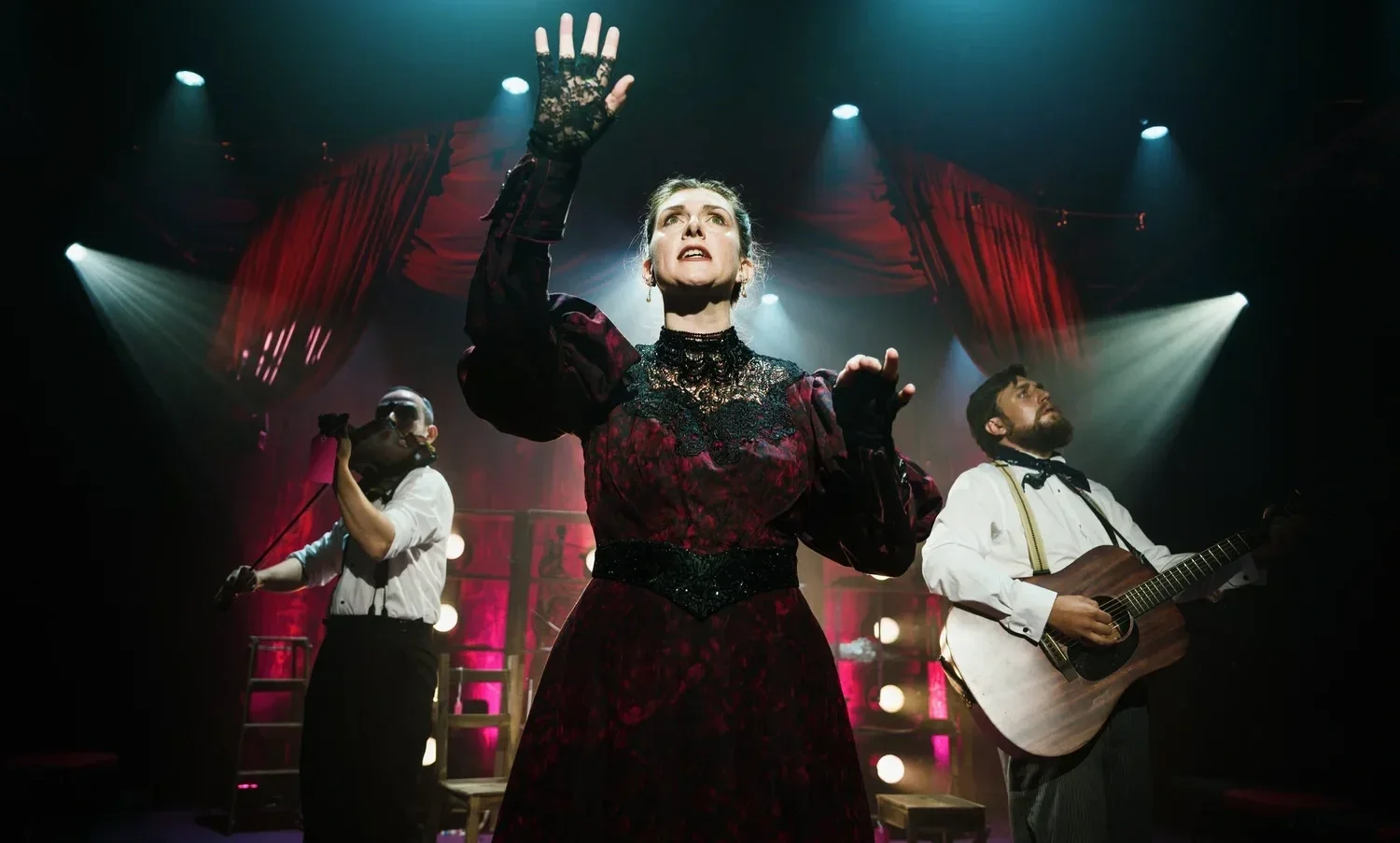
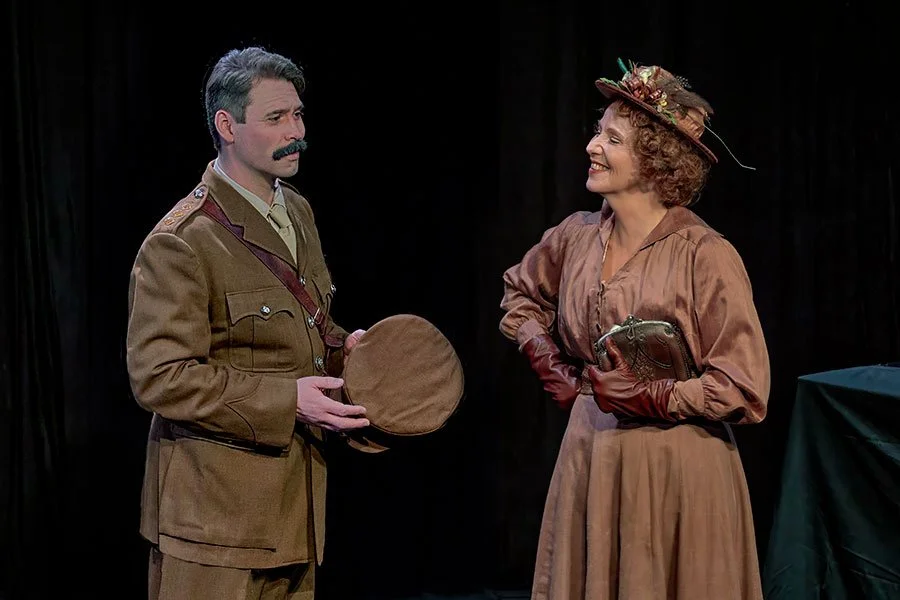
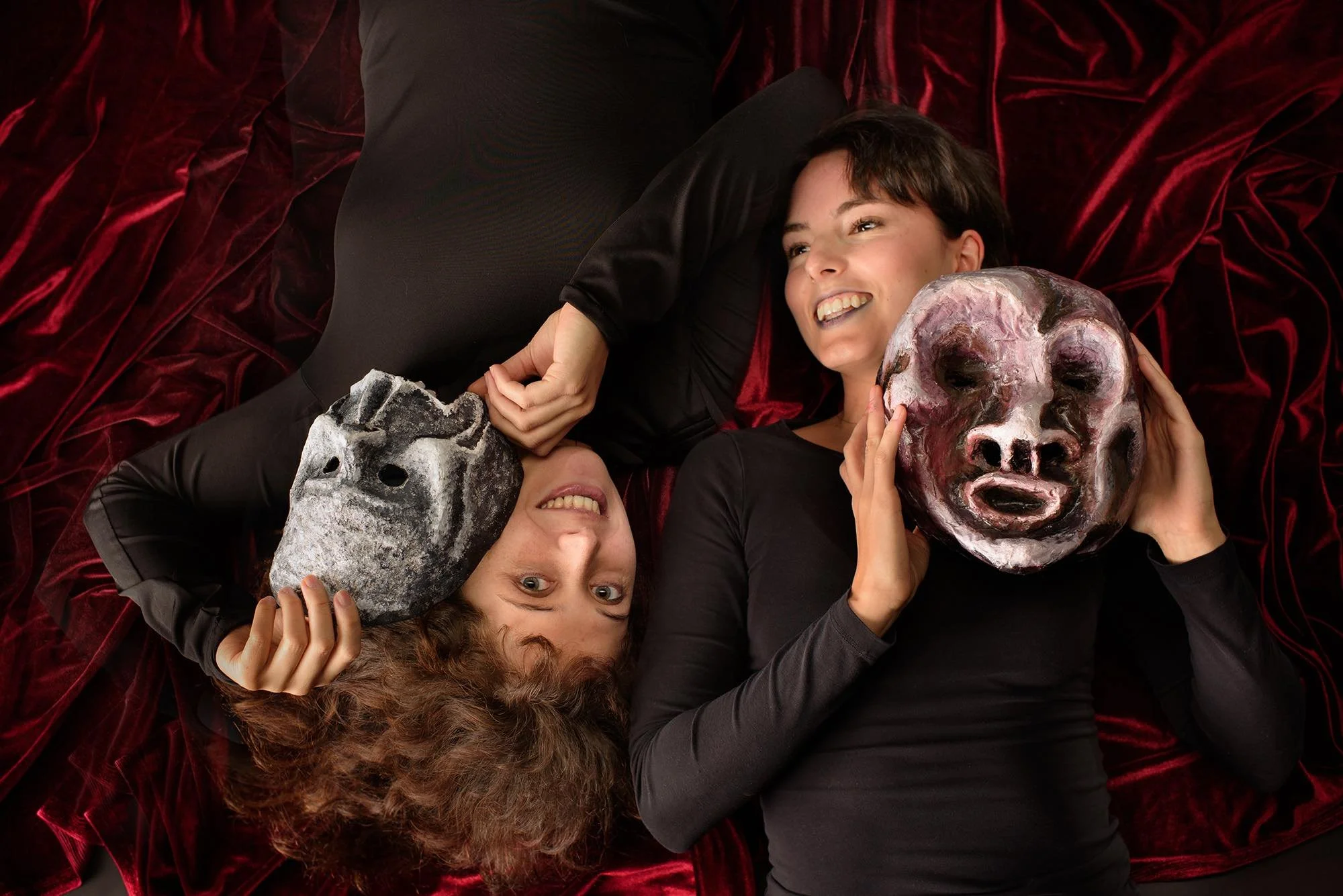
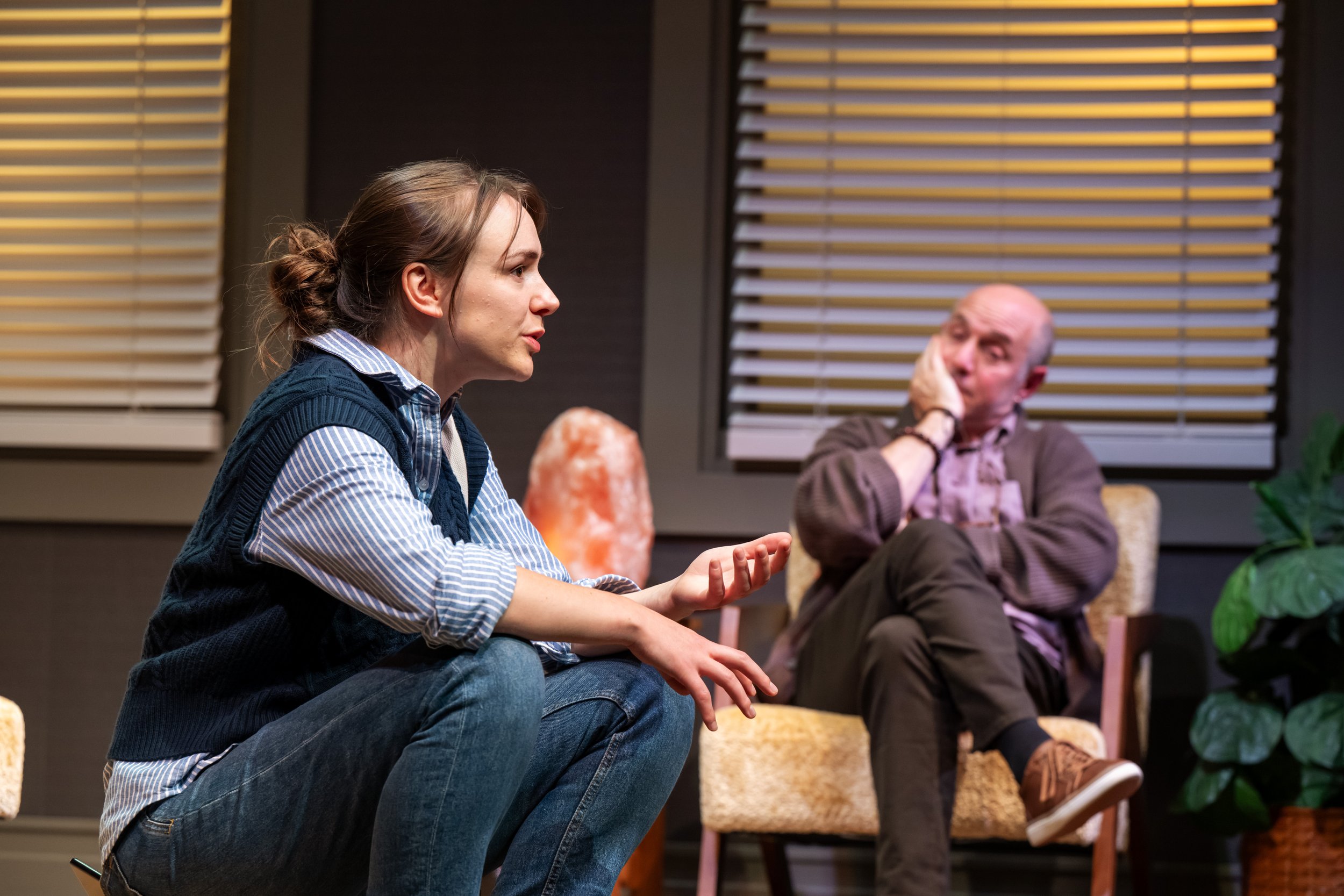
Left to right: Synthia Yusuf as Dracula (photo by Trevor Brady); Steffanie Davis
The Arts Club Theatre Company presents Dracula: A Comedy of Terrors at the Lindsay Family Stage at Granville Island from October 22 to November 15
DRACULA HAS A LOT to say about gender and sexuality. That’s not a post-postmodern, 21st-century interpretation of Bram Stoker’s 1897 novel, either; it’s right there on the page.
The characters of Mina and Lucy, though the best of friends and both victims of Count Dracula, serve to illustrate two opposing late-Victorian ideas of womanhood. Mina is bright—arguably the most intelligent person in the book—and well-versed in practical skills like typing and shorthand, but she scoffs at the proto-feminist ideals of the “New Woman”, and for much of the story she stays in her lane, letting the men take the active roles in the critical matter of vampire-hunting.
Lucy, on the other hand, represents what happens when a young lady fails to keep her wilder nature in check. It is, simply put, the downfall of the family and civilized society along with it. It’s no accident that, when Dracula has fully transformed her into a vamp in his thrall, she sates her wanton bloodlust by attacking innocent children.

Director Josh Epstein
It’s anyone’s guess what Stoker would make of the Arts Club’s production of Dracula: A Comedy of Terrors, which subverts the sexual politics of his novel by not only having Mina played by a man (Jeff Meadows), but also by casting the title role with a woman, Synthia Yusuf.
“I believe she’s going to be the first woman to play Dracula in any version of this script by Gordon Greenberg and Steve Rosen,” says Steffanie Davis, who plays three roles in the show. “Which is awesome because she gets to play with and express Dracula’s masc presence, but through the lens of a woman. It’s very interesting to see those words and also that physicality and the intentions of that character, but through her eyes, so you can see how ridiculous and outdated those words and that character is even more so through her lens.”
Indeed, the original off-Broadway production, while it maintained the genders of most of the characters, played switcheroo with the sexes of the people playing some of them—but not Count Dracula, who was portrayed by Canadian actor James Daly.
In the local production, Davis will play Dr. Westfeldt, who is the father of Mina and Lucy and also the administrator of a mental hospital. (Sharp-eyed horror fans will have noticed that in Stoker’s novel, the two women are not sisters and the asylum is run by John Seward, one of Lucy’s rejected suitors.)
“He has a fatherly relationship with Lucy and Mina, but then he also has this very fascinating doctor-slash-father relationship with all of his mental patients, who he’s invited to live with him, and basically work for him for free around his property,” says Davis, reached by phone during a break in rehearsals. “He’s getting all of his patients to also be the butler and the cleaning woman, so it’s very funny playing with those other characters who come up.”
One of those inmates, also played by Davis, is Renfield, who is secretly Count Dracula’s psychic slave and, famously, the guy who can’t stop stuffing creepy-crawly critters like spiders and moths into his mouth.
“I think Renfield’s connection and attraction to being submissive with Dracula is that he views the eating of all these bugs and insects as a way to extend his own life,” Davis says. “He’s got a fascination with immortality, and his obsession with bugs and insects is something he’s trying to work on stopping, but he’s very unsuccessful at it.”
Davis admits that it’s no easy task performing as both the gleefully unhinged, bug-munching Renfield and the comparatively staid Westfeldt—to say nothing of the ship’s captain that she also plays—and sometimes switching from one to another within a single scene.
“I always go back to the basics like: How do they move? How do they talk?,” she says. “And choosing three very different vocal qualities and physicalities for all of these characters. They all have different accents, which helps too. On a surface level, it’s very goofy and it’s slapstick, and there’s so much comedy to be mined in terms of our text, but also just the situations that they’re all in. But really focusing on what each of these characters want, and the relationships they have with other people in the scene and in the story, really helps me navigate each one differently.”
Davis gives due credit to costume designer Donnie Tejani, whose work makes all of that rapid character switching possible.
“He made some really cool wardrobe pieces that can be added and removed really quickly,” the actor notes. “They’re all designed for me to be able to either take them off or put them on within a couple of seconds, because there are a couple of switches that happen during the show where I have not five seconds in between these two characters, so they’re designed to be shed or added very quickly.”
A Comedy of Terrors is not the first comedic treatment of the world’s most famous bloodsucker, of course; Davis confesses she watched Mel Brooks’s 1995 film Dracula: Dead and Loving It so many times as a kid that she could likely recite the entire script from memory. For their part, Greenberg and Rosen have explicitly cited the influence of Brooks, who had also taken an earlier stab at sending up the gothic-horror genre with 1974’s Young Frankenstein.
As silly as things get, however, Davis stresses that Arts Club director Josh Epstein has taken care to emphasize the all-important dynamics between the various characters. Nor does he shy away from tackling Stoker’s antiquated views on gender roles head-on.
“It’s very funny and very quick and very campy while also, at the heart of it, still honourng those relationships and unpacking that systemic misogyny and treatment of women throughout the story as the play unfolds,” Davis says. 

Related Articles