At Sundar Prize Film Festival, A Cree Approach pays tribute to a language matriarch
Vancouver filmmaker Tristin Greyeyes takes a personal approach to documentary that explores her grandmother’s role in nêhiyawêwin revitalization
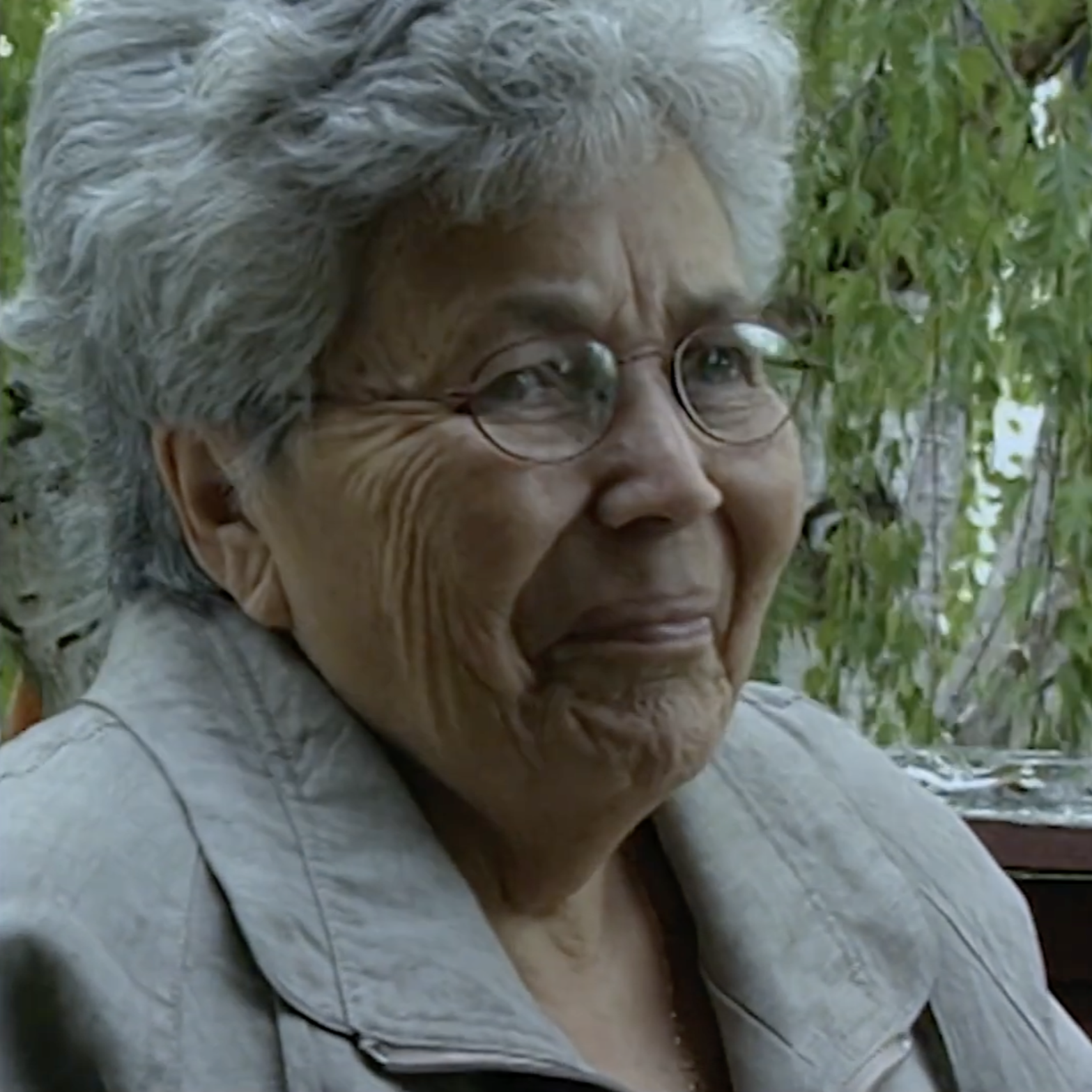
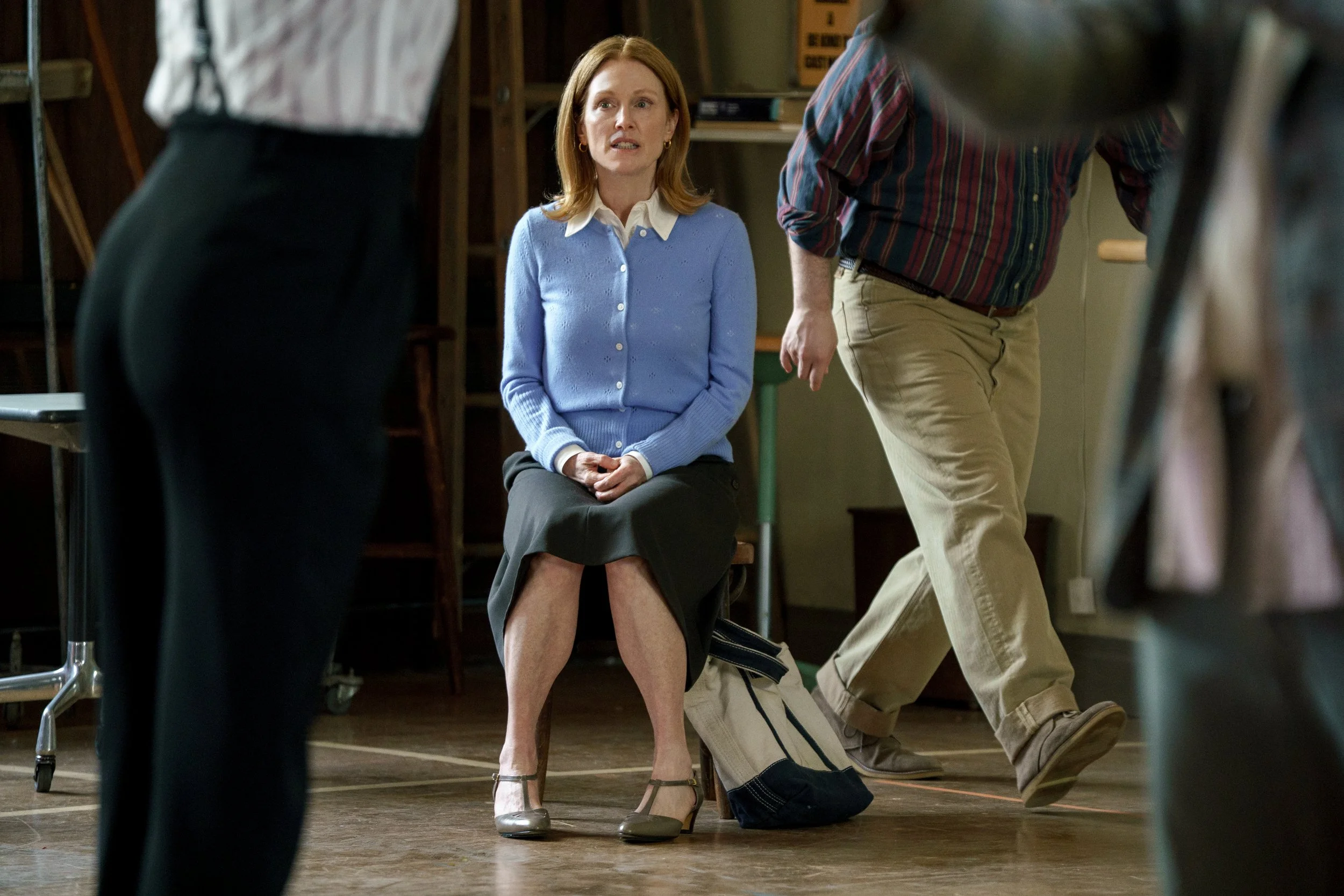
Freda Ahenakew in A Cree Approach
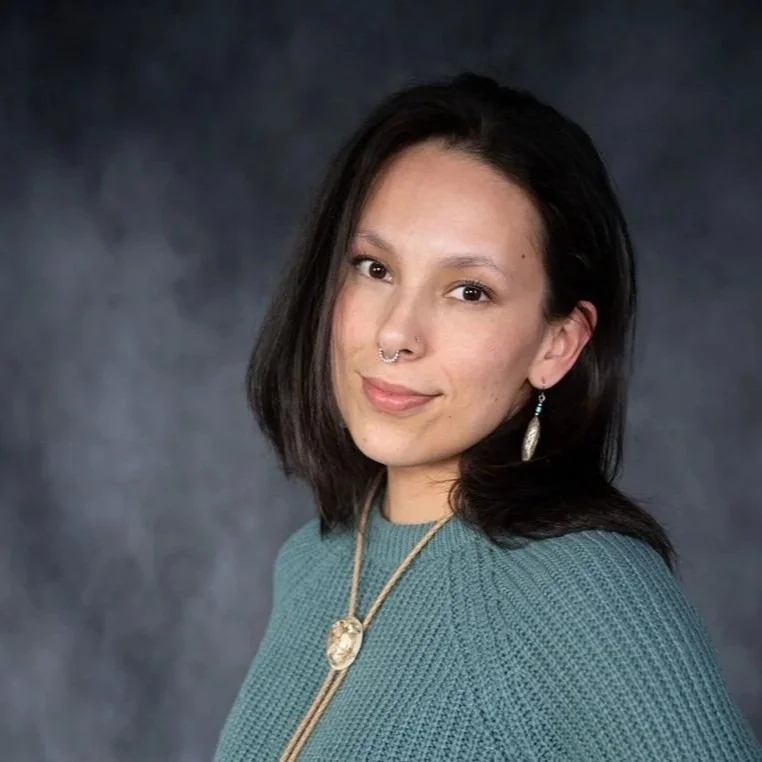
Tristin Greyeyes
The Sundar Prize Film Festival runs from April 23 to 26 at venues in Surrey and North Delta. A Cree Approach screens as part of the program Who Are We Under Pressure? on April 24 at the North Delta Centre for the Arts
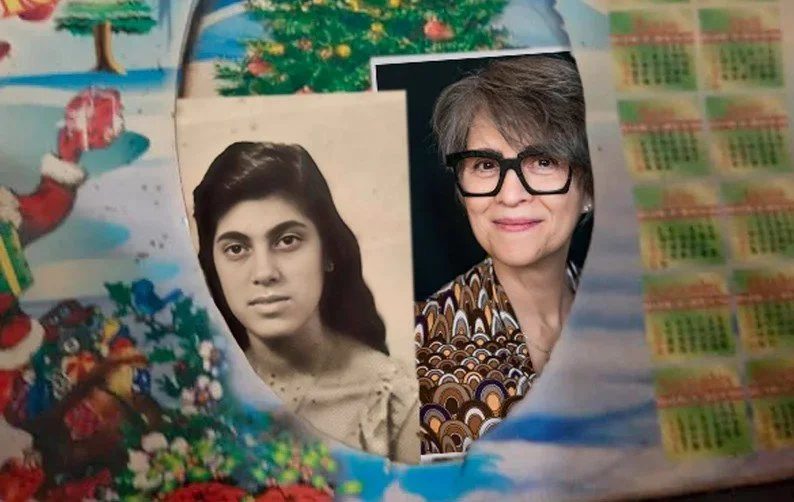
VANCOUVER-BASED FILMMAKER Tristin Greyeyes knew that the grandmother she grew up with was a remarkable woman. The late Freda Ahenakew was a single mother of 12 children when she pursued a master’s degree and led the revitalization of nêhiyawêwin (the Cree language) through texts like Cree Language Structures—a “Bible” for instructors today. But Ahenakew had suffered several strokes by the time Greyeyes was old enough to get to know her; by then, her English had mostly dissipated and all she remembered was her first language, nêhiyawêwin, and so they couldn’t communicate well with each other. To her regret today, Greyeyes had not grown up around the language.
“Our relationship was very quiet and loving,” Greyeyes tells Stir in a phone interview, ahead of a screening of her documentary about her kôhkom (grandmother) called A Cree Approach at the Sundar Prize Film Festival. “Before she died, I took care of her. That’s the relationship that I had with her, just physically taking care of her, just sitting with her, having tea, coffee, or whatever. And just being in the room with her, silent, and that was our relationship.”
But then, during research for her film, the Saskatchewan-raised director and graduate of Capilano University’s Indigenous Independent Digital Filmmaking and motion-picture arts program came upon an old documentary interview with her grandmother, where the vivacious teacher spoke about encouraging a new generation of language warriors.
“She’s speaking English, and I can understand her, and I wanted to cry, because I’d never seen her talk like that, because I had only ever seen her as an old lady who could barely speak English, and if she did, it was very little,” Greyeyes says. “So seeing these interviews, where my mom’s a little girl, and she’s just talking about how important it is for language revitalization, was really overwhelming. I remember being in tears. It was beautiful. Like, I felt so lucky.”
Viewers of the documentary at Sundar can see that footage among other interviews and archival materials that show the key role Ahenakew had in saving nêhiyawêwin from extinction. Greyeyes’ grandmother had been fortunate to grow up with fluent speakers, despite the repressive Canadian laws and residential schools that tried to force her generation to speak English. In fact, Ahenakew was inspired to formalize what she knew about her language into written structures after noticing that her own children were struggling to understand Cree.
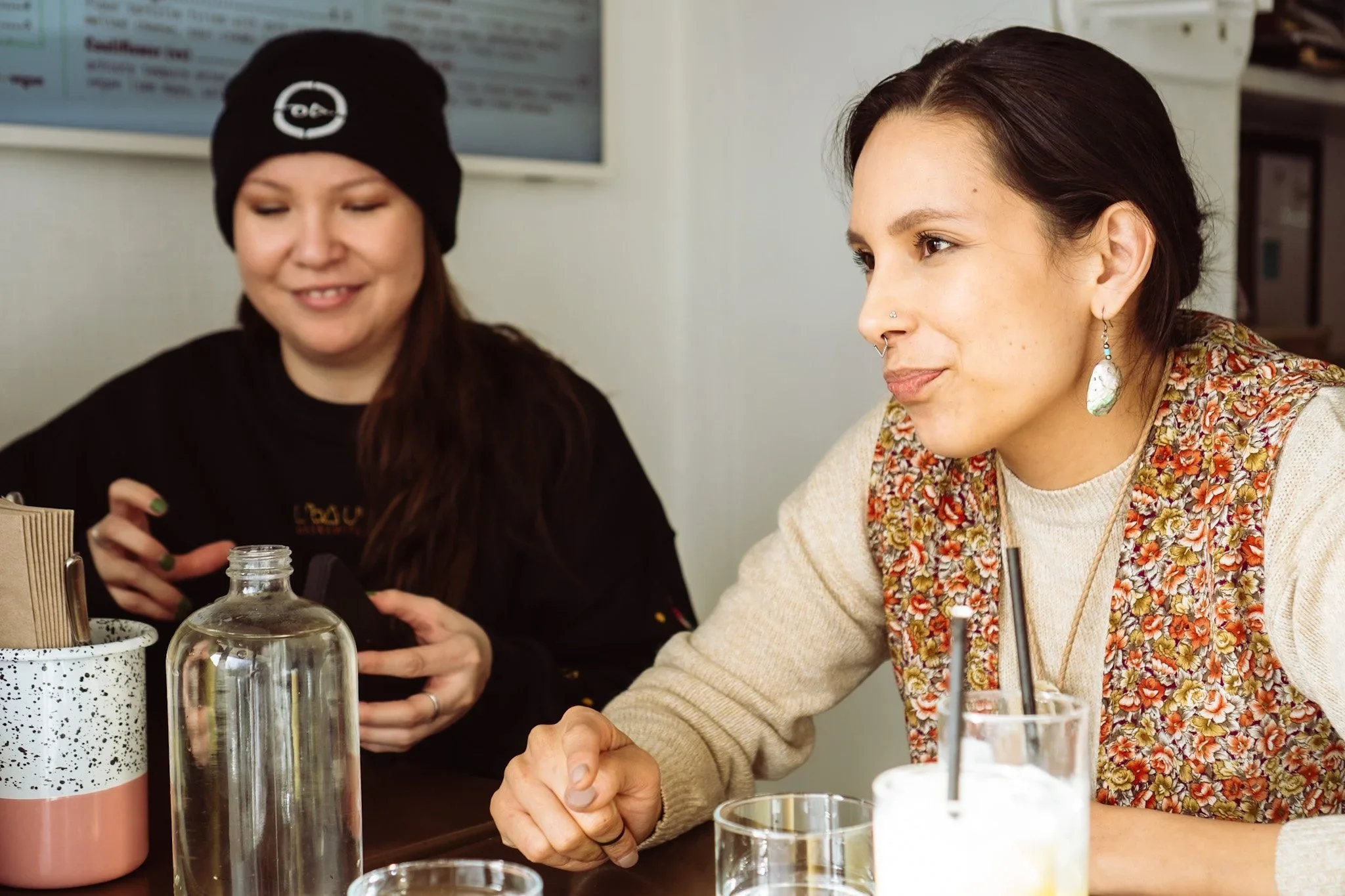
A Cree Approach
A Cree Approach doesn’t just document Ahenakew’s life and achievements, but follows Greyeyes’ own quest to understand why she wasn’t raised to speak nêhiyawêwin. The film becomes a personal journey as she interviews her aunties and uncles, as well as her own mother. Some of the conversations touch on intergenerational trauma, and the incidence of domestic abuse. The film makes it clear Ahenakew’s road to becoming a respected teacher and member of the Order of Canada wasn’t easy.
“I felt very uncomfortable asking about it,” Greyeyes begins. “But I knew I had to ask them—and when I grew up, they never talked about that stuff. You don’t talk about the past, you don’t talk about the negative stuff. They tend to brush things under the rug.
“I grew up with them avoiding those types of conversations, so I was a little nervous, and in my interviews, I could tell that they were really uncomfortable,” she continues. “But I’m glad they talked about it. I think it’s because I’m their niece. They felt okay to talk about those things. I don’t think they would have if it had been anybody else, or a non-Indigenous person, you know? It’s important that I come from the same community, that I’m telling their stories, or that I’m recording their stories and sharing their stories. I could speak their language, and they could tell me things in detail. I think that telling the story as a family member was so important, that I had access to this emotional side of them that maybe they wouldn’t have shown if it was anybody else.”
There are other sides to A Cree Approach, especially as Greyeyes expresses hope for her own children and the next generation—caught on film at powwows, gathering for cookouts in the woods, and enjoying other traditions the Indian Act once worked to suppress.
The film got a warm response at the recent GEMFest, where it won the award for best feature. Greyeyes’ relatives will be showing up in force for the screening at the North Delta Centre for the Arts, as part of the Sundar Prize Film Festival; it’s up for the best feature award at the event, which is devoted to films that explore social causes and change. The director herself has to head to the Zeitgeist Minnesota Film Festival for a screening on the same night, her doc’s international debut.
Greyeyes hopes audiences will see the work that has gone into preserving the Cree language, and that much more needs to be done to keep it from vanishing. The director made sure to sprinkle A Cree Approach with vivid intertitles with nêhiyawêwin words, in its own script and then spelled out in anglicized form, with definitions throughout. In honour of her grandmother, she’s passing on these little lessons on nêhiyawêwin to others—including nôhkom, the word for “my grandmother”, a term she is proud to use for Freda.
In many ways, in fact, Greyeyes is carrying on the work of the woman she calls nôhkom, just through a different mode of communication. Says the documentarist: “I didn’t even realize it until after I was making the film: I was like, damn, we have a lot of similarities in terms of storytelling and sharing stories and keeping Indigenous storytelling alive.” 

Related Articles