Family visit subtly reveals the strain in What Does That Nature Say to You, at The Cinematheque to April 6
In South Korean filmmaker Hong Sangsoo’s hazily-shot latest, the viewer becomes increasingly aware that parents are casually interrogating their daughter’s poet boyfriend
What Does That Nature Say to You
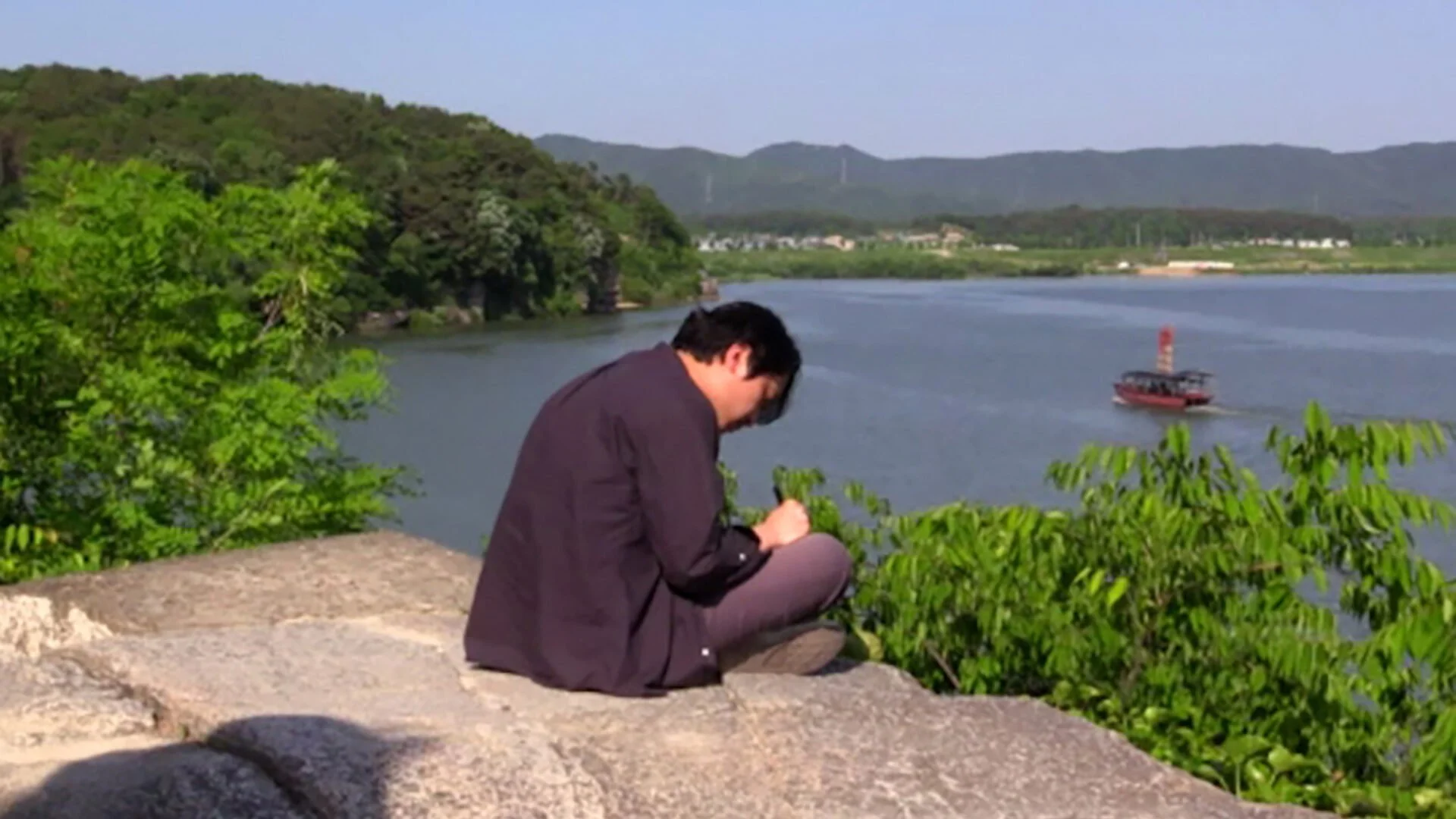
What Does That Nature Say to You is at The Cinematheque on April 2, 4, and 6
THERE’S A SUBTLE, almost imperceptible blur to the cinematography in prolific South Korean filmmaker Hong Sangsoo’s new What Does Nature Say to You, a film that literally and metaphorically mimics the short-sightedness of its 30-something protagonist. It also requires us as viewers to adjust how we are seeing the mundane and increasingly awkward conversations that take place on a sunny afternoon in the countryside.
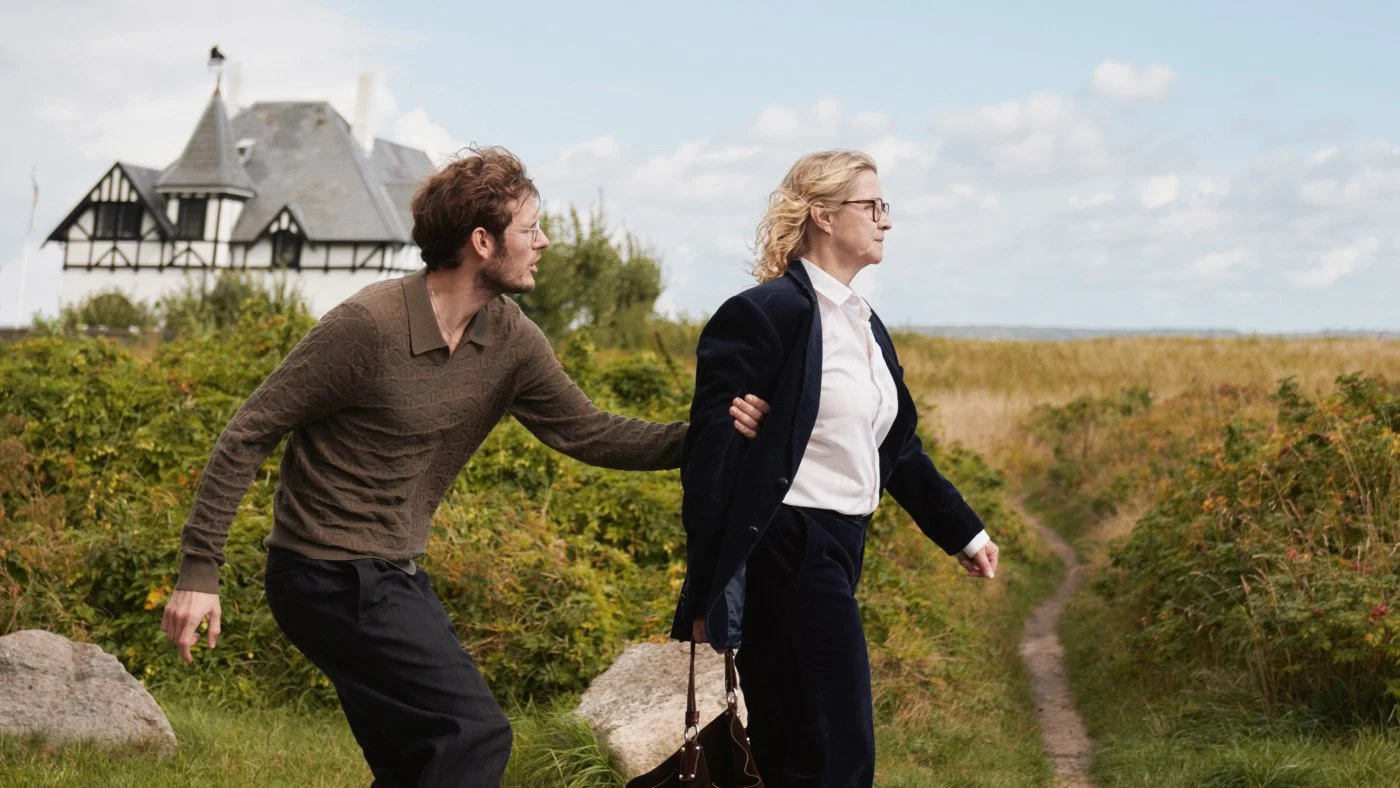
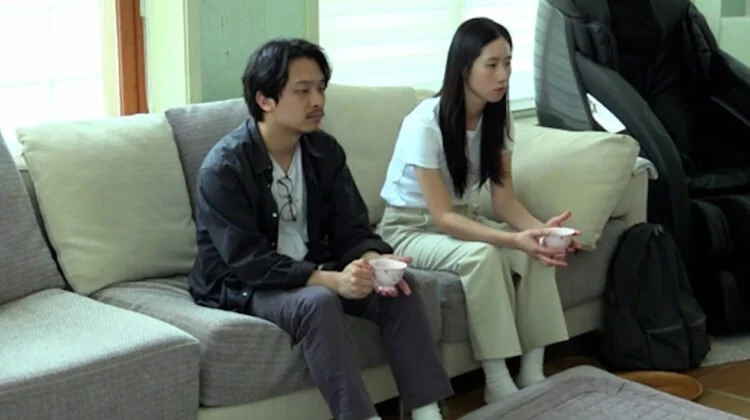
Donghwa (Ha Seongguk) drives his girlfriend of three years, Junhee (Kang Soyi), from Seoul to her parents’ home just outside Incheon. He hovers curiously at the foot of the driveway, having a cigarette, expressing surprise at the size of the house and its hilltop gardens. Why hasn’t he met her parents or seen her house before? Then, in the driveway, they meet Junhee’s father (Kwon Haehyo), who invites Donghwa for a visit that ends up lasting over two long meals and into the evening.
Through a series of extended, casual conversations, characters—and character—are subtly revealed. Donghwa, for example, drives an old used car, but his father is a well-known attorney. Junhee’s mother, absent until dinnertime, also writes poetry—but as a hobby outside her day job. And Junhee’s troubled sister has been holed up at home—and is more than a little inquisitive about her sibling’s relationship with Donghwa.
Through these long, loose, but not-quite-open dialogues, two characters are usually set on opposite sides of the screen, the camera stagnant except for the rare, abrupt zoom-in.
It’s vintage, experimental Hong, where not much happens, but a lot is going on behind casual but polite surfaces. Despite, or perhaps because of, the low-budget, unshowy, minimalistic approach, the visit becomes agonizing in a way that’s hard to describe. The viewer becomes increasingly aware of the negotiations and judgment at work, of the wiser parents who are unassumingly interrogating the at-first-deferential poet. The family’s beautiful hilltop retreat that at first inspired Donghwa’s poetic side becomes suffocating. If you’ve ever been young and idealistic, with an artistic bent that doesn’t fit into economic expectations, the tension will be familiar and uncomfortable.
And so it’s painful to watch our poet-boyfriend start to blow his polite cover when the rice wine flows over dinner. By the next morning, he sees himself more clearly—for better or for worse. 

Related Articles