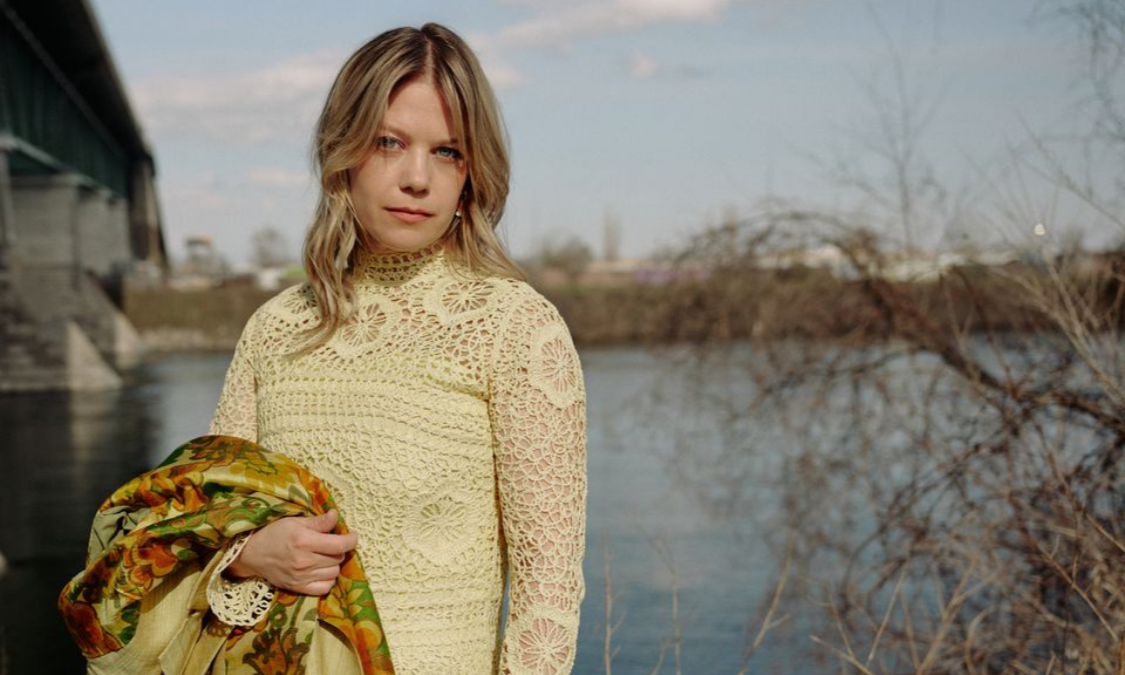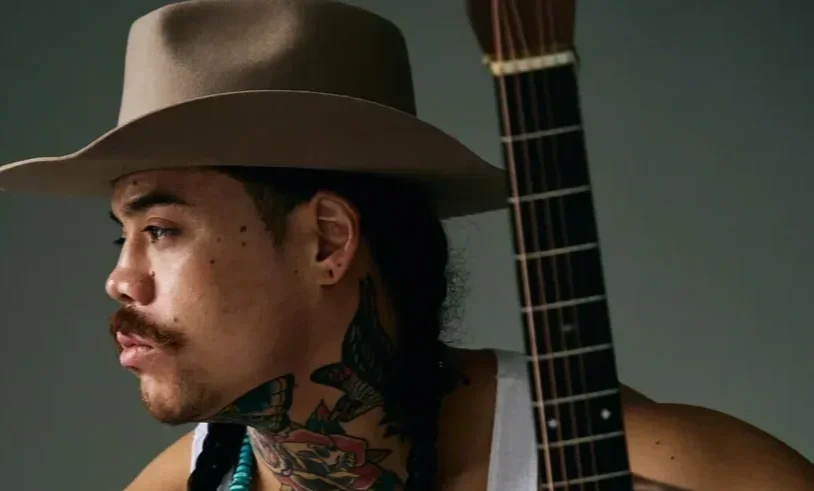
Listening as Activism explores the power of sound, vision, and a decolonized conception of time
Vancouver New Music event brings together artists and activists for a roundtable discussion and performances
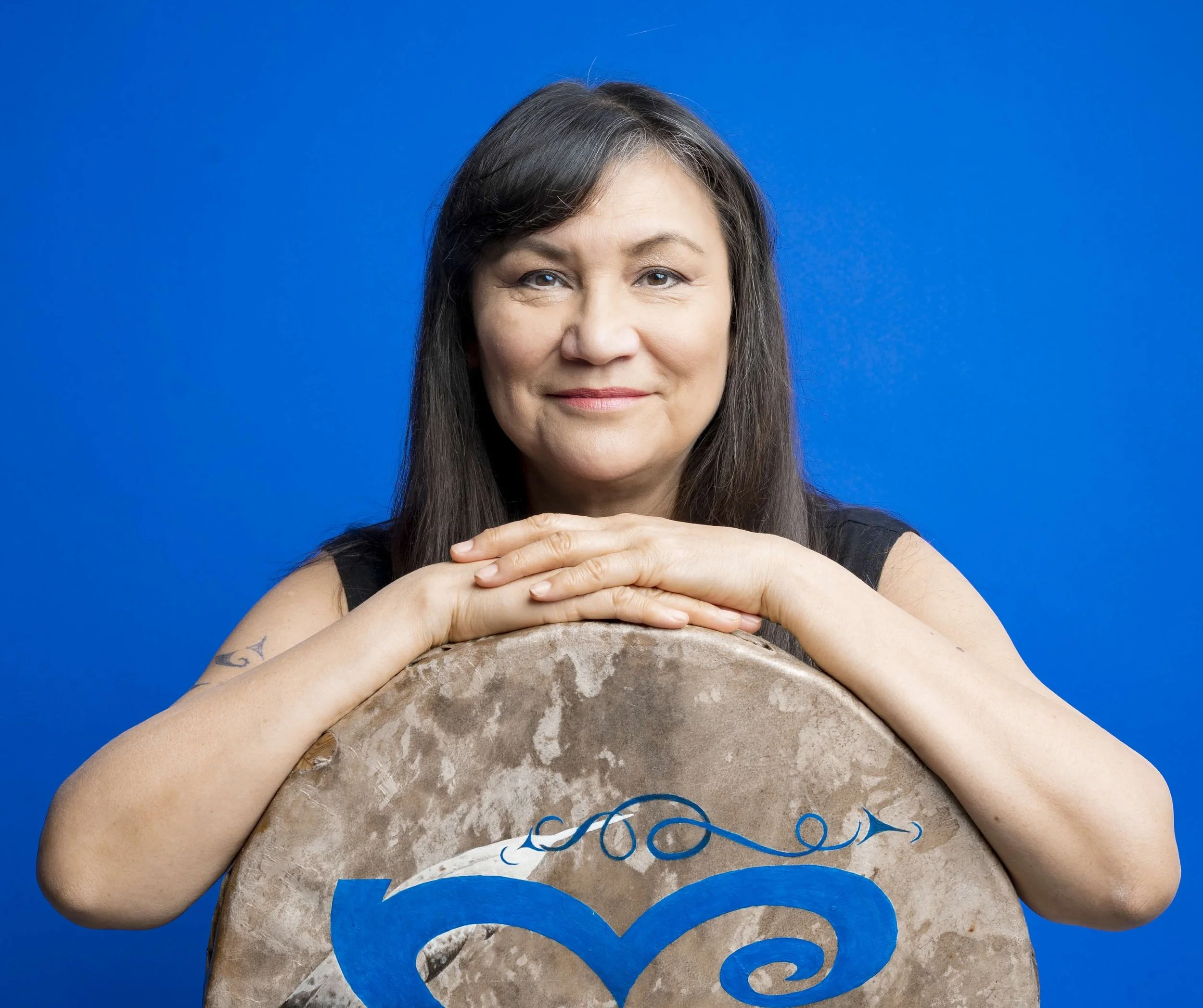
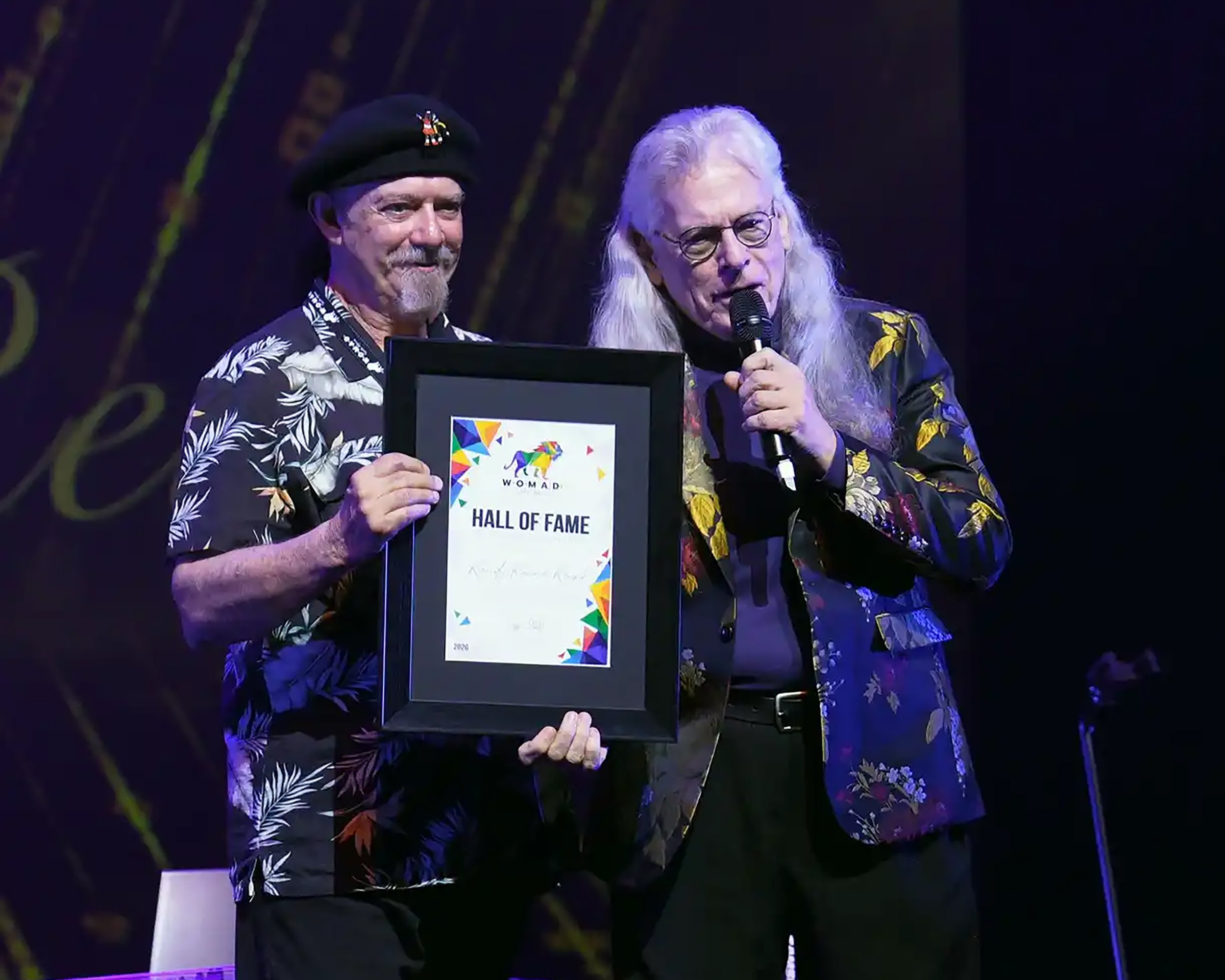
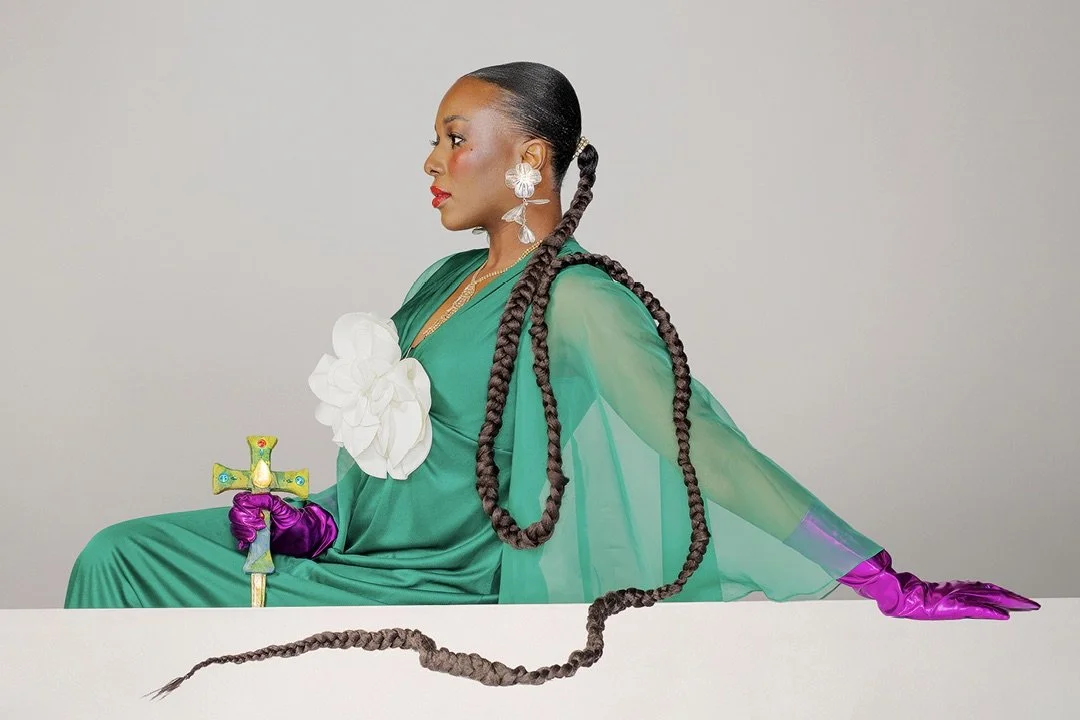
Renae Morriseau
As part of the On Curation Mentorship Project, Vancouver New Music presents Listening as Activism at the Annex on April 11 at 6:30 pm
THE TITLE SEEMS paradoxical at first. As part of its On Curation Mentorship Project, Vancouver New Music is hosting an event called Listening as Activism. We tend to think of listening as a passive thing, as opposed to activism, which is, well, active.
The event’s curator, Freya Zinovieff, doesn’t see things that way. “I would suggest that listening is actually an active thing,” she tells Stir. “I think that we hear passively, but if we really engage our listening, we can choose what we listen to and what we don’t listen to. A big context for this over the last few years for me has been the genocide in Palestine, and Canada’s active involvement in that, and the media’s obfuscation of the genocide, and obfuscation of our involvement. I think a lot about how we need to tune our listening to listen through propaganda, and actively engage with the world around us through our senses—one of those senses being the ears.”
Zinovieff is a Social Sciences and Humanities Research Council postdoctoral research fellow at UBC’s Collaborative and Experimental Ethnography Lab. The scholar and sound artist notes that she has a long history of activism, dating back to her time in the U.K.
“I come from a long background of eco-activism in the U.K.,” says Zinovieff, whose curatorial mentor is Spanish-born, London-based Laura Netz. “I spent many years living in protest camps, trying to stop big motorways from being built through ancient-growth forests. So I have this background in activism that I brought with me to Canada. In 2017 I came here to do a PhD and ended up writing my PhD in activist listening. It’s something I’ve always been really interested in and haven’t quite known how to find platforms for it, so this is a really amazing opportunity to bring the idea of activist listening to a larger platform and to explore what it means to listen as an activist from very different perspectives.”
Activist listening, Zinovieff explains, challenges what she calls “the colonial concept of time”. “Colonial time is linear, and it’s predicated on moving through time in a certain way,” she says. “Anti-colonial time is circular. It’s not necessarily predicated on the idea of getting from A to B, or from 1 to 2. It’s a way to exist in space in a different way.”
Gregory Coyes explores time in a similar way through his work. A filmmaker of Métis/Cree and European descent, Coyes is the coordinator of the Indigenous Digital film program at Capilano University. He is also the founder of the Slow Media Community, and his work, as showcased on the Slow Media Vimeo page, focuses on tiny moments—steam rising off housetops as the sun hits them, or water rushing in an icy creek—that invite contemplation with an unhurried gaze.
Coyes says the introduction of high-definition video cameras in the early 2000s was a pivotal moment. Less expensive and more portable than traditional film equipment, these cameras democratized moviemaking and allowed more Indigenous artists to get involved. He cites the director of the acclaimed features Atanarjuat: The Fast Runner and The Journals of Knud Rasmussen as a specific influence on his own aesthetic.
“I studied the work of Zacharias Kunuk, who’s the celebrated Inuit filmmaker, and recognized that the tundra and the ice were both coming through as characters in his films,” he says. “The reason for that is he was slowing down the camera enough that we could experience the wind and the sun upon the tundra, as it took a character popping over the very broad horizon in the high Arctic—which I’ve had the pleasure of visiting—and it takes 10, 15 seconds for that character to get close enough for us to even recognize what character it is in the story. But in that time we experience the sun and wind on the tundra, and the tundra becomes a character.”
Coyes’s films will be shown throughout Listening as Activism, which opens with a roundtable discussion featuring Zinovieff, Cree/Salteaux multidisciplinary artist Renae Morriseau, activist and writer Harsha Walia, and composer Hildegard Westerkamp.
Coyes acknowledges that his chosen medium is largely visual, but he says that his approach is very much aligned with the notion of active listening. “I guess what we have in common is the intent of acute awareness, and slowing down,” he says. “To actively listen, one needs to really slow down and be there, and be in the moment. That’s a big part of the practice. And I keep using the word ‘practice’ because slow media has been described as yoga for filmmakers. Because it’s a very simple technique, and like yoga, it doesn’t look like much, but you can get very deep with slow media—as you can with listening.”
Listening as Activism will close with sets from Kiki Connelly & the Understory as well as Morriseau’s own ensemble, M’Girl Music, performing, she tells Stir, “hand-drum songs that were gifted to us from the Nlaka’pamux people, which is where the two rivers meet—the Thompson and the Fraser River—and our hope is that the stories we tell are relationalities to land and water and community.”
“I’m interested to talk with them more about how they think their work embodies activism,” Zinovieff says of the event’s musical guests. “But as a listener, I definitely perceive their work to be existing as an activist project in this space for sure, because they’re all outspoken feminists, they are talking about decolonization, community-building, and how to resist hegemonic structures of power that might have us behave in certain ways.
“And they’re all saying,” the curator concludes, “‘Hang on a minute, we’re going to build community and we’re going to do something different through storytelling, through sound.’” 

Related Articles