Amid urgent calls from more than 40 arts community members, Vancouver votes for "watered-down" motion for cultural sustainability
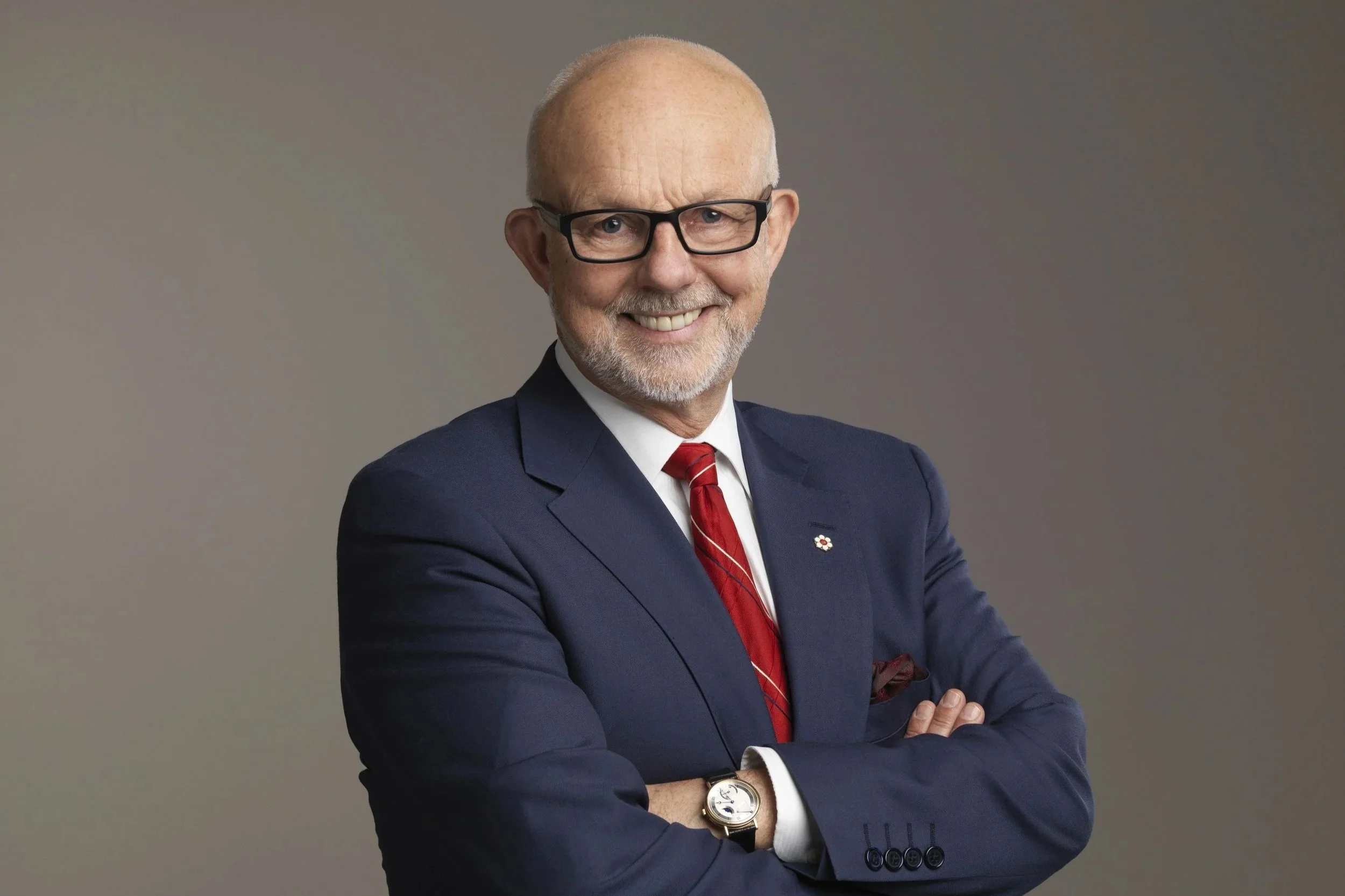
“If we don’t act now, we risk losing a vital part of this city’s identity,” said Bard on the Beach’s Christopher Gaze, echoing calls by other Vancouver festivals and artists

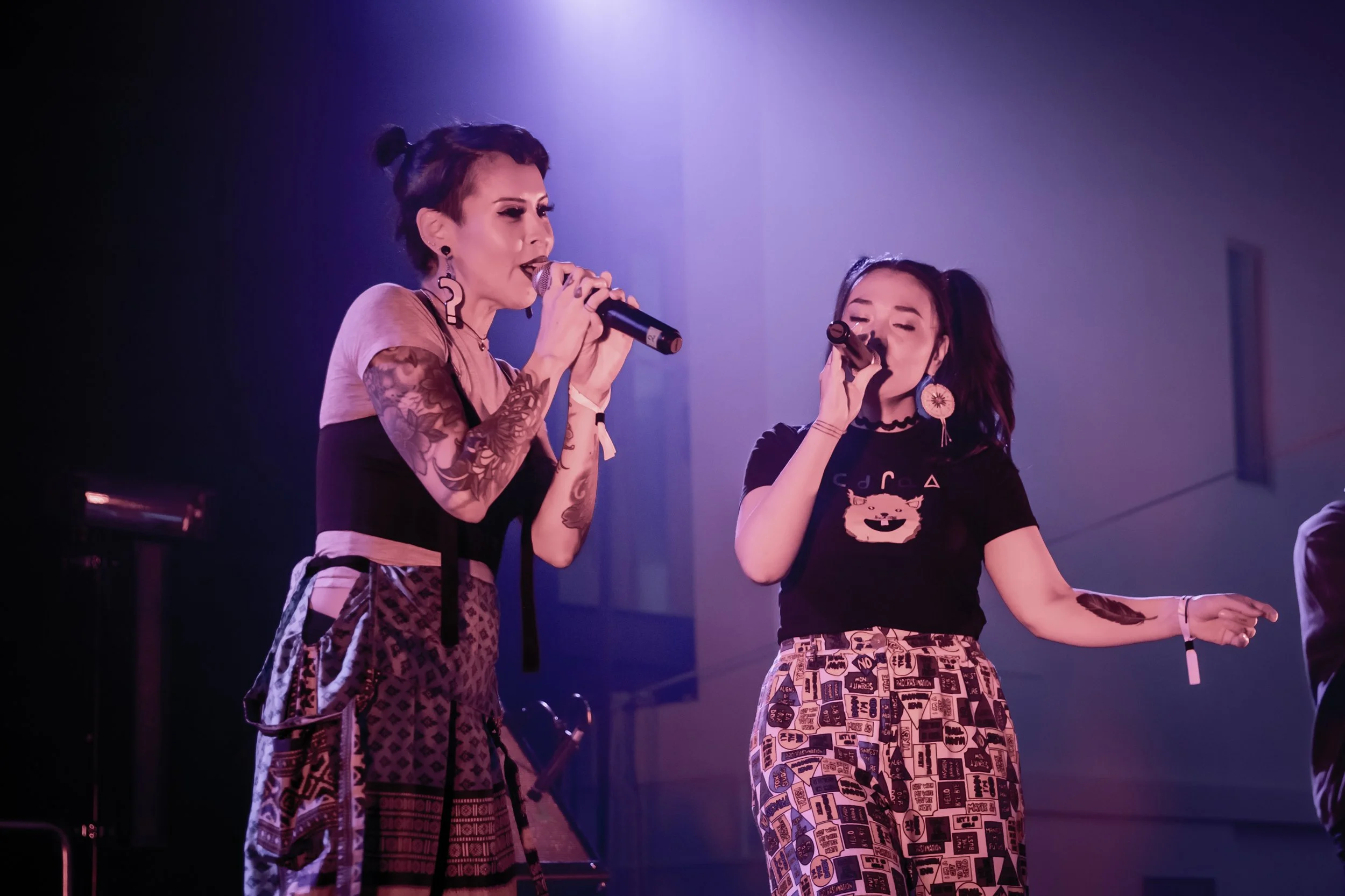
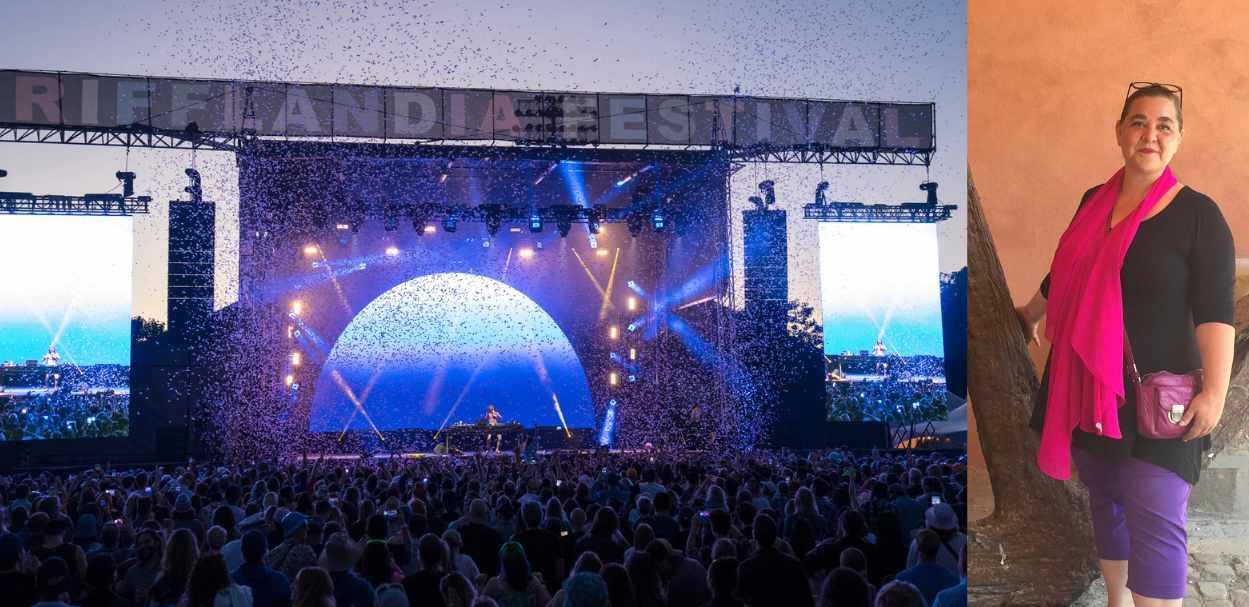
At left, Vancouver International Jazz Festival points to stagnant City funding over 15 years (Matt Taylor photo). At right, Vancouver Mural Festival blamed unpredictable civic funding as part of the reason for its demise.
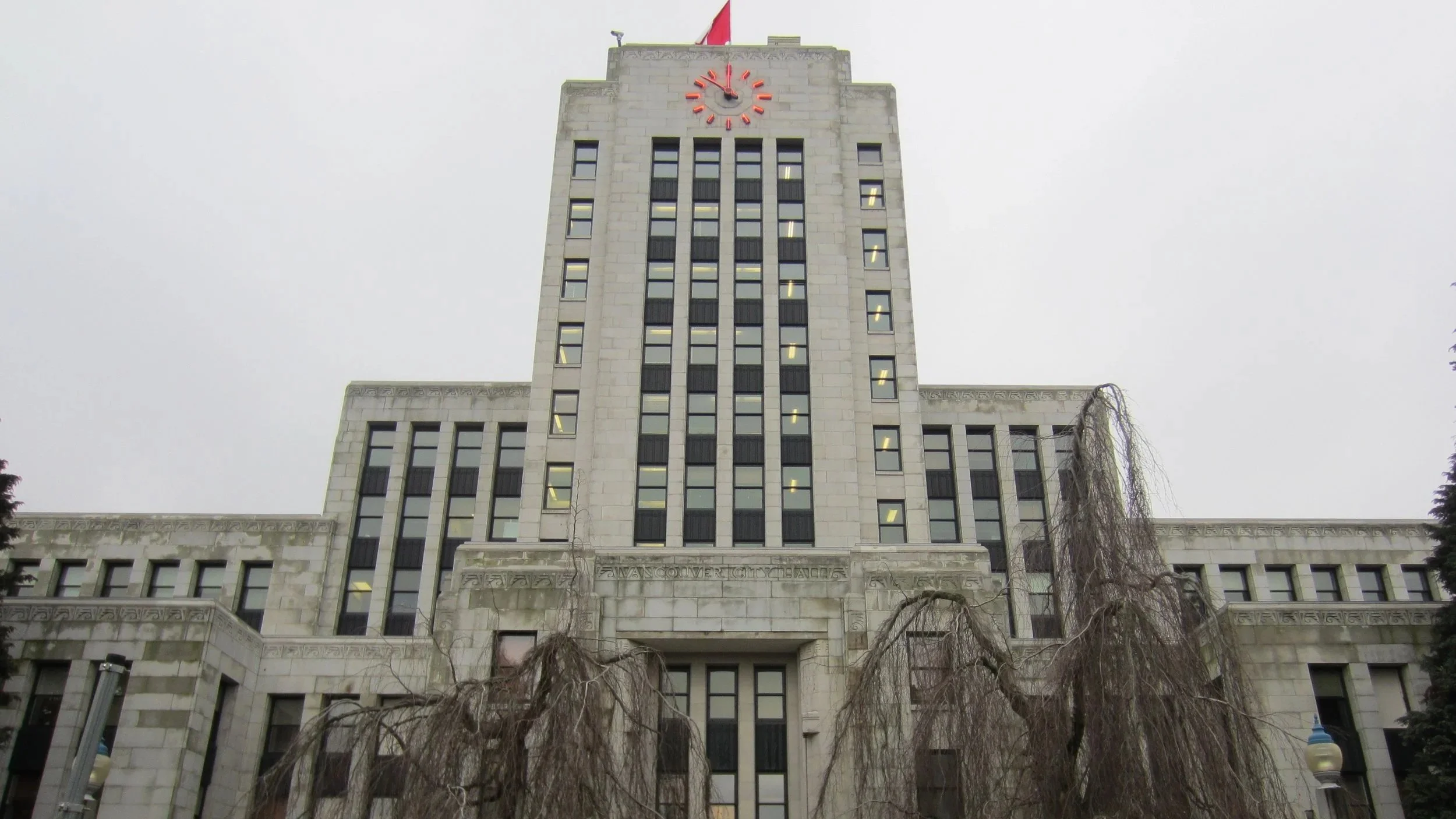
MORE THAN 40 SPEAKERS, including artists and members of Vancouver’s festivals and arts companies, took the podium at a city council meeting yesterday in favour of an increase in support for the arts and culture community. They said the scene faces urgent challenges.
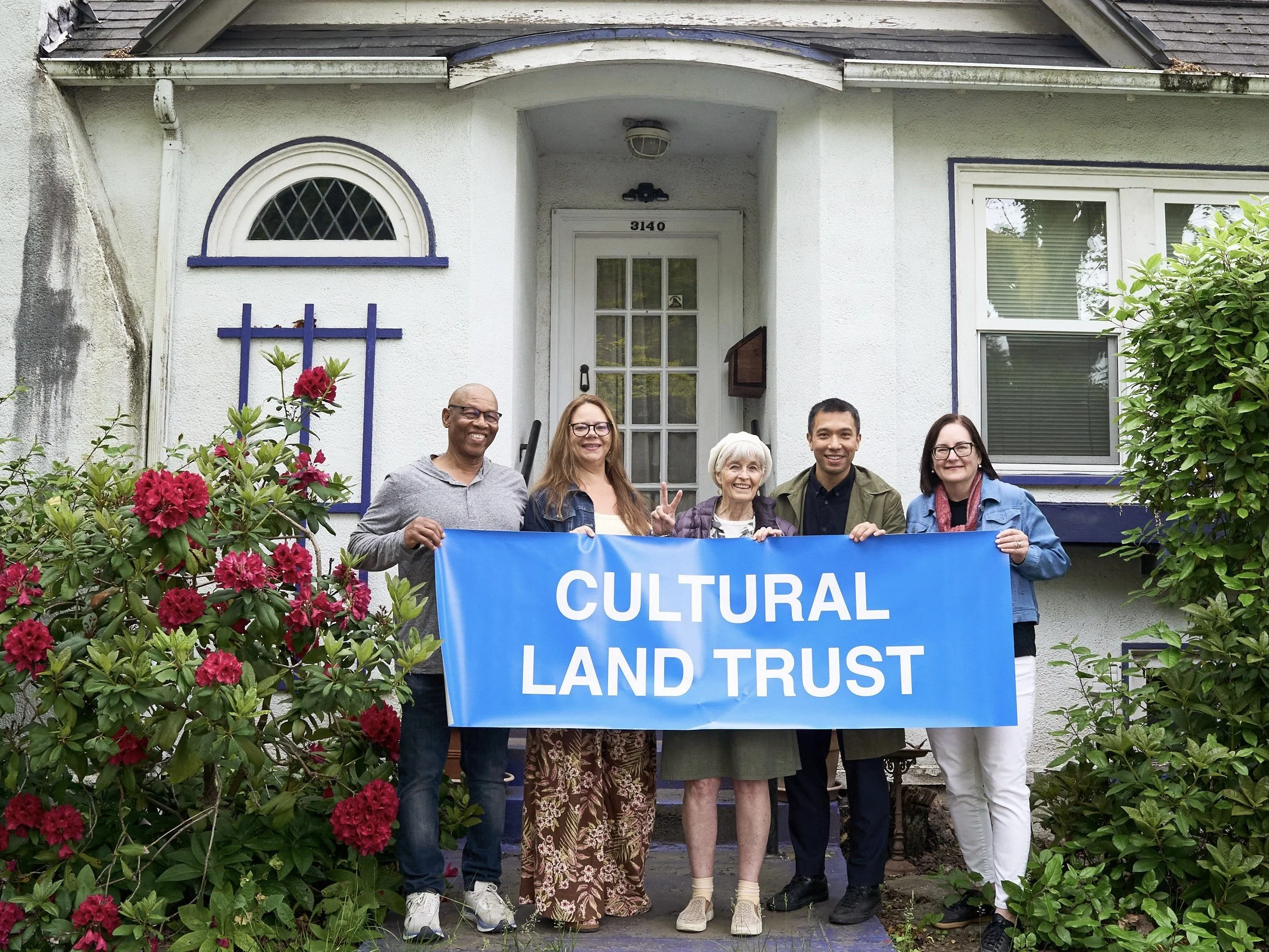
The motion, titled Urgent Investment in Vancouver’s Arts and Culture Infrastructure: Strengthening Vancouver’s Cultural Sustainability and Economic Impact, was submitted by Green Party Coun. Pete Fry on behalf of the Arts and Culture Advisory Committee. It was later struck down and reworded by the ABC Vancouver majority. The original motion had called for the City to establish a $40,000 minimum per operating grant to stabilize small organizations, beginning with a 10-percent increase in 2026. Other requests included seed funding for a cultural land trust and new tools to secure empty spaces for artists.
“We have had to cancel productions, not program in one of our theatres this season, and not fill much-needed vacant positions as we navigate this precarious time, when audiences are slow to return post-COVID and funding is diminished,” said Arts Club Theatre Company executive director Peter Cathie White before council yesterday. “If we are suffering, then I know that every arts organization in Vancouver is suffering.”
Christopher Gaze, executive director of Bard on the Beach, echoed those concerns. He said that the motion “recognizes what we’re all experiencing—that the systems and spaces supporting arts and culture are fragile. And if we don’t act now, we risk losing a vital part of this city’s identity.”
After more than two hours of discussion and presentations, the original motion presented to council was replaced by an amendment put forth by ABC Coun. Sarah Kirby-Yung. It removed many components, like the operating-grant minimum, and added new resolutions unprompted by speakers—including increased funding eligibility for policing and event security.
“It is not written, I think, in a way that acknowledges what the city can and can’t do, and the different jurisdictional responsibilities,” said Kirby-Yung of the original motion. She added that prior to yesterday’s meeting, she had approached the Arts and Culture Advisory Committee to say “despite the sense of urgency, that we take some time to workshop the motion as opposed to submitting it as it sat, and that suggestion was declined”.
According to a 2024 report by Statistics Canada’s Culture Satellite Account, the arts and culture sector generated over $6 billion yearly in GDP, but received only four percent—or approximately $93 million—of the city’s $2-billion-plus operating budget in 2024. Fry’s original motion also cited Stats Canada figures saying Vancouver has the highest population of artists and cultural workers out of all of the country’s major cities.
COPE Coun. Sean Orr was among those who strongly disagreed with Kirby-Yung’s changes.
“I think this is an amendment that you’d make if you wanted to avoid supporting the arts in any meaningful way,” he said. “I think it’s a Trojan horse that puts the members who support the spirit of the original motion in an impossible position.”
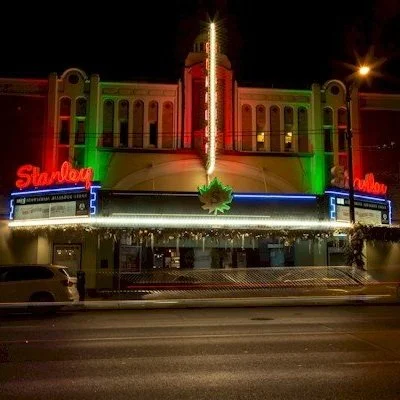
The Arts Club Theatre Company’s Stanley Industrial Alliance Stage.
Cathie White, whose Arts Club oversees the Stanley Industrial Alliance Stage, the Granville Island Stage, and the BMO Theatre Centre, said the company has seen city funding decrease over the last two years, which he called “the hardest two years in the arts sector that I have ever experienced”. City funds now account for less than one percent of the Arts Club’s annual operating budget.
Bard’s Gaze echoed those concerns. “Costs have risen dramatically. The audiences haven’t returned to pre-pandemic levels,” he said. “We used to have 100,000 in our audience pre-pandemic, up to ’19. That’s 80,000 now. That’s a big gap. And that’s not just us—that stretches right across all the arts. The gap between revenue and expenses continues to widen, and that threatens the very heart of what we do.”
Coastal Jazz & Blues Society executive director Nina Horvath said the Vancouver International Jazz Festival—along with the Vancouver Folk Music Festival, Vancouver Fringe Festival, Vancouver Pride, the Celebration of Light, and the recently cancelled Vancouver Mural Festival—have all “had to make public appeals about facing serious financial challenges” as of late.
She estimated that the Jazz Festival generates more than $20 million in economic impact for the city annually; however, the core funding the city provides to the festival has remained stagnant over the last 15 years. Rising production costs are worsening the situation.
“The jazz festival has certainly felt these pressures,” she said. “The departure of our title sponsor, along with this happening to several other festivals across Canada, was a major blow. We’ve adapted, but not without great sacrifice.”
Fiona Black, artistic director of the Vancouver Folk Music Festival, noted that the organization reported increased ticket sales this year compared to last, with 51 percent of audience members being first-time attendees—promising figures, considering that just a couple years ago, the festival faced collapse due to financial instability.
But Black added: “While we are grateful for Vancouver city cultural operating funding, which was $70,000 this year, I can’t help but be a little jealous of our sister festival, the Edmonton Folk Festival, which receives a grant of $350,000 from their municipal government—as well as a second contribution of 30- to 40,000 to pay for half of the city’s charges [for] power, fencing, all that stuff.”
Miriam Esquitín, former executive director of the Vancouver Mural Festival, also spoke. The festival announced it was shutting down earlier this year, citing financial hardship. In May, the Canadian Event Awards posthumously named VMF’s Street Party the Best Event for a Community-Based Non-Profit in the country.
“I know firsthand what it is to lose a beloved organization that is having a community impact,” Esquitín shared, adding a contributing factor to the festival’s decline was that it received unpredictable levels of civic support and grants over the years, ranging from $190,293 in 2018 to $43,385 in 2021 to just $4,000 in 2023.
The indefinite suspension of the provincial B.C. Fairs, Festivals and Events Fund, which was launched to help the cultural sector crawl out of COVID shutdowns, is cited in the motion as adding to the challenges for arts groups.
In her amended motion, Coun. Kirby-Yung wrote that council would “look at a collaborative, intergovernmental arts and culture funding strategy.”
OneCity Coun. Lucy Maloney spoke out against that suggestion.
“We’ve heard from so many excellent speakers this afternoon setting out that it really is a desperate situation,” Maloney said. “And I don’t think it’s enough to just point to other levels of government in place of what we have capacity to do at a city level.”
Sean Bickerton, BC Director of the Canadian Music Centre and former executive director of the Vancouver Recital Society, was among the speakers who emphasized how much the arts and culture community benefits the City of Vancouver financially. For reference, he said, more than 40 percent of local audiences eat out before or after attending a performance; and Bard on the Beach’s Gaze noted that the city’s pay-parking lot next to Vanier Park generates upwards of $300,000 during each of the company’s four-month seasons.
Several more representatives from local arts and culture organizations spoke at the meeting, including Heather Redfern, executive director of The Cultch; Rainbow Robert, executive director of the BC Alliance for Arts and Culture; Alen Dominguez, managing director of Neworld Theatre; Ryan Hunt, CEO of the Museum of Vancouver; Arman Kazemi and Ghinwa Yassine, co-executive directors of MENA Film Festival; Brent Constantine, executive director of Little Mountain Gallery; Luke Summers, operations director of Beaumont Studios; and Dominic Lai, operations director of Dragon Boat BC.
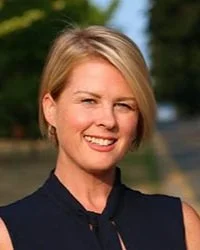
Coun. Rebecca Bligh.
A number of other Vancouver-based artists and arts workers also voiced their support for the original motion, including theatremakers Christine Quintana and Amanda Testini; Sufi Rafat, a queer, trans, Middle Eastern nonprofit worker who serves as treasurer on the board of directors of VIVO Media Arts Centre; and violinist Molly Mackinnon, who has played for the Vancouver Symphony Orchestra.
The VSO is the oldest symphony orchestra in Canada—with the largest symphony-orchestra subscription audience in all of North America—and residents here spend more on performing-arts outings than the national average. But as far as concerts are concerned, the Vancouver Cultural Precinct Committee recently revealed that Vancouver has the lowest seat count available for music concerts in the country. No new major indoor performing-arts venues have been built here in almost three decades, although a feasibility study for a new mid-sized venue is currently underway.
Coun. Rebecca Bligh was among those who spoke in opposition of Kirby-Yung’s amendment, saying it “defies any logic”. She equated it to making a working group for an already-existing working group (the Arts and Culture Advisory Committee, which put forth the motion).
“Why would we add a layer of bureaucracy to make it more difficult when what we’ve heard are 50 speakers who’ve said they’re literally on life support?” she asked. “We had a representative from the Vancouver Mural Fest—they’re no longer in existence. We don’t have time to try and hope to make a difference. It’s done! It’s over! Here are the recommendations. Do not replace them with a watered-down amendment that represents what I hear from a lot of people in our city: ‘This council’s not listening to us. You don’t listen. You override, and you do what you want to do anyway.’
“And now we’re going after a sector that writes to us all the time, engages with us, asks us for coffee, lets us know what their challenges are,” she continued, “offers free tickets to have us come to the events so we can truly understand the value of what they represent. So this is a complete sham and it’s a shame. Because if this passes, what we’re saying is ‘Don’t ask us for any more help, because we’re not going to help.’”
What remains of the original motion is a commitment to streamline permitting, liquor, and special-event approvals for artists and cultural nonprofits.
Kaile Shilling, former executive director of the Vancouver Writers Fest and vice-chair of the Arts and Culture Advisory Committee, noted that since the motion was made public a few days ago, “organizations small and large are speaking up, because stopgaps are not sustainable.”
She ended her time on the podium with a sobering remark: “We breathe art in this city—and if our art is dying, then so are we.” 

Related Articles