Stir Cheat Sheet: 5 Vancouver arts and culture stories to watch for in 2026
Details are expected in the coming year for a new cultural hub on Granville Island, for a reimagined Vancouver Art Gallery site, and for other announcements
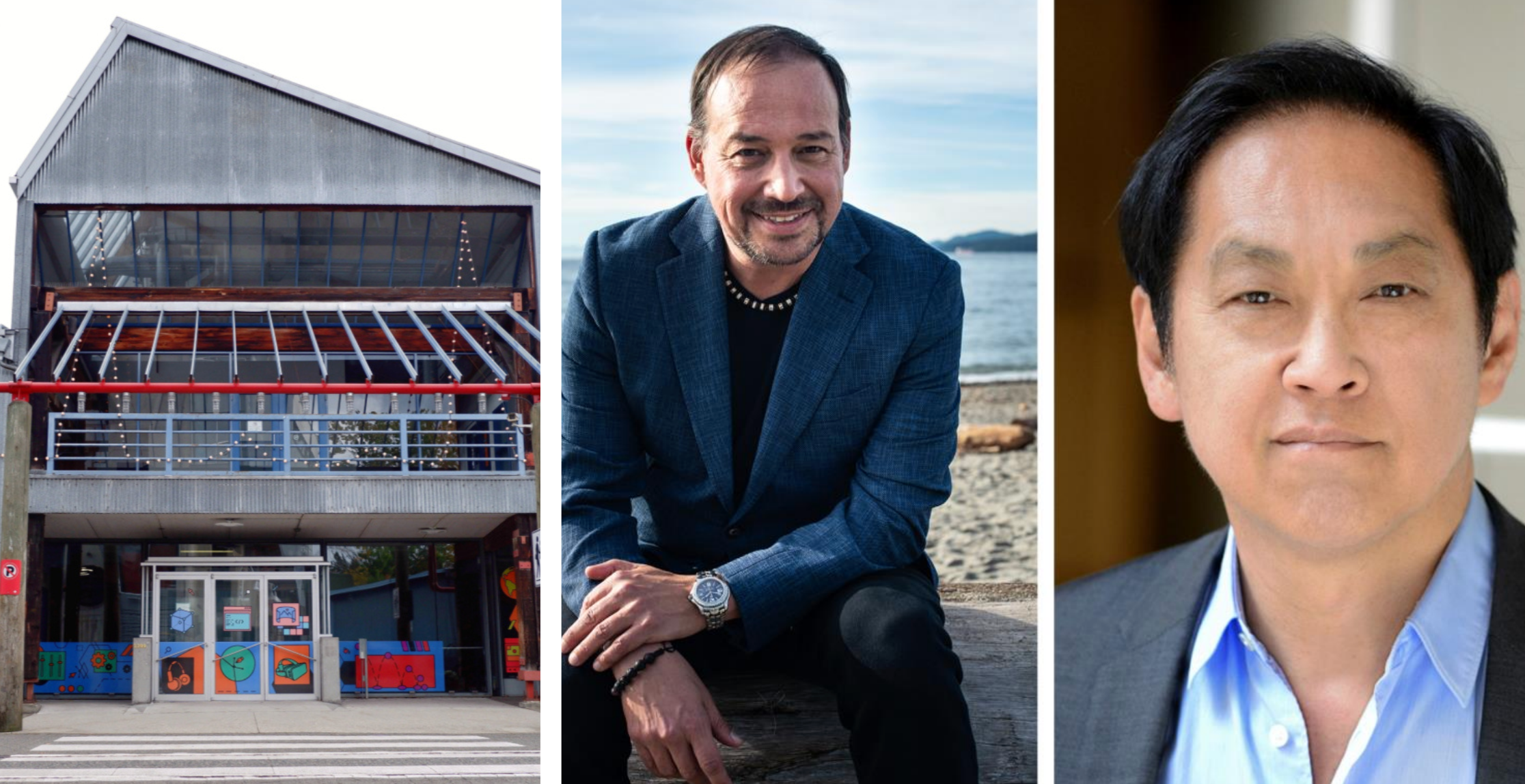
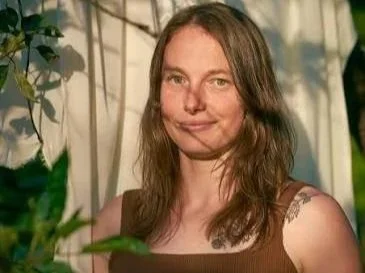
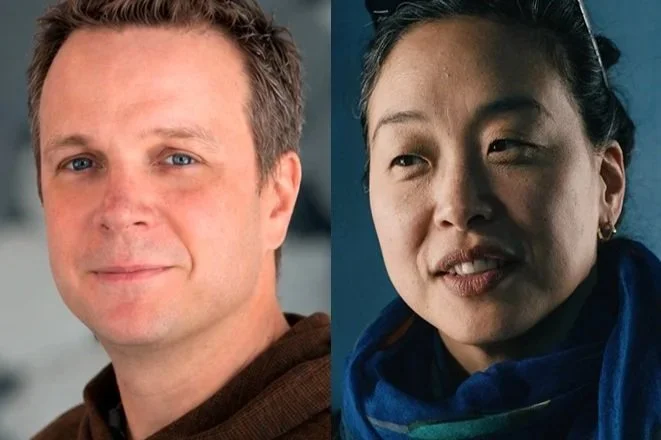
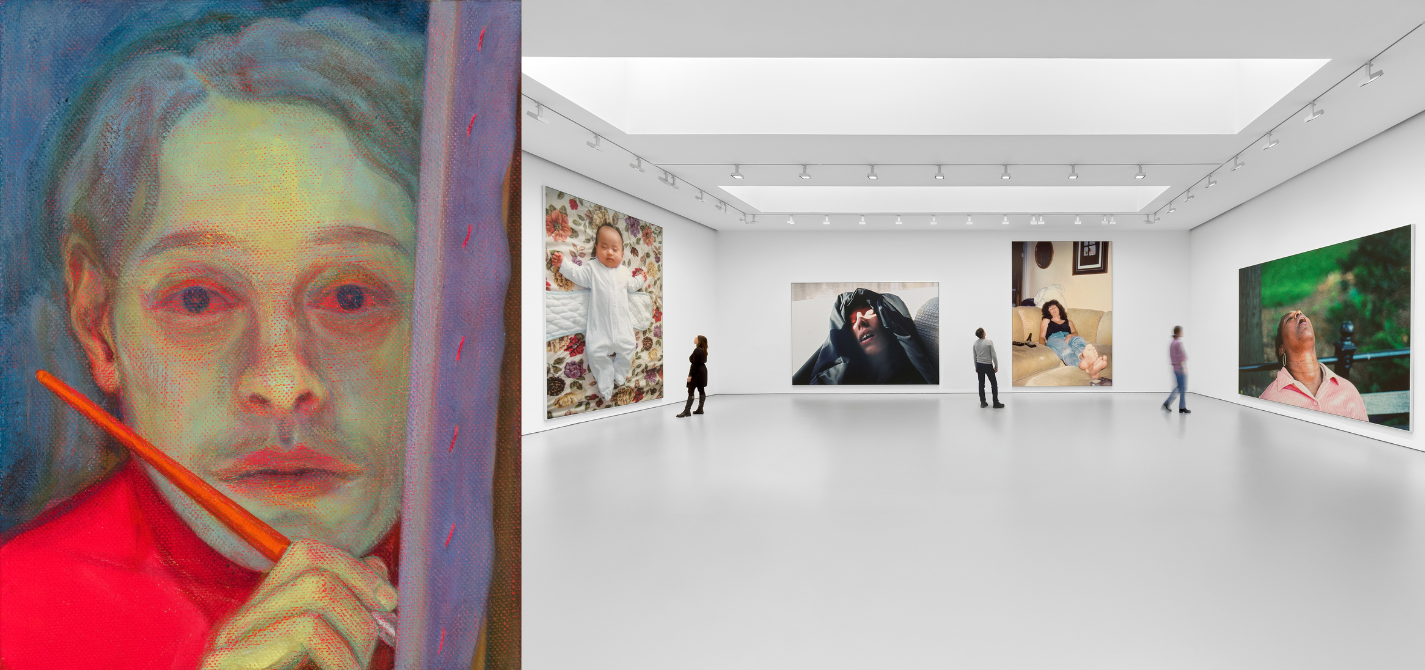
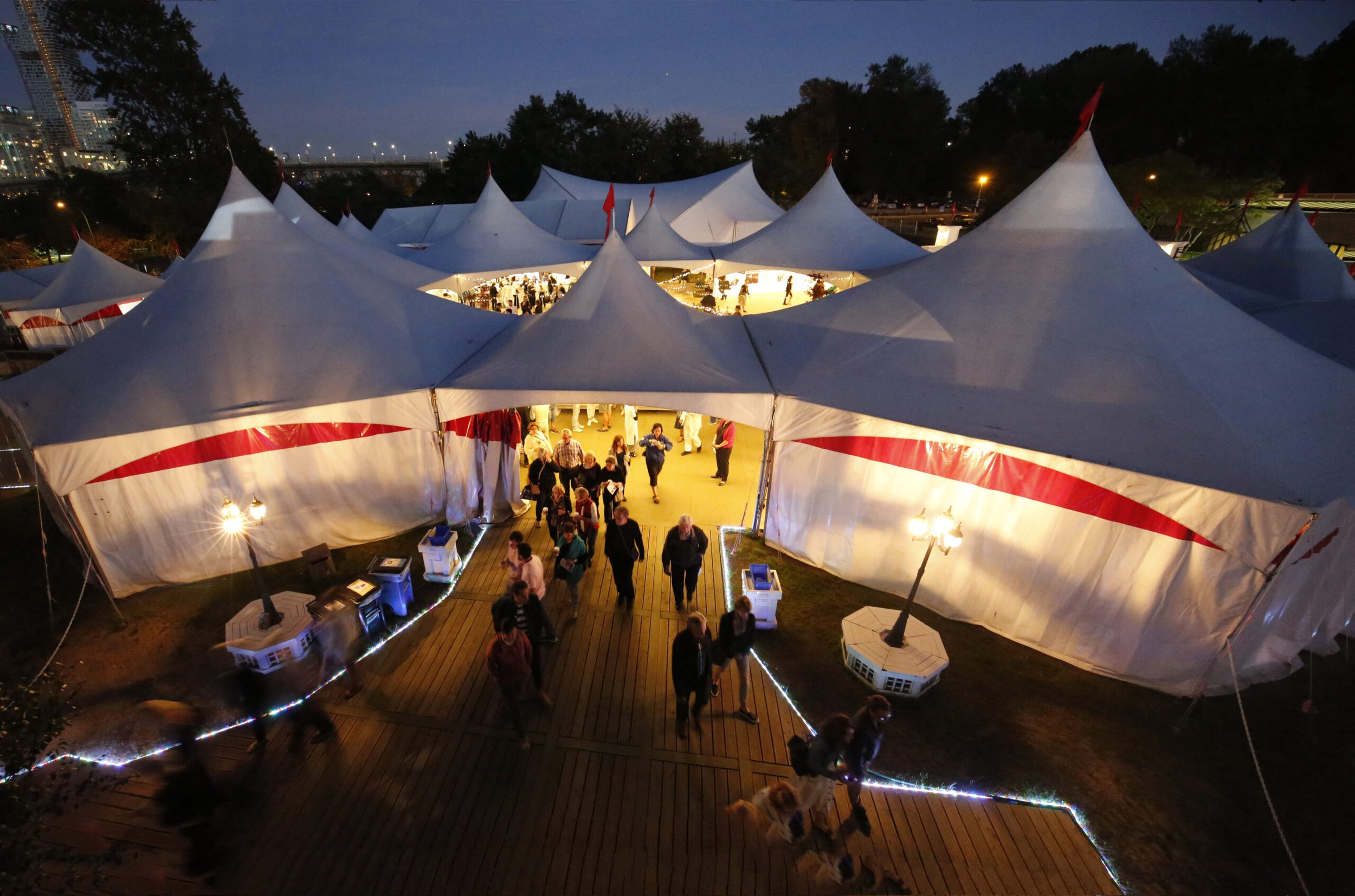
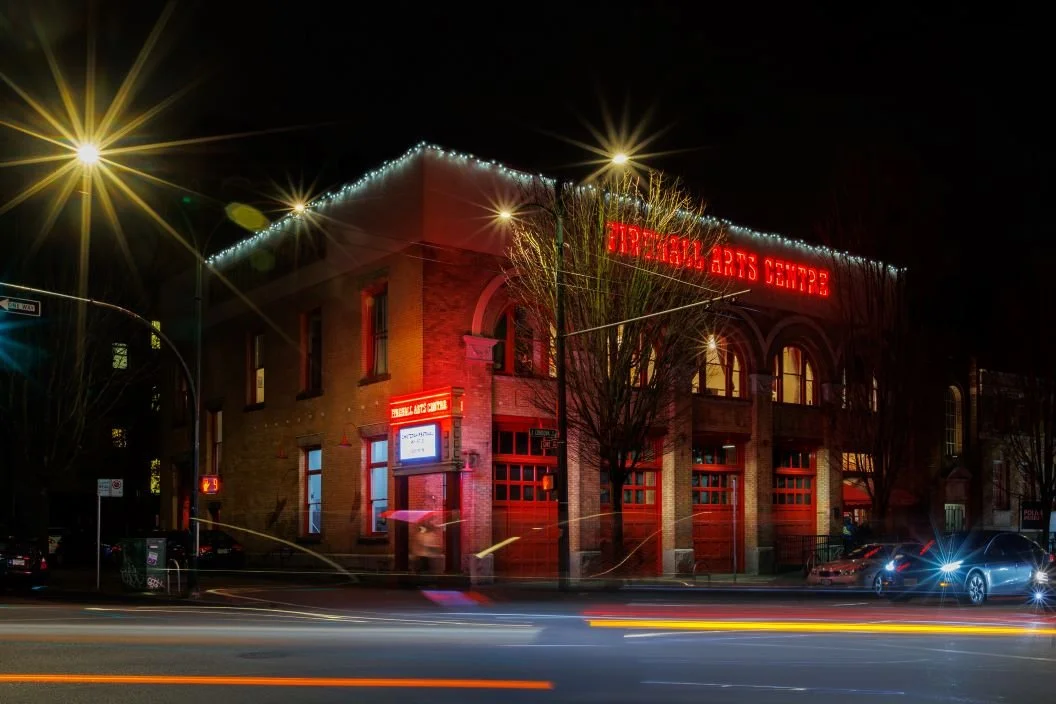
Left to right, the Granville Island site for a new arts and innovation hub; architects Alfred Waugh and Bruce Kuwabara are on deck for the new Vancouver Art Gallery site.
ARTS NEWS was abundant last year in Vancouver, with stories including news out of Canada’s last federal election, calls for an increase to the BC Arts Council’s budget, and a “watered-down” motion for cultural sustainability at City Hall.
Elsewhere, Stir reported on new leadership everywhere from the Indian Summer Festival to the Chutzpah! Festival to the Vancouver Folk Music Festival.
As we head into 2026, developments continue to unfold on projects-in-progress. Here are five important stories to watch for over the next year.
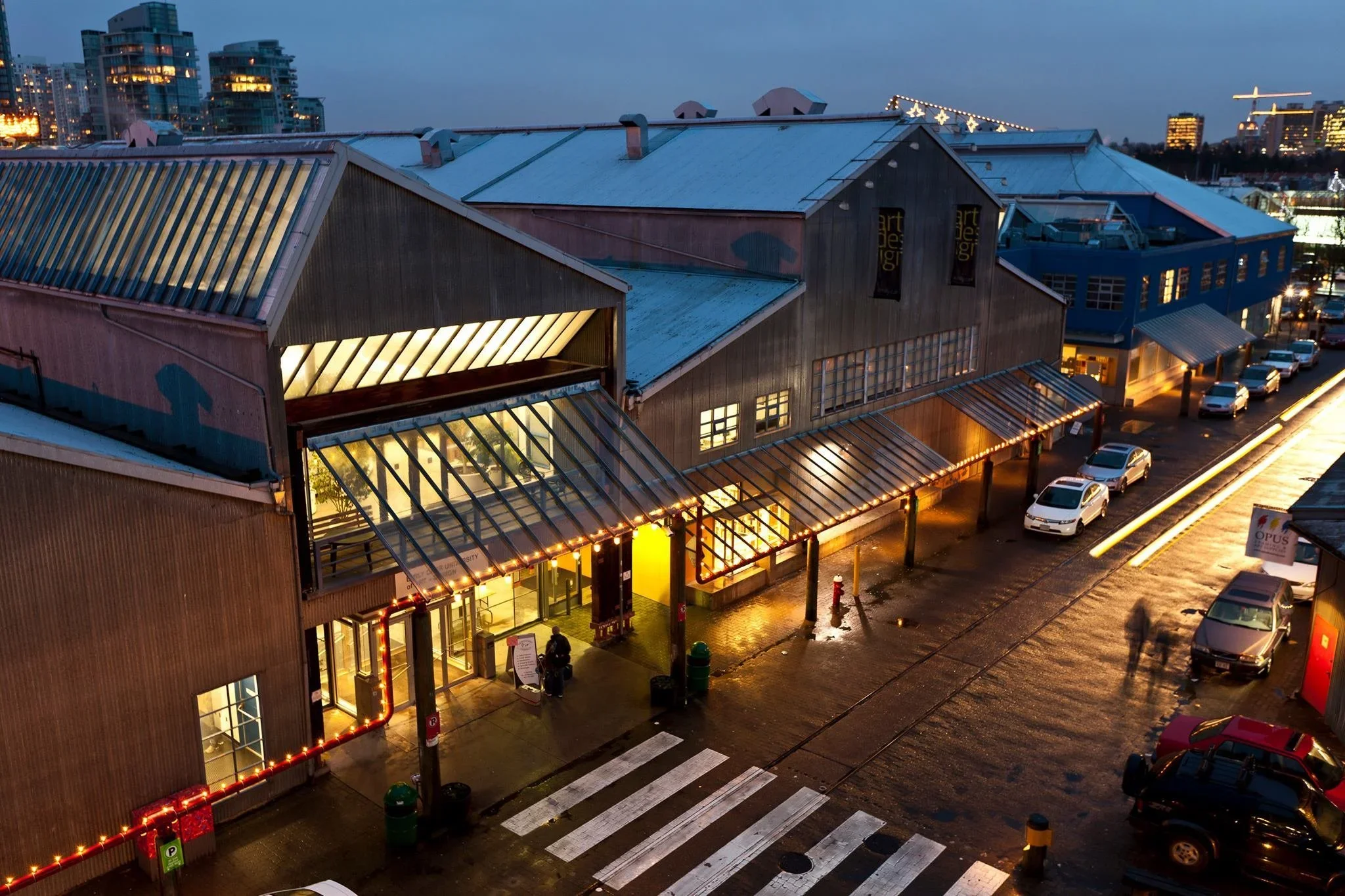
Future site of the arts and innovation hub on Granville Island.
An arts and innovation hub on Granville Island
A historic Granville Island building will soon be transformed into an “arts and innovation hub”, and a decision is imminent as to which organization will spearhead the project.
The site at 1399 Johnston Street was home to Emily Carr University of Art + Design’s main campus from 1980 until 2017, when it relocated to a new facility on Great Northern Way. The property, which occupies more than 20 percent of the built area on Granville Island, has sat empty since then. Like all buildings on Granville Island, it’s owned by the Government of Canada and managed by the Canada Mortgage and Housing Corporation, which is now seeking a new tenant to lease it.
Last year, we reported on two prospective tenants that made the shortlist: one is nonprofit organization 221A, while the other is a joint venture between the Narrow Group and ECUAD.
“The quality of these two applicants at this stage is unbelievable,” Tom Lancaster, who works for the Canada Mortgage and Housing Corporation as general manager of Granville Island, told Stir over the summer. “So either one would be incredible. It’s not like we’re trying to pull together a project out of the ashes here. We’re trying to figure out what’s the most viable between the two, and what fits most with the vision.”
221A’s proposal envisions the building as a catalyst for the organization’s Cultural Land Trust—an independent nonprofit entity that’s capable of owning and leasing properties in order to offer artists and smaller arts organizations stable rent, longterm leases, and pathways to ownership. Indigenous textile innovation spearheaded by Musqueam weaver Debra Sparrow would be front and centre, with local companies that customize, repair, upcycle, and mend garments occupying a large portion of the space. Other plans include an arts market with clothing, jewellery, ceramics, and books; affordable artist studios; textile showrooms; and space for culinary innovation, fashion shows, and live music.
The Narrow Group and ECUAD would have educational art programs and retail tenants operating during the day, then community gatherings, cultural events, and private rentals taking place at night. The hub would encompass galleries, a café, a restaurant, and small businesses, including an art supplies store. It would also feature affordable artist studio spaces, event spaces for performances and exhibitions, and dedicated areas for Indigenous cultural programming.
A potential setback is that the 125,000-square-foot building is over 100 years old and requires significant renovations. Anticipated repairs include a full roof replacement and fixes to cladding, electrical components, and mechanical systems.
While Lancaster initially estimated those repairs to cost anywhere from $2 million to $30 million depending on the tenant’s vision for the space, the Narrow Group’s CEO David Duprey told Stir he was optimistic about the cost of transforming the building into a viable arts and innovation hub.
“It’s just going to need some TLC and some elbow grease, and it’s going to be good as new,” he said. “I don’t think that’s going to have a huge price tag to it.”
At the end of the year, both 221A and the Narrow Group and ECUAD submitted another stage of their proposals to the Canada Mortgage and Housing Corporation. A decision on the winning proposal is expected early this year.
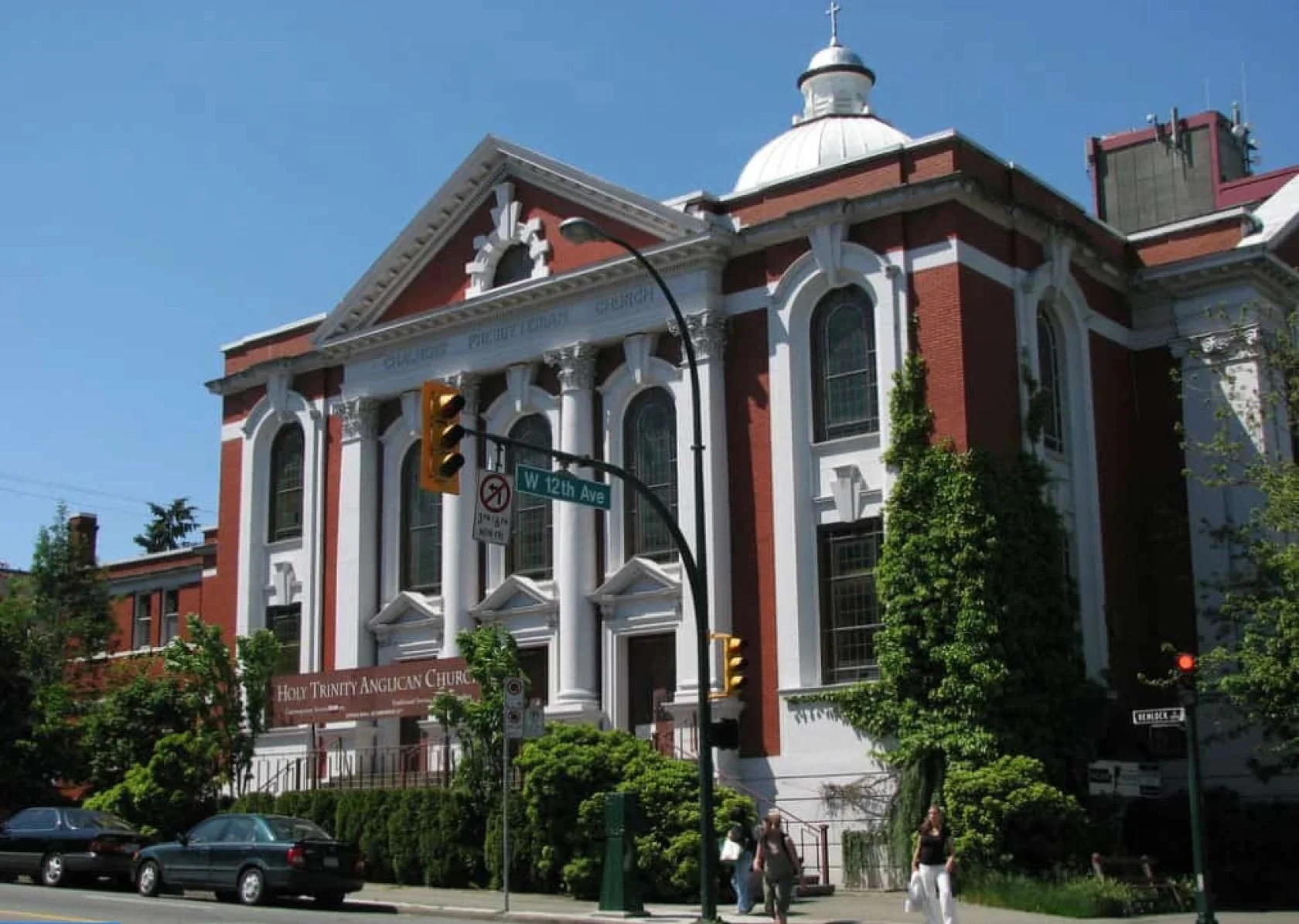
Pacific Theatre has left its historic home near South Granville.
Pacific Theatre’s programming pause
Pacific Theatre has now left its long-time home in the former Chalmers Presbyterian Church basement, owing to a need for more than $500,000 worth of major structural upgrades.
The heritage building, which is owned and operated by the Holy Trinity Anglican Church, was the site of the company’s performances for more than three decades. But the degrading structure has been affected by water ingress (moisture from exterior sources gradually penetrating walls, ceilings, and floors, causing them to become damp), which led to high levels of mould in the backstage area of Pacific Theatre’s alley-style basement theatre. Remediation for that damage happened last summer for the company to host a 2025 mini season, which just wrapped with its longstanding holiday variety show Christmas Presence.
Pacific Theatre has now officially paused all programming and has delved head-on into planning. Its scaled-down staff of artistic director Kaitlin Williams and executive director Jennie George are engaging in internal strategic planning with its board of directors to decide on a sustainable operation model for the future.
Board chair Lilac Bosma told Stir last year that conversations with Holy Trinity about necessary upgrades to the space have been positive so far.
“We would definitely love to stay making theatre in that great little space,” she said. “Everyone recognizes that it is an artistically challenging and special place that sort of adds to the charm of the work that we do. However, right now, there’s just too many unknowns to be able to plan confidently into the future.”
Renovations to the Chalmers building are expected to continue through this year, with news to come from Pacific Theatre soon as to whether it will be able to reoccupy the space—or decide to look for a new home. It is uncertain how long the company’s programming pause will last.
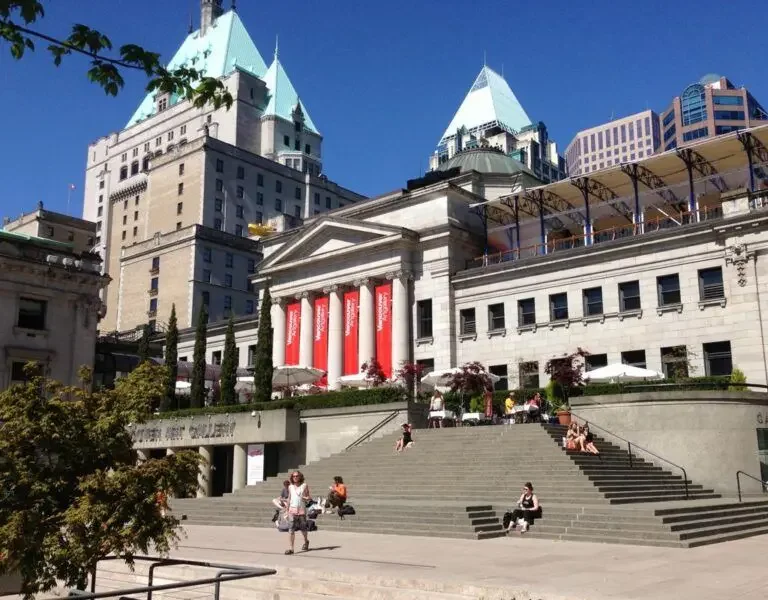
Vancouver Art Gallery has long faced space constraints at its old site.
A new Vancouver Art Gallery design, and a possible cultural precinct
After scrapping previous design plans for a new building, the Vancouver Art Gallery announced last fall that a different team of architects would envision its Larwill Park structure.
Formline Architecture + Urbanism and KPMB Architects will now design the purpose-built site at 181 West Georgia Street, which is intended to offer the gallery more space than it currently has at its present location, a former court building. Swiss architecture firm Herzog & de Meuron had previously designed a woven-copper-clad landmark at the site—a plan that the Vancouver Art Gallery pulled the plug on in December 2024 when construction costs increased from an estimated $400 million to $600 million. The gallery had to start from scratch to design a building that would fit into its financial abilities.
“Our goal is to create a building that embodies a diverse and inclusive artistic vision while ensuring financial sustainability within a fixed budget,” Anthony Kiendl, former CEO and executive director of the Vancouver Art Gallery, said in a statement when that news was announced. “We recognize that inflation has put tremendous pressure on our plans, as it has done with many capital projects following the pandemic. It has become clear that we require a new way forward to meet both our artistic mission and vision and our practical needs.”
Formline Architecture + Urbanism (under founder Alfred Waugh) and KPMB Architects (under founding partner Bruce Kuwabara) were chosen to take over the project after an in-depth review and interview process by the gallery and board leadership, artists, and major benefactors and construction experts. Additional technical advice was given by a panel of architects and building and real-estate professionals.
Jon Stovell, chair of the Gallery Association Board, said in an announcement that the selection is “a bold and topical statement supporting Canadian innovation and excellence”.
“KPMB Architects brings a proven track record for creating elegant, world-class museums that centre art and community,” he said, “while BC–based Formline Architecture + Urbanism leads with an Indigenous design vision that is both contemporary and deeply rooted in tradition.”
One option for the site is for the gallery to share the land with a new mid-size concert and performance venue and, possibly, a recital hall. Phase one of a feasibility study by the Vancouver Cultural Precinct group proposed performing-arts spaces either at one-third of the site (with a single music space of 1,200 to 1,800 seats) or one-half of the site (allowing for the addition of a second, 400-seat recital hall).
The precinct plan is being championed by the Vancouver Concert Hall and Theatre Society, which is made up of 26 performing-arts groups, including the Vancouver Symphony Orchestra and Ballet BC. While the initial feasibility study cited the Larwill Park location as a viable option, it also highlighted the need to consider renovations to the Queen Elizabeth Theatre, the Vancouver Playhouse, and the Orpheum, as well as space at Robson Square.
Vancouver City Council recently allocated $175,000 of cultural grant funding into phase two of the project, with the Vancouver Cultural Precinct group saying it “will explore in more detail possible sites, designs, phasing and budgeting”.
While it has yet to be decided whether that will happen at the Larwill Park site, it’s expected that Formline Architecture + Urbanism and KPMB Architects will formalize a conceptual design for the new gallery this year after a public input process.
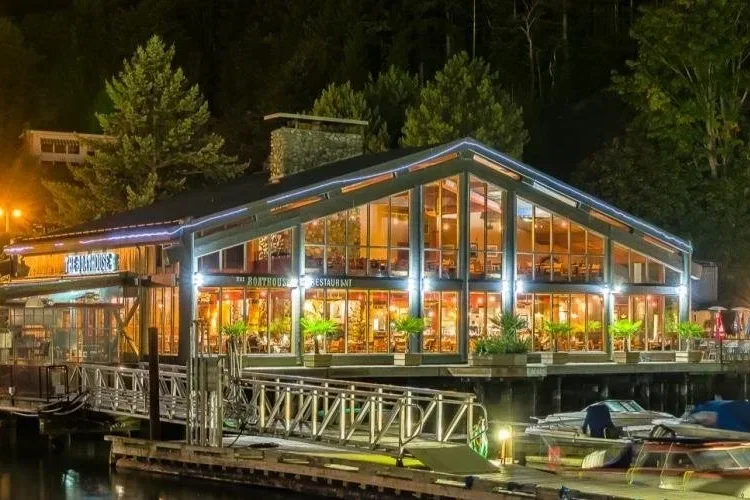
The Horseshoe Bay building that formerly housed the Boathouse restaurant will no longer be the new West Vancouver Art Museum. Photo by Ken Campbell
Updates on a fresh facility for the West Vancouver Art Museum
A plan for the West Vancouver Art Museum to move to a waterfront building at Sewell’s Landing in Horseshoe Bay has officially been scrapped, and now the search is on in the New Year for a different site.
The District of West Vancouver had purchased the 8,800-square-foot space—which most people know as the former Boathouse restaurant—at the beginning of last year for $2.7 million, with the goal of converting it into the museum’s home for the foreseeable future. It estimated that the site would open by spring 2026.
But just months after that announcement, the District doubled back on its plan, instead choosing to scout a new location in Ambleside for a purpose-built arts and culture centre. It will, however, still spend $50,000 to clean up the Boathouse’s interior and “make the exterior space available for community pop-up event use”, according to a West Vancouver City Council motion. A long-term use for the Sewell’s Landing building has yet to be determined.
As for the West Vancouver Art Museum, it will stay in its current site at the Gertrude Lawson House (a former private residence just across the street from the West Vancouver Municipal Hall) until a new decision on its relocation is reached. The District states on its website that the facility, which was originally built as a single-family cottage, is “in poor condition” and effectively “at the end of life”.
The museum is closed for the holidays through to January 13 and will reopen with the launch of the new sculptural exhibition Fei Disbrow: The Familiar Unfamiliar. Expect more plans to unfold this year for a new purpose-built arts facility that will encompass the West Vancouver Art Museum, the Music Box, and the Silk Purse.
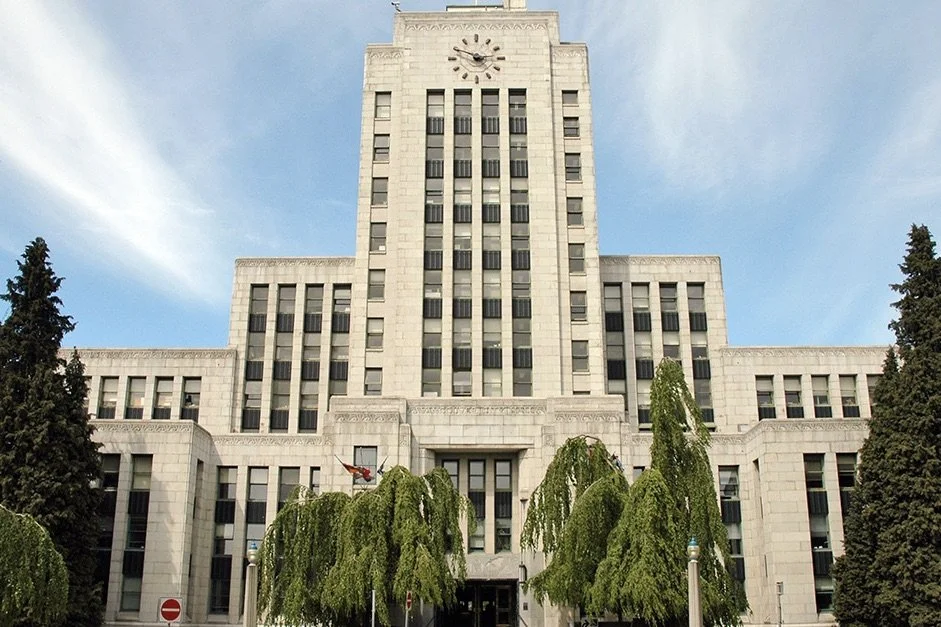
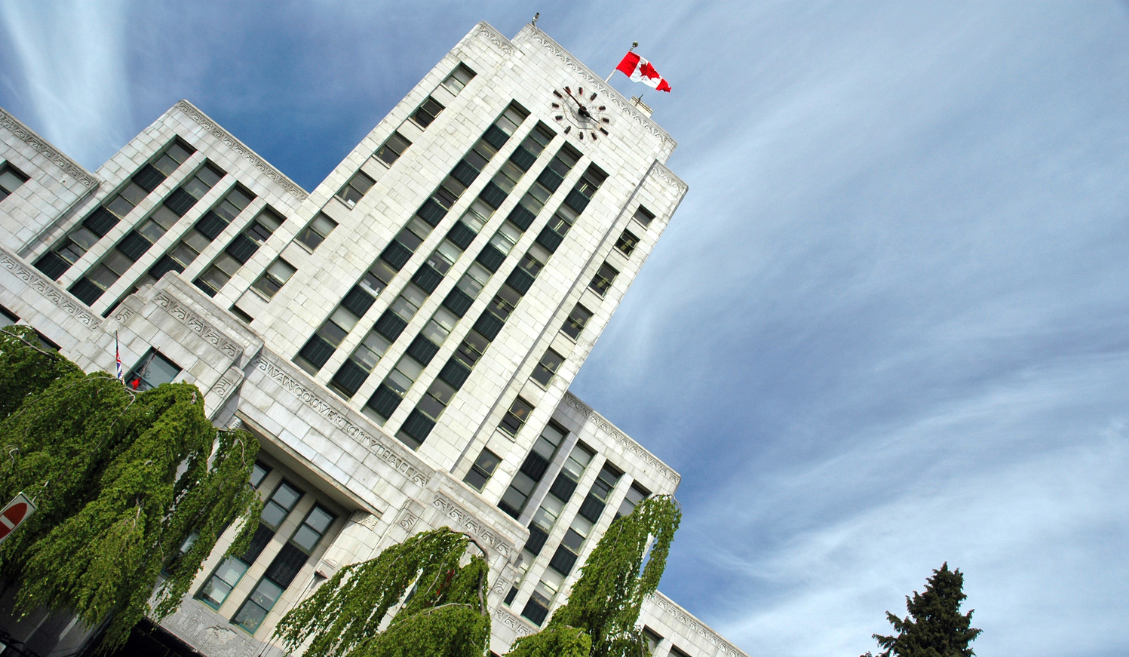
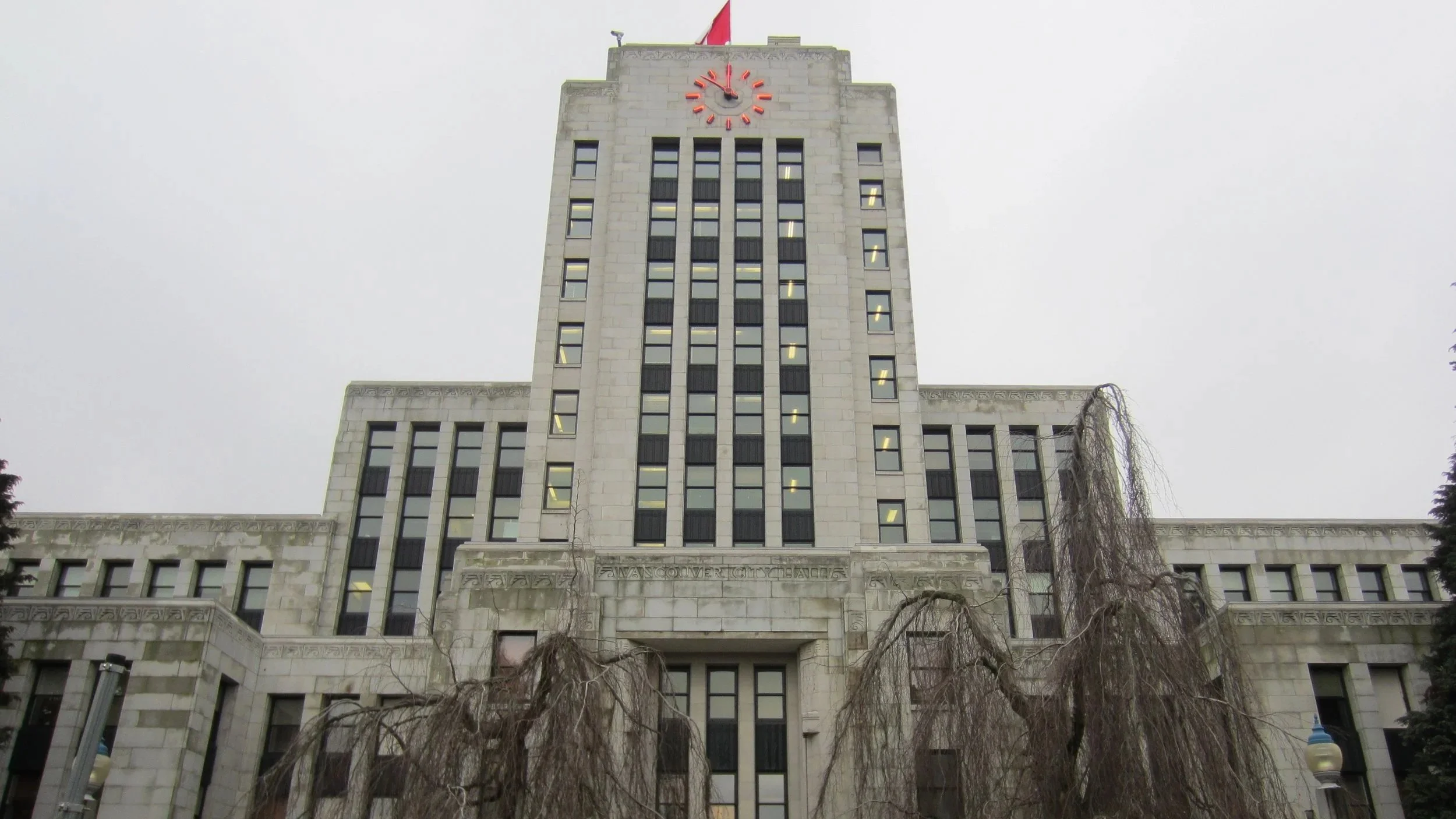
Vancouver City Hall
Arts budget news ahead of 2026 municipal election
Late in 2025, the City of Vancouver passed a “back-to-basics” operating budget that will see a reduction of 12 percent, or $6 million, in funding for arts, culture, and community services. Staff will be reporting back on where those cuts will be made in early 2026—and though council members have pledged not to reduce operating grants, the arts community is awaiting details.
Prior to that City Council meeting where the budget was passed, the BC Alliance for Arts and Culture had sent out an email campaign to the public “asking Vancouver residents and workers in the arts and culture sector to write to Mayor and Council urging them to reverse these cuts and commit to sustained, inflation-indexed funding increases that protect the cultural sector as a cornerstone of civic life—and as an essential driver of economic resilience.”
At the meeting itself, more than 600 speakers had signed up to offer commentary on the proposed budget, one of the largest turnouts in the City’s history. Many of them, including The Cultch’s executive director Heather Redfern and Vancouver Folk Music Festival board president Erin Mullan, spoke out against the budget and expressed increasing pressures due to stagnant grants.
In an interview with Stir, ABC Coun. and Deputy Mayor Sarah Kirby-Yung reassured the community that cuts would be directed toward “internal operations, and the external funding that flows out to communities was protected”.
With a municipal election coming up October 17, expect to see more coverage on the Stir site throughout the year. 

Related Articles