VIFF 2025 reviews: Influencer-culture takedowns, sword-and-sorcery reboots, family tragedies, and more
Quick takes on Dracula, Idiotka, Akashi, and Ma—Cry of Silence, plus documentaries about one family’s scattered heritage and the true cost of global capitalism

Dracula
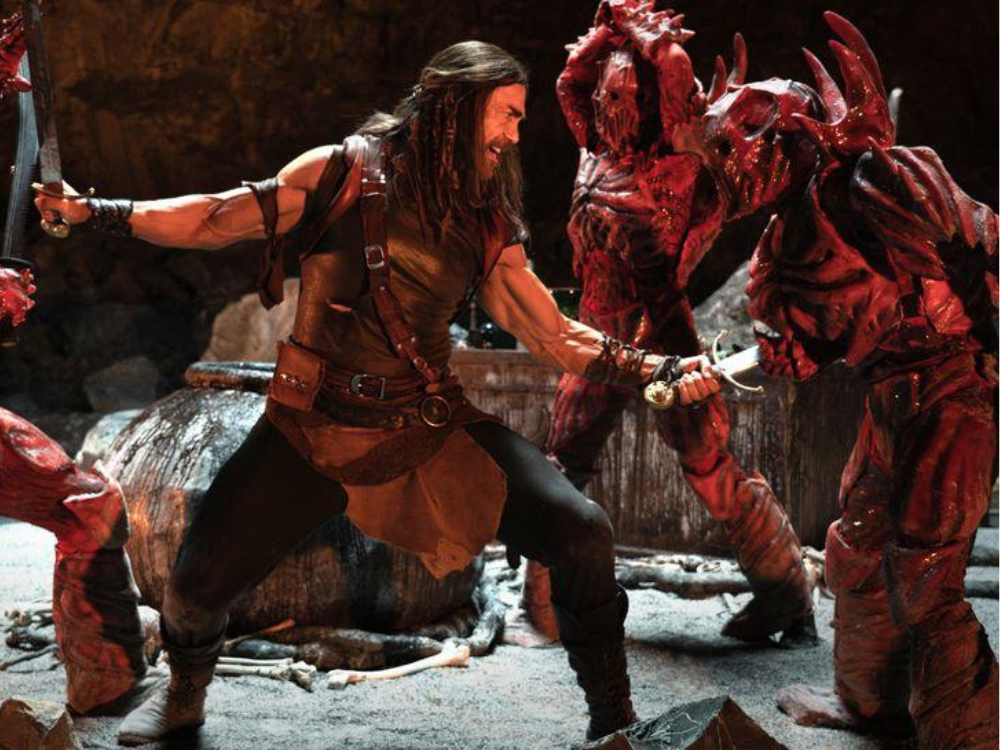
Deathstalker

Idiotka
WITH THE VANCOUVER International Film Festival about to kick off, here are some quick takes on some of the most intriguing offerings—from semi-autobiographical journeys home to real-life scandals, anarchistic free-for-alls, and more.
IDIOTKA (U.S.)
October 6 at 8:45 pm at the Rio Theatre and October 7 at 5:30 pm at International Village 9
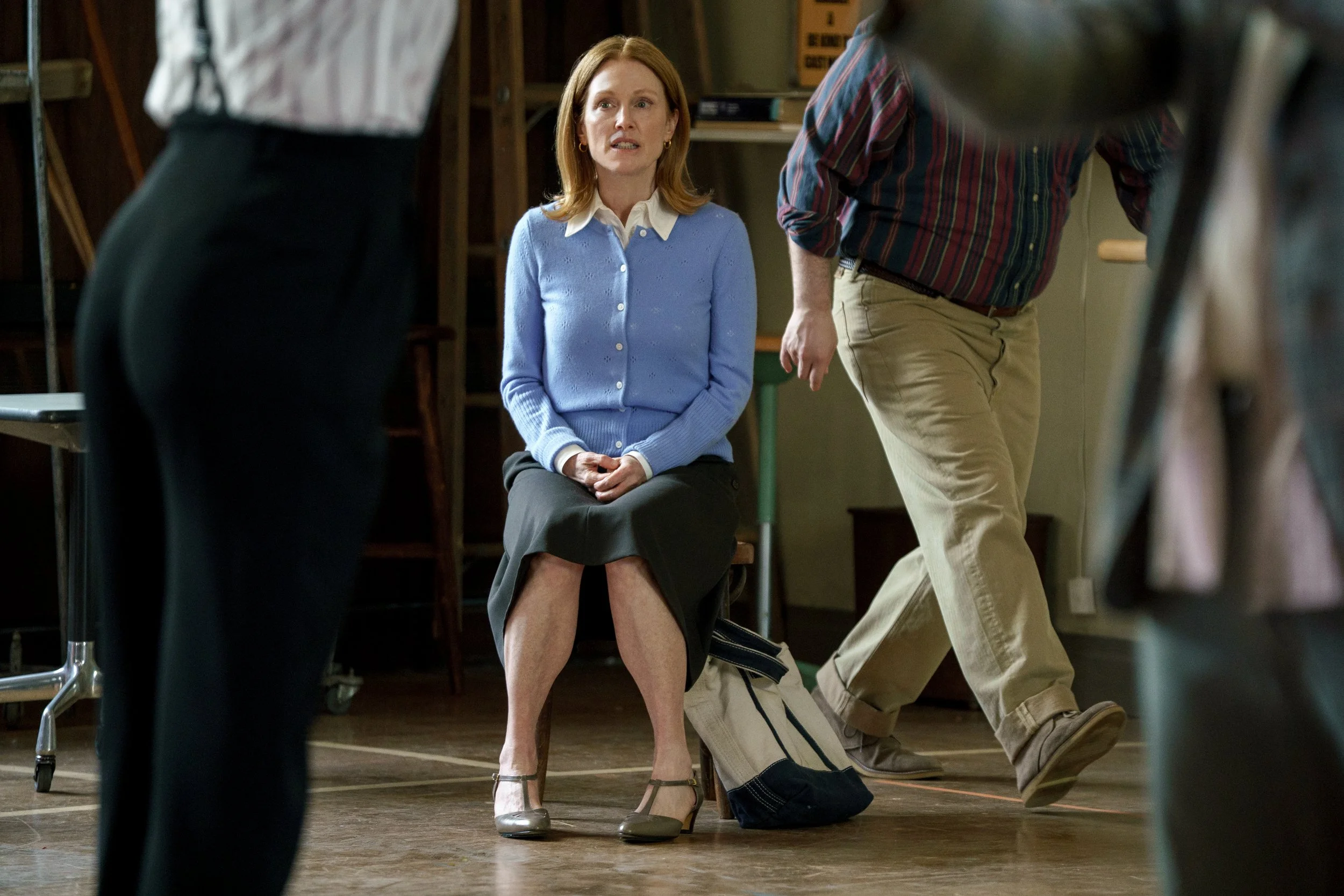
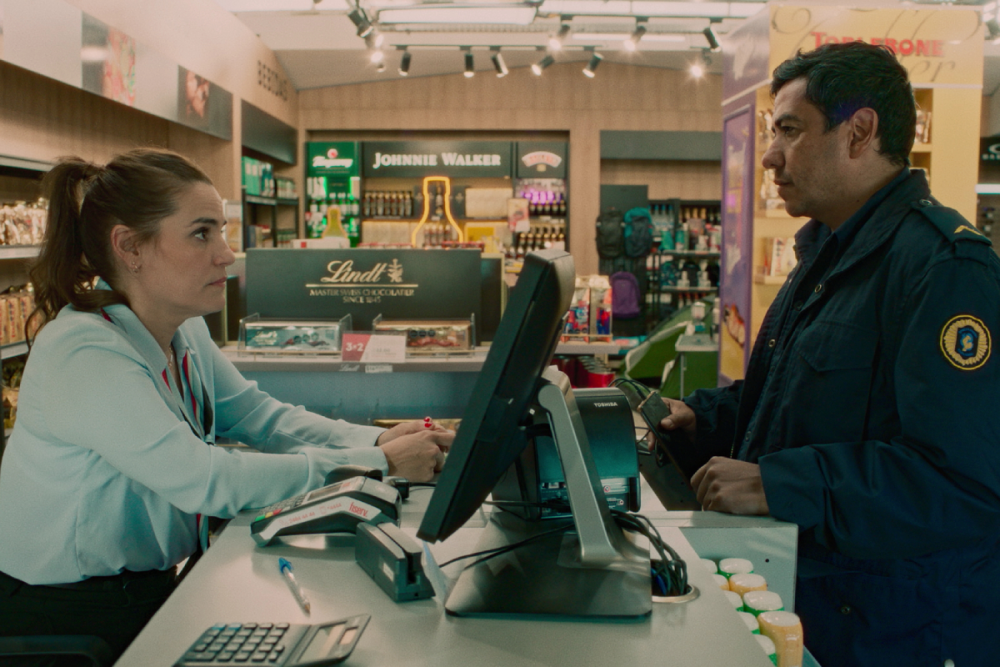
The cast is uniformly great in this sweet and funny takedown of reality TV and celebrity culture—Anna Baryshnikov (daughter of Mikhail) in particular as the film’s lead, Margarita. She’s a talented clothing designer with major esteem issues, living with her troubled Russian family in the (ahem) Slums of West Hollywood. While facing eviction, a shot on reality show Slay, Serve, Survive points the way out for Margarita and her shame-drenched ex-con of a dad (formerly a doctor charged with Medicare fraud). He wants nothing to do with it but, naturally, the show’s producer Nicol (Camila Mendes in an impressive synthesis of despicable bitch/fairy godmother) homes in on the family’s mounting problems. It’s all so breezy and likeable that you can almost forgive the fact that Nastasya Popov’s feature debut doesn’t stick the landing in its final minute. Otherwise there’s a very sure hand behind Idiotka and the phony reality show is nauseatingly perfect. Credit goes to Julia Fox, Saweetie, and Gabbriette for sending up the narcissistic “media personality” ecosystem that keeps them all in designer goods. AM
BROKEN VOICES (Czech Republic/Slovakia)
October 3, 12:45 pm at International Village; October 4, 6 pm at Granville Island Stage; October 8, 1 pm at VIFF Centre
Infusing his remarkable new film with the haunting, crystalline voices of an Eastern European girls’ choir, Czech director Ondřej Provazník excavates a real-life early-1990s sexual-abuse scandal with sensitivity and a sharp eye. The beauty of the music contrasts startlingly with the ugliness of those acts. Thirteen-year-old Karolína (Kateřina Falbrová) has won a coveted spot in the Canticella choral group, where her sister already sings. But she’s confused by the jealousy, teasing innuendo, and bullying that provokes, especially as the group heads off to a wintry mountain retreat for the slow paring down to 10 chosen singers who will get to tour to New York City. Their stern yet charismatic conductor Vitek Mácha (Juraj Loj) holds all the power—attractive, intense, and more than a little pretentious (to adult eyes, anyway) with his long wavy hair, studious glasses, and bohemian vests. What Provazník does so well here is contrast the girls’ innocence—Karolina guileless in her white tights, burgundy uniform, and braces—with the way Vitek subtly manipulates and divides his young singers. Throughout, the filmmaker faithfully sticks to Karolina’s point of view, never exploiting the subject matter. He poignantly captures the way rock collections and first-time subway rides amaze her and the way adult things elude her—until they crash tragically into view. JS
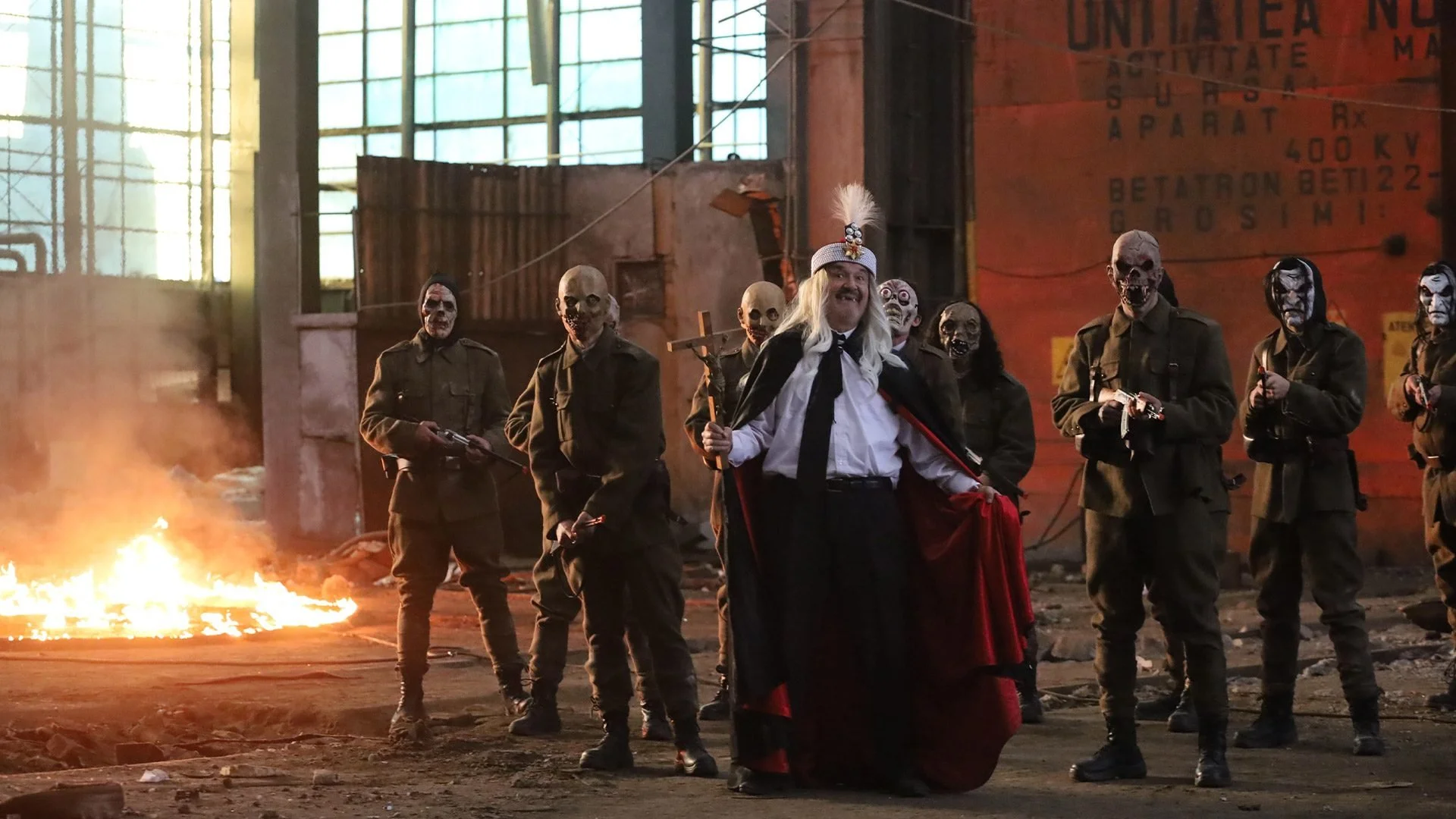
Dracula
DRACULA (Romania/Austria/Luxembourg/Brazil)
October 2 at 8:30 pm at VIFF Centre, October 4 at 11 am at International Village 10, and October 6 at 11:30 am at International Village 7
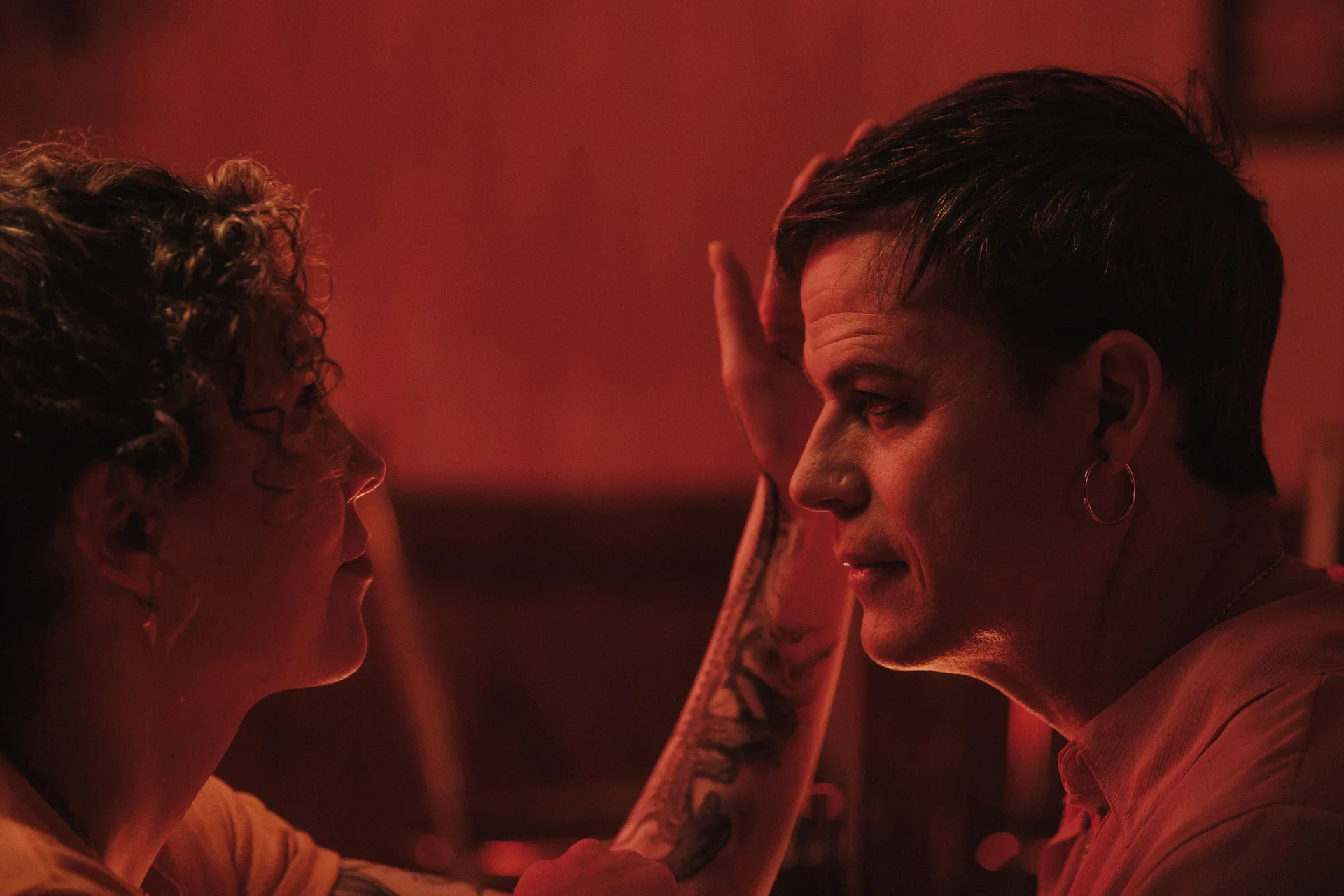
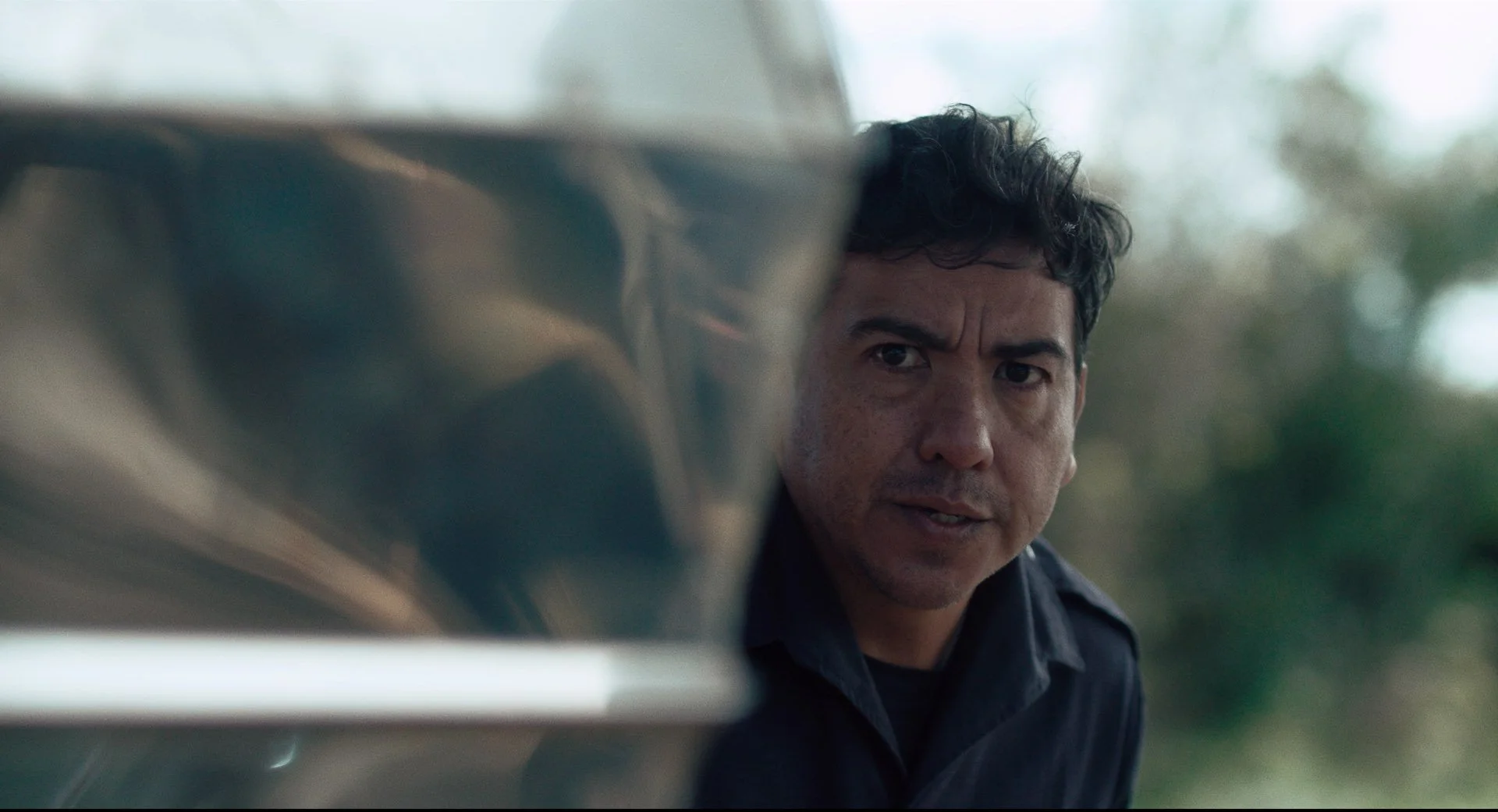
From Romanian provocateur Radu Jude, this is a slovenly, vulgar patchwork of ideas and the kind of anarchistic free-for-all that used to slip from the Eastern Bloc into western arthouses in the ’60s and ’70s. Of course, Romania is a quarter century into its new life under the neoliberal world order and maybe that’s the point of the film’s relentless lampooning of very current events and its reckless encounter with new technology. In any case: Dracula spends just under three hours riffing anthology-style on the legend of Vlad Tepes, observing Romania under various regimes, sort of. Connecting the stories is a camp filmmaker feeding ideas into an AI and a porny backroom cabaret featuring a decrepit Dracula and his punk domme Mina. It’s mostly a lot of fun and it’ll appeal to fringe dwellers who love Ed Wood and Jess Franco, both name-checked in the credits. Notably, in its efforts to shock, the most disgusting sequence by far is the one entirely generated by AI, the film’s most unwholesome embodiment of the soulless beast who feasts on humanity. AM
MA—CRY OF SILENCE (Myanmar/South Korea/Singapore/France/Norway/Qatar)
October 2 at 3:15 pm at International Village 8, October 9 at 9:30 pm at International Village 9, and October 11 at 1:30 pm at International Village 8
The story of sweatshop workers in Myanmar who mount a strike against their slave masters, this slight but powerful film survived COVID lockdown and a bloody military coup in 2021, arriving as something of a small miracle of agitprop. Featuring non-actors, it centres on the traumatized figure of Mi-Thet who overcomes her timidity to join co-workers in a demand for unpaid wages, all while fending off a merciless landlady and other, darker aggressions. In his youth, filmmaker The Maw Naing was involved in Myanmar’s 1988 uprising and he might inhabit a side character still broken by the torture he endured in those protests. That’s the only man in the entire film who has a face. The garment factory’s sadistic, ruler-wielding manager is seen from the neck down or in silhouette. The owner is represented with chilling economy by a set of growling headlights. When the goons arrive, Cry of Silence relies on sound to convey its horrors. These poetic touches are a welcome and potent contrast to the film’s sometimes too-murky realism, although its final, devastating shot is crystal clear. AM
FATHER (Czech Republic/Poland/Slovakia)
October 2 at 9:15 am at International Village, October 6 at 12:30 pm at Fifth Avenue Cinemas, and October 12 at 6 pm at VIFF Centre
To unflinchingly intense effect, Tereza Nvotová uses sustained long takes to tell a real-life story of family tragedy. The film opens in a morning rush, the handheld camera following happy father Michal (the compelling Milan Ondrik) as he jogs suburb sidewalks, greets his wife and toddler daughter at the backyard chicken coop, showers and rushes to drop his daughter at daycare, takes a work call in his car, then hurries into the office of a magazine facing stressful financial troubles. The camerawork shifts to a slower, looping, though still unedited speed after a traumatic mistake blows Michal’s upper-middle-class life apart. And we can’t tell you more than that. Just know that as much as Nvotová resists sensationalism, she’s willing to ask hard questions—among them, are there certain events that can never be reconciled? And do our rushed, stressed-out lives come at a cost? Her masterful visual storytelling makes you grapple with the answers like you are sitting squarely in the middle of the horror. A deeply unsettling ride, but emotionally engrossing and aesthetically arresting. JS

Filmmaker Jennifer Chiu in India as a child in Clan of the Painted Lady
CLAN OF THE PAINTED LADY (Canada)
October 6 at 6 pm at Fifth Avenue Cinemas and October 9 at 3:30 pm at VIFF Centre, with Q&As at both screenings
B.C. filmmaker Jennifer Chiu has found a perfect, profound metaphor in the painted lady butterfly—the creature that makes an epic, continent-spanning migration each year, travelling up to 9,300 miles on a path that takes multiple generations to complete. Those who begin it will never see it through. In her personal new documentary, the painted lady’s journey captures her own Hakka ancestry—a culture that originated in the north of China, then moved as “guest people” to the south of that country, then, due to marginalization there, eventually spread to Mauritius, India, Jamaica, and Canada. Chiu was born in India and grew up in the Lower Mainland, while her father continued to work at a Hakka tannery in Kolkata. Here, Chiu feels driven to investigate her own identity—reflecting movingly on her family’s scattered heritage, while also spending time at kitchen tables with the Hakka diaspora to chat about their stories and their distinctive culture. Along the way she digs into what defines home when generations are dispersed across the planet and how tradition can survive multigenerational journeys. JS
AKASHI (Canada)
October 5 at 6 pm at Vancouver Playhouse and October 9 at 3 pm at Granville Island Stage, with guests in attendance for a Q&A at both screenings
Vancouver actor-filmmaker Mayumi Yoshida achieves a gentle aching quality in her first feature Akashi—choosing to shoot much of her bittersweet, semi-autobiographical study in luminous black and white. She plays struggling artist Kana, a young Vancouver transplant who returns to Japan after 10 years to attend her grandmother’s funeral. But from the moment we see her kick off her platform boots by her family’s neat rows of shoes at the door, there’s a sense she has been away a bit too long to fit in comfortably. Or perhaps Kana, with her bleached hair and everpresent quirky roll-rim hat, has never quite fit in. Through flashbacks, we learn more about Kana’s grandparents, and a secret that puts a more complex shading on the traditional family than meets the eye—and makes Kana start to question her own choices in love and in life. Did she make a mistake leaving her charmingly awkward Japanese boyfriend behind a decade ago? Can you ever go home again? Through emotionally understated performances, with atmospheric camerawork and score, Akashi captures an ennui that doesn’t just haunt those who call many places home, but women, and perhaps artists, pushing toward true adulthood, who start to reassess where they’ve been, where they’re going, and why. JS
DEATHSTALKER (Canada/U.S.)
October 4 at 9 pm at the Rio Theatre and October 5 at 6:15 pm at International Village 10
So, a mostly Canadian reboot of a supertrashy Argentine sword-and-sorcery franchise from the ’80s? The only thing more impressive than the film’s nonstop practical gore, animatronic, and stop-motion effects is the cosmic pointlessness of the exercise. From writer-director and FX nerd Steve Kostanski, Deathstalker should be commended for its commitment to handmade filmmaking and the ocean of blood and offal it delivers, if only it were a little more engaging story-wise. Still, granite-built stuntman Daniel Bernhardt carries the film well enough as the titular barbarian, spouting flip modern slang as he goes, and there’s a big lift when Kostanski’s Astron-6 buddy Conor Sweeney arrives onscreen as Prince Baldur, a real asswipe of a royal. (Like there’s any other kind!) Sweeney is like a boutique Canuck Nic Cage. He always makes weird acting choices and he always, always entertains the shit out of us. AM

Savon
SAVON (South Korea)
October 4 at 8:15 pm at VIFF Centre and October 5 at 3:15 pm at International Village 10, with guests in attendance for a Q&A at both screenings
From VIFF’s Spotlight program on Korea, this exceedingly black comedy is so effective at wrong-footing us, especially in its first 25 minutes, that viewers really should go in blind. That aside, it’s safe to reveal that Savon hinges on a young acting student, Jae-in, who wishes she could bring more life experience to her craft, and then gets exactly that. Doors magically open but the price? The title refers to a fancy brand of soap that comes with a hidden QR code for those hip to the company’s real business, not to mention the film’s cracked sense of humour. Receiving its world premiere in Vancouver, Lee Jun Sup’s sleek feature wobbles in its final minutes, maybe, but only because it mercilessly follows the logic of the previous two hours. The gut-punch hurts, and the bleakness of the film's worldview is something to behold. AM

Factory
FACTORY (CHINA)
October 2, 2:30 pm and October 6, 8:30 pm at International Village
Near Kafka-esque repetition and claustrophobia are the hallmarks of Chinese filmmaker Hao Zhou’s chilling COVID-era documentary Factory. He provides a verité eye on a massive Lenovo electronics production line in Wuhan, briefly shut down during the pandemic, and then revived—too quickly—by middle managers using Orwellian surveillance and control measures (albeit with mental-health supports). Think "clean rooms" and hazmat-style suits, while exhausted workers submit to living together in a closed, ever-monitored world (temperature checks and disinfectant sprayings are the norm). There are adherent viral risks, and, of course, Wuhan is shut off from the rest of China—though apparently, its Lenovo phones can still get out. It's all in the name of global capitalism and the almighty dollar. Unrelenting and thought-provoking—if you can bear it over two-and-a-half hours.
JS 


Related Articles