BC Coalition of Arts, Culture and Heritage addresses "glaring gaps" in 2026 provincial budget consultation report
Steering committee member Rainbow Robert says key recommendations are missing, including increasing BC Arts Council funding to $58 million annually
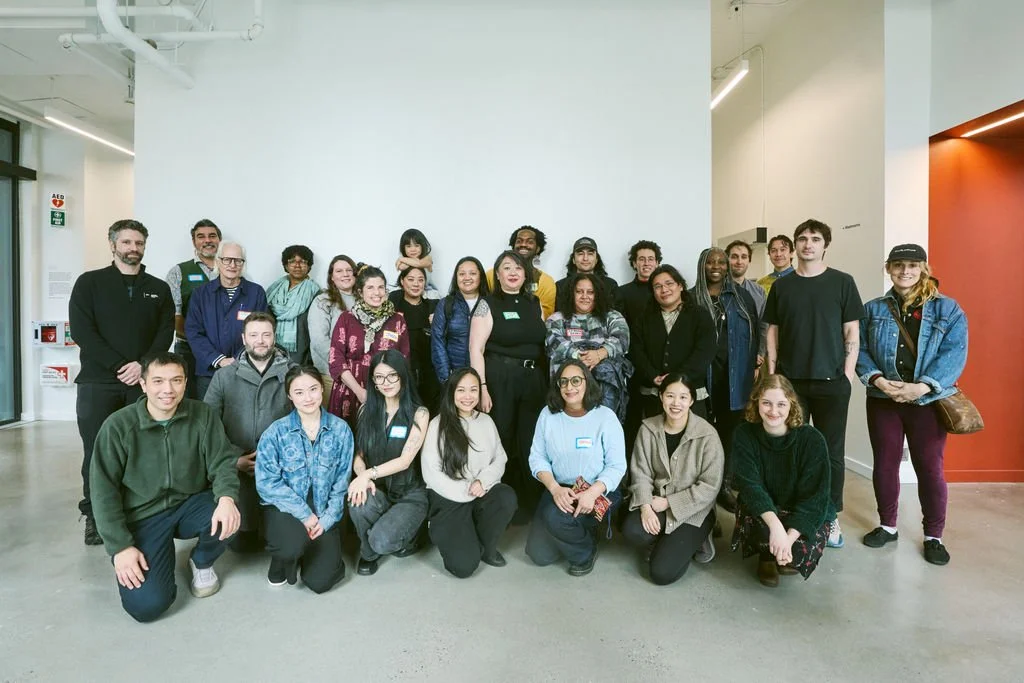
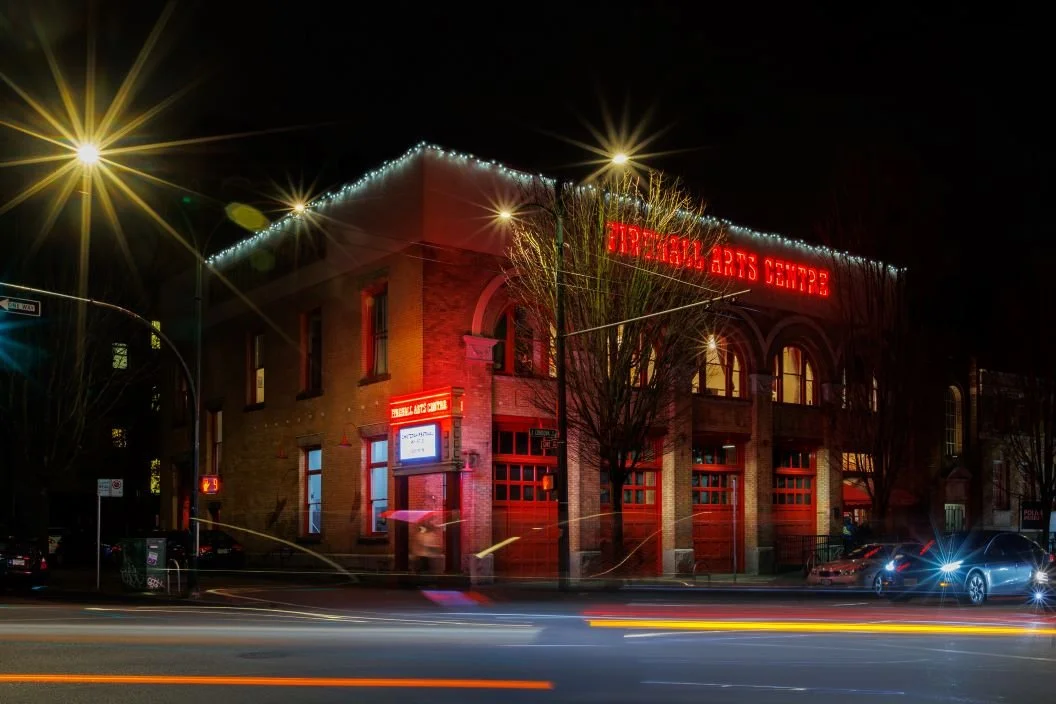
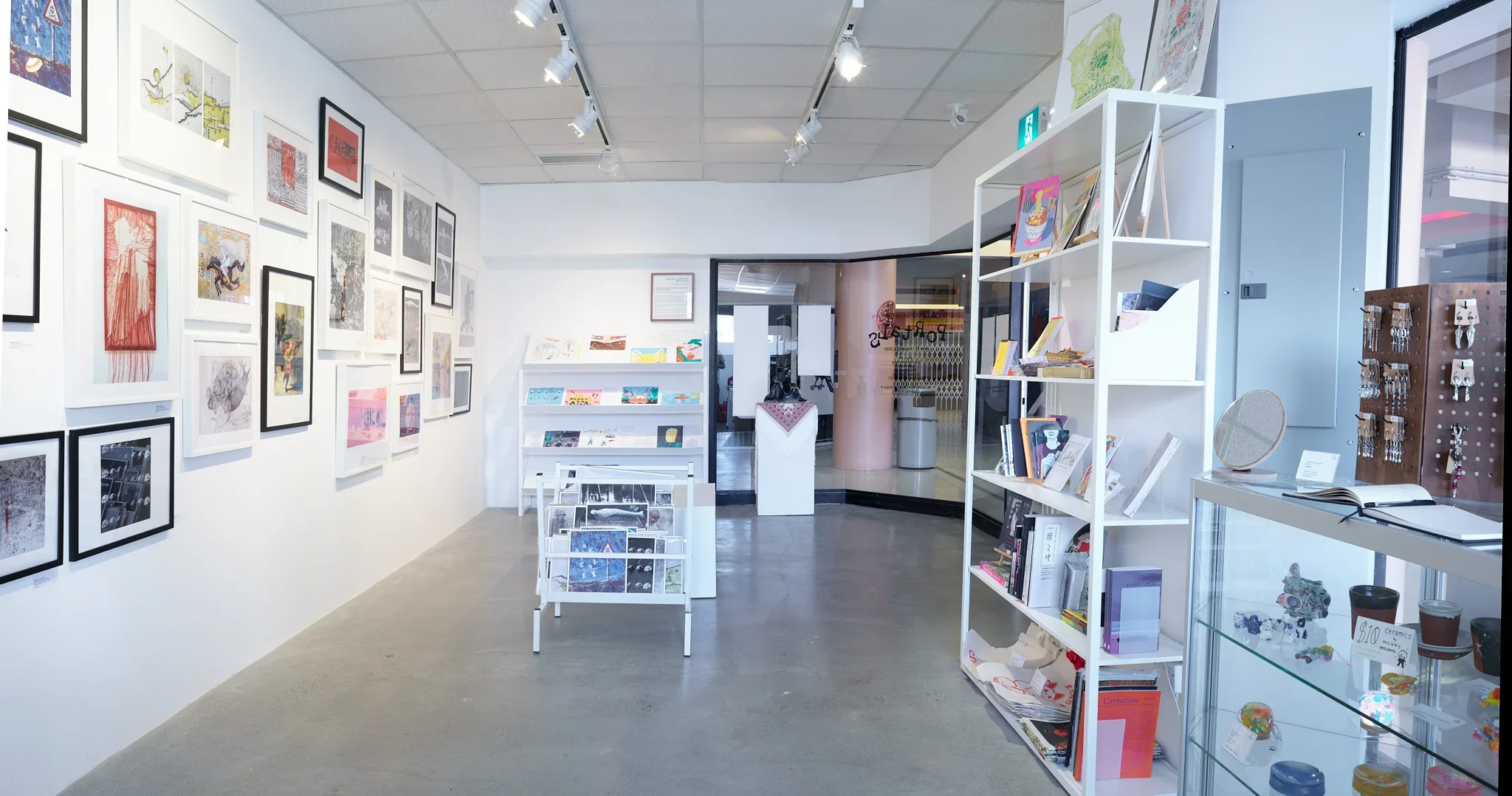
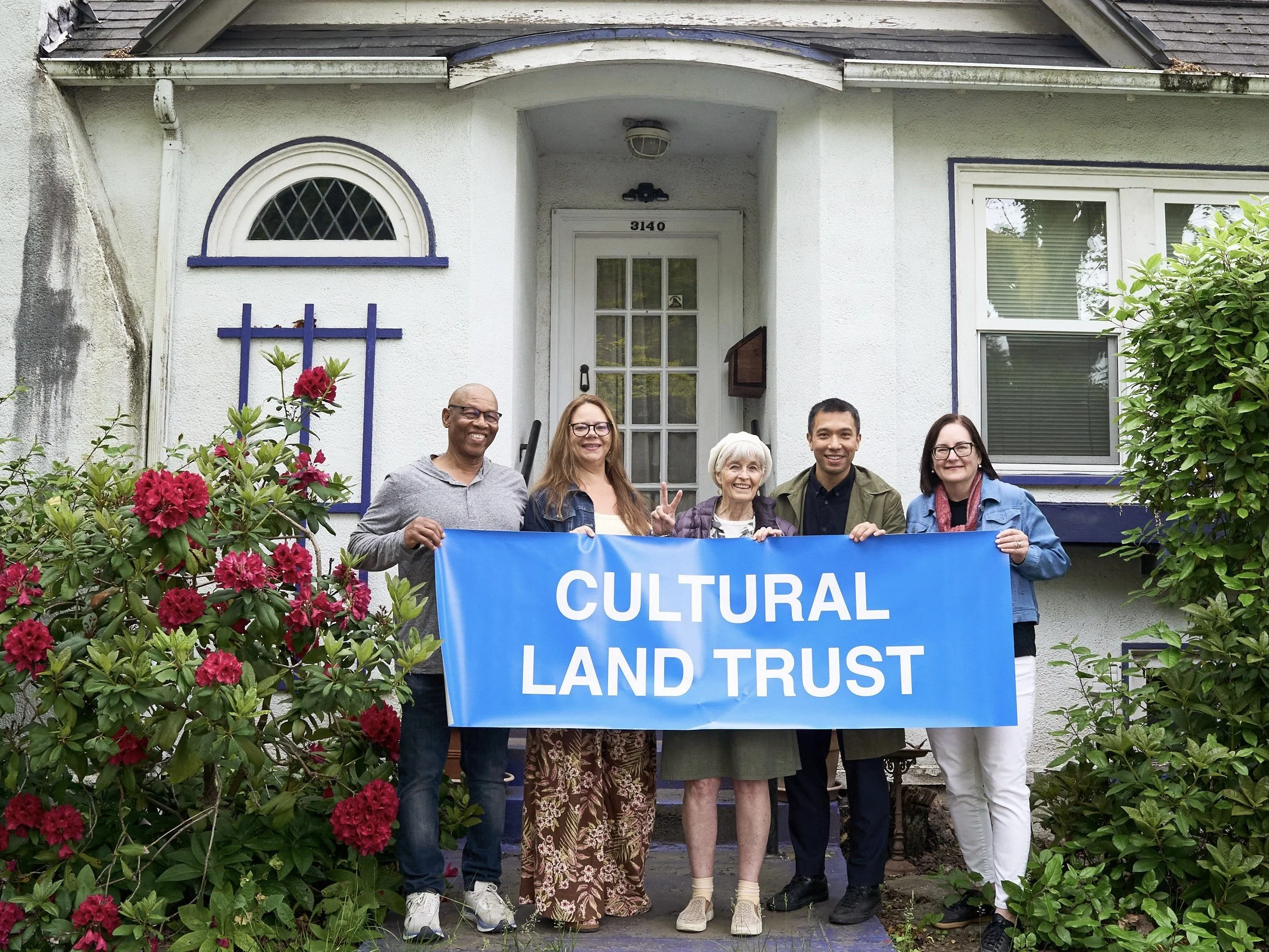
221A board, personnel, fellows, and tenants. Photo by Kayla Isomura
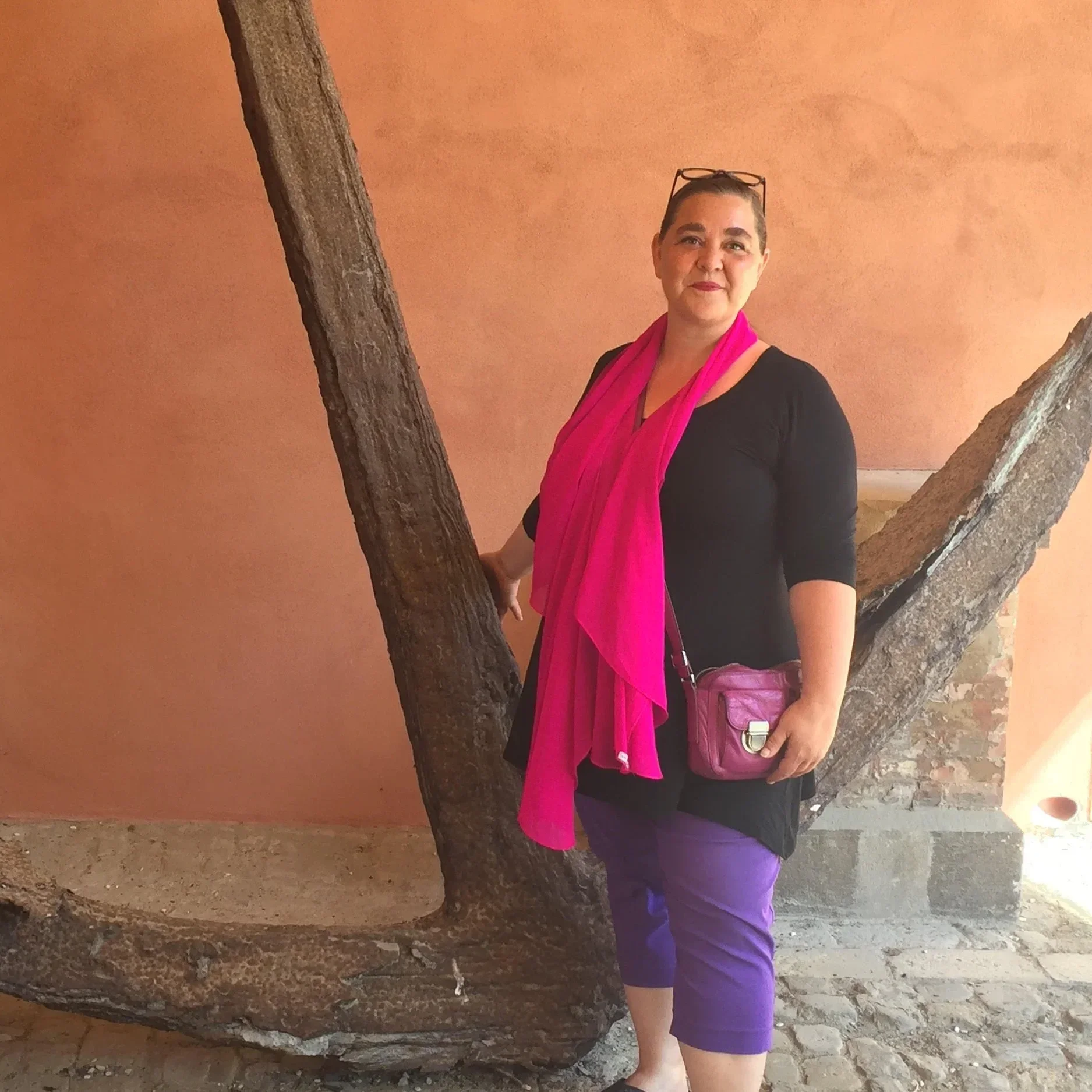
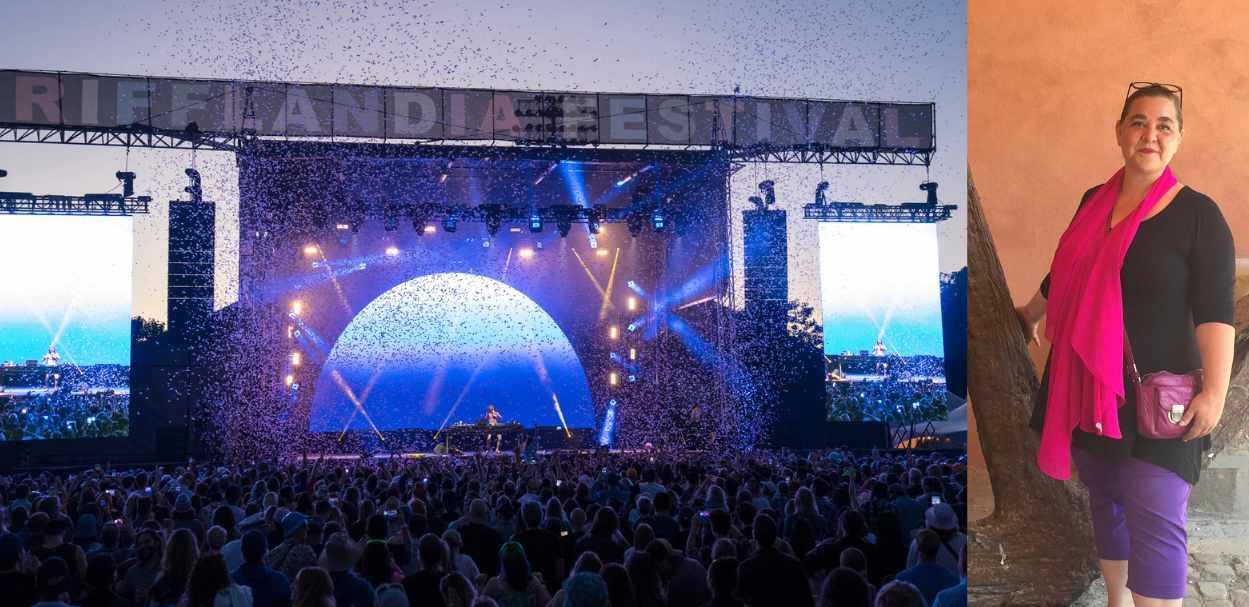
Rainbow Robert.
THE PROVINCIAL GOVERNMENT just released a report on the consultation phase of its 2026 budget—and while several of the arts and culture sector’s priorities were mentioned, few were adopted as official recommendations.
The BC Coalition of Arts, Culture and Heritage, which is made up of representatives from more than 30 organizations based in over 180 communities across the province, was among the organizations who submitted written requests to the province’s Select Standing Committee on Finance and Government Services in early June. That committee reviews where people in B.C. would like to see money allocated over the next year, then compiles an official report to help inform the province’s budget planning.
The coalition’s request to the committee included three key priorities: increasing the BC Arts Council’s funding to $58 million annually from its current allocation of approximately $40 million; investing a new $100 million per year for three years into infrastructure for the establishment of a Cultural Land Trust; and creating a provincial action plan for arts, culture, and heritage.
Rainbow Robert is executive director of the BC Alliance for Arts + Culture, which is a steering member of the coalition and helped develop its priorities. Speaking to Stir by phone, she noted that although the budget consultation report mentions some of the priorities in its background section, none of them made it into the official recommendations—which means they likely won’t be considered for the province’s 2026 budget.
“The difficulty that we see is that there are some really glaring gaps in terms of layers of the cultural ecology that unfortunately are not served by some of the pieces that made it into the official recommendations,” Robert says.
Background information in the 2026 budget consultation report states that “the Committee heard about the financial difficulties experienced by these sectors due to a lack of stable funding and increasing inflation”. It also reports that several organizations “recommended increasing the BC Arts Council’s annual funding to $58 million”, and mentions additional suggestions—like modernizing venues and establishing funding specifically for small local events—from such groups as the Coastal Jazz and Blues Society, Western Front, the ProArt Alliance of Greater Victoria, Heritage BC, the Canadian International Dragon Boat Festival Society, the BC Museums Association.
Despite the numerous concerns and requests it lists, the report’s official arts-related budget recommendations for the province include only the following: “Provide sustained grant funding for fairs, festivals, and sporting events”; “Review tax measures and other incentives to support and promote film production, including amending the requirement for 51 percent Canadian ownership of intellectual property”; and “Establish permanent funding to support cultural institutions and First Nations to engage in the work of repatriating cultural belongings”.
Though Robert acknowledges that the recommendation for festivals and fairs funding is an important step in the right direction, she says that kind of support can exclude small, mid-sized, and rural organizations. Raising the BC Arts Council’s budget would ensure funds are allocated to those organizations.
“We really feel that the provincial government needs to think long-term about the need for stability in the sector,” Robert says, “and to bear in mind that these investments really benefit the economy overall and contribute to quality of life in the province, nurturing human connection and supporting wellness in communities.”
Along with the BC Alliance for Arts + Culture, the BC Coalition of Arts, Culture and Heritage’s steering committee is made up of representatives from Arts BC, the Greater Vancouver Professional Theatre Alliance, the Media Arts Alliance of the Pacific, and nonprofit organization 221A, which is working towards establishing a B.C. Cultural Land Trust—an independent nonprofit entity that’s capable of owning and leasing properties to offer stable rent, long-term leases, and pathways to ownership for artists and small arts organizations. Though the need for a land trust was mentioned in the background section of the report, no official recommendations were made in terms of budgeting for one.
Robert notes that establishing effective equity and reconciliation policies across arts and culture organizations is also of concern for the coalition. But when it comes to securing government funding, she says those policies “are always articulated as priorities, but those priorities aren’t often supported by the resource allocation that is required to move these collective goals forward.”
The main goal of the coalition is to unite arts and culture organizations in advocating for their needs, says Robert, “particularly during this time when the arts and culture ecology across B.C. is facing some very precarious conditions.” In Vancouver specifically, a City Council meeting on July 23 saw speakers from several arts and culture organizations express the financial challenges they have been facing, which have led to the shutdown of events like the Vancouver Mural Festival. A motion to help alleviate those monetary struggles was ultimately struck down and replaced by what Coun. Rebecca Bligh called “a watered-down amendment”.
B.C. as a whole is home to more working artists than any other province, according to Statistics Canada; but it’s also the only province without an action plan that outlines economic strategies to sustain the sector. In the lead-up to the official release of the province’s 2026 budget, which is expected in the spring, Robert says the coalition will continue advocating for the arts and culture community’s wellbeing.
“It’s really important for the province to prioritize these investments in the sector, because this will help to prevent a very real potential disappearance of countless layers of the cultural fabric of our community,” she says. “We really have to work together to reimagine our dreams for the province and create the type of future that we’re capable of building through our shared commitment and dedication. We just hope that the province will see the critical importance of the arts and culture ecology to the economy overall.” 

Related Articles