On Granville Island, 221A makes shortlist to turn former Emily Carr building into an arts and innovation hub
Nonprofit’s proposal for the 125,000-square-foot building revolves around a concept by Musqueam weaver Debra Sparrow
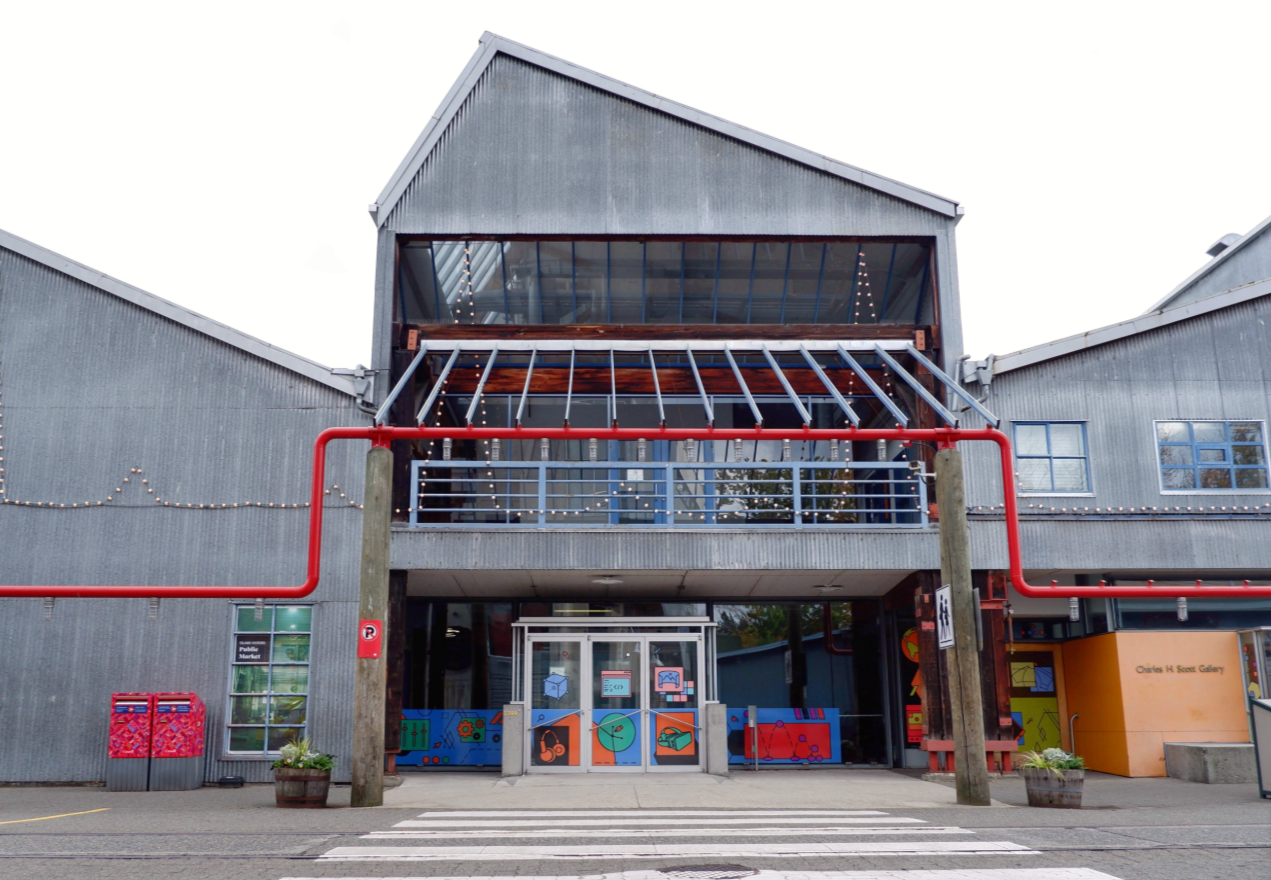
Future site of the arts and innovation hub on Granville Island.
A GRANVILLE ISLAND BUILDING formerly occupied by Emily Carr University of Art + Design will soon be transformed into an “arts and innovation hub”—and nonprofit organization 221A is hoping to run it.
The building, along with the rest of Granville Island, is owned by the Government of Canada and managed by the Canada Mortgage and Housing Corporation, which is seeking a tenant to lease the hub. CMHC launched a Request for Expressions of Interest last fall to gauge which groups had visions for the building. Three proposals were shortlisted, but one subsequently dropped out; and now just two proposals are in the running to lease the hub, one of which is 221A’s.
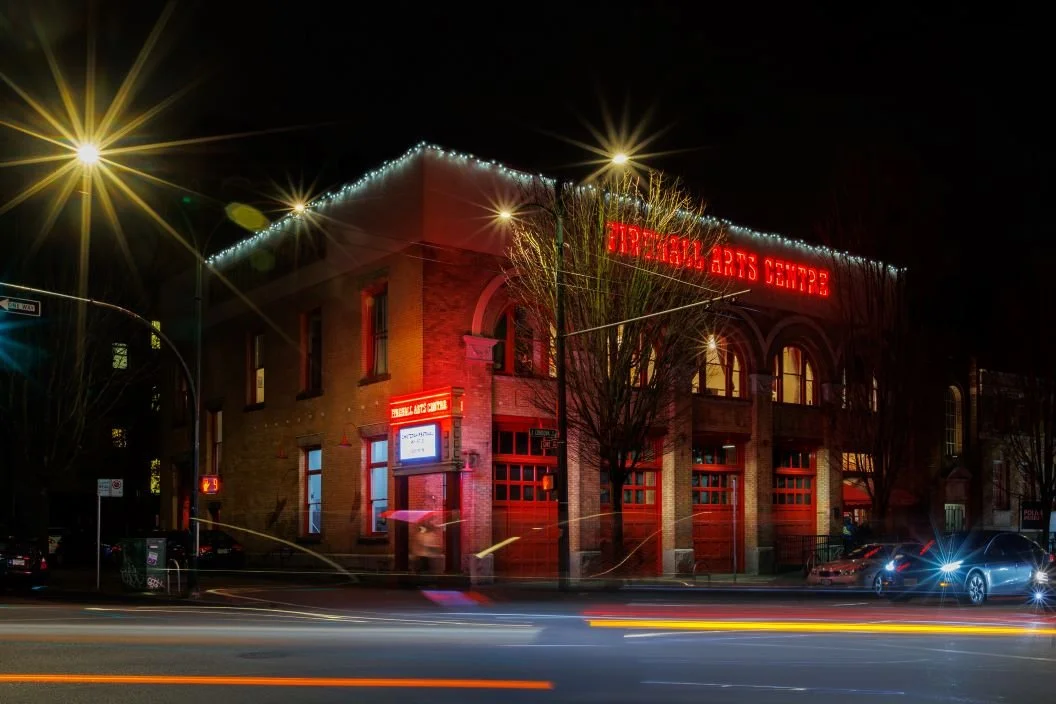
Speaking to Stir by Zoom, 221A cofounder Michelle Fu and cultural space planner Miriam Berndt say that the organization’s interest in the arts and innovation hub is manifold. Back in 2005, Fu and fellow cofounder Brian McBay launched 221A while they were Emily Carr University students in the very same building on Granville Island.
“I think there’s excitement on a personal level,” Fu says, “and there’s excitement on a sectoral level in terms of securing and building cultural infrastructure that’s going to last a long time. Then knowing that we also have the capacity and the expertise to do cultural-space operating, it seems like a good fit. It’d be kind of wild if we didn’t apply for it.”
Since 2018, 221A has been working on establishing a Cultural Land Trust in B.C., or an independent nonprofit entity that’s capable of owning and leasing properties in order to offer artists and smaller arts organizations stable rent, long-term leases, and pathways to ownership. It’s effectively a lifeline for artists amid escalating real-estate prices and other financial barriers. 221A’s goal with the Cultural Land Trust is to secure 30 properties in B.C. by 2050—and the Granville Island hub could become the first one.
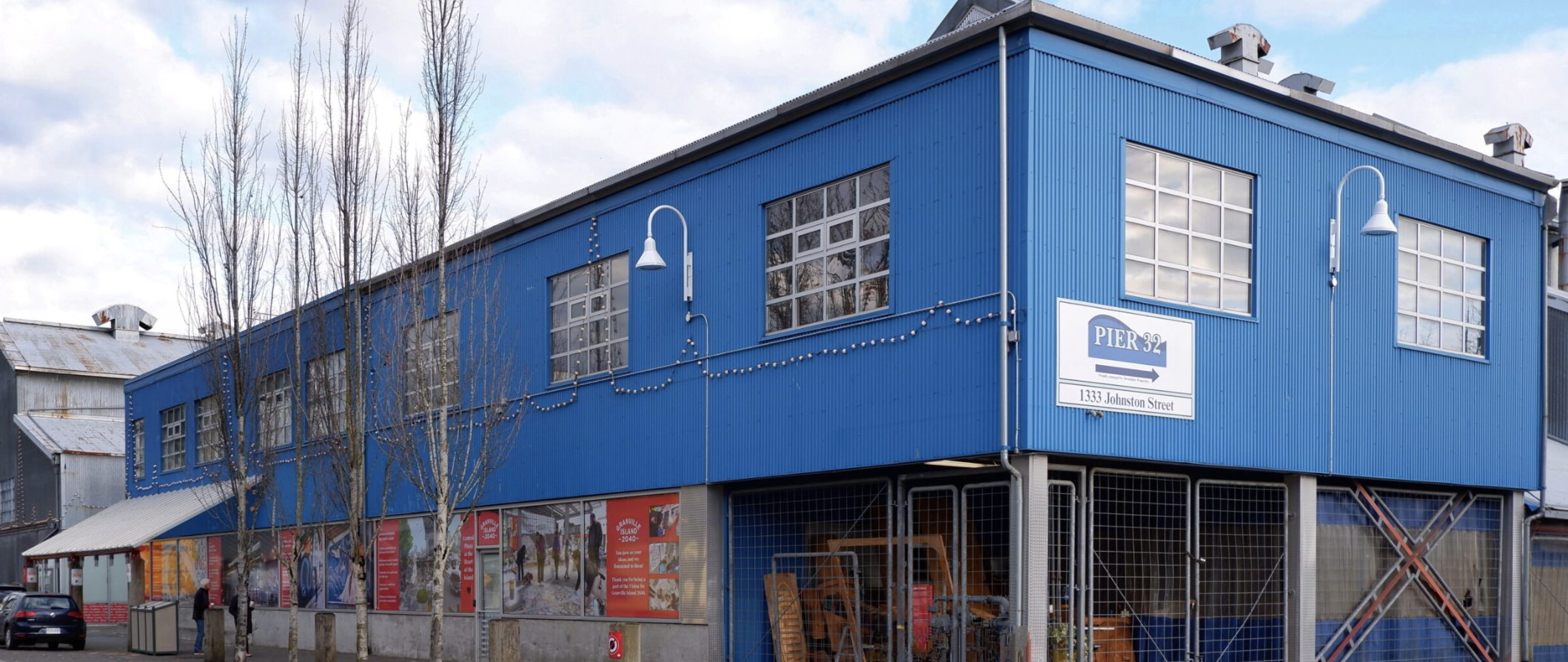
One section of the future arts and innovation hub on Granville Island.
Granville Island’s vision for the hub is to create a space that facilitates production, presentation, and learning. According to the RFEOI document, acceptable uses of the building by the future tenant include arts and creative industry education; gallery and exhibition space; performance venue and event space; publicly accessible shared arts studio or workshop space; a restaurant or café; coworking or maker space; indoor and outdoor public space and public art; pop-up retail and incubator space for new ventures; and arts-related retail space.
A downside of the building, which is over a hundred years old, is that it requires significant renovations. Measuring 125,000 square feet, it occupies more than 20 percent of the built area on Granville Island. It began as three separate building frames that were adjoined by Emily Carr University during its tenure there. Now it’s in need of a full roof replacement, along with other possible fixes to cladding, electrical components, and mechanical systems.
The RFEOI document states that “the building would be provided in ‘as-is’ condition,” which means the future tenant will be responsible for any necessary renovations and maintenance.
Tom Lancaster, who works for CMHC as general manager of Granville Island, tells Stir by phone that upgrades could cost anywhere from $2 million to $30 million—perhaps even more. It all depends on the tenant’s vision.
“If we require people to put a lot of money into the building, then they’re either going to have to have a longer lease term, or a lease term that includes some higher-rent uses and some more commercial uses,” Lancaster explains. “We want to get away from that, because that’s not the vision of the hub….So we’re not requiring a longer lease, we’re not requiring higher expenditure. We’re hoping then that we’ll be able to have a much more affordable and really cool gathering space, a meeting space, a place of celebration and exploration for arts and culture.”
221A is one of the largest cultural space operators in Canada, and currently manages more than 140,000 square feet of artist studios and housing in nine properties in Vancouver. With the arts and innovation hub, the organization would likely hold the head lease with CMHC, and then parcel out smaller leases to artists and arts organizations.
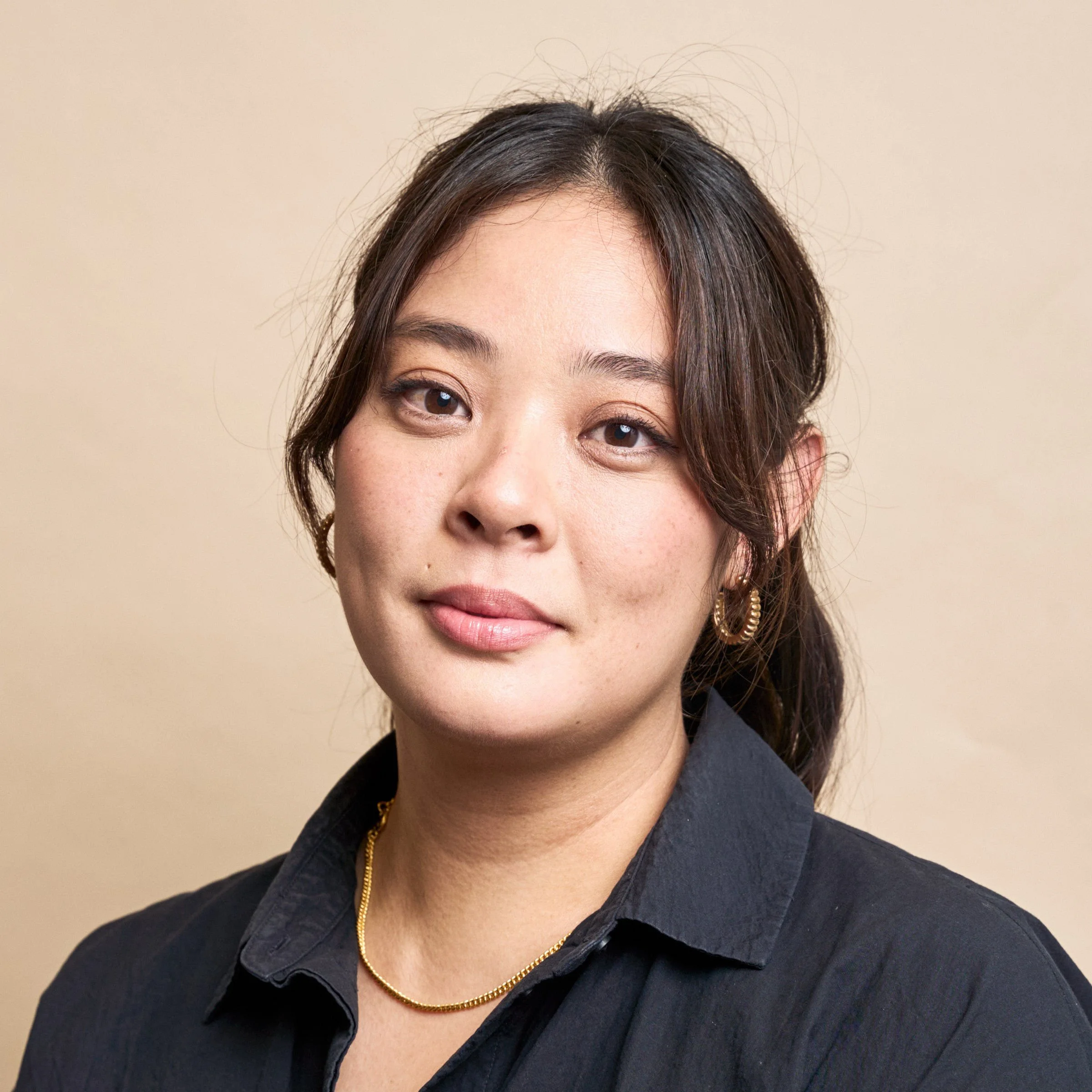
Michelle Fu.
“We work with small organizations, grassroots organizations, and there are a lot of contingencies to how they access funding,” Fu explains. “A big part of that is do they have security of tenure, and what’s the actual duration. But also, what are some guarantees that they’ll be there? How are they financing it? Who’s backing it if they default? Things like that, those are risks that the CLT [Cultural Land Trust] can hold for organizations so that they can build capacity and reach other types of funding. And that is something we can definitely explore at the Granville Island arts hub.”
A big component of 221A’s proposal is Indigenous textile innovation spearheaded by Musqueam weaver Debra Sparrow. Local companies that customize, repair, upcycle, and mend garments—including Sparrow’s own Salish Blanket Co., which has a Granville Island storefront right behind the future hub—would occupy a large portion of the space. Other plans include an arts market with clothing, jewellery, ceramics, and books; affordable artist studios; textile showrooms; and space for culinary innovation, fashion shows, and live music.
“Specifically at Granville Island, we’re focusing on the voices of Coast Salish and West Coast artists and businesses,” Berndt says. “So that’s for me where it’s really exciting. It’s really where we can start exploring decolonial governance models that centre the views of the Musqueam, Squamish, and Tsleil-Waututh [communities], and their perspectives in decision-making in collaboration with arts organizations.”
221A is working alongside a few other organizations to bring the proposal to life. Among them is Tomo Spaces, a development company that specializes in creative placemaking. There’s also Burrard Properties, which is related to the Chan Family Foundation and Burrard Arts Foundation, and Human Studio Architecture, a previous collaborator of 221A’s.
“Our proposal will create a hub that is a real asset, ensuring long-term use of the building so it really contributes back into the community,” Berndt adds. “And I think it aligns with the Granville Island 2040 plan in that sense of increasing space for visitors to come onto the island and contributing to that circular economy.”
By “circular economy”, she’s referring to the fact that CMHC collects market rent from commercial tenants on Granville Island—think Tap & Barrel, the Sandbar Seafood Restaurant, and the Net Loft—which then goes into keeping rent low for arts organizations like Ballet BC, Arts Umbrella, and Carousel Theatre for Young People.
The Granville Island 2040 plan includes strategies to ensure that the area’s circular economy can keep running smoothly. Among the goals listed are improving transportation to the island, expanding the Public Market, creating a new performance and installation space, and transforming the Emily Carr building into an arts and innovation hub. According to Lancaster, the hub could have a very positive impact on Vancouver’s cultural scene.
“If you look at these types of arts and innovation hubs—and this wouldn’t be the first in the world—they really do catalyze a completely different approach to creative industries in whatever city they take place in,” he says. “We know that artists are starving for places to work, to live, to be able to access the public. But having one place where we have over 10 million visitors a year…because it’s going to be affordable, there’s the opportunity to really experiment.”
Lancaster expects that the successful proposal and future tenants will be chosen by the end of 2025. What’s required from both applicants at this final stage of the process is a more refined plan that addresses financials; possible lease terms will also be negotiated.
Though Lancaster couldn’t share who’s behind the other proposal in the running because of the competitive nature of the selection process, he did note that both have put forward strong concepts.
“We’re so pleased with what we’ve got,” Lancaster says. “The quality of these two applicants at this stage is unbelievable. So either one would be incredible. It’s not like we’re trying to pull together a project out of the ashes here. We’re trying to figure out what’s the most viable between the two, and what fits most with the vision.” 
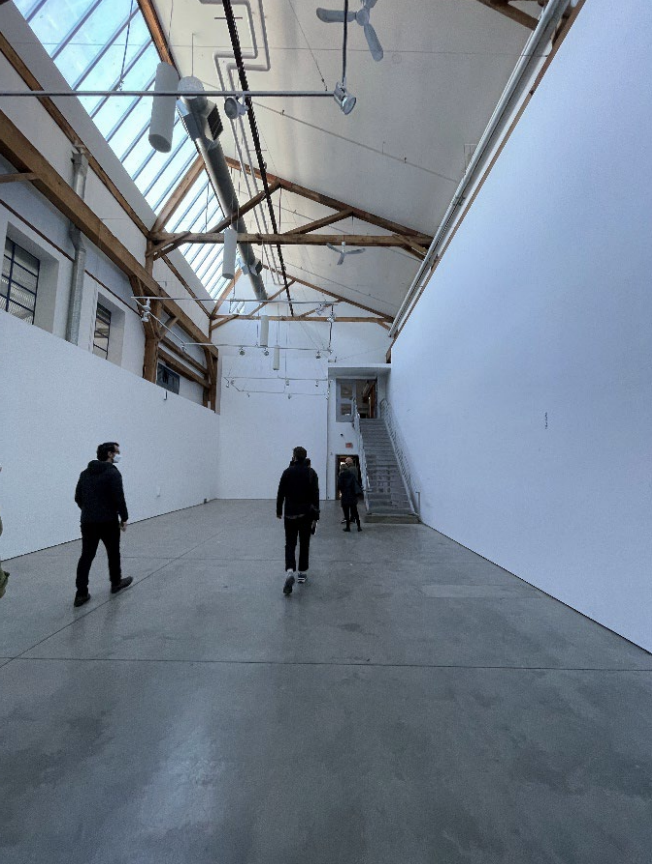
A space inside the future arts and innovation hub that once served as the Concourse Gallery at Emily Carr University of Art + Design.
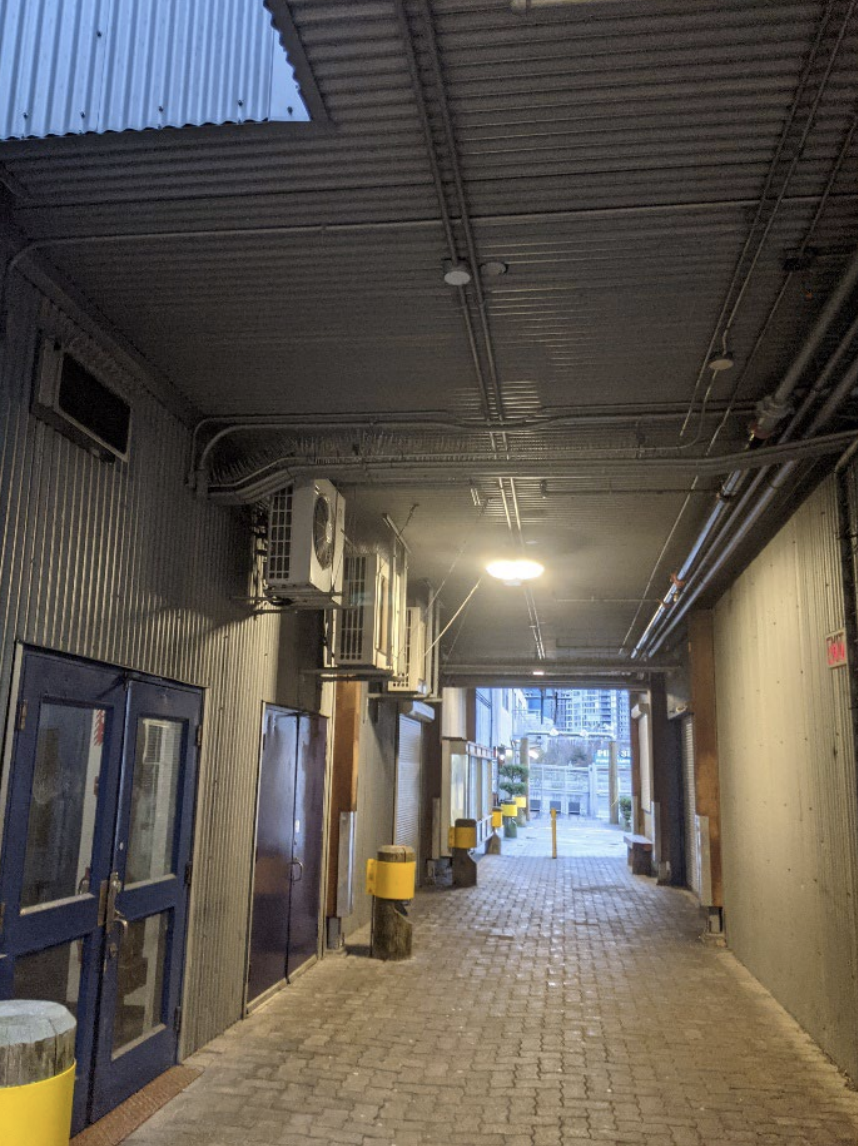
Covered exterior corridor within the future arts and innovation hub.

Related Articles