PuSh International Performing Arts Festival unveils program with works by Tanya Tagaq, Alan Lake, and more
Discipline-crossing shows from as far away as Zimbabwe and Argentina hit a variety of stages from January 22 to February 8, 2026
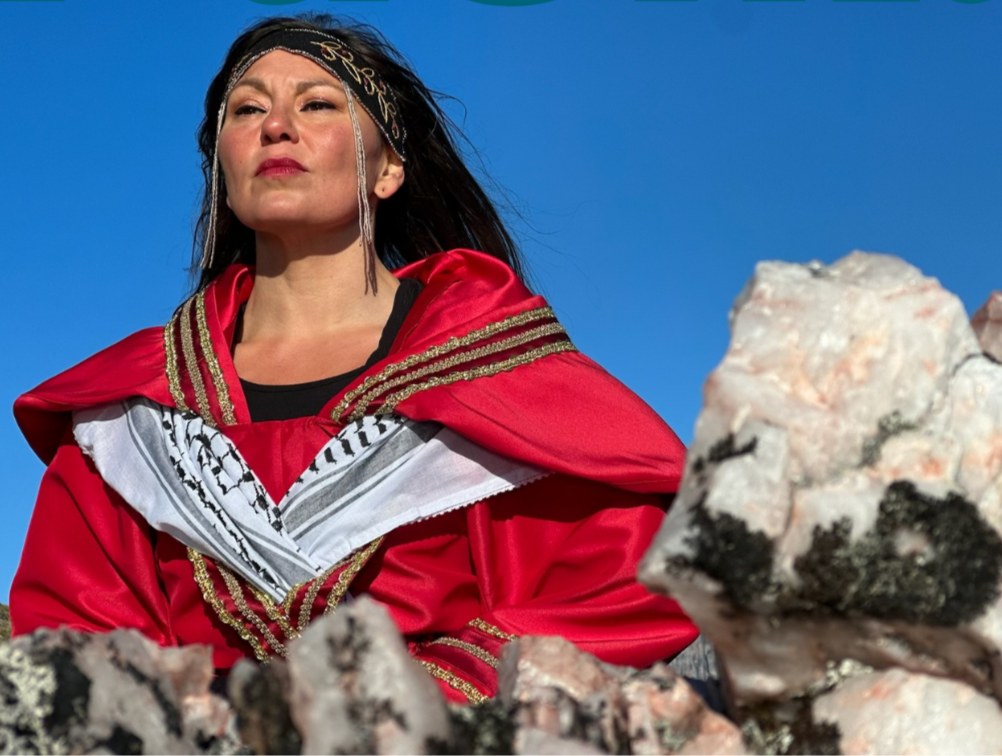
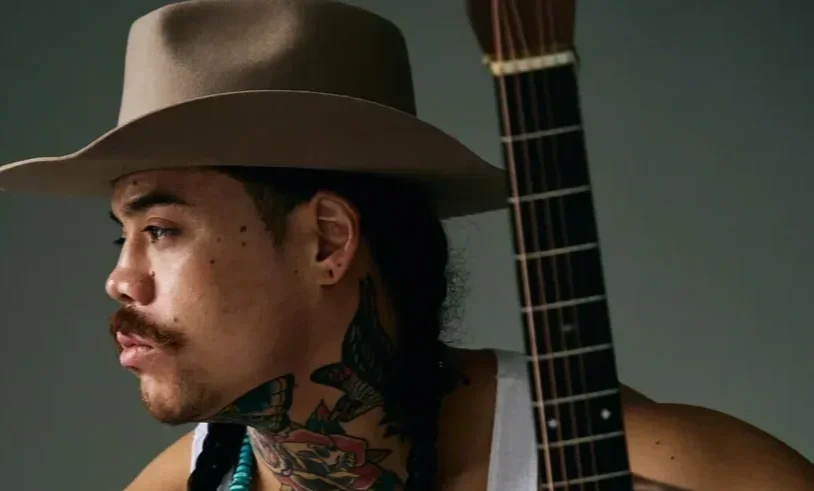
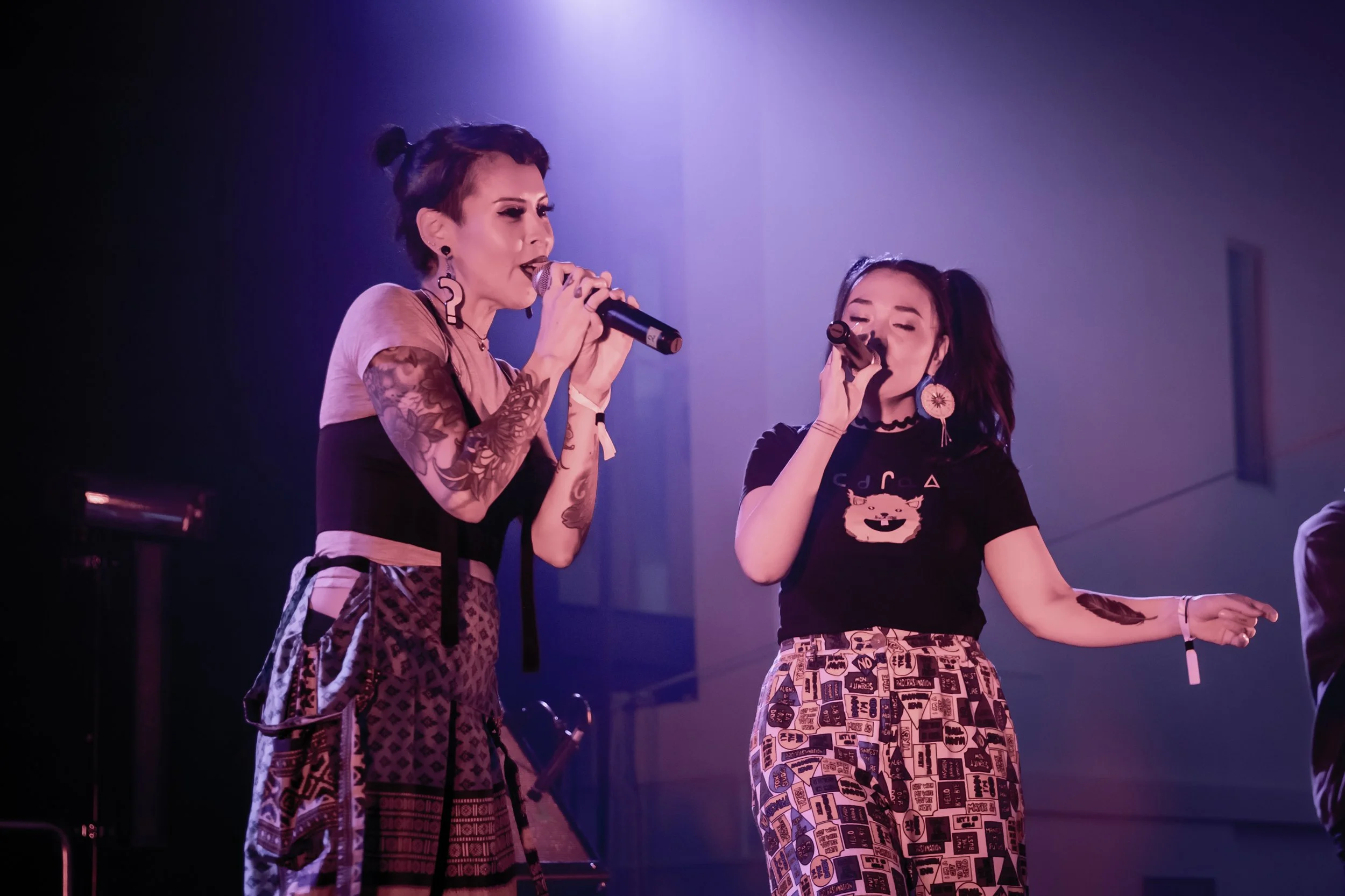
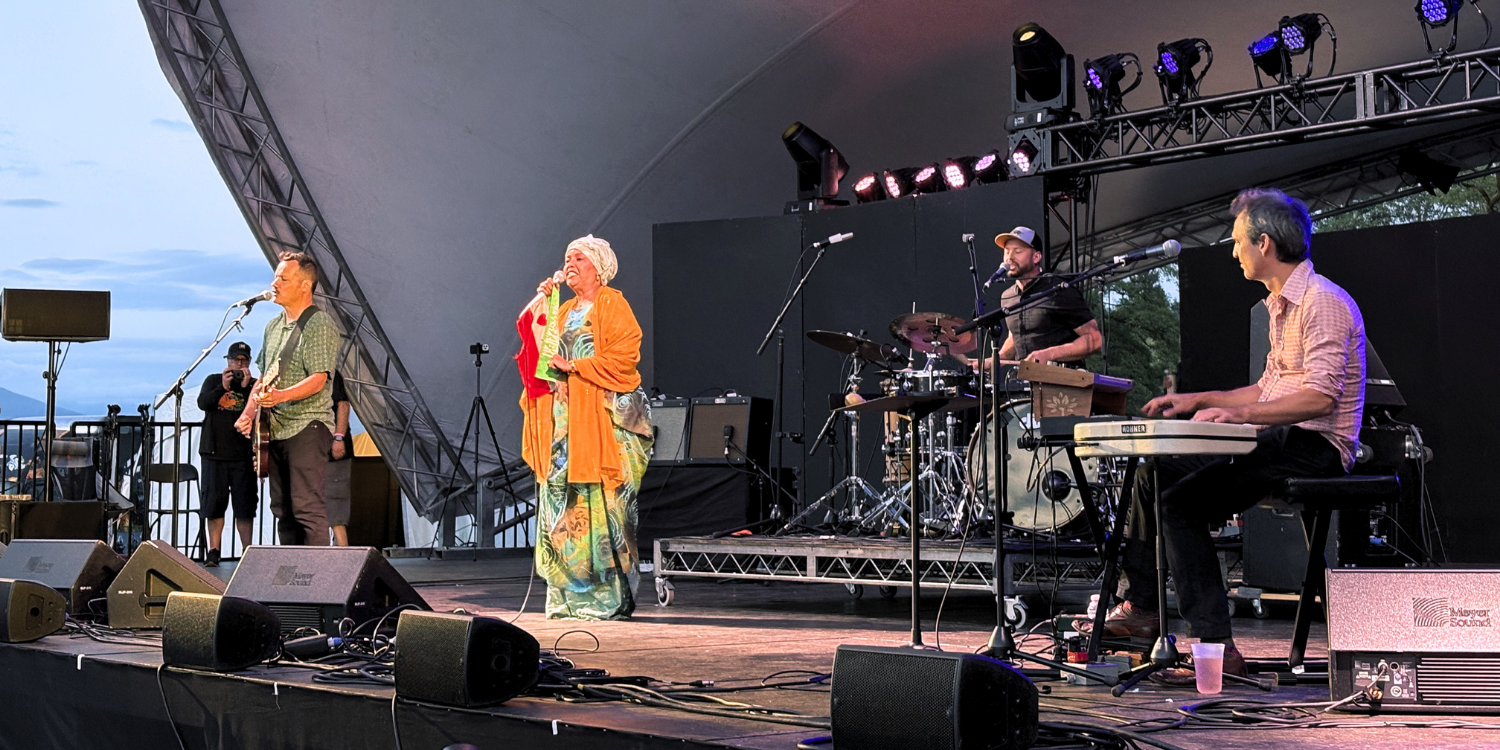
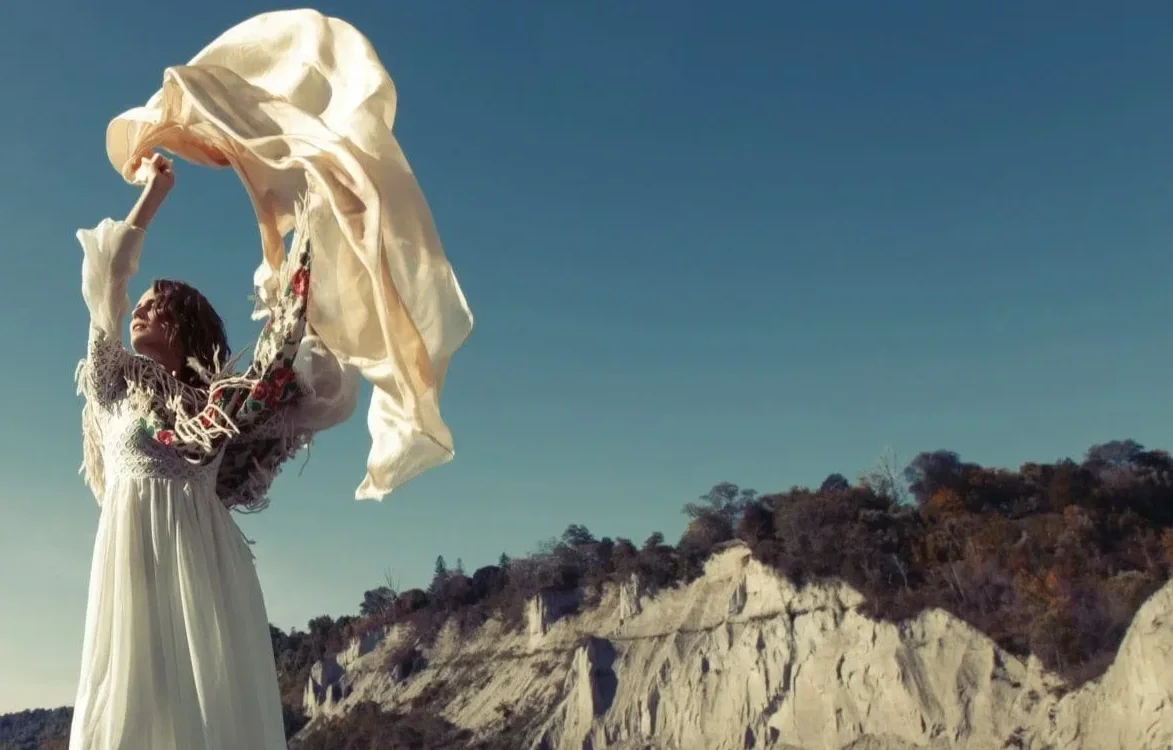
Tanya Tagaq for Split Tooth: Saputjiji. Photo by Celina Kalluk
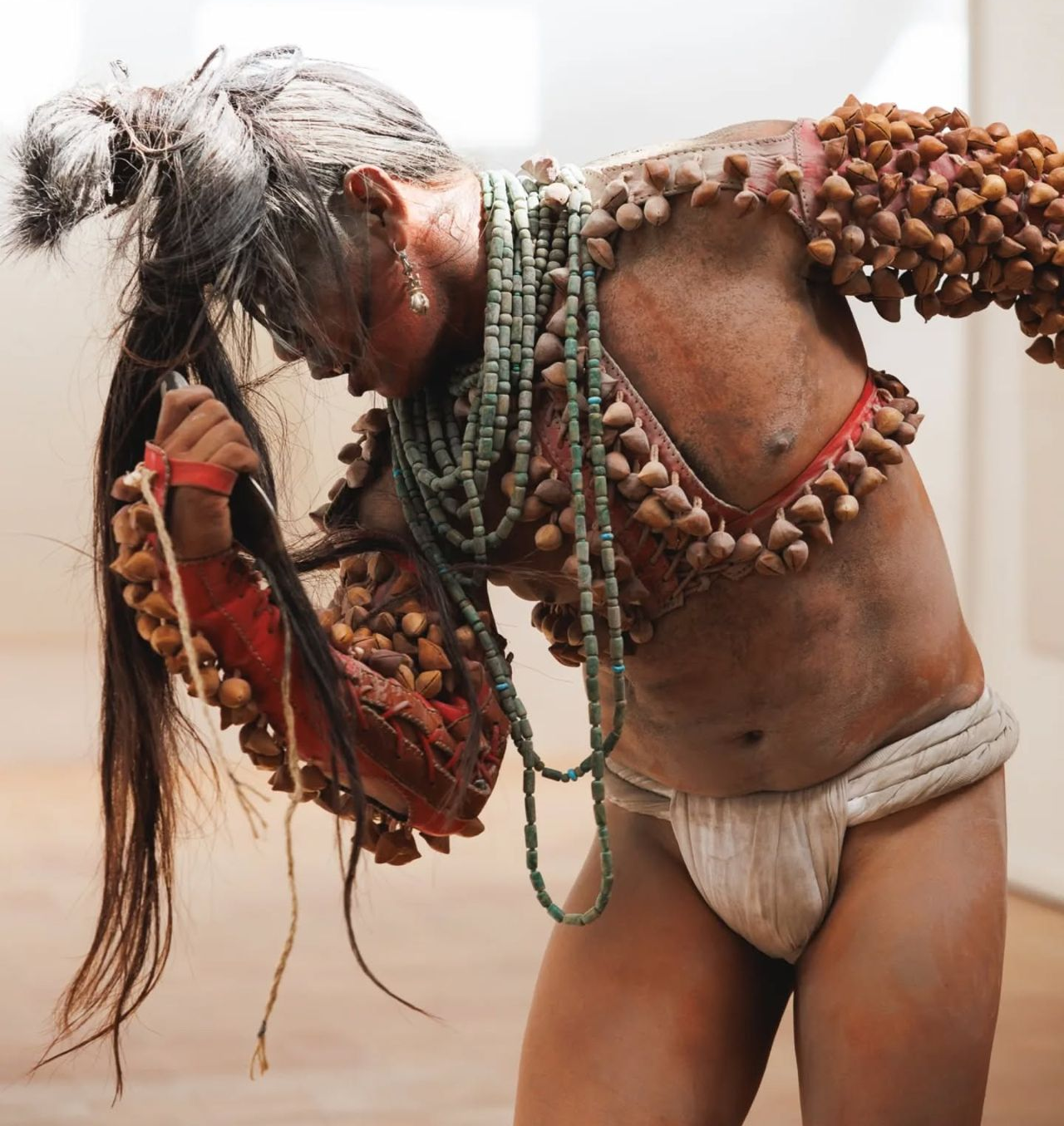
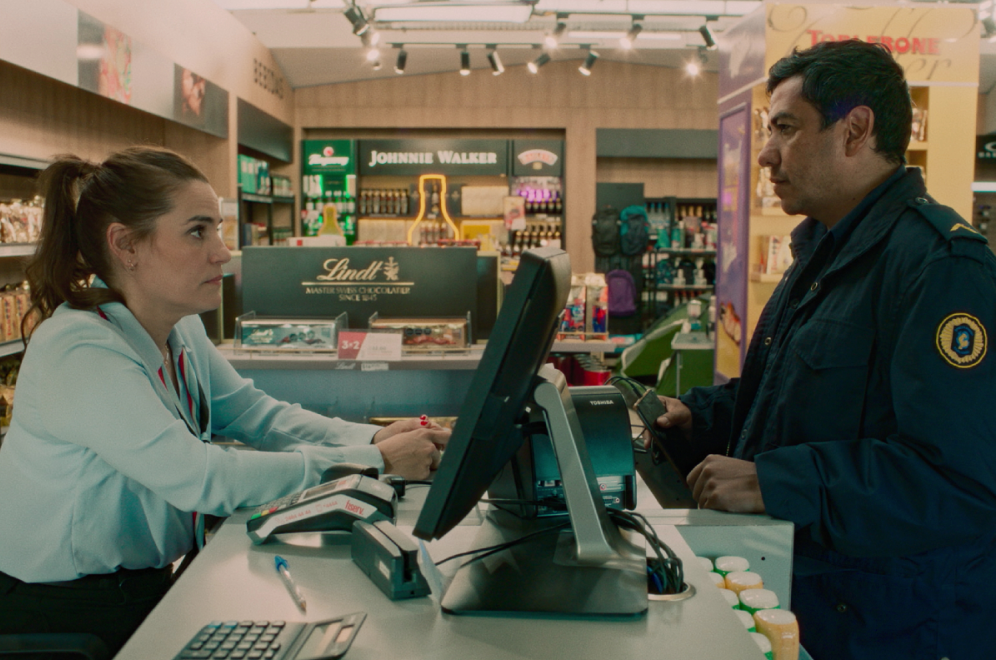
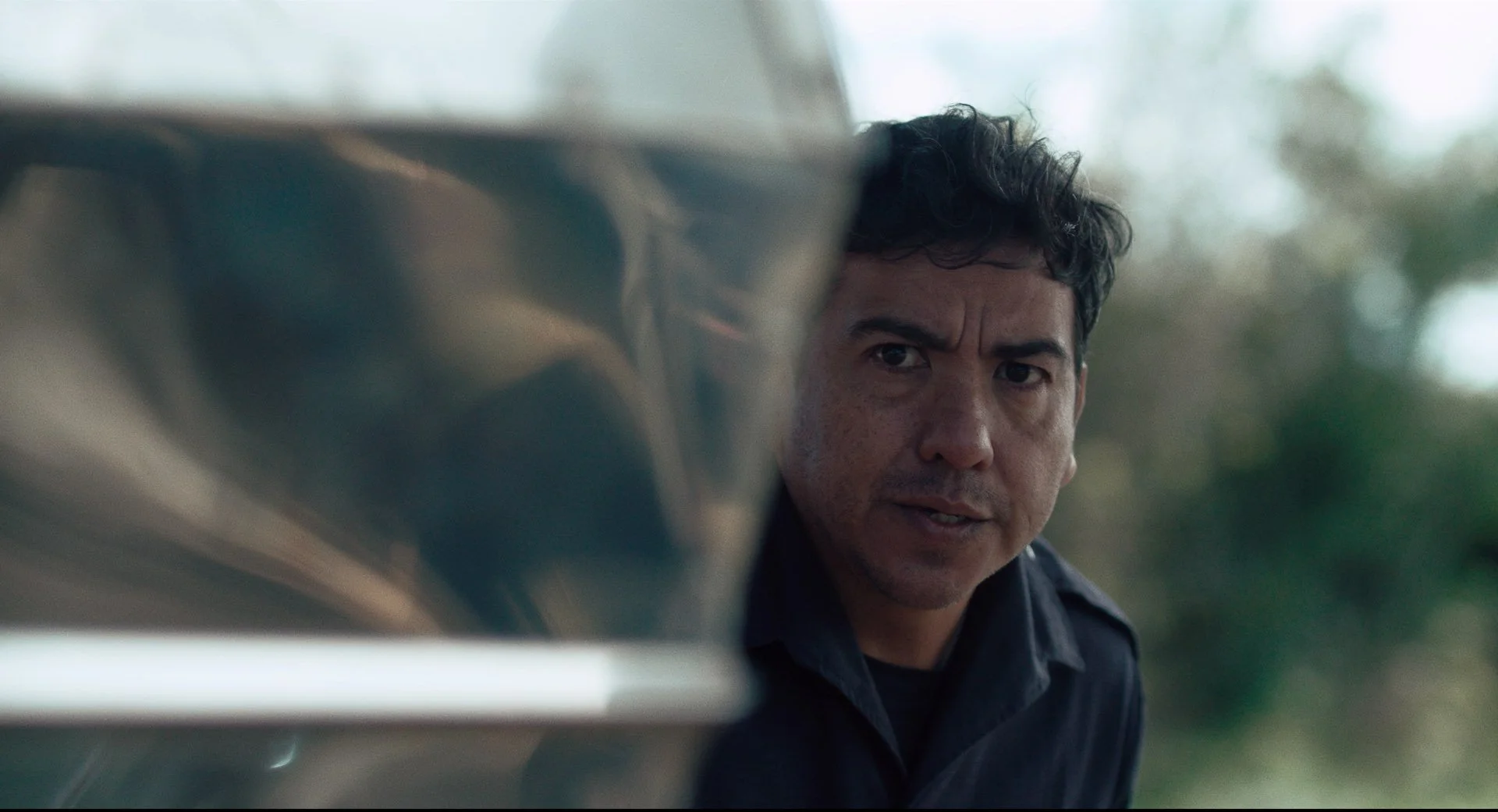
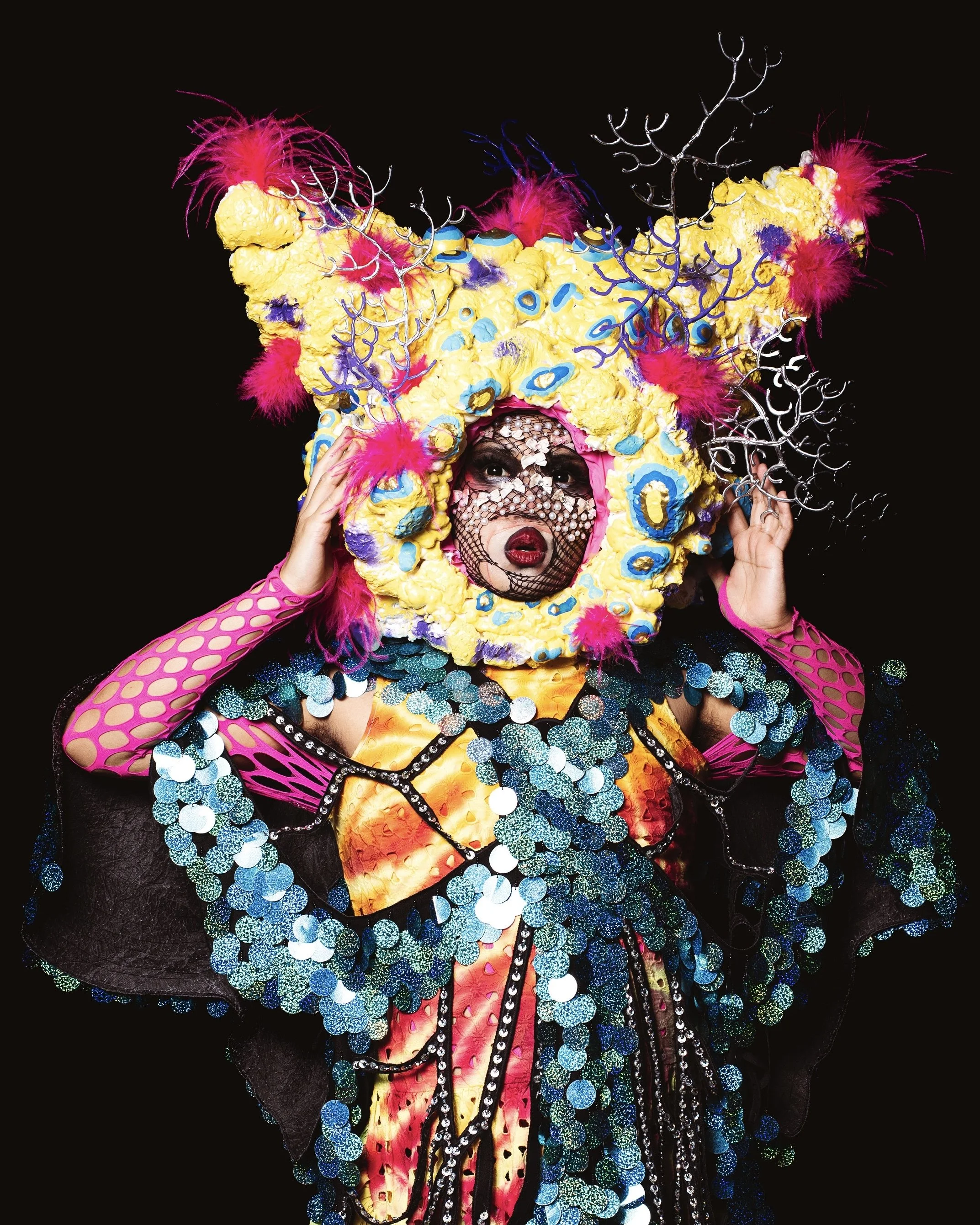
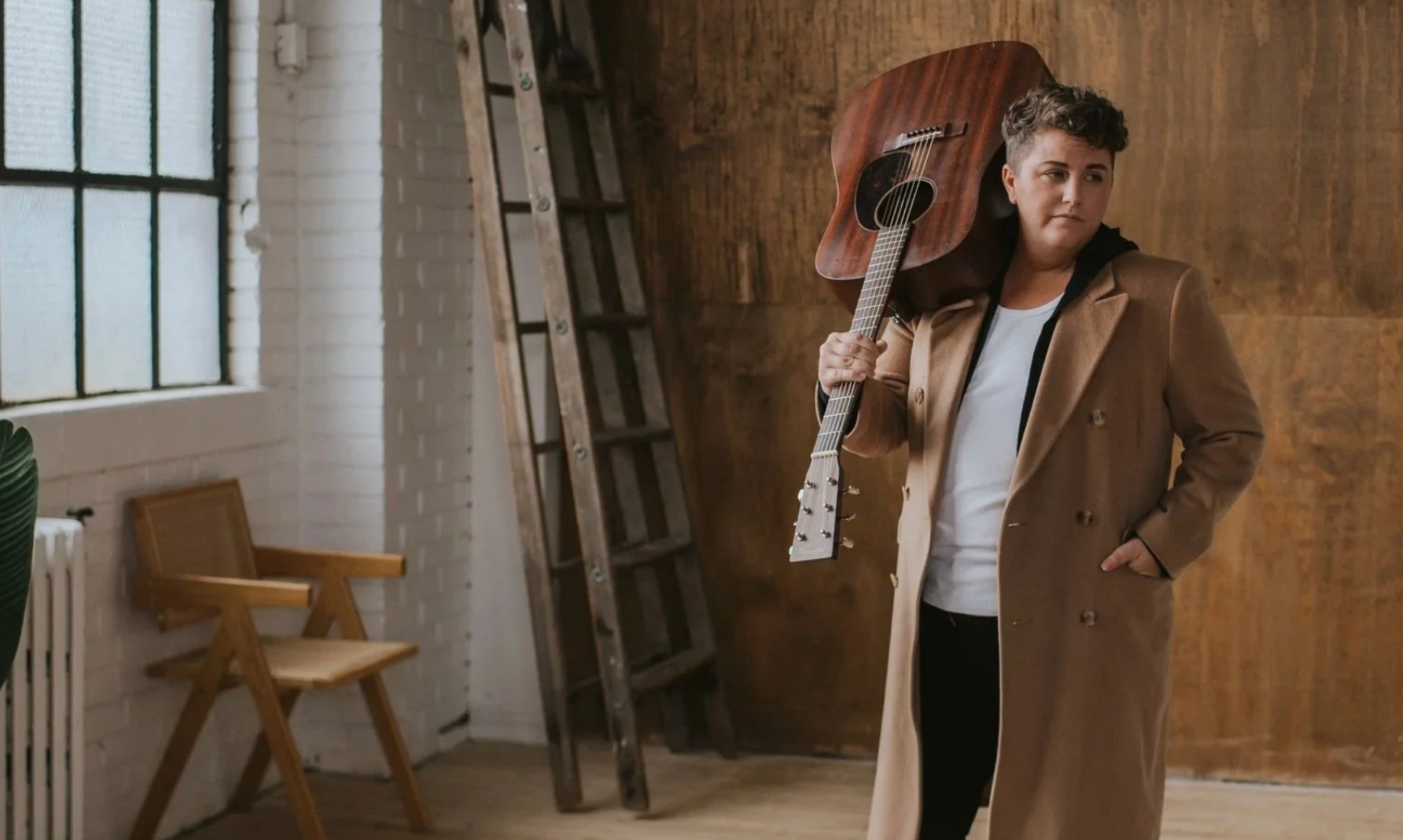
Bardaje
ACTS FROM AS FAR away as Zimbabwe, France, and Argentina will add a global scope to the next PuSh International Performing Arts Festival, set to hit various stages around town from January 22 to February 8, 2026. There are 17 countries represented in all. The roster also includes names like Tanya Tagaq, Alan Lake, Tyson Houseman, and Rainbow Chan, with works that move fluidly between film, dance, comedy, music, installation, and more.
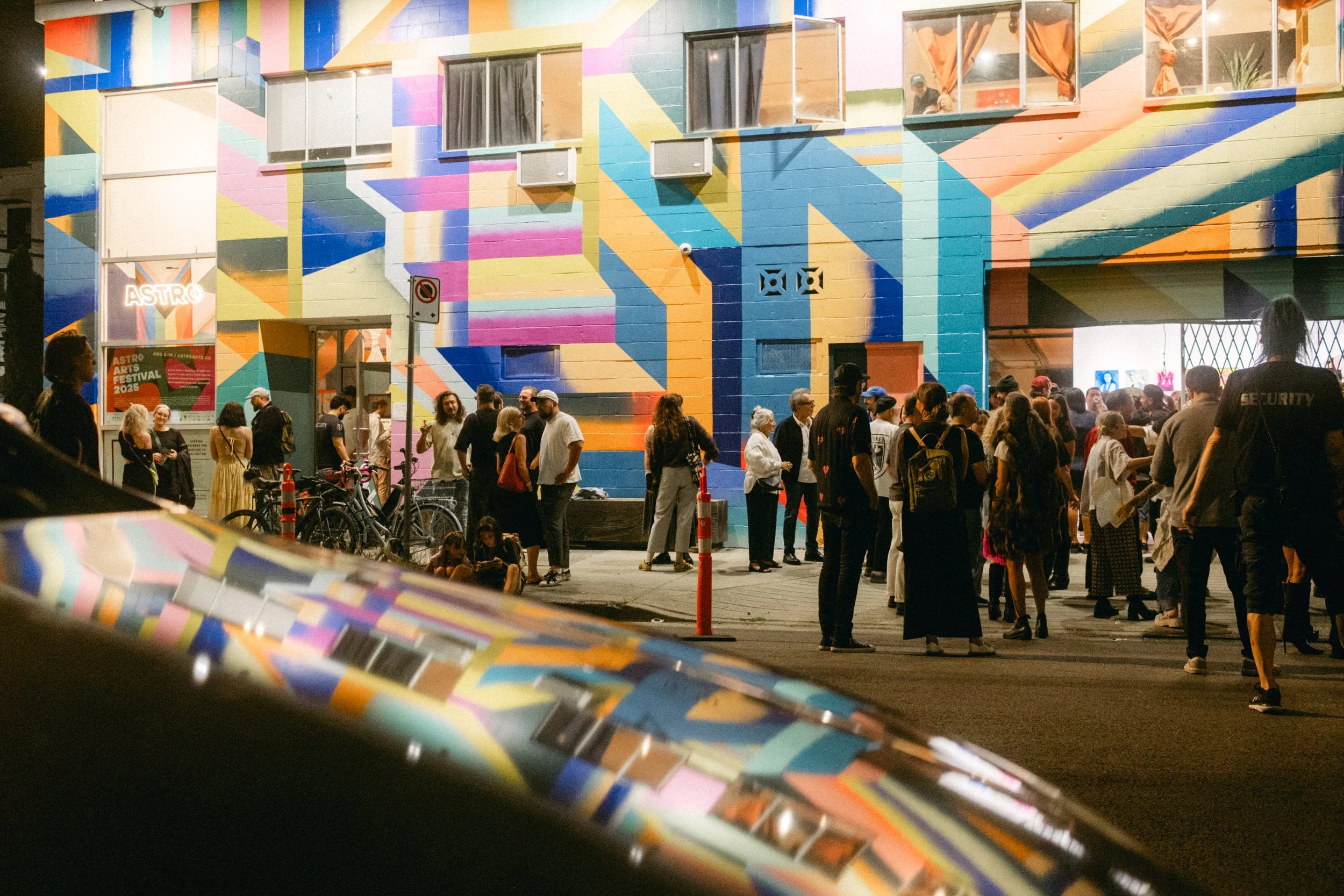
Tickets for the 2026 edition of the interdisciplinary fest, announced tonight at The Birdhouse on West 4th Avenue, go on sale November 20. You can find the entire schedule and 25-show lineup here.
Split Tooth: Saputjiji brings Tagaq to the stage with throat singers, musicians, and performers in a world-premiere concert adaptation of the Inuit artist’s 2018 novel of the same name. The epic PuSh co-commission takes place at the Chan Centre for the Performing Arts on February 5, copresented with the Chan Centre and Music on Main.
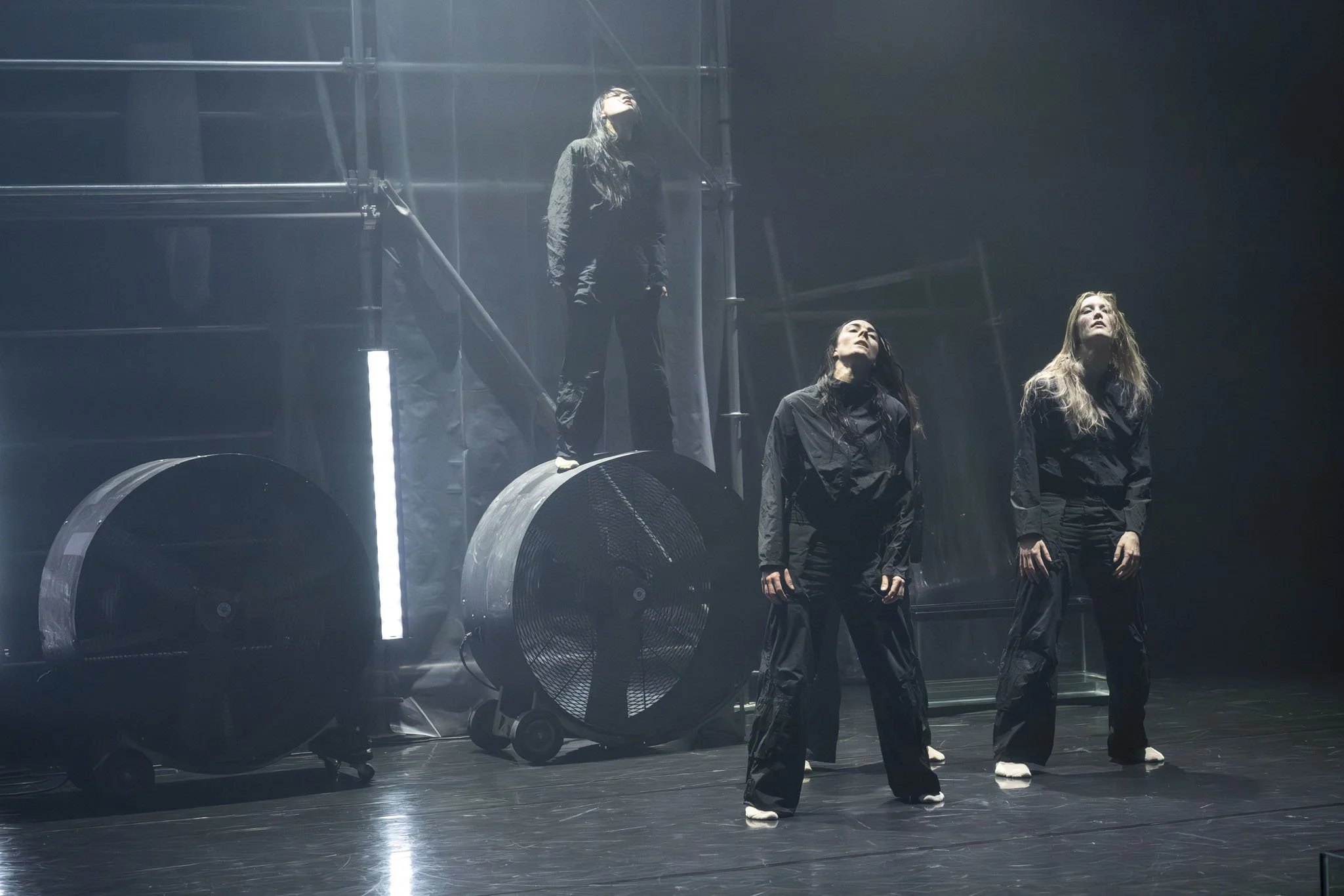
At Performance Works on January 27 and 28, Kamwe Kamwe (One by One), from Zimbabwe’s Jerahuni Movement Factory, blends high-energy dance and song amid a terrain of poles, elastics, and projected images, in an exploration of what history has silenced.
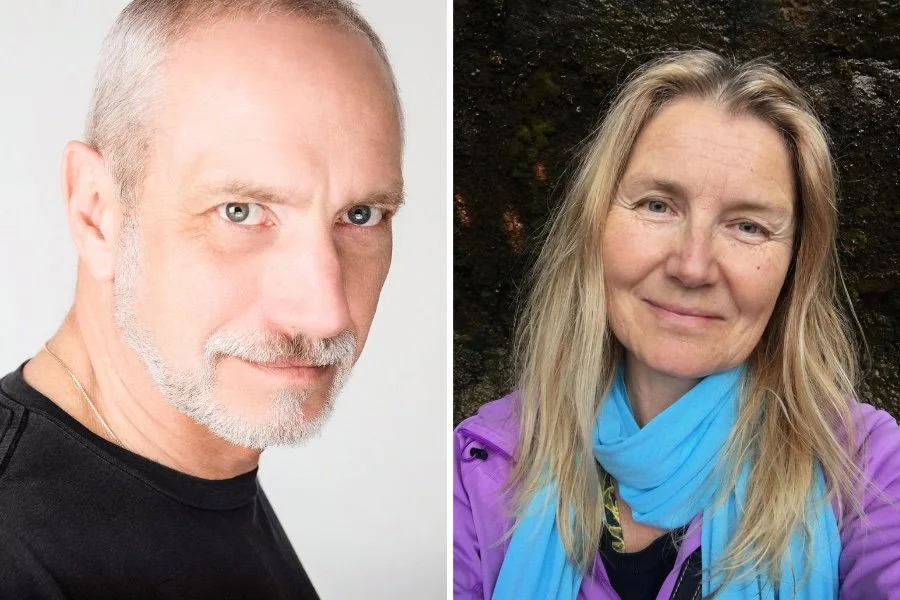
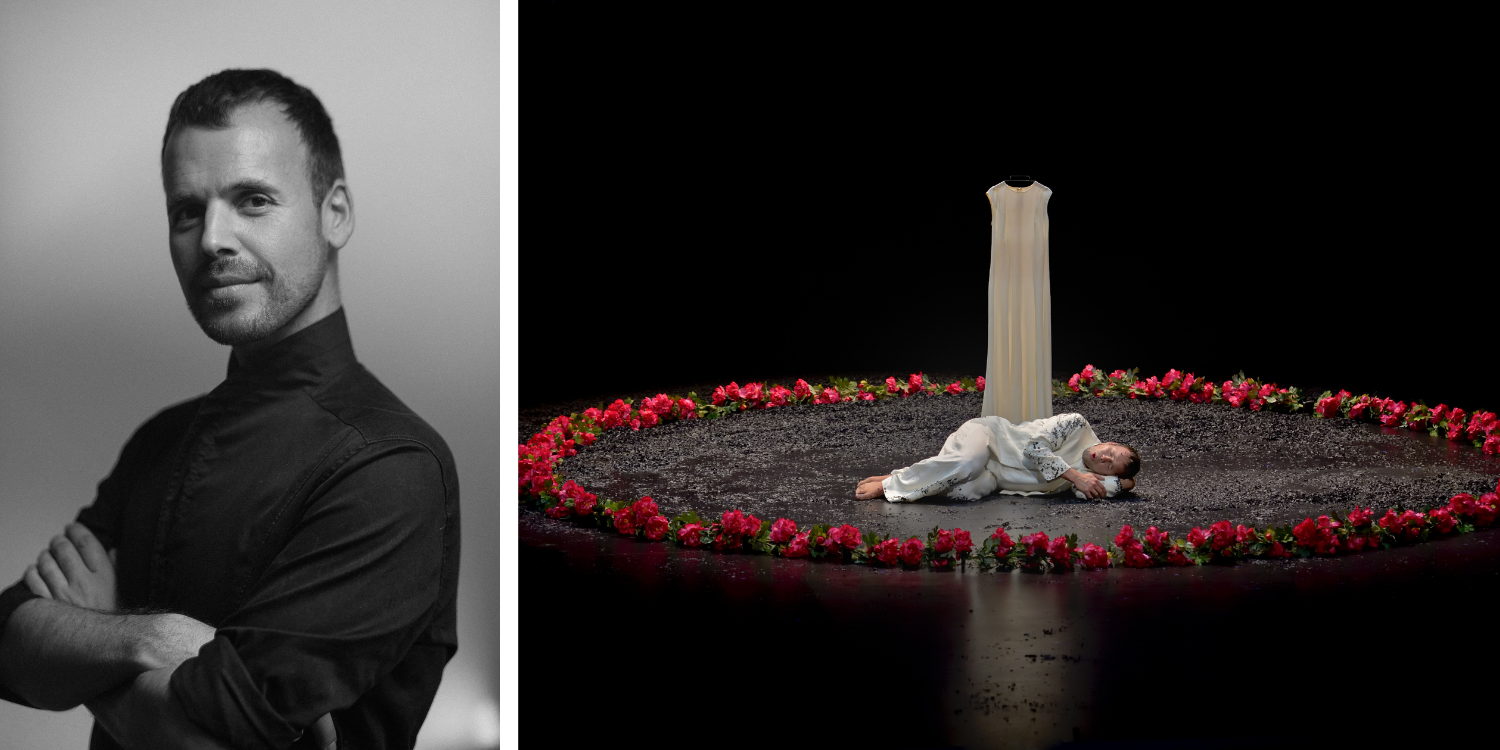
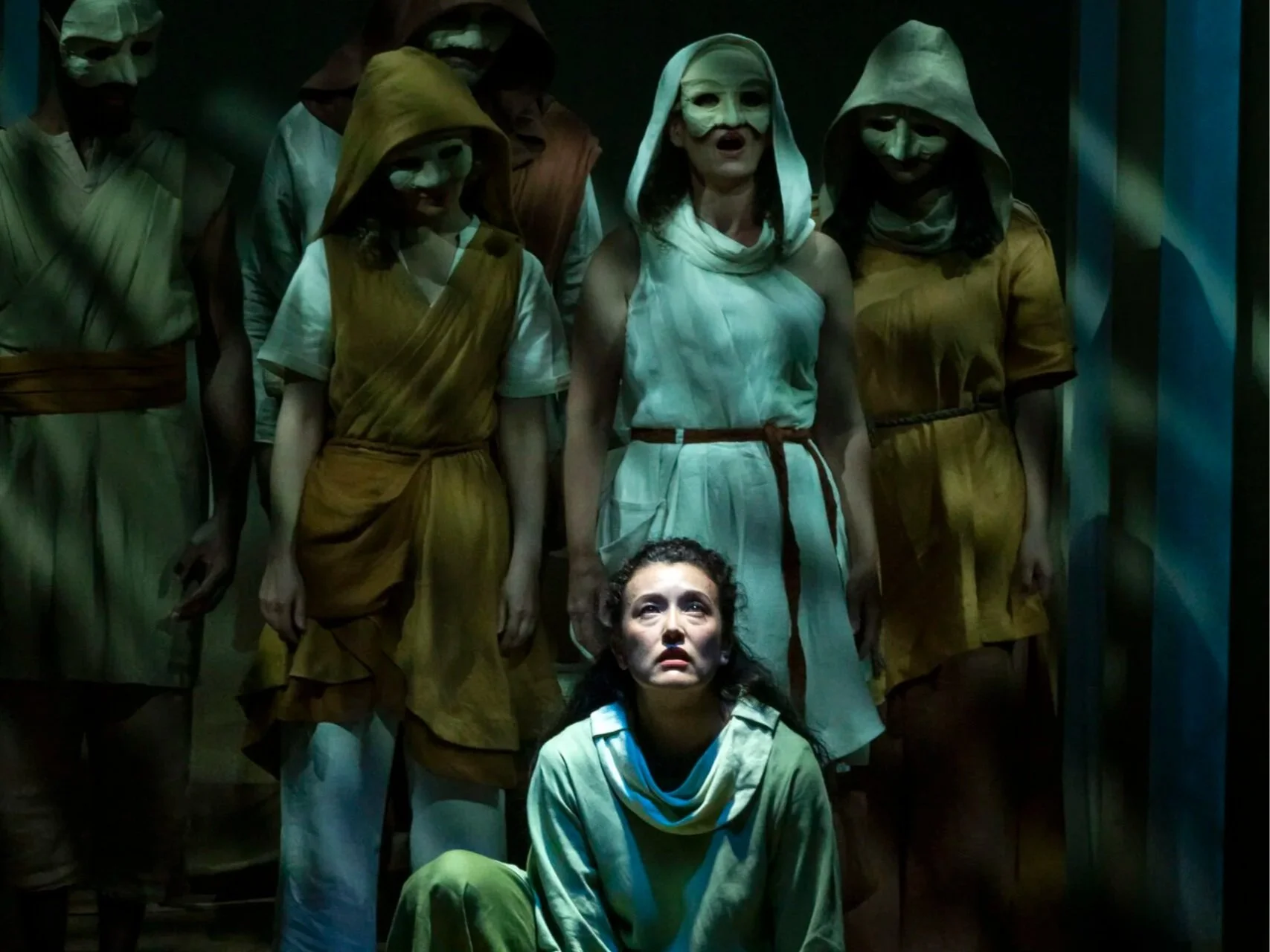
On January 30 and 31, watch for the Western Canadian premiere of Alan Lake Factori(e)’s Orpheus at the Vancouver Playhouse. The piece by the visionary Montreal dance artist reimagines the myth of descent as a journey through darkness toward connection and renewal.
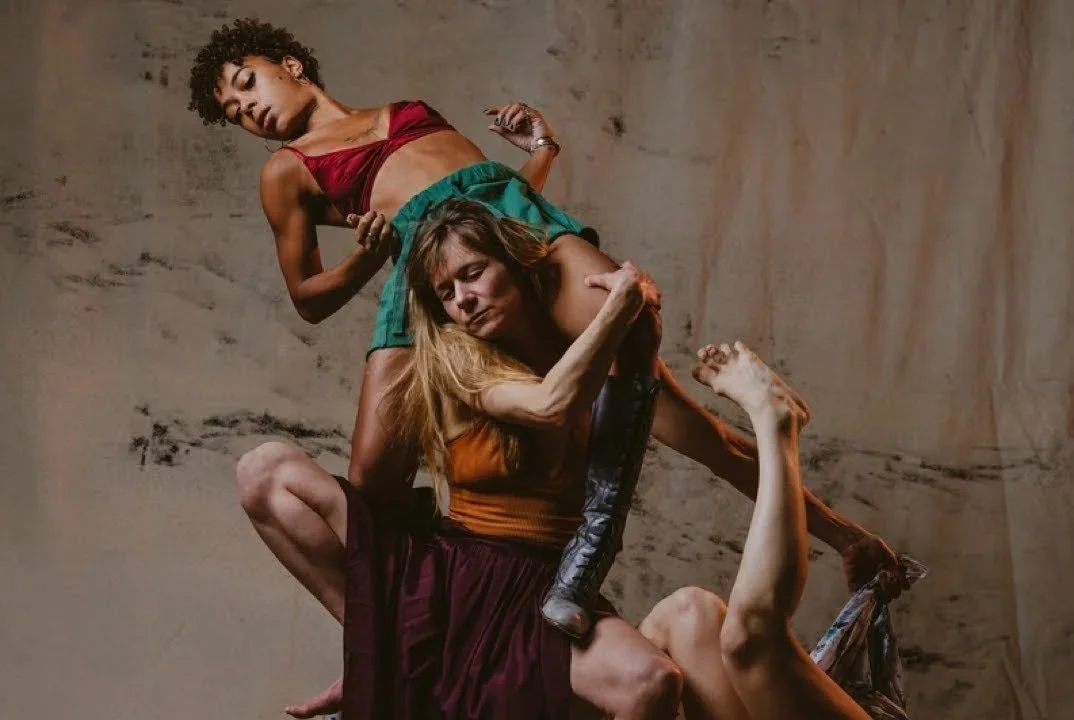
Alan Lake Factori(e)’s Orpheus. Photo by Stéphane Bourgeois
At the Waterfront Theatre, Czech group Archa presents Eight Short Compositions From the Lives of Ukrainians for a Western Audience on January 22 and 23. The theatre-based work centres on five performers honouring small acts of living that survive in the shadow of war, with text projection, music, movement, and light. It’s presented with Vancouver Poetry House.
From Germany and Australia, Renae Shadler & Collaborators, with Roland Walter, present SKIN, February 4 to 6 at the Annex, employing a shared dance language that’s inspired by sea anemones and liquid states. It’s performed by Walter, a dancer with full-body spastic paralysis, and created by Shadler, a non-disabled choreographer.
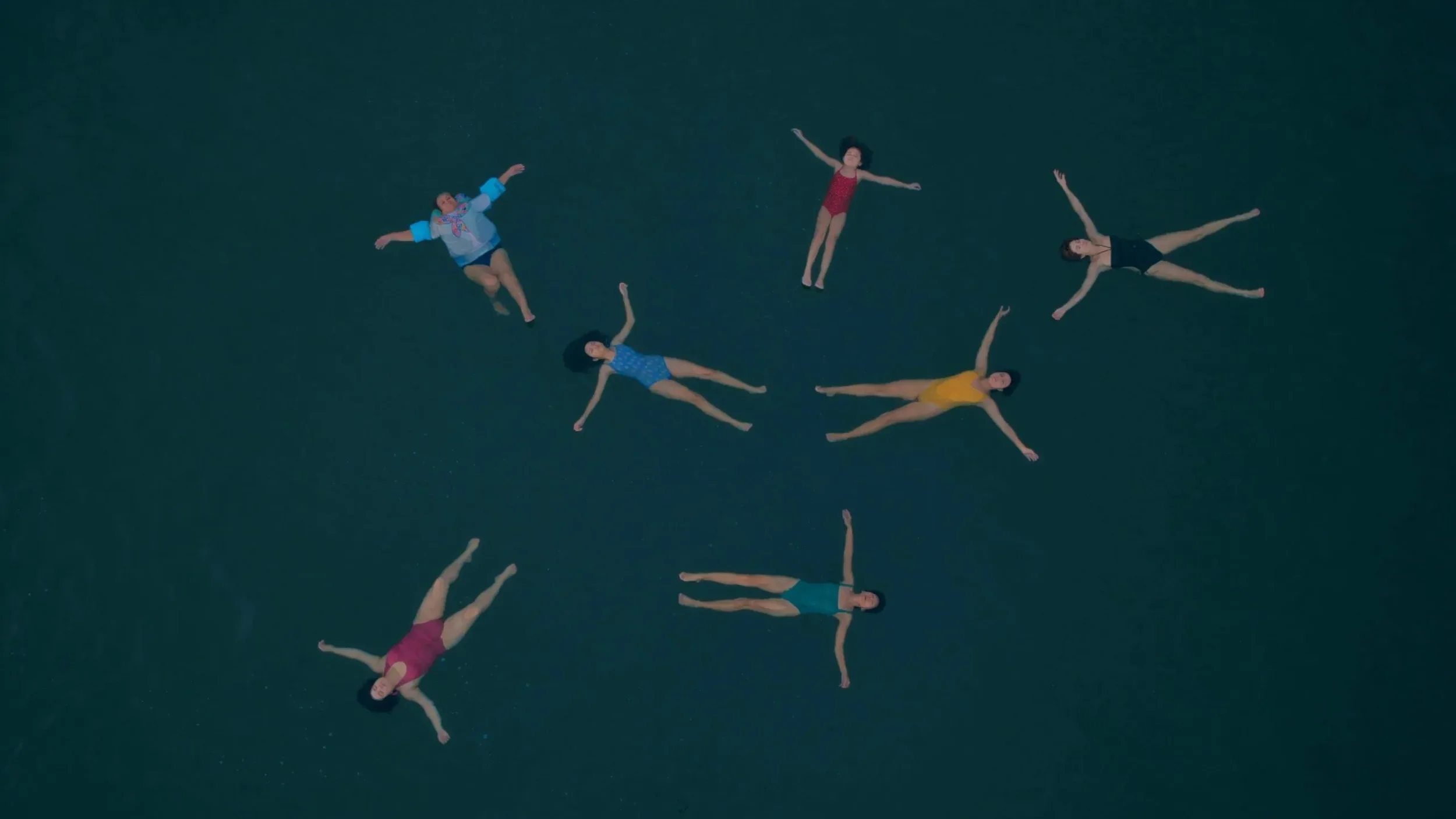
Everything Has Disappeared, by Winnipeg’s UNIT Productions and Toronto’s Mammalian Diving Reflex in collaboration with Vancouver’s own The Chop Theatre, sees its local premiere and explores the unique relationship the Filipino diaspora has to the global economy, January 29 to February 1 at the York Theatre, copresented with The Cultch.
And Hong Kong–Australian vocalist, producer, multi-instrumentalist, and interdisciplinary artist Chan hits the Chinese Canadian Museum on February 4 with a mix of Cantopop, migration, and identity called Rainbow Chan Live at the Dream Factory; it unfolds in a special performance on Ming Wong’s Vast Ocean, Boundless Skies stage—an installation that reimagines the legacy of Cantopop through diasporic lenses.
Le Beau Monde, from France’s École Parallèle Imaginaire, brings absurd “sci-fi theatre” to the Roundhouse Community Arts and Recreation Centre on January 24 and 25; and Khalil Khalil, from Palestinian artist Khalil Albatran, mixes music and movement in an exploration of honour, grief, and loss, January 23 to 25 at The NEST.
On January 22 and 23 at the Scotiabank Dance Centre, New Works copresents JEZEBEL, a mashup of physical performance, hip-hop visual language, and the distorted flow of sound, as the Netherlands and Belgium’s Cherish Menzo of Frascati Producties reclaims the hypersexualized image of the “video vixen” that defined hip-hop’s golden age.
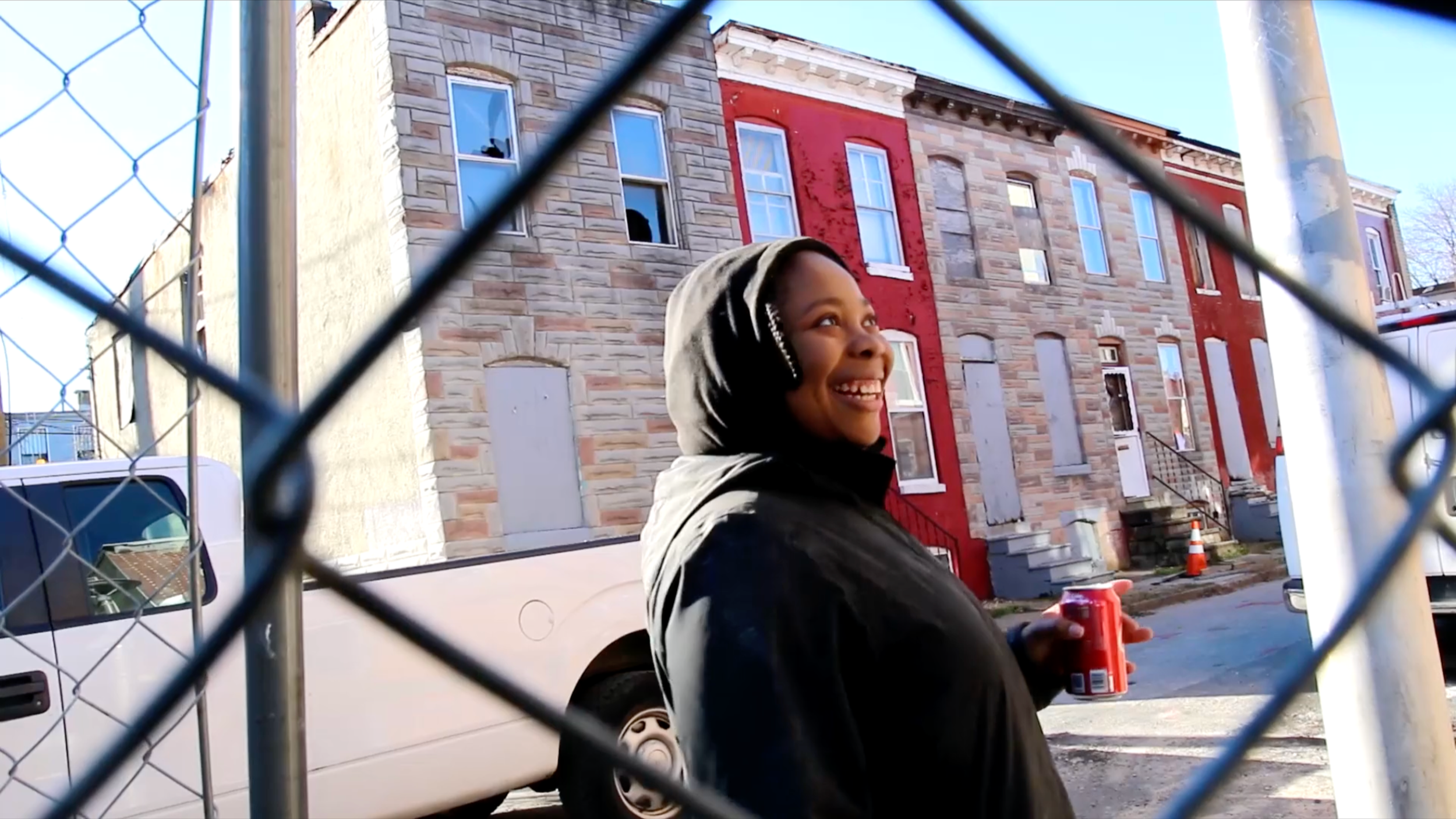
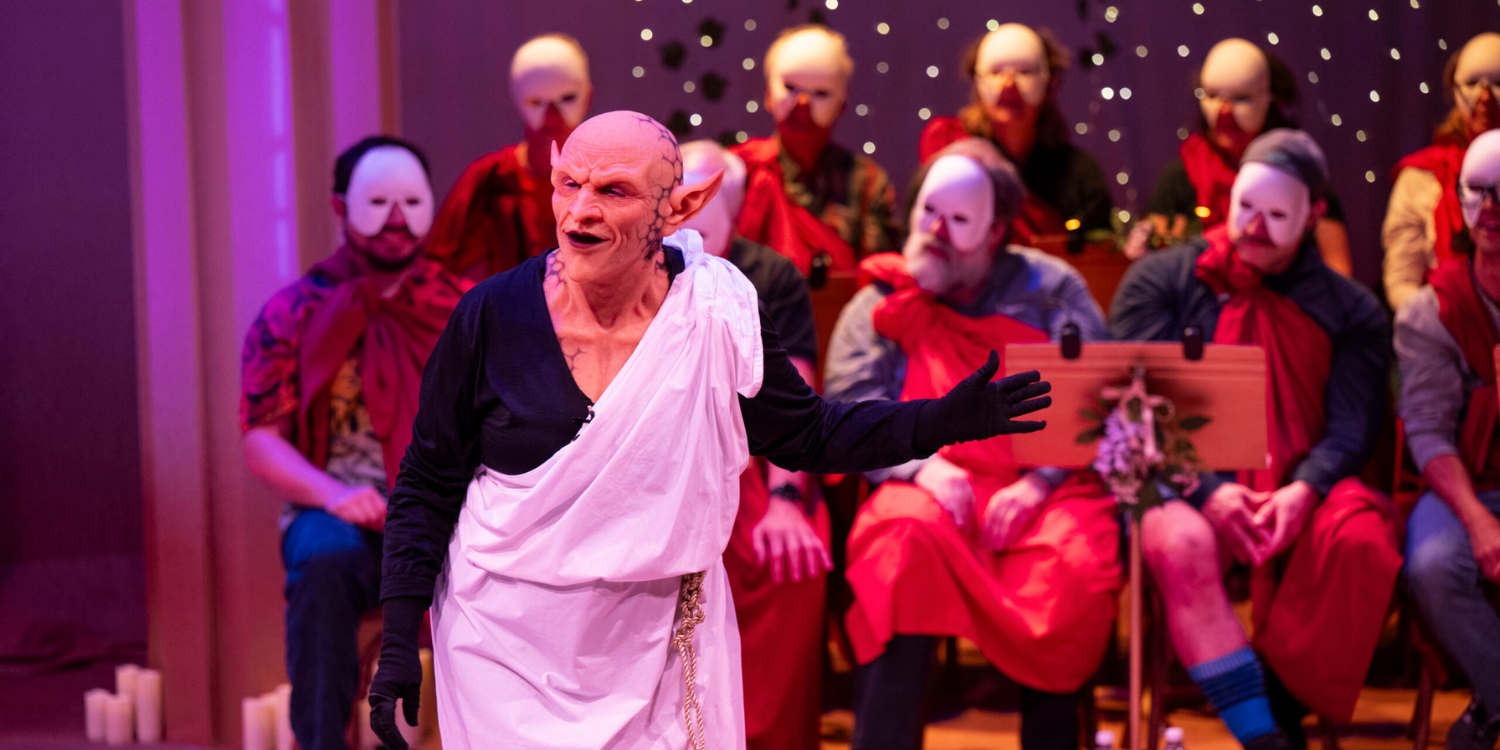
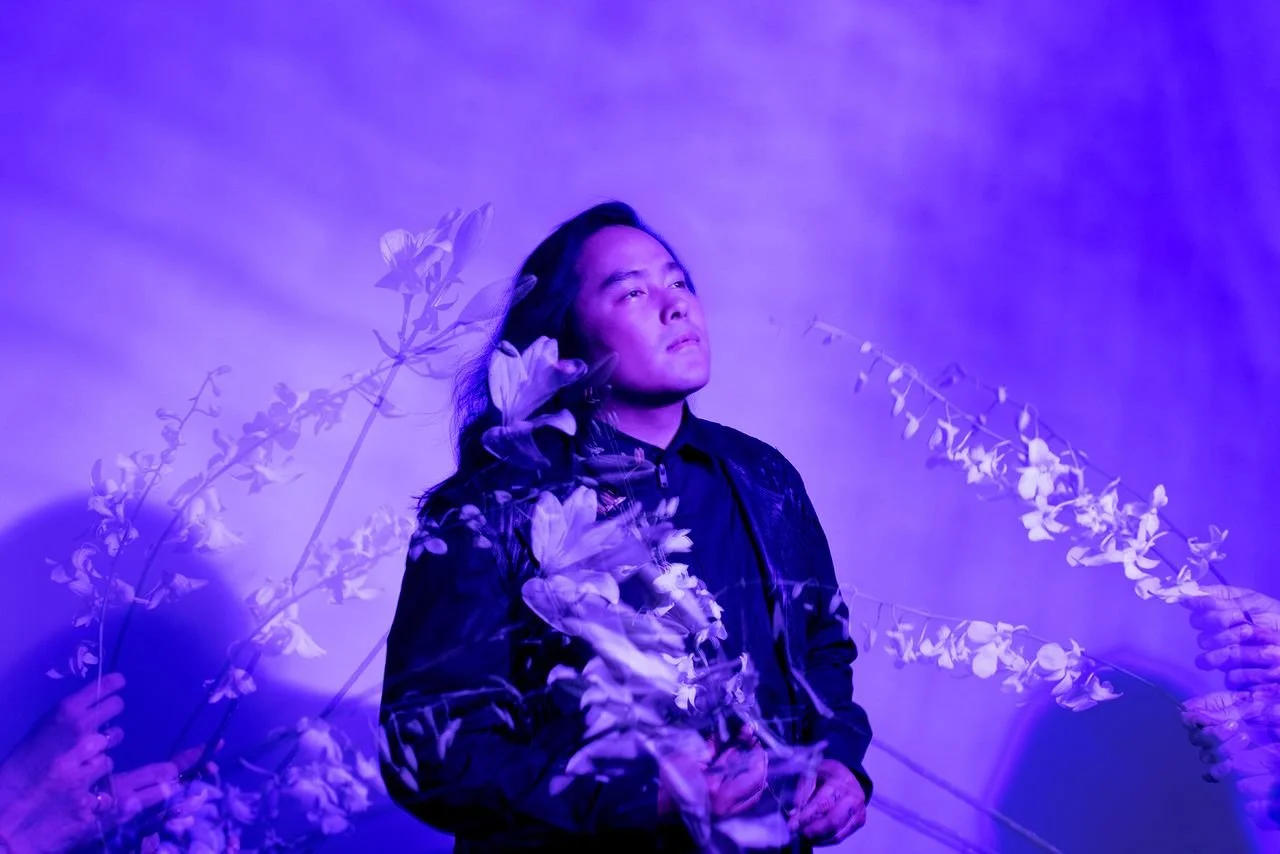
In other news, in a partnership with Latincouver and the Vancouver Latin American Cultural Centre, PuSh is also presenting the new series Encuentro. The initiative (meaning “gathering” in Spanish and Portuguese) includes Bardaje, which finds Mexican artist Lukas Avendaño moving within a ritual landscape of feathers, metallic paper, gold, silver, and ayoyotes—ancestral seeds that rattle with each step—in a piece that defies colonial definitions of gender and sexuality. From Argentina, Wayqeycuna traces artist Tiziano Cruz’s path back to his childhood in the Andean north through a lyrical layering of testimony, ritual, and performance, February 6 and 7 at the Roundhouse. And from Brazil and Belgium, Trouble Score is described as “part ritual, part pop concert…a hallucinatory portrait of family myth refracted through the lens of magic realism”, taking the Vancouver Playhouse stage on February 7.
In a copresentation with VIFF Live, askîwan ᐊᐢᑮᐊᐧᐣ blends live cinema and ecological opera in a show by nêhiyaw (Cree) video artist, performer, and filmmaker Tyson Houseman, January 29 and 30 at the Roundhouse.
On January 28 at the Chan Centre, Kiuryaq brings together Indigenous artists from Canada, Kalaallit Nunaat (Greenland), and Sápmi (Norway) for a performance exploring our relationship with the northern lights—“kiuryaq” in Inuvialuktun.
Lara Kramer, the Ontario-based choreographer and multidisciplinary artist of mixed Oji-cree and settler heritage, brings her new Remember that time we met in the future? to the Goldcorp Centre for the Arts at SFU Woodward’s, January 28 and 29 (and copresented with Matriarchs Uprising).
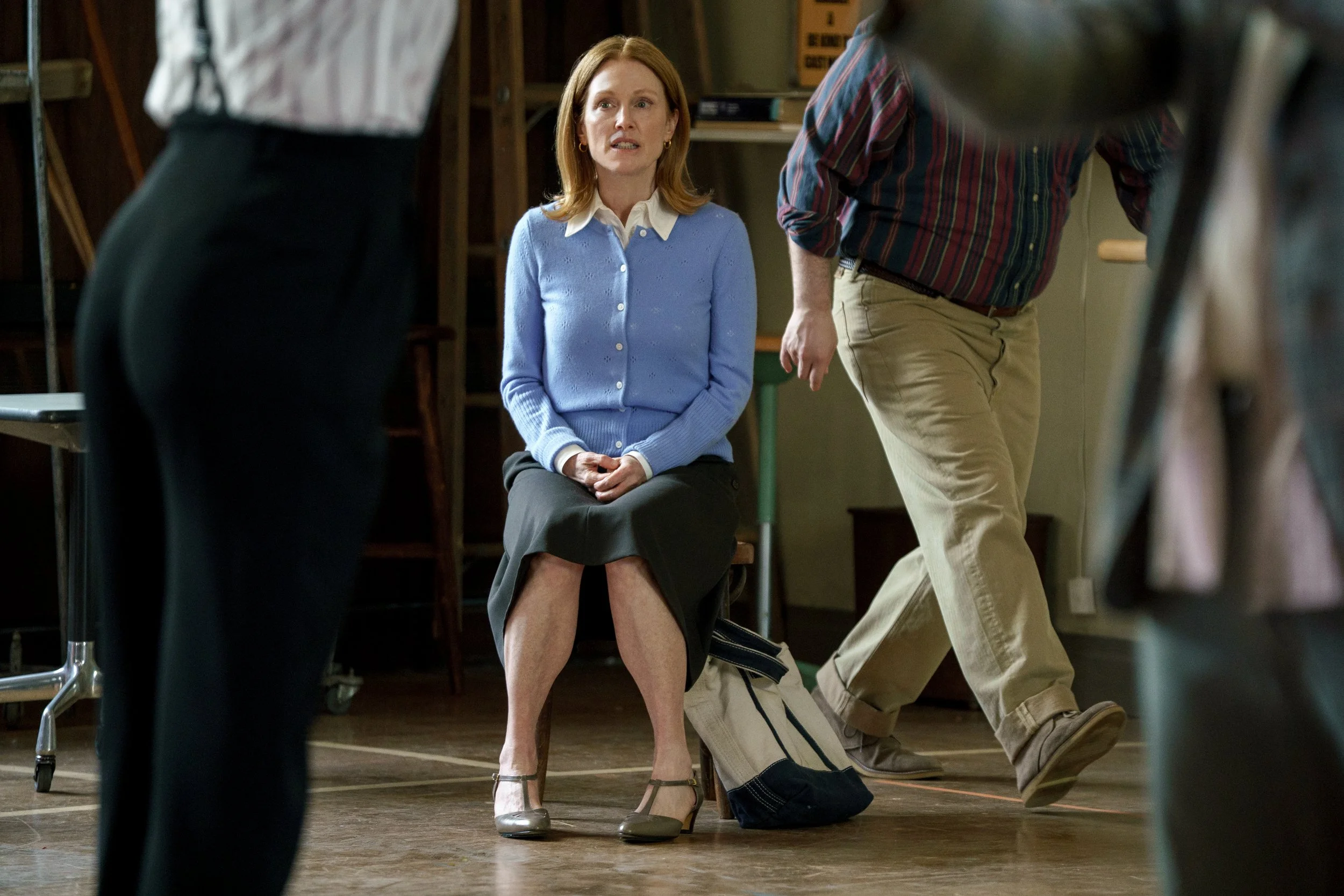
Copresented by Touchstone Theatre, 2021 finds a daughter questioning the worth of her father’s legacy, with a unique meld of story, video games, and AI, on January 23 and 24 at the Annex.
Award-winning performance-comedy duo Creepy Boys (S.E. Grummett and Sam Kruger) blend what’s described as a “techno-punk concert, a play, a clown show, and a basement puppet nightmare” in SLUGS, January 29 to 31 at The NEST.
And from the U.K.’s Wet Mess comes TESTO, a blend of theatre, drag, and multimedia that hits Performance Works on February 7 and 8, presented with Here + Now and the frank theatre co.
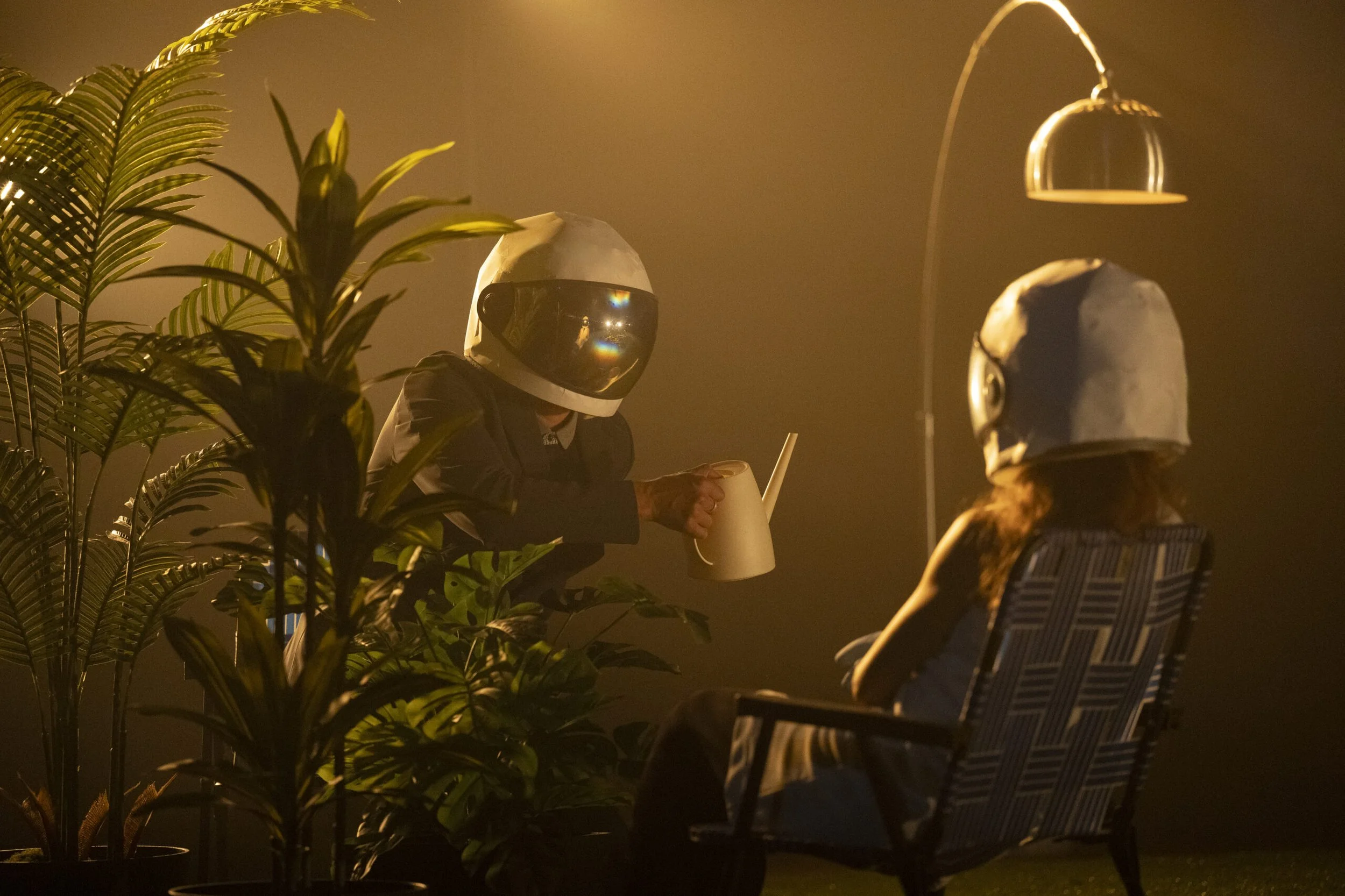
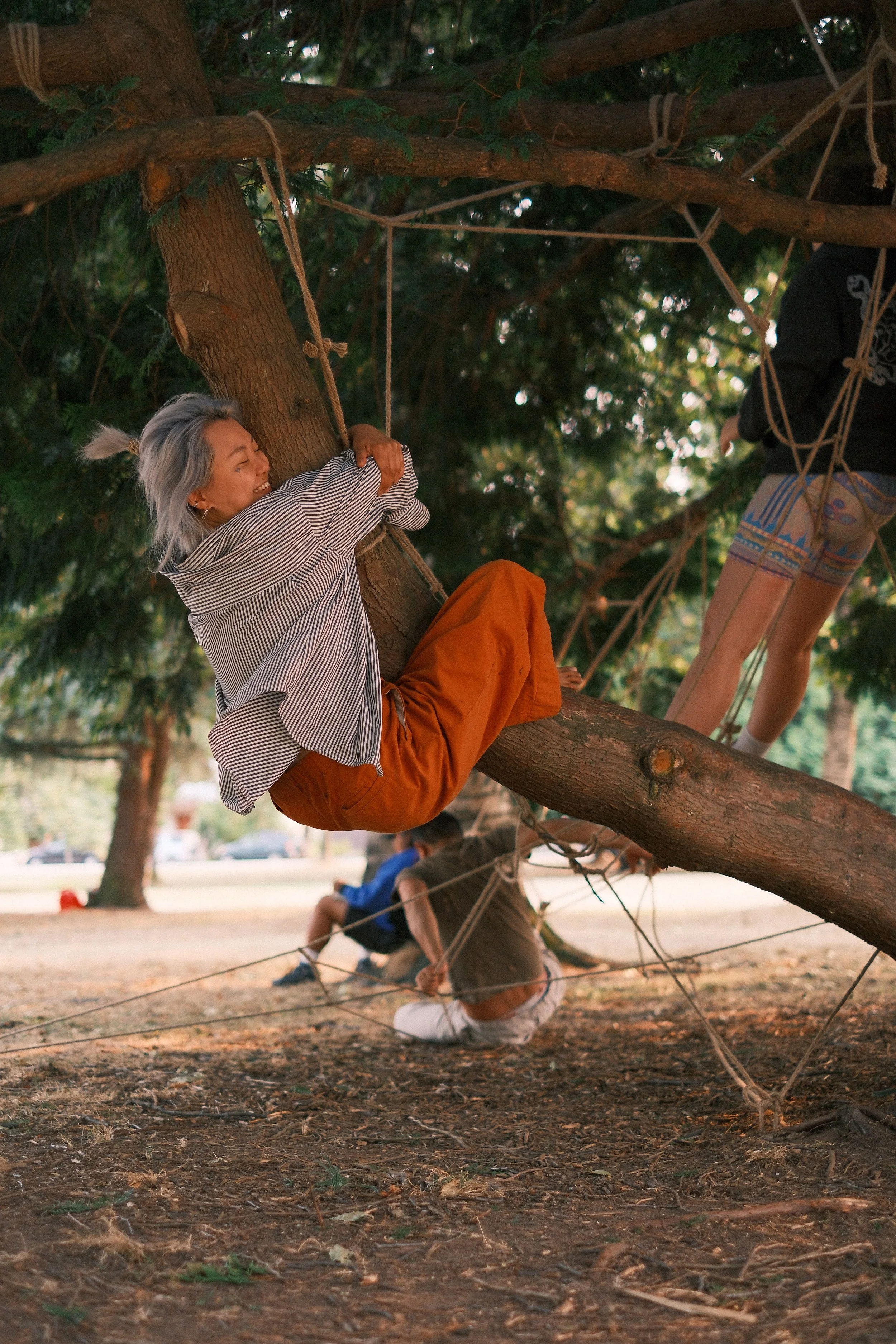
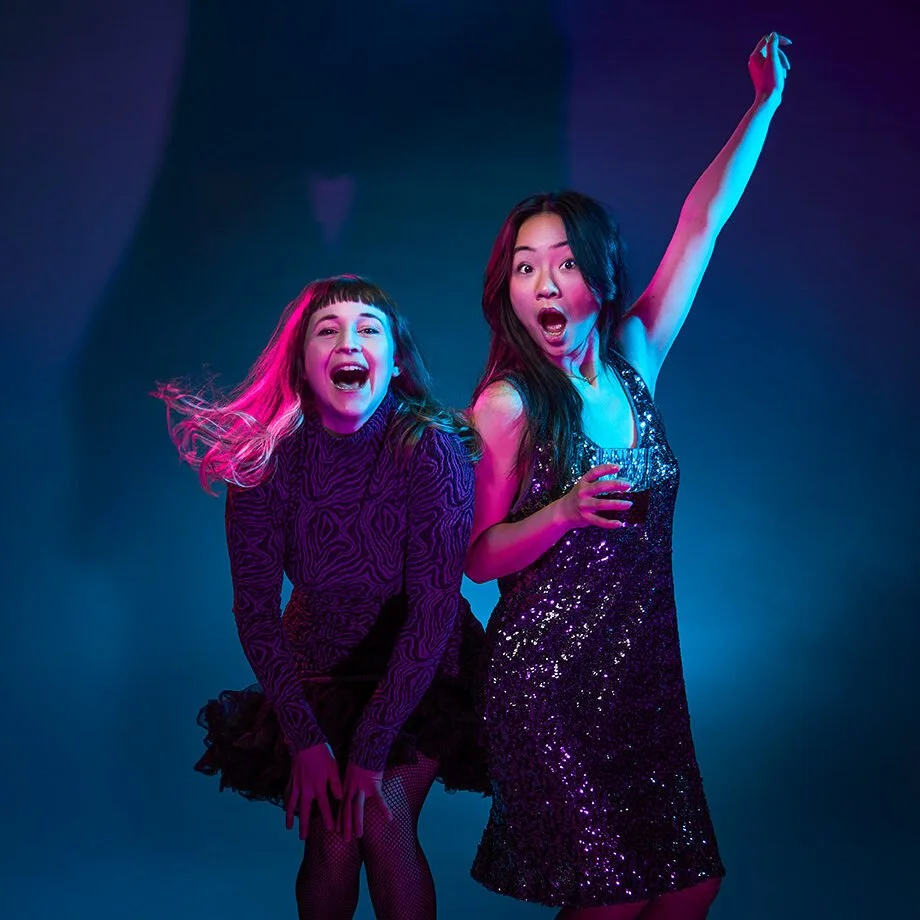
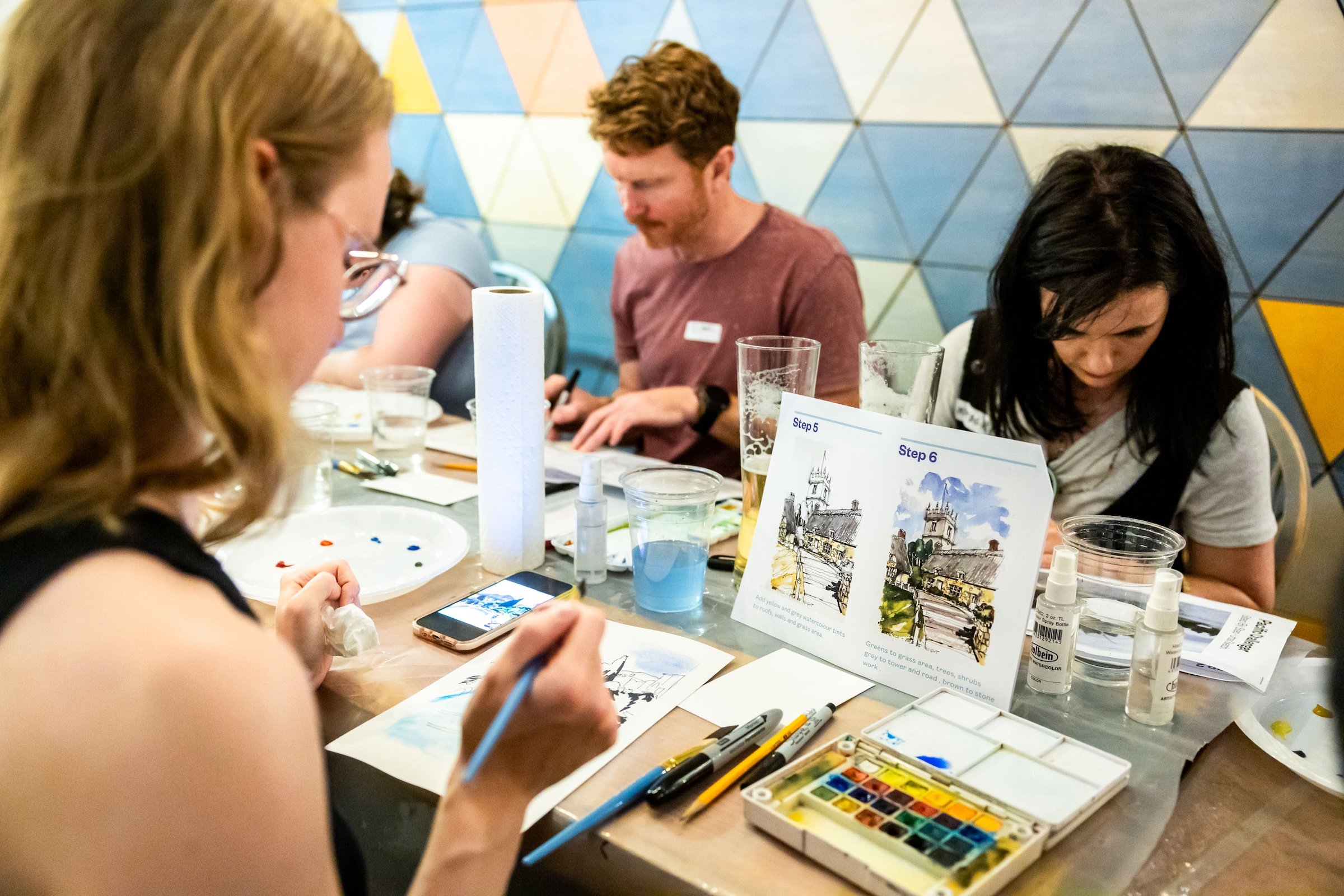
Catching Up to the Future of Our Past. Photo by David Cooper
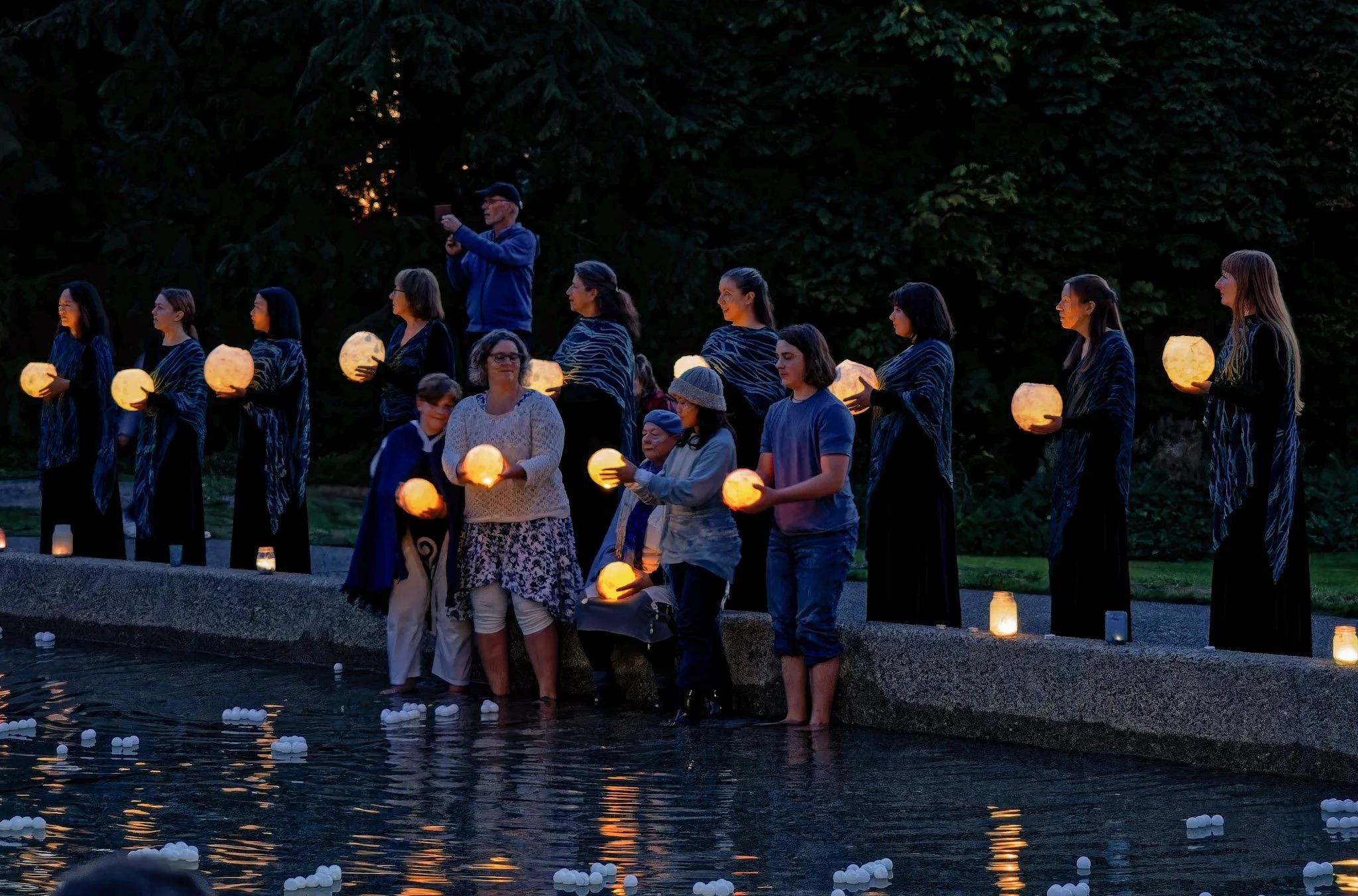
The upcoming festival’s programming also includes a strong component of Vancouver dance talent. Plastic Orchid Factory presents Catching Up to the Future of Our Past, in which two bodies meet, orbiting between what was and what might be in “a Mary Quant–inspired, retro-futurist astral bubble”. The show, copresented with The Dance Centre, takes place January 30 and 31 at the Scotiabank Dance Centre. Vanessa Goodman of Action at a Distance stages her much-anticipated WAIL on January 26 and 27 at the Annex, in a copro with Music on Main and The Dance Centre. And Justine A. Chambers leads the Western Canadian premiere of The Brutal Joy, a dance work that combines Black vernacular line dance, sartorial gesture, and scored improvisation, at the Scotiabank Dance Centre on February 5 (presented with The Dance Centre).
There is much more, including opening and closing weekends celebrated at the Birdhouse, with an Opening Party event on January 23, and The Motha’ Kiki Ball by BlackOut Collective, coproduced by PuSh and Van Vogue Jam, on February 7.
Several of the shows are also available to view online.
The PuSh 2026 Industry Series, meanwhile, is set to bring together more than 240 global performing-arts professionals for dialogue and showcases from January 27 to February 1. And PuSh is also launching a program for emerging artists and arts critics called In Dialogue, a free intensive for people aged 25 to 35 that will find participants attending fest performances, having discussions with leading theatre makers and scholars, and taking part in post-show conversations with fest artists from February 2 to 8.
And PuSh’s Youth Pass returns, allowing a limited number of youths aged 16 to 24 to access four shows at just $20. 

Related Articles