Surrey Art Gallery probes Expo 86’s artistic legacy with In the Shadow of the Pavilions
The new exhibition includes works by a number of artists who were featured in the 1986 world’s fair—and also a few who were excluded
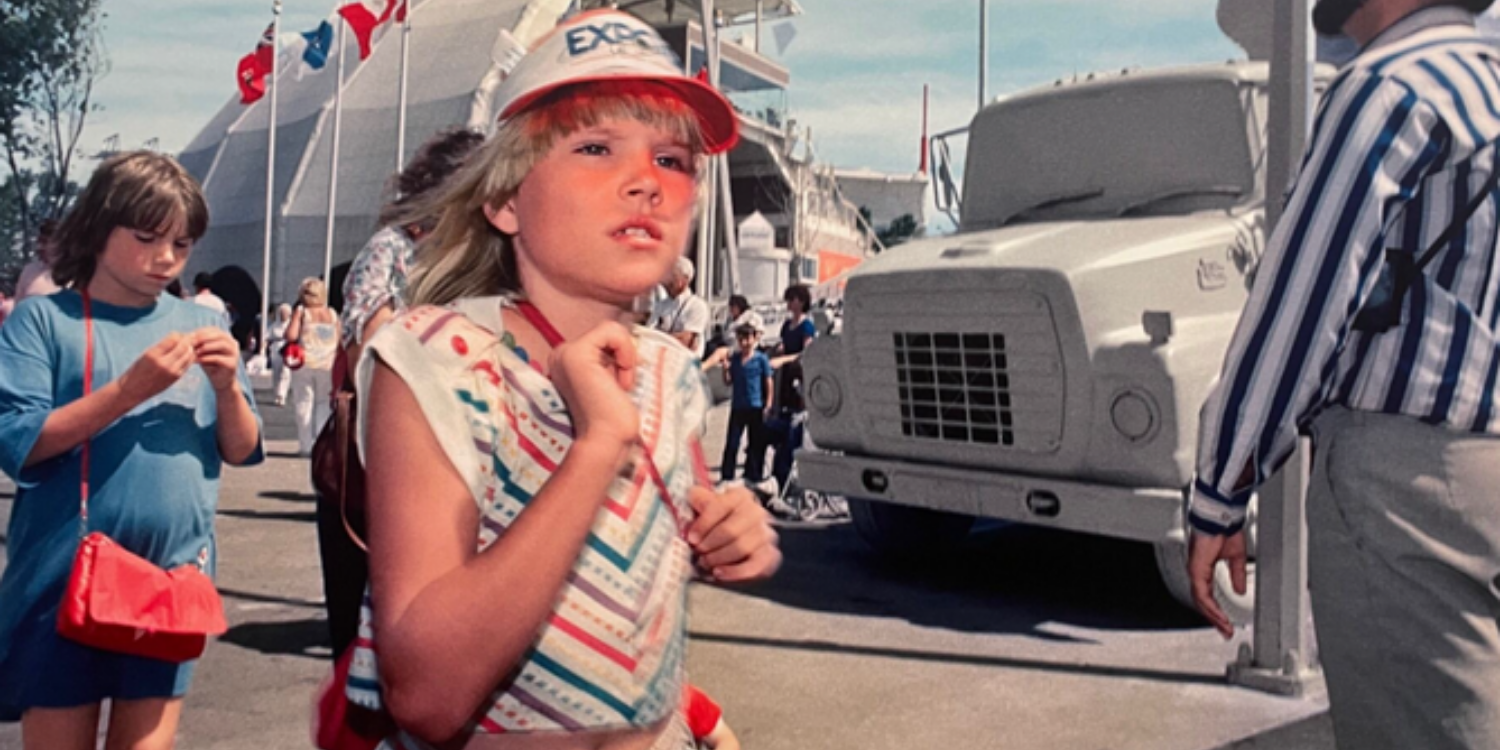
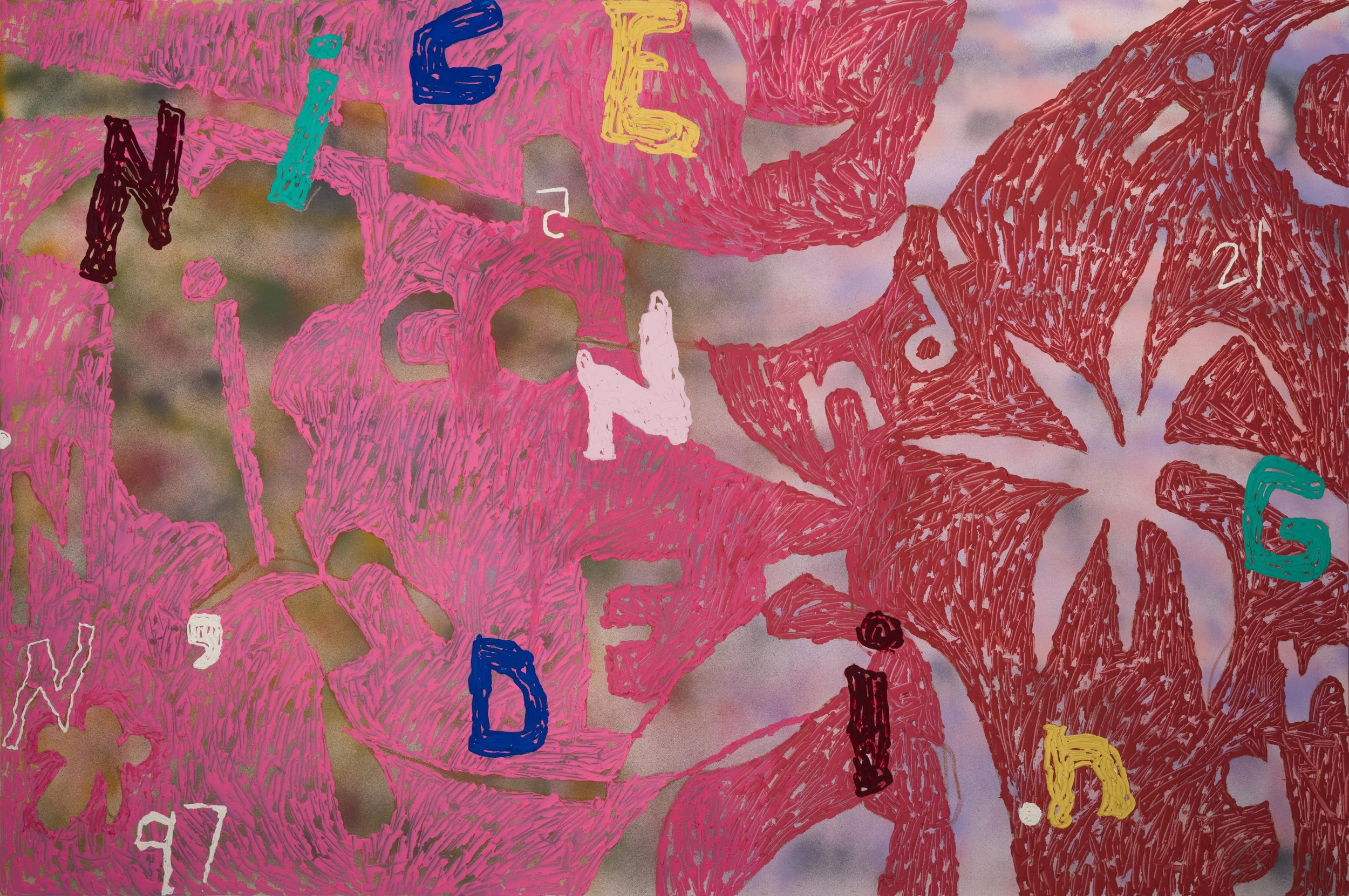
Michael de Courcey, One in a Million
Surrey Art Gallery presents In the Shadow of the Pavilions: Expo 86 and Contemporary Art from April 18 to June 7
IN A COUPLE OF months, soccer—sorry, football—fans from around the globe will converge on Vancouver as our city plays host to several matches in this year’s World Cup. This isn’t the first time we’ve provided the stage for a major international event, of course, as anyone who still has a plush Quatchi or official light-blue 2010 Winter Olympics volunteer jacket in the back of their closet could tell you.
Before that, Vancouver had first dabbled in large-scale global meet-ups with the 1986 World Exposition on Transportation and Communication. Don’t worry if that doesn’t sound familiar. Everyone back then just called it Expo 86, and that’s how it’s remembered today.
Running between May 2 and October 13, 1986, Expo drew 22 million visitors and changed the face of the city in ways that are still visible. It brought us the SkyTrain and BC Place, for example, as well as Canada Place and Science World.
The world’s fair boosted the region’s profile in an unprecedented way, sparking a tourism boom that has never really slowed down, economic downturns and global pandemics notwithstanding. It also put an international spotlight on some important British Columbia artists.
As with all such things, however, there were only so many golden tickets, and Expo could not possibly make space for every local artist’s work.
“There was a lot of hope initially from many in the art community in the early ’80s that there was a chance to get involved and get their work shown in the official Expo program, and many people were disappointed to not be able to get their work in,” says Jordan Strom, curator of exhibitions and collections at Surrey Art Gallery. “If you read the newspapers from that time there was quite a bit of opinion about exclusion of local artists. But these big events also have finite budgets and finite space. There were plans to have bigger exhibitions and do more spaces for local art, and some of those didn't work out for a wide variety of reasons.”
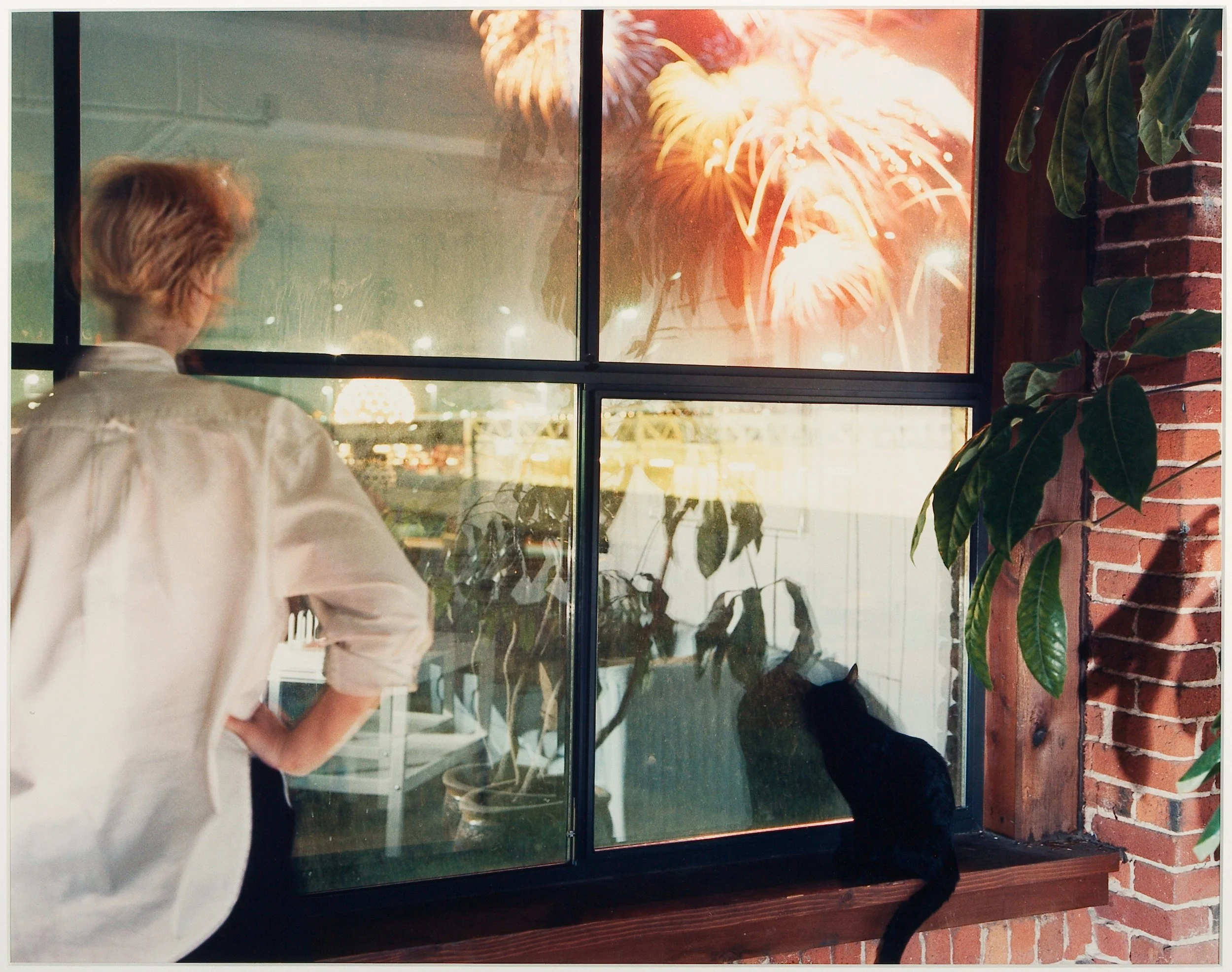
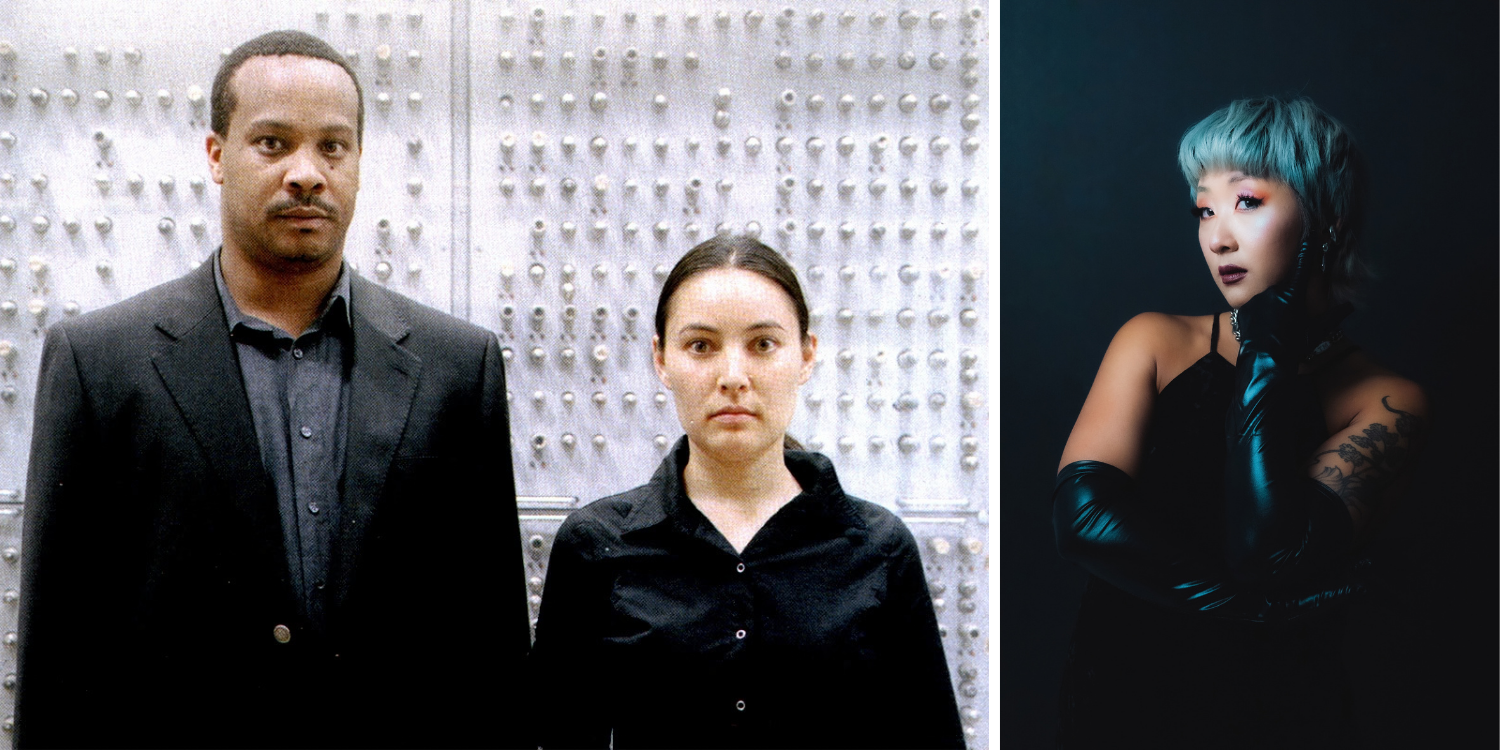
Lorraine Gilbert, Heidi and Big Science
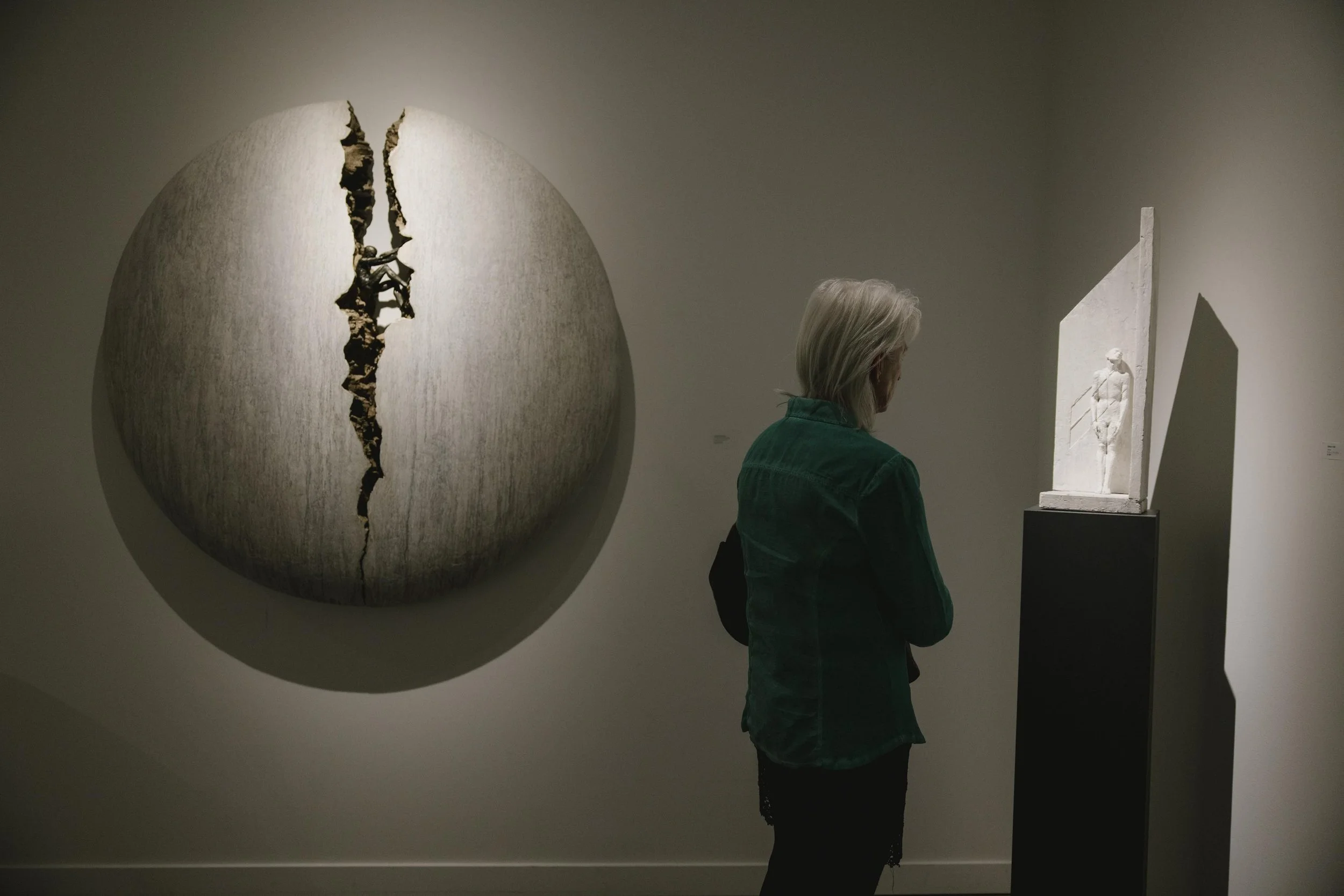
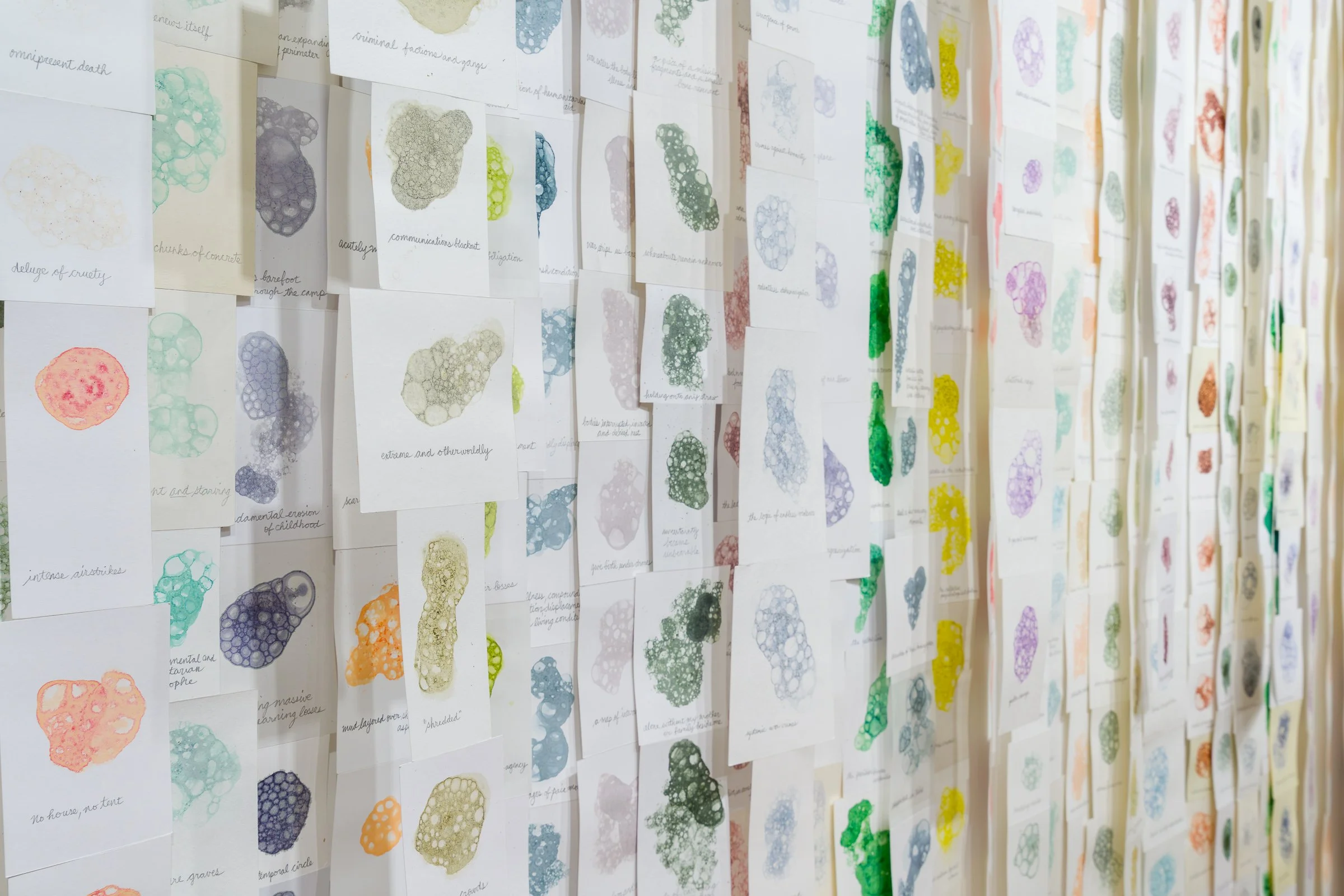
A new Surrey Art Gallery exhibition, In The Shadow of the Pavilions, features original works and archival materials from a number of artists who were included in Expo’s arts programming—and some who were left out.
“The exhibition is structured around both official works and then works that were mounted and presented around the region during ’86 but also in the lead-up and during the immediate aftermath—the works that are kind of in conversation with the world’s fair,” Strom tells Stir.
The show includes art works and documentation by more than 50 artists, and while space doesn’t allow us to list them all, a few of the key names are Richard Tetrault, Debra Sparrow, Stan Douglas, Ruth Beer, Marcus Bowcott, Hank Bull, Lorraine Gilbert, Rodney Graham, Kate Craig, Robert Davidson, Beau Dick, Christos Dikeakos, Xwalacktun, Michael de Courcy, Colin Low, Oraf, Hildegard Westerkamp, and Paul Wong.
Strom sounds particularly thrilled to call attention to the holographic works of Michael Snow, which the curator vividly remembers viewing in awe at the Roundhouse as a 14-year-old Expo 86 attendee. “It was probably the largest show of a single artist at Expo,” Strom says. “It was called The Spectral Image. It was over 40 works of holography. And Michael Snow was one of the most critically acclaimed artists of the ’60s, ’70s, and ’80s and beyond, so it was a major show. We have some archival work related to that.”
Another highlight of Expo, Strom says, was Loo Taas, a red cedar ocean-going canoe designed by Haida artist Bill Reid and built in Skidegate by a team of carvers. The Surrey Art Gallery doesn’t have the actual canoe on display (it’s over 15 metres long, after all), but it does have Reid’s original maquette.
Strom says the exhibition he has curated doesn’t turn a blind eye to the numerous controversies surrounding the 1986 world’s fair. The show even includes a copy of Expo Hurts Everyone, a four-track EP by various local bands headlined by D.O.A., whose biting “Billy and the Socreds” takes a swipe at then-premier Bill Bennett and his Social Credit party to the tune of CCR’s “Willy and the Poor Boys”.
“There were some artists and other residents who were a bit frustrated with some of the impacts and effects of Expo, like on housing,” Strom says. “There was the eviction crisis on the East Side, and people getting pushed out of some of the single resident occupancy hotels, for example, so artists made work about that. There was also some frustration with bringing in non-union workers to build Expo, and so people made work about labour rights. Artists respond to a changing environment, and certainly Expo created a huge impact on many different areas of social life and economic life in the Lower Mainland and in the province.”
Ironically, one unintended consequence of Expo 86’s exclusion of some local artists was that it spurred them on to find new and innovative ways to get their work seen.
“Artists organized other projects around the Lower Mainland, just through elbow grease, doing their own things in storefronts and artist-run centres and places like the Surrey Art Gallery,” Strom says. “We had a show that related in certain ways to the Expo moment, thinking about the idea of landscape and nature and spectacle. It was called Six Projects for Surrey. So we’re showing some of that work here.”
With the 40th anniversary of Expo 86 fast approaching, expect to see and hear plenty of discourse over the next few months—and for years to come—about the fair’s legacy and what it all means. Strom for one welcomes the conversation.
“Expo 67 has shelves’ worth of books trying to identify the significance of it,” he says. “Expo 86 has very little in terms of books or films or other things, so I think maybe this is one small glimpse into that, and hopefully there will be others as we move towards the 50th in the coming years.” 

Related Articles