With mysterious Magic Show, artist Rosamunde Bordo blurs line between real and fictional worlds
Multilayered exhibition of video and handcrafted works at Western Front blends detective tales and esoteric rituals to create an ongoing, genre-defying form of storytelling
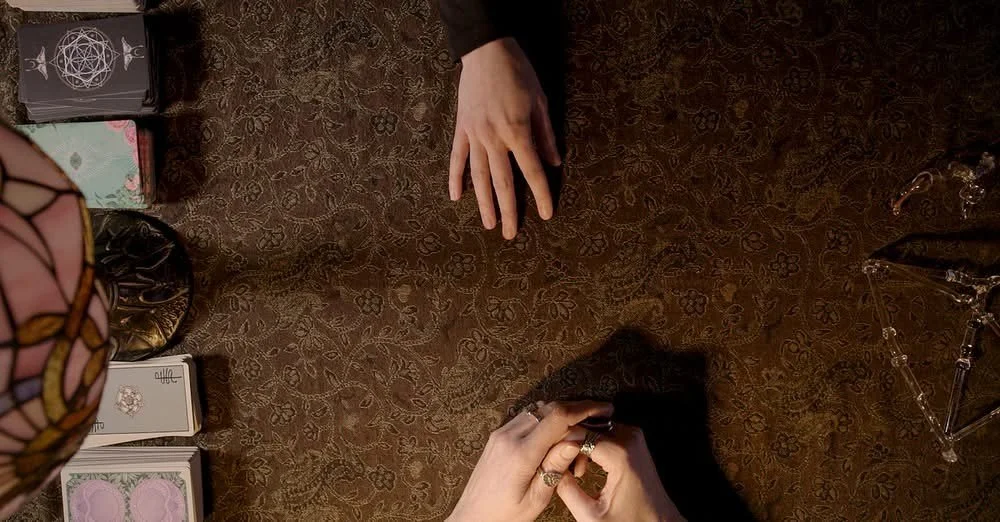
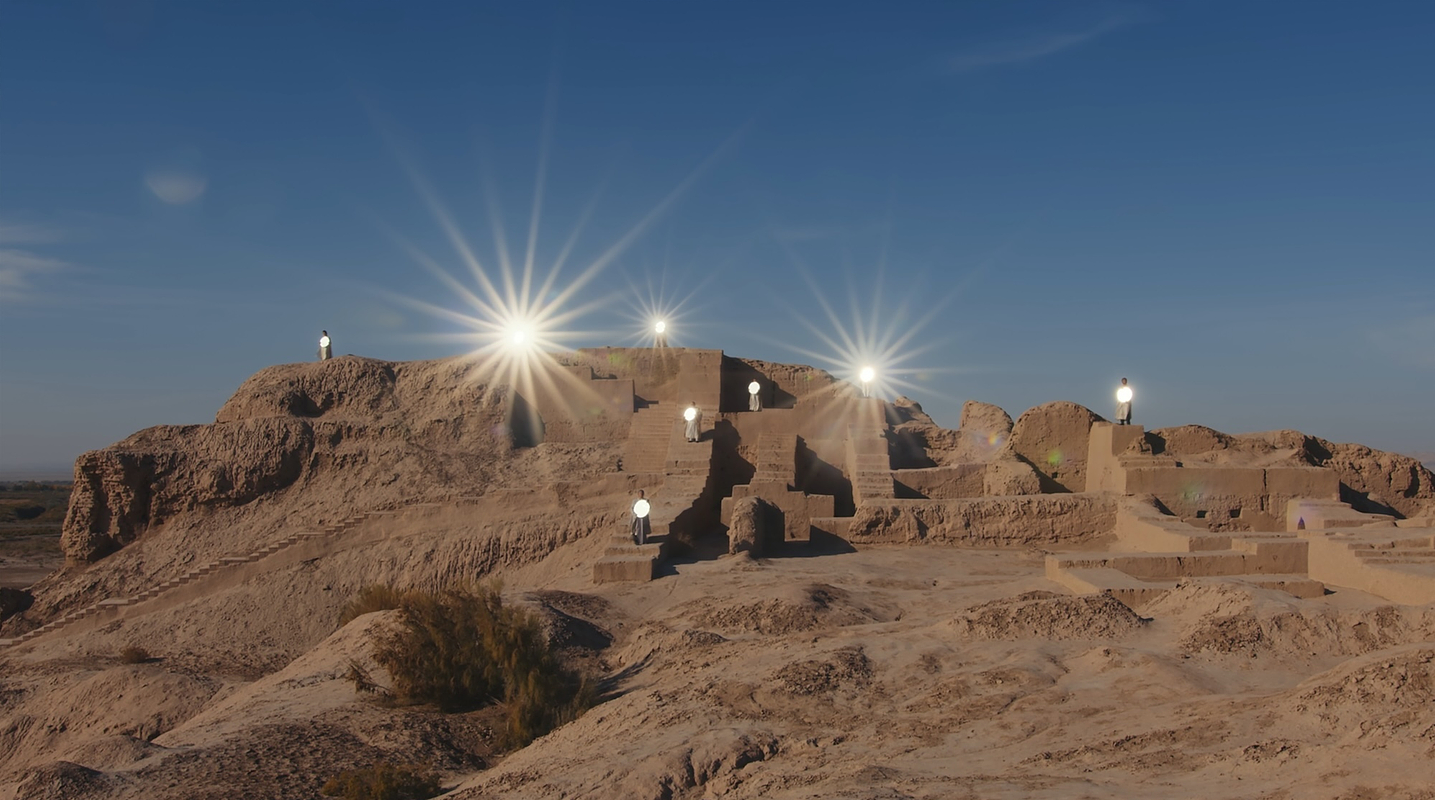
Rosamunde Bordo’s Tarot in D-Minor, 2026. Video still courtesy of the artist
Western Front presents Rosamunde Bordo’s Magic Show to July 25
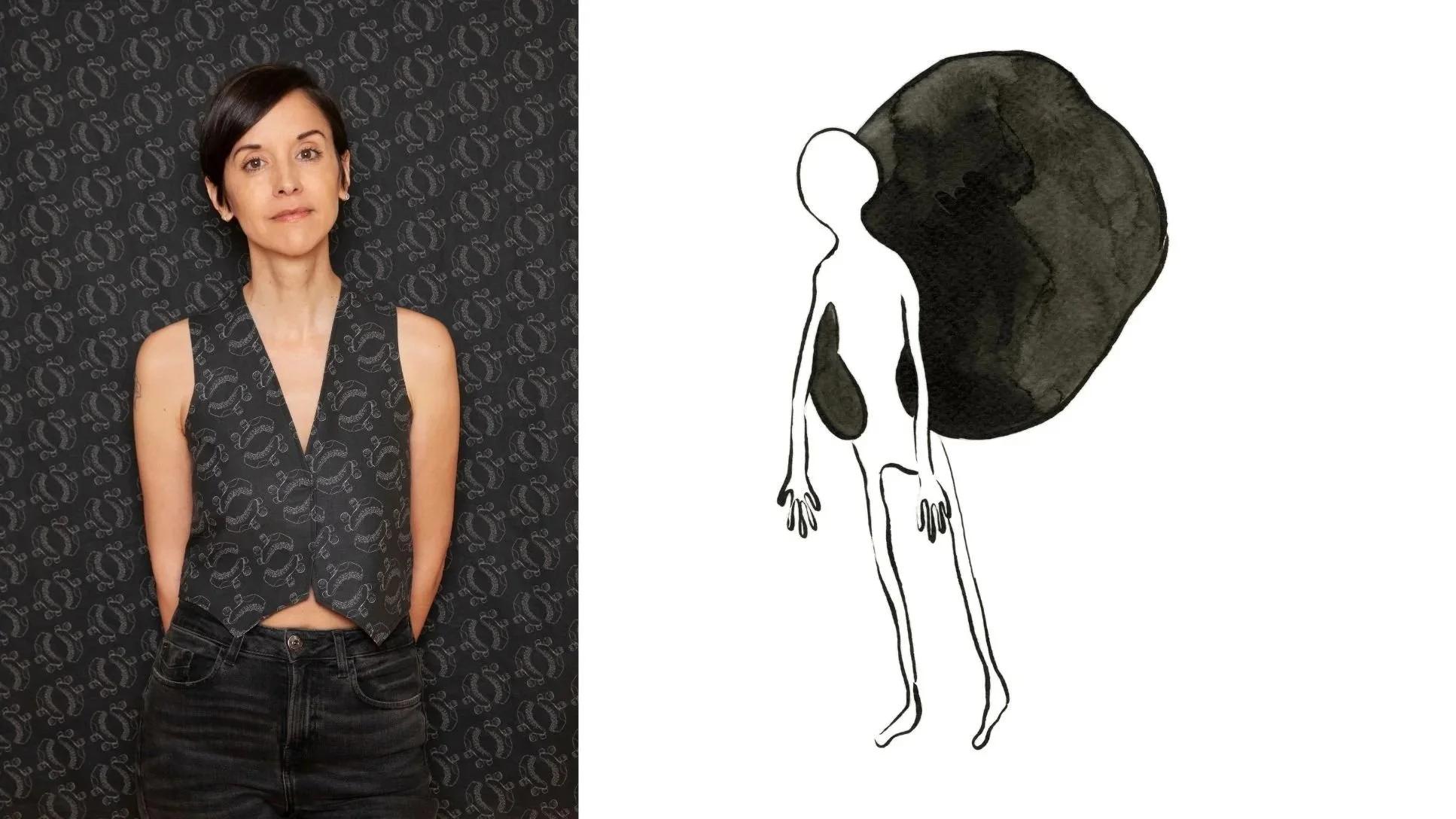
IT BEGAN WITH a series of found postcards addressed to a woman named Denise, given to Rosamunde Bordo in a G.I. Joe toy box. Coming from a print and visual arts background, the Vancouver-based artist has cultivated a life of letter-writing with friends, and collecting or receiving found and forgotten objects. Though she didn’t initially set out to create what she calls The Denise File, Bordo began creating artworks inspired by the postcards and crafting a serialized narrative of Denise’s life akin to the detective and mystery stories she grew up loving. Unlike her favourite childhood TV show, Columbo, Bordo’s fiction unfolds through physical space and a series of art exhibitions framed around The Denise File.
“[The detective story is] also such a popular form, that’s the other thing that interests me about it,” Bordo explains in conversation with Stir. “There’s nothing that’s special about it in the sense that it has a very formulaic structure, and it’s used everywhere.”
Bordo grew up in Ontario and Quebec and left for Vancouver nearly eight years ago to attend UBC’s MFA program in visual art. She recalls moving to the city a week before the start of the program, bringing only the essentials, including the postcards. This would become the turning point in her art practice, and her relationship to materials.
“My practice hasn’t been print-based since I left Montreal, basically,” says Bordo. “Arriving with basically no art materials, I started working through finding objects and responding to these postcards and put aside making for a couple of years.”
Now, as one of Western Front’s current artists in residence, Bordo has made a return to artmaking alongside her practice of finding objects and materials, with her latest exhibition, Magic Show. She has been developing her glassblowing skills since last fall with UBC’s Brian Ditchburn. As a newer material within her practice, it is keenly felt in Magic Show.
Visitors are greeted by Karmic Cleanse upon entering Western Front’s lobby—a video work with a close-up shot depicting a kind of liquid chemical process (or, in another context, potion-making). The video is shown on a translucent screen, allowing the glass and wig material behind it to overlap and interact with the video like a light box. Karmic Cleanse introduces the esoteric elements of Magic Show, alluding to magic as a performance art, and as an ingredient in occult rituals and practices. The exhibition’s introductory text invites visitors to take on the lens of the detective and the magician. Through these distinct roles, the found materials can be seen as objects associated with Denise, and the installations as glimpses into a fascination with the occult.
Bordo’s glasswork becomes the centrepiece of the exhibition’s first room with Communicating Vessels, an extensive and delicate piece featuring a pentagonal design. Liquid materials like chartreuse and vodka are used to fill the vessel and enhance the glasswork with delicate colours, contrasting with the classic magic-theatre aesthetic of the red velvet fabric overlaying the table. As noted by Magic Show curator Kiel Torres in the exhibition’s accompanying essay, “As Above, So Below: A Note on Properties”, “Colour is also vital in calibrating the space to the spirit being called.”
Installations that combine Bordo’s woodwork with found objects surround the centrepiece, including two handcrafted wooden hands holding a charm bracelet and a scarf. On another wall, a piece of fabric from a housecoat is presented in a wooden frame. The Denise File is perhaps at its most tangible in these everyday materials, which can be seen as pieces of evidence in The Denise File, and as conduits for esoteric practices such as psychometry—the practice of reading the history and energy of someone’s personal item. Despite the fictitious nature of Bordo’s characterizations, her work conjures a space that sits between reality and fiction.
“Responding to something real feels like just how fiction works, and how our artistic practice works too,” says Bordo. “There are real objects and materialization manifestation, but at the same time, it’s actually more fictional because it’s coming from me.”
Bordo’s use of found objects is further explored in Tarot in D-Minor, a video dramatization where a psychic performs psychometry on a “Denise” nameplate necklace and conducts a tarot reading. Torres notes that the rituals cited in the exhibition recall the works of Czech occultist Franz Bardon, who performed as a stage magician while pursuing his study of ritual magic. In Tarot in D-Minor, the rituals are framed as scenes in an ongoing narrative, activating an air of mystery influenced by natural desire for resolution and catharsis. By connecting story, materials, and rituals, there is a sense of divine orchestration afoot that is at once obscure and, in Bordo’s case, decidedly mundane. This is perhaps best illustrated in her journey of responding to a specific postcard sent to Denise, about a missing housecoat.
“One of the postcards was from a Holiday Inn where [Denise] gets a postcard that said, ‘We didn’t find your housecoat, I’m sorry,’” says Bordo. She knew she had to find a housecoat that fit the narrative. When she found one that seemed right, there was no tag. She tried negotiating a lower price for it, but ultimately caved and paid the $20 price difference. “When I took it to my studio [and] tried it on, there was $20 in the pocket. It felt like the universe was kind of reinforcing this.”
While Magic Show displays Bordo’s fluency in crafting and presenting materials, it is her intuitive call-and-response as a storyteller and interdisciplinary practitioner that brings everything to life. Like any good mystery, the more visitors pay attention to the texts and dialogue surrounding the works, the more rewarding the experience.
Unlike more traditional forms like a novel or film, the mystery here is less rooted in plot, and more in the subtle currents that connect our lives and, to a lesser degree, Bordo’s philosophy of storytelling. As The Denise File grows, Magic Show leaves an air of anticipation around future iterations of this story, and what forms it may conjure. Bordo’s approach teases the idea of exhibition-making as a serialized practice, and Magic Show stands as a thought-provoking exercise in narrative art. 

Related Articles