East Van Schools Improv Project is about much more than funny business
Improv Centre program introduces secondary students to improvisational comedy while teaching skills that are applicable to many other areas of life
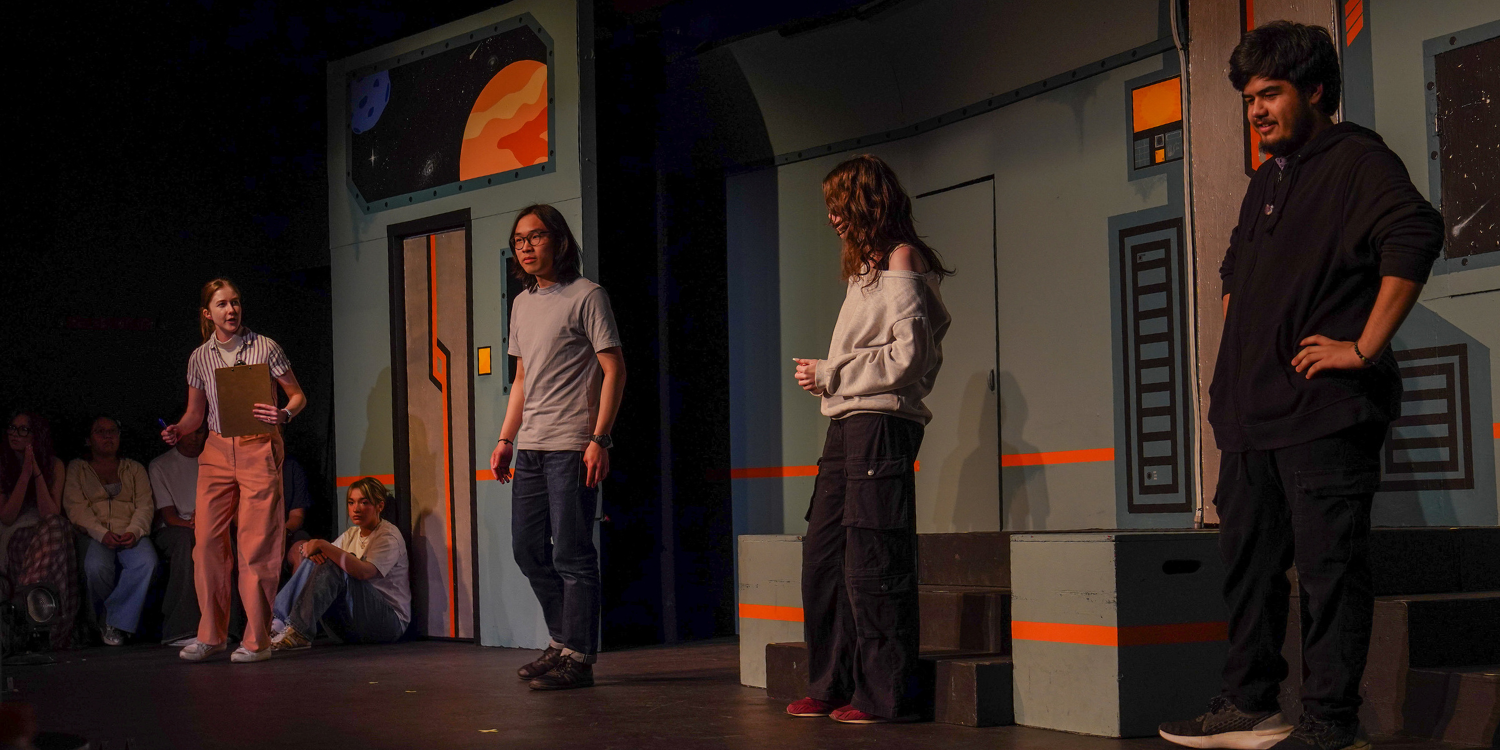
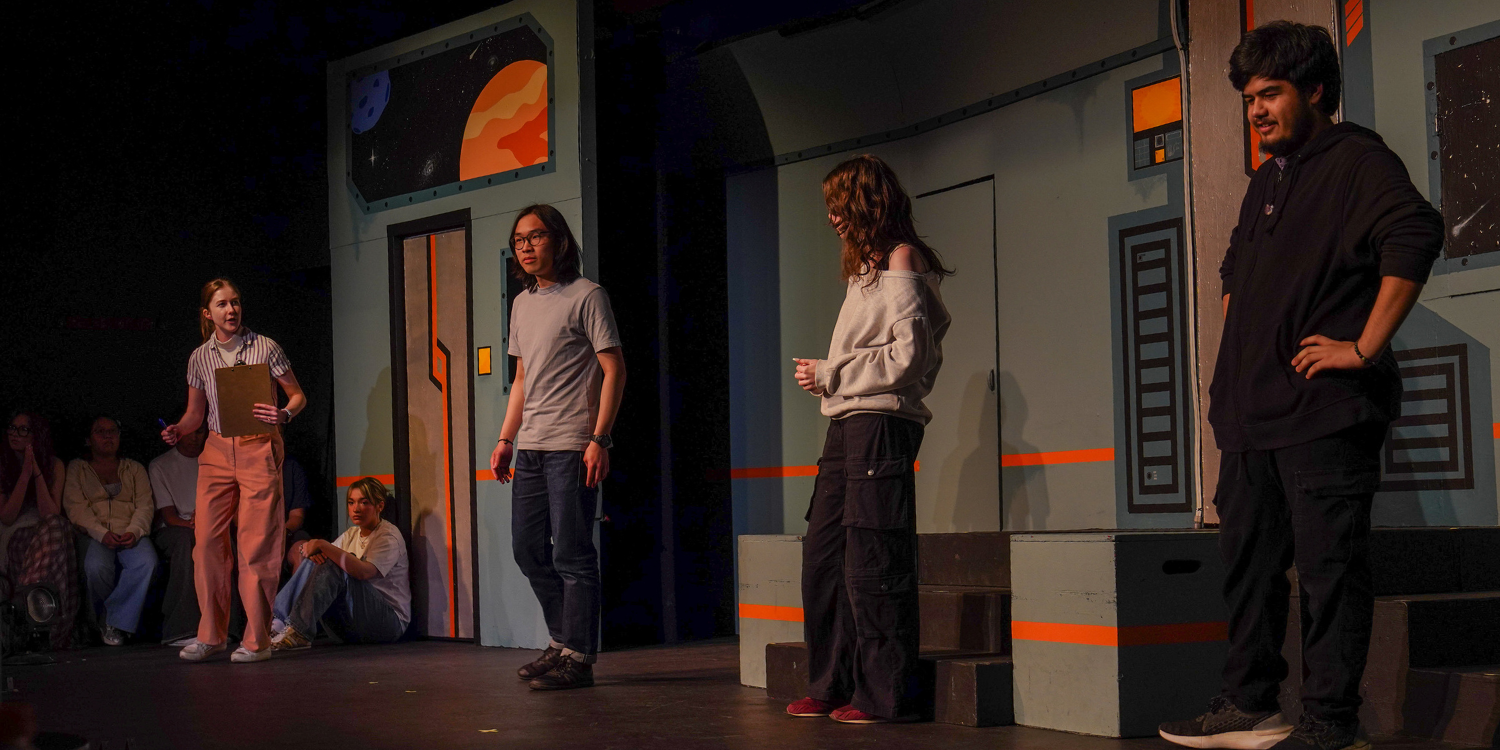
The Improv Centre’s Maddy Rafter (at left) and students in the East Van Schools Improv Project.
SURVIVING HIGH SCHOOL is a lot like doing improvisational comedy, when you think about it. Rather than beat that analogy into the ground, let’s just say that it’s one that probably isn’t lost on Jessica Gutteridge, managing director of the Improv Centre.
Gutteridge and her comedic colleagues have made the link between funny business and secondary education more concrete through the East Van Schools Improv Project. That program sees pairs of performers from the Improv Centre’s rotating ensemble lead 90-minute after-school classes for students at participating schools.

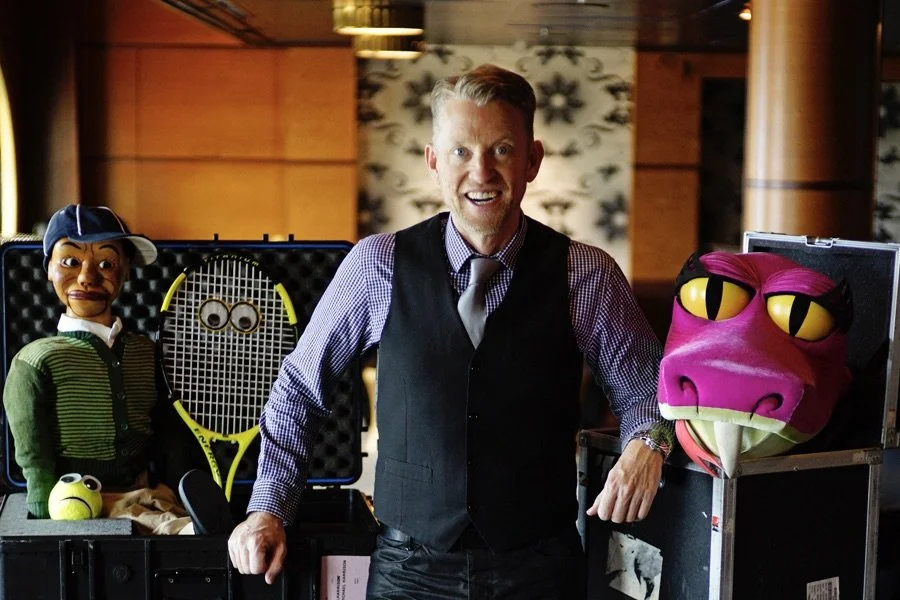
Jessica Gutteridge. Photo by Tallulah Photography
“For a 10-week period, the teachers will come every week, work with the group of students in the cohort on teaching them everything they need to know about improv performance, playing games with them, working on stage presence, working on collaboration and cooperation, and ultimately working toward presenting a showcase of their performances at our theatre on Granville Island,” Gutteridge tells Stir. “And in the process, they also take a field trip to visit the theatre during the program, get a full tour of backstage, get familiar with the space they’re going to be performing in, and then stay to watch their teachers performing in a show that evening.”
The East Van Schools Improv Project first ran as a pilot program during the 2024–25 school year. This past spring, the Improv Centre ran the full program at Vancouver Technical, Gladstone, and David Thompson secondary schools. For schools interested in participating in the next round, which starts after spring break 2027, registration is open between now and November.
Gutteridge hopes that once young people get a taste of improv, they’ll fall in love with the art form.
“One of our strategic goals as an organization is to bring new people into the improv community, whether it’s as audience members or performers, and we’re looking to make sure that the community of improv performers really reflects the diversity of Vancouver,” she says. “And so going out into the schools and meeting kids from all backgrounds and bringing them into the art form is very exciting to see. And we’re really, really hopeful that as they go through high school and university and into their adult life, they stay with us in one form or another.”
Of course, in learning the art of improv, students will also develop skills they can use outside the classroom. “I think theatre generally brings a huge number of transferable skills to young people, and I wish that arts programs were as well-funded as some other programs are for students, because they really focus first and foremost on teamwork and collaboration and working with others,” Gutteridge says. “And improv is really an immediate way of seeing that. You really can’t do it by yourself. You need to really be listening to your scene partner, responding to exactly what they’re saying and doing—not, you know, concocting something in your head and then spitting it out. It’s amazing for public speaking and confidence in public presentation.”
Gutteridge encourages secondary school teachers or administrators interested in learning more about the program to send an email to education@theimprovcentre.ca. 

Related Articles