Throat-singing duo PIQSIQ inspire with tales of complex heroes and eerie creatures of the North
Ahead of their Chan Centre show alongside renowned singer-songwriter Susan Aglukark, sisters Inuksuk Mackay and Tiffany Ayalik discuss Legends and the power of traditional Inuit storytelling
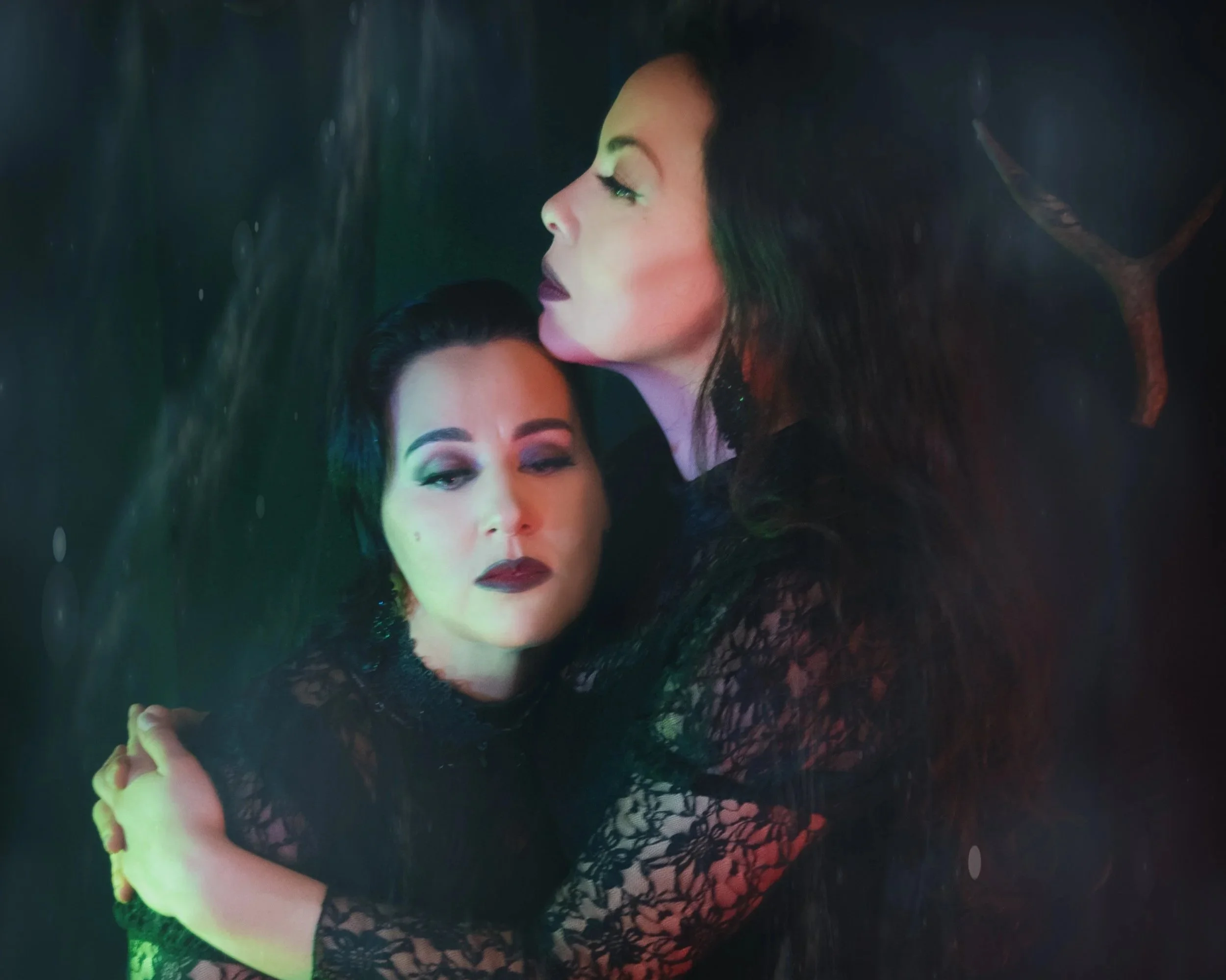
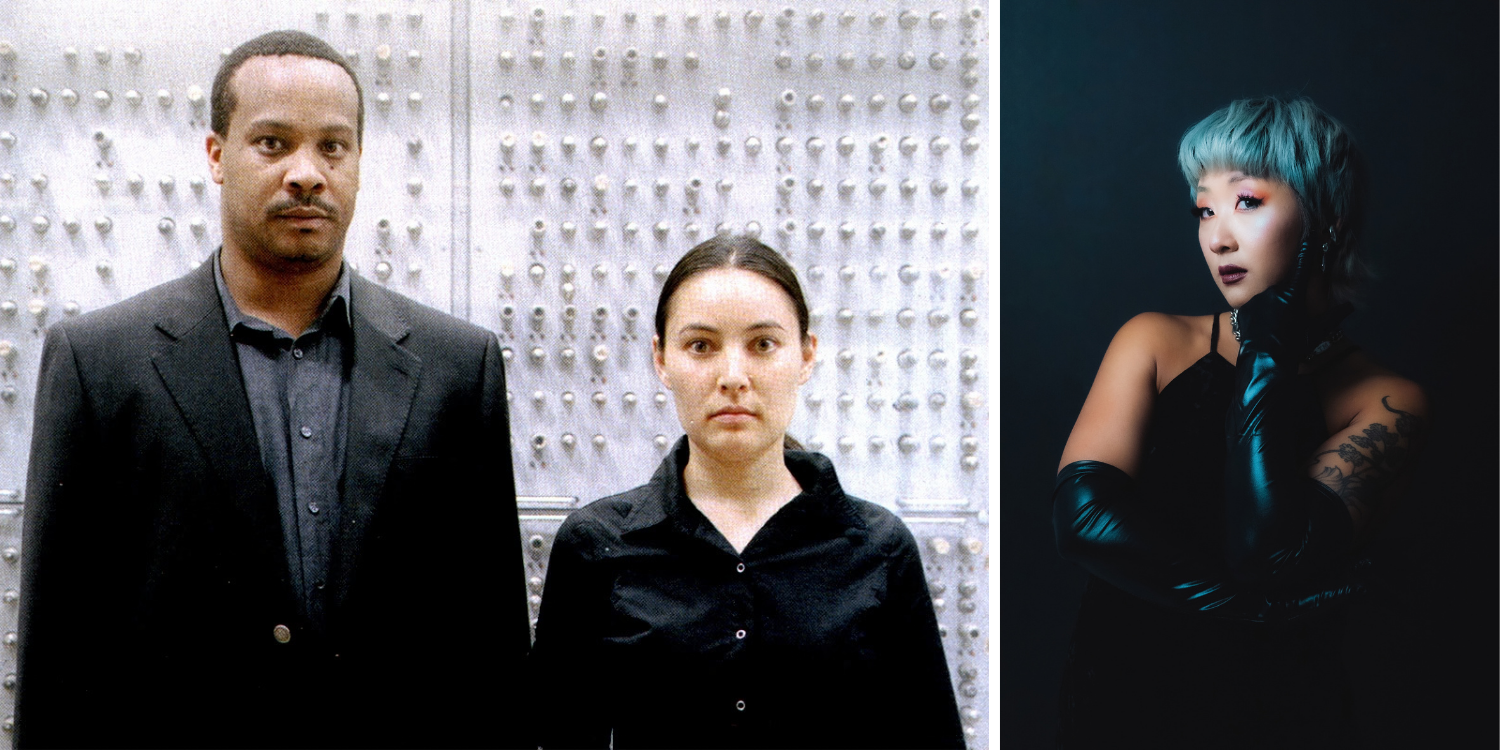
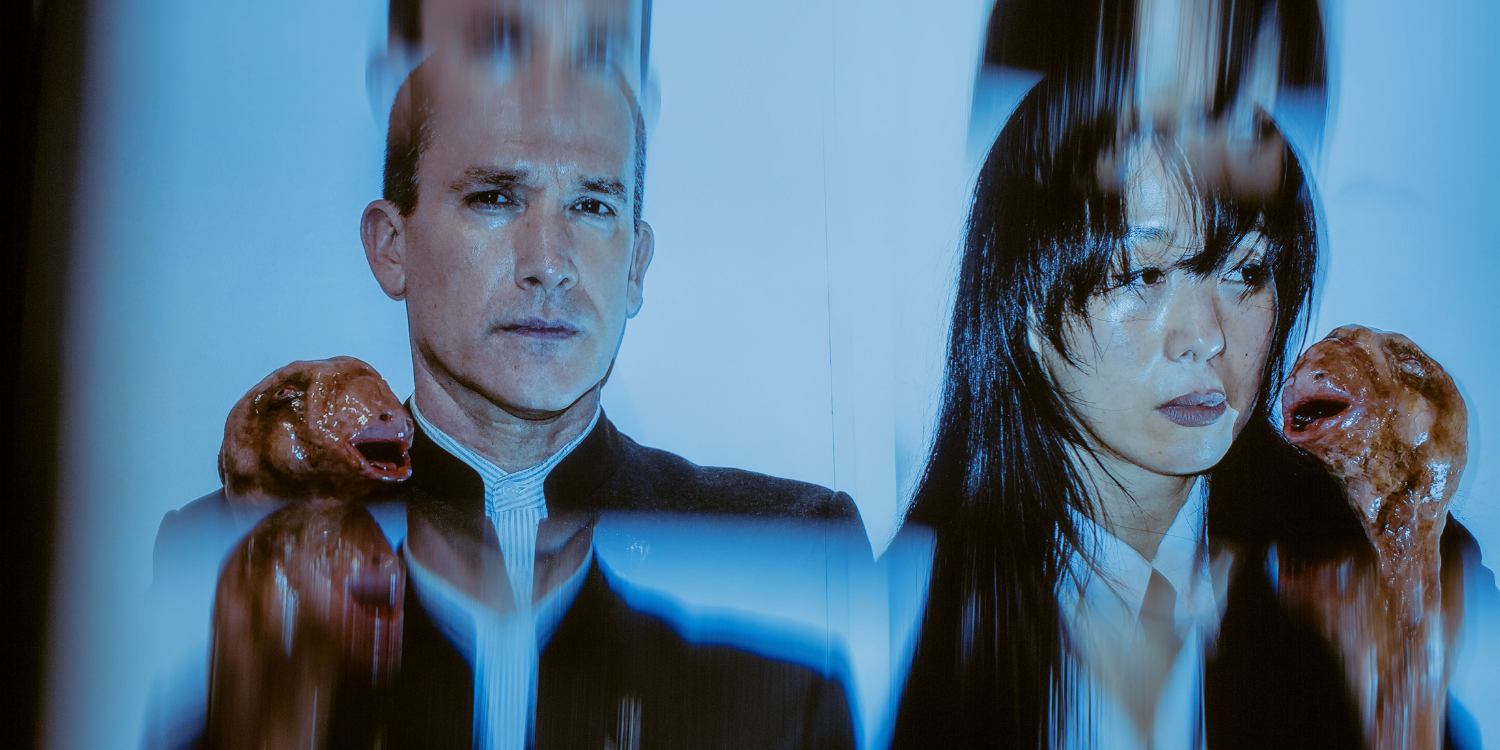
PIQSIQ. Photo by Inuksuk Mackay
The Chan Centre for the Performing Arts presents Susan Aglukark and PIQSIQ at the Chan Shun Concert Hall on April 12
FOR MOST CANADIANS, or at least for those who consider Edmonton a tundra city, PIQSIQ’s 2025 album Legends will be a voyage into the unknown. It is a strange and compelling work, weaving traditional katajjaq (throat singing) and electro-futurist loops into a dreamlike soundscape where listeners will meet cannibal giantesses, ravenous polar bears, eerie shapeshifters, and, perhaps most terrifying of all, the Mahaha, a kind of Arctic dementor that claims its victims by tickling them to death.
For siblings Inuksuk Mackay and Tiffany Ayalik, however, these are not folk-horror fantasies as much as home truths, based on the instructive metaphors they absorbed from their elders while growing up in the Northwest Territories. While the PIQSIQ sisters didn’t necessarily realize that they were being taught life skills at the time, they now know just how lucky they were.
“I think becoming parents was a big part of it,” Mackay explains in a Zoom interview. “When you start telling your kids stories that you heard growing up, those stories come back into your life in a major way.”
“We work a lot with youth—Inukshuk a lot more than I, these days—and it felt important for us to be really celebrating formative things from our childhood that were a source of deep cultural pride,” Ayalik continues. “When you’re a little kid and you’re hearing them, they’re just stories. They’re fun and they’re exciting and they’re a little bit scary and you take turns freaking each other out, or you scare your cousins. And then when you get older and you start to see the brilliance of these stories, and the role that they have within Inuit culture, and the brilliance of our elders and our ancestors in coming up with stories like these, you’re like, ‘Oh, these weren’t just entertainment. These are part of our cultural fabric, and how we teach kids how to be safe in the Arctic.’”
Psychological safety is as important as physical survival in these tales, it seems. Yes, kids who hear about Tutaliit in song will learn not to let enchanting mermaids lure them into dangerous waters, and the story of Nanurluk suggests that real-life polar bears demand just as much respect as their giant, supernatural kin. But beyond that, Inuit lore is intended to bolster an outlook that, if adopted, can help prepare young people for dangers both ancient and new.
“In our work, one thing that we really strive for is to be rooted in Inuit qaujimajatuqangit—traditional ways of being, Inuit ways of knowing—and to translate those values into a modern framework,” Mackay stresses. “Even if our technology changes—and the ways that we’re living today have changed significantly—the values still hold. And there are a lot of values in Inuit culture around maintaining harmony and balance—taking a balanced approach to things and being able to acknowledge that both a positive and a negative will be a part of any situation.
“In our art, she continues, “we don’t shy away from the reality of darkness and of hard things and of challenge, but we always want to balance that with the things that keep us going: the joy and the connections to each other and the hope for the future. To plan and prepare for a better future is one of our values. So whenever an issue like [youth] suicide, a big one, comes up, we are not going to succumb to doom and gloom. We are not going to give up; we are not going to paint this picture of a hopeless future. We are going to acknowledge that this is a huge issue that’s massively affecting young people, and we are also going to do everything that we can to use our time and energy to vote for a different future.”
PIQSIQ’s Legends is loosely structured as a voyage of transformation, a creative conceit that nicely embodies both animist concepts of mutability and the Eurocentric—although perhaps also universal—notion of the Hero’s Journey. There are especially strong parallels to the similarly mythic and instructive adventures of the Mediterranean hero Odysseus, including encounters with giants, sirens, and colossal beasts, albeit in a far less hospitable landscape.
“Kiviuq is our main character in lore, and he has a ton of wild adventures that actually do remind me of an Odyssey-type thing,” Mackay says. “And he’s a very complicated character. He makes a lot of mistakes, and children are welcome to learn from his mistakes and to not see things as so black-and-white. Like, you can be a person who’s doing your best and make a ton of mistakes. So, yeah, there is something to that for sure, the Odyssey comparison.”
“And the way that we structured Legends is that we have our two bookends that start and end the album,” Ayalik adds. “‘Itiqgin’ is what you say when you want someone to come on in: ‘Come on in to this world. Come on in to this space that we’re about to create for you, this space of legend and of creatures.’ And then the ending song is ‘Utiqgin’, and that means ‘Okay, now you can go back to your life.’
“‘But return to where? Where are you returning to?’” she adds. “We’re prepping you for this epic journey that you’re about to go on, and then we bring you back.”
Will Legends bring its listeners back transformed?
“Hopefully!” says Mackay, laughing.
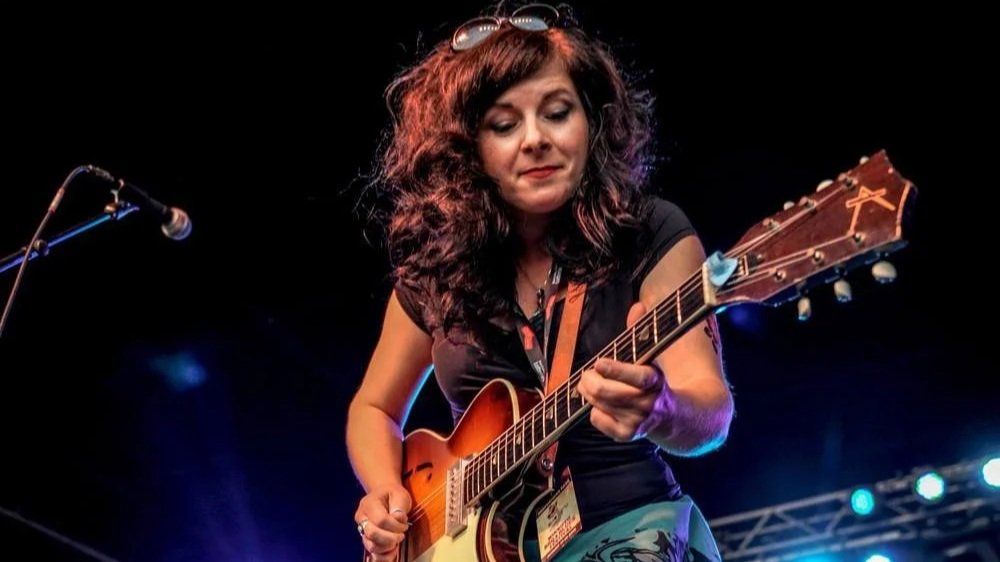
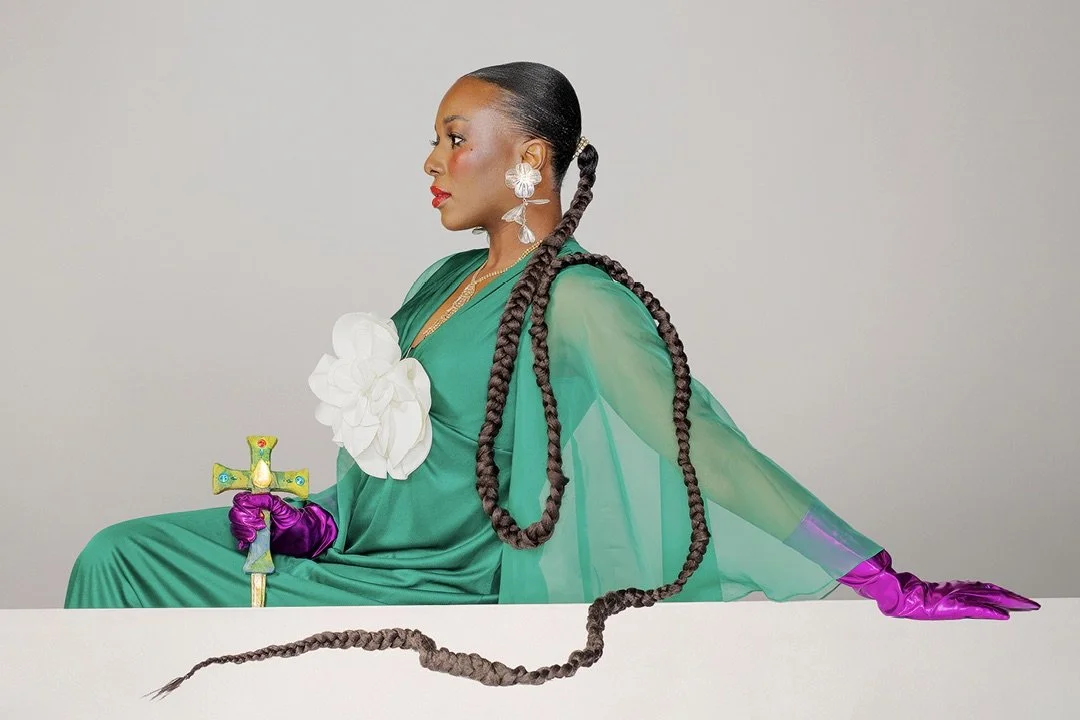
Not all heroes are mythical, and when PIQSIQ plays the Chan Centre for the Performing Arts on April 12, Mackay and Ayalik will be sharing the stage with their real-life inspiration, Inuit singer-songwriter Susan Aglukark. It’s an honour neither takes lightly.
“Susan Aglukark is possibly the most influential and formative source of inspiration for us,” Ayalik says. “When you’re a young teenage kid in the North and you’re at the grocery store, in the lineup at the checkout, and there’s a picture of a stunningly amazing Inuit artist on the cover of Chatelaine magazine, you can’t help but have sparkly eyes and think, ‘Oh my gosh! Inuit are allowed to do that? That’s an option?’ I get goosebumps just talking about it.”
Mackay and Ayalit’s adventurous music is sure to raise goosebumps on its own; expect to have your own vision of the North enhanced, expanded, and most definitely altered. 

Related Articles